
Bull Shark
Carcharhinus leucas
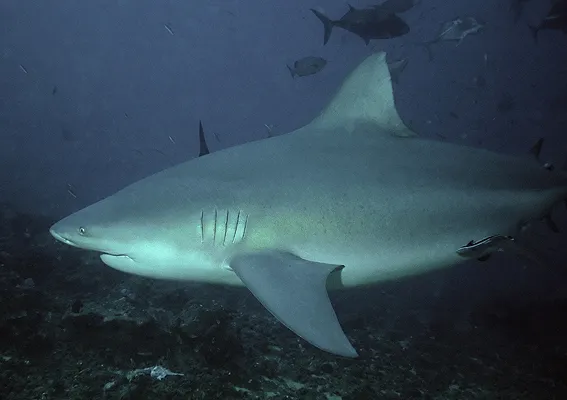
Photo by Pterantula / CC BY 2.5 via Wikimedia Commons
The Bull Shark is the coastal heavyweight that makes divers rethink what "shallow water" means. Stocky, blunt-snouted, and built like a torpedo with shoulders, Carcharhinus leucas patrols the messy interface where ocean meets river — exactly the kind of habitat most people assume big sharks avoid.
What sets bulls apart is euryhalinity: they tolerate fresh, brackish, and full marine salinity, and have been recorded hundreds of kilometres up rivers (hence "Zambezi shark" in Africa and "Lake Nicaragua shark" in Central America). For divers, that translates into predictable encounters at shallow sandy sites from Fiji's Beqa Lagoon to Playa del Carmen and Cabo Pulmo's El Vencedor — often at 15–30 m, kneeling on the bottom while several adults cruise the perimeter.
Respect the species. Bull sharks account for a disproportionate share of serious bites worldwide because they share crowded coastal waters with humans. Managed baited dives and natural-encounter sites, when run with strict briefing and positioning rules, offer extraordinary proximity — but this is not a casual drift-by species.
🔬Classification
📏Physical Features
🌊Habitat Info
⚠️Safety & Conservation
Identification Guide
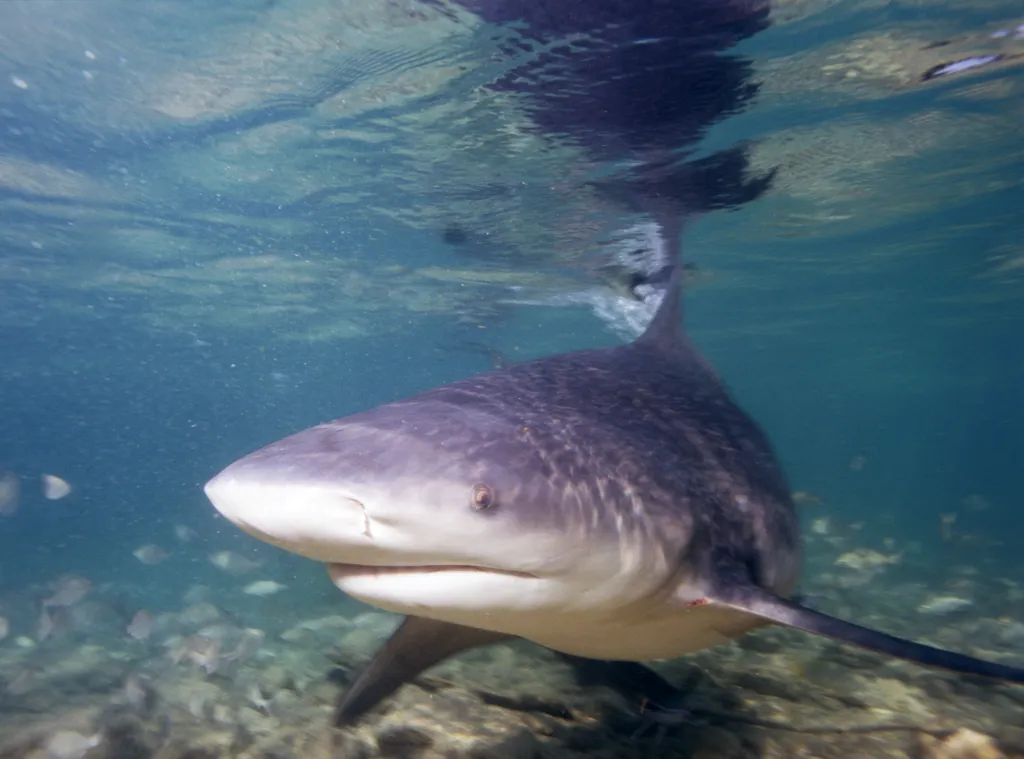
Photo by Albert Kok / CC BY-SA 3.0 via Wikimedia Commons
Field marks:
- Blunt, broad snout — much shorter and rounder than a tiger or great white; almost "boxy" from the front
- Stocky body — thick through the trunk; looks compact compared to sleek oceanic species
- Small eyes — relative to head size; gives a "heavy-headed" profile
- Large first dorsal fin — tall, triangular, origin over or just behind pectoral insertions; no interdorsal ridge
- Grey above, white below — classic counter-shading; no bold stripes (unlike tiger sharks)
- Crescent mouth with triangular serrated teeth visible when feeding or curious
Differences from Similar Species
- Tiger Shark (Galeocerdo cuvier): Tigers have a longer, more pointed snout, bold vertical bars (fading in large adults), and a more sinuous body. Bulls look shorter and more muscular.
- Caribbean Reef Shark (Carcharhinus perezi): Reef sharks are slimmer, with a more pointed snout and smaller overall size; usually less blunt in profile.
- Sandbar Shark (Carcharhinus plumbeus): Similar family but taller dorsal fin set farther back; more offshore; snout less blunt.
- Great Hammerhead (Sphyrna mokarran): Unmistakable cephalofoil; occasionally overlaps at Tiger Beach in winter.
Juvenile vs. Adult
Pups are born ~56–81 cm. Juveniles use low-salinity nurseries (estuaries, river mouths) to reduce predation. Adults encountered on dives are typically 2+ m and noticeably thick-bodied.
Top 10 Fun Facts about Bull Shark
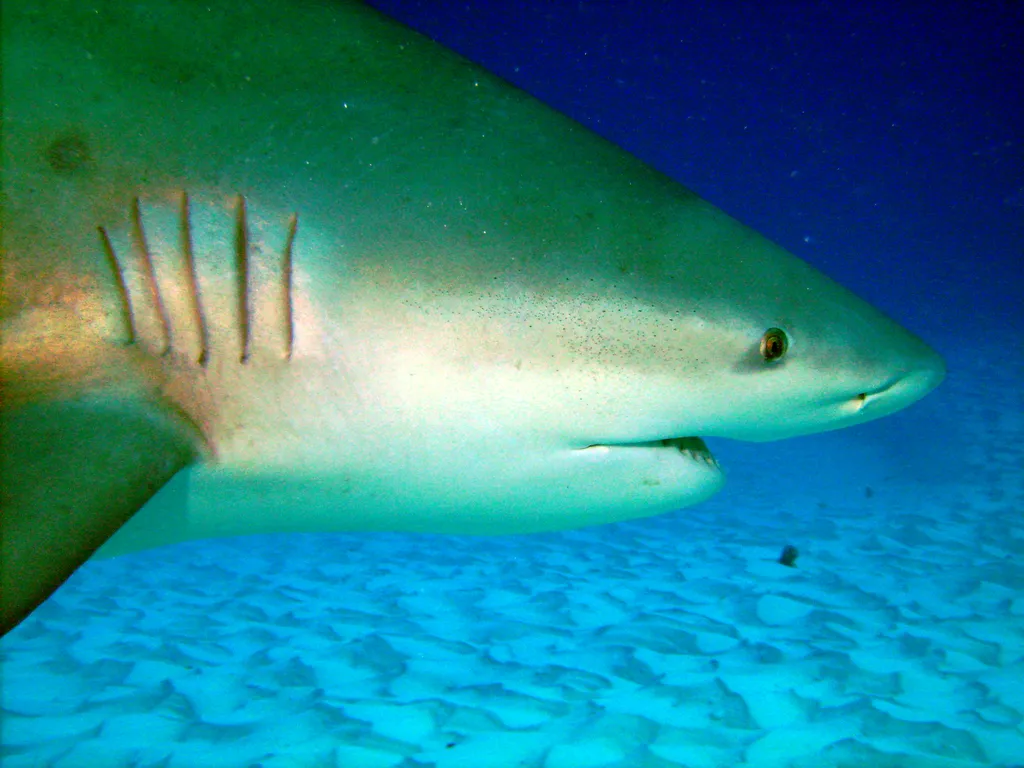
Photo by SaCaDeLik / CC BY-SA 4.0 via Wikimedia Commons
1. The Shark That Climbs Rivers
Bull sharks are among the few elasmobranchs that routinely enter freshwater. They've been documented far up the Mississippi, Amazon, and Ganges systems. Specialised rectal glands and kidney function let them osmoregulate across salinity gradients — a superpower that puts them in human swimming zones other big sharks rarely visit.
2. Many Names, One Species
"Bull shark," "Zambezi shark," "Lake Nicaragua shark," "Ganges shark" (historically confused), and "square-nose shark" all refer to C. leucas in different regions. The Nicaraguan "lake shark" mystery was solved when tagging showed individuals moving between the lake and the sea.
3. Built for Shallow Water
While capable of ~150 m dives, bulls are most abundant in water under 30 m — often under 10 m. Their body plan favours short bursts of speed in confined coastal spaces rather than open-ocean cruising.
4. Late Bloomers
Males mature around 15–20 years (~2.2 m); females slightly larger (~2.3 m). Lifespan exceeds 25 years. Slow reproduction (litters of 1–13 pups, usually 6–8) makes populations vulnerable to fishing pressure.
5. Opportunistic Everything-Eaters
Diet spans bony fish, other sharks, rays, turtles, birds, dolphins, and even terrestrial mammals near river mouths. On baited dives they are bold competitors — often dominating the feed alongside tigers and lemons.
6. Why They're on the "Dangerous" List
Along with white and tiger sharks, bulls appear on most "top three" lists — not because they hunt humans, but because they frequent murky, crowded coastal water where bites are more likely to be reported and identified. Nictitating membranes protect the eyes during close-quarters feeding.
7. Fiji's Shark Reef Economy
Beqa Lagoon's Shark Reef Marine Reserve turned bull shark encounters into a regulated tourism model: divers kneel in formation while multiple species cycle through. Love it or debate the ethics of feeding, it proved coastal sharks can be worth more alive than finned.
8. Cabo Pulmo's Natural Bulls
At El Vencedor in Mexico's Cabo Pulmo National Park, bulls appear without artificial feeding — a rare example of rebuilding reef biomass until large predators return on their own. December–May is the most reliable window.
9. CITES Appendix II (2023)
Global trade controls kicked in November 2023. Combined with IUCN Vulnerable status, this reflects steep regional declines from gillnets, coastal fisheries, and habitat loss in nursery estuaries.
10. The 1916 Jersey Shore Attacks
The infamous 1916 shark attacks that inspired Jaws lore were likely bull sharks — capable of entering tidal creeks where great whites would not. A reminder that this species' ecology overlaps human recreation more than almost any other large shark.
Diving & Observation Notes
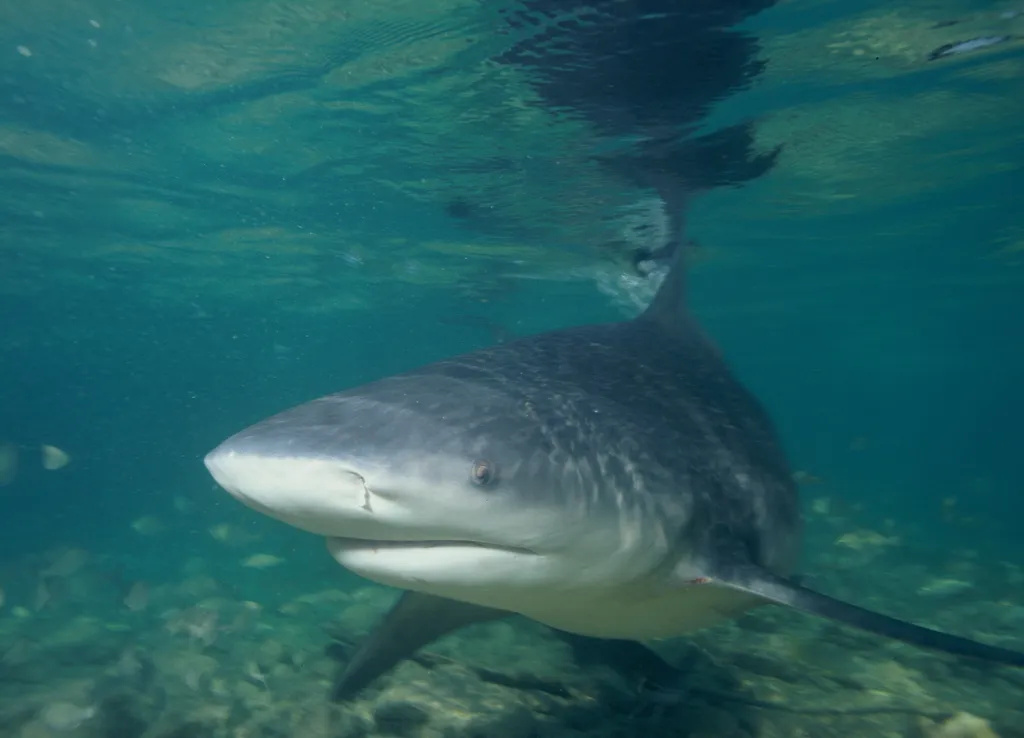
Photo by No machine-readable author provided. Albert kok assumed (based on copyright claims). via Wikimedia Commons
🧭 Where Bulls Show Up
Beqa Lagoon (Fiji) — classic kneel-and-watch baited dives at Shark Reef; multiple bulls routine. Playa del Carmen (Mexico) — Nov–Mar sandy-bottom aggregations ~25 m; advanced cert often required. Cabo Pulmo — natural passes at El Vencedor, no feed. Tiger Beach (Bahamas) — bulls are occasional winter visitors among tigers and lemons. Maldives — channel and reef-edge encounters on some itineraries.
🤿 Positioning & Briefing
- Stay in assigned formation — kneel or stay low; never chase or swim at the shark
- Keep arms tucked — flashy movement reads as competition or prey
- Weighting matters — overweight slightly on sandy sites so surge doesn't slide you into the zone
- Listen to the feeder/guide — they know individual animals and when to abort
- No touch, no ride — obvious, but bulls test boundaries more than reef sharks
📸 Photo Tips
- Ultra-wide or fisheye — 2.5–3 m animals fill the frame fast at 3–5 m distance
- Shoot from the side, slightly low — emphasises the blunt snout and dorsal silhouette
- Ambient light works — most sites are shallow; avoid harsh backscatter from sand kicks
- Burst mode for passes — bulls often cruise steadily rather than dart; anticipate the path
- Include divers for scale — the stocky girth is hard to convey otherwise
⚠️ Ethics & Safety
- Choose operators with published protocols — group size limits, no freestyle swimming during feeds
- Baited vs. natural — know which you're booking; debate feeding, but never DIY chum
- Murky water = extra caution — bulls hunt in low visibility; stick to the briefing
- Respect nursery habitats — avoid disturbing estuaries and river mouths where juveniles live
Best Places to Dive with Bull Shark
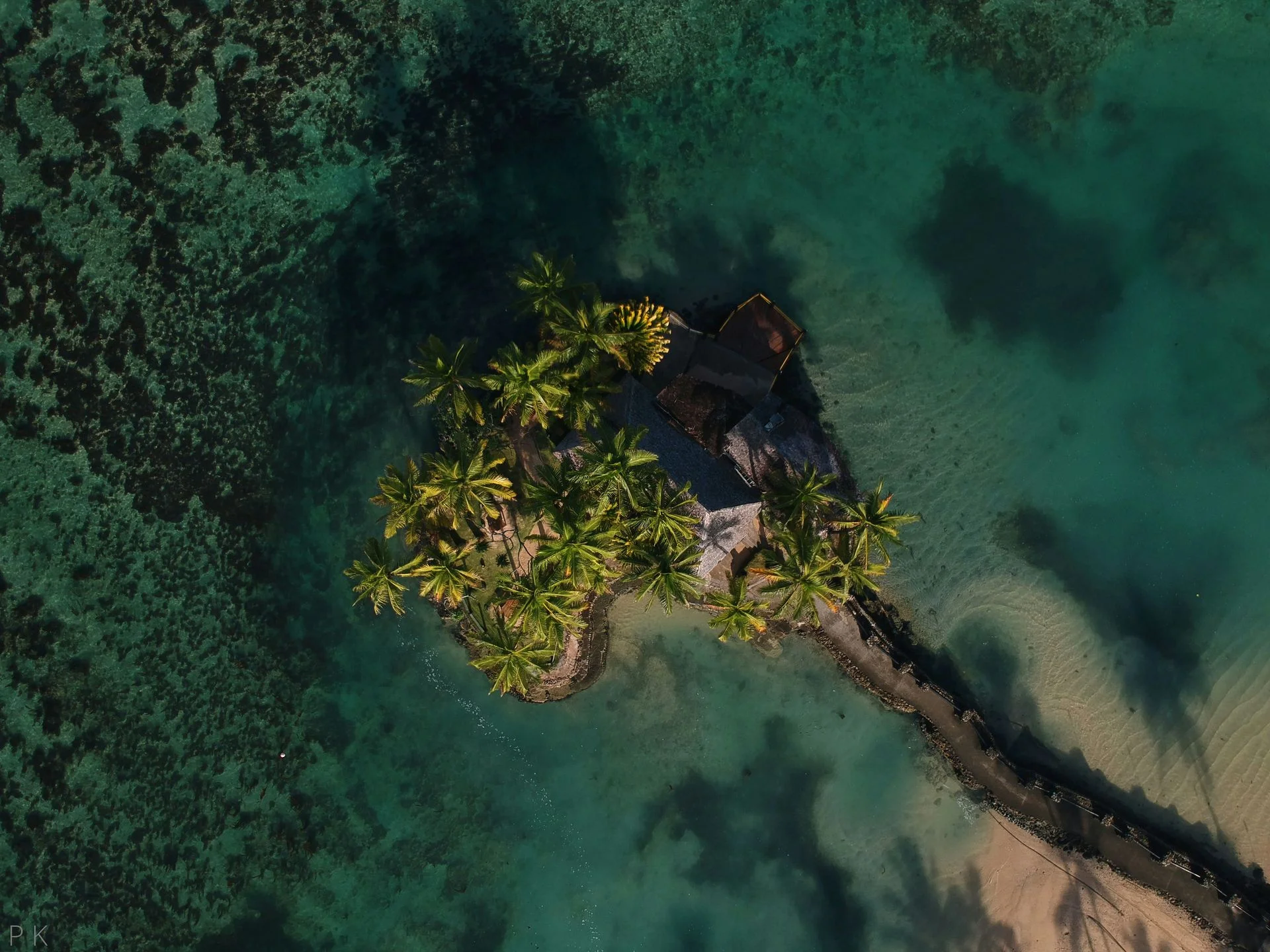
Fiji
Fiji sits like a necklace of more than 300 inhabited islands and 500 smaller islets in the heart of the South Pacific. Jacques Cousteau dubbed it the “soft coral capital of the world” for good reason – nutrient‑rich currents wash over sloping reefs, walls and bommies that erupt in shades of pink, purple, orange and yellow. The country’s dive sites range from kaleidoscopic coral gardens and pinnacles in the Somosomo Strait to shark dives in Beqa Lagoon, and remote passages in Bligh Water and the Koro Sea. Schools of barracuda, trevally and surgeonfish cruise above while manta rays, turtles, bull sharks and occasionally hammerheads glide past. Friendly locals and a relaxed island vibe make Fiji a favourite for both adventurous liveaboard trips and leisurely resort‑based diving.
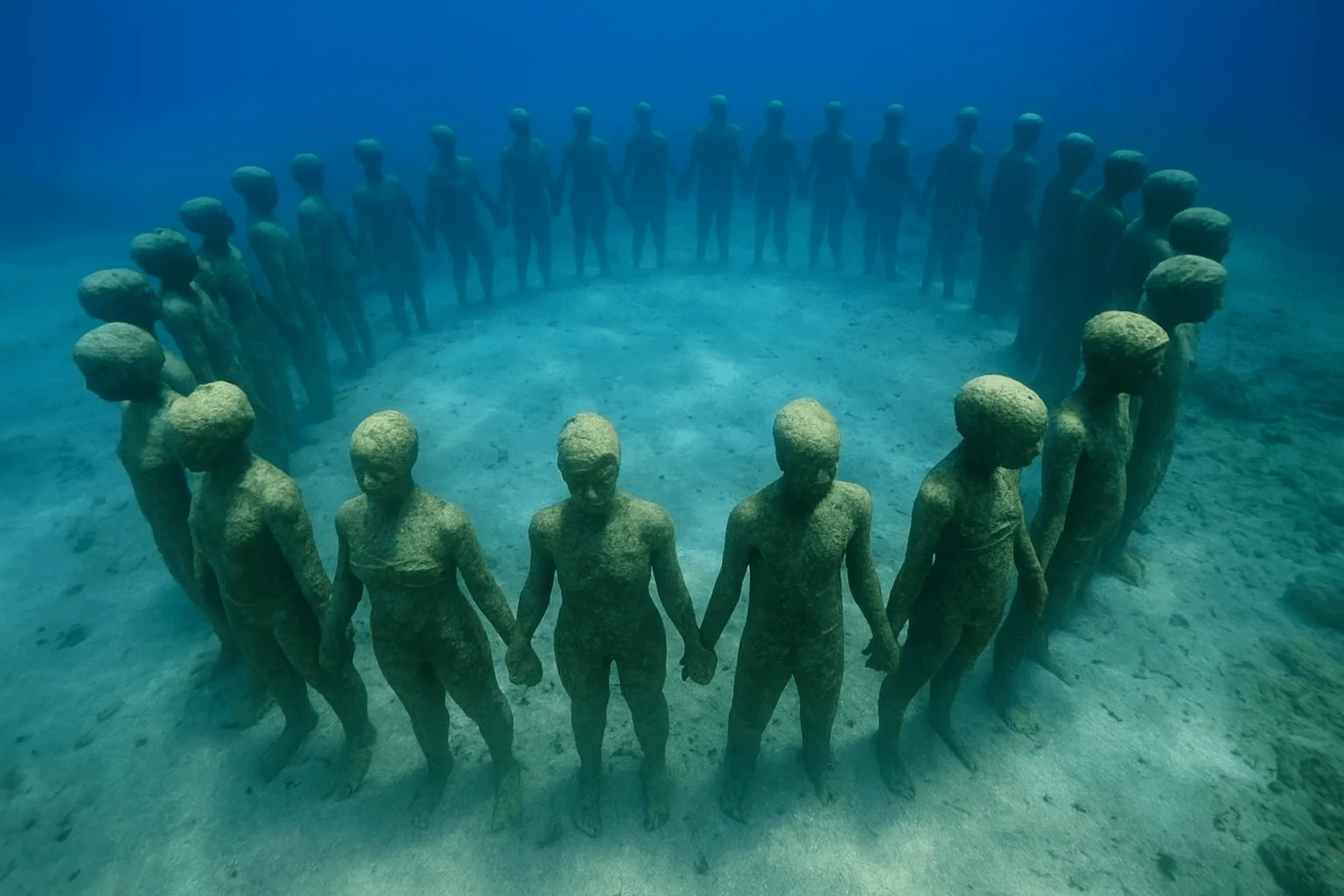
Cancun
Situated on Mexico’s Caribbean coast, Cancun pairs world‑class resorts with unexpectedly rich underwater adventures. The warm, turquoise waters off the Hotel Zone and nearby Isla Mujeres host vibrant coral reefs, an underwater sculpture garden and historic wrecks. Visibility often exceeds 25 m and water temperatures rarely dip below 24 °C, so divers can explore year‑round. From calm shallow reefs teeming with tropical fish to adrenaline‑charged bull shark dives and seasonal whale shark encounters, Cancun offers something for every level of diver.
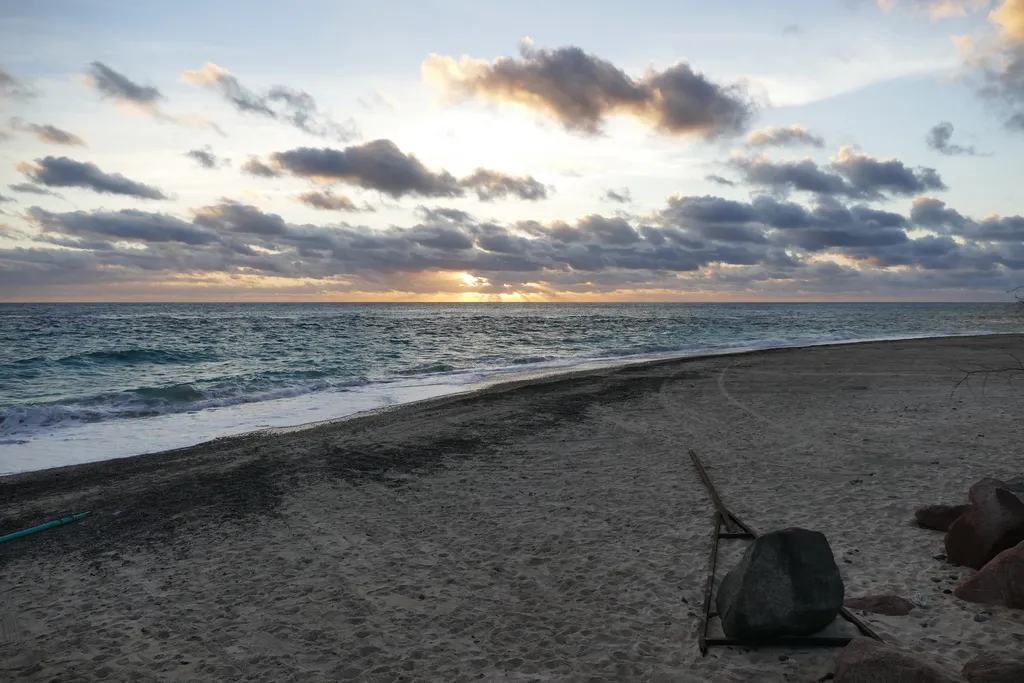
Cabo Pulmo
Cabo Pulmo is where the "marine reserve success story" stops being a headline and starts feeling personal underwater. The reef sits on the Sea of Cortez side of Baja California Sur, and the no-take rules here have been strict enough that fish biomass famously rebounded by 463% between 1999 and 2009. ### What Makes It Different You are not diving an isolated pretty reef; you are diving a rebuilt ecosystem. One dive can be all hard coral and clouded baitfish, the next can put you in the middle of a jackfish tornado so dense it dims the sun. On the right day, El Vencedor adds resident bull sharks to the mix. ### Conditions and Dive Style This is mostly boat diving from pangas with park-managed site rotation. Signature sites can have current, surge, and blue-water exposure, so buoyancy control matters. When weather settles from late summer into early winter, visibility jumps and the whole park feels cinematic.
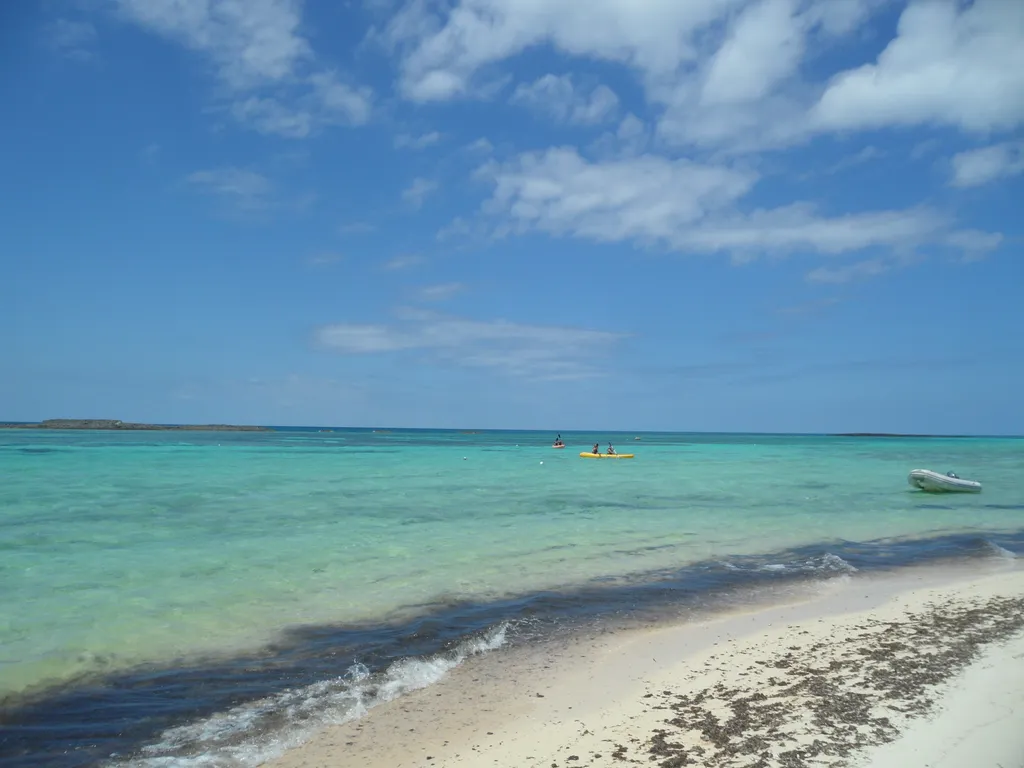
Tiger Beach
Tiger Beach isn't a beach. It's a shallow sand bank on the western edge of the Little Bahama Bank, roughly 20 miles / 32 km off West End, Grand Bahama — and the most reliable place on Earth to kneel eye-level with tiger sharks. Depths average 6–10 m on powdery white sand, so bottom times stretch past an hour while a professional feeder works a sealed bait crate. Divers form a V or parallel lines; scent pulls in resident female tigers (some over 4 m), lemon sharks by the dozen, Caribbean reef sharks, nurse sharks, and — in winter — the occasional great hammerhead or bull. Visibility on a good day sits at 20–30 m+, which is why underwater photographers camp here. You reach it by day-boat from West End or by liveaboard overnighting on the bank. Shark fishing is banned nationwide; the animals know the drill and the guides know the individuals. It is still baited big-animal diving — calm discipline matters more than deep-water skill.
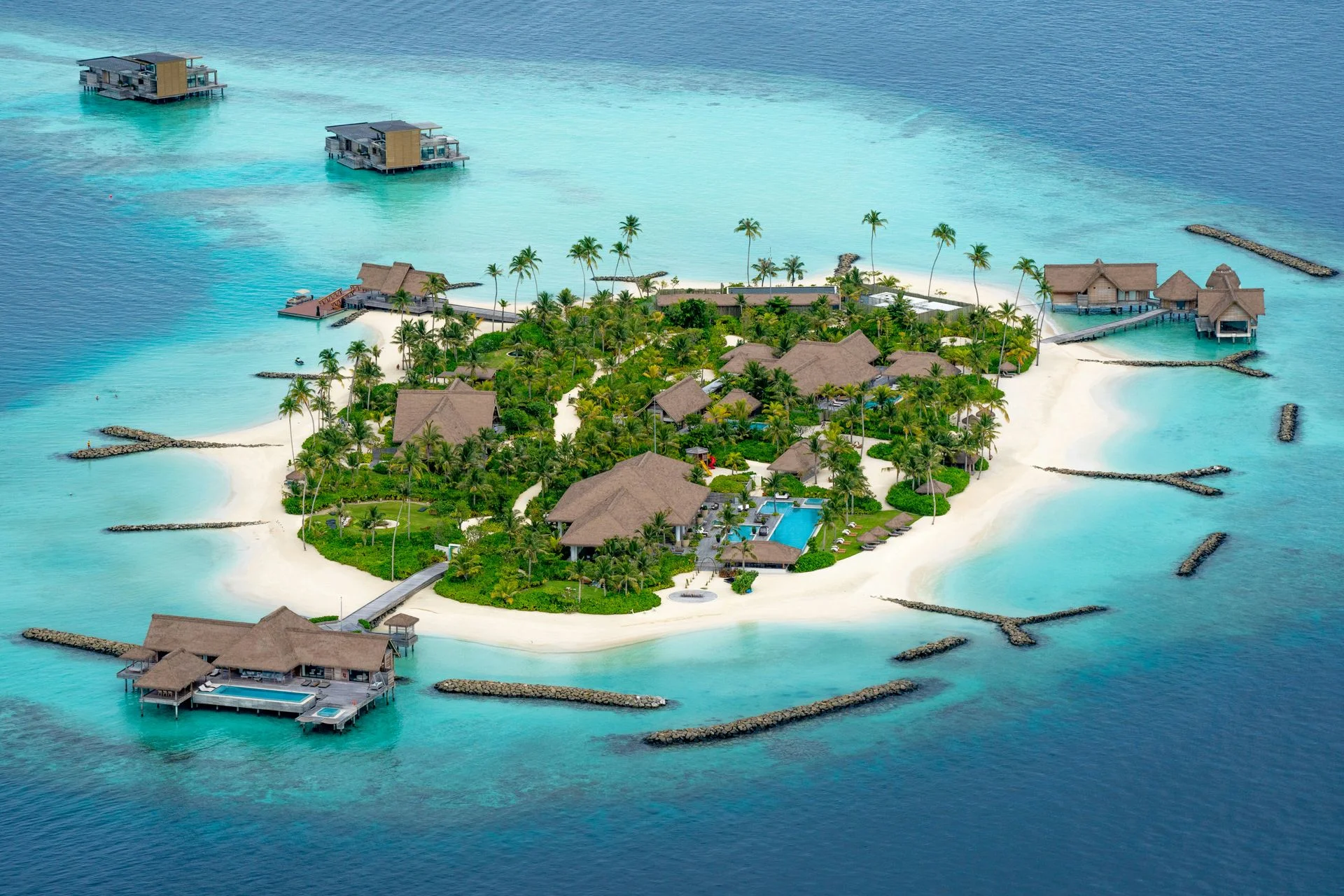
Maldives
Scattered across the Indian Ocean like strings of pearls, the Maldives’ 26 atolls encompass more than a thousand low‑lying islands, reefs and sandbanks. Beneath the turquoise surface are channels (kandus), pinnacles (thilas) and lagoons where powerful ocean currents sweep past colourful coral gardens. This nutrient‑rich flow attracts manta rays, whale sharks, reef sharks, schooling jacks, barracudas and every reef fish imaginable. Liveaboards and resort dive centres explore sites such as Okobe Thila and Kandooma Thila in the central atolls, manta cleaning stations in Baa and Ari, and shark‑filled channels like Fuvahmulah in the deep south. Diving here ranges from tranquil coral slopes to adrenalin‑fuelled drifts through current‑swept passes, making the Maldives a true pelagic playground.