Clownfish
Amphiprioninae (subfamily - 30 species)
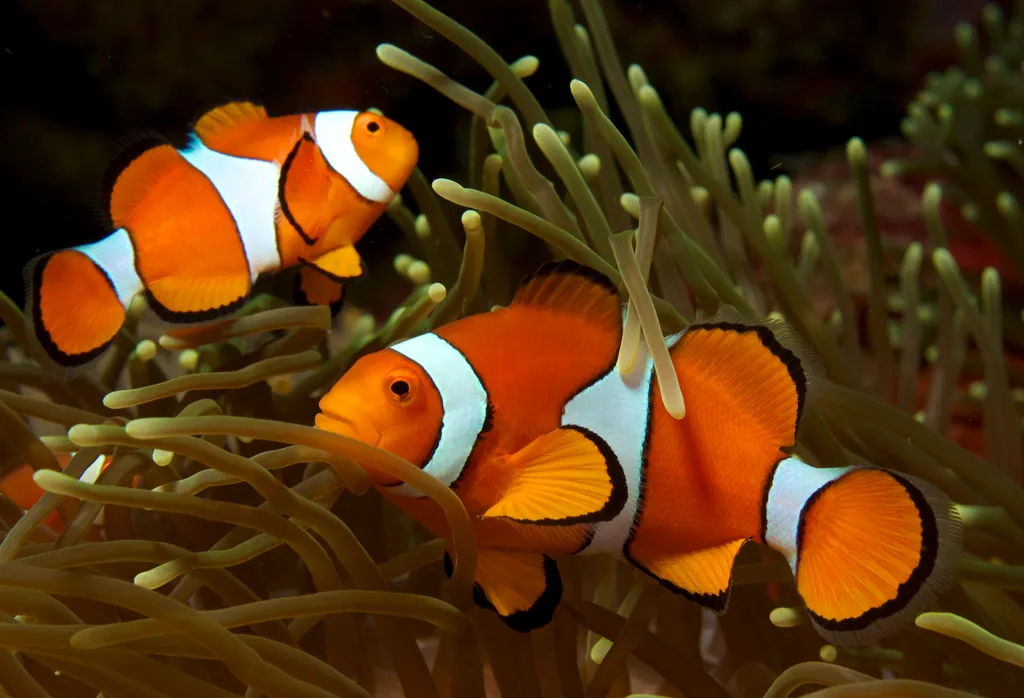
Photo by Nick Hobgood / CC BY-SA 3.0 via Wikimedia Commons
Thanks to a certain animated fish who just kept swimming, clownfish are probably the world's most recognizable marine species. But the real story of these bright orange reef residents is far stranger - and more fascinating - than any Pixar script. Clownfish live their entire lives within the stinging tentacles of sea anemones, protected by a miraculous mucus coating that makes them immune to venom that would paralyze other fish. They're all born male and live in strict matriarchal societies where the largest fish is always female, and if she dies, the biggest male undergoes an irreversible sex change to take her place. For divers, clownfish offer a delightful paradox: they're simultaneously adorable and fiercely aggressive, defending their anemone homes by charging at creatures hundreds of times their size (including you), creating a comical David-vs-Goliath scenario where a 10cm fish genuinely thinks it can intimidate a 180cm human.
🔬Classification
📏Physical Features
🌊Habitat Info
⚠️Safety & Conservation
Identification Guide
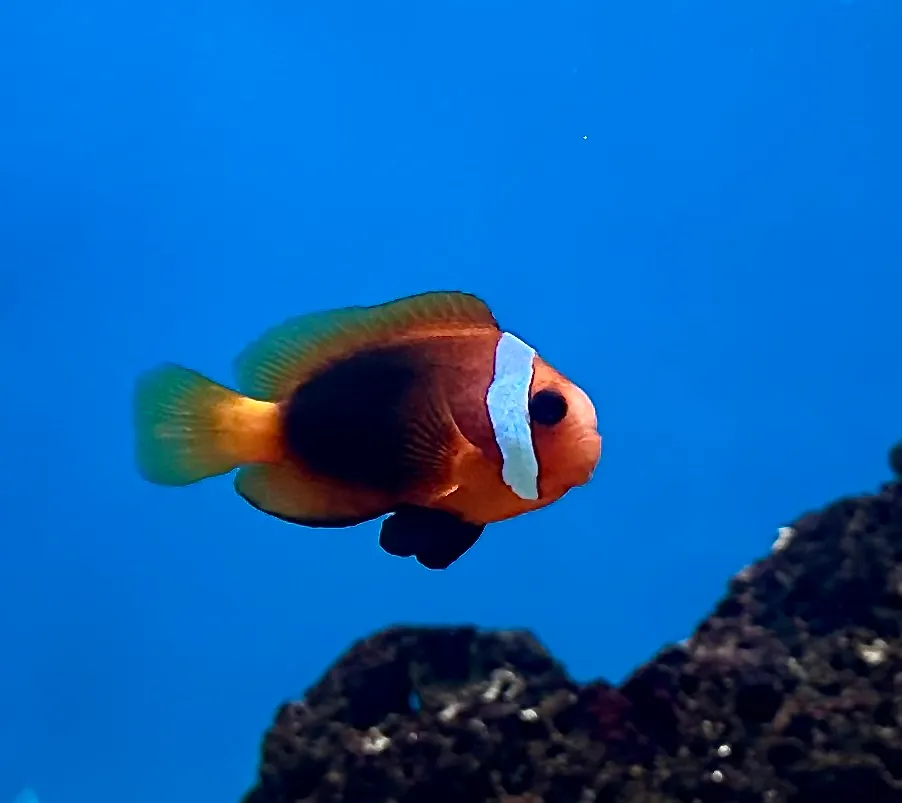
Photo by Bruxton / CC0 via Wikimedia Commons
- Bright Coloration: Vivid orange, yellow, red, or maroon base color
- White Stripes: Distinctive white vertical bands (1-3 stripes depending on species)
- Rounded Fins: Dorsal and anal fins with rounded edges
- Small Size: Usually 7-15cm, chunky body shape
- Always Near Anemone: Never far from host sea anemone
- Species Variations: Common clownfish (3 stripes), Tomato (1 stripe), Maroon (white headband)
- Bold Behavior: Unafraid, may approach or "attack" divers
- Group Living: Usually see 2-6 individuals per anemone
Top 10 Fun Facts about Clownfish
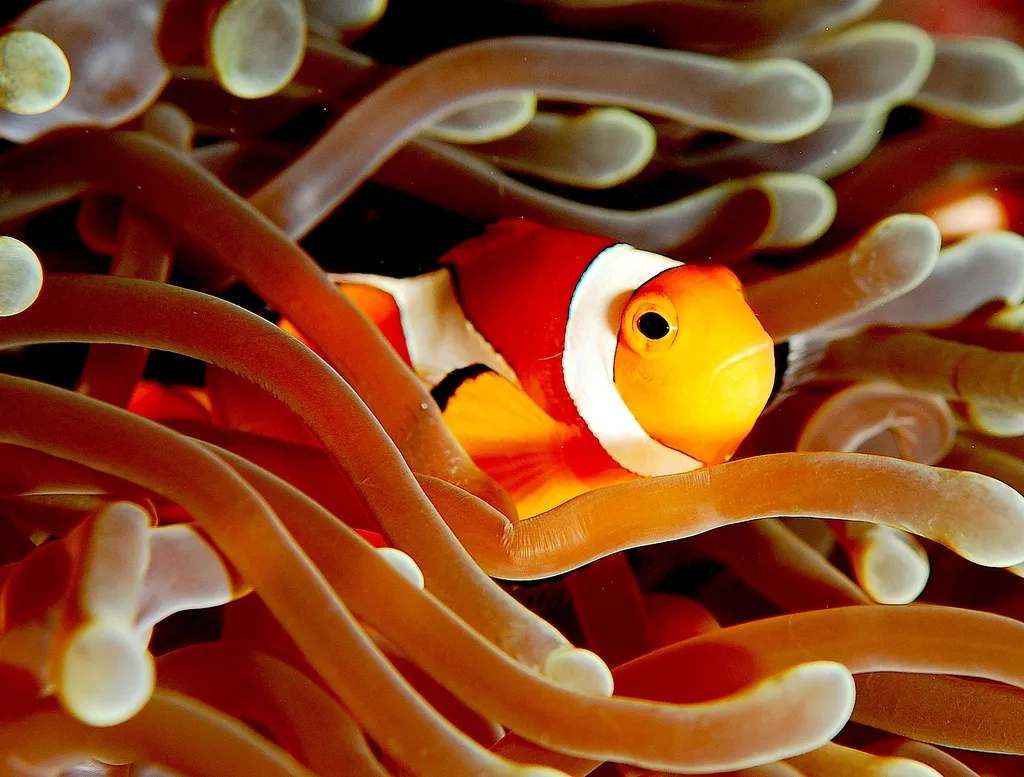
Photo by Jenny from Taipei / CC BY 2.0 via Wikimedia Commons
1. The Perfect Partnership: Anemone Symbiosis
The clownfish-anemone relationship is one of nature's most iconic mutualisms. Sea anemones are basically stationary jellyfish relatives armed with tentacles full of stinging cells (nematocysts) that paralyze and kill most fish. But clownfish live among these deadly tentacles as casually as you'd lounge on a sofa. In return for a safe home, clownfish provide multiple services: they defend the anemone from butterflyfish (which eat anemone tentacles), clean parasites and debris, circulate oxygen-rich water by swimming through tentacles, and provide nutrients through their ammonia-rich waste. Some research suggests clownfish even lure prey into the anemone's grasp, like tiny orange hunting dogs bringing dinner home.
2. The Miracle Mucus: Chemical Invisibility Cloak
How do clownfish survive among stinging tentacles? The answer lies in their specialized mucus coating. Unlike most fish whose mucus is protein-based, clownfish mucus is primarily made of sugars, which doesn't trigger the anemone's stinging response. When a clownfish first encounters an anemone, it goes through an elaborate acclimation dance lasting hours to days - gently touching tentacles, darting away, returning - gradually building up the protective mucus layer. This mucus essentially "disguises" the clownfish with chemical signals that say "I'm part of you, don't sting me." Lose this coating (through injury or stress), and the clownfish becomes just as vulnerable as any other fish.
3. All Born Male: Sequential Hermaphroditism
Here's where clownfish biology gets truly wild: every single clownfish is born male, but they can - and do - change sex. This isn't metaphorical; it's literal, irreversible physical sex change. In each anemone group, there's a strict size-based hierarchy: the largest fish is the breeding female, the second-largest is the breeding male, and all others are non-breeding males. If the female dies, the dominant male undergoes complete physiological transformation into a female - gonads change, hormones shift, behavior adapts - within weeks to months. The next-biggest male then steps up to breeding male status. This system ensures the group always has a breeding pair regardless of what happens to the female.
4. Finding Nemo Got It Wrong (Sort of)
The 2003 Pixar film made clownfish globally famous but took creative liberties with biology. In the movie, when Nemo's mother dies, his father Marlin remains male and searches for his son. In reality, Marlin would have transformed into a female, and Nemo (the only other fish in their anemone) would have matured into the breeding male. So the sequel would have been called "Finding Dad-Who's-Now-Mom" and featured a very different family dynamic. Pixar understandably simplified this for family audiences, but the real story is arguably more fascinating - and significantly more awkward for a children's movie.
5. Matriarchal Dictatorship: Size-Based Hierarchy
Clownfish society is a strict matriarchy where size equals power. The dominant female isn't just the largest - she actively suppresses the growth of subordinates through aggressive behavior and possibly pheromones. Smaller males know their place and grow only as much as their rank allows. If a subordinate gets too big too fast, the female may attack or even kill them. This creates a stepladder hierarchy where each fish is notably smaller than the one above it. Interestingly, this size control is so precise that you can often determine the social rank of each fish just by comparing their sizes.
6. Devoted Dads: Male Parental Care
While females rule the group, males do virtually all the childcare. Before breeding, the male carefully prepares a nest site - usually a flat rock near the anemone base - meticulously cleaning it with his mouth. The female lays hundreds to thousands of eggs, which the male immediately fertilizes. Then for 6-10 days, the male becomes a devoted guardian: fanning the eggs with his fins to provide oxygen, removing dead or fungus-infected eggs, defending the nest aggressively, and barely eating. He'll charge at any perceived threat, including divers and fish orders of magnitude larger. At hatch time, usually on a full moon night, he watches hundreds of tiny larvae disperse into the plankton.
7. Anemone Loyalty: Never More Than 4 Meters Away
Clownfish are terrible swimmers compared to most reef fish - they lack the streamlined body and powerful tail muscles of open-water species. Instead, they've evolved for quick darts and agile maneuvering within their anemone home. As a result, they rarely venture more than 2-4 meters from their host anemone, constantly checking back as if tethered by an invisible leash. If startled, they retreat immediately into tentacles. This home fidelity is so strong that clownfish can spend their entire adult lives in a single anemone, making them highly vulnerable to anemone bleaching, disease, or collection for the aquarium trade.
8. Species Specificity: Not All Anemones Work
There are about 30 clownfish species and roughly 10 suitable host anemone species, but each clownfish species has preferences. Some clownfish are anemone generalists (living in 6+ anemone types), while others are specialists (accepting only 1-2 species). Amphiprion percula (the "Nemo" clownfish) primarily uses magnificent sea anemones, bubble-tip anemones, and a few others. If you place a clownfish with the wrong anemone species, it may fail to acclimate properly, get stung, or simply refuse to inhabit it. This specificity creates ecological niches and may drive speciation.
9. The "Nemo Effect": Conservation Concerns
Finding Nemo's massive success created an ironic conservation problem. Demand for pet clown fish exploded after the film's release, leading to massive collection of wild fish and damage to reefs where collectors broke apart anemones. The "Nemo Effect" became a textbook case of how popular media can inadvertently harm the species it celebrates. Fortunately, clownfish are among the easiest marine fish to breed in captivity, and today most aquarium clownfish are captive-bred rather than wild-caught. Still, the lesson remains: loving a species means leaving it in the ocean, not taking it home.
10. Tiny Terrors: Fearless Aggression
Few marine experiences are as comically endearing as being "attacked" by a clownfish. These 10cm orange berserkers genuinely believe they're terrifying, charging at divers with mouths open, sometimes biting fingers (it feels like a gentle pinch), and retreating triumphantly as if they've repelled an invasion. From their perspective, they're defending their home against a giant predator - classic David vs. Goliath courage. For photographers, this creates a perfect storm: clownfish are beautiful, easy to find, and will pose for photos while actively trying to intimidate you. The combination of adorable appearance and fierce territorial displays makes them endlessly entertaining to watch.
Diving & Observation Notes
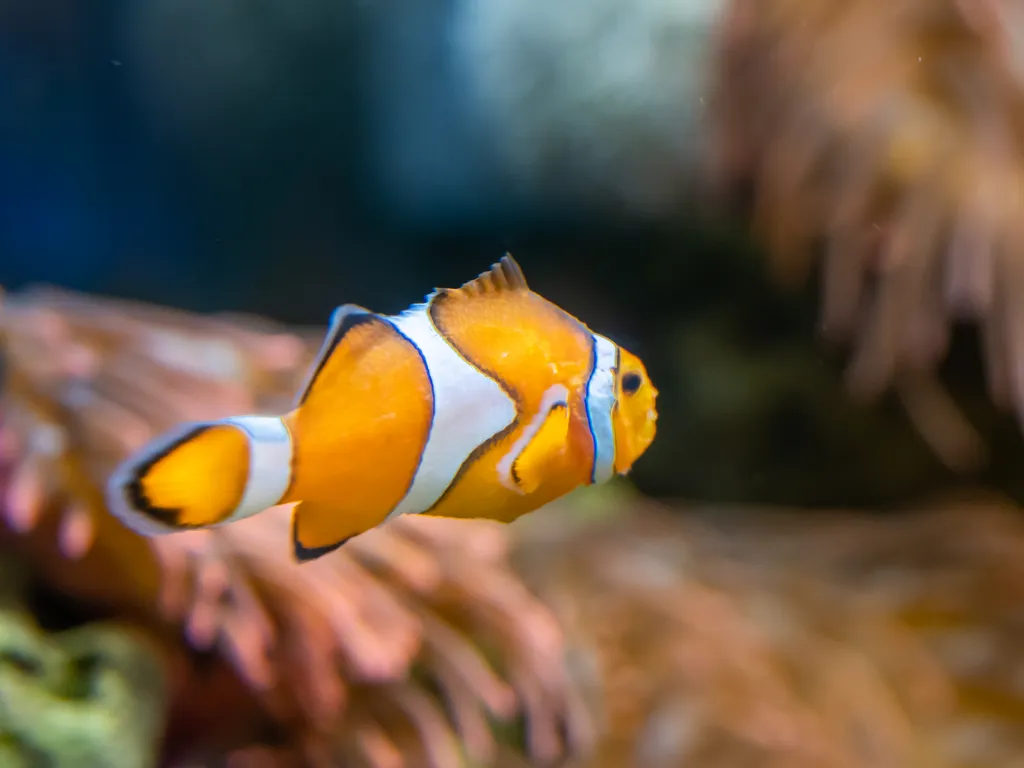
Photo by ajay_suresh / CC BY 2.0 via Wikimedia Commons
🧭 Finding Clownfish
Easiest find on the reef—if there's an anemone, check it.
- Look Shallow: Most abundant in 1-10m depth on reef flats and sunny slopes.
- Spot the Anemone: Find the host first (Magnificent, Bubble-tip, Carpet anemones), and the fish will be there.
- Follow the Orange: Their bright color and frantic wiggling make them visible from a distance.
🤿 Behavior & Observation
- The "Attack": They are fearless and territorial. If they charge your mask or bite your finger, it's a defensive display, not aggression.
- Social Hierarchy: The largest is the female, second largest is the male, others are subordinates.
- Nesting: Look for a cleaned rock patch near the anemone base where the male fans bright orange eggs.
📸 Photo Tips
- Patience Pays: They wiggle constantly. Wait for the split second they pause to look at you.
- Face-On: Get low and shoot eye-level for that classic "face in the anemone" portrait.
- Fast Shutter: Use 1/200s+ to freeze their frantic movement.
- Lighting: Side lighting brings out the texture of the anemone tentacles and the fish's fins.
- Don't Harass: If they retreat deep into the anemone, back off and wait.
⚠️ Ethics
- No Touching: Never touch the anemone (stings!) or the fish (removes protective mucus).
- Don't Block Light: Anemones need sunlight; don't hover over them for too long.
- No Feeding: It disrupts their natural behavior and diet.
🌏 Best Locations
- Raja Ampat, Indonesia: Highest diversity of species.
- Great Barrier Reef, Australia: Abundant "Nemo" (Ocellaris) clownfish.
- Red Sea: Unique endemic species like the Red Sea Clownfish.
- Philippines (Anilao): Great for macro shots of eggs and juveniles.
Best Places to Dive with Clownfish
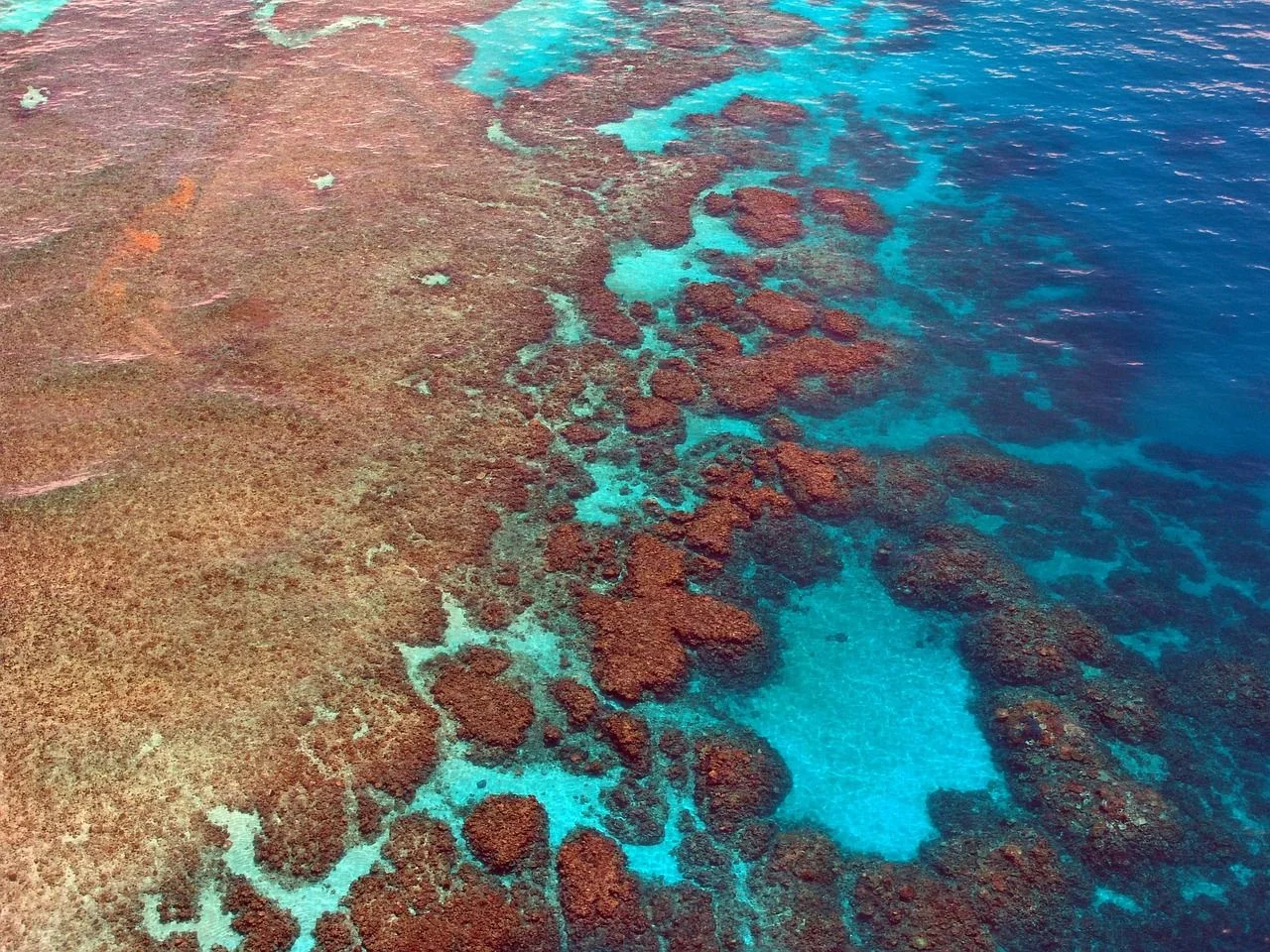
Great Barrier Reef
The Great Barrier Reef stretches for more than 2,300 km along Australia’s Queensland coast and is Earth’s largest coral ecosystem. With over 2,900 individual reefs, hundreds of islands, and a staggering diversity of marine life, it’s a bucket‑list destination for divers. Outer reef walls, coral gardens and pinnacles support potato cod, giant trevallies, reef sharks, sea turtles, manta rays and even visiting dwarf minke and humpback whales. Divers can explore historic wrecks like the SS Yongala, drift along the coral‑clad walls of Osprey Reef or mingle with friendly cod at Cod Hole. Whether you’re a beginner on a day trip from Cairns or an experienced diver on a remote liveaboard, the Great Barrier Reef offers unforgettable underwater adventures.
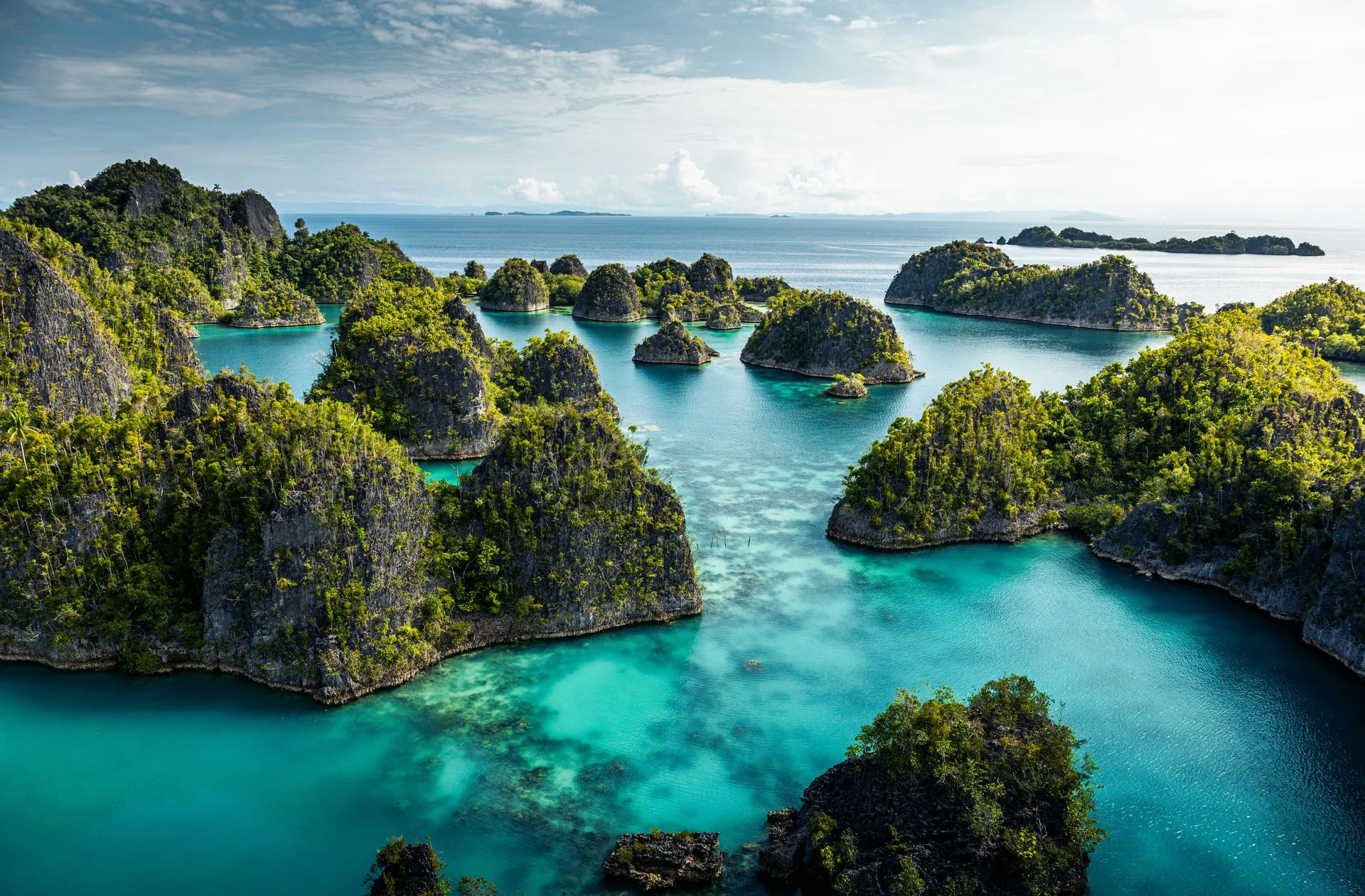
Raja Ampat
Raja Ampat, the “Four Kings,” is an archipelago of more than 1,500 islands at the edge of Indonesian West Papua. Its reefs sit in the heart of the Coral Triangle, where Pacific currents funnel nutrients into shallow seas and feed the world’s richest marine biodiversity. Diving here means gliding over colourful walls and coral gardens buzzing with more than 550 species of hard and soft corals and an estimated 1,500 fish species. You’ll meet blacktip and whitetip reef sharks on almost every dive, witness giant trevally and dogtooth tuna hunting schools of fusiliers, and encounter wobbegong “carpet” sharks, turtles, manta rays and dolphins. From cape pinnacles swarming with life to calm bays rich in macro critters, Raja Ampat offers endless variety. Above water, karst limestone islands and emerald lagoons provide spectacular scenery between dives.
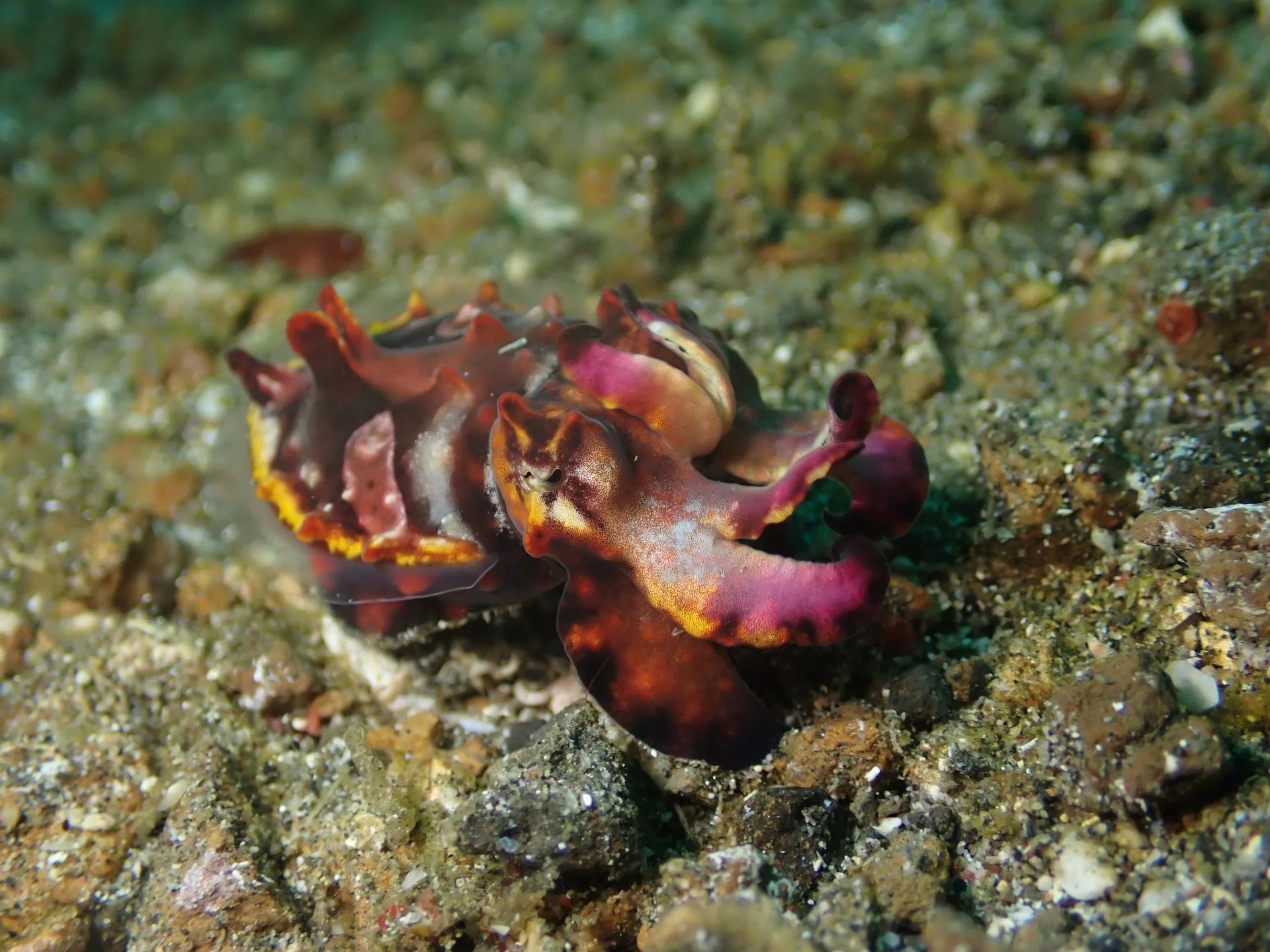
Lembeh
The Lembeh Strait in North Sulawesi has become famous as the muck‑diving capital of the world. At first glance its gently sloping seabed of black volcanic sand, rubble and discarded debris looks bleak. Look closer and it is teeming with weird and wonderful life: hairy and painted frogfish, flamboyant cuttlefish, mimic and blue‑ringed octopuses, ornate ghost pipefish, tiny seahorses, shrimp, crabs and a rainbow of nudibranchs. Most dives are shallow and calm with little current, making it an ideal playground for macro photographers. There are a few colourful reefs for a change of scenery, but Lembeh is all about searching the sand for critter treasures.