
Dolphin
Family Delphinidae (e.g., Tursiops truncatus)
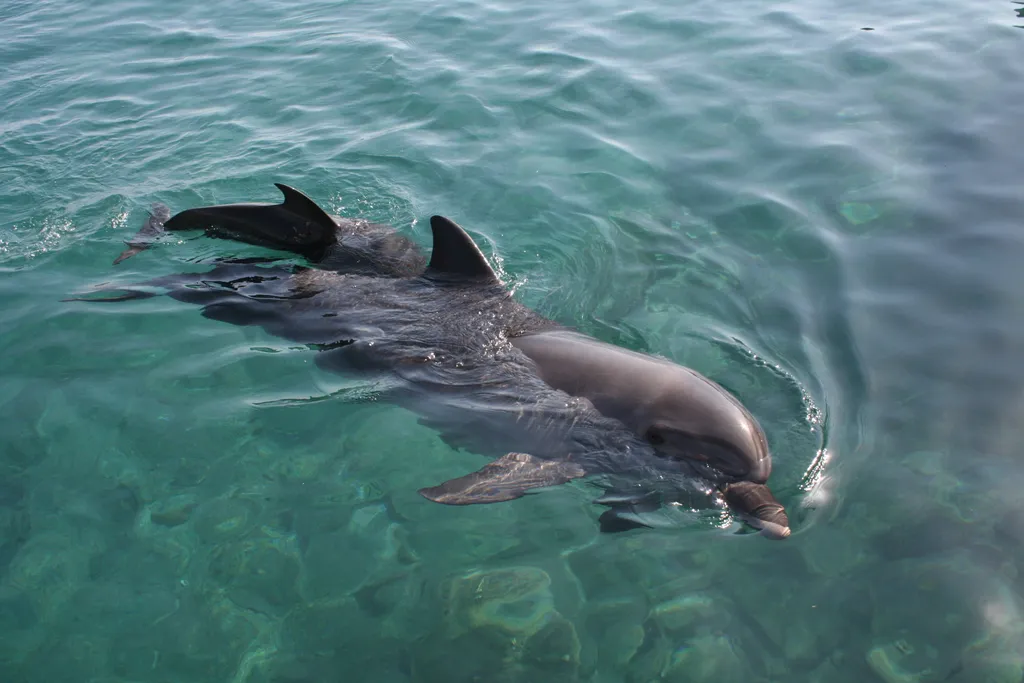
Photo by No machine-readable author provided. Faraj assumed (based on copyright claims). / CC BY-SA 3.0 via Wikimedia Commons
Dolphins are the ocean's geniuses—intelligent, social, and endlessly curious. With their signature curved dorsal fin and beak-like snout, they are among the most recognizable and beloved marine animals. They use echolocation (biological sonar) to navigate and hunt, communicate with complex whistles and clicks, and display behaviors that suggest self-awareness and problem-solving. Encountering dolphins underwater is like meeting the ocean's ambassadors—playful, intelligent, and often as curious about you as you are about them.
🔬Classification
📏Physical Features
🌊Habitat Info
⚠️Safety & Conservation
Identification Guide
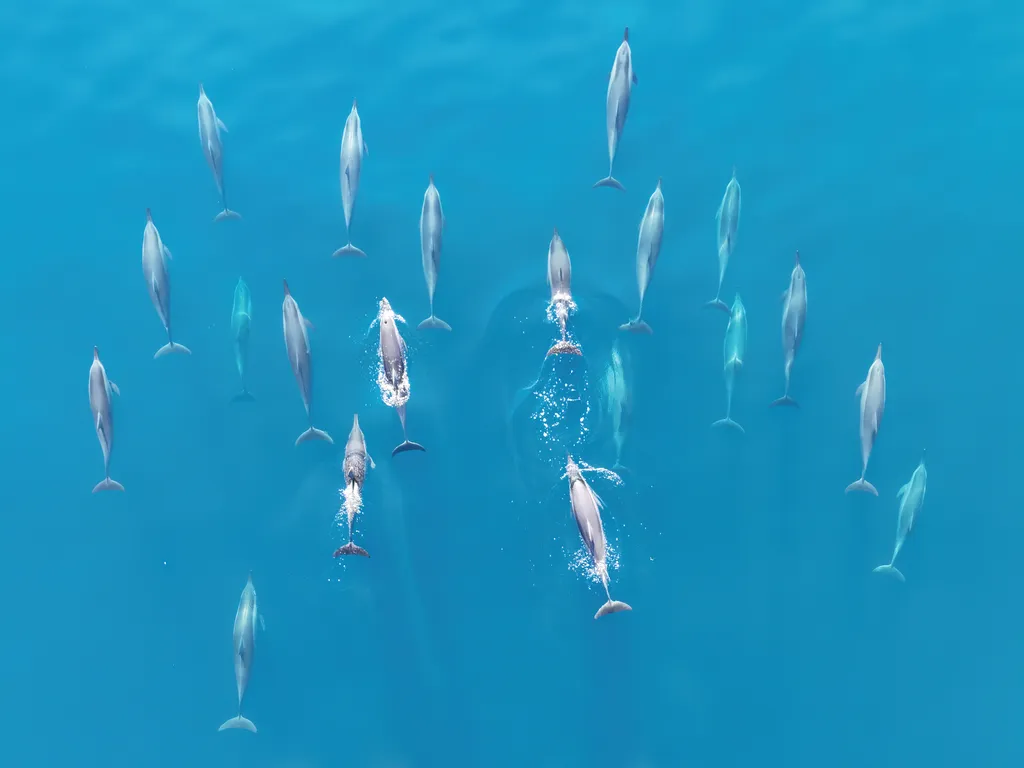
Photo by Giles Laurent / CC BY-SA 4.0 via Wikimedia Commons
Field marks:
- Curved Dorsal Fin: A prominent, curved (sickle-shaped) dorsal fin on the back.
- Beak (Rostrum): A distinct, elongated snout or "beak" that protrudes from the head.
- Streamlined Body: Torpedo-shaped body designed for speed and agility.
- Blowhole: A single blowhole on top of the head (not two like baleen whales).
- Flippers: Paddle-shaped pectoral flippers used for steering.
- Social Behavior: Usually seen in groups (pods) of 2 to hundreds.
Differences from Similar Species
- Porpoise: Has a rounded head (no beak), smaller triangular dorsal fin, and is more shy/less social. Porpoises avoid boats; dolphins often approach them.
- Whale: Much larger size; baleen whales have two blowholes; toothed whales (like orcas) are technically dolphins but much larger.
- Shark: Sharks have gills (no blowhole), vertical tail fin, and no dorsal fin that curves forward.
Juvenile vs. Adult
Calves are smaller and stay close to their mothers. They may have lighter coloration and less defined patterns. Young dolphins learn behaviors by watching and playing with adults.
Top 10 Fun Facts about Dolphin
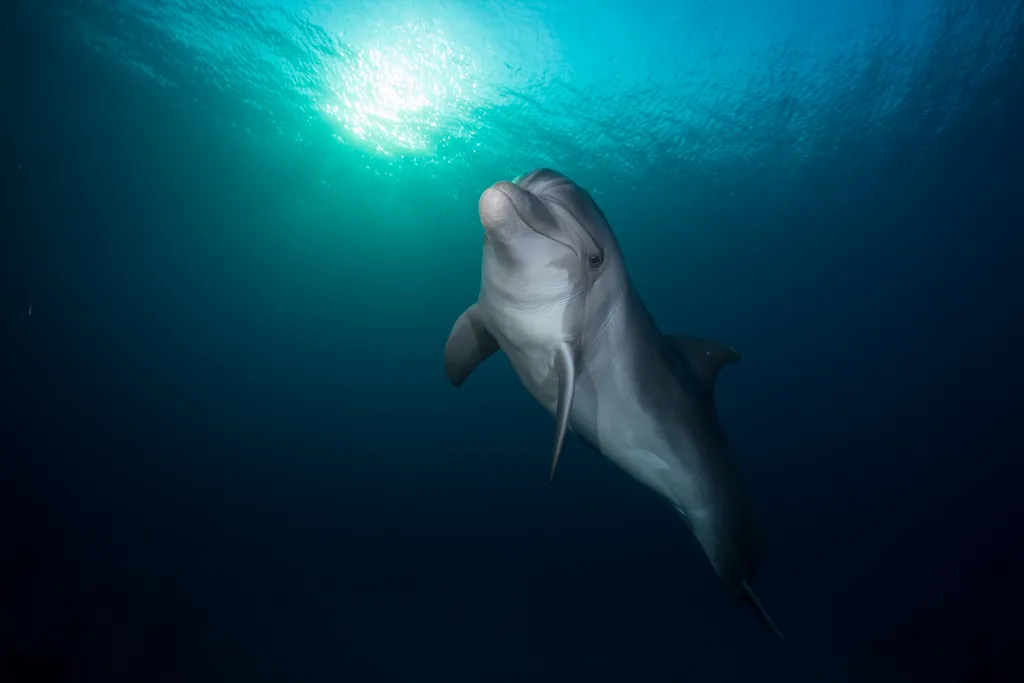
Photo by טל שמע / CC BY-SA 4.0 via Wikimedia Commons
1. The Biological Sonar
Dolphins are masters of echolocation. They emit rapid clicks (up to 200 per second) that travel through water and bounce off objects. The echoes return through their lower jaw (which is filled with fat that acts like an acoustic lens) to their inner ear. This allows them to "see" with sound, detecting fish, obstacles, and even the internal structure of objects. They can echolocate on a ping-pong ball from 100 meters away.
2. The Tool Users
In Shark Bay, Australia, some bottlenose dolphins have learned to use marine sponges as tools. They detach sponges and hold them over their beaks while foraging on the seafloor, protecting their sensitive snouts from sharp rocks and stingrays. This behavior is primarily learned by females and passed down through generations—a true cultural tradition.
3. The 80% Breath
Dolphins are incredibly efficient breathers. With each breath, they exchange 80% or more of their lung air (humans only exchange about 17%). This allows them to dive for up to 10 minutes and reach depths of 500+ meters. Their blood and muscles can store large amounts of oxygen, and they can redirect blood flow to vital organs during deep dives.
4. The Name Game
Dolphins can recognize themselves in mirrors (a sign of self-awareness) and have individual "signature whistles"—unique calls that function like names. When a dolphin "introduces" itself, it uses its signature whistle. Other dolphins can mimic these whistles, essentially "calling" for that individual. It's like having a name tag that everyone can copy.
5. The Playful Breach
Dolphins are famous for breaching—leaping completely out of the water. They can jump as high as 4.9 meters (16 feet) and often land on their backs or sides with a huge splash. While this might look like pure fun, it could serve multiple purposes: communication, parasite removal, stunning prey, or just... having a good time.
6. The Bow Riders
Dolphins love to ride the bow wave of boats. They position themselves just ahead of the boat's bow, where the pressure wave creates a "lift" that allows them to surf effortlessly. This saves energy and is clearly enjoyable—they'll do it for miles. Some dolphins even ride the wake of large whales.
7. The Cooperative Hunters
Dolphins are master strategists. They work together to herd schools of fish into tight "bait balls," then take turns rushing through to feed. Some populations use a technique called "mud-ring feeding" where they circle a school of fish, stirring up mud to create a net-like barrier, then leap into the center to catch the trapped fish.
8. The Sleepy Brain
Dolphins practice unihemispheric sleep—they sleep with one half of their brain at a time. While one hemisphere sleeps, the other stays awake to control breathing, watch for predators, and maintain social awareness. This allows them to rest while staying alert. They can go days without full sleep.
9. The Social Network
Dolphins live in complex social structures called pods. These can range from small groups (2–15 individuals) to superpods of hundreds or even thousands. Pods have hierarchies, alliances, and even "friendships." Some dolphins form lifelong bonds with specific individuals, and they've been observed helping injured or sick pod members.
10. The Cultural Learners
Dolphins are one of the few animals (along with humans, great apes, and some birds) that show cultural learning—behaviors passed down through observation and teaching rather than genetics. Different dolphin populations have different "dialects" of whistles, hunting techniques, and social customs. A dolphin from one population might not understand the customs of another.
Diving & Observation Notes
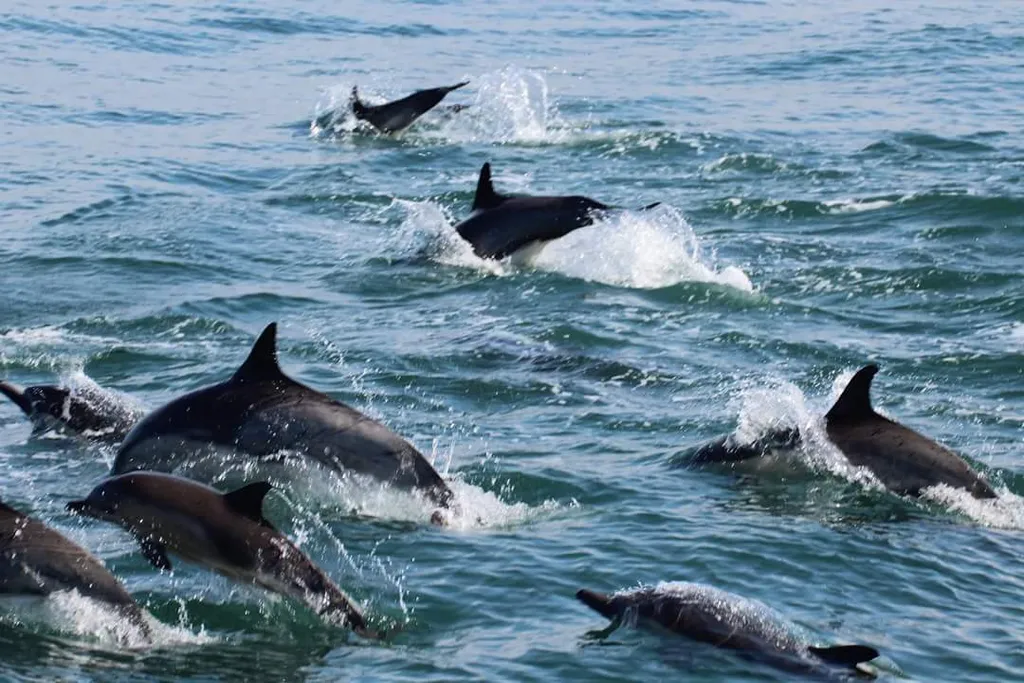
Photo by Mark Gunn / CC BY 2.0 via Wikimedia Commons
🧭 Finding Dolphins
Dolphins are found in virtually all tropical and temperate oceans. Look for them near reef drop-offs, in bays, or in open water. They are often attracted to boats, so if you're on a dive boat, keep an eye on the surface—you might see them bow-riding.
🤿 Approach & Behavior
- Let Them Come to You: The best encounters happen when dolphins approach you voluntarily. Stay calm, move slowly, and avoid chasing them.
- Eye Contact: Dolphins are curious and intelligent. If one approaches, maintain eye contact—they seem to recognize and respond to this.
- No Touching: While they might approach closely, resist the urge to touch. Wild dolphins can carry diseases, and touching can stress them.
- Respect Their Space: If they're feeding, resting, or with calves, keep extra distance. Don't interrupt important behaviors.
📸 Photo Tips
- Wide Angle: Dolphins move fast and are often in open water. A wide-angle lens helps capture them in their environment.
- The Breach: If you're lucky enough to see breaching, use a fast shutter speed (1/1000s+) to freeze the action.
- Underwater Portraits: When they approach, try to capture their intelligent eyes and the curve of their "smile."
- Natural Light: In clear, shallow water, natural light can create beautiful silhouettes and reflections.
⚠️ Ethics & Safety
- No Feeding: Never feed wild dolphins. It alters their natural behavior, makes them dependent, and can be dangerous (they might bite).
- No Swimming Programs: Avoid "swim with dolphins" programs that involve captive dolphins. These are often unethical and stressful for the animals.
- Boat Safety: If dolphins are bow-riding, the boat should maintain a steady speed. Don't stop suddenly or change direction rapidly.
- Respect Pods: If you encounter a pod with calves, be especially respectful. Mothers are protective, and stress can separate calves from mothers.
🌏 Local Guide Nuggets
- Red Sea: Dolphins are common around reefs, especially in areas like Dolphin House (Shaab El Erg). They often approach divers.
- Maldives: Spinner dolphins are famous here, often seen in large pods. Early morning dives offer the best chances.
- Azores: One of the best places for dolphin encounters, with multiple species including common, bottlenose, and Risso's dolphins.
- Hawaii: Spinner dolphins rest in shallow bays during the day. Snorkeling encounters are common, but respect their rest time.
Best Places to Dive with Dolphin

Maldives
Scattered across the Indian Ocean like strings of pearls, the Maldives’ 26 atolls encompass more than a thousand low‑lying islands, reefs and sandbanks. Beneath the turquoise surface are channels (kandus), pinnacles (thilas) and lagoons where powerful ocean currents sweep past colourful coral gardens. This nutrient‑rich flow attracts manta rays, whale sharks, reef sharks, schooling jacks, barracudas and every reef fish imaginable. Liveaboards and resort dive centres explore sites such as Okobe Thila and Kandooma Thila in the central atolls, manta cleaning stations in Baa and Ari, and shark‑filled channels like Fuvahmulah in the deep south. Diving here ranges from tranquil coral slopes to adrenalin‑fuelled drifts through current‑swept passes, making the Maldives a true pelagic playground.

Azores
The Azores sit on the Mid-Atlantic Ridge — nine volcanic islands where the seafloor drops thousands of metres almost at your fins. For divers, the hub that actually delivers megafauna is the Pico–Faial triangle: base in Madalena (Pico) or Horta (Faial) and you are within range of Princess Alice Bank, Condor Bank blue-shark Expeditions, and a shoreline of lava arches, walls, and wrecks. Summer is the story. From July through mid-October, devil rays (Mobula tarapacana) stack over the Princess Alice pinnacle roughly 45–50 nm southwest of Pico, and open-ocean blue sharks — occasionally makos — circle chummed blue-water stations off southwest Pico. Closer in, Arcos de Caneiras swim-throughs, channel drifts between the islands, Capelinhos’ young volcanic bottom, and Faial’s WWII wreck Canção do Mar keep a weather-cancelled week from feeling empty. Water runs cool (about 18–24 °C in season); pack a 5–7 mm suit, SMB, and enough days for the offshore window to open.
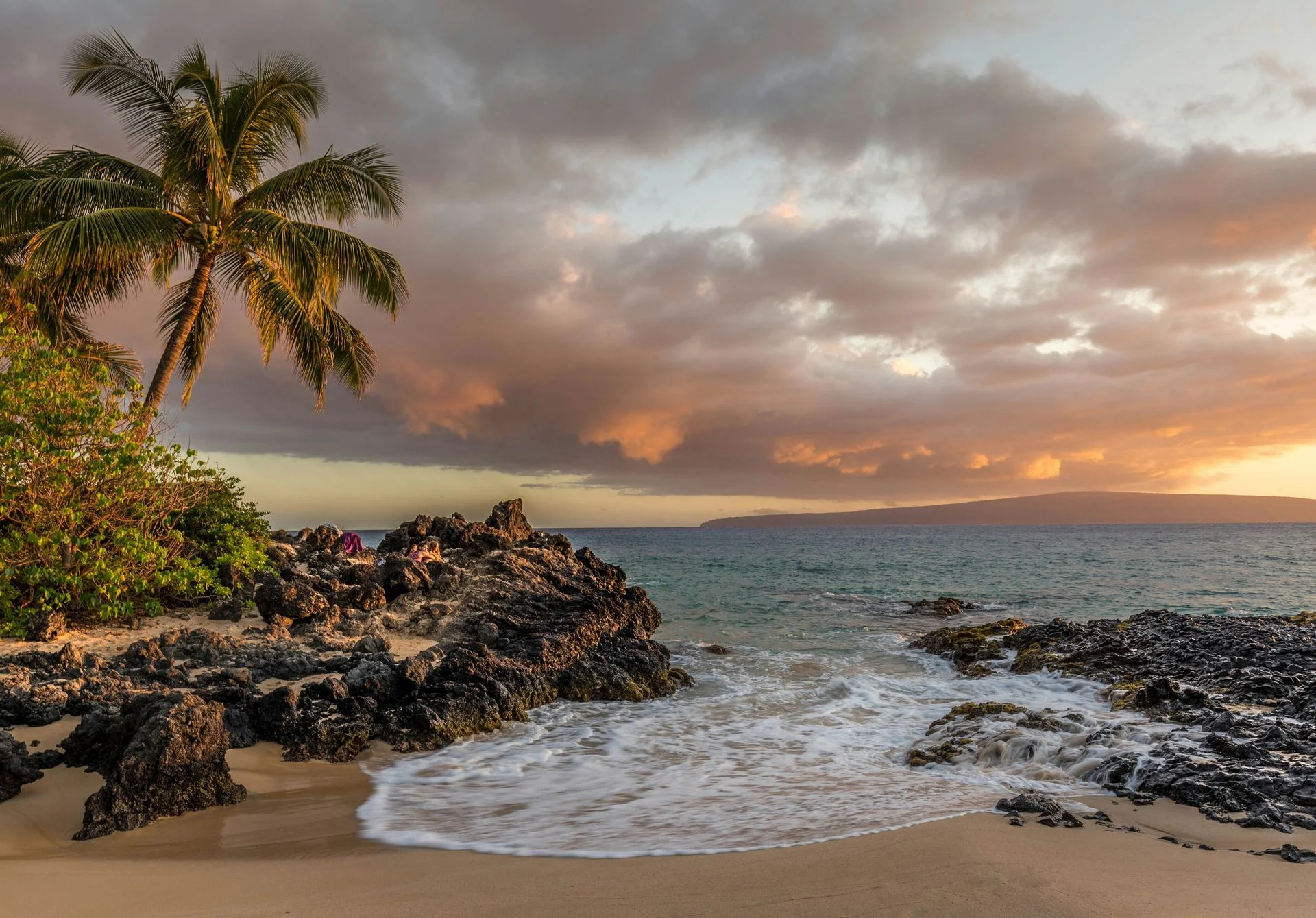
Hawaii
The Hawaiian Islands sit in the central Pacific and offer some of the United States’ most diverse diving. Each island has its own character: Oʻahu features WWII wrecks like the YO‑257 and Sea Tiger; Maui boasts the crescent‑shaped Molokini Crater and drift dives along Lānaʻi’s cathedral‑like caverns; the Big Island’s Kona coast is famed for lava tubes, black water pelagic dives and the world‑renowned manta‑ray night dive; Kauaʻi and Niʻihau offer lava arches, monk seals and dramatic drop‑offs. Water is warm year‑round and visibility regularly exceeds 25 m, making Hawaii ideal for both beginners and experienced divers. You’ll see green sea turtles, reef sharks, manta rays, dolphins and humpback whales in season, along with endemic fish found nowhere else on earth.
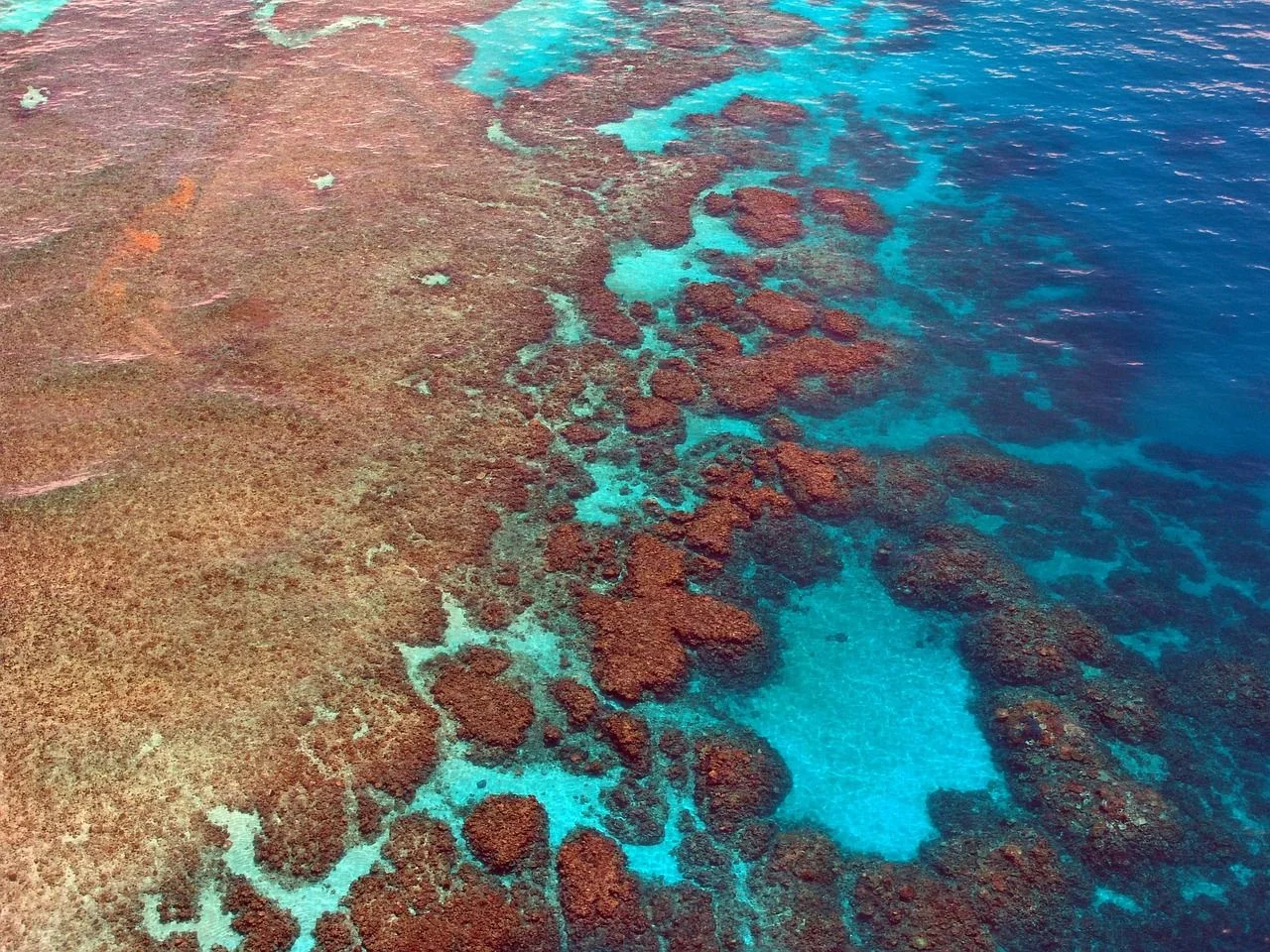
Great Barrier Reef
The Great Barrier Reef stretches for more than 2,300 km along Australia’s Queensland coast and is Earth’s largest coral ecosystem. With over 2,900 individual reefs, hundreds of islands, and a staggering diversity of marine life, it’s a bucket‑list destination for divers. Outer reef walls, coral gardens and pinnacles support potato cod, giant trevallies, reef sharks, sea turtles, manta rays and even visiting dwarf minke and humpback whales. Divers can explore historic wrecks like the SS Yongala, drift along the coral‑clad walls of Osprey Reef or mingle with friendly cod at Cod Hole. Whether you’re a beginner on a day trip from Cairns or an experienced diver on a remote liveaboard, the Great Barrier Reef offers unforgettable underwater adventures.