
Dragon Moray Eel
Enchelycore pardalis
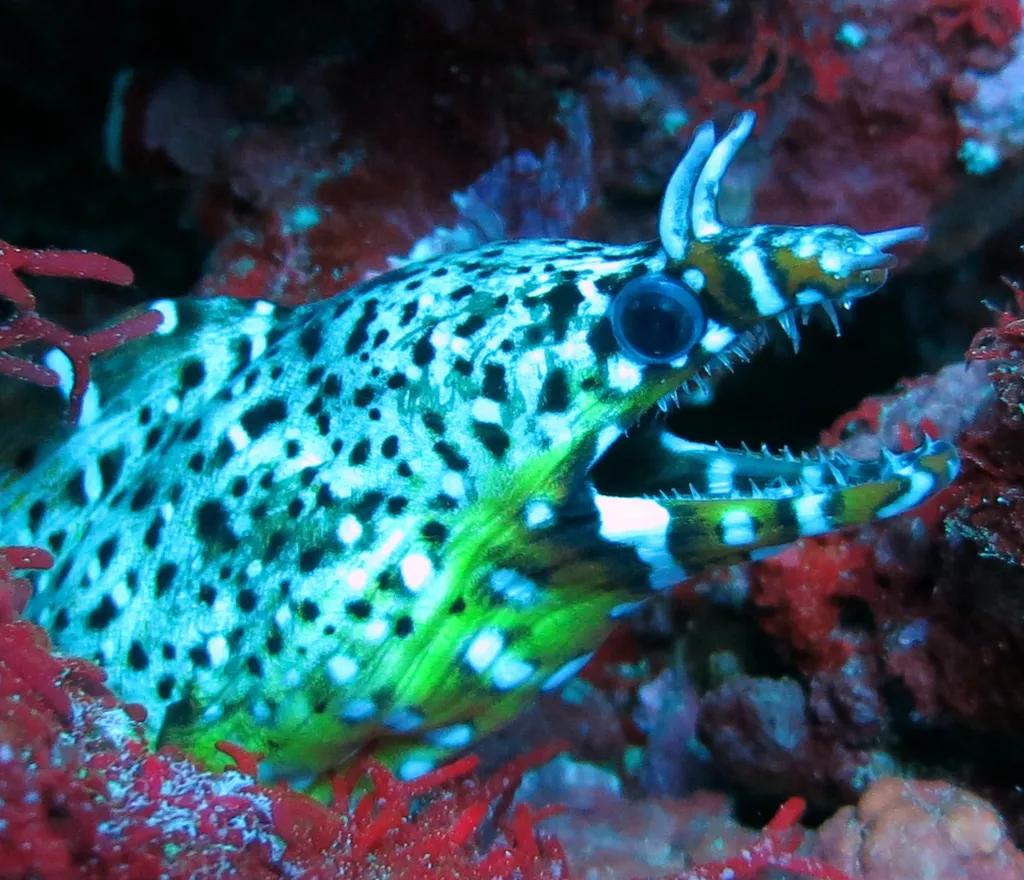
Photo by NOAA Photo Library / CC BY 2.0 via Wikimedia Commons
The dragon moray is one of those reef species that stops a dive group cold. Enchelycore pardalis carries leopard-like spotting across the body, but the real show is the face: narrow hooked jaws, elongated nostril tubes, and red stripes that make it look almost theatrical.
It is widespread across the Indo-Pacific yet genuinely uncommon on most reefs. Divers who see one usually find it tucked in a crevice on a substantial reef feature, often with cardinalfish or sweepers hanging nearby. That combination of vivid color and cryptic behavior makes every sighting feel earned.
For photographers, this is a portrait species. You are not chasing a swimmer across blue water; you are working a stationary subject that may extend a few centimeters farther from its hole if you stay calm, neutral, and out of its escape line.
🔬Classification
📏Physical Features
🌊Habitat Info
⚠️Safety & Conservation
Identification Guide
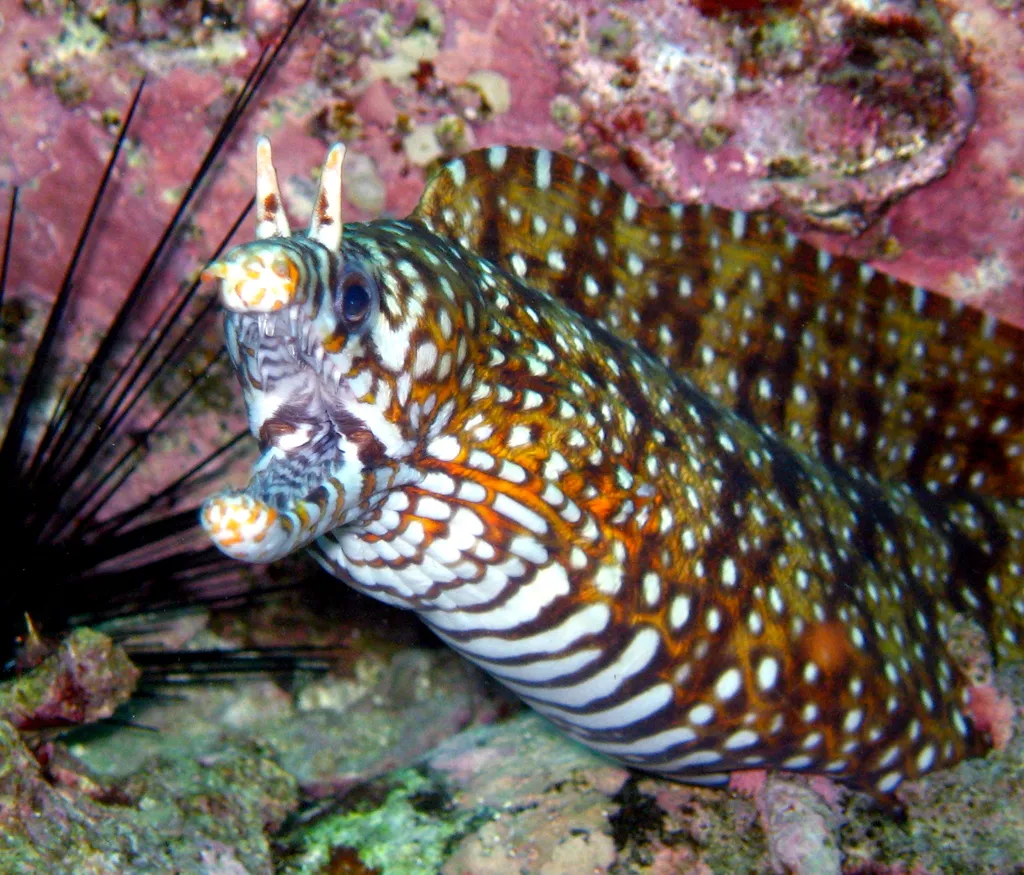
Photo by TANAKA Juuyoh (田中十洋) / CC BY 2.0 via Wikimedia Commons
1. Face pattern beats body spots
Leopard spotting on the flank is helpful, but the red facial striping and exaggerated nostril tubes are the fastest field marks. Few morays combine that jaw shape with that head color.
2. Narrow curved jaws
Enchelycore species show distinctly hooked, narrow jaws compared with bulkier Gymnothorax morays. Even a partial head shot is often enough for genus-level ID.
3. Crevice posture
Expect only the anterior body exposed during daylight. A fully free-swimming dragon moray in open water is unusual and usually means disturbance or a brief hunting move at dusk.
Top 10 Fun Facts about Dragon Moray Eel
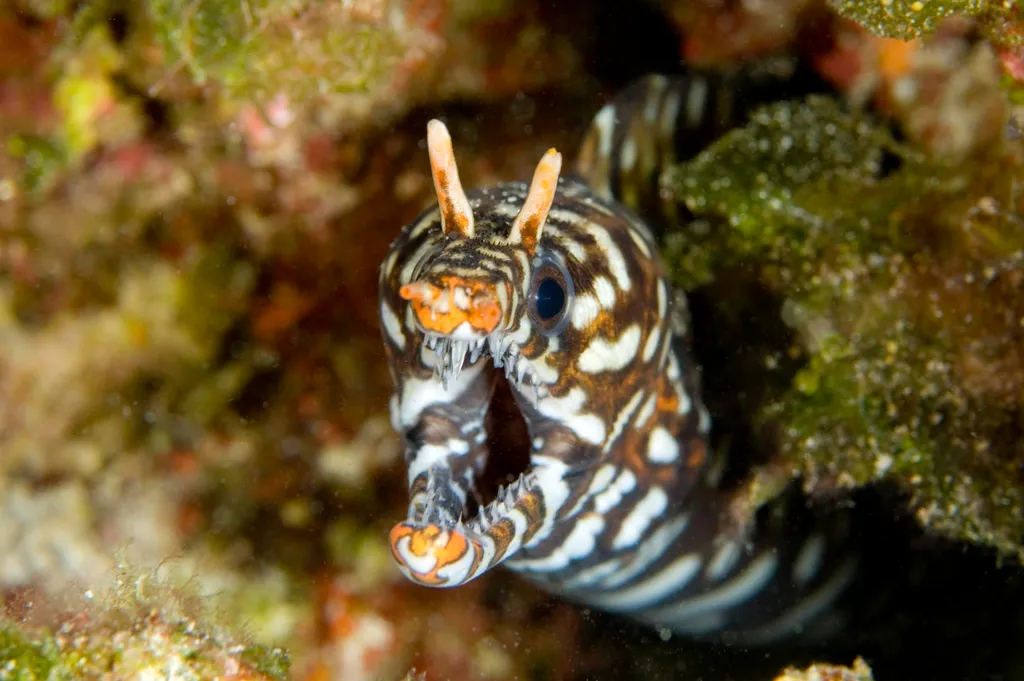
Photo by National Marine Sanctuaries via Wikimedia Commons
1. Three common names, one species
Dragon moray, leopard moray, and tiger moray all refer to Enchelycore pardalis. The scientific epithet pardalis means leopard in Greek, which explains the spot pattern.
2. Hawaiian name reflects local culture
In Hawaii the species is known as puhi-kauila, tying it to reef lore and making it a signature sighting on Hawaiian reef dives when guides know a reliable hole.
3. Tubular nostrils are functional
The elongated anterior nostrils are not decorative. They improve scent detection while the eel remains mostly hidden, helping it ambush fish and small cephalopods.
4. Second set of jaws inside the throat
Like other morays, it uses pharyngeal jaws to grip prey after the initial strike. That is why moray bites can be severe even though the animal is not venomous.
5. Protective skin mucus
Dragon morays coat themselves in slime that helps reduce infection risk on abrasive reef surfaces. Divers should never touch them; the mucus layer is part of their health barrier.
6. Wide Indo-Pacific range, low encounter rate
The distribution runs from the western Indian Ocean through Japan, Hawaii, and Polynesia, yet dive logs treat sightings as notable events rather than routine reef background.
7. Often associated with reef fish aggregations
Cardinalfish and sweepers near a large bommie or ledge can be a clue that a moray-sized predator is using the same structure, even before you spot the eel itself.
8. No pectoral or pelvic fins
Morays move by anguilliform undulation. That serpentine motion looks powerful in tight reef geometry and explains why they excel at backing into holes head-first.
9. Night hunting specialist
It feeds primarily on fishes and small cephalopods after dark. Day dives reward patience at known shelters rather than mid-water searches.
10. Aquarium fame, wild rarity
The species is popular in public aquariums because of its color, which sometimes tricks divers into thinking it should be common. On natural reefs, local knowledge still matters more than luck.
Diving & Observation Notes
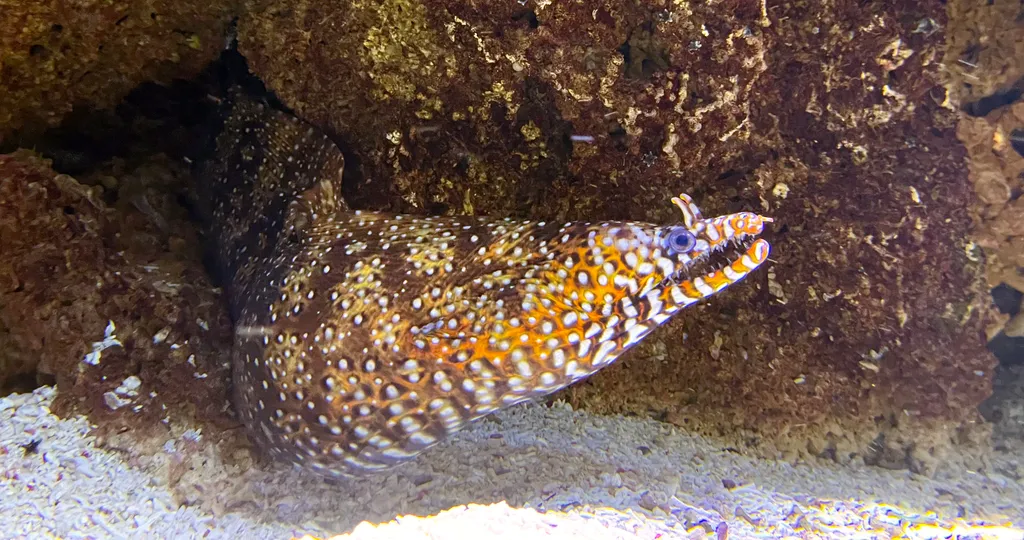
Photo by Amada44 / CC BY-SA 3.0 via Wikimedia Commons
Finding the right structure
Target large reef bommies, walls with deep crevices, and ledges with cardinalfish schools. Ask guides for known dragon moray holes before the dive rather than improvising a full-reef scan.
Approach without flushing the eel
Settle to the side of the crevice, keep fins clear of the entrance, and avoid blocking the escape route. Slow fin kicks and neutral buoyancy reduce the chance the eel pulls back completely.
Photo and light discipline
Side light often reveals spot pattern better than straight on-camera flash. Focus on the eye and nostril tubes; expect limited body extension unless the animal is very relaxed.
Safety and reef etiquette
Never feed morays or use pointers to probe holes. Maintain respectful distance; a bite from sharp teeth can cause serious injury and stress to the animal.
Best Places to Dive with Dragon Moray Eel
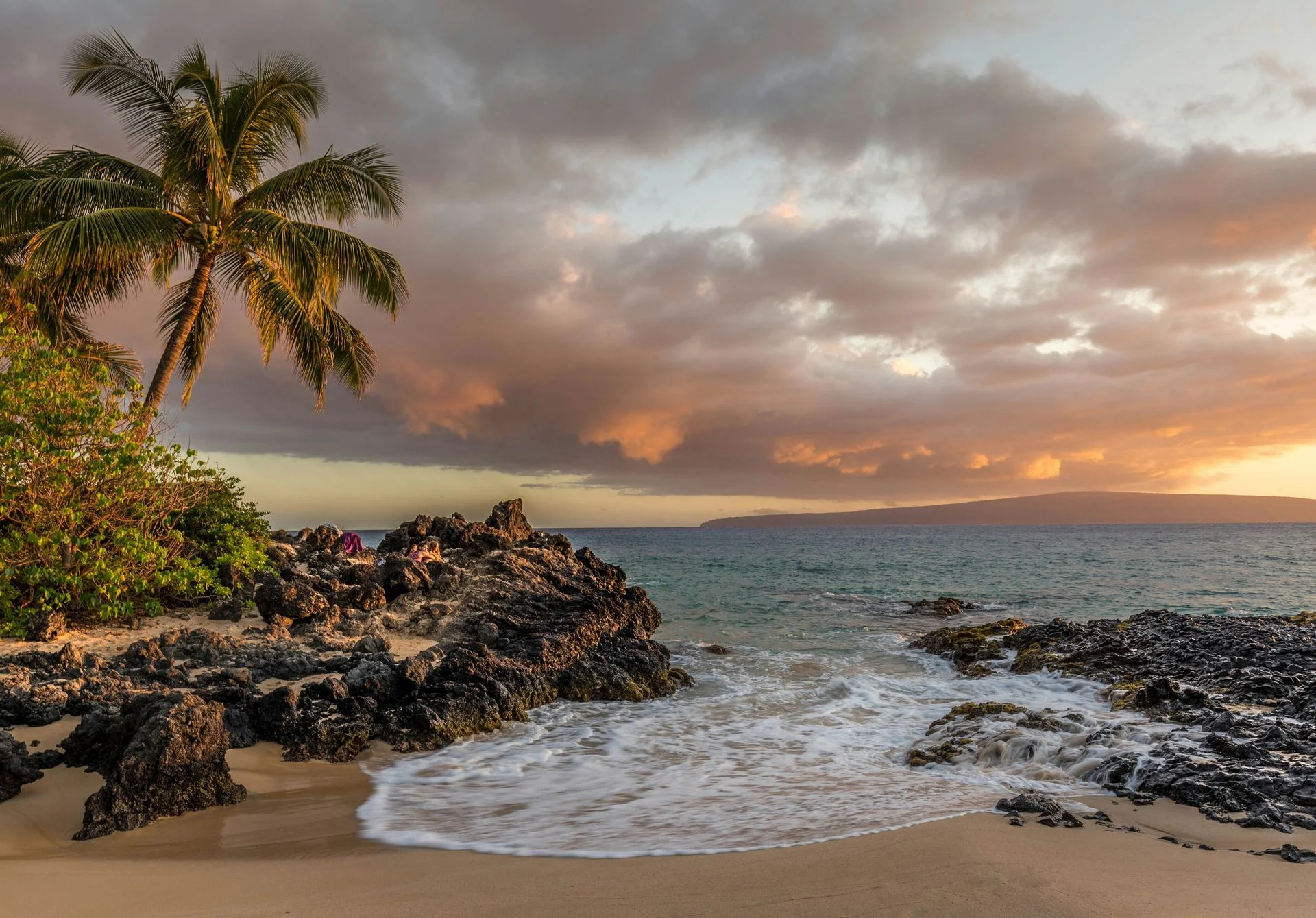
Hawaii
The Hawaiian Islands sit in the central Pacific and offer some of the United States’ most diverse diving. Each island has its own character: Oʻahu features WWII wrecks like the YO‑257 and Sea Tiger; Maui boasts the crescent‑shaped Molokini Crater and drift dives along Lānaʻi’s cathedral‑like caverns; the Big Island’s Kona coast is famed for lava tubes, black water pelagic dives and the world‑renowned manta‑ray night dive; Kauaʻi and Niʻihau offer lava arches, monk seals and dramatic drop‑offs. Water is warm year‑round and visibility regularly exceeds 25 m, making Hawaii ideal for both beginners and experienced divers. You’ll see green sea turtles, reef sharks, manta rays, dolphins and humpback whales in season, along with endemic fish found nowhere else on earth.
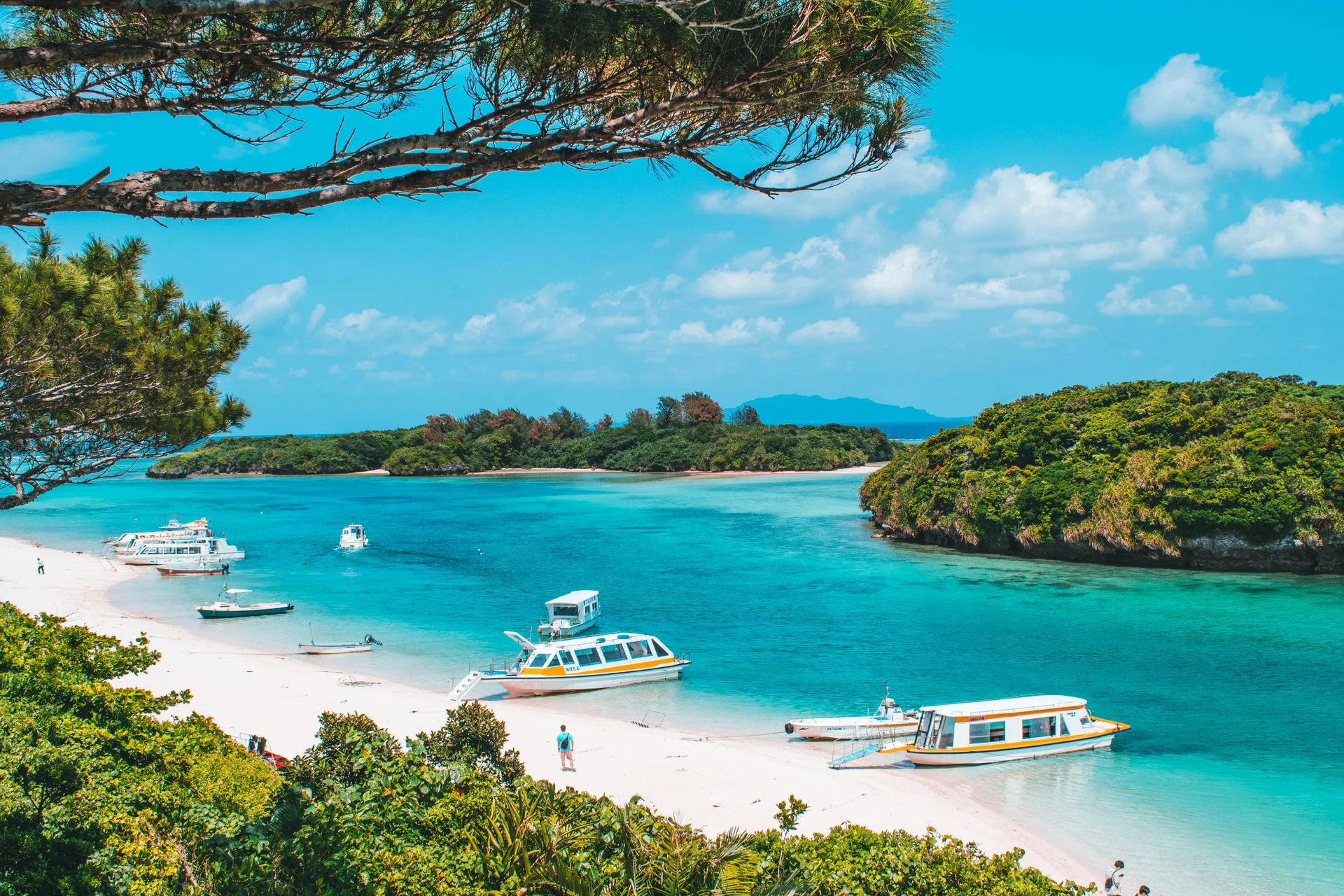
Okinawa
Straddling the subtropical Ryūkyū chain in Japan’s far south, Okinawa Prefecture is a mosaic of islands offering everything from shallow coral gardens to deep wrecks and wild drift dives. The main island provides easy access to the vibrant reefs of the Kerama National Park, where Tokashiki and Zamami Islands boast pristine hard corals, sea fans and more turtles than you can count. Just offshore, Cape Manza’s Dream Hole drops through a chimney into a colourful cavern system teeming with soldierfish, angelfish and feather stars. Further north, history buffs can dive the 100‑metre USS Emmons, a WWII destroyer resting intact at 35–40 m. Closer to shore, Cape Maeda’s Blue Cave offers an easy swim‑through with magical blue light – but expect crowds. Away from the main island, Okinawa’s outer islands extend the experience: Ishigaki’s Manta Scramble (April–Nov) promises manta ray ballets, Yonaguni’s currents bring hammerhead sharks in winter, and Miyako’s caves and tunnels deliver topography diving at its finest. Whether you crave reef fish, big pelagics, swim‑throughs or macro critters, Okinawa’s warm, clear waters offer a Japanese diving adventure for every level of diver.

Sharm El Sheikh
Sharm El Sheikh sits at the southern tip of Egypt's Sinai Peninsula and functions as the Red Sea's busiest dive hub for good reason. Day boats run south to Ras Mohammed National Park—walls, current-swept pinnacles and the famous Shark Reef–Yolanda Reef double drop—and north through the Straits of Tiran past four reef towers where hammerheads patrol in season. Wreck divers book the early alarm for SS Thistlegorm, one of the world's great WWII cargo dives, and the coral-encrusted SS Dunraven on calmer days. Closer to Naama Bay and Sharks Bay, house reefs like Ras Um Sid, the Gardens and Temple deliver easy boat dives between the big-ticket runs. Visibility routinely clears 20 m, reefs are healthy by Red Sea standards, and the resort strip makes logistics painless: gear on, coffee, two-tank boat, back for lunch.
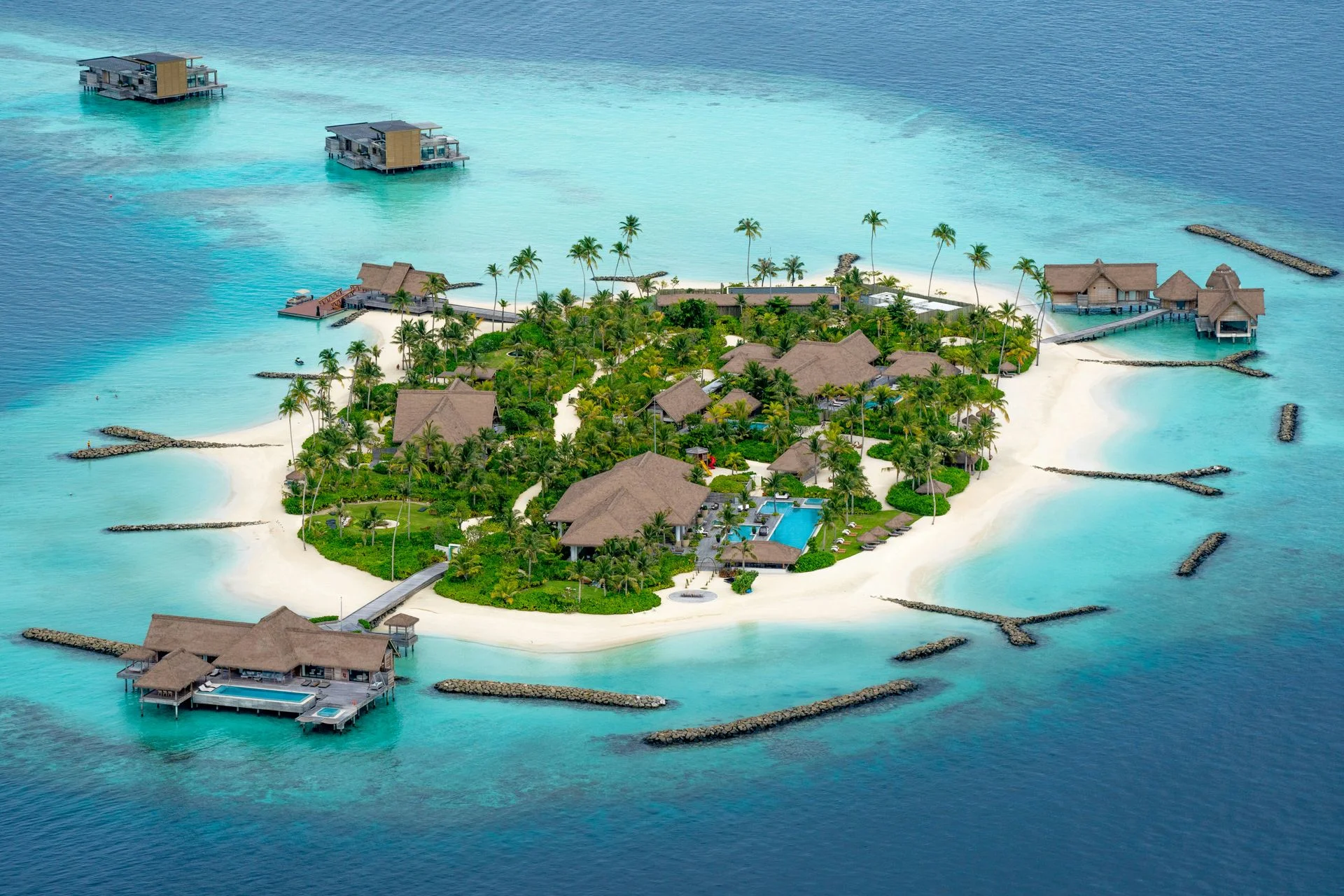
Maldives
Scattered across the Indian Ocean like strings of pearls, the Maldives’ 26 atolls encompass more than a thousand low‑lying islands, reefs and sandbanks. Beneath the turquoise surface are channels (kandus), pinnacles (thilas) and lagoons where powerful ocean currents sweep past colourful coral gardens. This nutrient‑rich flow attracts manta rays, whale sharks, reef sharks, schooling jacks, barracudas and every reef fish imaginable. Liveaboards and resort dive centres explore sites such as Okobe Thila and Kandooma Thila in the central atolls, manta cleaning stations in Baa and Ari, and shark‑filled channels like Fuvahmulah in the deep south. Diving here ranges from tranquil coral slopes to adrenalin‑fuelled drifts through current‑swept passes, making the Maldives a true pelagic playground.
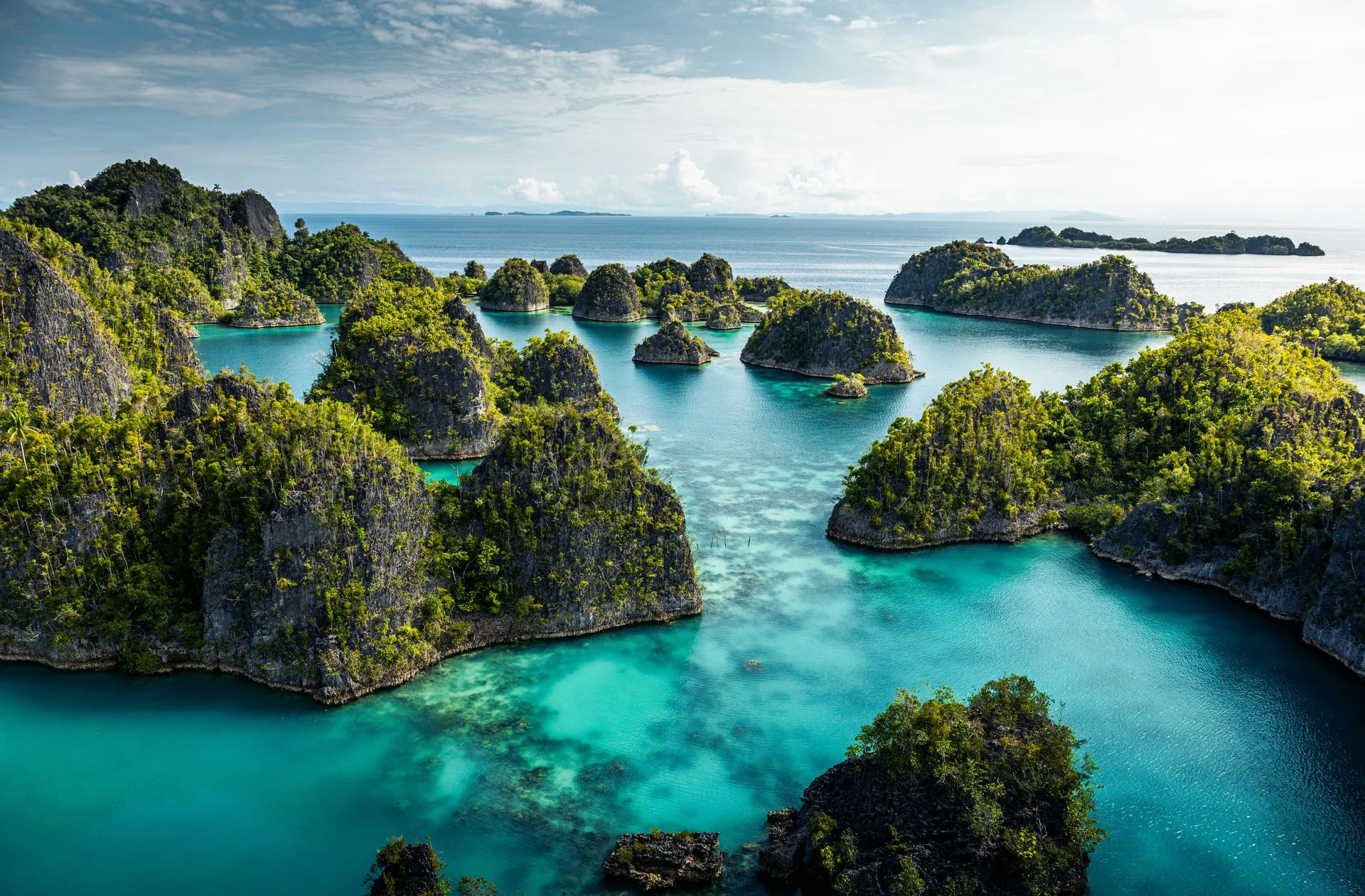
Raja Ampat
Raja Ampat, the “Four Kings,” is an archipelago of more than 1,500 islands at the edge of Indonesian West Papua. Its reefs sit in the heart of the Coral Triangle, where Pacific currents funnel nutrients into shallow seas and feed the world’s richest marine biodiversity. Diving here means gliding over colourful walls and coral gardens buzzing with more than 550 species of hard and soft corals and an estimated 1,500 fish species. You’ll meet blacktip and whitetip reef sharks on almost every dive, witness giant trevally and dogtooth tuna hunting schools of fusiliers, and encounter wobbegong “carpet” sharks, turtles, manta rays and dolphins. From cape pinnacles swarming with life to calm bays rich in macro critters, Raja Ampat offers endless variety. Above water, karst limestone islands and emerald lagoons provide spectacular scenery between dives.
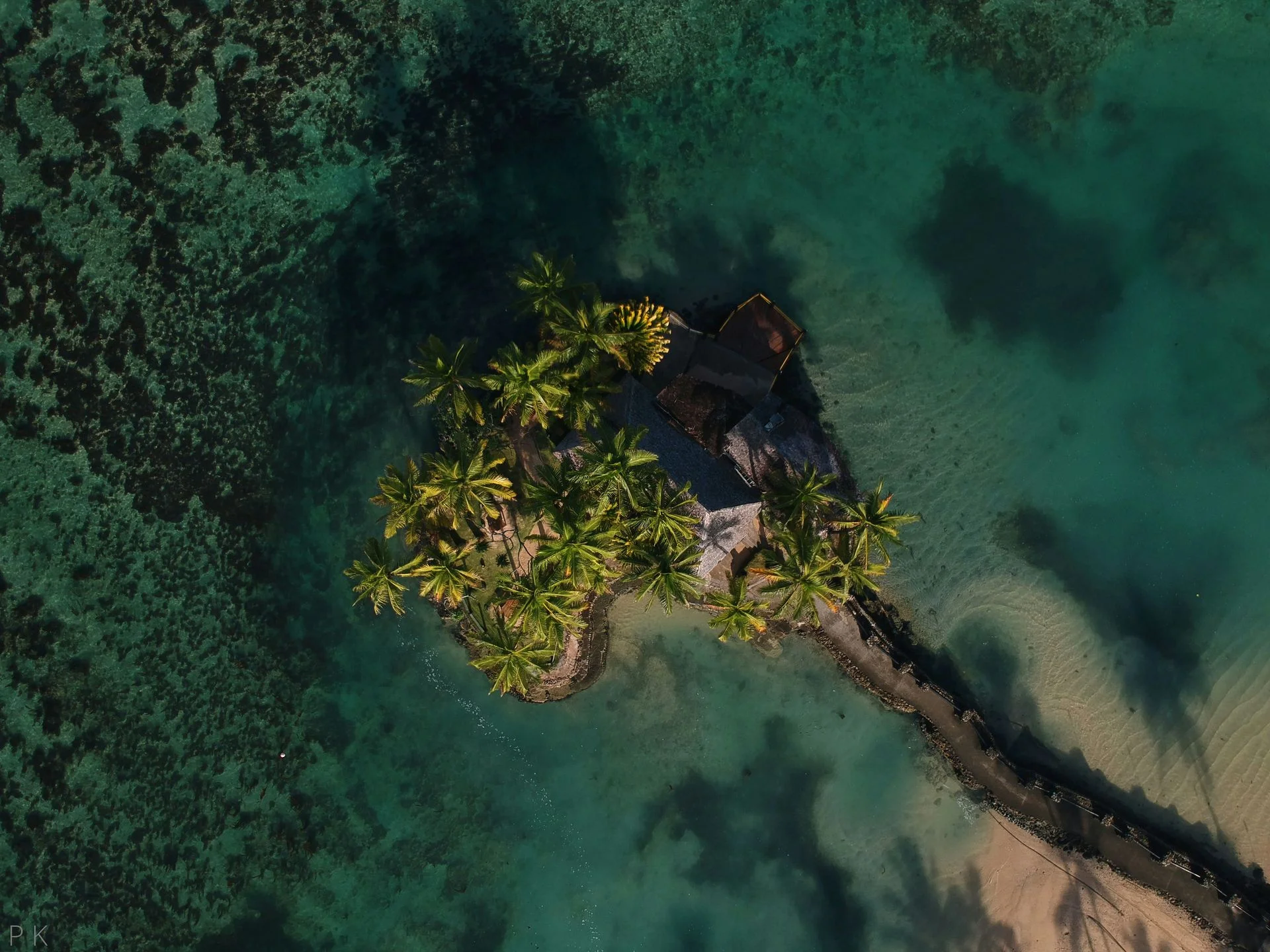
Fiji
Fiji sits like a necklace of more than 300 inhabited islands and 500 smaller islets in the heart of the South Pacific. Jacques Cousteau dubbed it the “soft coral capital of the world” for good reason – nutrient‑rich currents wash over sloping reefs, walls and bommies that erupt in shades of pink, purple, orange and yellow. The country’s dive sites range from kaleidoscopic coral gardens and pinnacles in the Somosomo Strait to shark dives in Beqa Lagoon, and remote passages in Bligh Water and the Koro Sea. Schools of barracuda, trevally and surgeonfish cruise above while manta rays, turtles, bull sharks and occasionally hammerheads glide past. Friendly locals and a relaxed island vibe make Fiji a favourite for both adventurous liveaboard trips and leisurely resort‑based diving.