
Great White Shark
Carcharodon carcharias
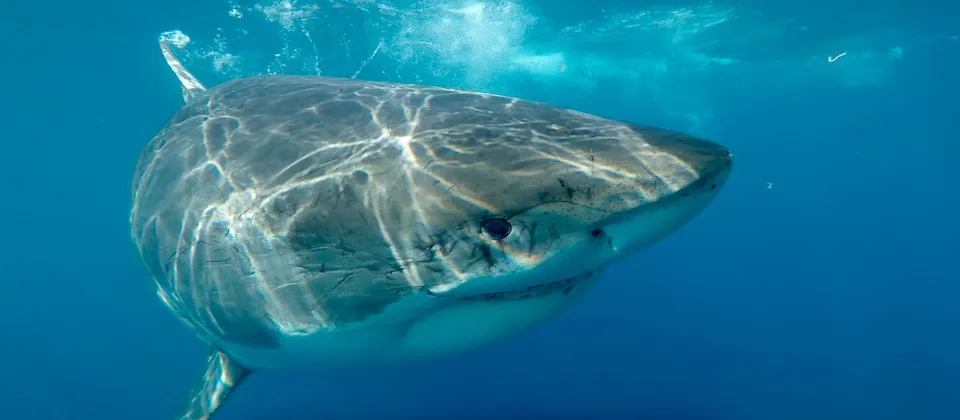
Photo by Sharkcrew / CC BY-SA 4.0 via Wikimedia Commons
The Great White Shark is the apex predator that defines shark diving—the species behind a century of ocean folklore and the reason cage diving exists as a sport. Carcharodon carcharias is built for power: a conical snout, rows of serrated triangular teeth, and a body temperature elevated above ambient water through counter-current heat exchange. Females routinely exceed 5 metres.
For divers, encounters are almost always cage-based at a handful of cold-water hotspots where whites patrol seal colonies or offshore islands. Visibility, water temperature, and operator ethics vary wildly between destinations. This is not a reef fish you stumble upon on a fun dive—it is a planned expedition where briefing discipline, surface intervals, and respect for chum protocols matter as much as your camera settings.
🔬Classification
📏Physical Features
🌊Habitat Info
⚠️Safety & Conservation
Identification Guide
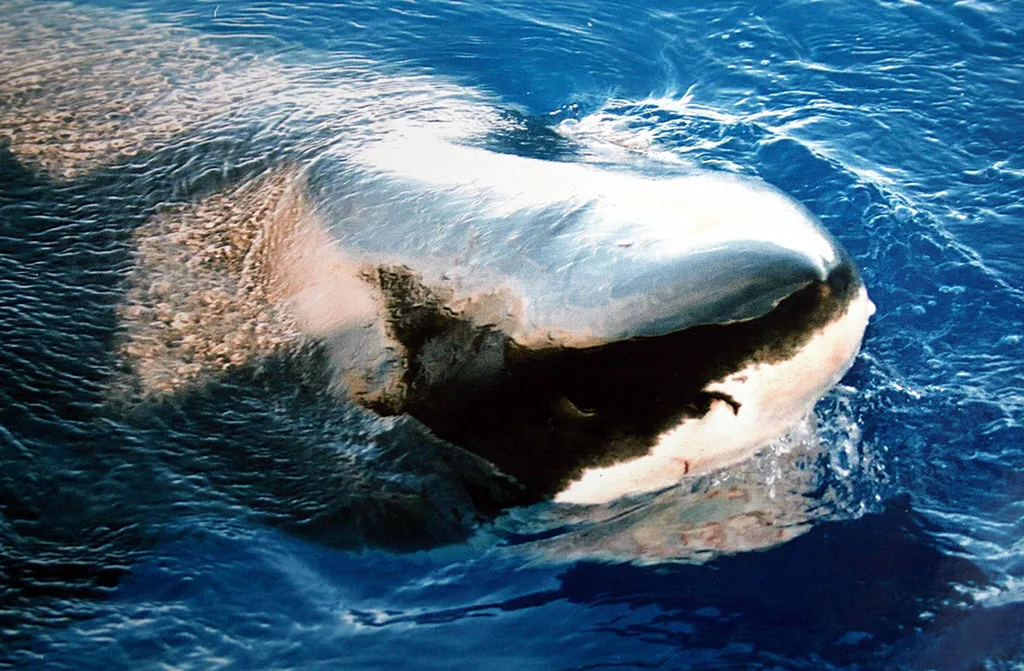
Photo by Brocken Inaglory / CC BY-SA 3.0 via Wikimedia Commons
Field marks at cage-diving range:
- Conical snout — pointed, not blunt like a bull shark or square like a tiger
- Counter-shaded colour — dark grey dorsal fading to clean white belly; sharp demarcation line
- Massive girth — thick trunk relative to length; females notably broader than males
- Triangular serrated teeth — visible when mouth gapes; upper and lower rows differ in shape
- Black eye — not the pale, cat-like eye of a tiger shark
- Caudal keel — raised ridge on each side of tail stock before the crescent tail fin
Differences from Similar Species
- Tiger Shark: Square snout, vertical stripes (juveniles), more slender body, pale eye
- Bull Shark: Blunt, broad snout; no caudal keel; typically smaller in comparable encounters
- Shortfin Mako: More slender, blue-grey, extremely pointed snout, huge eyes
- Grey Nurse / Sand Tiger: Jagged protruding teeth, sluggish demeanour, usually in caves or aggregations
Size and Sex
Females are larger than males. A 4-metre animal is already imposing; 5+ metres is a mature female. Juveniles are rarely seen on cage dives.
Top 10 Fun Facts about Great White Shark
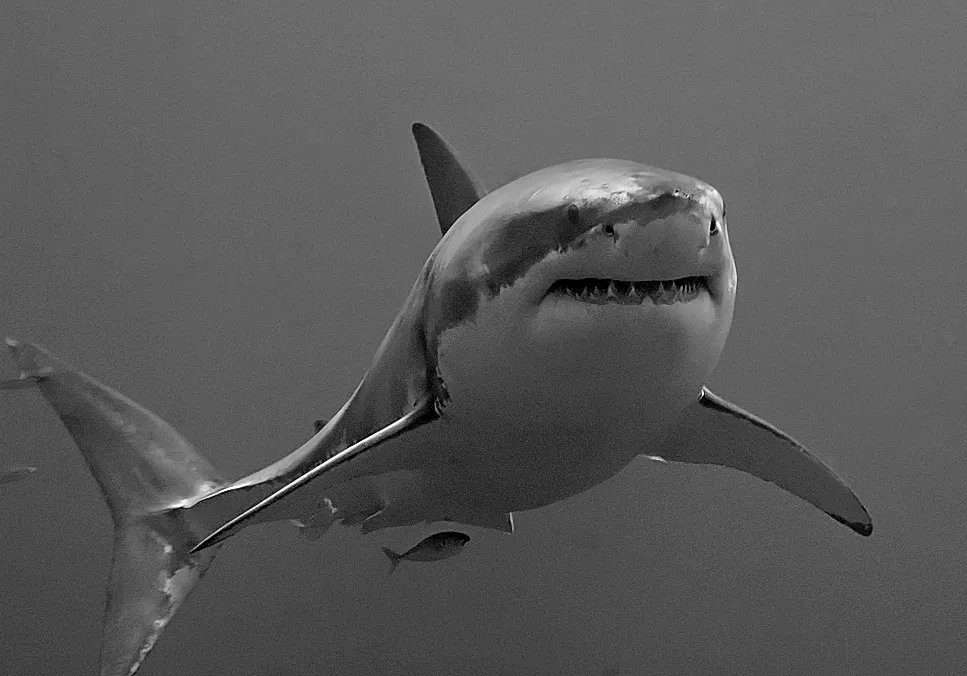
Photo by Terry Goss / CC BY 2.5 via Wikimedia Commons
1. The Only Living Carcharodon
Great whites belong to genus Carcharodon—and they are the sole surviving species. Fossil teeth of Carcharodon megalodon and related lamnids hint at a lineage of super-predators stretching back millions of years. Today's white shark carries that evolutionary toolkit: size, speed, and heat retention.
2. Warm-Blooded Predator
Unlike most fish, great whites are regional endotherms. Rete mirabile networks in the muscles and viscera conserve metabolic heat, letting them cruise and burst in cool temperate water where purely cold-blooded prey would slow down. This physiology explains their preference for 12–24 °C hunting grounds.
3. Breach Hunters
Off South Africa's Seal Island, whites launch fully out of the water attacking cape fur seals—a behaviour called breaching. A 3-tonne shark clearing the surface at 40+ km/h is one of the most violent feeding events in nature. Cage divers elsewhere rarely see breaches, but the hunting style (ambush from below) is universal.
4. Ampullae of Lorenzini
The snout pores detect minute electrical fields from prey muscle contractions. Whites can sense a heartbeat-style signal from metres away—relevant when a curious animal bumps a cage: it is sampling your electric signature, not necessarily being aggressive.
5. Migration Marathons
Satellite tags on eastern Pacific whites show trans-oceanic routes—animals tagged off California appear months later near Hawaii or Guadalupe Island. Populations are partially segregated: Mediterranean, South African, Australian, and northeastern Pacific stocks show distinct genetics.
6. Low Reproductive Output
Females mature around 15 years and produce only 2–14 pups per litter after an estimated 11–18 month gestation. Ovoviviparous development includes uterine cannibalism in some litters. Slow reproduction makes population recovery difficult despite legal protection in many countries.
7. Jaws That Replace Themselves
A white shark may lose 20,000+ teeth in a lifetime. Rows rotate forward like a conveyor belt; a broken tooth is replaced within days. The serrated triangles are designed to saw through blubber and bone, not crush shells.
8. Orca Pressure
In South Africa and California, orca predation on white sharks has caused local disappearances—killer whales target the lipid-rich liver and leave the carcass. When orcas visit an area, whites may vanish for weeks or months. The ocean's apex predator has an apex predator.
9. Guadalupe's Closure
Isla Guadalupe, Mexico, was long considered the gold standard for clear-water cage diving (30–45 m visibility, identified individuals). The Mexican government closed the island to shark tourism in January 2023. Neptune Islands, South Australia, now carries much of the global cage-diving demand.
10. Bite Statistics vs. Reality
Global unprovoked bites are rare relative to beach use. Whites investigate unfamiliar objects with their mouths—a test bite on a surfboard or kayak is catastrophic but not necessarily predatory intent. Cage diving operators rely on strict protocols because curiosity at close range is normal behaviour.
Diving & Observation Notes
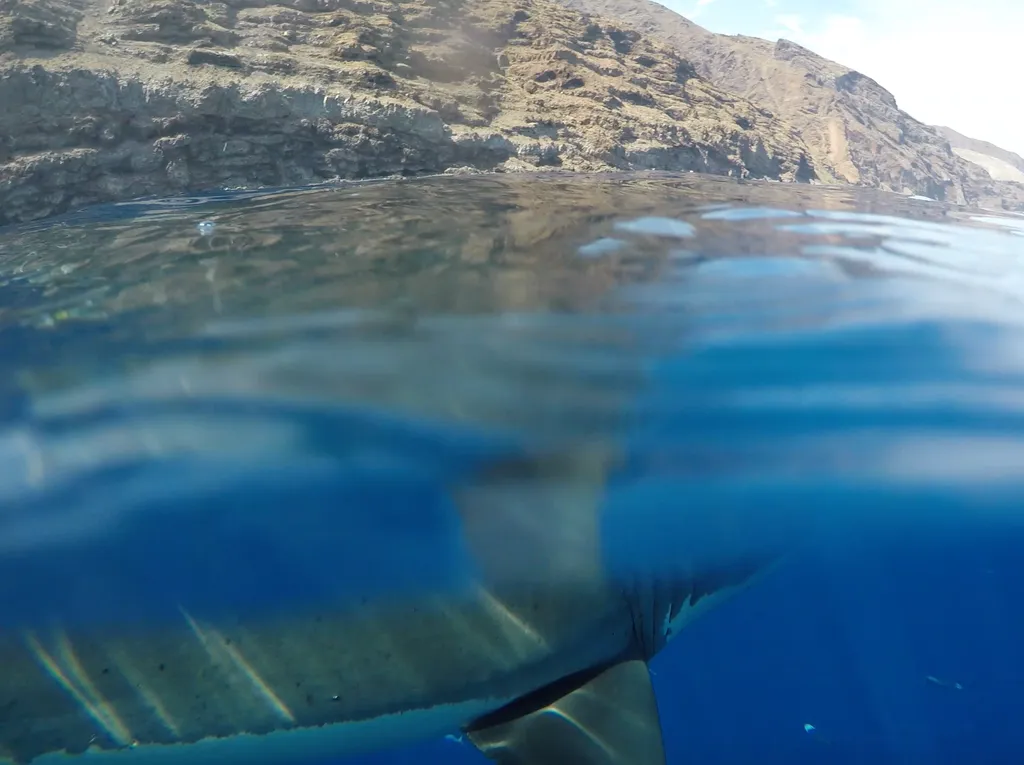
Photo by Horizon Charters / CC BY-SA 4.0 via Wikimedia Commons
🧭 Where Cage Diving Happens
As of 2025, the most reliable great white cage diving destinations are the Neptune Islands (South Australia, liveaboard from Port Lincoln) and Mossel Bay / Gansbaai (South Africa). Historically Isla Guadalupe (Mexico) offered exceptional visibility but is closed to shark tourism. Eastern Pacific whites also visit Hawaiian waters seasonally—documented by satellite tags—but North Shore cage tours target Galapagos and sandbar sharks, not whites.
🦈 Cage Types & Logistics
- Surface cages: Hookah or snorkel; easiest for non-divers; sharks often approach at eye level
- Submersible cages: Lowered to 10–15 m; calmer shark behaviour, better photo angles; usually requires certification
- Multi-day trips: White shark presence can be day-to-day variable; 3–5 day liveaboards dramatically improve odds
🤿 In-Cage Discipline
- Keep limbs inside the cage—no dangling hands or cameras outside the bars
- Avoid sudden movements and splashing; attract attention with stillness
- Do not bang on the cage or use flash without operator permission
- Listen to the skipper: chum protocols and cage rotation schedules exist for safety and shark welfare
📸 Photo Tips
- Natural light dominates; strobes are often restricted or useless through bars
- Shoot through the widest mesh panel you are assigned; position early for the best angle
- A fisheye or 16–35 mm captures the full animal at close range
- Pre-focus manually at 1–3 m; autofocus hunts in low-contrast blue water
- Capture the eye and gape—teeth visible shots require patience when the shark turns
⚠️ Ethics & Regulation
- Chumming is controversial but standard at aggregation sites; choose operators with clear codes of conduct
- Never support illegal operations at closed sites (e.g., Guadalupe post-2023 ban)
- Report tagged animals to research databases when photo-ID is possible (dorsal fin notches, scars)
- Understand that cage diving alters local behaviour—support science-linked operators where possible
Best Places to Dive with Great White Shark
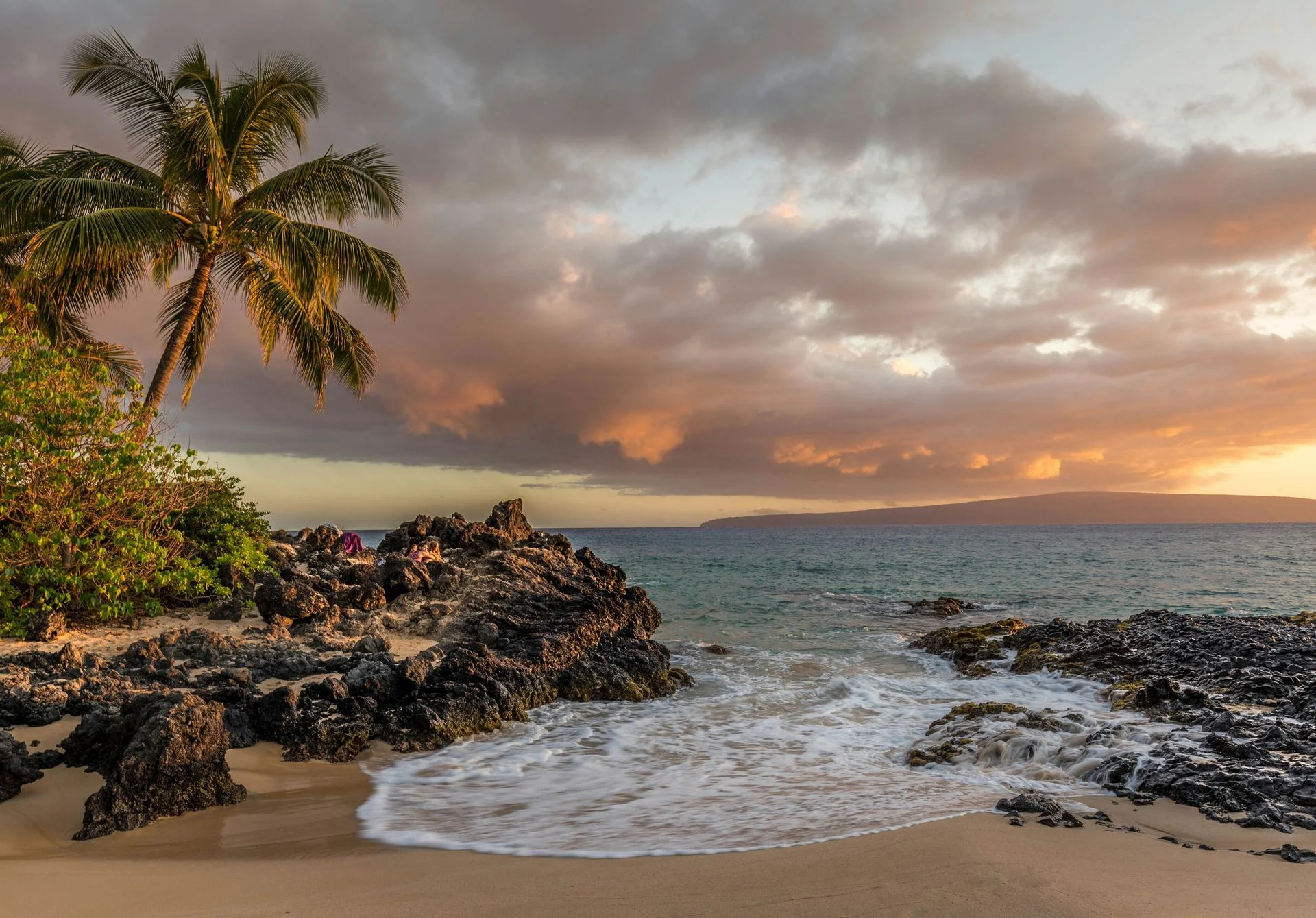
Hawaii
The Hawaiian Islands sit in the central Pacific and offer some of the United States’ most diverse diving. Each island has its own character: Oʻahu features WWII wrecks like the YO‑257 and Sea Tiger; Maui boasts the crescent‑shaped Molokini Crater and drift dives along Lānaʻi’s cathedral‑like caverns; the Big Island’s Kona coast is famed for lava tubes, black water pelagic dives and the world‑renowned manta‑ray night dive; Kauaʻi and Niʻihau offer lava arches, monk seals and dramatic drop‑offs. Water is warm year‑round and visibility regularly exceeds 25 m, making Hawaii ideal for both beginners and experienced divers. You’ll see green sea turtles, reef sharks, manta rays, dolphins and humpback whales in season, along with endemic fish found nowhere else on earth.
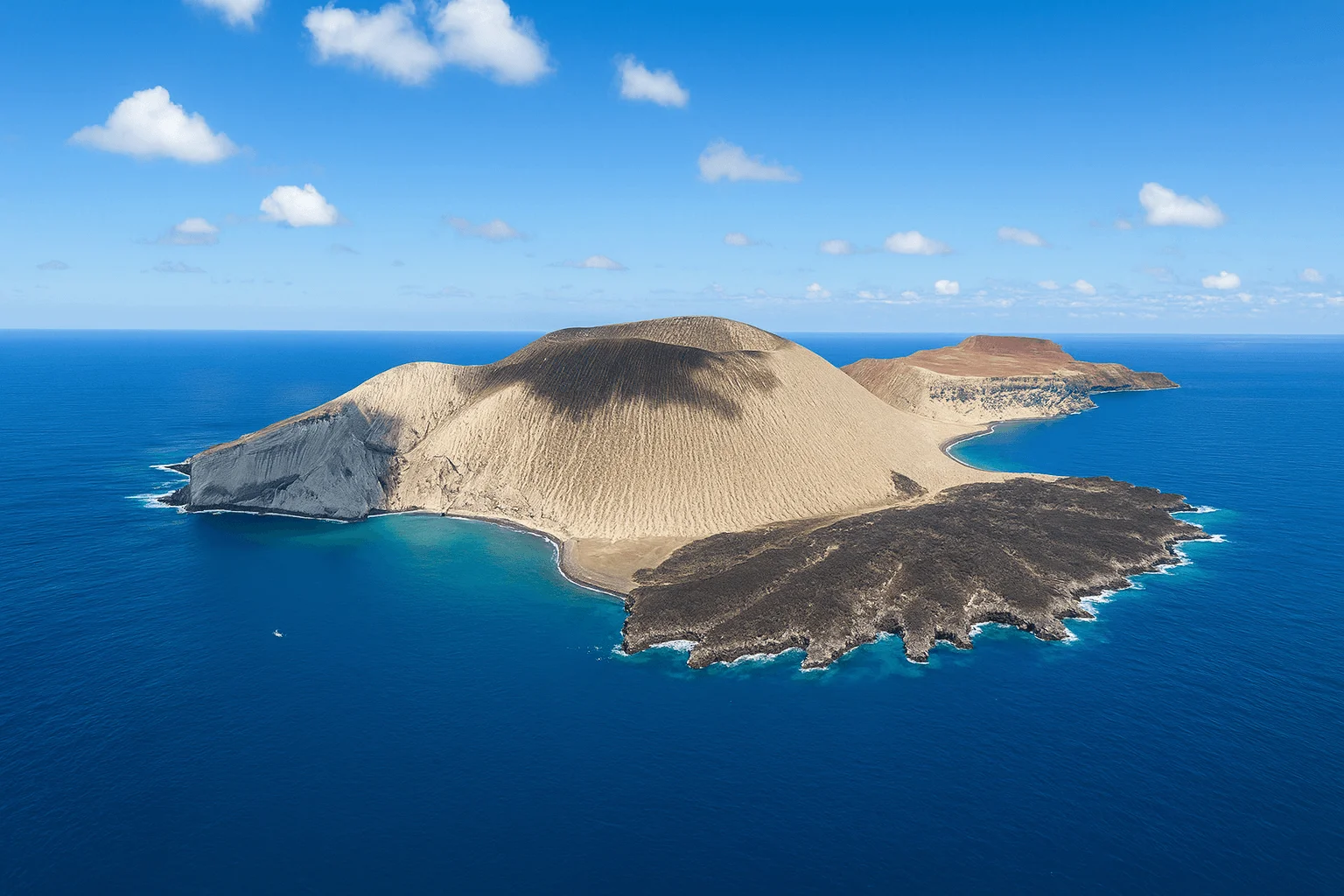
Socorro
The Revillagigedo Archipelago—better known simply as Socorro—is Mexico’s answer to the Galápagos. Located 400 km off the Baja California coast, this remote chain of volcanic islands (San Benedicto, Socorro, Roca Partida and Clarion) can only be reached by liveaboard. The reward for the 24‑hour crossing is a pelagic wonderland where giant Pacific manta rays circle close enough to touch, hammerhead sharks school in the blue, and humpback whales breach beside the boat. Rugged pinnacles and walls drop into deep blue water, attracting a myriad of large predators and making Socorro one of the world’s great big‑animal dive destinations.
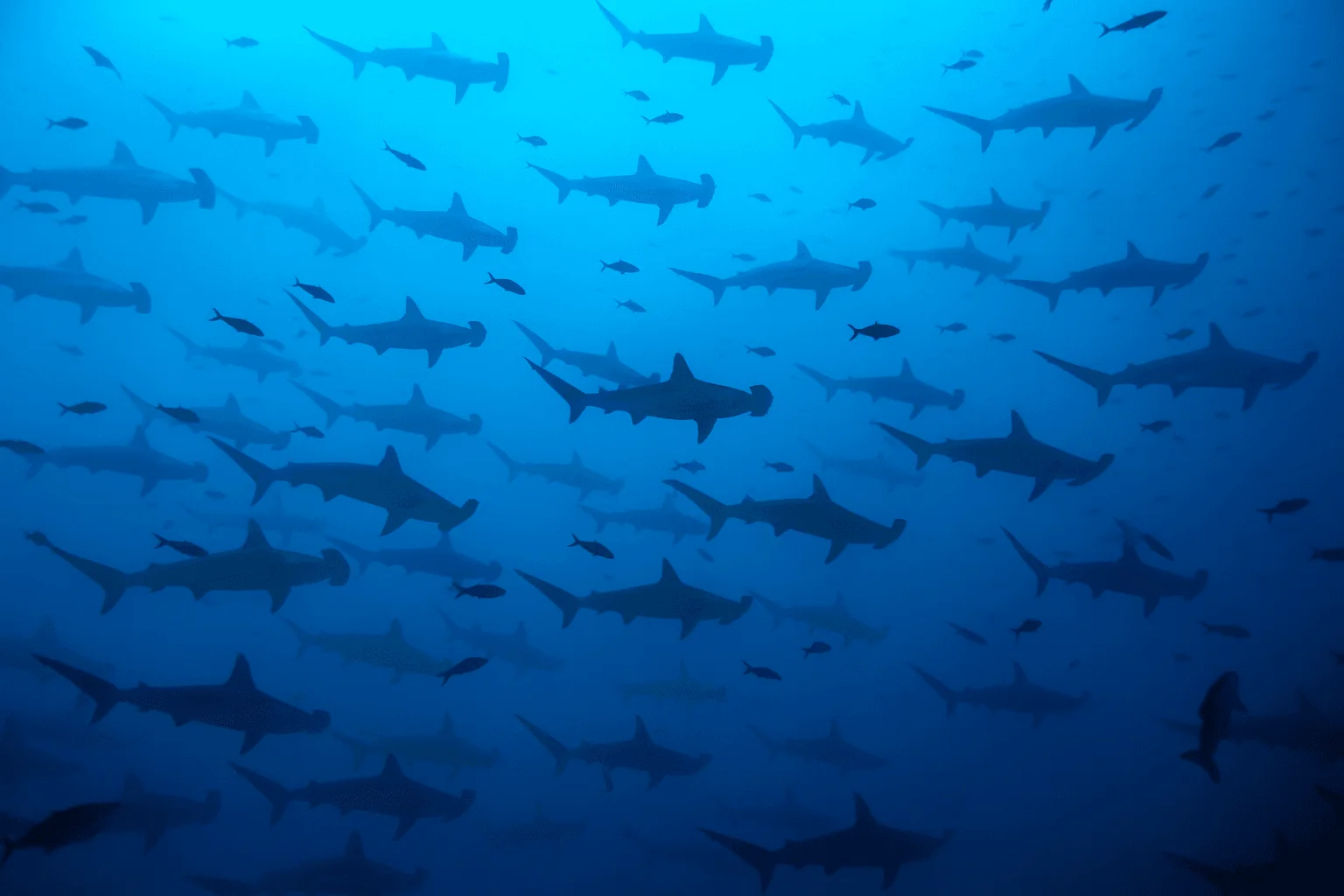
Cocos Island
Cocos Island sits 550 km off Costa Rica’s Pacific coast and is only accessible by liveaboard. This uninhabited, jungle‑clad island was described by Jacques Cousteau as “the most beautiful island in the world.” Divers come here for the pelagic action: schooling scalloped hammerheads patrol the reef points and pinnacles, tiger sharks and Galápagos sharks cruise the blue, and manta rays and whale sharks glide past during the wet season. Visibility and sea conditions vary with the seasons, but the island’s underwater topography of walls, cleaning stations and steep pinnacles makes every dive an adventure. Currents can be strong and depths often exceed 30 m, so Cocos is considered an advanced destination. Trips are normally 9–10 days with a 36‑hour crossing each way from the mainland, and most operators include guided island hikes between dives.
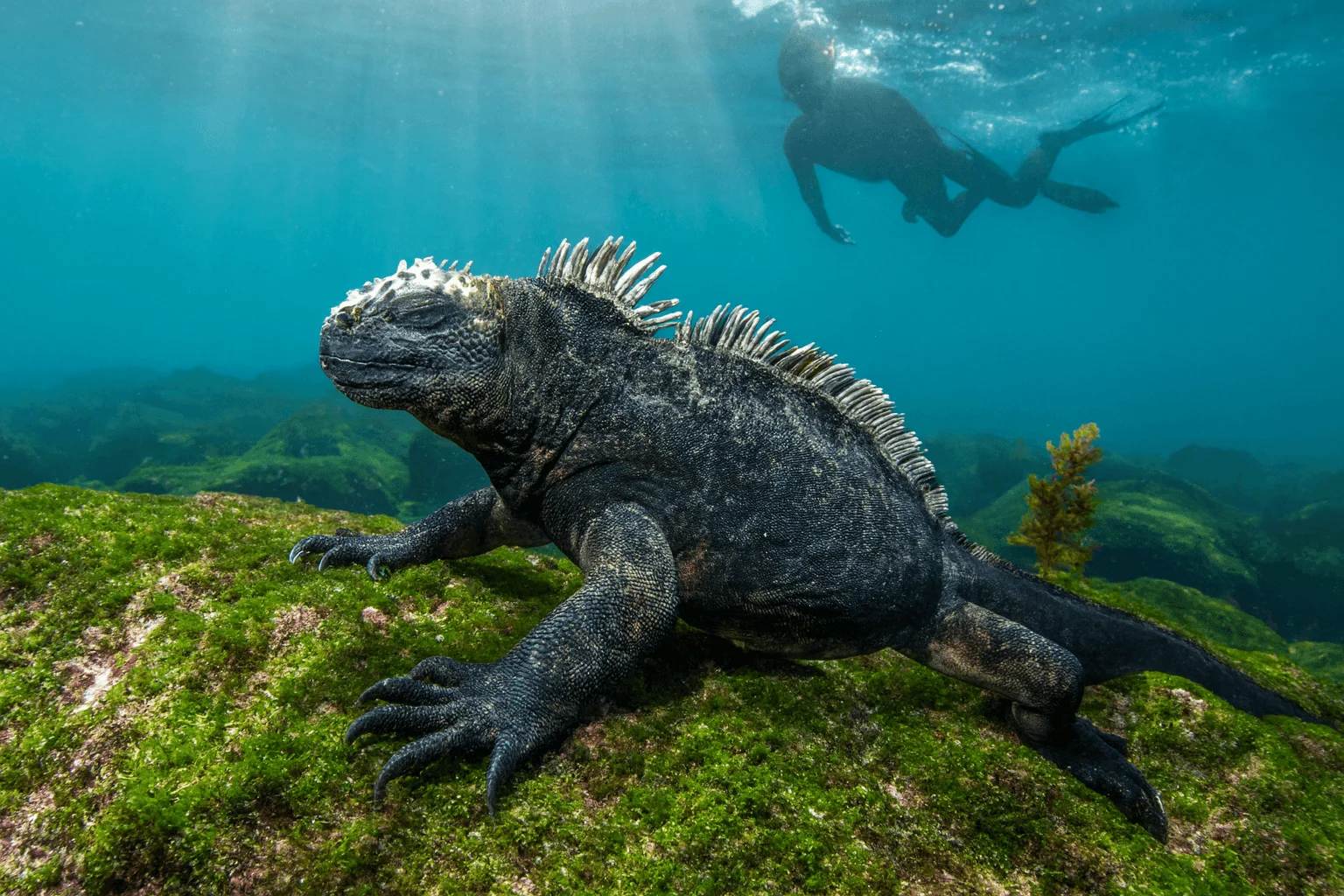
Galapagos
The Galápagos Islands sit 1 000 km off mainland Ecuador and are famous for their remarkable biodiversity both above and below the water. Created by volcanic hot spots and washed by the converging Humboldt, Panama and Cromwell currents, these remote islands offer some of the most exhilarating diving on the planet. Liveaboard trips venture north to Darwin and Wolf islands, where swirling schools of scalloped hammerheads and hundreds of silky and Galápagos sharks patrol the drop‑offs. Other sites host oceanic manta rays, whale sharks, dolphins, marine iguanas, penguins and playful sea lions. Strong currents, cool upwellings and surge mean the dives are challenging but incredibly rewarding. On land you can explore lava fields, giant tortoise sanctuaries and blue‑footed booby colonies.