
Guitarfish (Shovelnose Ray)
Rhinobatidae spp.
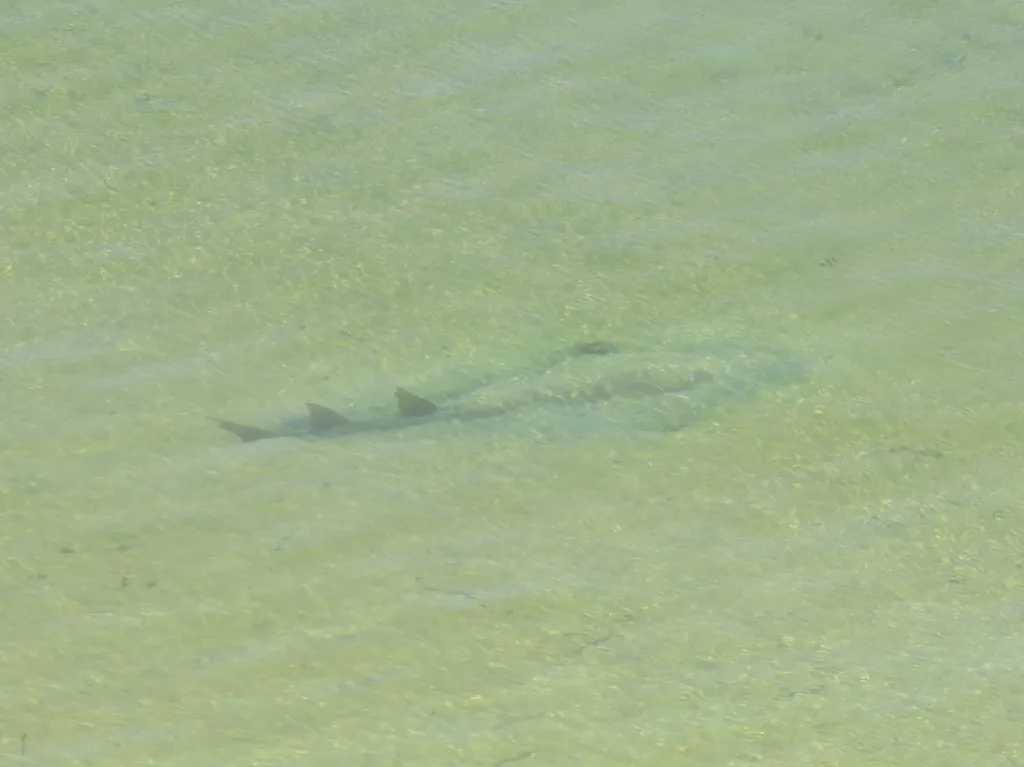
Photo by Donald Hobern from Copenhagen / CC BY 2.0 via Wikimedia Commons
Guitarfish—also called shovelnose rays—are the cartilaginous fish that look like someone bolted a shark's head onto a ray's body. They belong to Rhinobatidae, a family of roughly 50 species in the order Rhinopristiformes, and they are a staple sighting on sandy-bottom dives from California to the Maldives. Divers often say "guitar shark" in casual conversation, but that slang can blur into giant guitarfish and wedgefish (Glaucostegidae), which are related cousins that grow much larger and carry different conservation profiles. This entry focuses on Rhinobatidae—the mid-sized, shovel-snouted bottom dwellers you are most likely to spot half-buried in sand at 5–20 m.
Unlike stingrays, guitarfish lack a venomous tail spine, and unlike true sharks they swim with ray-like pectoral fins fused to the head. They are generally calm around divers when left undisturbed, but the whole family is under serious pressure: most species are threatened, and Rhinobatidae is listed on CITES Appendix II. Treat every encounter as a privilege on a vulnerable lineage—not a guaranteed reef mascot.
🔬Classification
📏Physical Features
🌊Habitat Info
⚠️Safety & Conservation
Identification Guide
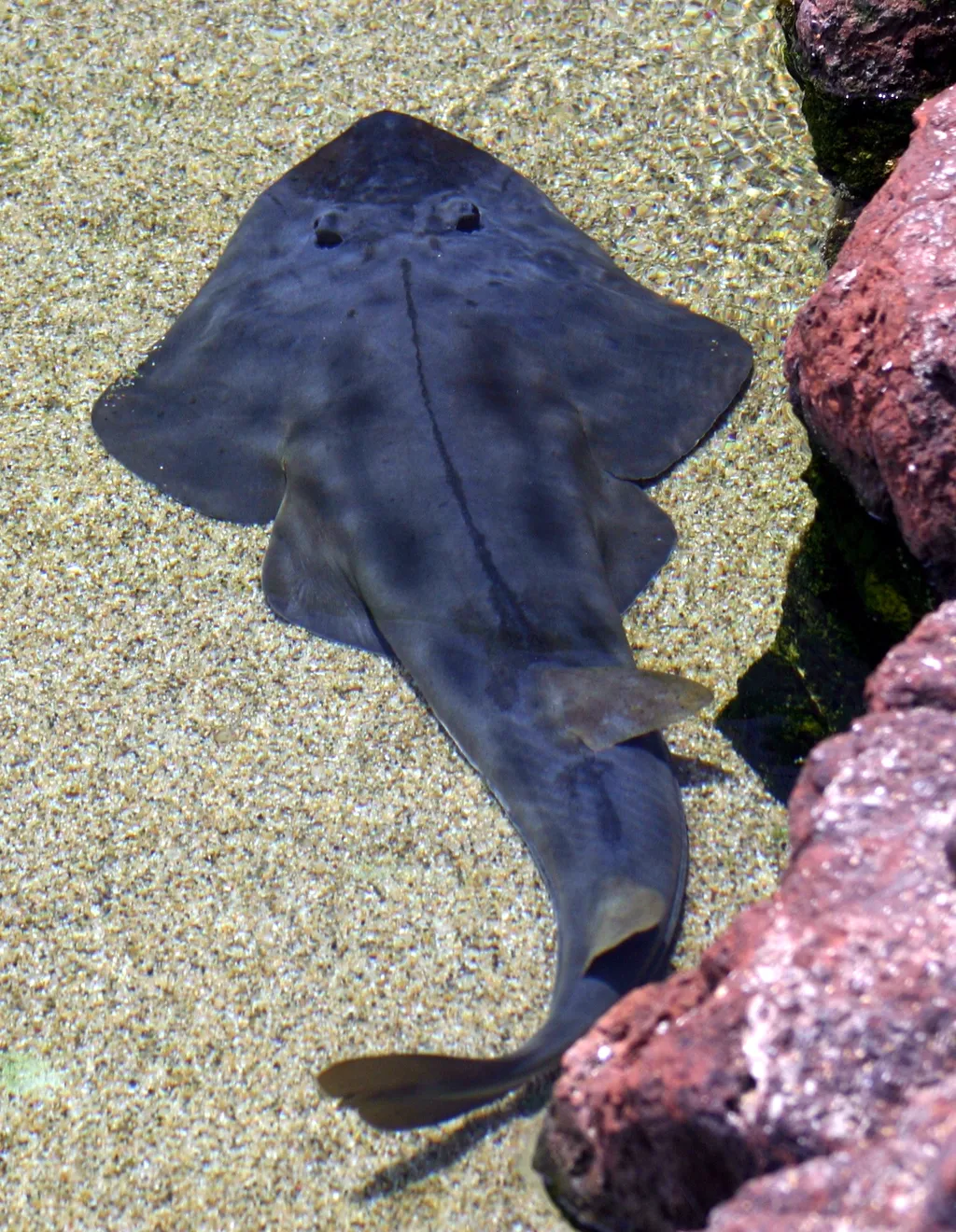
Photo by Togabi / CC BY-SA 2.0 via Wikimedia Commons
Core Field Marks (Rhinobatidae)
- Shovel snout: Broad, flattened rostrum like a snow shovel or guitar pick—distinct from the pointed snout of many sharks and the rounded disc of typical stingrays.
- Hybrid silhouette: Shark-like head and two dorsal fins; ray-like trunk with pectoral fins continuous with the body, tapering to a muscular tail without a venomous spine.
- Color: Sandy brown, olive, or gray above; pale belly—often matches the substrate so well that only the outline or eyes give it away when buried.
- Size: Most species 0.5–1.2 m total length on a typical dive; exceptionally to ~1.7–2 m in large individuals of some species.
- Behaviour: Daytime rest partially buried in sand; more active swimming and feeding from dusk into night.
"Guitar Shark" Slang vs. This Entry
In dive-boat chatter, guitar shark sometimes means:
- Shovelnose ray (Rhinobatidae) — this entry; coastal, sand-loving, usually under ~1.7 m.
- Giant guitarfish / wedgefish (Glaucostegidae) — much larger (2–3 m+), often deeper or in different fisheries zones; also Rhinopristiformes but not Rhinobatidae. If a guide says "giant guitarfish," do not assume the same ID marks or depth range as a shallow shovelnose. When in doubt, note snout width, dorsal fin count, tail spine presence, and size.
Don't Confuse With
- Stingrays (Dasyatidae, etc.): Rounded disc; venomous tail spine; bury with disc flat, not shark-like head exposed.
- Angel sharks (Squatinidae): Also flat and sandy, but true sharks with gill slits on the sides of the head and a different body plan.
- Banjo rays / eastern fiddler rays: Regional common names that overlap with shovelnose rays in Australia and the Pacific—check local species lists.
- Zebra shark (leopard shark stage): Spotted carpet shark on sand—long tail, barbels, no shovel snout.
Top 10 Fun Facts about Guitarfish (Shovelnose Ray)
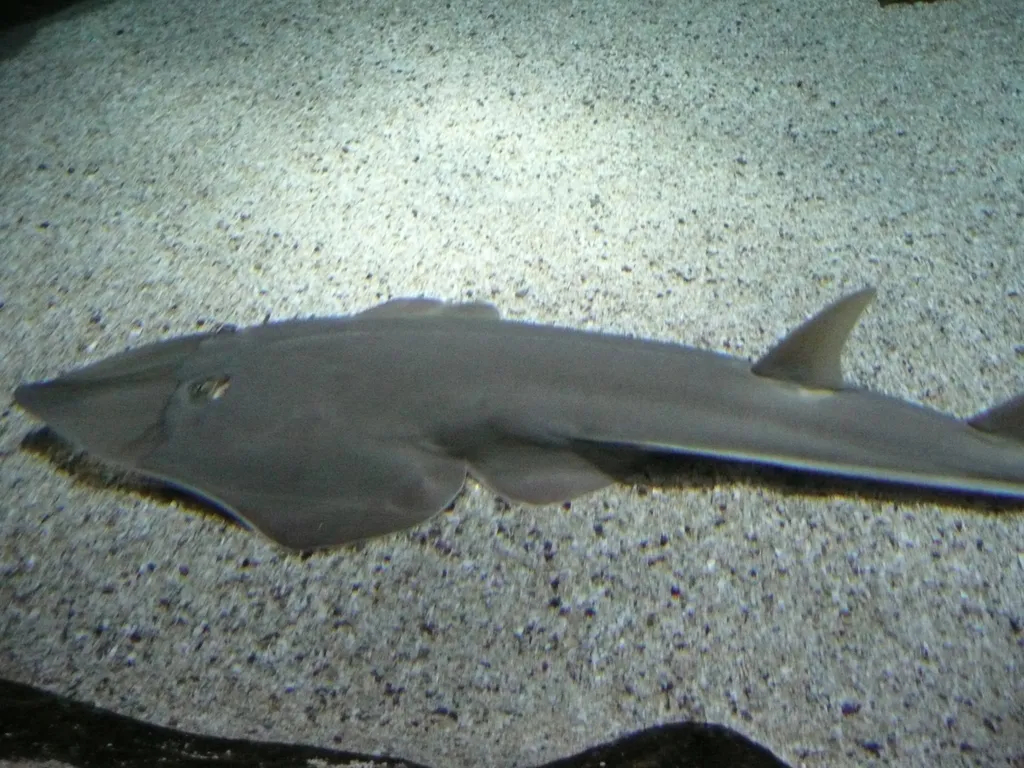
Photo by Liné1 / CC BY-SA 3.0 via Wikimedia Commons
1. Half Shark, Half Ray—By Design
Guitarfish are not evolutionary mistakes; they are Rhinopristiformes, an order that sits between sharks and rays on the cartilaginous fish tree. The head retains classic shark features—paired nostrils, strong jaws, two dorsal fins—while the trunk uses fused pectoral fins like a ray. This body plan is brilliant for hugging sandy bottoms: low profile, powerful tail for bursts, and a wide snout for rooting prey out of sediment. Divers who learn to read that silhouette stop dismissing them as "just another ray."
2. "Guitar Shark" Is Slang—Rhinobatidae Is the Science
The nickname guitar shark comes from the guitar-shaped outline when viewed from above. In English dive talk it often overlaps with giant guitarfish and wedgefish (Glaucostegidae)—close relatives that can exceed 2–3 m and face intense fishing pressure under overlapping common names. This species file covers Rhinobatidae shovelnose rays—the smaller, shovel-snouted coastal specialists. Knowing which "guitar" your logbook means matters for conservation reporting and realistic size expectations.
3. No Venomous Spine—Still Give Space
Unlike many stingrays, Rhinobatidae species lack a venomous caudal spine. That does not make them a petting-zoo animal: they have crushing jaws, can bolt when startled, and a whipped tail can still bruise gear or skin. The absence of a spine is a field mark, not an invitation to grab. Responsible divers appreciate the calmer profile while maintaining the same no-touch ethic as for any wild elasmobranch.
4. Masters of Sand Camouflage
Daytime guitarfish often bury themselves with only eyes and maybe a dorsal fin tip exposed—sand brown, olive, or gray dorsal coloration completes the illusion. Some species add spots or mottling that break up the outline on seagrass edges and reef-sand transitions. Finding one is a lesson in negative search: scan for subtle bumps, shadows, and the slight curve of a tail ridge rather than expecting an obvious swimmer.
5. Crepuscular and Nocturnal Feeders
While you may see them motionless by day, feeding ramps up around dusk and at night. They cruise low over sand and mud, using electrosensory ampullae and smell to locate crustaceans, worms, molluscs, and small fish buried in the substrate. Night dives on sandy sites—Florida Keys back reefs, Cozumel sand patches, Maldivian lagoon floors—can reveal guitarfish actively hunting while day divers only saw "empty" sand.
6. Coastal Shallows Are Home—But Depth Varies
Most encounters happen in 0–50 m, especially shallow bays, estuaries, seagrass margins, and reef-sand interfaces where sediment is soft. Some species also occur deeper than 100 m, so the family is not exclusively a snorkel-depth curiosity. Monterey canyon-adjacent sand, Galápagos sandy shelves, and Maldivian atoll perimeters each host different species with local depth habits—always pair your ID with regional field guides.
7. Live Birth on the Sand Flats
Like other advanced elasmobranchs, guitarfish are viviparous—females give birth to live young after internal development. Litter sizes are modest, growth is slow, and nursery habitats are often the same shallow sandy zones divers love. That overlap makes populations vulnerable to coastal development, trawling, and shore-based pollution. A pregnant female resting in 8 m of water is carrying the next generation of a threatened lineage.
8. CITES Appendix II for the Whole Family
Rhinobatidae is listed on CITES Appendix II, reflecting international concern over trade and population declines. Many individual species are Endangered or Critically Endangered on the IUCN Red List, hammered by targeted and bycatch fisheries for fins, meat, and cartilage. Your calm encounter in a marine protected area may depend on migrants from less protected waters. Logging sightings with care supports science; buying shark-fin products undermines it.
9. Regional Species, Same Dive Thrill
The family spans Atlantic, Pacific, and Indian Ocean coasts—Pseudobatos and Rhinobatos lineages dominate different regions. Florida Keys and Cozumel divers might meet Atlantic or Caribbean shovelnose forms; Monterey and Galápagos bring Pacific flavors; Maldives adds Indo-Pacific species on sand channels inside atolls. The common thread is sand, shovel snout, and shy dignity—not one global uniform fish.
10. Evolutionary Cousins Include Sawfish
Rhinopristiformes also contains sawfish—the most endangered ray lineage on the planet. Guitarfish share deep evolutionary roots with these charismatic relatives. Understanding shovelnose rays helps divers appreciate why wedgefish and sawfish conservation campaigns matter: the same fishing gears and fin markets that erase sawfish populations are grinding down guitarfish numbers worldwide. Every respectful guitarfish photo is a chance to tell that bigger story.
Diving & Observation Notes
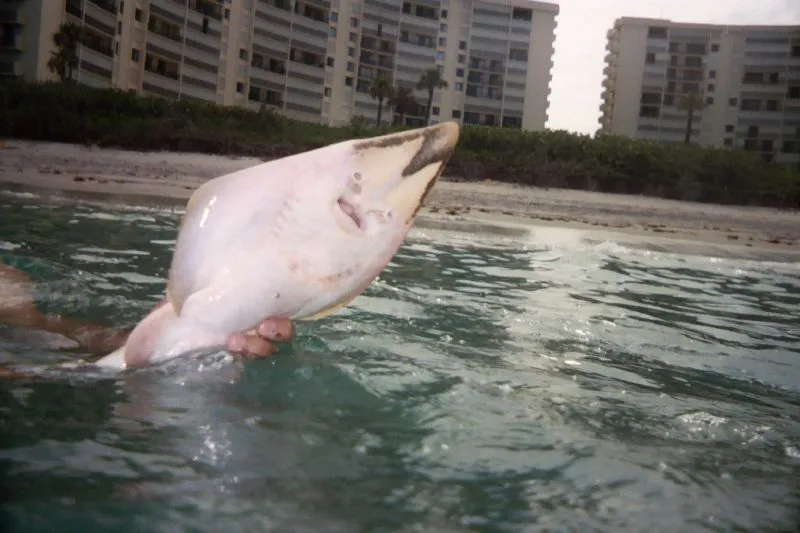
Photo by Clinton & Charles Robertson from RAF Lakenheath / CC BY-SA 2.0 via Wikimedia Commons
🧭 Finding Guitarfish
Prioritize sand, mud, and seagrass edges at modest depth—5–25 m is the sweet spot on most recreational dives. Sweep the bottom in slow arcs: look for partial burial (eyes, dorsal fin tip, tail ridge), not only free-swimming animals. Dawn and dusk transitions improve odds of active movement; night dives on sandy sites often outperform midday sand scans. Regional hotspots from this entry's site list:
- Monterey: Pacific sand flats and kelp-adjacent sand patches—cool water, often lower visibility; search near shovel-shaped head prints in sediment.
- Florida Keys: Back-reef sand, channels, and seagrass—shovelnose rays common on shallow drift dives.
- Cozumel: Sand fingers between coral spurs on the west side; check during slower portions of reef drifts.
- Galápagos: Sandy shelves and reef-sand transitions—species and abundance vary by island; follow guide briefings.
- Maldives: Lagoon floors, sand channels inside atolls, and resort-house-reef sand patches—excellent for buried-day / cruising-night patterns.
🤿 Approach & Behavior
- Buried animals: Stop downstream; finning past can blast sand and force a stressful escape. Settle on the bottom only if your buoyancy is rock-solid.
- No tail spine ≠ no stress: Avoid cornering, blocking escape routes, or lifting sand onto the gills. A startled guitarfish can accelerate surprisingly fast.
- No touching: Jaw strength is built for crushing shells; fingers do not belong near the mouth or gill area.
- Night etiquette: Use a focused beam, not constant sweeping in the eyes; observe hunting passes without herding the animal into dead-end coral.
📸 Photo Tips
- Buried portrait: A diagonal angle that catches one eye and the shovel snout emerging from sand tells the camouflage story—expose for the pale sand, recover dorsal tone in post.
- Profile swim-by: For active individuals at dusk, pre-set focus on the sand plane and shoot side-on as they cruise—include a scale reference (fin, reef rubble) because most are under 1.2 m.
- Macro detail: Eye reflectivity and rostrum texture work well on 60–100 mm equivalents when the animal is calm and partially exposed.
- Avoid harassment shots: Do not have divers "point at" or hover directly over a buried ray to force movement—static natural portraits are stronger and ethical.
⚠️ Ethics & Conservation
- Threatened family: Rhinobatidae is CITES Appendix II; assume your subject belongs to a pressured population even in tourist areas.
- Do not purchase shark or ray products abroad—fins and cartilage markets hit shovelnose species directly.
- Share sightings responsibly with local science or operator logs when offered (Galápagos and some Keys programs value elasmobranch records).
- Clarify your ID in logbooks: Write shovelnose ray / Rhinobatidae if you mean this entry—not "giant guitarfish" unless you have size and morphology to support it.
Best Places to Dive with Guitarfish (Shovelnose Ray)
Cozumel
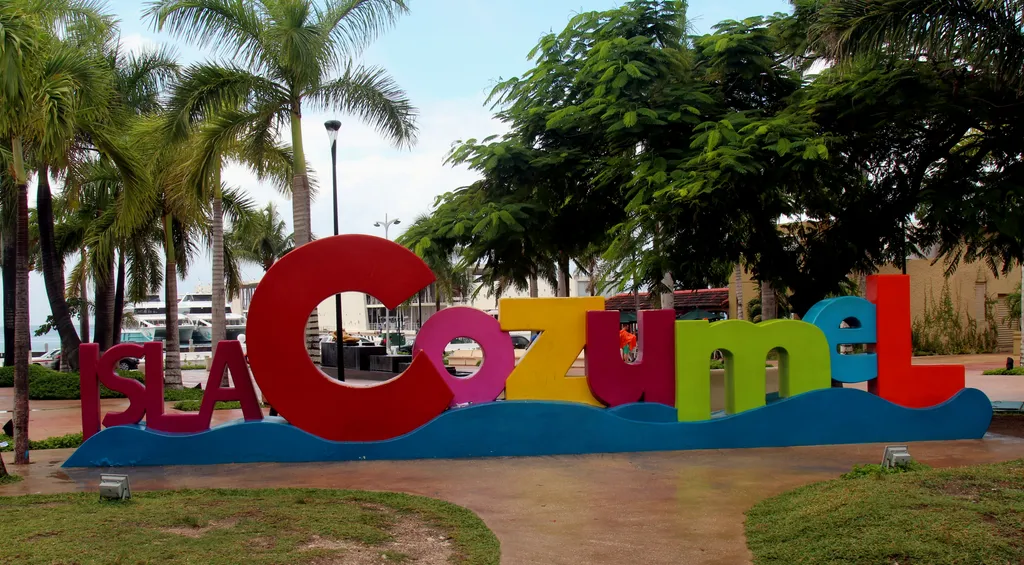
Cozumel sits on the Mesoamerican Barrier Reef—the second-largest reef system on the planet—and earned its place in dive history when Jacques Cousteau filmed its walls in the 1960s. Today the island is a boat-centric Caribbean classic: two-tank mornings from San Miguel, drift along coral cliffs in gin-clear water, surface for ceviche between dives. Almost everything worth diving lies inside Arrecifes de Cozumel National Marine Park, where mooring buoys, no-gloves rules, and park fees keep the reef in remarkably good shape. The signature experience is drift diving. Prevailing currents carry you along Santa Rosa, Colombia, and Palancar while you fin minimally and watch eagle rays, turtles, and schooling jacks slide past the drop-off. Walls plunge from 15 m to blue infinity; swim-throughs at Palancar Caves and the advanced cavern entry at Devil's Throat reward divers who like topography. Macro hunters scan for the splendid toadfish—an endemic bottom-dweller found almost nowhere else. Night dives on Paradise Reef and the C-53 wreck round out a week that feels busy without ever rushing. What Cozumel is not: a whale-shark island (head to Isla Mujeres or Holbox for that) or a liveaboard hub—operations are day boats from town. Watch the Norte wind in winter; it can cancel southern sites like Punta Sur. Bring cash for park fees, tip your crew, carry an SMB, and consider nitrox—you'll want the extra bottom time on these drifts.
Galapagos
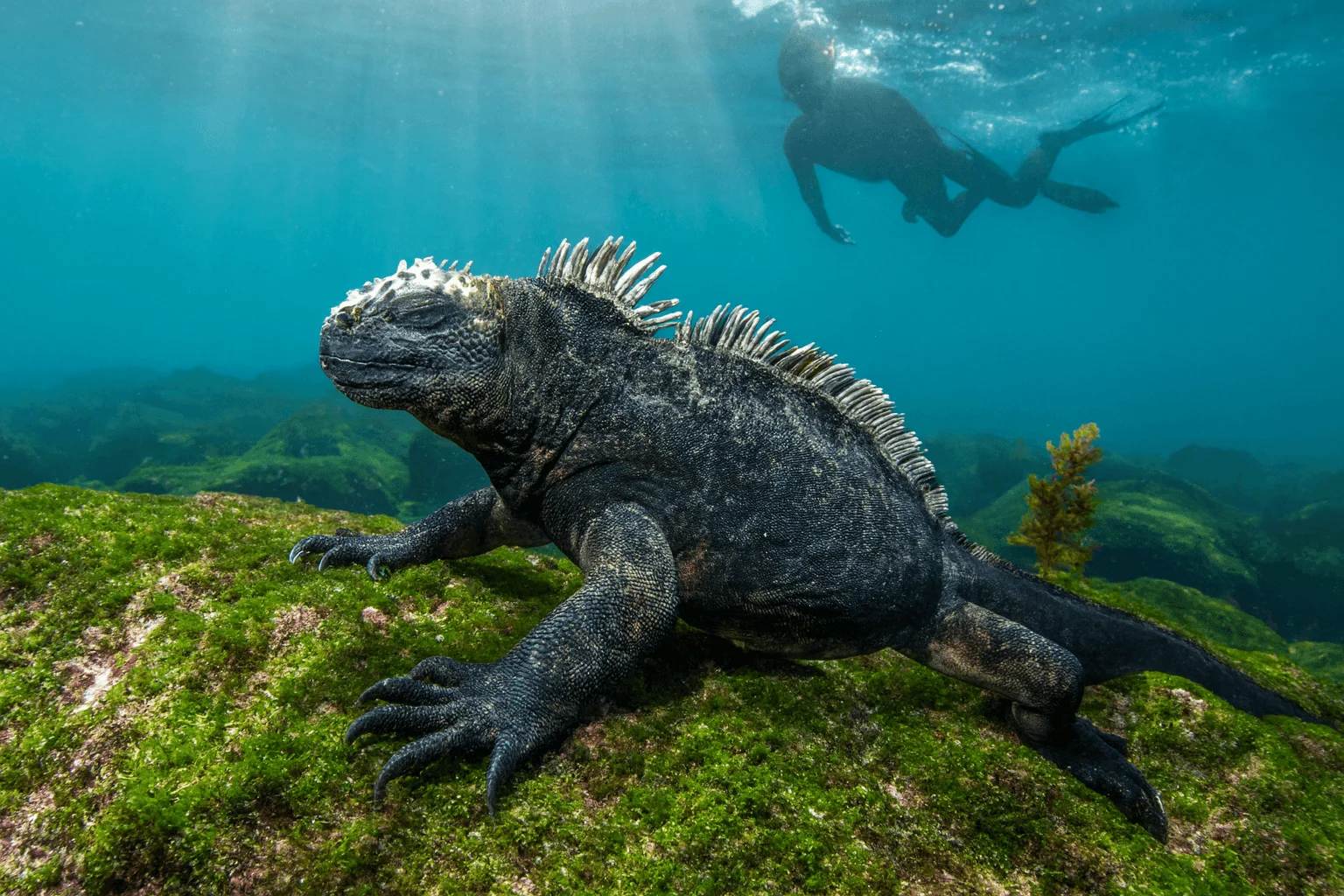
The Galápagos Islands sit 1 000 km off mainland Ecuador and are famous for their remarkable biodiversity both above and below the water. Created by volcanic hot spots and washed by the converging Humboldt, Panama and Cromwell currents, these remote islands offer some of the most exhilarating diving on the planet. Liveaboard trips venture north to Darwin and Wolf islands, where swirling schools of scalloped hammerheads and hundreds of silky and Galápagos sharks patrol the drop‑offs. Other sites host oceanic manta rays, whale sharks, dolphins, marine iguanas, penguins and playful sea lions. Strong currents, cool upwellings and surge mean the dives are challenging but incredibly rewarding. On land you can explore lava fields, giant tortoise sanctuaries and blue‑footed booby colonies.
Maldives
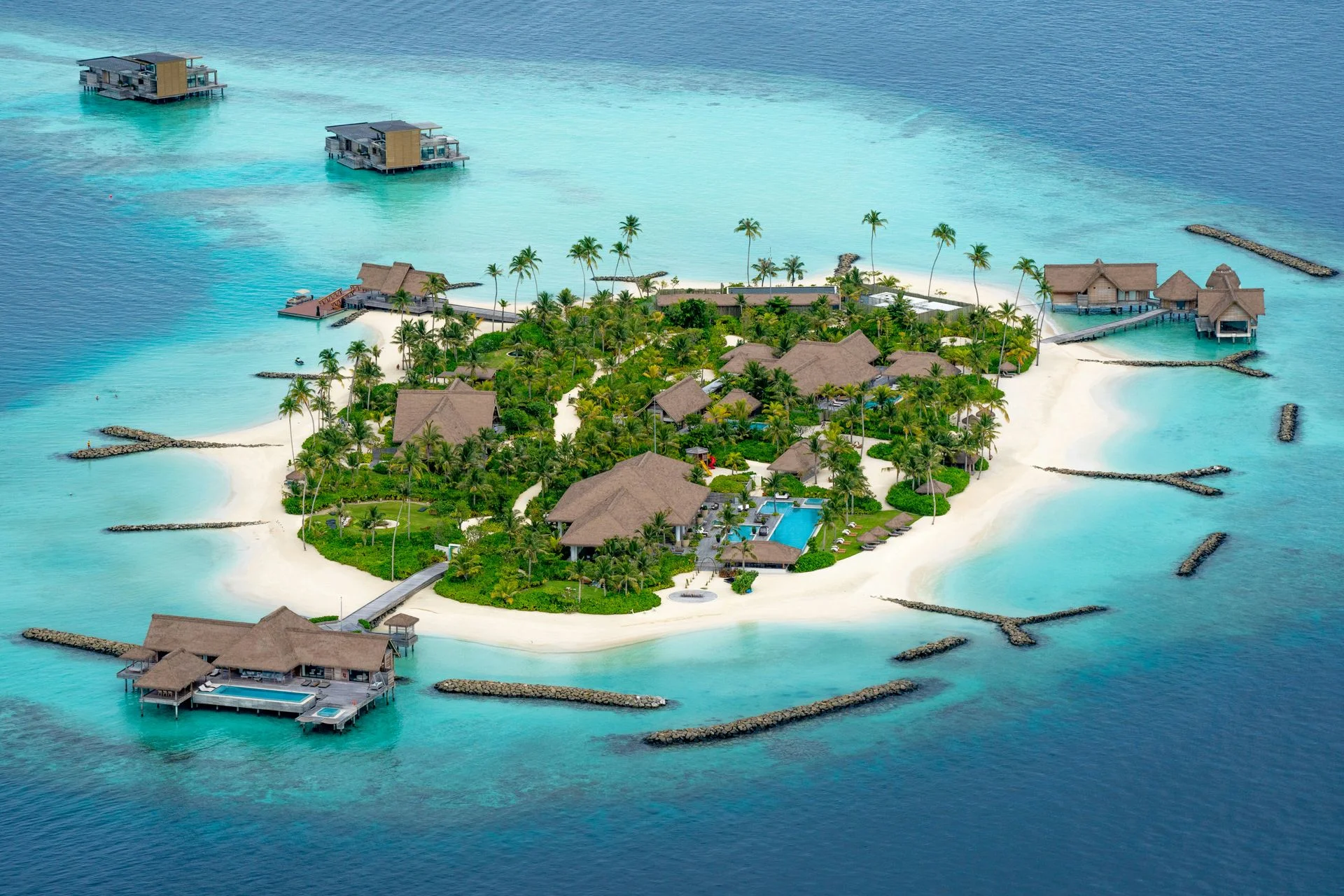
Scattered across the Indian Ocean like strings of pearls, the Maldives’ 26 atolls encompass more than a thousand low‑lying islands, reefs and sandbanks. Beneath the turquoise surface are channels (kandus), pinnacles (thilas) and lagoons where powerful ocean currents sweep past colourful coral gardens. This nutrient‑rich flow attracts manta rays, whale sharks, reef sharks, schooling jacks, barracudas and every reef fish imaginable. Liveaboards and resort dive centres explore sites such as Okobe Thila and Kandooma Thila in the central atolls, manta cleaning stations in Baa and Ari, and shark‑filled channels like Fuvahmulah in the deep south. Diving here ranges from tranquil coral slopes to adrenalin‑fuelled drifts through current‑swept passes, making the Maldives a true pelagic playground.