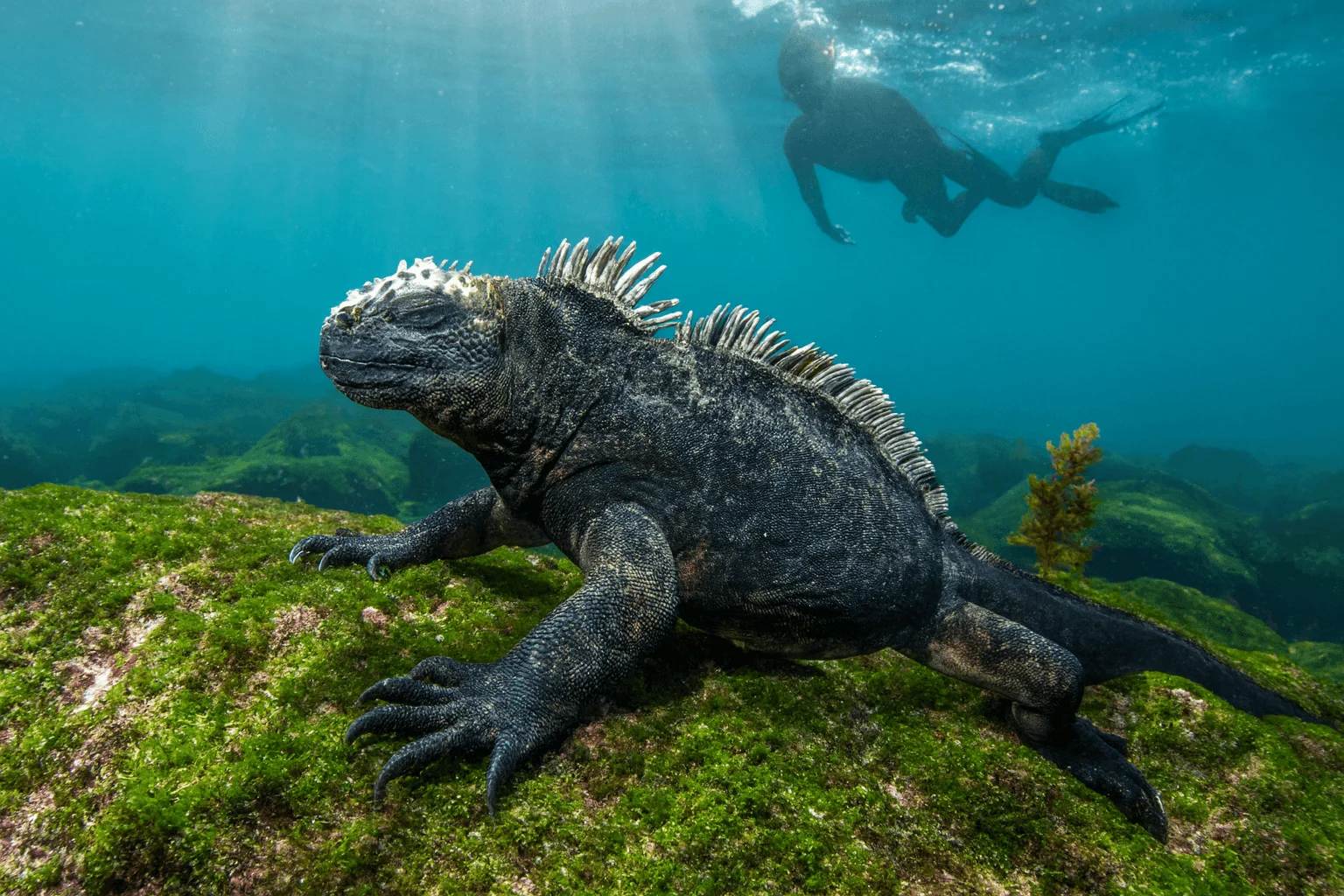
Seal
Family Phocidae (e.g., Phoca vitulina)
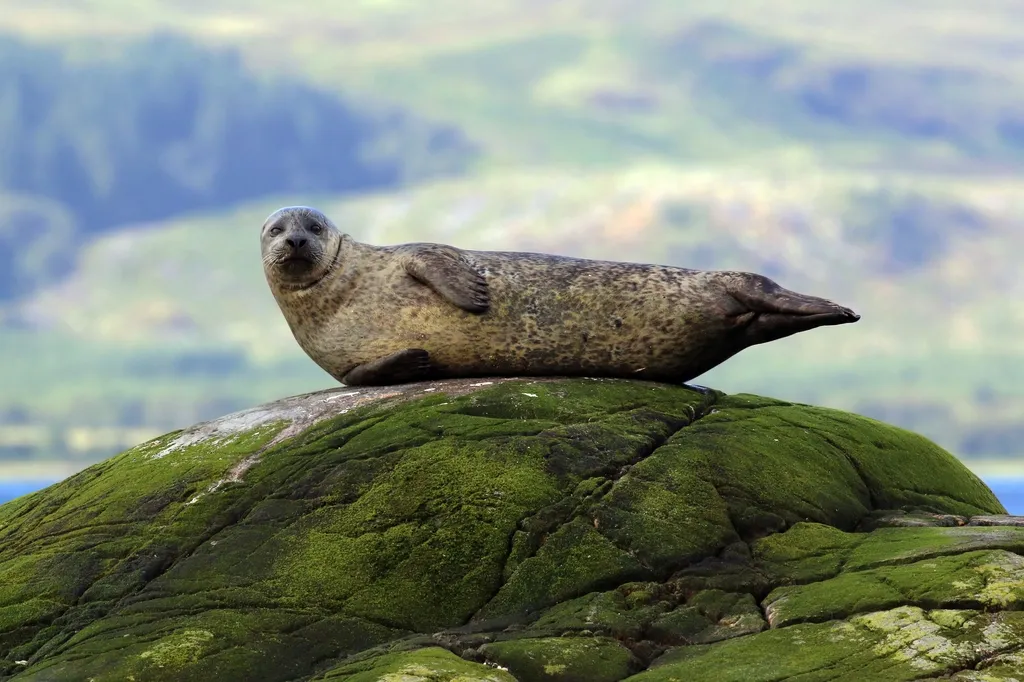
Photo by Charles J. Sharp / CC BY-SA 4.0 via Wikimedia Commons
Seals are the acrobats of the cold waters—graceful, curious, and surprisingly playful. With their streamlined bodies and powerful flippers, they are built for speed and agility underwater. Unlike their sea lion cousins, true seals (Phocidae) have no external ear flaps and move on land with an endearing belly-crawl. They are master divers, capable of reaching incredible depths and holding their breath for astonishing lengths of time. Encountering a seal underwater is like meeting an underwater dog—curious, intelligent, and often eager to interact.
🔬Classification
📏Physical Features
🌊Habitat Info
⚠️Safety & Conservation
Identification Guide
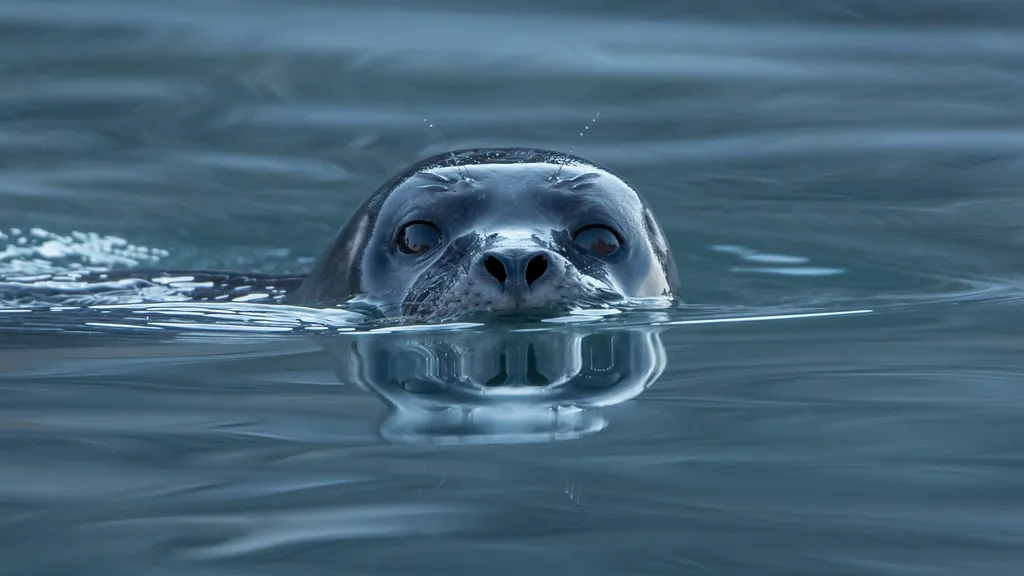
Photo by AWeith / CC BY-SA 4.0 via Wikimedia Commons
Field marks:
- No External Ears: Small ear holes without visible flaps (unlike sea lions which have prominent ear flaps).
- Hind Flippers: Cannot rotate forward; point backward and are used for propulsion in water, not walking on land.
- Front Flippers: Shorter than sea lions; used for steering and balance.
- Belly Crawl: On land, they move by wriggling on their bellies (sea lions can "walk" on all fours).
- Streamlined Body: Torpedo-shaped body perfect for swimming.
- Whiskers: Prominent whiskers (vibrissae) used for sensing prey.
Differences from Similar Species
- Sea Lion: Has external ear flaps, can rotate hind flippers forward to "walk" on land, larger front flippers, and is more vocal (barks loudly).
- Fur Seal: Has external ear flaps (like sea lions) but smaller; has thick fur coat.
- Walrus: Much larger, has long tusks, and is found only in Arctic regions.
Juvenile vs. Adult
Pups are born with a white, fluffy coat (lanugo) that they shed after a few weeks. Young seals are more curious and playful, often approaching divers more readily than adults.
Top 10 Fun Facts about Seal
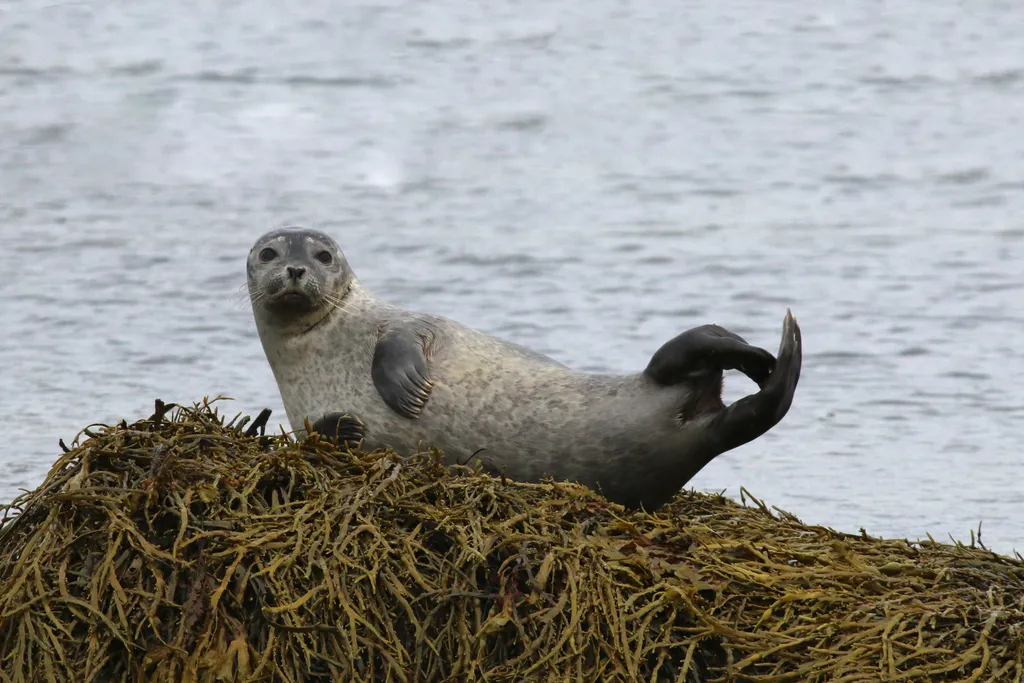
Photo by Waitblock / CC BY-SA 4.0 via Wikimedia Commons
1. The Deep Diving Champions
Seals are some of the most impressive divers in the animal kingdom. Elephant seals can dive to depths of 2,400 meters (7,800 feet) and stay submerged for up to 100 minutes. They achieve this by having more blood (and thus more oxygen storage) than other mammals, and they can reduce their heart rate by 50–80% during dives to conserve oxygen.
2. The "Bottling" Sleep
Seals can sleep in water using a technique called "bottling"—they float vertically with only their nose above the surface, allowing them to breathe while resting. They can also sleep on the bottom, holding their breath for extended periods. This ability to sleep underwater is unique among marine mammals.
3. The Whisker Radar
A seal's whiskers (vibrissae) are incredibly sensitive. They can detect the water movements created by fish swimming up to 100 meters away. The whiskers work like underwater radar, allowing seals to hunt in complete darkness or murky water by "feeling" the wake left by prey.
4. The Belly Crawl
Unlike sea lions (which can walk on all fours), seals have hind flippers that cannot rotate forward. On land, they move by wriggling on their bellies—a movement that looks awkward but is surprisingly efficient. This is why they prefer to stay in the water, where they're graceful and fast.
5. The Blubber Blanket
Seals have a thick layer of blubber (fat) that serves multiple purposes: insulation in cold water, energy storage for long migrations, and buoyancy control. Some seals can have blubber that makes up 50% of their body weight, allowing them to survive in freezing polar waters.
6. The Milk Factory
Seal milk is incredibly rich—it can be 50% fat (compared to human milk at 4% fat). This allows seal pups to grow rapidly. A harbor seal pup can gain 2–3 kg per day while nursing. The mother fasts during this period, living off her blubber reserves.
7. The Molt Marathon
Once a year, seals undergo a complete molt—they shed all their fur and grow a new coat. During this time, they spend more time on land (or ice) and are less active. The new fur is waterproof and provides better insulation. This is a vulnerable time for seals, as they're less agile and more exposed to predators.
8. The Playful Personality
Seals are known for their curiosity and playfulness. They often approach divers, sometimes nibbling on fins or cameras, or playing with bubbles. This behavior is especially common in younger seals. They seem to enjoy interaction and will sometimes follow divers for extended periods.
9. The Size Spectrum
Seals range from the tiny Galapagos Fur Seal (about 1 meter, 30 kg) to the massive Southern Elephant Seal (up to 4 meters, 2,000+ kg—the size of a small car). The elephant seal gets its name from the inflatable, trunk-like nose of adult males, used for making loud roaring sounds during mating season.
10. The Ice Dwellers
Many seal species are perfectly adapted to life on and under ice. They can maintain breathing holes in ice that's meters thick, using their teeth and claws to keep them open. Some species, like Weddell seals, can dive under ice for over an hour, navigating through underwater ice caves and crevices.
Diving & Observation Notes
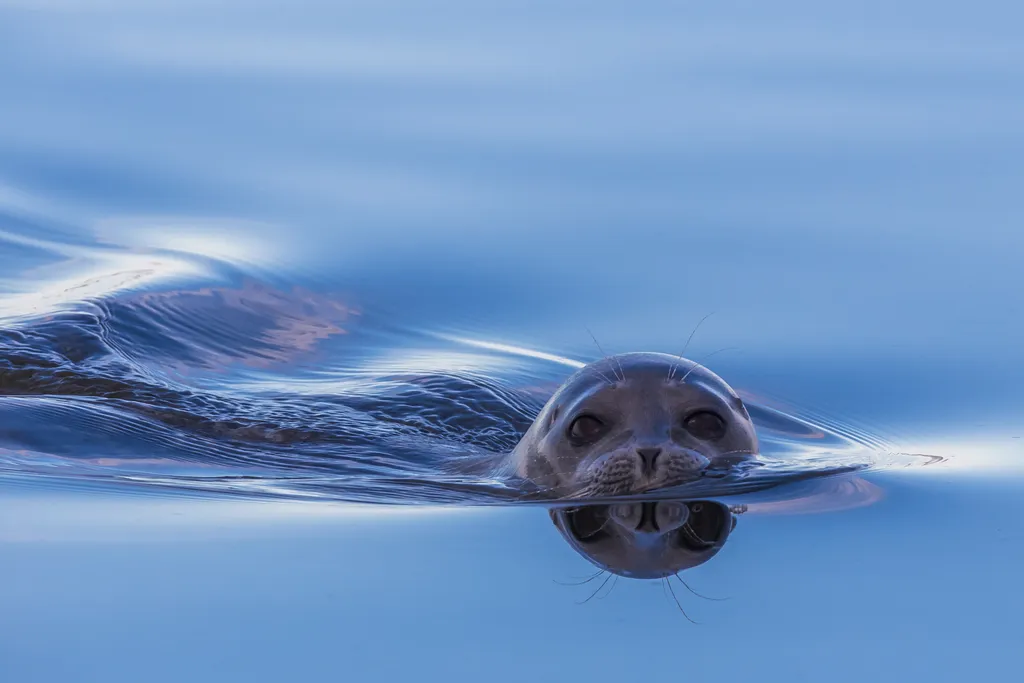
Photo by Кирилл Уютнов / CC BY-SA 4.0 via Wikimedia Commons
🧭 Finding Seals
Seals are found in cold and temperate waters worldwide. Look for them near rocky shores, kelp forests, or ice edges. They often haul out on rocks or beaches to rest, but the best encounters happen when they're in the water, curious and playful.
🤿 Approach & Behavior
- Let Them Initiate: Seals are naturally curious. If you stay calm and still, they will often approach you. Don't chase them.
- Eye Contact: Maintain gentle eye contact. They seem to recognize and respond to this, and it can lead to closer interactions.
- Playful Nibbles: Young seals might gently nibble on your fins, wetsuit, or camera. This is play behavior, not aggression. Stay calm.
- Bubble Play: Some seals are fascinated by bubbles. They might play with your exhaust bubbles or try to "catch" them.
📸 Photo Tips
- Wide Angle: Seals are fast and agile. A wide-angle lens helps capture them in their environment and their playful antics.
- Portrait Mode: Get close for portraits showing their expressive eyes and whiskers. Their faces are full of personality.
- Action Shots: Seals are acrobatic. Try to capture them twisting, turning, or playing with objects.
- Natural Light: In clear, shallow water, natural light creates beautiful images of seals.
⚠️ Ethics & Safety
- Respect Haul-Outs: If seals are on land or ice, keep your distance. Disturbing them during rest can cause stress and waste energy.
- No Touching: While they might approach closely, avoid touching. Wild seals can carry diseases, and human contact can stress them.
- Pup Season: During pupping season (varies by location), be extra respectful. Mothers are protective, and stress can separate pups from mothers.
- Ice Diving: If diving under ice with seals, ensure you have proper training and safety equipment. Ice diving is advanced and dangerous.
🌏 Local Guide Nuggets
- Farne Islands (UK): Famous for grey seals that are very curious and playful with divers. Summer and autumn are best.
- Galapagos: Galapagos fur seals and sea lions are abundant. They're very approachable and often play with divers.
- Monterey Bay (California): Harbor seals are common. Best seen in kelp forests or near rocky shores.
- Antarctica: Weddell seals and leopard seals are found here. Leopard seals can be aggressive—maintain distance.
- Hornby Island (Canada): Steller sea lions and harbor seals are common. Excellent for underwater encounters.