
Walking Shark
Hemiscyllium ocellatum
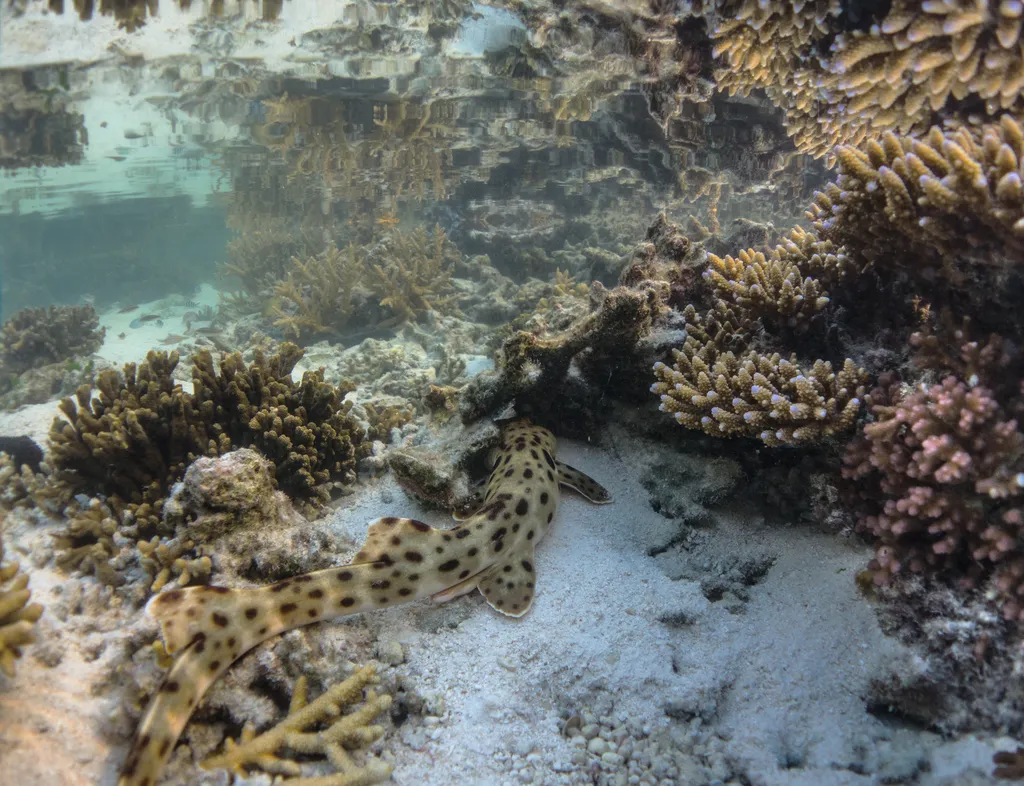
Photo by Alexander Fordyce / CC BY-SA 4.0 via Wikimedia Commons
The Walking Shark is not a Hollywood invention—it is a real, knee-high carpet shark that crawls across the reef on its fins like a salamander with a dorsal fin. Belonging to the genus Hemiscyllium, these Indo-Pacific oddballs are best known from the Epaulette Shark (H. ocellatum), named for the bold black "shoulder patch" behind each pectoral fin. Small enough to tuck under a coral head by day yet charismatic enough to steal a night dive, they embody everything fun about shallow tropical reef diving: weird locomotion, tide-pool survival tricks, and zero threat to humans.
🔬Classification
📏Physical Features
🌊Habitat Info
⚠️Safety & Conservation
Identification Guide
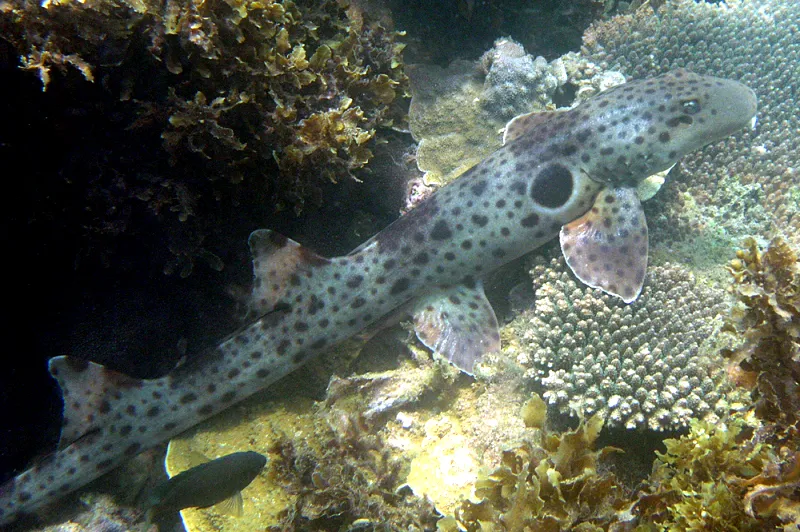
Photo by Andy Lewis / Lizard Island Field Guide / CC BY 4.0 via Wikimedia Commons
Field marks:
- Epaulette patch: A large black ocellus (false eye spot) rimmed in white directly behind each pectoral fin—your single best ID feature for H. ocellatum.
- Body pattern: Creamy tan to brown with scattered dark spots; juveniles show bold dark transverse bands that fade into the adult spotted look.
- Size & shape: Slender, eel-like carpet shark; most individuals under a meter, with a long tail and small mouth flanked by short barbels.
- Fin "legs": Broad, muscular pectoral and pelvic fins that splay outward when the shark walks across rubble or sand.
Differences from Similar Species
- Zebra Shark (Stegostoma tigrinum): Much larger (2+ m); five body ridges; spots/stripes pattern without epaulette ocelli; long blade-like tail.
- Bamboo Sharks (Chiloscyllium spp.): Similar size and family vibe, but lack the epaulette shoulder spot; often more uniform banding; less inclined to "walk" conspicuously.
- Nurse Shark (Ginglymostoma cirratum): Bulkier, uniformly brown/gray; no shoulder ocellus; typically larger and more social in groups.
Juvenile vs. Adult
Juveniles are banded like tiny zebras—dark transverse bars on a lighter body. As they grow, the bars break up into irregular spotting while the epaulette patches remain bold. If you see a walking shark with crisp bands, you've likely found a youngster.
Top 10 Fun Facts about Walking Shark
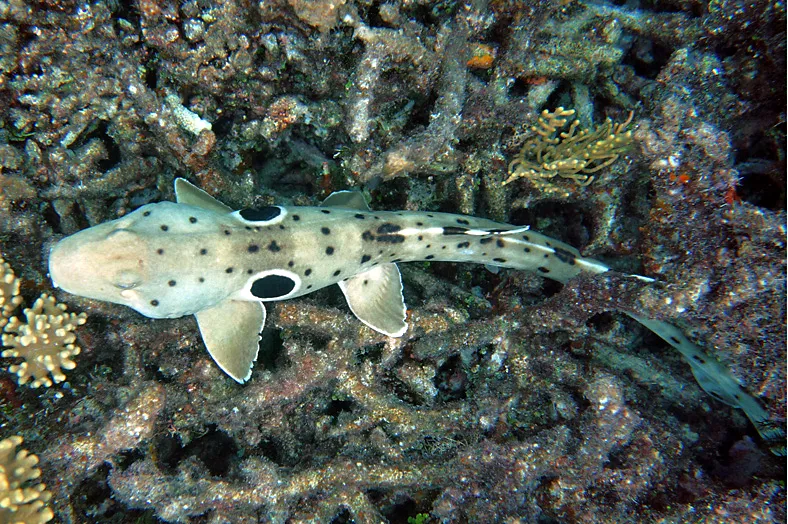
Photo by Anne Hoggett / Lizard Island Research Station / CC BY 4.0 via Wikimedia Commons
1. They Actually Walk
Walking sharks don't just shuffle—they use paired pectoral and pelvic fins like limbs, bending and lifting them to crawl across exposed reef at low tide or between coral heads at night. The motion looks more like a salamander than a shark, and it's the behavior that earned the entire genus its nickname.
2. Named for a Shoulder Patch
Hemiscyllium ocellatum is the Epaulette Shark, after the ornamental shoulder badges on military uniforms. Those bold black ocelli with white rims behind the pectoral fins are unmistakable—even in murky dusk light, a diver can ID the species from that single mark.
3. Surviving the Tide Pool
When the tide drops and reef flats become shallow pools—or even briefly dry—epaulette sharks can tolerate severe hypoxia for hours. They slow their metabolism, reduce brain activity, and wait it out. It's one of the most extreme low-oxygen tolerances known in any shark, and it explains why you'll find them on reef tops that look "too shallow" for elasmobranchs.
4. A Genus of Walkers
"Walking shark" usually refers to Hemiscyllium, with roughly nine recognized species across Indonesia, Papua New Guinea, and northern Australia. Several new species were described in the 2010s–2020s from remote reefs—often discovered because researchers noticed subtle pattern differences on sharks that locals already knew walked.
5. Small Shark, Big Personality
At 70–90 cm typical length, they're shark-sized in name but almost macro in footprint. That makes them approachable on night dives: slow, curious, and often willing to parade their walking gait if you give them space. They're the rare "shark encounter" that feels intimate rather than adrenaline-heavy.
6. Egg Layers on the Reef
Like many carpet sharks, walking sharks are oviparous, attaching leathery egg cases to reef structure. The "mermaid's purse" stage is rarely seen by divers, but knowing they breed on shallow flats adds urgency to protecting tide-pool and seagrass habitat—not just the pretty coral wall.
7. Night Shift Hunters
Daytime? Usually tucked under coral heads or ledges, sometimes in pairs. Dusk and night bring them out to hunt worms, crustaceans, and small benthic fish across the reef flat. If your dive operator offers a sunset or night dive on a shallow site, this is one of the top targets in their range.
8. Conservation Is a Mixed Bag
The flagship H. ocellatum is Least Concern, but the genus as a whole is shakier: five species Vulnerable, two Near Threatened, two Least Concern (2021 assessments). Shallow habitat loss, reef degradation, and bycatch in inshore fisheries hit localized populations hard—even for a shark that looks "common" on a good GBR night dive.
9. Not a Threat—But Has Teeth
Walking sharks are harmless to divers and almost never bite unless grabbed or provoked. Still, they're real sharks with crushing jaws adapted for hard-shelled prey. Respect the tail, don't corner them, and never try to "help" one walk for a video—that's when nips happen.
10. Where Myth Meets Reef Reality
Social media loves to pair walking-shark clips with "new species discovered" headlines. Some discoveries are genuine; others are repackaged footage of known Hemiscyllium species. As a diver, the takeaway is simpler: on the right shallow Indo-Pacific reef at the right hour, you can watch a fish evolution's strangest commute—fins on the ground, tail dragging behind, completely unbothered by your torch beam.
Diving & Observation Notes
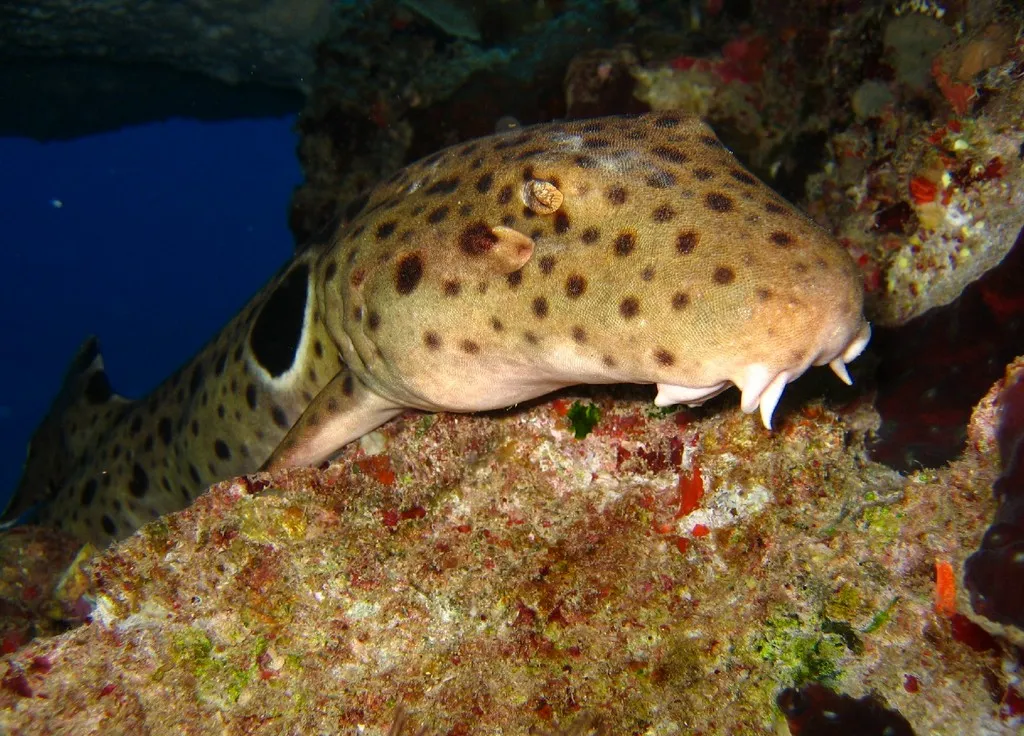
Photo by Richard Ling / CC BY-SA 2.0 via Wikimedia Commons
🧭 Finding Walking Sharks
- Depth: Think snorkel-deep—0–20 m reef flats, lagoons, and rubble zones; occasional sightings to 30–50 m but don't plan your dive around that.
- Day vs. night: By day, peek under plate corals and bommies; at dusk and full night, scan open sand and rubble where they hunt.
- Habitat edges: Seagrass patches, mangrove-fringed bays, and tide-pool zones in Ningaloo, the Great Barrier Reef, and Raja Ampat are classic range—match shallow site selection to their ecology.
- Tide: Low-tide reef walks (where legal and safe) sometimes reveal walking behavior on exposed flats—ask local guides who know intertidal access rules.
🤿 Approach & Behavior
- Go slow, stay low: They're small and easily spooked by noisy fin kicks. A calm hover at fin level or below works better than standing upright over them.
- Night etiquette: Avoid repeated flashing; let eyes adjust. Walking sharks often pause mid-stride to watch you—interpret that as curiosity, not an invitation to touch.
- Don't block escape: They retreat under coral heads in seconds. Never wedge yourself between a shark and its hole.
- Pairs happen: Seeing two under one coral head is normal—don't herd them apart for a photo.
📸 Photo Tips
- Capture the walk: Video beats stills here; a side-on, sand-level angle shows the fin-lift motion best. Pre-focus on the sand plane where they travel.
- Epaulette detail: A tight frame on the shoulder ocellus is the money shot for species ID in your logbook.
- Juvenile bands: If you find a banded juvenile, shoot it—adult spotting is common; crisp bars are a nice rarity.
- Lighting: Red torch or video light at low intensity reduces startling; white strobe bursts can send them bolting under coral.
⚠️ Ethics & Safety
- Hands off: No tail grabs, no "walking assistance," no posing them on your palm—shallow sharks suffer from viral-handling stress and local guides copy bad tourist behavior.
- Harmless but wild: Treat bites as possible if you harass; their jaws crush crustaceans.
- Habitat matters: Shallow flats face anchoring, runoff, and climate stress—fin carefully over rubble, don't stand on coral to follow one.
Best Places to Dive with Walking Shark
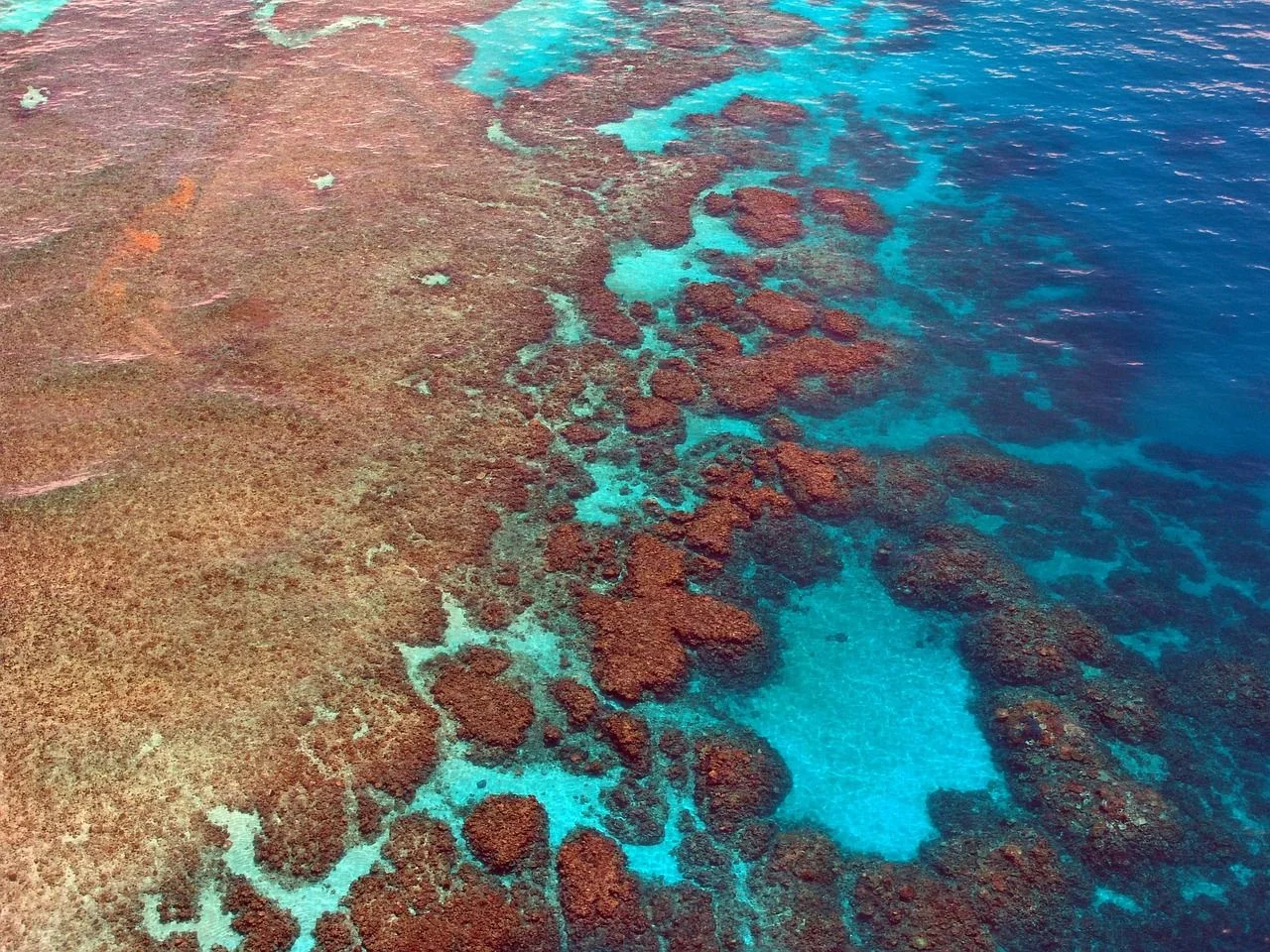
Great Barrier Reef
The Great Barrier Reef stretches for more than 2,300 km along Australia’s Queensland coast and is Earth’s largest coral ecosystem. With over 2,900 individual reefs, hundreds of islands, and a staggering diversity of marine life, it’s a bucket‑list destination for divers. Outer reef walls, coral gardens and pinnacles support potato cod, giant trevallies, reef sharks, sea turtles, manta rays and even visiting dwarf minke and humpback whales. Divers can explore historic wrecks like the SS Yongala, drift along the coral‑clad walls of Osprey Reef or mingle with friendly cod at Cod Hole. Whether you’re a beginner on a day trip from Cairns or an experienced diver on a remote liveaboard, the Great Barrier Reef offers unforgettable underwater adventures.

Raja Ampat
Raja Ampat, the “Four Kings,” is an archipelago of more than 1,500 islands at the edge of Indonesian West Papua. Its reefs sit in the heart of the Coral Triangle, where Pacific currents funnel nutrients into shallow seas and feed the world’s richest marine biodiversity. Diving here means gliding over colourful walls and coral gardens buzzing with more than 550 species of hard and soft corals and an estimated 1,500 fish species. You’ll meet blacktip and whitetip reef sharks on almost every dive, witness giant trevally and dogtooth tuna hunting schools of fusiliers, and encounter wobbegong “carpet” sharks, turtles, manta rays and dolphins. From cape pinnacles swarming with life to calm bays rich in macro critters, Raja Ampat offers endless variety. Above water, karst limestone islands and emerald lagoons provide spectacular scenery between dives.
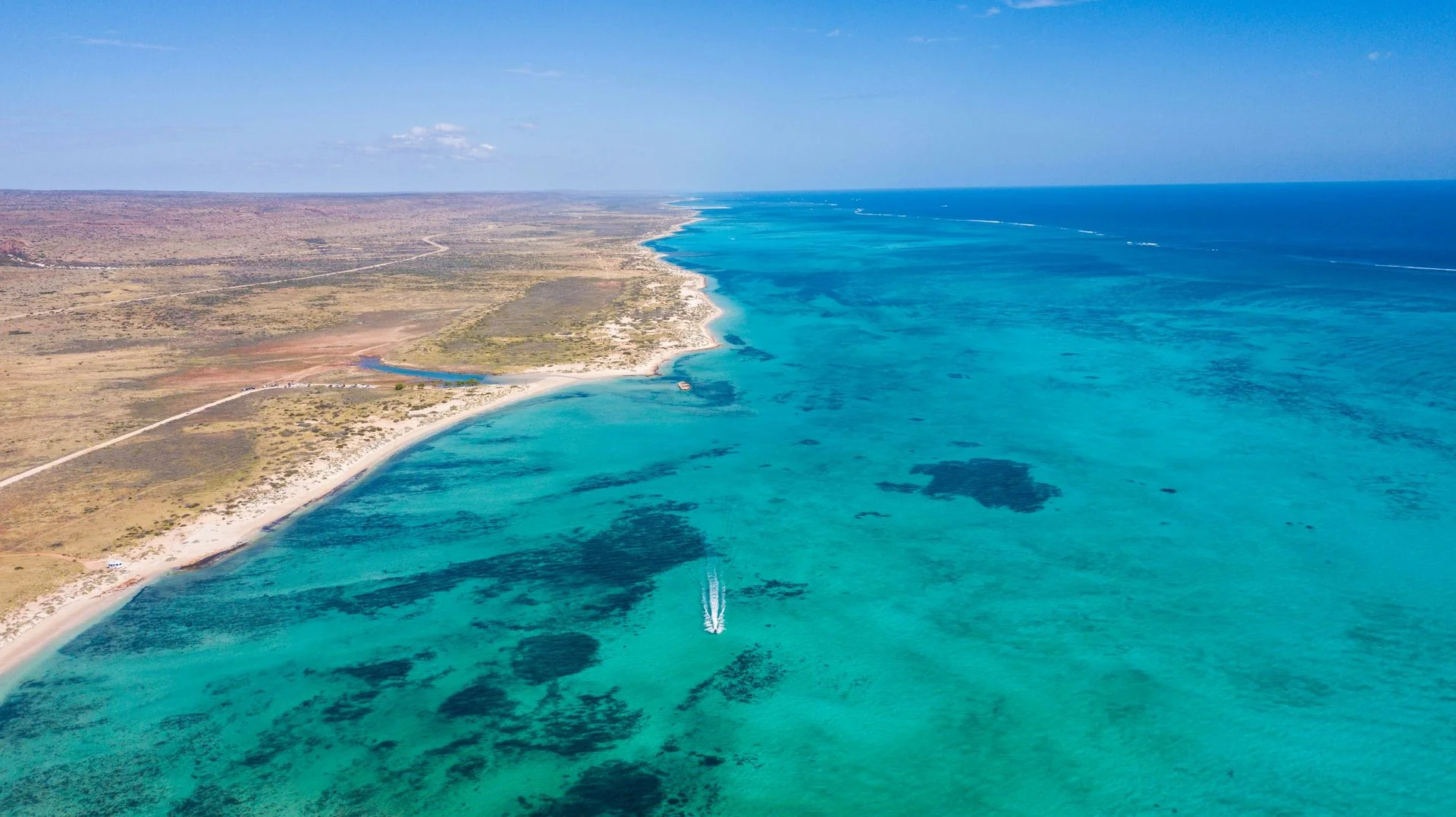
Ningaloo Reef
Stretching for over 300 km along Western Australia’s remote mid‑north coast, Ningaloo Reef is one of the world’s longest fringing reefs and a UNESCO World Heritage site. Unlike the barrier reefs further east, Ningaloo sits just off the beach—often no more than a few fin kicks from the shoreline—making its turquoise lagoons and outer drop‑offs incredibly accessible. The reef is famous for seasonal whale sharks (March–August) and migrating humpback whales (June–November), and its manta ray cleaning stations, dugongs, reef sharks, turtles and colourful coral gardens mean there’s always something to see. Dive operators based in Exmouth and Coral Bay offer day trips to sites like Central Station, The Canyon and the legendary Exmouth Navy Pier, as well as expeditions to the coral‑clad Murion Islands. With clear, warm water and gentle currents, Ningaloo is ideal for both snorkellers and divers seeking megafauna encounters without the crowds.