
Whale Shark
Rhincodon typus

Photo by Shiyam ElkCloner / CC BY-SA 3.0 via Wikimedia Commons
The Whale Shark is the undisputed giant of the ocean—the largest fish species alive today. Despite their colossal size (comparable to a school bus), they are the "Gentle Giants" of the sea, posing no threat to humans. These massive creatures are filter feeders, cruising the oceans with their cavernous mouths wide open to scoop up plankton and small fish. With a back covered in a constellation of white spots, swimming alongside one feels like drifting through a starry night sky.
🔬Classification
📏Physical Features
🌊Habitat Info
⚠️Safety & Conservation
Identification Guide
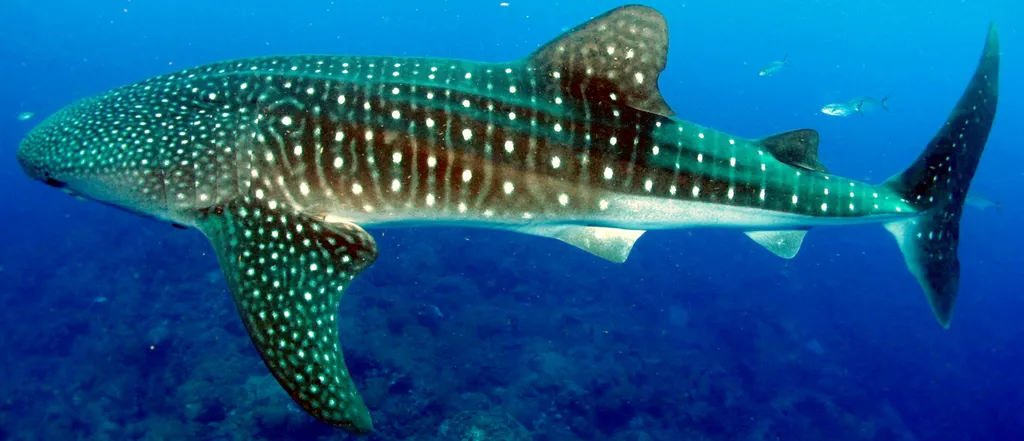
Photo by FGBNMS/Eckert via Wikimedia Commons
Field marks:
- Colossal Size: Massive, cylindrical body, easily dwarfing divers and boats.
- Broad, Flat Head: The head is wide and flattened, with a terminal mouth (at the very front, not underneath).
- Starry Pattern: Dark grey or blue skin covered in a unique pattern of pale yellow or white spots and stripes.
- Three Ridges: prominent longitudinal ridges running along the upper sides of the body.
- Five Gills: Huge gill slits just behind the head, actively pumping water.
Differences from Similar Species
- Basking Shark: The only other giant filter-feeding shark, but it has a pointed snout, huge gill slits that almost encircle the head, and lacks the white spots.
- Megamouth Shark: Rare and deep-sea dwelling; has a rounded snout and lacks the distinct ridges and spot patterns.
Juvenile vs. Adult
Juveniles look like miniature adults but are rarely seen. Newborns are about 40-60cm long. As they grow, the tail fin changes from having a larger upper lobe (heterocercal) to a more crescent, semi-lunate shape in large adults.
Top 10 Fun Facts about Whale Shark
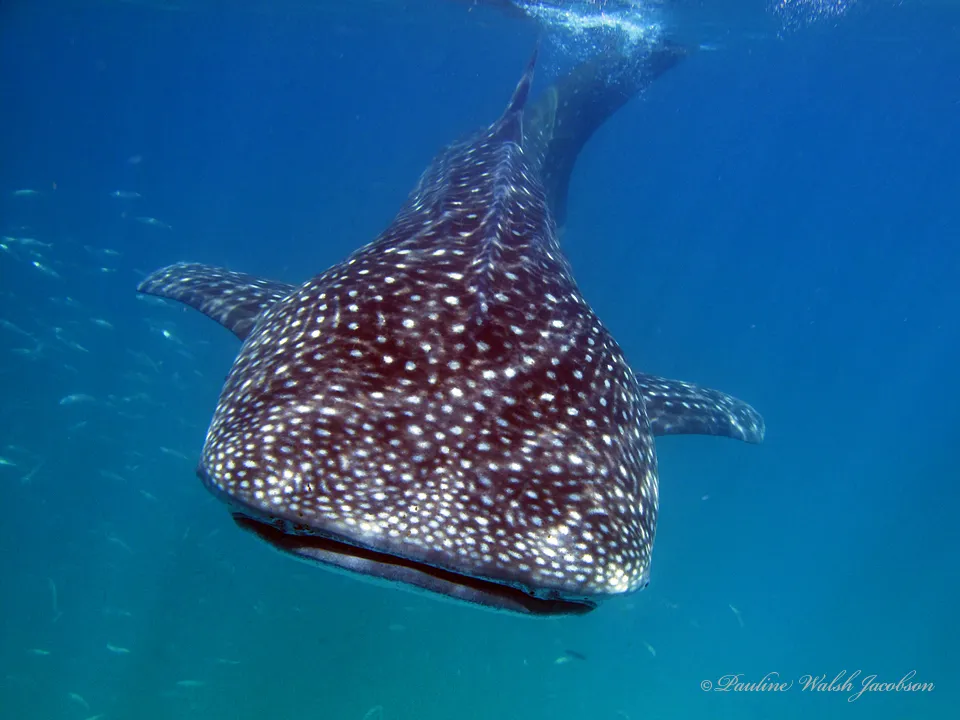
Photo by Pauline Walsh Jacobson / CC BY 4.0 via Wikimedia Commons
1. Not a Whale, Definitely a Shark
Despite the confusing name, the Whale Shark is 100% fish. It breathes with gills and is a cold-blooded cartilaginous fish. It gets the "whale" part solely because of its massive size and filter-feeding habits, which resemble baleen whales. It is the largest non-cetacean animal in the world.
2. A Mouth Like a Garage Door
Their mouths can stretch up to 1.5 meters (5 feet) wide! Inside, there are over 300 rows of tiny, vestigial teeth (about 3,000 in total), which they don't use for chewing. Instead, they rely on specialized filter pads to strain plankton, krill, and fish eggs from the water.
3. Starry Fingerprints
The pattern of white spots behind the gills is unique to each individual whale shark, just like a human fingerprint. Researchers use software originally designed to map star constellations (like the Hubble telescope algorithm) to identify and track individual sharks from photos taken by divers.
4. Armored Eyes
Whale sharks have a unique defense mechanism: their eyeballs are covered in tiny teeth! These "dermal denticles" protect the eyes from damage. Plus, they can retract their eyeballs deep into their sockets for extra safety. They are the only vertebrates known to have teeth on their eyes.
5. The Mystery of Birth
For decades, no one knew how whale sharks reproduced. It turns out they are ovoviviparous—eggs hatch inside the mother, and she gives birth to live young. A pregnant female caught in Taiwan in 1995 carried over 300 pups at different stages of development, the largest litter size of any shark.
6. Deep Diving Travelers
While we usually see them cruising the surface, whale sharks are capable of diving to extreme depths—over 1,900 meters (6,000 feet)! They are also marathon swimmers; one tracked individual, "Anne," swam over 20,000 km across the Pacific Ocean, proving they connect entire ocean basins.
7. Tofu Shark?
In Taiwan, they were historically known as "Tofu Sharks" because their white, soft meat resembled tofu. Thankfully, hunting them is now banned in many places, including Taiwan, but illegal fishing remains a threat due to the high value of their fins.
8. Slow Motion Life
They are not built for speed. Whale sharks typically cruise at a leisurely pace of around 5 km/h (3 mph). They move their entire body from side to side to swim, unlike other sharks that mostly use their tails. This slow pace makes them vulnerable to boat strikes.
9. Commuter Feeding
They don't just swim randomly; they commute to work. Whale sharks gather in large numbers at specific times and places to feast on seasonal biological events, like the coral spawning on Ningaloo Reef or the fish egg release in Mexico. It's an all-you-can-eat buffet schedule.
10. The Oslob Controversy
In places like Oslob, Philippines, whale sharks are hand-fed to entertain tourists. While this guarantees sightings, it disrupts their migration, alters their nutrition, and causes boat propeller injuries. Ethical interactions (seeing them in the wild without feeding) are crucial for their long-term health.
Diving & Observation Notes
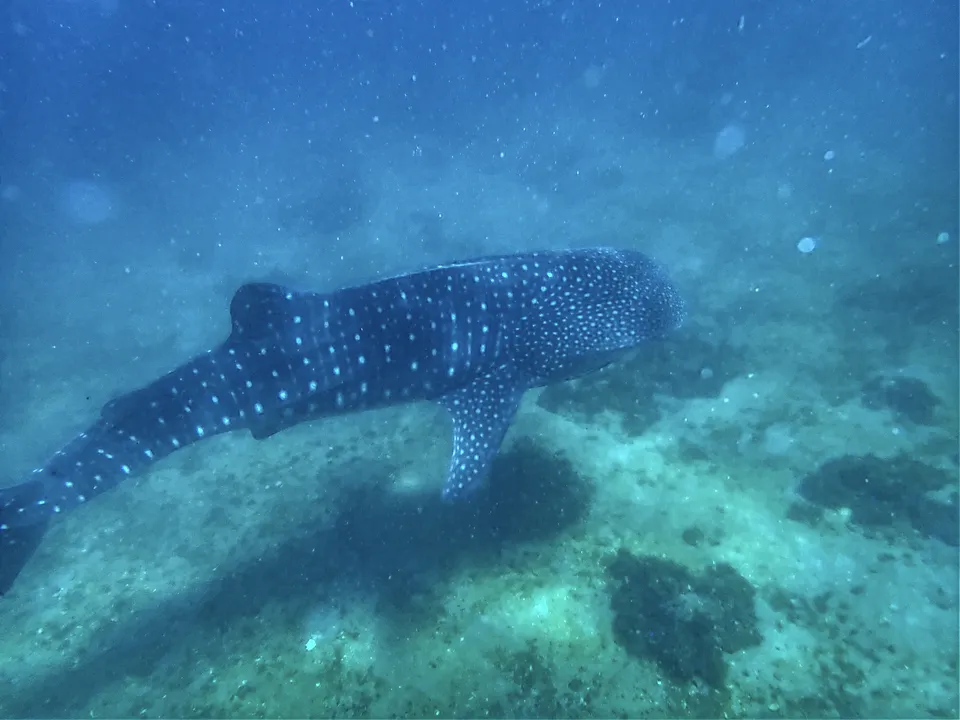
Photo by Slunky / CC BY 4.0 via Wikimedia Commons
🧭 Finding Whale Sharks
Look for birds feeding on the surface or boiling water, which indicates a plankton bloom or baitball—whale sharks won't be far behind. In season, they patrol consistent routes along reef edges or drop-offs.
🤿 Approach & Behavior
- Code of Conduct: Do not touch, ride, or chase. Maintain a distance of 3m from the head and 4m from the tail.
- Passive Observation: Position yourself ahead of their path and let them swim to you. If you swim directly at them, they will likely dive.
- No Flash: Flash photography is often banned and can startle them.
- Snorkel vs. Scuba: Often, snorkeling is better as they feed near the surface and swim faster than a diver can kick. Scuba bubbles can sometimes spook them.
📸 Photo Tips
- Go Wide: You need a fisheye or ultra-wide lens. They are huge!
- Ambient Light: Since they are near the surface, natural light is usually sufficient.
- Silhouettes: Shoot upward against the sun for a dramatic silhouette of their massive shape.
- Scale: Include a diver in the frame to show just how big these giants really are.
⚠️ Ethics
- Avoid "The Zoo": Be aware that feeding sites (like Oslob) are controversial. Supporting operators who follow strict eco-guidelines encourages sustainable tourism.
- Boat Safety: Be careful of boats; where there are whale sharks, there is often boat traffic.
Best Places to Dive with Whale Shark
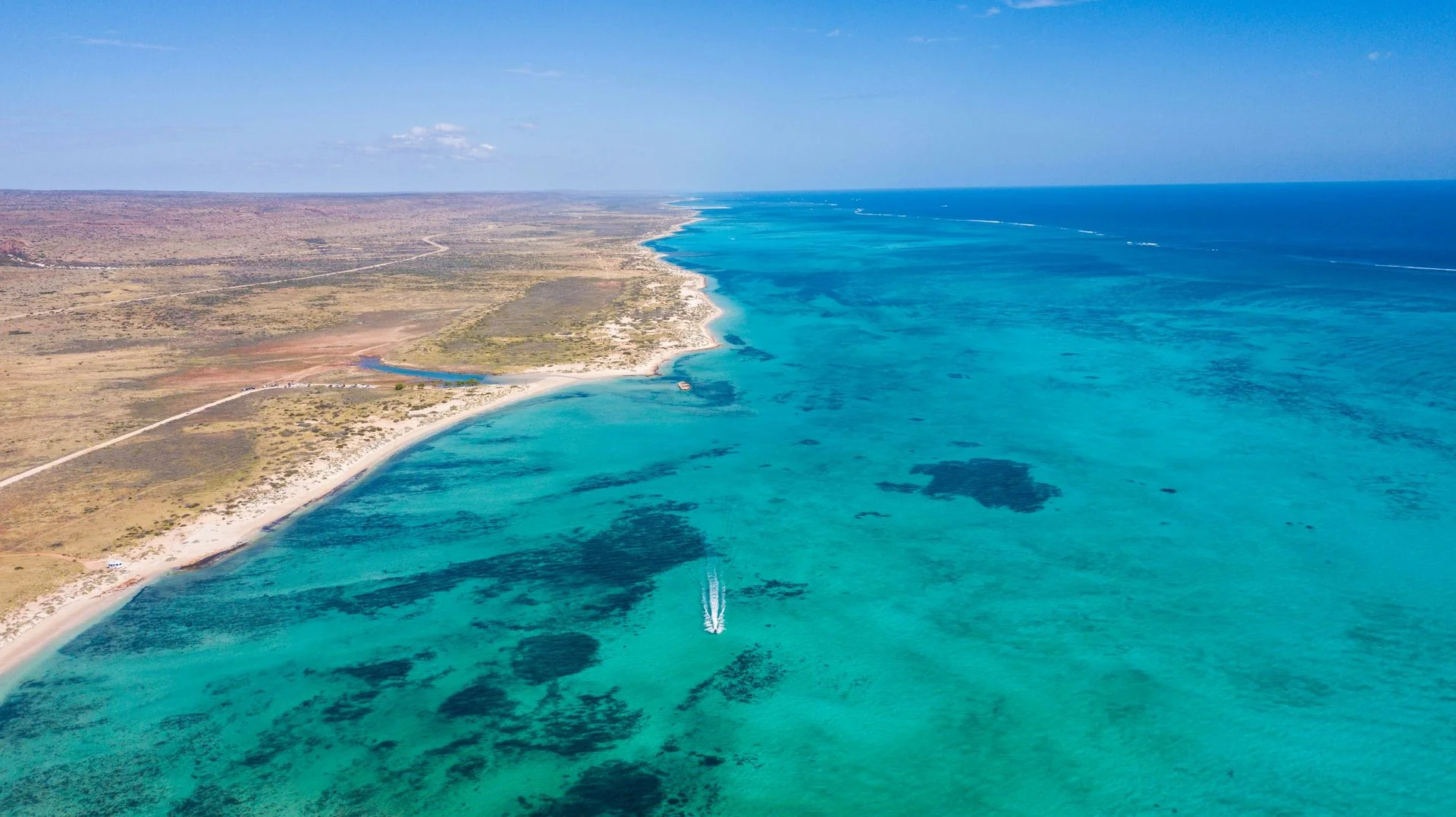
Ningaloo Reef
Stretching for over 300 km along Western Australia’s remote mid‑north coast, Ningaloo Reef is one of the world’s longest fringing reefs and a UNESCO World Heritage site. Unlike the barrier reefs further east, Ningaloo sits just off the beach—often no more than a few fin kicks from the shoreline—making its turquoise lagoons and outer drop‑offs incredibly accessible. The reef is famous for seasonal whale sharks (March–August) and migrating humpback whales (June–November), and its manta ray cleaning stations, dugongs, reef sharks, turtles and colourful coral gardens mean there’s always something to see. Dive operators based in Exmouth and Coral Bay offer day trips to sites like Central Station, The Canyon and the legendary Exmouth Navy Pier, as well as expeditions to the coral‑clad Murion Islands. With clear, warm water and gentle currents, Ningaloo is ideal for both snorkellers and divers seeking megafauna encounters without the crowds.
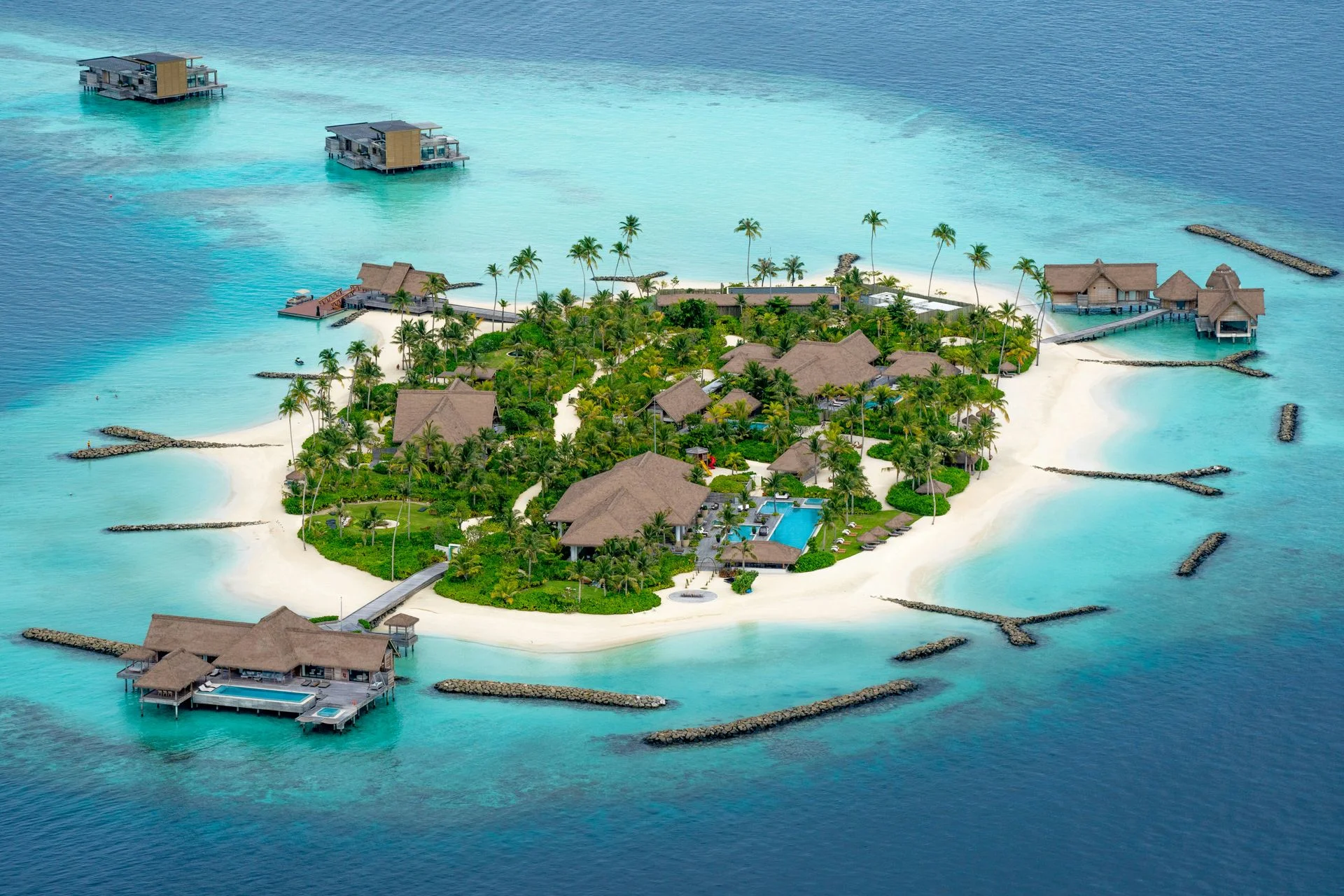
Maldives
Scattered across the Indian Ocean like strings of pearls, the Maldives’ 26 atolls encompass more than a thousand low‑lying islands, reefs and sandbanks. Beneath the turquoise surface are channels (kandus), pinnacles (thilas) and lagoons where powerful ocean currents sweep past colourful coral gardens. This nutrient‑rich flow attracts manta rays, whale sharks, reef sharks, schooling jacks, barracudas and every reef fish imaginable. Liveaboards and resort dive centres explore sites such as Okobe Thila and Kandooma Thila in the central atolls, manta cleaning stations in Baa and Ari, and shark‑filled channels like Fuvahmulah in the deep south. Diving here ranges from tranquil coral slopes to adrenalin‑fuelled drifts through current‑swept passes, making the Maldives a true pelagic playground.
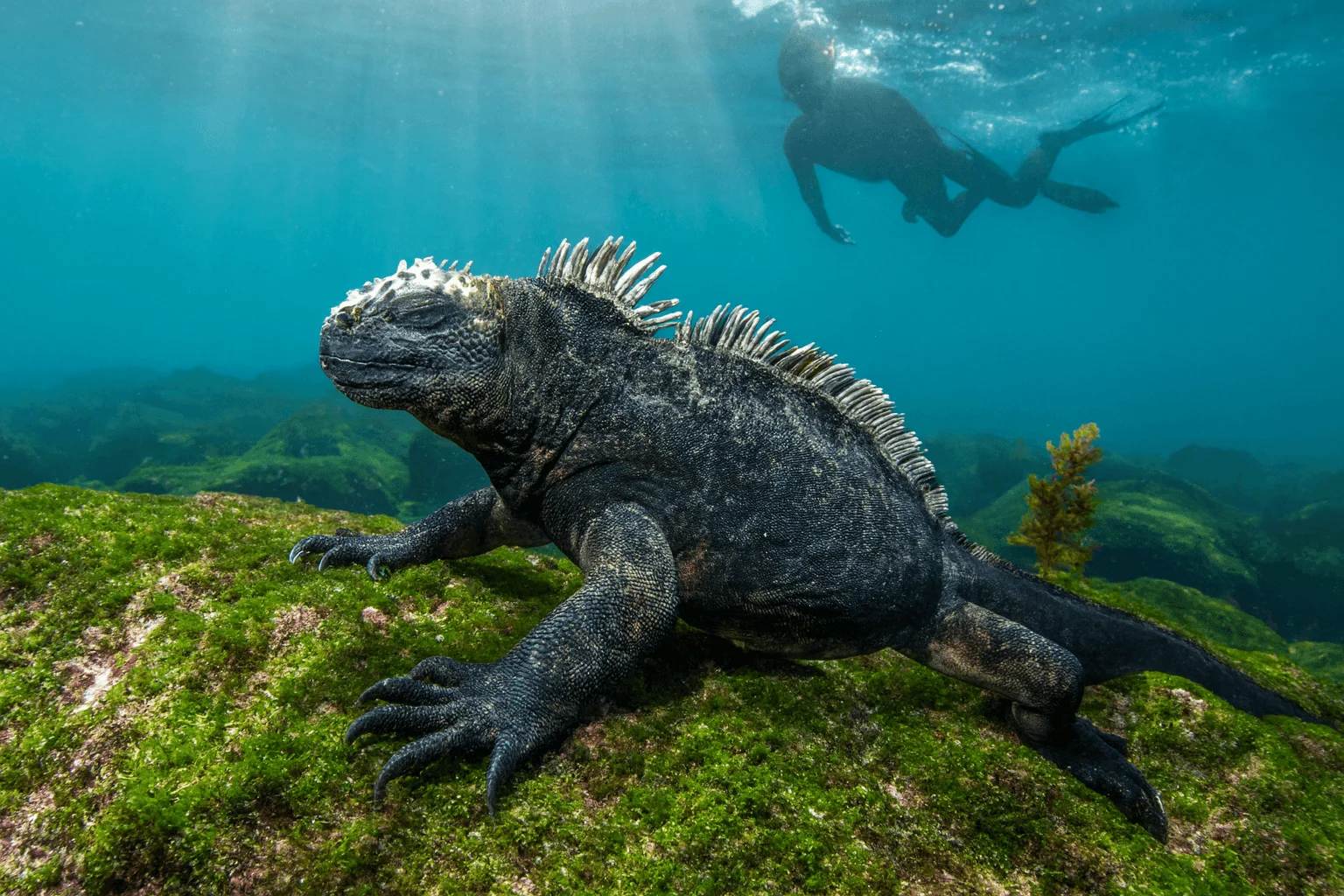
Galapagos
The Galápagos Islands sit 1 000 km off mainland Ecuador and are famous for their remarkable biodiversity both above and below the water. Created by volcanic hot spots and washed by the converging Humboldt, Panama and Cromwell currents, these remote islands offer some of the most exhilarating diving on the planet. Liveaboard trips venture north to Darwin and Wolf islands, where swirling schools of scalloped hammerheads and hundreds of silky and Galápagos sharks patrol the drop‑offs. Other sites host oceanic manta rays, whale sharks, dolphins, marine iguanas, penguins and playful sea lions. Strong currents, cool upwellings and surge mean the dives are challenging but incredibly rewarding. On land you can explore lava fields, giant tortoise sanctuaries and blue‑footed booby colonies.