
Whitetip Reef Shark
Triaenodon obesus
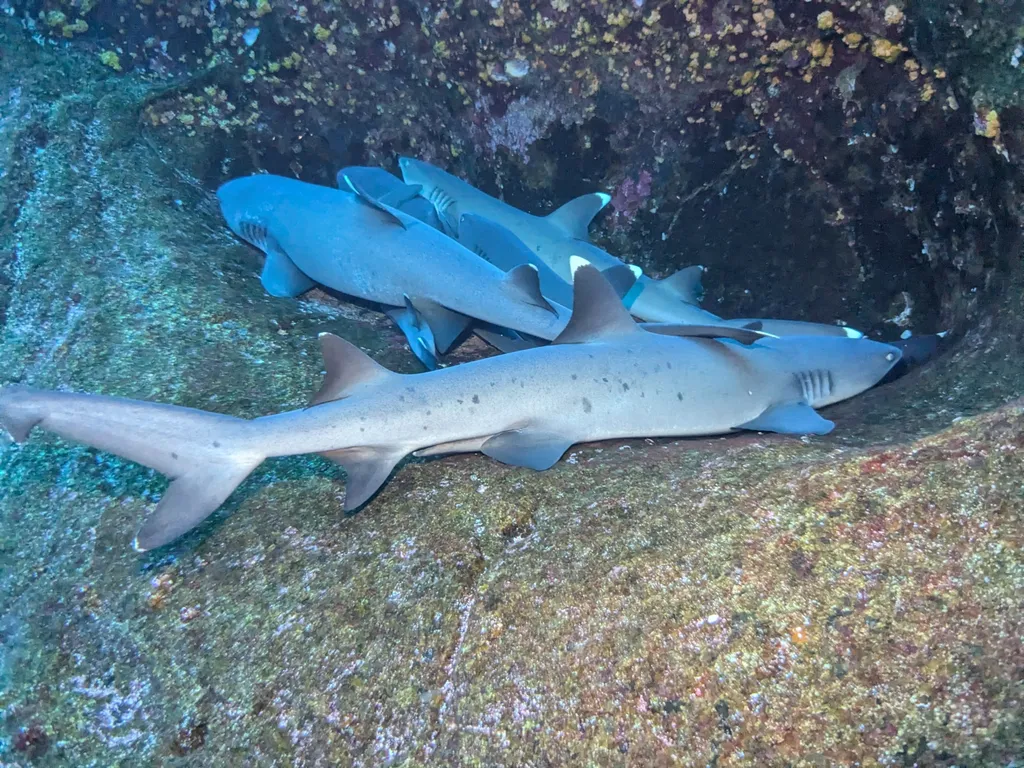
Photo by Alicia Christman / CC BY 4.0 via Wikimedia Commons
The Whitetip Reef Shark is the quintessential reef resident—if you see a shark napping on the sand or under a ledge, it's probably this guy. Easily recognized by its slender body and white-tipped fins, it is one of the few requiem sharks that can stop swimming and rest on the bottom. While they look sleepy during the day, at night they transform into relentless hunters, using their flexible bodies to wiggle into tight coral crevices where other sharks can't reach. They are the "ferrets" of the shark world, rooting out prey from their hiding holes.
🔬Classification
📏Physical Features
🌊Habitat Info
⚠️Safety & Conservation
Identification Guide
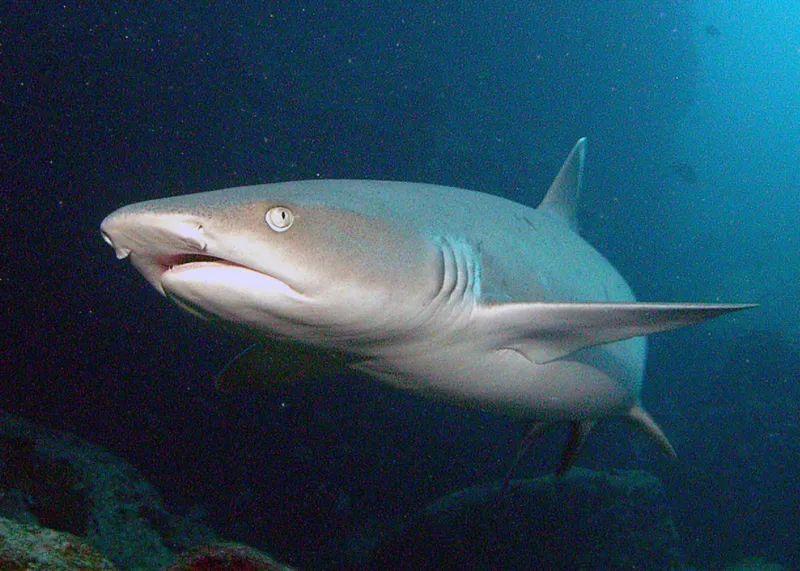
Photo by NOAA via Wikimedia Commons
Field marks:
- White Tips: The First dorsal fin and upper tail lobe have brilliant white tips.
- Slender Body: Very slim, tubular shape compared to the stocky Grey Reef Shark.
- Blunt Snout: Short, broad, and blunt snout with flap-like nostrils.
- Eyes: Horizontal oval eyes with vertical pupils (cat-like), giving them a "grumpy" look.
- Dorsal Fin: The first dorsal fin is set well back on the body (behind the pectoral fins).
Differences from Similar Species
- Silvertip Shark: Much larger and bulkier; white tips are on all fins (including pectorals and second dorsal), whereas Whitetip Reefs lack white on pectorals.
- Oceanic Whitetip: Huge, rounded paddle-like fins with mottled white tips; lives in open ocean, not on reefs.
- Grey Reef Shark: No white tip on the first dorsal fin (usually has a white tip on the dorsal edge, but black on the tail margin); stockier body.
Juvenile vs. Adult
Juveniles look like miniature adults. Unlike many other sharks, they don't undergo drastic color changes, though the white tips might be more vivid in younger individuals.
Top 10 Fun Facts about Whitetip Reef Shark
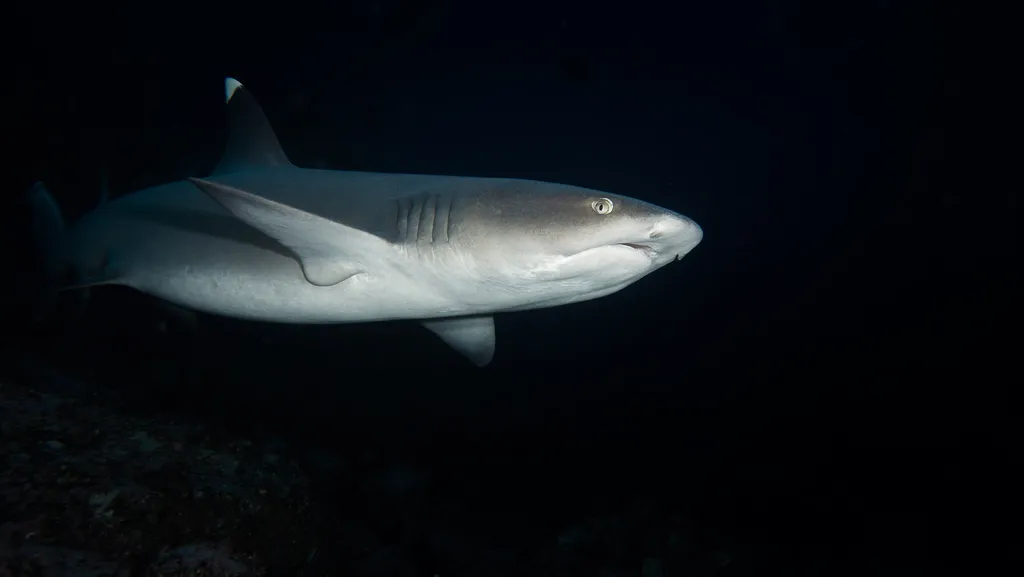
Photo by Kris Mikael Krister / CC BY 3.0 via Wikimedia Commons
1. The Breathing Trick
Most requiem sharks (like Blacktips or Grey Reefs) must keep swimming to breathe (ram ventilation). The Whitetip Reef Shark, however, can pump water over its gills while lying still (buccal pumping). This allows them to "sleep" on the sand without drowning, a trait usually found in nurse sharks, not requiem sharks.
2. The Crevice Hunter
They hunt differently from open-water sharks. Instead of speed, they use flexibility. They can bend their bodies at extreme angles to jam themselves into holes and crevices in the coral to grab hiding octopuses or eels. If they get stuck, their tough skin protects them from scrapes.
3. Home Sweet Home
Whitetip Reef Sharks are homebodies with a very small home range. They often return to the same cave day after day for months or even years. If you see one resting in a specific spot, check back next year—it might still be there.
4. Pile-Up Parties
While they hunt alone at night, they are social sleepers. It's common to find them piled up like logs in a cave, sometimes stacking on top of each other. This communal resting might offer safety in numbers or simply be a result of limited prime real estate.
5. Electro-Sensors
Like all sharks, they have ampullae of Lorenzini to detect electrical fields. But Whitetips are especially good at sensing the heartbeat of prey hiding inside the reef structure. They can smell/sense fish they can't even see, which is crucial for their hole-hunting strategy.
6. Slow Reproduction
Females are viviparous (giving birth to live young) with a placenta-like connection. They only reproduce every other year and have small litters of 1 to 5 pups. This slow reproductive rate makes them very vulnerable to overfishing, as populations take a long time to recover.
7. Not the "Oceanic" Whitetip
Divers often confuse them by name, but they are world's apart. The Oceanic Whitetip is an aggressive, open-ocean scavenger (think Jaws inspiration). The Whitetip Reef Shark is a docile, coastal reef dweller. Mixing them up could lead to a very different dive briefing!
8. The "Death Roll"
When they catch a prey item that is wedged tight in a hole, they sometimes perform a death roll (like a crocodile) to twist the prey loose or tear off a chunk. It's a violent burst of energy from an otherwise sluggish-looking shark.
9. Ancient Lineage
Genetic studies suggest that Whitetip Reef Sharks are distinct enough to be in their own genus (Triaenodon). They sit on a unique branch of the shark family tree, bridging the gap between typical requiem sharks and bottom-dwelling species.
10. Ciguatera Risk
In some areas, their meat is toxic to humans because it accumulates ciguatera toxin (from eating reef fish that eat algae). This natural defense has inadvertently saved some populations from being eaten by humans, though they are still caught for fins.
Diving & Observation Notes
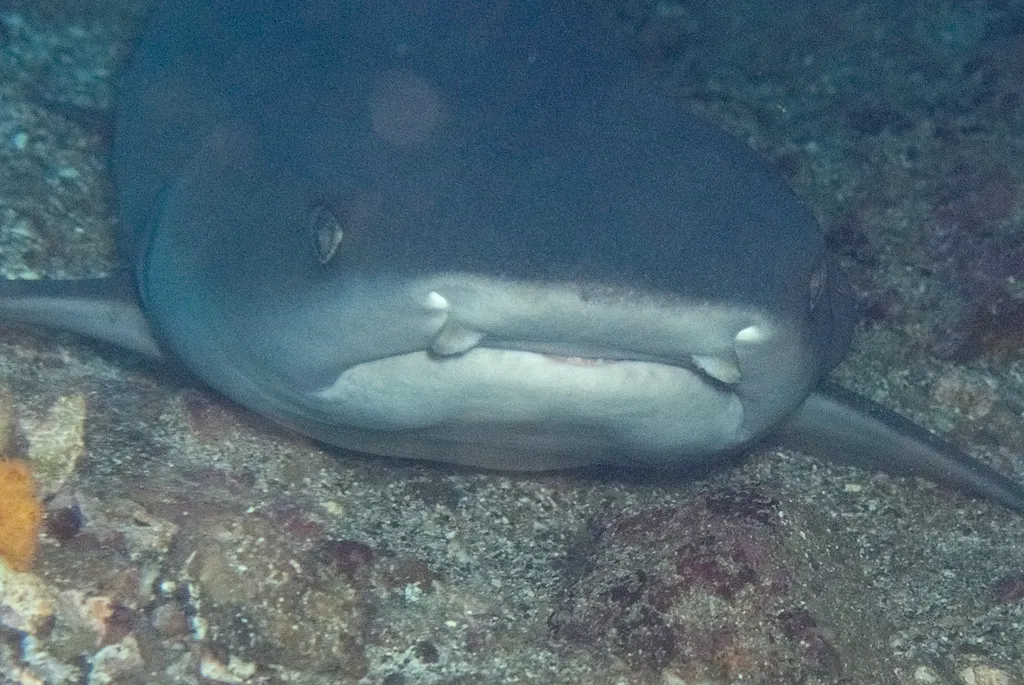
Photo by Georgina Jones / CC BY-SA 4.0 via Wikimedia Commons
🧭 Finding Whitetip Reef Sharks
By day, check underneath. Look under large table corals, overhangs, and in small caves. They are often just sitting there on the sand. At dawn or dusk, scan the reef edge; you might see a "gang" of them sweeping across the coral hunting together.
🤿 Approach & Behavior
- Respect the Nap: They are docile when resting. You can often get quite close, but don't block their exit path. If they feel cornered, they might bolt (or bite).
- Night Dives: This is showtime. They will use your dive light to hunt, following the beam to find fish. Do not shine your light directly in their eyes; shine it on the reef to help them hunt (if you want to see action).
- Don't Touch: They have flexible necks and can bite their own tail. Grabbing one is a surefire way to get stitches.
📸 Photo Tips
- Sleeping Beauty: Since they sit still, they are the easiest shark to photograph. You can take your time to adjust settings and strobe positioning.
- Head-On Shot: Get low on the sand and shoot face-to-face. Their cat-like eyes and grumpy mouth make for great macro-style portraits.
- Silhouette: If they are patrolling a ridge, shoot upward to capture that classic shark profile with the white fin tip glowing.
⚠️ Ethics
- Light Discipline: On night dives, don't blind them. Using red light is less disturbing.
- No Harassment: Don't poke them to make them swim for a better photo. It stresses the animal and wastes its energy.
Best Places to Dive with Whitetip Reef Shark
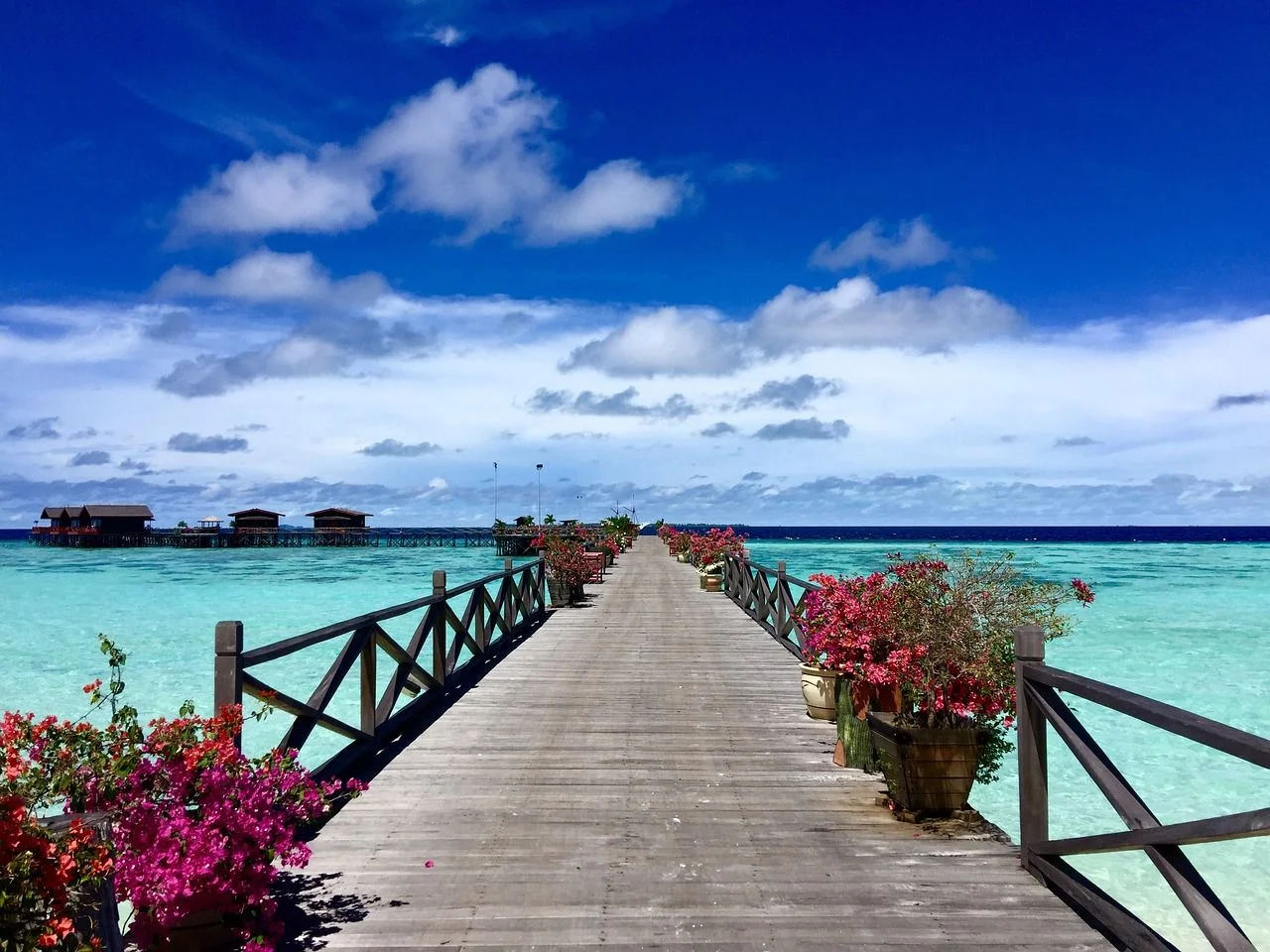
Sipadan & Semporna
Sipadan Island off the coast of Sabah is Malaysia’s crown jewel of diving – a steep limestone pinnacle rising more than 600 metres from the sea floor and teeming with pelagic life. Currents sweep past vertical walls encrusted in hard and soft corals, bringing in barracudas, jacks, reef sharks and bumphead parrotfish in breathtaking numbers. Nearby Mabul and Kapalai offer an entirely different experience on shallow sand‑slope reefs and artificial structures, where flamboyant cuttlefish, frogfish, mandarin fish and other macro critters hide among sponges and tyres. With limited daily permits, a visit to Sipadan is a privilege; most divers base themselves in the frontier town of Semporna or at water‑bungalow resorts on Mabul and Kapalai and make day trips into the park.
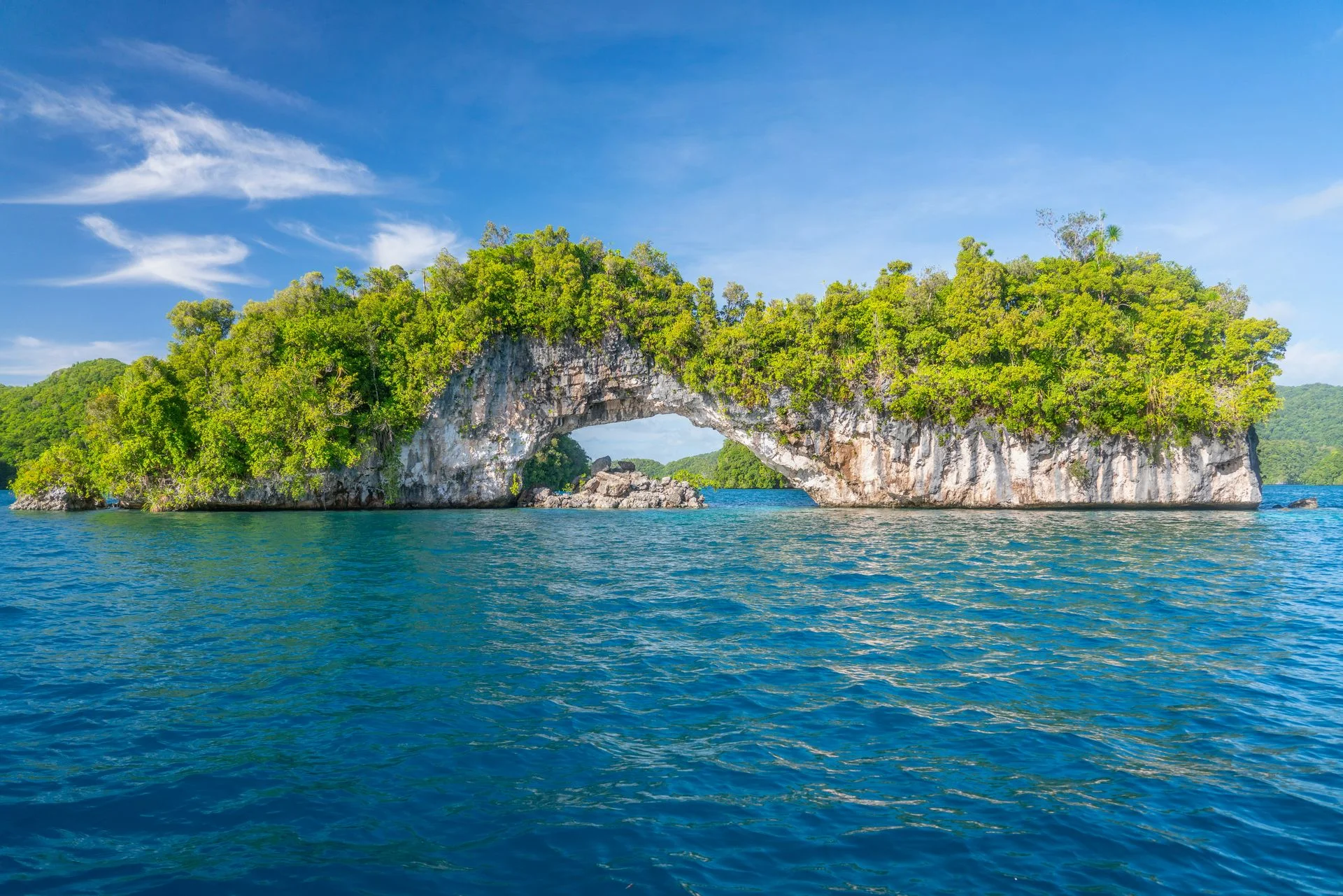
Palau
Rising out of the western Pacific at the meeting point of two great oceans, Palau is an archipelago of more than 500 jungle‑cloaked islands and limestone rock pinnacles. Its barrier reef and scattered outcrops create caverns, walls, tunnels and channels where nutrient‑rich currents sweep in from the Philippine Sea. These flows feed carpets of hard and soft corals and attract vast schools of jacks, barracudas and snappers, as well as an impressive cast of pelagics. Grey reef and whitetip sharks parade along the legendary Blue Corner; manta rays glide back and forth through German Channel’s cleaning stations; and Ulong Channel offers a thrill‑ride drift over giant clams and lettuce corals. Between dives you can snorkel among non‑stinging jellyfish in Jellyfish Lake or explore WWII ship and plane wrecks covered in colourful sponges.
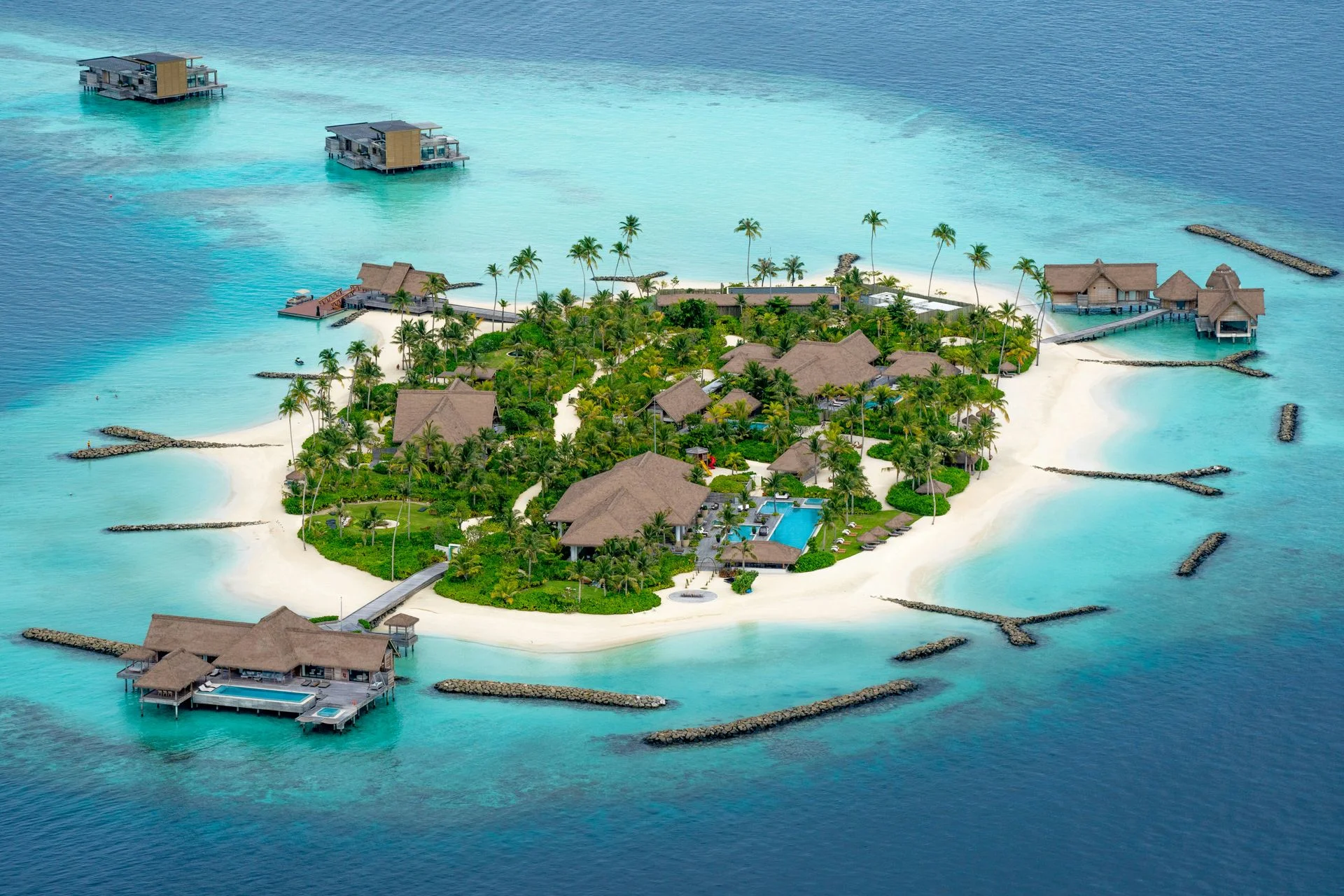
Maldives
Scattered across the Indian Ocean like strings of pearls, the Maldives’ 26 atolls encompass more than a thousand low‑lying islands, reefs and sandbanks. Beneath the turquoise surface are channels (kandus), pinnacles (thilas) and lagoons where powerful ocean currents sweep past colourful coral gardens. This nutrient‑rich flow attracts manta rays, whale sharks, reef sharks, schooling jacks, barracudas and every reef fish imaginable. Liveaboards and resort dive centres explore sites such as Okobe Thila and Kandooma Thila in the central atolls, manta cleaning stations in Baa and Ari, and shark‑filled channels like Fuvahmulah in the deep south. Diving here ranges from tranquil coral slopes to adrenalin‑fuelled drifts through current‑swept passes, making the Maldives a true pelagic playground.
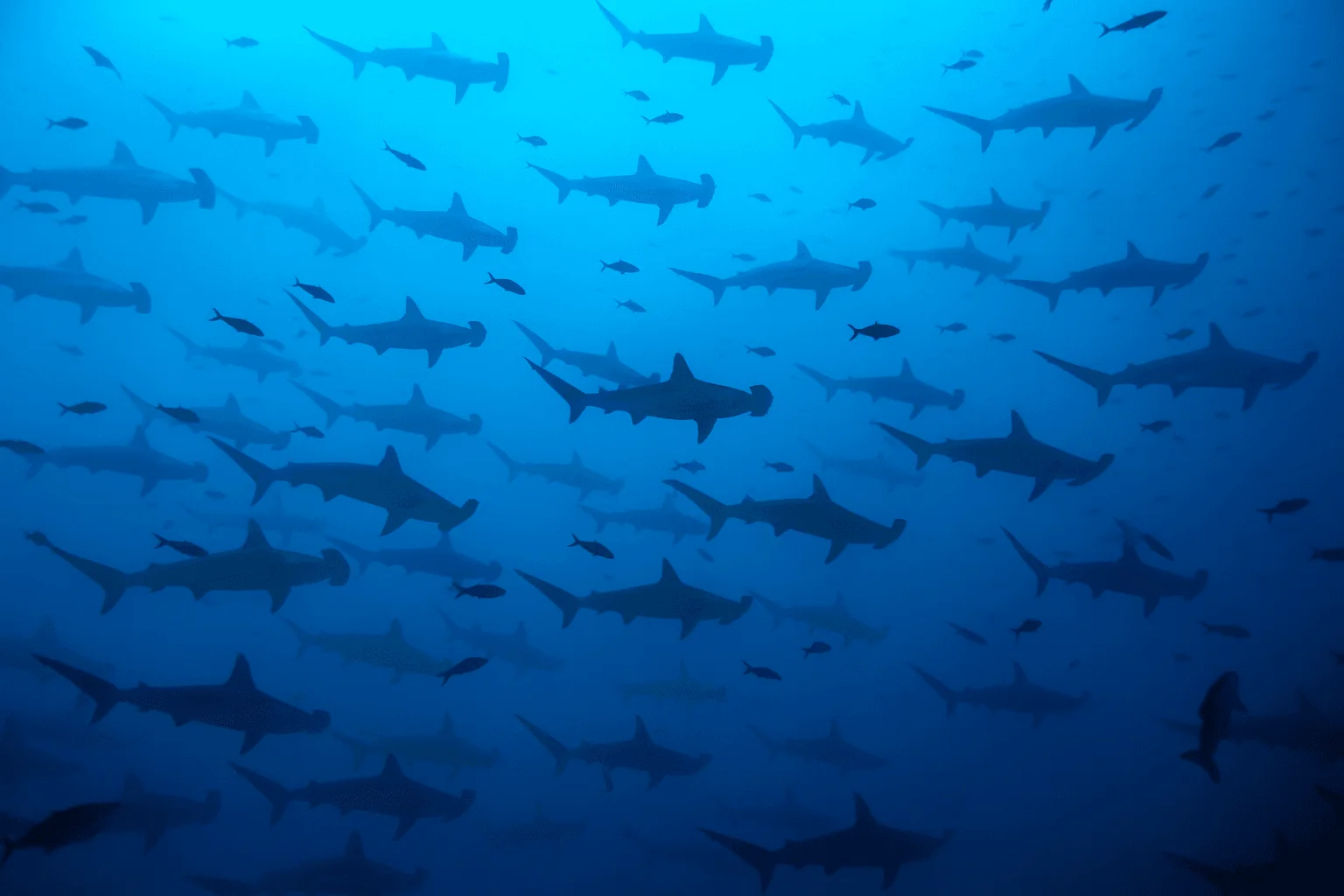
Cocos Island
Cocos Island sits 550 km off Costa Rica’s Pacific coast and is only accessible by liveaboard. This uninhabited, jungle‑clad island was described by Jacques Cousteau as “the most beautiful island in the world.” Divers come here for the pelagic action: schooling scalloped hammerheads patrol the reef points and pinnacles, tiger sharks and Galápagos sharks cruise the blue, and manta rays and whale sharks glide past during the wet season. Visibility and sea conditions vary with the seasons, but the island’s underwater topography of walls, cleaning stations and steep pinnacles makes every dive an adventure. Currents can be strong and depths often exceed 30 m, so Cocos is considered an advanced destination. Trips are normally 9–10 days with a 36‑hour crossing each way from the mainland, and most operators include guided island hikes between dives.
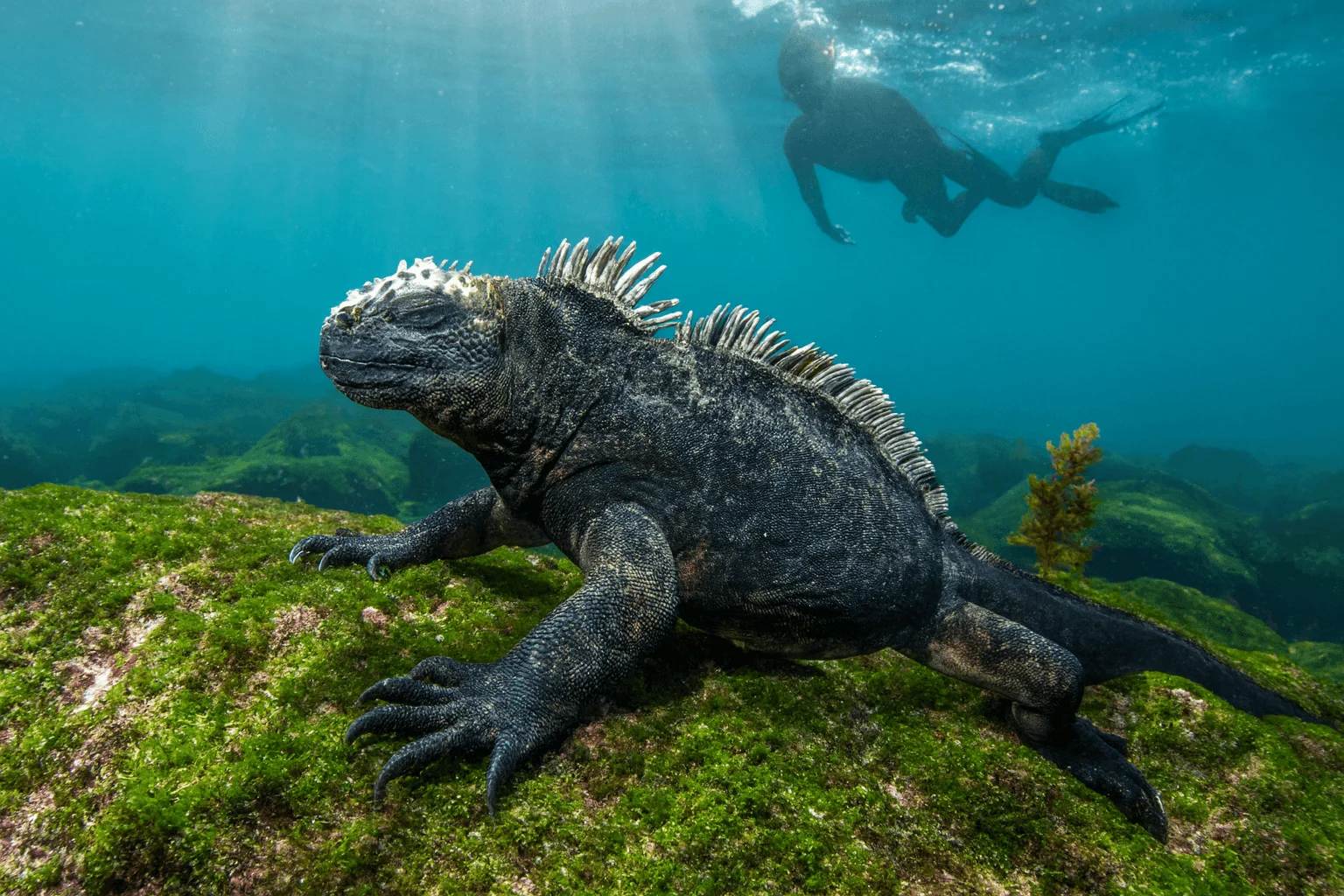
Galapagos
The Galápagos Islands sit 1 000 km off mainland Ecuador and are famous for their remarkable biodiversity both above and below the water. Created by volcanic hot spots and washed by the converging Humboldt, Panama and Cromwell currents, these remote islands offer some of the most exhilarating diving on the planet. Liveaboard trips venture north to Darwin and Wolf islands, where swirling schools of scalloped hammerheads and hundreds of silky and Galápagos sharks patrol the drop‑offs. Other sites host oceanic manta rays, whale sharks, dolphins, marine iguanas, penguins and playful sea lions. Strong currents, cool upwellings and surge mean the dives are challenging but incredibly rewarding. On land you can explore lava fields, giant tortoise sanctuaries and blue‑footed booby colonies.
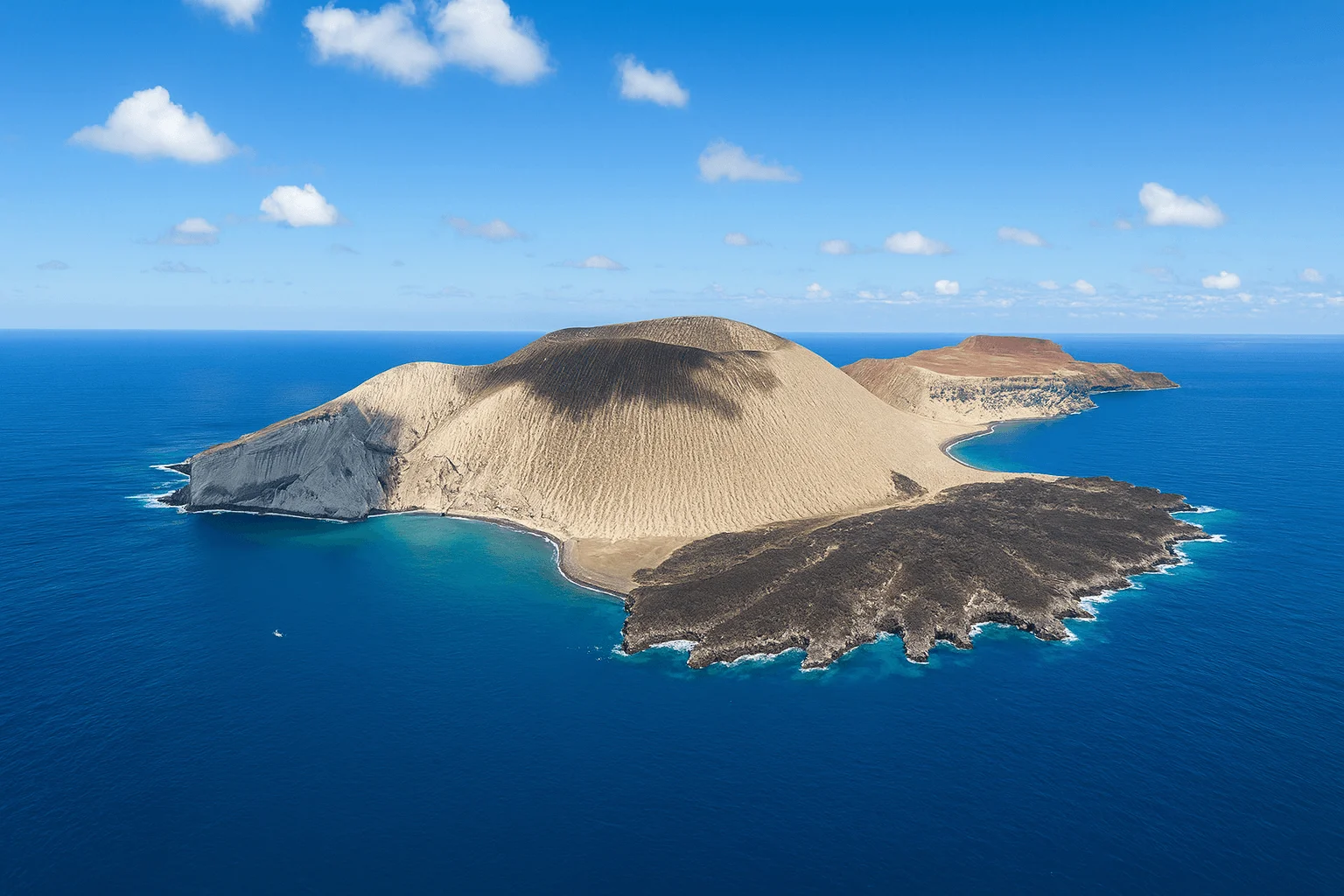
Socorro
The Revillagigedo Archipelago—better known simply as Socorro—is Mexico’s answer to the Galápagos. Located 400 km off the Baja California coast, this remote chain of volcanic islands (San Benedicto, Socorro, Roca Partida and Clarion) can only be reached by liveaboard. The reward for the 24‑hour crossing is a pelagic wonderland where giant Pacific manta rays circle close enough to touch, hammerhead sharks school in the blue, and humpback whales breach beside the boat. Rugged pinnacles and walls drop into deep blue water, attracting a myriad of large predators and making Socorro one of the world’s great big‑animal dive destinations.
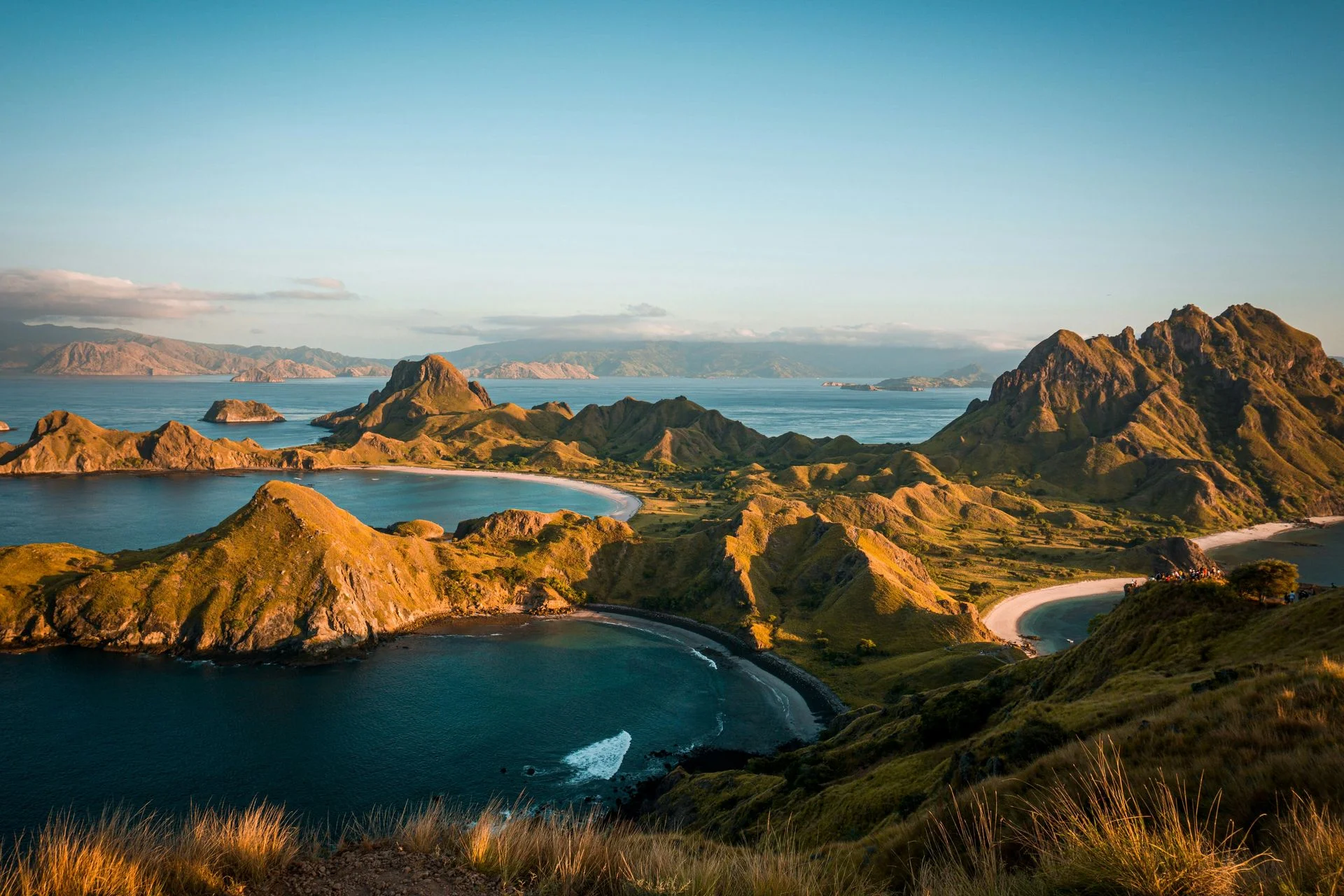
Komodo
Komodo National Park is a diver’s paradise full of marine diversity: expect healthy coral gardens, reef sharks, giant trevallies, countless schools of fish, and frequent manta ray sightings at sites like Manta Point and Batu Bolong. Drift dives and dramatic reef structures add excitement, while both macro lovers and big-fish fans will find plenty to love. Above water, the wild Komodo dragons roam, giving a touch of prehistoric wonder to the whole trip.