Zebra Shark
Stegostoma tigrinum
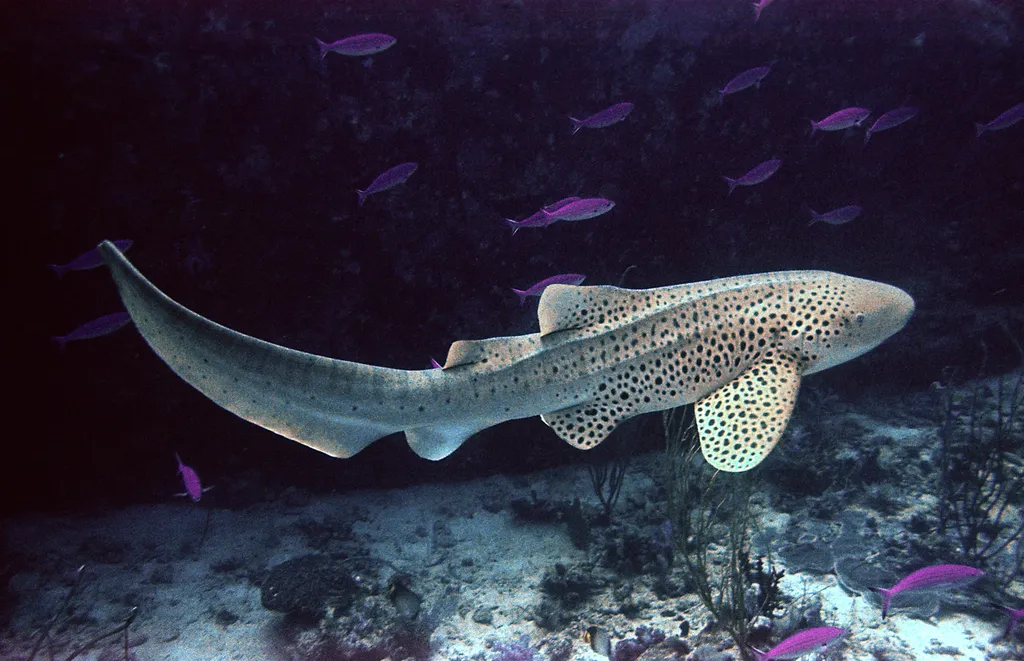
Photo by Makolga3113 / CC BY 3.0 via Wikimedia Commons
The Zebra Shark is the ocean's greatest transformers. Born with distinct black-and-white stripes (hence "Zebra"), they undergo a dramatic makeover as they mature, trading their stripes for leopard-like spots (hence the confusion with Leopard Sharks). With an extraordinarily long tail that takes up nearly half their total length and distinct ridges running down their body, they are unmistakable. These gentle, bottom-dwelling carpet sharks are docile "puppy dogs" that divers often find napping on the sand.
🔬Classification
📏Physical Features
🌊Habitat Info
⚠️Safety & Conservation
Identification Guide
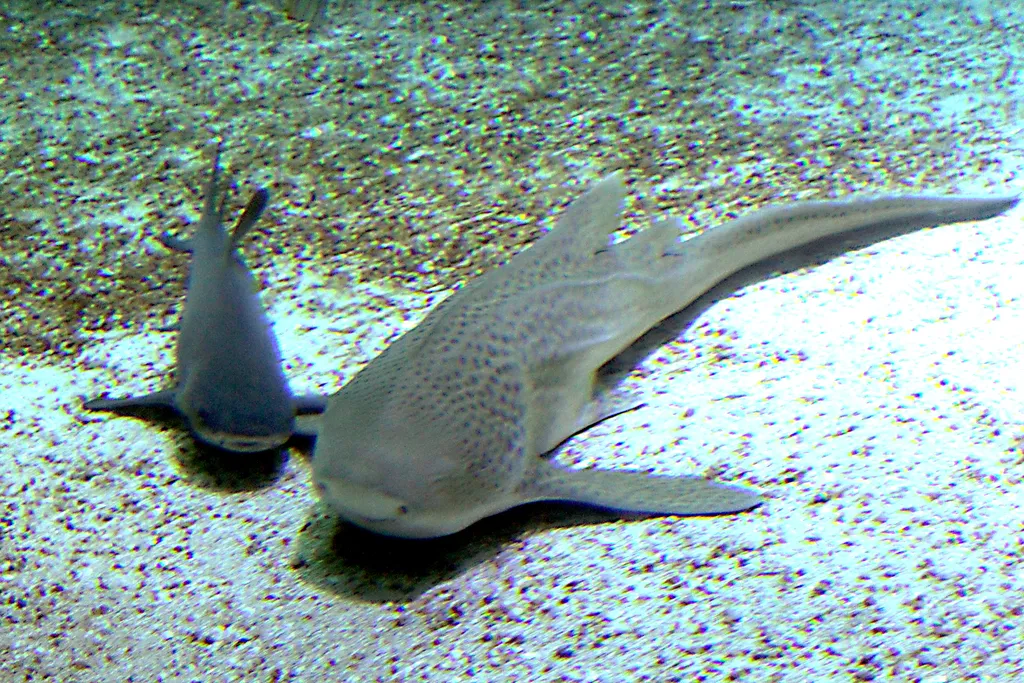
Photo by Dguendel / CC BY 4.0 via Wikimedia Commons
Field marks:
- The Tail: The caudal fin (tail) is incredibly long and blade-like, almost as long as the rest of the body.
- Spots (Adults): Golden-tan body covered in dark brown spots.
- Stripes (Juveniles): Dark brown/black body with vertical white or pale yellow stripes.
- Ridges: Five prominent longitudinal ridges running along the body flank.
- Head: Broad, blunt head with a small mouth and barbels (whiskers) near the nostrils.
Differences from Similar Species
- Leopard Shark (Triakis semifasciata): Found in California (cold water); has saddles/blotches rather than small round spots; typical shark shape (shorter tail).
- Nurse Shark: Solid brown color (no spots); rounder fins; lacks the distinct body ridges.
- Whale Shark: Huge size; white spots on dark background (Zebra Sharks have dark spots on light background).
Juvenile vs. Adult
The difference is night and day. Juveniles look like cartoon zebras—dark with thin white stripes. Adults look like leopards—yellow with dark spots. The transition happens when they are about 70-90cm long.
Top 10 Fun Facts about Zebra Shark
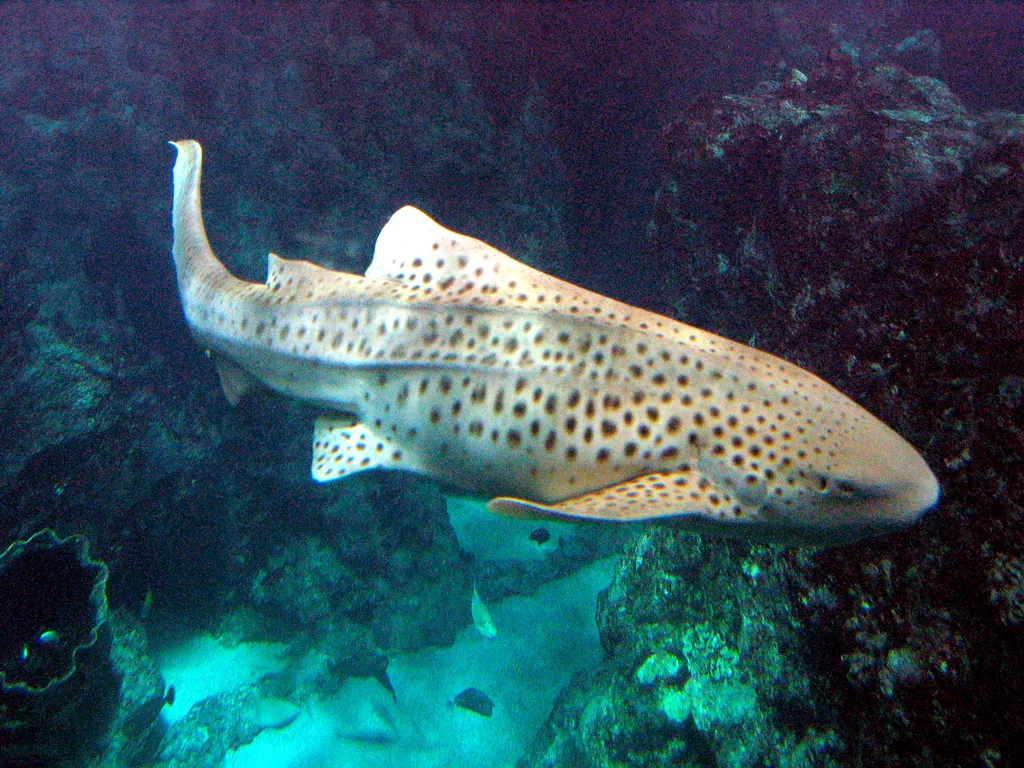
Photo by Thesupermat / CC BY-SA 3.0 via Wikimedia Commons
1. Identity Crisis
Why call it a "Zebra" Shark if it has spots? Because the name was given based on the juvenile appearance, which is striped. In many parts of the Indo-Pacific, locals call them "Leopard Sharks" because of the adult spots. To make it worse, there is a true Leopard Shark in California that looks totally different. Science sticks with "Zebra Shark" to avoid confusion.
2. Virgin Births
Zebra Sharks are famous for parthenogenesis (virgin birth). A female named "Leonie" in an Australian aquarium was separated from males for years but suddenly laid eggs that hatched into three healthy pups. Genetic testing proved they were clones of the mother. They can switch from sexual to asexual reproduction if needed!
3. Half-Shark, Half-Tail
Their tail is ridiculous. It accounts for nearly 50% of their total body length. Unlike open-ocean sharks that use a crescent tail for speed, the Zebra Shark uses its long, flexible tail like an eel, undulating it to maneuver into tight crevices to hunt for snails and crabs.
4. Mermaid's Purses
They are oviparous, laying large, dark brown egg cases. These "mermaid's purses" are about 17cm long and have hairy, sticky fibers that anchor them to the reef or seagrass so they don't float away. The pup grows inside for about 4-6 months before hatching.
5. The "Sneeze"
While resting on the sand, you might see a Zebra Shark pump water through its gills or seemingly "cough." Because they rest on the bottom, they use strong throat muscles (buccal pumping) to force water over their gills. Occasionally, they will forcefully expel water to clear sand or debris from their gills—a shark sneeze!
6. Ridged for Pleasure (of Hydrodynamics)
Take a close look at their body—it's not round. They have five distinct ridges running along their flanks. These ridges likely act like stabilizers on a surfboard, helping them glide efficiently despite their somewhat awkward, non-streamlined shape.
7. Crunchy Diet
Small mouth, big crushing power. Their diet consists mainly of hard-shelled mollusks (snails), crustaceans (crabs/shrimp), and small bony fish. They use their slender bodies to wiggle into reef cracks and then suck the prey out.
8. Endangered Status
Despite being widespread, they are listed as Endangered by the IUCN. Because they live in shallow coastal waters and reefs, they are heavily targeted by fisheries (for meat and fins) and suffer from habitat loss. Their docile nature makes them easy targets.
9. Puppy Dog Personality
Zebra Sharks are widely considered the most gentle sharks. In aquariums, they often bond with divers, enjoying "belly rubs" or following them around. In the wild, they are very tolerant of divers, often allowing close observation as long as you don't pull their tail.
10. Night Shift
They are strictly nocturnal hunters. During the day, you will almost always find them sleeping on the sand or coral rubble, facing into the current. At night, they become active, slithering through the reef like giant salamanders.
Diving & Observation Notes
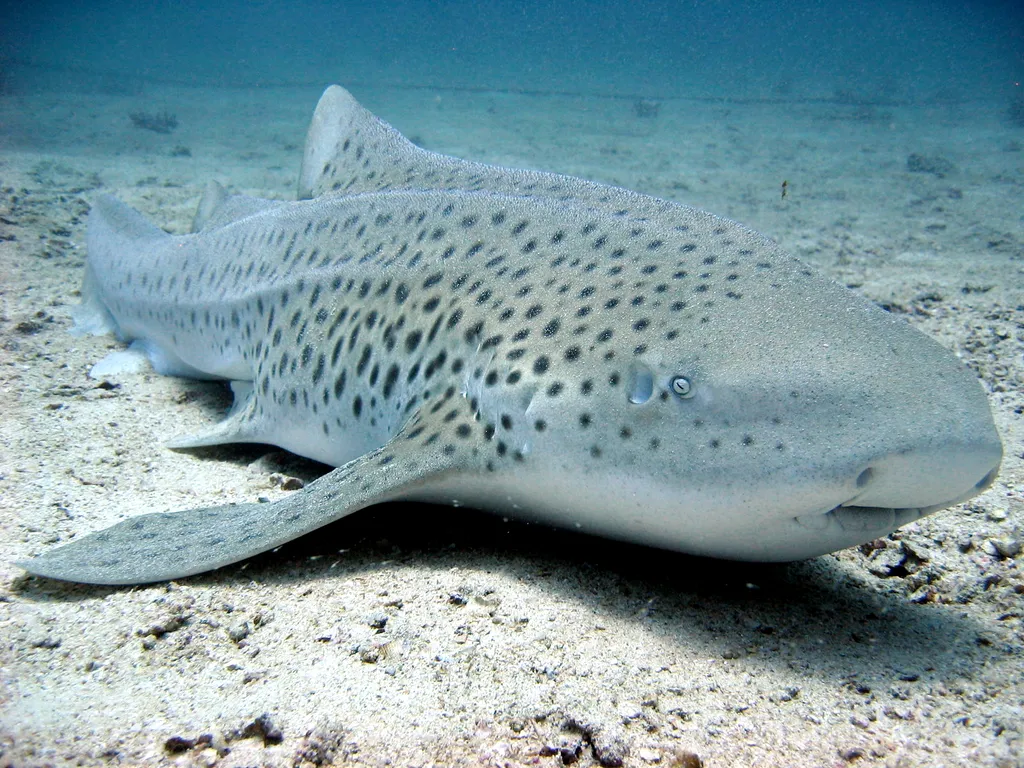
Photo by Sigmund from Norway / CC BY 2.0 via Wikimedia Commons
🧭 Finding Zebra Sharks
Look on the bottom. They love sandy channels between reefs or patches of coral rubble. They are often found resting near fan corals or under small ledges, but unlike Nurse Sharks, they often sit right out in the open.
🤿 Approach & Behavior
- Approach Slowly: They are heavy sleepers but will bolt if you rush them. Glide in low and slow.
- Don't Crowd: Leave them an escape route. If they feel boxed in, they will leave.
- Tail Etiquette: Their tail is extremely long and lies flat on the sand. Watch your fins so you don't kick it. And obviously, never pull it.
- Photos: They are excellent subjects because they stay still. Get low for a face-to-face angle.
📸 Photo Tips
- The Transformation: If you are lucky enough to see a juvenile (striped), that's a rare prize!
- Patterns: Close-ups of their spotted skin (adults) make for beautiful abstract textures.
- Full Body: It's hard to fit the whole tail in the frame. Use a fisheye lens and get close to the head, letting the tail trail off into the background.
⚠️ Safety
- Harmless: They are virtually harmless to divers unless provoked.
- No Riding: Their docile nature leads some idiots to try and "ride" them. Don't be that person. They can bite if harassed, and their jaws are designed to crush crab shells.
Best Places to Dive with Zebra Shark
Maldives
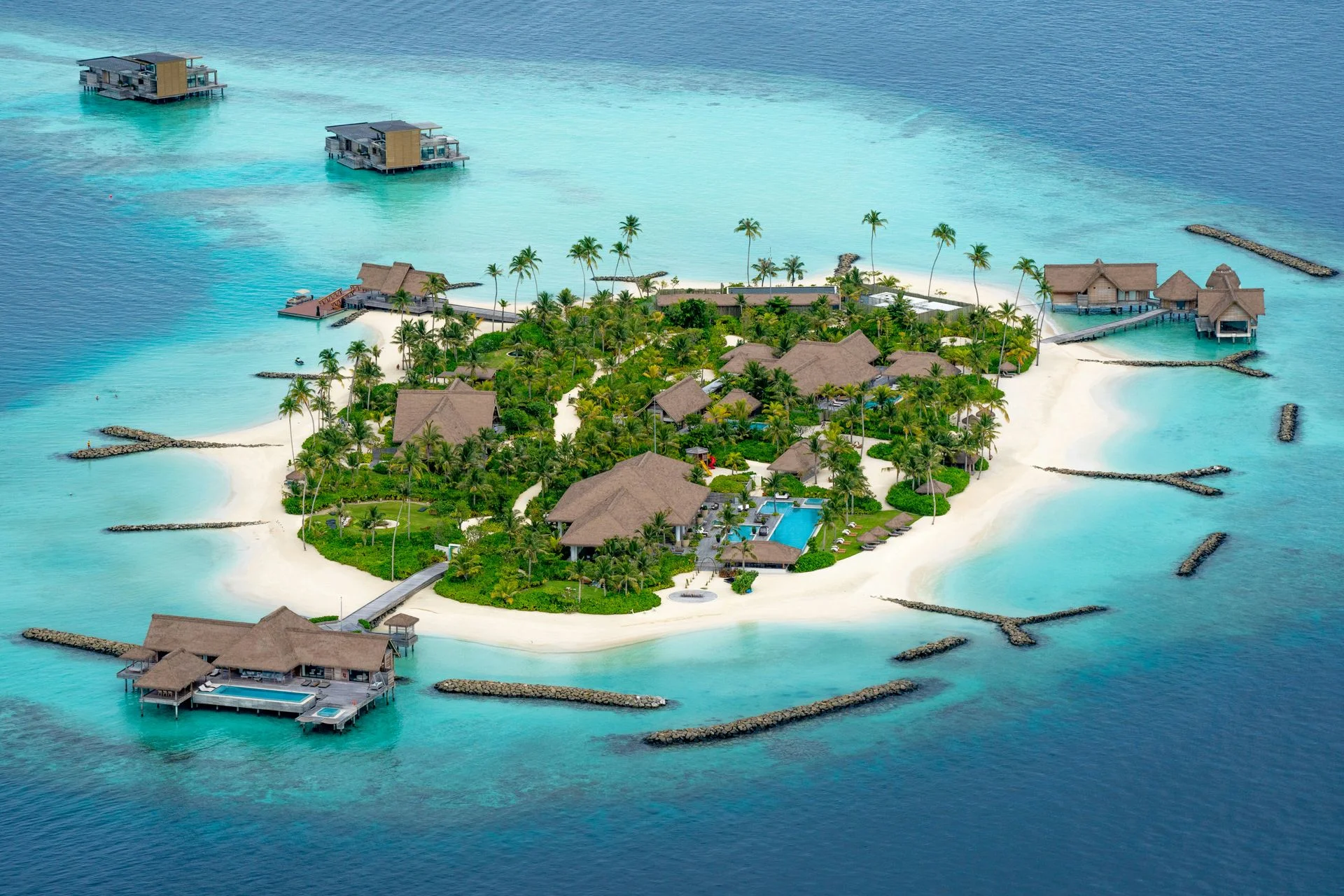
Scattered across the Indian Ocean like strings of pearls, the Maldives’ 26 atolls encompass more than a thousand low‑lying islands, reefs and sandbanks. Beneath the turquoise surface are channels (kandus), pinnacles (thilas) and lagoons where powerful ocean currents sweep past colourful coral gardens. This nutrient‑rich flow attracts manta rays, whale sharks, reef sharks, schooling jacks, barracudas and every reef fish imaginable. Liveaboards and resort dive centres explore sites such as Okobe Thila and Kandooma Thila in the central atolls, manta cleaning stations in Baa and Ari, and shark‑filled channels like Fuvahmulah in the deep south. Diving here ranges from tranquil coral slopes to adrenalin‑fuelled drifts through current‑swept passes, making the Maldives a true pelagic playground.
Similan
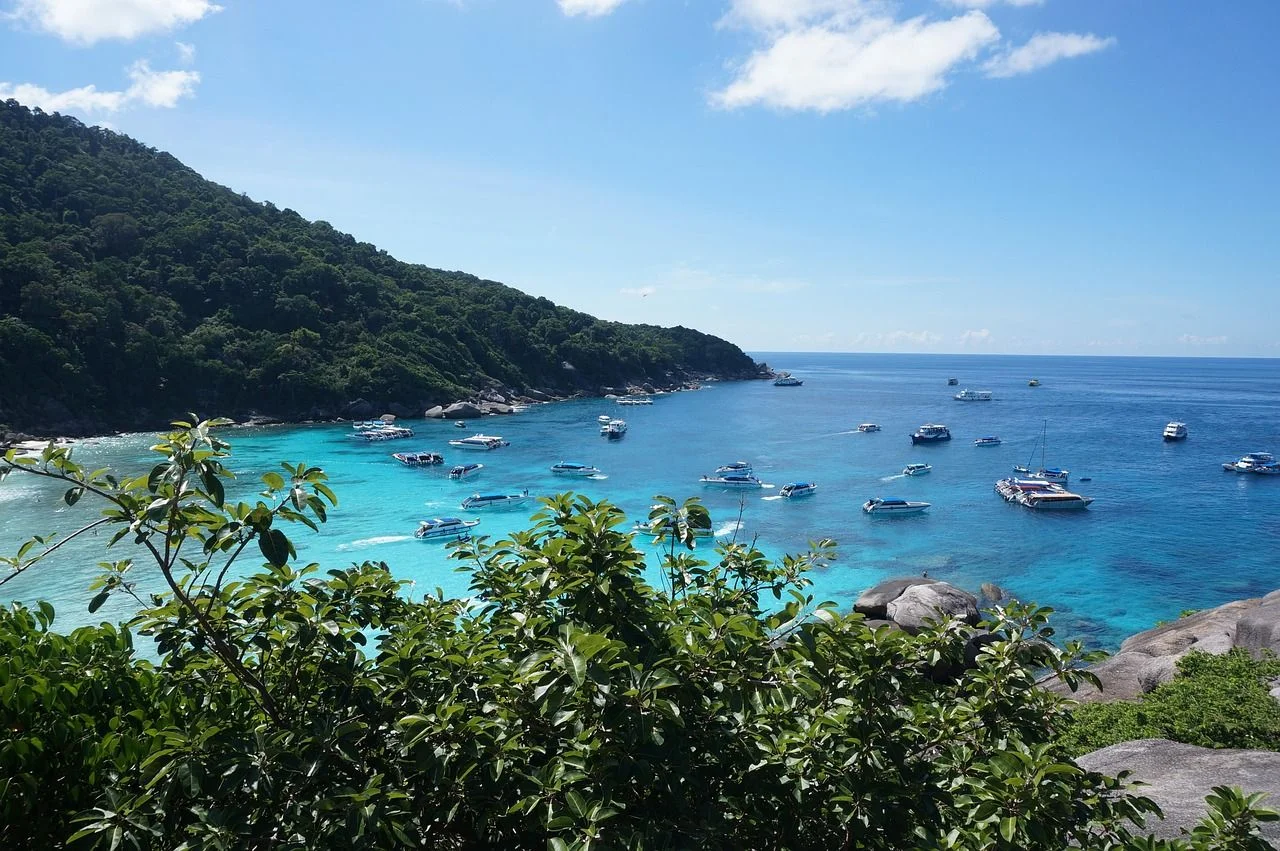
The Similan Islands are an archipelago of nine granite islands in the Andaman Sea off Thailand’s west coast, protected as part of Mu Ko Similan National Park. Underwater you’ll find dramatic boulder formations, swim‑throughs, coral gardens and drop‑offs teeming with life. Manta rays and whale sharks cruise by at sites like Richelieu Rock and Koh Tachai, while reef sharks, leopard sharks, turtles and swarming schools of fusiliers and trevally are common. The park is only open from mid‑October to mid‑May, when calm seas and clear water make for world‑class liveaboard trips or speedboat day tours.
Raja Ampat
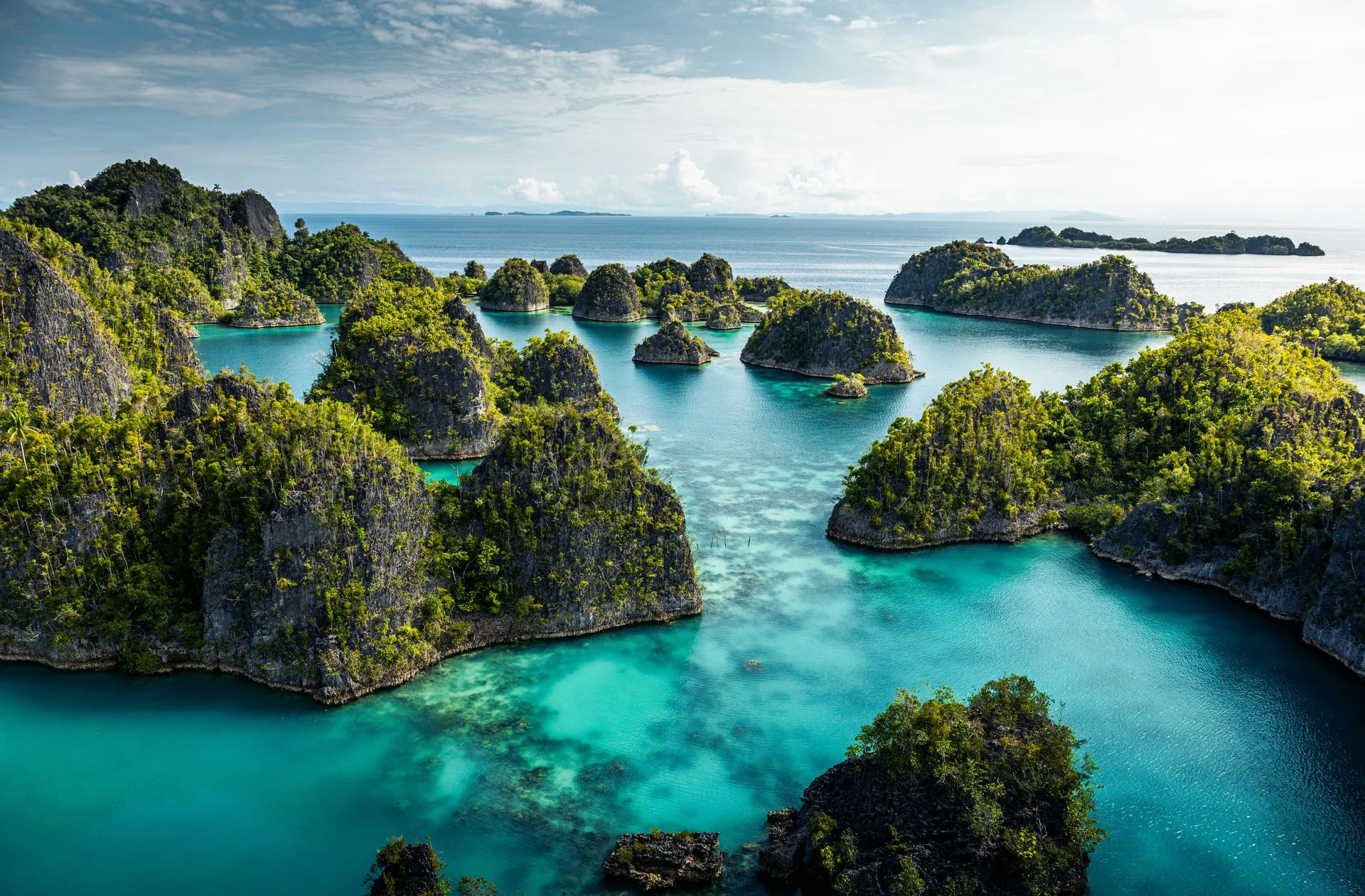
Raja Ampat, the “Four Kings,” is an archipelago of more than 1,500 islands at the edge of Indonesian West Papua. Its reefs sit in the heart of the Coral Triangle, where Pacific currents funnel nutrients into shallow seas and feed the world’s richest marine biodiversity. Diving here means gliding over colourful walls and coral gardens buzzing with more than 550 species of hard and soft corals and an estimated 1,500 fish species. You’ll meet blacktip and whitetip reef sharks on almost every dive, witness giant trevally and dogtooth tuna hunting schools of fusiliers, and encounter wobbegong “carpet” sharks, turtles, manta rays and dolphins. From cape pinnacles swarming with life to calm bays rich in macro critters, Raja Ampat offers endless variety. Above water, karst limestone islands and emerald lagoons provide spectacular scenery between dives.
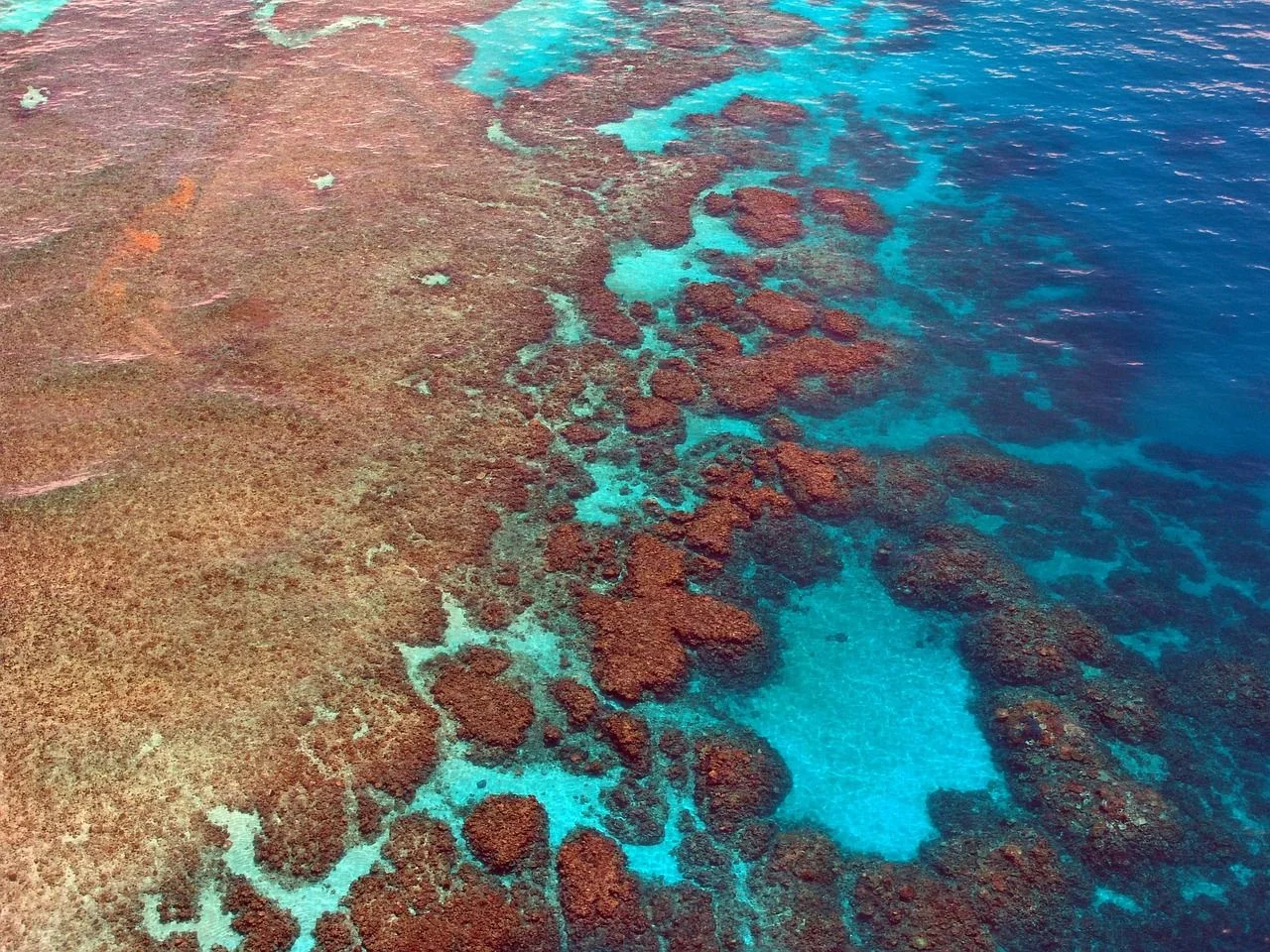
Great Barrier Reef
The Great Barrier Reef stretches for more than 2,300 km along Australia’s Queensland coast and is Earth’s largest coral ecosystem. With over 2,900 individual reefs, hundreds of islands, and a staggering diversity of marine life, it’s a bucket‑list destination for divers. Outer reef walls, coral gardens and pinnacles support potato cod, giant trevallies, reef sharks, sea turtles, manta rays and even visiting dwarf minke and humpback whales. Divers can explore historic wrecks like the SS Yongala, drift along the coral‑clad walls of Osprey Reef or mingle with friendly cod at Cod Hole. Whether you’re a beginner on a day trip from Cairns or an experienced diver on a remote liveaboard, the Great Barrier Reef offers unforgettable underwater adventures.