
Scuba Diving in Azores
The Ultimate Guide
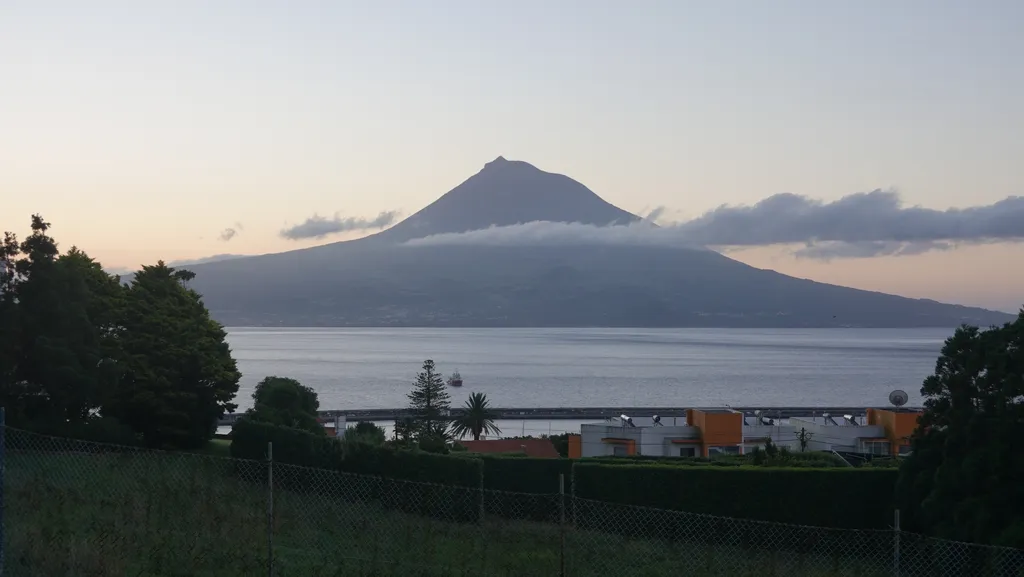
The Azores sit on the Mid-Atlantic Ridge — nine volcanic islands where the seafloor drops thousands of metres almost at your fins. For divers, the hub that actually delivers megafauna is the Pico–Faial triangle: base in Madalena (Pico) or Horta (Faial) and you are within range of Princess Alice Bank, Condor Bank blue-shark Expeditions, and a shoreline of lava arches, walls, and wrecks.
Summer is the story. From July through mid-October, devil rays (Mobula tarapacana) stack over the Princess Alice pinnacle roughly 45–50 nm southwest of Pico, and open-ocean blue sharks — occasionally makos — circle chummed blue-water stations off southwest Pico. Closer in, Arcos de Caneiras swim-throughs, channel drifts between the islands, Capelinhos’ young volcanic bottom, and Faial’s WWII wreck Canção do Mar keep a weather-cancelled week from feeling empty. Water runs cool (about 18–24 °C in season); pack a 5–7 mm suit, SMB, and enough days for the offshore window to open.
Difficulty
Advanced
Temperature
18–24°C
Visibility
15–40 m
Diving Highlights
Best Months to Dive
Getting to Azores for Diving
✈️Transportation
Fly into Horta (HOR) on Faial or Pico Airport (PIX) if your schedule aligns — both put you next to the Triangle dive shops. Many itineraries land first at Ponta Delgada (PDL) on São Miguel (international gateway), then hop a short SATA / Azores Airlines hop or overnight ferry to the Triangle.
Madalena (Pico) ↔ Horta (Faial) ferries run frequently in season (roughly 30–45 minutes). Base where your primary operator departs: CW Azores / Pico Sport style shops favour Madalena for Princess Alice and shark days; Faial shops cover Capelinhos, channel sites, and wrecks with similar offshore access when sea state allows.
Expect early departures (07:00–08:00) for Princess Alice — 2.5–3+ hours each way — and full-day returns. Carry euros in cash for ferry fees, tips, and small restaurants; cards work in Horta/Madalena but ATM queues happen on busy weekends. Book at least 6–7 nights if Princess Alice is a must: weather cancels often, and operators only charge once the expedition runs. Check dive and AOW (many shops want 50+ logged dives) before the big boat days.
Country
Portugal
Currency
Euro
Electricity
230V, 50Hz, Type C/F plugs
Cost of a Dive Trip in Azores
Day Trip
Day Trip
Meal
Accommodation
Best Dive Sites in Azores
🐠Princess Alice Bank
Mid-Atlantic seamount ~45–50 nm southwest of Pico/Faial. The pinnacle crowns near 30–35 m over abyssal drop-offs; July–mid-October brings circling schools of Mobula tarapacana, plus jacks, tuna, barracuda, and rare mantas or whale sharks. Strong currents → hang the shotline; AOW + check dive required. Full-day boat, lunch included on most operators.
🐢Blue Shark / Condor Bank
Blue-water baited Expeditions off southwest Pico (Condor Bank and nearby stations). Descend 5–10 m on a line in open ocean: curious blue sharks (sometimes 10–20) and occasional makos. Season roughly June–October; AOW, solid buoyancy, and no-touch protocols. Half- to full-day depending on distance.
🦈Arcos de Caneiras
Pico lava arches and swim-throughs at roughly 15–25 m — classic Triangle topography dive when offshore is cancelled. Soft coral and temperate reef fish in tunnels; light–moderate current. Solid intermediate option and photographer favourite for geologic lines.
🐙Baixa da Barreira
Wall/pinnacle style site often listed around Pico’s advanced coastal circuit, ~20–30 m, with pelagic pass-throughs on good days. Use as a step-up from sheltered arches before committing to seamount logistics.
🐚Cabeços do Baixio
Shallower coastal reef/pinnacle cluster (~10–20 m) used for check dives and less experienced buddy teams. Expect groupers, octopus, and Atlantic reef fish rather than open-ocean giants.
🦑Ilhéus da Madalena
Protected islets minutes from Madalena harbour — convenient two-tank mornings with rocky reefs, fish schools, and occasional rays. Good warm-up and weather-backup site for Triangle base divers.
🐡Entre Os Ilhéus
Channel stretch between Pico and Faial islets with current and pelagic opportunities on tidal windows. Drift-line discipline matters; intermediate–advanced depending on sea state.
🦀Capelinhos Underwater
Submerged scar of Faial’s 1957–58 Capelinhos eruption — barren, evolving volcanic bottom and surreal geology more than coral gardens. Unique Atlantic storytelling dive near Faial’s west end.
🐋Canção do Mar Wreck
WWII-era wreck off Faial, often ~35 m — one of the Triangle’s better European wreck profiles. Penetration only with training; advanced depth and possible current. Pair with Capelinhos or channel reefs on multi-dive Faial days.
🦐Monte da Guia
Shallow Faial reef (~10–15 m) used for training and easy coastal doubles near Horta. Relaxes the Triangle schedule when big-animal days scrub.
What Divers Say About Diving in Azores

Alex Thompson
Marine Biologis / DivemasterI based a week out of Madalena specifically for shark and seamount days, and that’s the honest way to do the Azores Triangle. Three coastal mornings on lava arches and channel walls got the buoyancy dialled and proved the shop’s line drills; then the weather window opened for Condor / blue-water shark work — five to ten blues at 5–10 m in open ocean, zero cage, eyes locked on the descent line while makos remained a rumour that day. Princess Alice took another full day and a stomach of Atlantic chop: you hang the pin at ~30–35 m, currents tug the line, and when mobulas finally spiral through the blue you understand why Europeans fly this far west.
Cancelled afternoons weren’t dead. Capelinhos underwater still looks like a geology textbook that hasn’t finished writing itself; Canção do Mar on Faial rewards advanced wreckers who stay off the open-ocean lottery. Evenings were whale-watch stories in Horta bars and grilled fish you didn’t have to search for. Temperate Atlantic diving demands thicker rubber and patience — if you need guaranteed tropical reef chrome, look elsewhere — but for pelagic hunting with volcanic topography as backup, Pico/Faial earned the jet lag.
Frequently Asked Questions About Diving in Azores
When is the best time to dive the Azores (Pico/Faial)?
May–October for coastal work; July–mid-October for mobulas at Princess Alice and reliable blue-shark Expeditions. August–September usually bring the warmest water and best offshore odds. Winter is cold, rough, and thin on operators.
Do I need Advanced Open Water?
Open Water covers many sheltered coastal sites. Princess Alice, blue-shark blue-water days, deeper walls/wrecks, and most 50 nm expeditions require AOW (shops often want 50+ dives, excellent buoyancy, and a mandatory local check dive).
How weather-dependent is Princess Alice?
Extremely. Build 6–7+ nights and accept cancellations; pay only if the boat runs. Use spare days for Condor shark trips, Capelinhos, lava arches, and Faial wrecks.
What wetsuit should I bring?
5 mm minimum in peak summer at shallow shark stops; 7 mm (hood optional) for May–June and deeper/longer Princess Alice bottoms. Water is typically 18–24 °C in season, cooler deeper.
Can beginners dive here?
Yes for calm coastal reefs and training sites around Pico/Faial/São Miguel. Signature megafauna days are advanced, open-ocean experiences — not intro dives.
Pico or Faial as a base?
Both work; ferry links them in under an hour. Madalena leans shark + Princess Alice logistics; Horta leans wrecks, Capelinhos, and marina energy. Pick your primary shop’s dock.
Are there liveaboards?
No dedicated full-time liveaboards. Everything is day-boat from island bases; private charters exist but most divers buy multi-day packages with weather flex.