Scuba Diving in Bohol
The Ultimate Guide
Bohol, an island province in the central Visayas of the Philippines, is a diver’s playground with a huge variety of sites. The main hub is Panglao Island, where Alona Beach serves as the launch point for local reef dives and day trips. Nearby Balicasag Island is world‑class: its 5‑ to 18‑m plateau drops into walls where clouds of jackfish and sardines swirl and sleepy green and hawksbill turtles munch on soft corals. To the west, Cabilao’s reefs hide hammerhead sharks and pygmy seahorses, while the remote east coast of Anda offers muck dives, turtle nurseries and even mantas and whale sharks. Other favorites include Napaling’s year‑round sardine balls, Pamilacan’s manta and shark‑filled walls and Cervera (Snake Island) with its resident sea snakes. Whether you love colourful coral gardens, deep walls, big pelagics or tiny critters, Bohol has something for every diver.
Difficulty
Easy
Temperature
26-29°C
Visibility
10-30m
Diving Highlights
Best Months to Dive
Getting to Bohol for Diving
✈️Transportation
The fastest way to reach Bohol is to fly from Manila or Cebu to Bohol‑Panglao International Airport.
Direct flights from Manila take about 1½ hours and are affordable.
The airport is only a 10‑minute drive from Alona Beach, where most dive shops and resorts are based.
Alternatively, you can take a two‑hour ferry from Cebu to Tagbilaran or Tubigon and then transfer by taxi, tricycle or jeepney (45 minutes to Alona from Tagbilaran). To dive Cabilao, continue by road to Sandingan Pier and then cross by small boat.
Country
Philippines
Currency
Philippine Peso
Electricity
220V, 60Hz, Type A/B plugs
Cost of a Dive Trip in Bohol
Day Trip
Dive Resort
Meal
Accommodation
Best Dive Sites in Bohol
🐠Balicasag Island
A small, circular island 8 km off Panglao, Balicasag is one of Bohol’s headline dive spots. A shallow 5–18 m plateau encircles the island before dropping into deep walls. Sites like Black Forest are carpeted with black corals and schooling jacks, batfish and anthias, while Diver’s Heaven has steep slopes covered in gorgonians, sponges and soft corals teeming with macro life and turtles. Turtle Point lives up to its name with dozens of friendly green and hawksbill turtles on a 7–12 m coral garden followed by a 35 m wall diving. Cathedral Wall features cracks and crevices illuminated by sunbeams and hosts snappers and barracudas. Royal Garden is an 18 m plateau bursting with colorful hard and soft corals.
🐢Cabilao Island
Located off Bohol’s west coast, Cabilao is famed for its hammerhead sightings in the deeper waters of its northwest point. Lighthouse begins with a shallow platform at 25 m that drops steeply; the wall is decorated with soft corals, sea fans and elephant ear sponges where frogfish and pygmy seahorses hide. Cambaquiz is a night dive favourite with sandy patches full of crabs, shrimps, wonderpus octopus and stargazers; daytime divers can explore deeper ledges where baby sharks rest. Other sites like Chapel Point, Gorgonia Wall and Current View Point offer pristine table corals, huge gorgonians and strong currents with schools of jacks and barracuda.
🦈Anda (Paradise Garden, Snapper Cave & Wonder Wall)
The east‑coast town of Anda offers a quieter alternative with diverse habitats. Paradise Garden is a turtle breeding haven where a shallow slope leads to a lively wall teeming with moorish idols, snappers and jacks; dozens of turtles are often seen on one dive. Snapper Cave is a colourful wall with ledges full of frogfish and nudibranchs; rarities like leopard shrimp and blue‑dragon nudibranchs add excitement. Wonder Wall is famous for dusk dives when mandarinfish emerge to mate – a magical sight for photographers. Other sites like Coco White, Lumayak, Panorama and Dap Dap feature steep walls, electric clams and seasonal barracudas.
🐙Napaling
Just twenty minutes from Panglao, Napaling Wall is famous for its sardine run. A steep coral‑covered drop‑off to 30 m hosts an almost guaranteed sardine ball swirling around divers. Turtles, jacks and barracuda patrol the edges, and the nearby Sanctuary slope offers night dives with mandarinfish and bobtail squid.
🐚Pamilacan Island & Cervera Shoal (Snake Island)
Seventeen kilometres southeast of Panglao, Pamilacan is more remote and rewards divers with pelagic action. Its reefs and walls are swept by regular currents that feed sponges, sea fans and black coral. Expect schooling jacks, snappers, napoleon wrasse and the chance of manta rays, dolphins and even whale sharks. Pamilacan Wall drops to 40 m and hosts grey reef sharks, eagle rays and, occasionally, hammerhead or thresher sharks. Dakit‑Dakit offers coral gardens with turtles and the only seasonal whale sharks in Bohol (March–June). Cervera Shoal, known as Snake Island, is a sunken plateau crawling with banded sea kraits; strong currents make it an exhilarating drift dive, and lucky divers may spot manta rays or whale sharks.
What Divers Say About Diving in Bohol
Sarah Chen
Scuba InstructorBohol blew me away. 🐢 From the moment you roll off the boat at Balicasag and stare into a wall of jackfish, you realise how alive these reefs are. The plateau quickly drops away, and you’re drifting past black corals and hovering green turtles – there’s a reason people complain about “too many turtles” here. On Panglao’s Alona Reef the vibe is totally different: calm, shallow dives with colourful hard corals and macro critters like nudibranchs, sea snakes and frogfish. Napaling’s sardine run is pure magic; thousands of fish swirl around you like a silver tornado. Farther afield, Cabilao rewards the adventurous with hammerheads and pristine walls, while the remote east coast of Anda feels like a wild frontier – muck dives, turtle nurseries and the occasional manta or whale shark. Even Pamilacan’s strong currents can be addicting when you’re flying past schools of jacks and spotting manta rays. Between dives, enjoy Bohol’s white‑sand beaches, chocolate hills and relaxed island vibe. For me it’s the perfect mix of easy reef dives and adrenaline‑pumping day trips.
Frequently Asked Questions About Diving in Bohol
When is the best time to go diving in Bohol?
Diving is possible all year. The dry season (March-August) offers the best visibility and calm seas, while December-May has fewer crowds and the chance to encounter hammerhead sharks and whale sharks.
What marine life can I see in Bohol?
Expect resident green and hawksbill turtles, sardine balls, jackfish, barracudas, reef sharks, hammerheads (at Cabilao), mantas and whale sharks (seasonal). Macro fans will love frogfish, nudibranchs, pygmy seahorses and sea snakes.
Is Bohol suitable for beginners?
Yes. Many sites around Panglao and Balicasag offer gentle conditions with little current and depths of 5–30 m. More advanced sites like Pamilacan, Cervera and some Cabilao walls have stronger currents and deeper dives.
How many dive sites are there?
Bohol has over 60 named dive sites across Panglao, Balicasag, Cabilao, Napaling, Pamilacan, Anda and other islands.
Can I see hammerhead sharks in Bohol?
Yes, Cabilao’s deeper walls occasionally attract schools of hammerhead sharks, especially between December and June.
What are the water temperatures and visibility like?
Water temperature ranges from 26–29 °C. Visibility is 15–30 m during the dry season and 10–20 m during the rainy season.
What else can I do in Bohol besides diving?
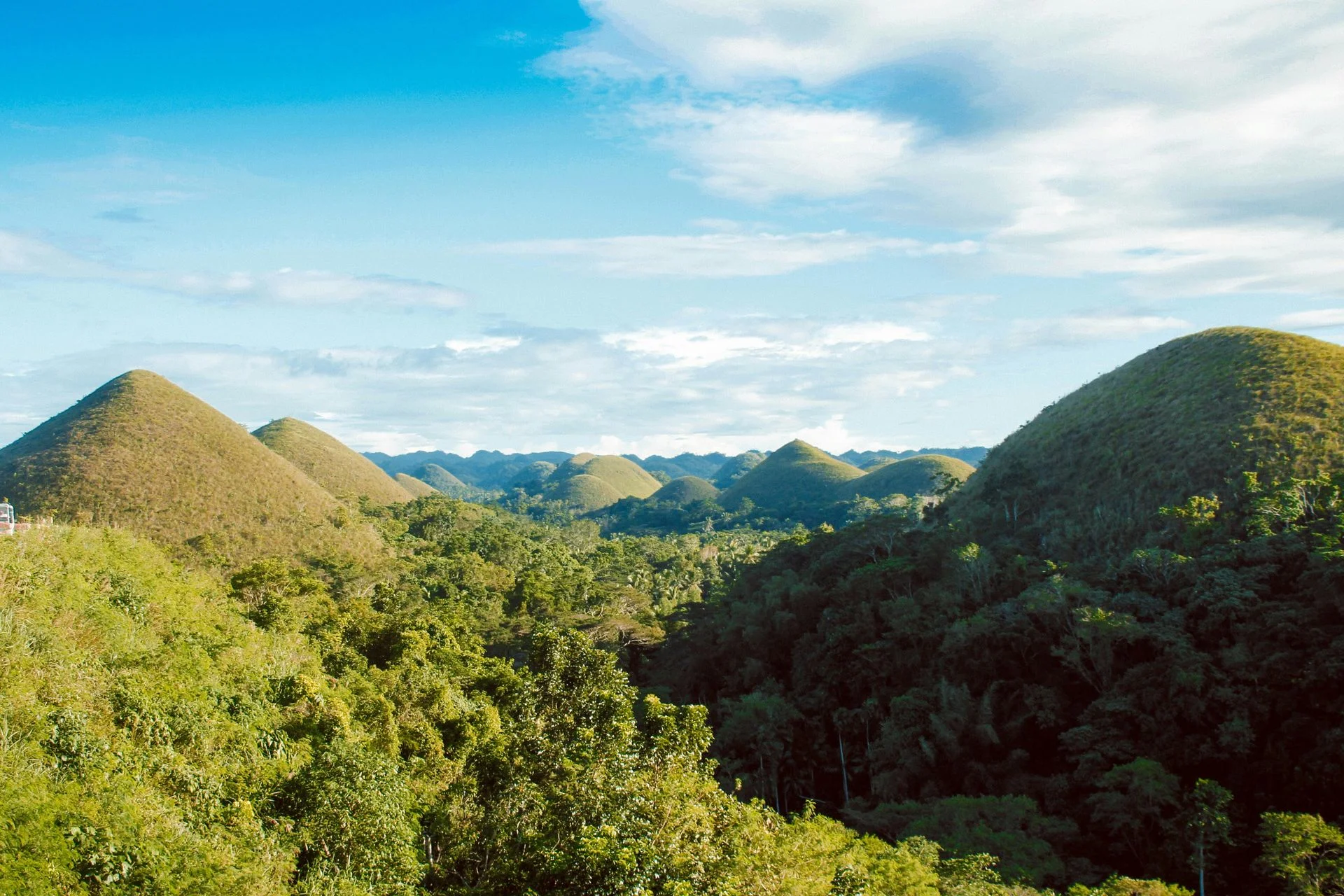
Visit the famous Chocolate Hills, see tarsiers, explore waterfalls and caves in Anda, or relax on white‑sand beaches. Many dive trips can be combined with countryside tours.