
Scuba Diving in Bonaire
The Ultimate Guide
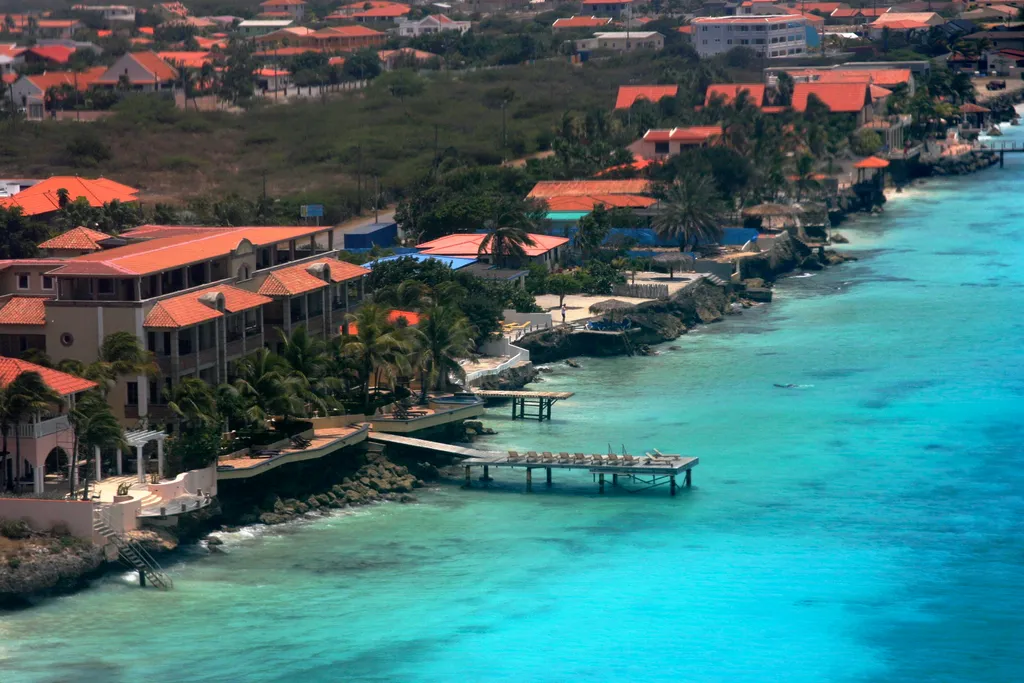
Bonaire is the Caribbean's shore-diving capital: pick up tanks at your shop, load the pickup, follow yellow-painted roadside markers to the entry, and you're on the reef in minutes. The entire leeward coast sits inside the Bonaire National Marine Park (BNMP), where decades of protection have left hard and soft corals in genuinely healthy shape—visibility often 20–40 m and water a comfortable 26–29 °C year-round.
Most divers rent a truck, buy an unlimited shore-tank package, complete a mandatory orientation dive, then buddy-dive independently for the rest of the trip. Signature sites span easy west-coast reefs (Bari Reef, Angel City), iconic entries like 1000 Steps and Oil Slick Leap, the Hilma Hooker wreck, and short boat hops to Klein Bonaire. Macro hunters get frogfish and nudibranchs; wide-angle shooters chase schooling fish, turtles, eagle rays, and reef sharks. It's not a liveaboard rhythm—it's early-morning doubles, long surface intervals, and sunset or night dives when pier access allows.
Difficulty
Easy
Temperature
26–29°C
Visibility
20–40 m
Diving Highlights
Best Months to Dive
Getting to Bonaire for Diving
✈️Transportation
Fly into Flamingo International Airport (BON / TNCB)—the only airport on the island, roughly 10 minutes south of Kralendijk. Direct routes include Amsterdam (KLM/TUI, ~9 hours), US hubs, and Toronto; many travelers connect via Aruba or Curaçao.
There is no public bus network. Shore divers almost always rent a pickup truck ($35–80/day); 4WD helps on rough northern access roads. Taxis to Kralendijk run $15–20; some resorts and dive shops offer airport transfers.
Budget separately for the tourist entry tax (check the latest official amount before travel), the STINAPA Nature Fee ($40/year for divers and snorkelers in BNMP—carry your tag and photo ID), and your shop's orientation/check dive before independent shore diving is allowed. USD is the official currency; keep cash for tips, water taxis, and park-related fees.
Country
Caribbean Netherlands
Currency
US Dollar
Electricity
127V/220V, 50Hz, Type A/B/F plugs (varies by building)
Cost of a Dive Trip in Bonaire
Day Trip
Dive Resort
Night Dive
Meal
Accommodation
Best Dive Sites in Bonaire
🐠1000 Steps
Iconic northwest shore entry via limestone steps into a sheltered bay—one of Bonaire's most photographed sites. The reef slopes gently from shallow coral gardens to deeper structure around 18–25 m. Turtles and healthy reef fish are common; navigation is straightforward. The dive itself is easy; the stair climb out with gear is the real workout.
🐢Hilma Hooker
Famous 72 m cargo wreck lying on its side at 18–30 m—a Caribbean signature dive. The hull is draped in sponges and soft corals; schooling fish and barracuda patrol the structure. Depth, occasional current, and overhead proximity make this better for experienced divers with solid buoyancy control.
🦈Salt Pier
Industrial salt pier with dramatic pillar forests and dense fish life—one of the island's best wide-angle sets when open. Turtles, schooling fish, and soft corals colonize the pilings from shallow to ~20 m. Access depends entirely on shipping operations; check with your shop daily before driving out.
🐙Karpata
Northern wall-style shore dive with steeper drop-offs and a pronounced blue-water feel. Eagle rays and other pelagics appear in good conditions along the wall. Current can run stronger than west-coast sites—plan your entry, exit, and gas accordingly. Best for divers comfortable managing mild to moderate flow.
🐚Oil Slick Leap
Classic giant-stride or ladder entry on the northwest coast—part of the fun is the splash-in itself. Clear water and healthy reef structure support schooling barracuda and macro finds like nudibranchs. Broad depth range (10–30 m) lets you tailor the profile for a long reef dive or a deeper pass along the slope.
🦑Alice in Wonderland
Scenic double-reef layout separated by sand channels—two distinct coral ridges with photogenic structure. The first reef sits shallow and beginner-friendly; deeper sections along the second ridge reward advanced profiles. Strong fish diversity throughout; a solid all-level site depending on how deep you push.
🐡Town Pier
Urban pier dive dense with life around the pilings—macro and night-dive favorite. Critters shelter in the shade under the structure; ambient light at dusk creates dramatic scenes. Operational restrictions apply; dive only when local operators confirm access. Typically 8–20 m.
🦀Bari Reef
Easy-access west-coast reef with one of the highest recorded fish diversities on the island. Calm profile, simple navigation, and yellow-stone marking make it ideal for check dives, training, or relaxed tank-burning. Also excellent for dusk and night sessions when conditions allow.
🐋Angel City
Parallel reef system that lets you plan controlled multi-depth profiles along twin ridges. Typically mild conditions and reliable visibility on the leeward side. Popular for courses, skills refinement, and long bottom-time dives in the 10–25 m range.
🦐Red Slave
Southern site near historic salt-hut landmarks with vivid soft-coral color and ray encounters when luck aligns. Current can build quickly along the slope—treat it as an experienced-diver site with conservative planning. Depths commonly 15–30 m.
🐠Klein Bonaire
Offshore islet reached by short boat rides from Kralendijk—10–20 minutes depending on the operator. Often delivers pristine coral condition and excellent visibility with less shore-traffic pressure than main-island hotspots. Turtles, healthy reefs, and calm leeward sites make this a standard two-tank boat day.
🐢Something Special
Gentle sandy entry and straightforward navigation close to town—one of the best low-stress starts on the island. Comfortable for first-day check dives, buoyancy tuning, and night dives. Reliable calm profile in the 8–18 m range; easy surface swim if you overshoot the exit markers.
What Divers Say About Diving in Bonaire
Sarah Chen
Scuba InstructorBonaire feels built for self-paced divers: truck, tanks, yellow-stone entries, repeat. I loved the logistics more than I expected—grab two tanks after breakfast, hit Bari Reef or Angel City for easy navigation, surface for coffee, then drive north for a steeper wall at Karpata when conditions looked right.
The island rewards discipline. Salt Pier and Town Pier only work when shipping schedules allow; Hilma Hooker wants respect for depth and current; 1000 Steps is easy underwater but the stair climb out will humble your calves. Plan currents conservatively, check pier access daily, and you get world-class reef diving without waiting on a boat schedule.
Best rhythm: early shore doubles, long surface interval, then a sunset or night session at Town Pier or Something Special when the shop confirms access. Klein Bonaire by boat is the palate cleanser—less traffic, pristine coral, turtles gliding past like they own the place.
Frequently Asked Questions About Diving in Bonaire
Do I need a guide for every dive on Bonaire?
Usually no. After your orientation/check dive, most shops allow certified buddy pairs to shore-dive independently on unlimited tank plans. Guided dives are available if you want local site knowledge or haven't shore-dived before.
Is a pickup truck necessary?
For a classic shore-diving trip, yes—it is the most practical way to move tanks and gear between marked sites along the coast. Some divers stay near one cluster of sites and use taxis, but that gets limiting fast.
What fees should divers budget beyond accommodation?
Plan for the STINAPA nature fee ($40/year), your shop's orientation dive, any separate tourist entry tax, and cash for tips. Night dives and boat trips to Klein Bonaire are additional.
Is Bonaire suitable for beginners?
Yes on many west-coast sites—Bari Reef, Angel City, and Something Special are calm and well-marked. Hilma Hooker, Karpata, and Red Slave involve more depth or current and suit experienced divers better.
When is visibility best?
Dry-season months (December–March) often deliver 30 m+ clarity, though it's busier and pricier. April–November trades a little peak vis for calmer trade winds and fewer crowds; May and October are strong shoulder months.
Can I dive Salt Pier and Town Pier anytime?
No. Both are working or urban piers with operational restrictions. Always confirm access with your dive shop the same day—conditions and port activity change.