
Scuba Diving in Cayman Islands
The Ultimate Guide
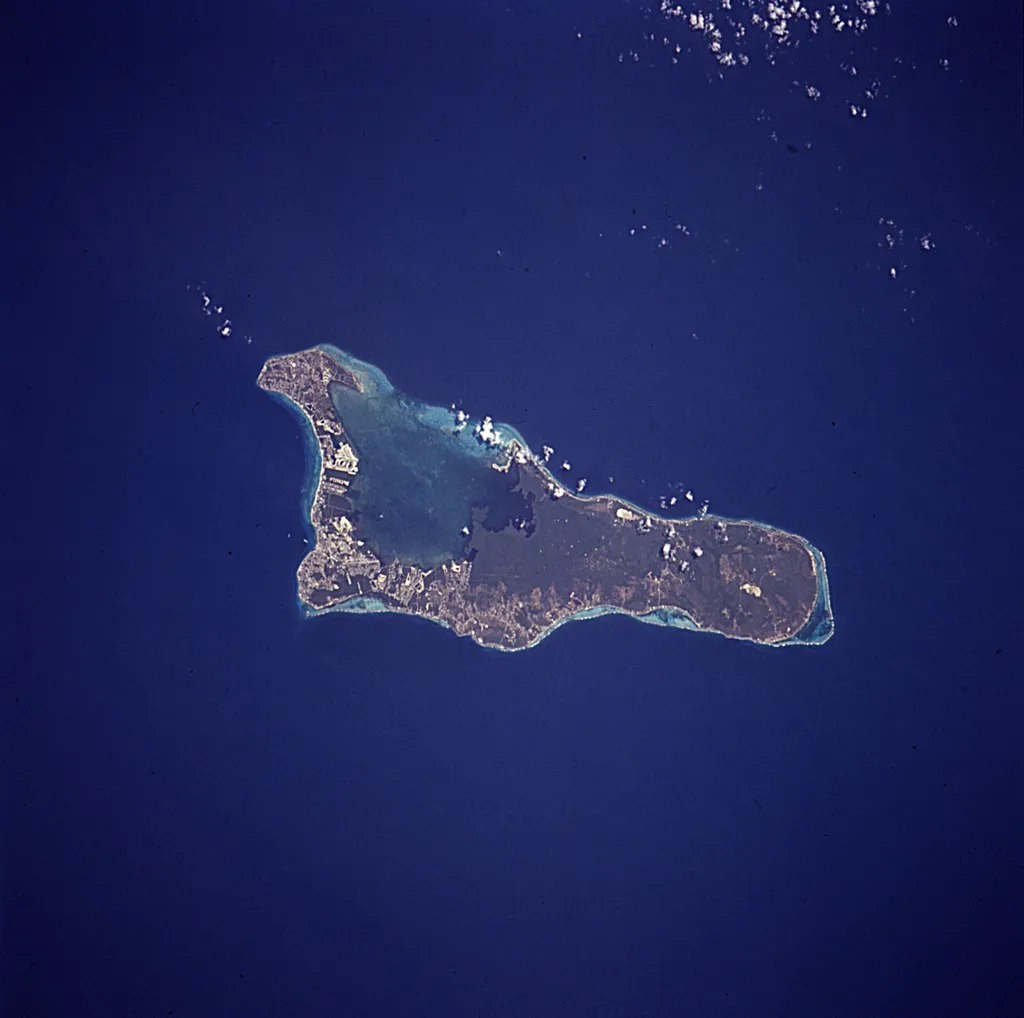
Cayman is the Caribbean dive trip people book when they want reliable walls, easy logistics, and genuinely clear water. You can base on Grand Cayman for convenience (short transfers, many operators, Kittiwake and Stingray City in the same week), or hop to Little Cayman when your goal is pure wall diving at Bloody Bay Marine Park.
What makes Cayman different
The reef edge comes shallow, then drops into blue quickly, so even moderate profiles feel dramatic without forcing technical depth. Most boat dives are straightforward, current is usually manageable, and visibility often sits in that 20-30 m range that makes wide-angle shots easy. It is one of the easiest places in the Caribbean to stack quality dives day after day.
Three-island personality
Grand Cayman is the service hub with the most boats and non-diving options. Little Cayman is slower and diver-centric, with Bloody Bay Wall and Jackson Wall doing the heavy lifting. Cayman Brac adds wreck flavor (including the Captain Keith Tibbetts) if you want to mix walls and steel in one trip.
Difficulty
Moderate
Temperature
26-30°C
Visibility
18-30 m
Diving Highlights
Best Months to Dive
Getting to Cayman Islands for Diving
✈️Transportation
Fly into Owen Roberts International Airport (GCM) on Grand Cayman, which is the international gateway for most divers. If you are continuing to Little Cayman or Cayman Brac, connect onward with Cayman Airways Express. There is no regular inter-island ferry service, so flights are the practical option.
Typical dive-transfer flow
- Arrive GCM and clear immigration/customs
- Re-check for domestic sector to Little Cayman (LYB) or Cayman Brac (CYB)
- Leave at least 60 minutes for the domestic connection
- Keep baggage within small-aircraft allowances (commonly around 55 lb checked + one light carry-on)
Most dive resorts on the Sister Islands include airport pickups in package rates, but confirm this in writing before you fly. Carry some cash for taxis, airport snacks, and tips. Card acceptance is common, but not universal in smaller operations.
Country
Cayman Islands
Currency
Cayman Islands Dollar
Electricity
120V, 60Hz, Type A/B plugs
Cost of a Dive Trip in Cayman Islands
Day Trip
Dive Resort
Meal
Accommodation
Liveaboard
Best Dive Sites in Cayman Islands
🐠Bloody Bay Wall (Little Cayman)
Signature Cayman wall dive with a shallow reef edge that drops into deep blue. Expect giant tube sponges, sea fans, turtles, Nassau grouper, and classic wide-angle scenes. Conditions are often calm, but profile discipline matters because the wall can tempt you deeper than planned.
🐢Jackson Wall (Little Cayman)
Another premier north-side wall with clean coral structure, swim-through features, and strong photo potential. Great as a paired dive after Bloody Bay when wind allows access to the same side of the island.
🦈USS Kittiwake (Grand Cayman)
Purpose-sunk wreck in recreational depth, widely considered one of the easiest Caribbean wrecks to enjoy safely. You can run a relaxed exterior circuit or simple penetration with proper training and guide briefing.
🐙Stingray City (Grand Cayman)
Shallow sandbar interaction site where southern stingrays gather. Not a technical dive, but excellent for relaxed bottom time, photos, and mixed diver/non-diver family groups.
🐚Eden Rock & Devil's Grotto (Grand Cayman)
Popular shore-access maze of coral canyons and swim-throughs near George Town. Ideal for check dives, self-paced photography, and divers who want flexible timing without boat schedules.
🦑Babylon (Little Cayman)
Known for dramatic coral pinnacles and sculptural sponge growth on the wall route. Excellent visual density for photographers, especially in clear winter-season water.
🐡Capt. Keith Tibbetts Wreck (Cayman Brac)
Russian frigate wreck and centerpiece of Cayman Brac diving. Usually paired with reef or wall dives nearby, making it a good option for divers who want variety beyond pure wall profiles.
What Divers Say About Diving in Cayman Islands
Sarah Chen
Scuba InstructorCayman worked exactly how a long dive week should work: minimal friction, consistently good diving, and no heroic planning required. On Grand Cayman, the Kittiwake is still one of the most user-friendly wrecks in the region, and it pairs well with wall dives where the reef lip starts shallow and the blue just opens below you.
My best days were in Little Cayman. Bloody Bay Wall has that classic "float over the edge" moment, but what stays with me is the texture: huge sponges, clean hard-coral sections, and enough ambient light that even conservative profiles look dramatic in photos. Surface intervals are calm, short, and efficient, so you spend energy diving rather than commuting.
If you are choosing between another flashy destination and Cayman, pick Cayman when you value reliability over novelty. It is not the cheapest Caribbean trip, but the hit rate on good dives is very high.
Frequently Asked Questions About Diving in Cayman Islands
Is Cayman Islands diving suitable for newer divers?
Yes. Many Grand Cayman and Cayman Brac sites are beginner-friendly in calm conditions, while some wall profiles and current-exposed entries are better for divers with solid buoyancy and boat-dive experience.
Do I need to stay on Little Cayman to dive Bloody Bay Wall properly?
If Bloody Bay Wall is your main goal, staying on Little Cayman gives you the best consistency and shortest run times. Day access from other islands is possible only in specific weather and operator schedules.
What is the best season for underwater visibility?
Visibility is usually strongest from roughly December through May, when seas are calmer and weather is more predictable.
Is Cayman expensive compared with other Caribbean dive trips?
Generally yes. Boats, accommodation, and food trend above many neighboring islands, but operations are usually efficient and standards are high.
How should I split time across the three islands?
A practical first itinerary is 4-5 dive days on Grand Cayman plus 3-4 days on Little Cayman. Add Cayman Brac if you specifically want to include the Tibbetts wreck and east-end wall sites.