Scuba Diving in Chuuk (Truk Lagoon)
The Ultimate Guide
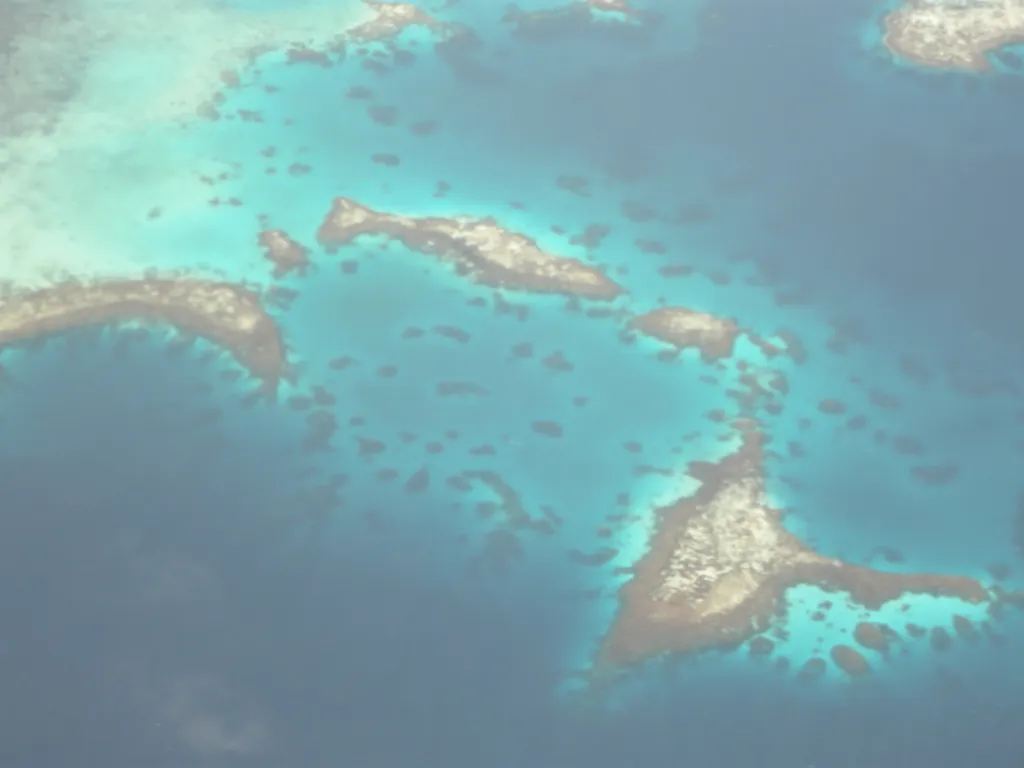
Chuuk Lagoon—divers still call it Truk—is the wreck capital of the Pacific. On 17–18 February 1944, Operation Hailstone sent US carrier aircraft over the lagoon and sank roughly sixty Japanese ships and aircraft in a single strike. Today the sheltered atoll holds one of the densest collections of WWII wrecks anywhere, most between 15 and 60 m, coral-encrusted and alive with schooling fish.
You do not come here for wide-angle reefscapes. You come to swim cargo holds, engine rooms and wheelhouses where tanks, aircraft parts and sake bottles still sit where they landed eighty years ago. Macro life thrives on the superstructure—nudibranchs, crinoids and crustaceans on every railing—while eagle rays and jacks patrol the open water between wrecks. Advanced certification is the baseline; many of the signature dives involve penetration, depth and overhead environments.
Land-based resorts on Weno and liveaboards both work. The lagoon is protected year-round, so rain rarely cancels diving—but dry-season months bring calmer seas, better viz and the full fleet of boats on the water.
Difficulty
Advanced
Temperature
27–30°C
Visibility
12–30 m
Diving Highlights
Best Months to Dive
Getting to Chuuk (Truk Lagoon) for Diving
✈️Transportation
Fly into Chuuk International Airport (TKK) on Weno Island. The most common routing is United Airlines via Guam—roughly 1.5–2 hours from GUM to TKK. There are no direct long-haul flights from most home countries; build in buffer days for missed connections and weather delays.
Resorts and liveaboard operators arrange airport transfers by van or boat. Once checked in, diving is almost entirely boat-based inside the lagoon; sites are minutes to an hour from moorings.
Money and permits
Chuuk uses the US dollar. ATMs on Weno are limited—bring cash. Dive operators collect a lagoon dive permit (typically USD 30–50 for the trip) plus a 5% local tax. An exit tax may apply at departure; confirm amounts with your operator before you fly.
Country
Federated States of Micronesia
Currency
US Dollar
Electricity
120V, 60Hz, Type A/B plugs
Cost of a Dive Trip in Chuuk (Truk Lagoon)
Day Trip
Dive Resort
Liveaboard
Meal
Accommodation
Best Dive Sites in Chuuk (Truk Lagoon)
🐠Fujikawa Maru
The poster wreck of Truk Lagoon—an aircraft ferry sitting upright in ~34 m. The bow gun is intact and photogenic; cargo holds still contain aircraft parts, engines and ammunition boxes. Soft corals and sponges coat the superstructure, and schooling fish swirl around the mast. Penetration into holds and passageways is popular on guided dives; depth and overhead environment require Advanced certification and wreck experience.
🐢Shinkoku Maru
A former tanker and one of the best penetration dives in the lagoon, resting at ~38 m. Swim-throughs lead to the engine room, galley and crew quarters—torch essential, silt a constant concern. The hull is remarkably intact, encrusted with hard and soft corals; lionfish, batfish and jacks haunt the doorways. Often dived twice on a week-long trip; a classic night-dive site on liveaboard itineraries.
🦈Heian Maru
At ~163 m, the largest wreck in the lagoon—a submarine tender lying on its port side in ~35 m. Long hull sections offer multiple dive profiles; periscopes and submarine parts litter the holds. Coral growth is heavy along the railings; macro critters include nudibranchs and shrimp. Depth and length make this a multi-visit site for photographers who want both wide-angle hull shots and superstructure macro.
🐙Nippo Maru
A medium-sized cargo vessel in ~45 m with a field gun mounted on deck—one of Chuuk's most photographed artifacts. Holds contain sake bottles, ammunition and machinery; the bridge area offers atmospheric swim-throughs. Schools of fish congregate around the mast and kingposts. Strong Advanced skills recommended; depth and penetration options make this a highlight of any wreck week.
🐚Hoki Maru
A passenger-cargo ship in ~52 m famous for the trucks and bulldozer still chained in the forward hold. The depth puts this at the deeper end of recreational wreck diving; Nitrox is standard. Coral-encrusted deck gear and winches provide wide-angle subjects; holds are dark and silty—penetration only with an experienced guide. Eagle rays occasionally pass in the blue off the stern.
🦑Rio de Janeiro Maru
A former passenger liner resting in ~35 m, upright and accessible. Machinery, cargo and personal artifacts remain in the holds; the propeller and rudder area attract schooling fish. Penetration routes through cargo spaces are well established on guided dives. A good mid-depth wreck that pairs coral growth with historical atmosphere—popular for photographers and second-week repeat visitors.
🐡Kensho Maru
A cargo ship in ~40 m with a prominent engine room and boiler space—favorite for divers who want machinery intact. The superstructure hosts healthy coral and macro life; batfish and jacks circle the wreck. Penetration into the engine room is a guided highlight; silt and tight passages demand good buoyancy. Often grouped with nearby wrecks on a two-tank morning.
🦀Sankisan Maru
One of the shallower freighters in the lagoon (~25 m), making it accessible for divers building wreck confidence. The bow and midships are coral-covered; cargo holds are open and relatively bright. Schooling fish and reef sharks sometimes patrol the perimeter. A useful warm-up wreck before deeper sites like Nippo or Hoki; still respect depth and operator briefing.
🐋Betty Bomber
A Mitsubishi G4M "Betty" bomber lying in ~15 m on the lagoon floor—shallow, intact and perfect for a long dive or dusk/night slot. Both wings and the fuselage are recognizable; coral and sponges colonize the airframe. Macro hunters work the surrounding rubble; wide-angle shooters frame the aircraft against blue water. Minimal current; suitable as a relaxed dive between deep wreck days.
🦐San Francisco Maru
The deep jewel of Chuuk—a cargo ship sitting upright in ~60 m on the lagoon floor. Deck cargo includes trucks, tanks, mines and stacks of sake bottles; the depth puts this firmly in advanced territory, often with Nitrox or technical planning. Viz on the deck can be excellent; penetration is for highly experienced teams only. Many divers content themselves with a controlled descent along the superstructure and ascent after a short bottom time.
🐠Yamagiri Maru
A cargo vessel in ~33 m with a broken stern and collapsed midships—structurally dramatic and photogenic. Coral heads on the deck shelter nudibranchs and crustaceans; holds are partially open for cautious swim-throughs. Schooling fish often mass along the wreck's length. A solid mid-depth option when wind or schedules rule out the deepest sites.
🐢I-169 Submarine
A Japanese Type C submarine scuttled in ~43 m after flooding during the 1944 attack. The hull lies on its side; the conning tower and torpedo tubes are identifiable. Coral and sponge growth is heavy; macro life thrives on the casing. Depth and the submarine's narrow profile make this a specialty dive—less penetration than the merchant ships, but uniquely atmospheric. Current can run on the wreck; check conditions with the guide.
What Divers Say About Diving in Chuuk (Truk Lagoon)
Earl Philip
Technical DiverI booked Chuuk for the wrecks and left thinking liveaboard was the only way I'd do it again. Waking on deck inside the lagoon, coffee in hand, then dropping onto Fujikawa Maru before breakfast—that rhythm beats shuttling from a land resort every morning.
Fujikawa delivered exactly what the photos promise: a bow gun pointing into the blue, aircraft parts stacked in the holds, soft corals dripping off the superstructure. Shinkoku Maru was the penetration highlight—engine room, galley, passageways lit by my torch and schools of fish in every doorway. Nippo Maru’s deck gun and the trucks in Hoki Maru’s hold are the kind of images you replay on the flight home.
Viz ran 15–20 m most days; inside the wrecks it’s torch work and silt discipline. I was glad for Nitrox and an Advanced cert—this is not a place to learn wreck diving. Evenings on the liveaboard meant briefing the next day’s lineup: Betty Bomber at dusk, San Francisco Maru if the group had the depth, another pass at Shinkoku because someone always wants a second swim-through. Chuuk is history you can touch; just bring the right training and respect the overhead.
Frequently Asked Questions About Diving in Chuuk (Truk Lagoon)
Do I need technical diving certification for Chuuk?
No—for most recreational itineraries. The famous lagoon wrecks are overwhelmingly dived on air or Nitrox within recreational limits (typically 18–40 m). Technical certs become relevant if you want extended penetrations, decompression dives on deep wrecks like San Francisco Maru, or mixed-gas planning. Advanced Open Water plus a wreck specialty (or equivalent experience) is what operators expect before allowing hold swim-throughs.
Liveaboard or land-based resort—which is better?
Liveaboards maximize dives per day and put you on morning-first slots at busy wrecks without a daily commute from Weno. Land resorts suit divers who want fewer tanks per day, more flexibility on shore, or a lower daily rate. Both access the same lagoon sites; choose based on how many dives you want and your tolerance for boat schedules.
Is wreck penetration allowed and safe?
Penetration is common on guided dives at sites like Shinkoku Maru, Fujikawa Maru and Rio de Janeiro Maru—but only with an operator who knows the current layout, line protocols and silt conditions. Overhead environments, rust, disorientation and silting are real risks. Never penetrate alone; carry a primary and backup torch, follow the guide's line, and stay within your training.
What visibility should I expect?
Outside the wrecks, 12–30 m is typical, best during the December–April dry season. Inside cargo holds and engine rooms, visibility is torch-limited and can drop to near zero if fin kicks disturb silt. Plan photography accordingly—wide-angle on the deck, macro on the superstructure.
What permits and fees apply?
Operators collect a Chuuk lagoon dive permit (commonly USD 30–50 per trip) plus a 5% tax on services. Budget USD cash; ATMs are scarce. Ask about exit tax at the airport when you book—amounts change and are easier to handle with advance notice.
Is Chuuk suitable for Open Water divers?
Open Water alone is usually insufficient for the signature wreck roster. Most highlight dives sit at 25–45 m and operators require Advanced certification, wreck experience and proof of recent deep dives. Shallow options exist—Betty Bomber, parts of Sankisan Maru—but a Chuuk week built around those alone would miss the point.
How do I get to Chuuk and what can go wrong?
Fly TKK via Guam on United; connection times matter. Weather and airline delays are common enough that you should not book tight international connections on your return. Pack all critical dive gear in carry-on—lost luggage on a remote island is a trip killer.
Is night diving available?
Yes, on liveaboards and some land operators. Night dives on wrecks like Shinkoku Maru or shallow aircraft sites are atmospheric—crinoids and hunting fish emerge, and torch discipline matters even more. Not every site is offered at night; check your boat's schedule.