
Scuba Diving in Fakarava
The Ultimate Guide
Fakarava is a UNESCO Biosphere Reserve in the Tuamotu Archipelago — a low coral atoll with two legendary passes that funnel Pacific water and pelagic life through its lagoon. This is advanced drift-diving territory: Garuae Pass in the north is the widest channel in French Polynesia, where incoming tides can stack grey reef sharks, Napoleon wrasse, and occasional great hammerheads along the drop-off. Tumakohua Pass in the south is the famous "shark wall" — during June–July grouper spawning around the full moon, hundreds of grey reef sharks hang in the blue like a living curtain.
Visibility routinely clears 30–50 m in the dry season, and the outer walls still carry healthy hard-coral cover that feels untouched compared to busier Indo-Pacific hubs. Beyond the passes you get canyon dives (Alibaba), manta cleaning stations on Ohotu-side walls, lagoon blues at Tetamanu, and humpback whales overhead in August–October. Most divers base in Rotoava for Garuae access or split the trip with a few nights at Tetamanu village for South Pass — plan around tides, not just calendars.
Difficulty
Advanced
Temperature
26–29°C
Visibility
30–50 m
Diving Highlights
Best Months to Dive
Getting to Fakarava for Diving
✈️Transportation
International → Tahiti
Fly into Faa'a International Airport (PPT) on Tahiti — the main gateway for French Polynesia with connections from Los Angeles, Auckland, Tokyo, and Paris.
Tahiti → Fakarava
Air Tahiti and Air Moana operate daily flights to Fakarava Airport (FAV) on the north rim of the atoll. Flight time is roughly 1 hour 10 minutes. There is no airport shuttle; pensions and dive operators arrange pickup — confirm transfer when you book.
On the atoll
Rotoava (north) is the main hub: pensions, one ATM, small shops, and the Garuae Pass boat ramp (~20 minutes to the north pass). Tetamanu (south) sits near Tumakohua Pass — access is a 1–2 hour boat from Rotoava or a multi-day stay at a south-end pension. Many divers split: north base for Garuae drifts, then relocate south for the shark wall.
Liveaboards
Tuamotu catamarans typically embark from Rotoava and cover both passes without daily long transfers.
Practical tips
Bring XPF cash — card acceptance is limited and Rotoava has essentially one ATM. Stock up in Papeete if your pension doesn't take cards. Pack reef-safe sunscreen and motion-sickness meds for pass crossings in chop.
Country
French Polynesia
Currency
CFP Franc (XPF)
Electricity
110V/220V, 60Hz, Type C/E plugs (French standard; voltage varies by pension)
Cost of a Dive Trip in Fakarava
Day Trip
Dive Resort
Liveaboard
Meal
Accommodation
Best Dive Sites in Fakarava
🐠Garuae Pass
The north pass — widest channel in French Polynesia and Fakarava's headline drift. Incoming tides push clear ocean water through a cut with sharks (grey reef, whitetip, occasional silvertip), Napoleon wrasse, barracuda, and jacks along the drop-off at 20–35 m. Great hammerheads appear more often January–March along the outer wall; treat them as a bonus, not a guarantee. Strong, predictable flow — advanced certification, solid buoyancy, and reef-hook discipline required. Dive timing follows tide tables strictly.
🐢Alibaba (Ali Baba Canyon)
A canyon-style dive on the Garuae side where reef walls pinch into gorges and tunnels of blue. Typically done as part of a north-pass day — enter early in the flow and ride past schooling unicornfish, snappers, and grey reef sharks patrolling the cuts. Depths 18–35 m; currents moderate to strong depending on tide phase. Excellent wide-angle geometry; less chaotic than the main pass channel but still advanced.
🦈Tumakohua Pass (South Pass)
The legendary South Pass and home of the "shark wall." Grey reef sharks aggregate in extraordinary numbers — especially June–July around marbled grouper spawning and full-moon phases — hanging motionless in the current by the hundreds. Drift the cut at 15–30 m with guides who know entry points and exit pickups. Whitetips, Napoleon wrasse, and dense fish biomass year-round. Advanced only; respect shark etiquette (no chasing, controlled ascents).
🐙Ohotu Reef
Outer-wall diving on the Ohotu side of the atoll — cleaner stations and gentler drifts than the passes. Mantas frequent cleaning stations August–October; turtles, eagle rays, and schooling fusiliers on the plateau. Depths 12–28 m with moderate current. A good contrast tank after high-energy pass dives and strong for wide-angle manta shots when conditions align.
🐚Maiuru
Fringing reef and drop-off between lagoon and ocean — coral gardens, anthias clouds, and reef sharks on the outer edge. Milder than the passes; useful for checkout dives or when tide windows close Garuae. Typical depths 10–25 m. Macro potential in coral heads (shrimp, small wrasse) alongside schooling fish on the slope.
🦑Pufana Reef
Outer reef patch with healthy hard-coral cover and clear water on calm days. Grey reef and whitetip sharks cruise the edge; jacks and barracuda in the blue. Depths 15–30 m, light to moderate current. Less famous than the passes but solid reef health and good visibility — often bundled into multi-dive days from Rotoava.
🐡Fakarava Blue Lagoon
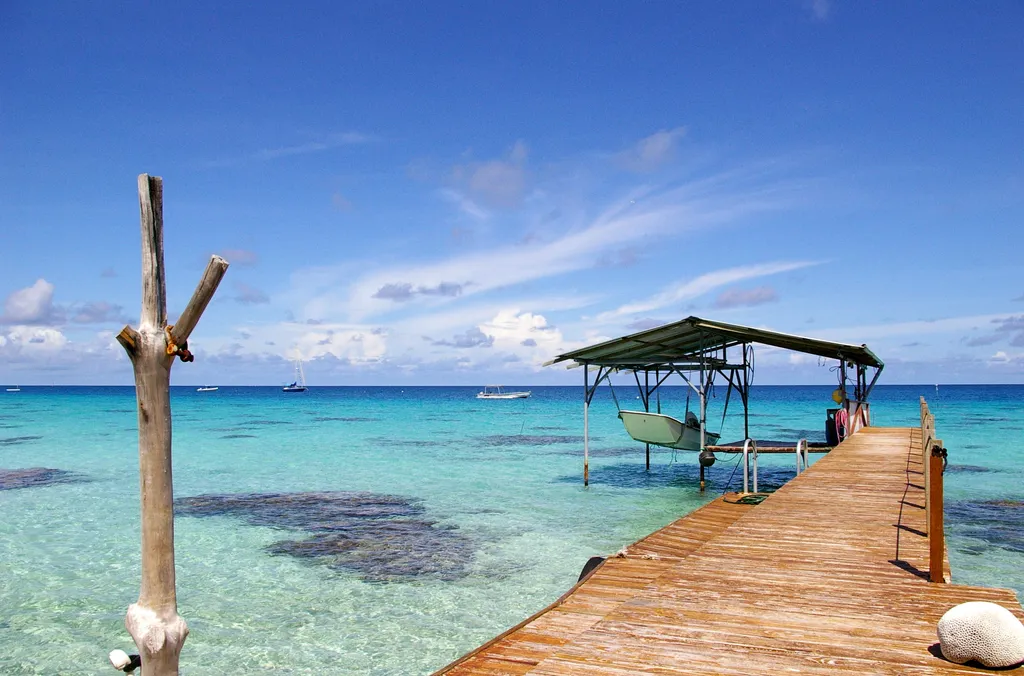
Shallow lagoon waters on the atoll's interior — turquoise flats, patch reefs, and relaxed fish life. Depths mostly 5–15 m, minimal current. Suitable for snorkelers, refresh dives, and photographers who want calm conditions after pass drifts. Not the main draw, but a genuine mental reset between adrenaline tanks.
🦀Tetamanu Village Reef
Reef fronting historic Tetamanu village near the south pass — convenient shore or short-boat dives when based south. Healthy corals, reef fish, and regular shark sightings without committing to a full Tumakohua drift. Depths 8–22 m. Ideal for afternoon dives between tide-dependent pass slots or for divers staying south who want reef time without the 1–2 hour run from Rotoava.
What Divers Say About Diving in Fakarava

Alex Thompson
Marine Biologis / DivemasterFakarava sold me on the passes and humbled me on the currents. Garuae on an incoming tide felt like flying — grey reef sharks stacked along the cut, Napoleon wrasse the size of suitcases, and on our third dive a great hammerhead ghosted through at 35 m before the group even finished equalizing. Alibaba's canyon walls funnel you past schools of jacks and unicornfish; the guide had us drop early and ride the blue rather than fight mid-water.
We relocated to Tetamanu for the grouper-spawn week and the South Pass lived up to the photos: a literal wall of grey reefs hanging in the current, close enough to read their pupil dilation. Ohotu delivered a manta loop on a cleaning station — less chaotic than the pass dives, good recovery tank. Logistics are French-island slow in the best way: baguettes at the pension, sunset over the lagoon, no traffic. Bring cash, trust your operator's tide tables, and don't schedule a flight the morning after a late shark-wall dive. This is not a check-the-box reef — it's a currents-and-commitment destination that pays back in blue-water scale.
Frequently Asked Questions About Diving in Fakarava
When is the best time to dive Fakarava?
April–November dry season offers the calmest seas and clearest pass water — plan Garuae drifts then. June–July full-moon windows around marbled grouper spawning bring peak grey reef shark numbers in Tumakohua Pass. January–March improves hammerhead odds at Garuae; August–October adds humpback whales and strong manta activity on outer walls.
Do I need Advanced Open Water for Fakarava?
Yes for the signature pass dives. Garuae and Tumakohua involve sustained drifts, 25–40 m profiles, and currents that punish poor buoyancy. Operators expect comfort in blue water, reef hooks where permitted, and following guide protocols in shark aggregations.
Should I stay in Rotoava or Tetamanu?
Rotoava minimizes boat time to Garuae (~20 min) and has the ATM and most pensions. Tetamanu puts you on Tumakohua's doorstep for the shark wall but is 1–2 hours by boat from the north. Many divers split the trip or book a liveaboard to cover both passes without daily transfers.
How do I get to Fakarava from abroad?
Fly to Papeete (PPT), then Air Tahiti or Air Moana to Fakarava (FAV) — about 1h10. Arrange pension pickup in advance; there is no airport shuttle.
What is the difference between Garuae Pass and Tumakohua Pass?
Garuae (North Pass) is the widest channel — classic high-energy drift with sharks, big pelagics, and better hammerhead chances in cooler months. Tumakohua (South Pass) is famous for dense grey reef shark aggregations, especially during June–July grouper spawning. Both are tide-dependent; your operator schedules around slack and flow direction.
Can beginners dive Fakarava?
Lagoon sites like Blue Lagoon and sheltered village reefs can work for newer divers, but the reason most people come — the two passes — is not beginner terrain. Build experience on drifts elsewhere before committing to Garuae or Tumakohua.
Do I need cash on Fakarava?
Yes. XPF is essential — Rotoava has limited card acceptance and essentially one ATM. Withdraw in Papeete or carry enough for dives, meals, and tips.
Liveaboard or land-based pension?
Pensions (~USD 320/day half-board with guided dives) suit focused pass trips from Rotoava or Tetamanu. Tuamotu catamaran liveaboards (~USD 450/day full board) cover north and south passes without long daily boat rides and work well for photographers chasing tides at both ends of the atoll.