
Scuba Diving in Mabul
The Ultimate Guide
Mabul is where you come to slow down and stare at sand. The island sits in the Semporna archipelago off eastern Sabah — a flat, palm-fringed speck ringed by shallow rubble slopes, artificial reef structures, and the occasional tyre stack that macro photographers lose their minds over. Visibility rarely tops 15 m and nobody cares: frogfish the size of your thumb, flamboyant cuttlefish pulsing purple and yellow, blue-ring octopus tucked in rubble, ornate ghost pipefish, ribbon eels, pygmy seahorses in sea fans, and nudibranchs on every spare surface. This is muck diving with resort convenience — walk from your bungalow to the boat, three dives before lunch, rinse and repeat.
The signature sites circle the island and nearby Seaventures rig: Froggy Lair and Crocodile Avenue for classic critter hunts, Lobster Wall and Eel Garden when you want a bit of structure, Paradise 1 & 2 for mixed reef-and-rubble variety. Night dives here are excellent — mandarinfish mating dances at dusk, bobtail squid and Spanish dancer nudibranchs after dark. Most resorts run house-reef dives and unlimited shore access between boat trips.
Sipadan's barracuda tornadoes and sheer walls are 45 minutes away by speedboat, and many packages include a day or two on permit — but that's the side dish. Base yourself on Mabul for a week of macro and you won't feel cheated if the permit lottery doesn't go your way. Bring a macro lens, a patient dive guide, and low expectations for viz; bring high expectations for critters.
Difficulty
Easy
Temperature
27–30°C
Visibility
5–15 m
Diving Highlights
Best Months to Dive
Getting to Mabul for Diving
✈️Transportation
Fly to Tawau International Airport (TWU) — connections via Kuala Lumpur (KUL), Kota Kinabalu (BKI), or Singapore.
Land transfer TWU → Semporna jetty: ~60–90 min by resort van, taxi (~RM45), or Grab.
Speedboat Semporna → Mabul: ~40–45 min. Resorts time transfers for arrivals before ~11:00 at TWU for same-day boat; miss that window and you'll overnight in Semporna or Tawau.
Return flights: book TWU departures ~15:00+ to allow morning boat off-island.
Cash: resorts quote USD packages but the island has limited ATMs — withdraw MYR in Tawau or Semporna.
Most divers book full-board resort packages including TWU–jetty–island transfers and three boat dives per day.
Country
Malaysia
Currency
Malaysian Ringgit
Electricity
240V, 50Hz, UK plug (Type G)
Cost of a Dive Trip in Mabul
Dive Resort
Day Trip
Night Dive
Meal
Accommodation
Best Dive Sites in Mabul
🐠Froggy Lair
Mabul's signature muck site — a gentle rubble slope dotted with tyres, coconut husks, and artificial reef modules. Painted and giant frogfish are the headline residents; guides know individual fish by territory. Also expect flamboyant cuttlefish, blue-ring octopus, ornate ghost pipefish, leaf scorpionfish, and nudibranchs on every pass.
Depth 8–18 m, current usually light. Perfect for photographers who want to settle on the bottom and work a subject. Open Water level; patience matters more than certification cards.
🐢Crocodile Avenue
A rubble-and-sand channel running between coral patches — named for the crocodilefish that lie camouflaged on the bottom. The site rewards slow, systematic searching: ribbon eels in burrows, mantis shrimp, seahorses, stonefish, and juvenile batfish among the debris.
Depth 10–20 m, mild current at times. Intermediate buoyancy helps when hovering over silty patches. One of the most reliable critter-density sites on the island.
🦈Paradise 1 & 2
Twin sites on the island's fringe combining coral bommies with sandy channels — a nice change from pure muck. Hard and soft corals attract reef fish, while the sand patches hold frogfish, cuttlefish, and gobies. Paradise 2 tends slightly deeper with more rubble.
Depth 5–20 m, easy conditions, good for a relaxed second dive or photographers wanting colour backdrops behind macro subjects. Suitable for all levels.
🐙Seaventures Dive Rig
A decommissioned oil rig converted into a diver's lodge — you descend the steel legs and cross-beams of a working artificial reef. Schooling barracuda and jacks circle the structure above; frogfish, lionfish, and macro critters colonize the metal below. Unique in the region and unlike any sand-slope dive.
Depth 5–25 m, mild to moderate current around the legs. Wreck-diving atmosphere without penetration overhead. Popular as a two-dive morning — rig plus nearby reef. Advanced Open Water recommended for comfort on the deeper structure.
🐚Lobster Wall
A short mini-wall draped in soft corals and sea fans at 12–22 m, with spiny lobsters hiding in crevices. The wall transitions to a sandy slope above where cuttlefish, ornate ghost pipefish, and leaf scorpionfish hunt. Garden eels and jawfish occupy the flat sand.
Light current, excellent for a structured dive between muck sessions. Macro and wide-angle on the same profile — shoot the wall, then work the sand.
🦑Eel Garden
A sandy slope famous for its colony of garden eels — hundreds of pencil-thin heads swaying from burrows, retreating as you approach. Divers kneel at the edge and wait for the eels to re-emerge. Rubble patches between sand hold ribbon eels, snake eels, and the usual frogfish suspects.
Depth 10–18 m, minimal current. Approach low and slow — fin kicks send the colony diving underground. Great wide-angle subject if you're patient; macro hunters work the rubble edges.
🐡Ribbon Valley
Named for the ribbon eels — juveniles black, adults blue/yellow — that emerge from rubble burrows along this sandy channel. The site is classic muck: low viz, high critter density. Flamboyant cuttlefish, nudibranchs, shrimp, and occasional blue-ring octopus share the slope.
Depth 8–16 m, gentle current. Stay with your guide — the eels are easy to miss if you don't know the burrow locations. One of the best ribbon-eel sites in the Semporna area.
🦀Ray Point
A sand flat where blue-spotted stingrays and smaller ray species bury themselves during the day. Guides spot the telltale outline in the sand; approach from down-current and the ray may lift off in a graceful flutter. Rubble fringes hold crocodilefish, gobies, and mantis shrimp.
Depth 10–18 m, flat bottom, easy navigation. Good for divers who want a break from head-down macro — look up occasionally for passing turtles or eagle rays.
🐋Coral Hills
A cluster of coral bommies rising from a sandy bottom — the closest thing to a traditional reef dive on Mabul. Colourful soft corals, anemones with clownfish, moray eels in holes, and schooling fusiliers around the hills. Sand channels between bommies still deliver frogfish and cuttlefish for macro shooters.
Depth 8–20 m, light current. Ideal third dive of the day or a palate cleanser between heavy muck sessions. All certification levels welcome.
🦐Mabul House Reef
The fringing reef right off the resorts — no boat required for many properties. Shallow rubble and coral patches from 3–15 m with frogfish, cuttlefish, pipefish, and mandarinfish. Dusk dives here target mandarinfish mating dances among the acropora — one of the island's signature non-boat experiences.
Perfect for check dives, night dives, and unlimited shore diving between boat trips. Viz varies; critters are reliable year-round.
What Divers Say About Diving in Mabul

Yuki Tanaka
Underwater Photographer / Master Scuba DiverI came to Mabul expecting a Sipadan add-on and left thinking the sand slopes were the main event. Day one at Froggy Lair set the tone: guide points at what looks like a pebble — it's a painted frogfish. Ten minutes later a flamboyant cuttlefish materializes from rubble like a neon sign. I stopped counting nudibranchs by dive three.
Seaventures rig was the surprise — descending on a decommissioned oil platform with barracuda schooling above and frogfish on the struts below feels surreal. Night dives delivered mandarinfish mating dances at the house reef and a Spanish dancer nudibranch undulating across my torch beam. We did get one Sipadan permit day; the barracuda tornado was insane, but honestly I was happier back on Mabul hunting blue-ring octopus at Crocodile Avenue the next morning.
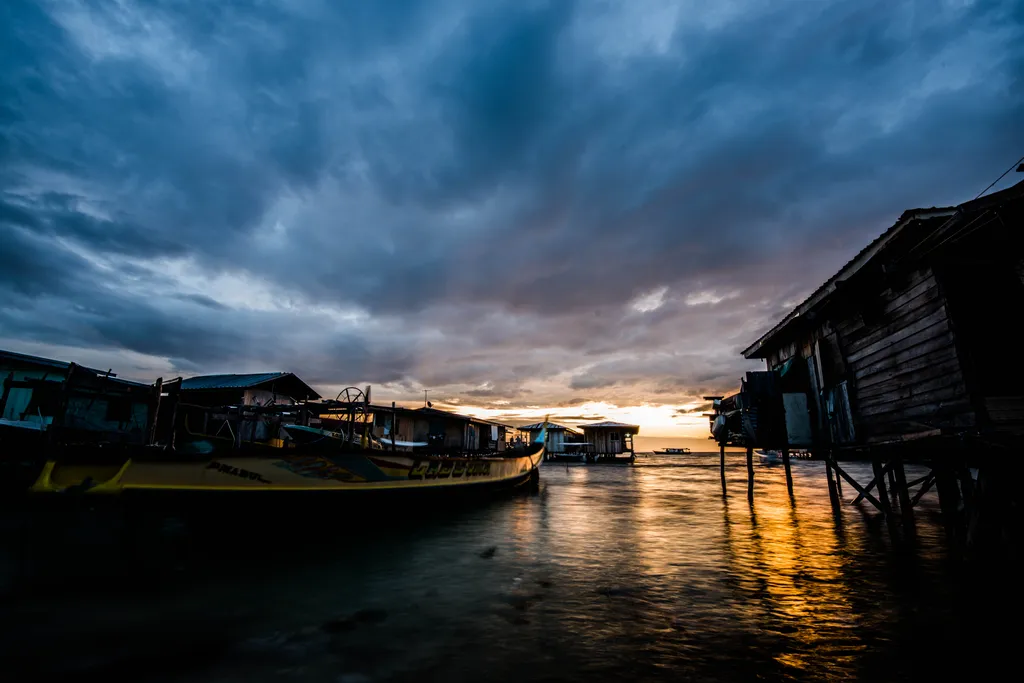
Resort life is simple: stilted walkways, cold beer after the third dive, rinse tanks full of camera gear. Viz is murky — embrace it. If you measure trips by critter count per dive, Mabul delivers.
Frequently Asked Questions About Diving in Mabul
When is the best time to dive Mabul?
Diving works year-round, but April–September is the sweet spot — calmer seas, reliable speedboat transfers, and the least rain disruption to flight connections through Tawau. March and October are shoulder months: still plenty of macro, occasional showers, fewer crowds than peak summer.
Macro critters don't migrate with the seasons the way pelagics do, so even rainy months deliver frogfish and cuttlefish — you just might get wetter boat rides.
What marine life can I see diving around Mabul?
Mabul is a macro and muck destination. Expect painted and giant frogfish, flamboyant cuttlefish, blue-ring and reef octopus, ornate ghost pipefish, ribbon eels, pygmy seahorses, mandarinfish, leaf scorpionfish, crocodilefish, stonefish, jawfish, garden eels, nudibranchs, and shrimp/crab commensals on every whip coral.
Seaventures rig adds schooling barracuda and jacks around the structure. Occasional eagle rays and turtles pass through. Big-animal lovers should book a Sipadan permit day separately — that's not what Mabul's sand slopes are for.
Is Mabul suitable for beginner divers?
Yes for most island sites. Depths are typically 5–20 m, currents are gentle to moderate, and the diving is mostly slow-paced critter hunting rather than deep wall drifts. Open Water certification is sufficient for the majority of Mabul sites.
Night dives and the Seaventures rig descent require comfort with buoyancy in low visibility. Sipadan day trips (if booked) are a different story — strong currents and deep walls need experience.
How does Mabul compare to Lembeh or Anilao for muck diving?
All three are macro meccas, but the vibe differs. Lembeh has the highest critter density and dedicated muck culture. Anilao is closer for East Asian travelers and has strong nudibranch diversity. Mabul bundles muck with easy resort logistics, short boat rides, and the option to add Sipadan pelagic days — plus artificial reef structures (tyres, rigs) that Lembeh doesn't have.
Visibility on Mabul is generally lower than all three; critter density on pure sand sites is slightly less than Lembeh but still excellent.
Do I need a Sipadan permit to dive Mabul?
No. Mabul has its own dozen-plus named sites and does not require Sipadan permits. Permits are only needed for diving on Sipadan Island itself (~120 issued daily). Many Mabul resort packages include zero, one, or two Sipadan days — clarify when booking. You can have a full, satisfying week on Mabul without ever setting foot on Sipadan.
How do I get to Mabul?
Fly to Tawau (TWU), transfer by road to Semporna jetty (~60–90 min), then speedboat to Mabul (~40–45 min). Most resorts bundle transfers. Arrive at TWU before ~11:00 for same-day boat access; book return flights after 15:00 for a relaxed morning departure.
What are water temperatures and visibility like?
Water temperature runs 27–30°C year-round — 3 mm wetsuit or rash guard is fine. Visibility is typically 5–15 m on muck sites; murkier water often means more critters out on the sand. Don't come expecting Caribbean clarity — come expecting frogfish.
Are night dives worth it on Mabul?
Absolutely. Night dives reveal mandarinfish mating dances at dusk, bobtail squid, hunting cuttlefish, Spanish dancer nudibranchs, stargazers, and octopus species that hide during the day. Most resorts offer night dives at ~USD 45 per dive. Bring a good focus light and stick close to your guide — easy to lose each other in the gloom.