
Scuba Diving in Nusa Penida
The Ultimate Guide
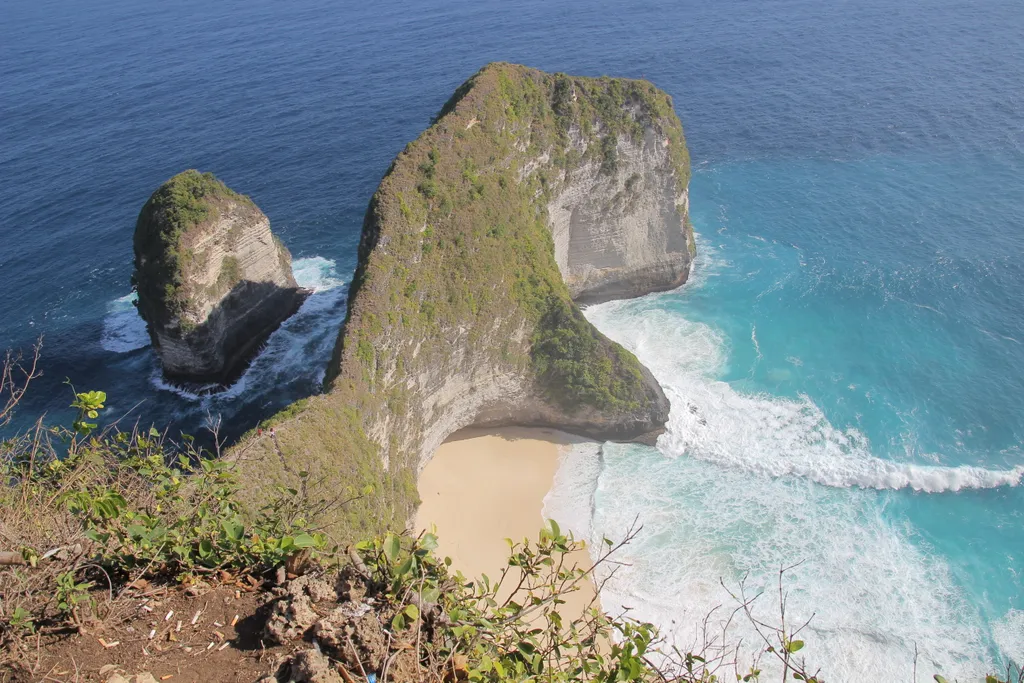
Nusa Penida is the big island in Bali's Nusa trio—and the one divers actually book a week for. The Lombok Strait funnels nutrient-rich water past sheer cliffs and deep channels, so even "easy" north-coast sites can turn into exhilarating drifts when the tide flips. South and west coasts deliver the headline acts: reef mantas at Manta Point and Manta Bay, and July–October ocean sunfish at Crystal Bay when cold thermoclines stack under 25 °C surface water.
Most experienced divers base on Penida itself (Toyapakeh, Sampalan, or the north villages) rather than commuting from Sanur—early boats beat the swell, and you want slack-water windows for the south. The north-coast string—SD, PED, Sental, Buyuk—is where you rack up pretty reef drifts between manta days. Bring your AOW, respect the guides on current calls, and pack a thicker wetsuit for August thermoclines.
Difficulty
Moderate
Temperature
19–29°C
Visibility
15–30 m
Diving Highlights
Best Months to Dive
Getting to Nusa Penida for Diving
✈️Transportation
Fly into Ngurah Rai International Airport (DPS) in southern Bali. Most divers reach Penida via fast boat from Sanur—multiple operators run daily departures to Banjar Nyuh (Toyapakeh side) or Sampalan on the north coast; count 30–45 minutes on the water, longer in chop. One-way tickets typically run IDR 150,000–300,000 depending on operator and season—book round trips in peak months.
On-island logistics
- MPA fee: cash IDR 100,000 per person per day for the Nusa Penida marine protected area—dives shops usually collect it; keep small bills.
- Day trips from Bali (Sanur → two dives → return) are possible but brutal: early start, long transfers, no slack for weather cancellations. Stay on Penida 3–5 nights if you want Manta Point and north-coast drifts.
- Scooters are the default island transport; roads are steep—allow time between north villages and Toyapakeh harbor.
- No boats on Balinese Nyepi (Day of Silence); plan around it.
Country
Indonesia
Currency
Indonesian Rupiah
Electricity
230V, 50Hz, Type C/F (two-round-pin)
Cost of a Dive Trip in Nusa Penida
Day Trip
Dive Resort
Meal
Accommodation
Best Dive Sites in Nusa Penida
🐠Manta Point
Penida's signature south-coast cleaning station—a rocky ridge at 5–25 m where reef mantas queue year-round. Boats moor in deep water; you drop to the plateau and wait while mantas circle cleaners. Surge and swell are common; dry-season mornings offer the best odds. Nurse sharks and blue-spotted rays share the station. AOW and comfort in surge recommended; no chasing or touching mantas.
🐢Manta Bay
A shallower alternative on the south coast when Manta Point is blown out—or a softer manta experience on calmer days. Sandy channels and bommies at 8–18 m attract reef mantas and eagle rays. Snorkel boats share the bay, so expect surface traffic. Still an open-coast site: swell can cancel boats in wet season.
🦈Crystal Bay
West-facing bay famous for July–October ocean sunfish at cleaning stations on the deep slope (18–40 m). Outside mola season it's a pretty coral garden with trevally, barracuda, and occasional thresher sharks in the blue. Thermoclines can plunge to 16 °C in peak months; currents shift quickly around the channel mouth. Dive with an experienced Penida guide—this site gets crowded in August.
🐙SD Point (Sekolah Dasar)
Classic north-coast drift starting on a shallow plateau (5–12 m) that rolls into a coral slope to 30 m+. Mild days suit OW divers; when the strait current runs, SD becomes a fast fly-by past sponges, hard corals, and schooling fusiliers. Turtles and reef sharks appear in the blue; mola encounters possible in season on lucky drifts. Entry timing is everything—trust the guide's tide call.
🐚PED
North-shore drift adjacent to SD—often dived as a two-tank north circuit. Stepped terraces of plate and staghorn coral, clouds of anthias and chromis, with eagle rays and tuna in the blue when current pulls offshore. Depth 10–35 m; moderate to strong flow on spring tides. Popular photography drift when visibility hits 25 m+.
🦑Sental
Gentler north-coast site than PED/SD on slack water—a coral slope with healthy hard corals and reef fish at 8–25 m. When current picks up, it links naturally into the north drift chain. Good second dive or training ground before committing to faster drifts. Macro: nudibranchs and shrimp on the reef crest.
🐡Buyuk
North-east reef with variable current—sometimes a mellow scenic dive, sometimes a brisk drift along the wall edge. Mixed coral garden and sand patches at 12–28 m; reef sharks, morays, and schooling snappers. Guides use Buyuk when the main north drifts are running too hard or when swell blocks the south.
🦀Toyapakeh
Penida's main harbor anchorage doubles as a colorful multi-level site—terraced reefs from 5–40 m with excellent visibility when the strait is clear. Morning slack can be an easy reef tour; outgoing tide turns it into a lively drift past schooling fish and occasional pelagics. Macro and wide-angle both work; busy with course boats near the jetty.
🐋Gamat Bay
Sheltered north-west bay—calm inside for DSD and OW training, with coral bommies and sandy slopes at 5–18 m. The channel mouth deepens to 30 m+ where tuna, barracuda, and giant trevally patrol; current can accelerate sharply near the exit. Popular nursery-site feel with turtles and reef fish; mola possible in season on outer drops.
🦐Ceningan Wall
Dramatic wall dive on the channel side of Nusa Ceningan (short boat from Penida)—vertical drop plastered with soft corals and sea fans at 15–40 m. Drift along the wall while fusiliers and redtooth triggerfish swarm; look into the blue for eagle rays, reef sharks, and seasonal mola. Strong current and surge—advanced divers only on favorable tides.
🐠Tugu
North-coast site near the PED/SD cluster—a sloping reef with coral bommies and sand channels at 10–30 m. Moderate drifts past healthy corals and schooling fish; turtles common on the plateau. Less famous than SD but a solid north-shore alternative when crowds stack at the headline drifts.
🐢Batu Abah
Off the north-east tip—exposed to strait flow with plate corals and deep sand at 15–35 m. When conditions align, a fishy drift with trevally, barracuda, and reef sharks in the blue. Can run very fast; operators pair it with experienced groups only. Visibility often excellent in dry season.
🦈Karang Sari
Scenic reef on the north side with gentle to moderate slopes at 8–25 m—hard corals, anemonefish, and schooling reef fish. A relaxed dive between heavy drift days or when introducing newer divers to Penida's north coast. Macro critters in the rubble; occasional eagle rays on the edge of current.
What Divers Say About Diving in Nusa Penida

Alex Thompson
Marine Biologis / DivemasterI finally stopped treating Penida as a Sanur add-on and stayed a week on the north coast—best decision of the trip. Manta Point on a calm dry-season morning is exactly the circus you expect: six reef mantas queuing at the cleaning rock while you kneel at 12 m trying not to exhale too hard. Crystal Bay in late August was colder and busier—thermocline at 18 °C, sunfish materializing out of milky blue for thirty seconds before vanishing—but the north-coast drifts (PED into Sental) were the surprise highlight: long, fishy glides past healthy plate corals with turtles and eagle rays in the margins.
Logistics are real here. Our Manta Point run got scrubbed once when the south swell spiked; the shop swapped us to SD and Buyuk without drama. Cash for MPA fees, early breakfasts, and trusting the guide's "we go now" call matter more than nitpicking dive counts. Penida is not Lembongan's mellow bay diving—it's current, cliffs, and big animals. Bring your experience (and a 5 mm for August).
Frequently Asked Questions About Diving in Nusa Penida
Should I stay on Nusa Penida or day-trip from Bali?
Stay on Penida if you want reliable early boats to Manta Point and flexibility when south-coast swell cancels. Sanur day trips work for a manta tick-box but mean 5 AM alarms, long transfers, and no backup days. Three to five nights covers mantas, a Crystal Bay mola attempt (in season), and north-coast drifts.
When can I see ocean sunfish (mola mola)?
Most sightings run July–October, peaking August–September at Crystal Bay and deep slopes off the west and north. Cold upwellings drop thermoclines to 16–19 °C—a 5 mm or semidry helps. Mola dives are depth- and current-sensitive; follow guide briefings and avoid crowding cleaning stations.
Are manta rays guaranteed at Manta Point?
Reef mantas use the south-coast cleaning stations year-round, but nothing is guaranteed. Dry season (April–November) offers better boat access; wet-season swell can cancel south sites for days. Manta Bay is sometimes runnable when Manta Point is too rough.
What certification do I need for Nusa Penida?
Advanced Open Water is the practical minimum for Manta Point, Crystal Bay, and north-coast drifts. Some sheltered sites (Gamat Bay, parts of Toyapakeh) suit newer divers in calm conditions, but Penida's signature dives involve current, depth, and surge—book with operators who enforce experience requirements.
How strong are the currents?
Highly site- and tide-dependent. North-coast sites like SD, PED, and Sental can be gentle or fast drifts within hours. South-coast manta sites add surge. Guides choose entry points and often require reef hooks or negative entries on pushy days—do not fight the water.
What is the MPA fee and how do I pay?
The Nusa Penida marine protected area charges IDR 100,000 per diver per day, usually collected in cash by your dive shop before the first boat. Keep small notes; ATMs exist but can run dry on weekends.