
Scuba Diving in Rangiroa
The Ultimate Guide
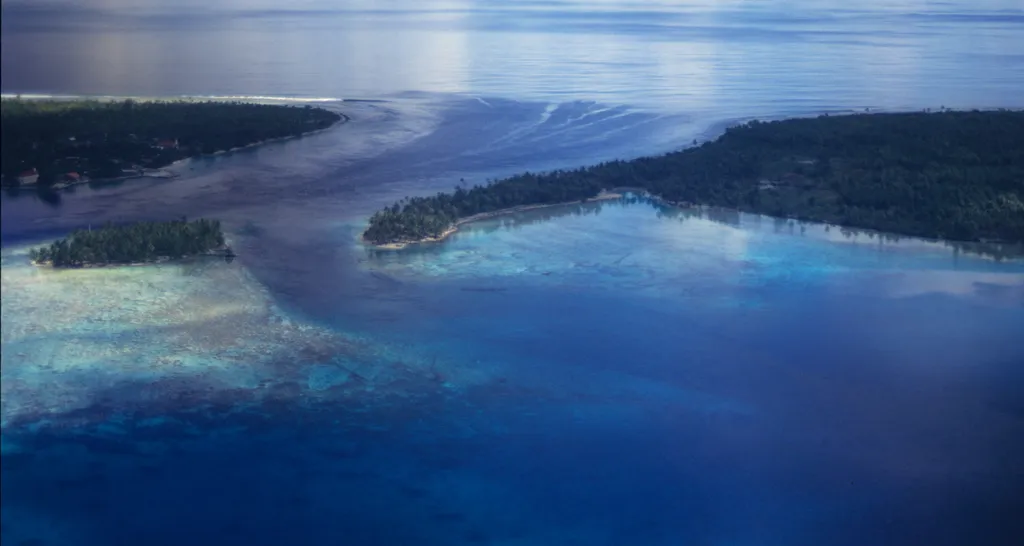
Rangiroa is the largest atoll in French Polynesia — a thin coral ring around a lagoon big enough to swallow Tahiti — and its diving reputation rests almost entirely on two ocean passes: Tiputa and Avatoru. Tiputa is the headline: inbound tides stack grey reef sharks along the drop-off, dolphins cruise the channel year-round, and in January–March the deep mouth of the pass is where great hammerheads show up for divers who can handle 40–50 m profiles. Avatoru is narrower and shallower, known for silvertip sharks, mantas feeding against the flow, and colorful reef pockets once you drop into the "small pass."
Visibility in the dry season routinely clears 30–50 m; water sits around 26–29°C. Every signature dive is tide-timed — operators run Tiputa on the morning inbound window, then often put dolphin or Aquarium tanks in the afternoon. Most divers base on the Avatoru–Tiputa motu strip (airport on Avatoru; Tiputa village needs a boat). This is Tuamotu pass diving, not a beginner reef circuit — lagoonside Aquarium works for newer divers, but Tiputa drift is why people book the Air Tahiti hop from Papeete.
Difficulty
Advanced
Temperature
26–29°C
Visibility
30–50 m
Diving Highlights
Best Months to Dive
Getting to Rangiroa for Diving
✈️Transportation
International → Tahiti
Fly into Faa'a International Airport (PPT) on Tahiti — the hub for all Tuamotu connections (Los Angeles, Auckland, Tokyo, Paris common gateways).
Tahiti → Rangiroa
Air Tahiti flies PPT → Rangiroa (RGI) in about 1 hour. The airport sits on the Avatoru motu. Pensions and dive shops arrange pickup — there is no public shuttle. Tiputa village is on the other side of Tiputa Pass; reaching Tiputa accommodation means a boat transfer after you land.
On the atoll
Tourism and dive ops cluster along the northern strip between Avatoru and the Tiputa Pass boat access (Ohutu / Kia Ora side). Rent bikes or scooters for short hops; taxi vans cover hotel–dive center transfers. Crossing Tiputa Pass itself is usually by dive-boat or water taxi — treat it as a water crossing, not a road.
Practical tips
Bring XPF cash — ATMs and card acceptance are sparse. Stock up in Papeete if your pension is cash-heavy. Pack reef-safe sunscreen and motion-sickness meds for pass and Blue Lagoon lagoon crossings. Confirm whether your operator runs Tiputa every morning or rotates Avatoru a few times a week.
Country
French Polynesia
Currency
CFP Franc (XPF)
Electricity
110V/220V, 60Hz, Type C/E plugs (French standard; voltage varies by pension)
Cost of a Dive Trip in Rangiroa
Day Trip
Dive Resort
Liveaboard
Meal
Accommodation
Best Dive Sites in Rangiroa
🐠Tiputa Pass (inbound drift)
The core Rangiroa experience — drop on the ocean-side angle of Tiputa and ride the incoming tide into the lagoon. Grey reef sharks, Napoleon wrasse, barracuda, jacks, and endless surgeonfish in water that often clears past 30 m. Depths typically 15–30 m on the standard drift; group cohesion and depth discipline matter more than fin power. Advanced; exclusively tide-timed by local ops.
🐢Shark Cave (La Grotte aux Requins)
Tiputa classic starting at the pass angle: hold quietly in / near a deep recess (~35 m option for advanced) so grey reefs approach out of curiosity, then exit into the inbound pass drift toward the lagoon. Not a wreck — the "cave" is a bottom cavity used as a observation hold-point. Strong buoyancy and absolute stillness required; non-deep divers do the upper profile and join the same drift exit.
🦈The Angle (L'Angle)
Starts right at Tiputa's entrance corner with simultaneous views into the pass and the outer drop-off. Schools of snappers and scads, grey reefs resting deeper, occasional mantas or hammerheads in season. Max interest often around 40–45 m for advanced; AOW-limited divers stay shallower (~25 m) and still get the fish walls. Moderate to strong current depending on tide phase.
🐙The Canyons
Mid-pass Tiputa route that cuts across transverse grooves ("canyons") where grey reefs aggregate — especially dramatic around June grey-reef mating gatherings. Stronger mid-channel current than wall-hugging routes; experienced divers only. Depths commonly 20–35 m. Wide-angle shark packing when numbers spike.
🐚The Step / The Crossing
Deep Tiputa ocean-mouth profiles for peak pelagic season: The Step starts offshore at the pass mouth targeting great hammerheads and stingray aggregations (Jan–Mar, often 45–55 m); The Crossing runs deep across the pass throat before rejoining the Shark Cave–lagoon exit. Strictly advanced / deep-certified, low-visibility-of-guarantee on hammerheads — grey reefs still dense.
🦑L'Éolienne (The Windmill)
Ocean reef slope ~350 m from Tiputa's angle — reef left, blue right, max ~25 m. Open to certified divers when operators use it as a gentler Tiputa-axis dive: dolphins, mantas, turtles, tuna, Napoleon wrasse without committing to the full inbound throat. Half-Éolienne variants use counter-currents near the entrance for color grottos. Excellent contrast tank to Shark Cave days.
🐡Avatoru Pass (small pass inbound)
Narrower, shallower sister pass west of Tiputa. Inbound through the right-hand "small pass" channel: punchy throat current, reef grottos with resting whitetips, mantas feeding against the flow, and silvertip action on ocean-oriented variants. Experienced recommended for inbound; some outgoing right-side loops run milder for mixed groups. Often scheduled only a few times per week from Tiputa-based shops — request early.
🦀Motu Nuhi-Nuhi (The Aquarium)
Sheltered lagoon site on the Tiputa axis near Motu Nuhi-Nuhi — coral heads on sand, turtles, reef fish, and occasional sharks/mantas in light current. Depths mostly 5–18 m. Primary beginner / refresher / snorkel-friendly tank and the soft landing after pass days. Still tide-aware: operators pick the slack side away from the main pass throat.
What Divers Say About Diving in Rangiroa

Alex Thompson
Marine Biologis / DivemasterRangiroa is Tiputa Pass first, everything else second. Our first inbound morning we dropped at The Angle, tucked into Shark Cave while grey reefs ghosted in from the blue, then clipped into the pass current and flew — no fin kicking, just watching surgeonfish, jacks, and barracuda peel past the walls. Afternoon dolphin tank at Tiputa felt almost choreographed: spinner pods surfing the standing waves on the boat ride out, then barreling under the boat on safety stop.
Midweek we finally got Avatoru. The small pass is a different flavor — narrower, punchier current in the throat, silvertips on the ocean side, mantas working against the inflow near the grottos. The Aquarium on a slack-ish afternoon was the soft landing after deep profiles: turtles, reef fish, enough coral color to remember you're still in tropical atoll water when the sharks dominate the logbook. Hammerhead season (we came in February) paid off once on The Step — one big Sphyrna at depth, then eagle rays stacked like a ceiling. Logistics are French-island quiet: baguettes, lagoon sunsets, cash counting. Trust the tide briefings more than Instagram and don't schedule an early RGI–PPT hop the morning after a late pass dive.
Frequently Asked Questions About Diving in Rangiroa
When is the best time to dive Rangiroa?
April–November dry season gives the calmest seas and clearest Tiputa/Avatoru water. January–March is the hammerhead and eagle-ray window at Tiputa deep sites. August–October improves manta odds and overlaps Tuamotu humpback season. Pass diving is year-round but always tide-dependent.
Do I need Advanced Open Water for Tiputa Pass?
For the signature inbound drifts and deep sites (Shark Cave depth option, The Canyons, The Crossing, The Step), yes — strong currents, 25–50 m profiles, and blue-water group control. Operators often treat PADI AOW as CMAS Level 1 depth-equivalence under French rules; confirm your certification limits with the shop. Lagoon Aquarium and some plateau starts (L'Éolienne) can work for less experienced divers when tides allow.
Tiputa Pass vs Avatoru Pass — which should I prioritize?
Tiputa is the must-do: denser shark action, dolphin affinity, and the hammerhead deep dives. Avatoru is worth 1–2 tanks for silvertips, mantas, and reef color in the small pass — many Tiputa-based shops only run Avatoru a few times a week, so ask early. Ideal trip covers both.
How do I get to Rangiroa from abroad?
Fly to Papeete (PPT), then Air Tahiti to Rangiroa (RGI) — about 1 hour. Airport is on Avatoru; arrange pension pickup. Tiputa-side lodging requires a boat across Tiputa Pass.
Will I see dolphins and hammerheads?
Dolphins are common year-round around Tiputa — often on boat transits and afternoon dives. Great hammerheads are seasonal and depth-linked (mainly Jan–Mar at deep Tiputa sites); treat them as a bonus, not a guarantee. Grey reef sharks and schooling fish are the reliable daily baseline.
Can beginners dive Rangiroa?
Yes for Motu Nuhi-Nuhi (Aquarium) and carefully selected plateau/outgoing sites. The reason most divers come — Tiputa inbound drifts and deep pelagic profiles — is advanced territory. Build drift skills elsewhere before betting the trip on the pass alone.
Do I need cash on Rangiroa?
Yes. XPF cash covers many pensions, snacks, and tips; ATM access is limited. Withdraw in Papeete. Dive packages are often billed in XPF or EUR-equivalent — confirm payment method when you book.
How does Rangiroa compare to Fakarava?
Both are Tuamotu pass destinations. Rangiroa is denser on Tiputa logistics (short boat from Avatoru hotels), stronger dolphin action, and a classic hammerhead deep-dive narrative. Fakarava spreads across north/south passes with the June–July Tumakohua shark-wall spawn spectacle and more relocation pain between Rotoava and Tetamanu. Many divers eventually do both.