
Scuba Diving in Romblon
The Ultimate Guide
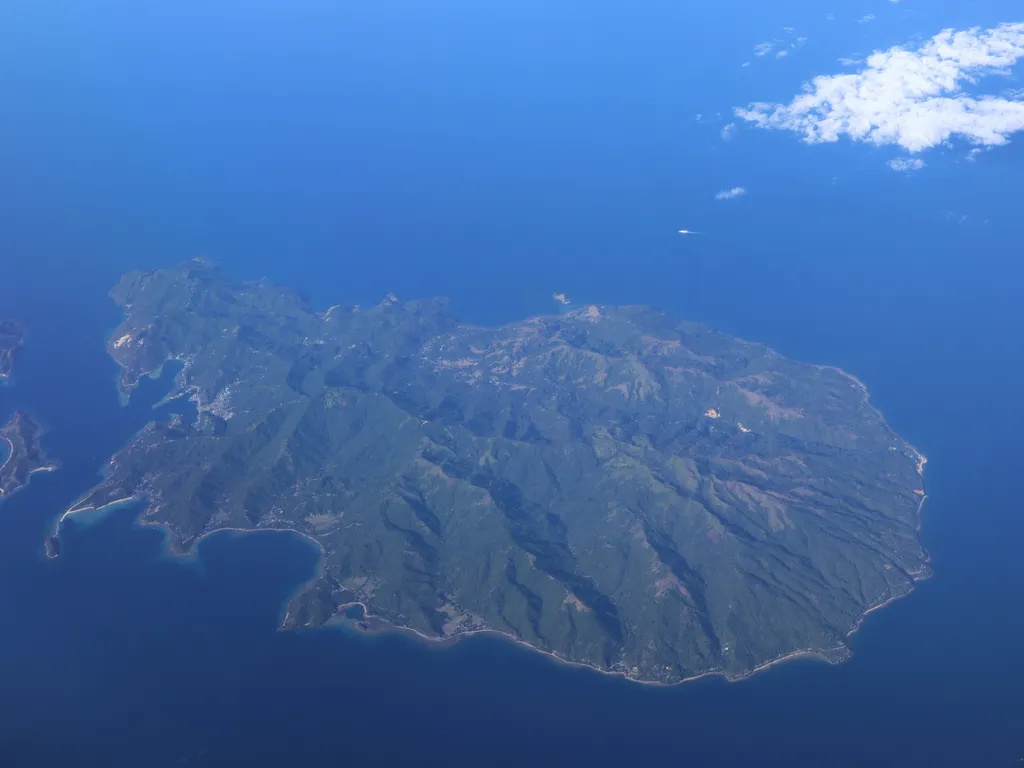
Romblon is the Philippines' quiet answer to Lembeh—a province of small islands in the Sibuyan Sea where muck slopes, fan-coral walls and marine sanctuaries stack up without the resort sprawl. Most divers base in Lonos on Romblon Island, a short hop from Tablas, and spend days hopping between black-sand critter hunts and healthier reef drops. Signature finds include wunderpus, flamboyant cuttlefish, blue-ringed octopus, four pygmy seahorse species, Melibe colemani and Cyerce nudibranchs, plus eagle rays, sea snakes and schooling fish on the outer sites. Add a chimney dive at The Blue Hole on Tablas, cavern walls at Agpanabat, and night blackwater drifts over Romblon Pass when you want something stranger than another frogfish portrait.
Difficulty
Moderate
Temperature
26–30°C
Visibility
10–30 m
Diving Highlights
Best Months to Dive
Getting to Romblon for Diving
✈️Transportation
International travelers usually fly into Manila (MNL), then connect domestically to Tablas Airport (TBH) at San Agustin on Tablas Island—flight time from Manila is typically 1–1.5 hours on carriers such as Cebu Pacific or Philippine Airlines when schedules run. From San Agustin port, take the ferry across to Romblon town or Lonos on Romblon Island (~1 hour depending on vessel and sea state). Lonos is the main dive-hub strip—shops, homestays and the house reef are clustered there. Budget overland option: overnight RoRo ferry from Batangas Port to Romblon (~9 hours; operators like Starlite). Slower but avoids the domestic flight leg if you are already near Manila. ATMs are limited on Romblon Island—bring enough Philippine peso cash for dives, meals, ferries and tips. Nearest hyperbaric chamber is in Manila; plan travel insurance and conservative dive profiles accordingly.
Country
Philippines
Currency
Philippine Peso
Electricity
220V, 60Hz, Type A/B plugs
Cost of a Dive Trip in Romblon
Day Trip
Dive Resort
Meal
Accommodation
Night Dive
Black Water Dive
Best Dive Sites in Romblon
🐠Lunas
Classic Romblon muck slope at 5–18 m—black sand, rubble and sparse seagrass that somehow stacks celebrity critters. Regulars include wunderpus, flamboyant cuttlefish, blue-ringed octopus and multiple frogfish species; guides work slowly so photographers can settle. Mild current, long bottom times, ideal as a first or second dive of the day.
🐢San Pedro Sanctuary
Protected wall and slope roughly 5–25 m with turtles, banded sea snakes, eagle rays and healthy coral cover. Less "muck," more classic reef drama—good palette cleanser between black-sand days. Morning dives often bring clearer water and ray passes along the drop-off.
🦈House Reef (Three P)
Shore entry in front of the Lonos dive cluster—no boat required for a sunset or mandarinfish dive. Shallow rubble and patch reef; tiger shrimp, nudibranchs and the famous mandarinfish ritual at dusk. Perfect filler dive or night slot when boats are booked.
🐙Anchor Bay
Macro heaven on sand and coral rubble—nudibranchs (including Cyerce), frogfish, Lembeh sea dragon and pygmy seahorses on whip coral. Depths are modest so you can hunt with diopters for hours. Named for old anchor chains lost in the bay; viz varies with tide.
🐚Bonbon Fan Coral Collection
Also called Phil's Fan Coral—a gorgonian garden at 18–35 m where pygmy seahorses cling to fans in multiples. Advanced bottom time helps; nitrox is useful if your shop offers it. One of the province's signature wide-macro hybrids: big coral, tiny horses.
🦑Agpanabat Caves & Canyons
Walls, swim-through caves and narrow gorges at 8–25 m on Romblon's rugged coast. Torch work reveals shrimp, lobsters and soft corals in overhangs; ambient light beams in the cavern mouths. Combine geology with reef fish and occasional sea snakes on the outside wall.
🐡The Blue Hole
Tablas Island chimney dive for AOW divers, 5–32 m. Descend through a vertical blue shaft opening to reef and sand below—dramatic topography unlike the muck slopes. Day trip from Romblon; watch depth and air because the geometry pulls you down visually.
🦀Lonos Marine Sanctuary
Local sanctuary minutes from the dive strip—giant clams in the shallows, ghost pipefish in seagrass and patch reef, easy profiles for refresher dives or afternoon critter hunts. Good option when seas are up but you still want a productive tank.
🐋The Rope
Super-macro specialty site—old rope and line fouled with algae where skeleton shrimp, mimic octopus and other near-invisible subjects live. Shallow, calm, and utterly dependent on guide eyes; bring the strongest diopter you own.
🦐Romblon Pass (Blackwater)
Night drift over the deep channel between islands—boats hang lights while divers drift for blackwater subjects. Larval fish, jellies, squids and odd pelagic invertebrates appear in the water column; not a bottom dive. Surcharge applies; excellent buoyancy and backup torches essential.
🐠Cobrador Sunken Island (Takot Reef)
Offshore seamount or "sunken island" profile with groupers, stingrays and schooling fish in blue water. Stronger than inshore sites—check conditions. Rewards wide-angle shooters and divers wanting pelagic energy after a week of frogfish faces.
🐢Agnay Fish Sanctuary
Early-morning site with healthy Acropora tables and fish schools swirling over the reef; eagle rays sometimes cruise the edge on the first dive of the day. Shallow enough for relaxed profiles, best when you can roll out before breakfast crowds.
What Divers Say About Diving in Romblon
Earl Philip
Technical DiverI came to Romblon expecting a Lembeh remix and left convinced it has its own personality. Lonos mornings meant short boat rides to Lunas or Anchor Bay—kneeling in 8 m of black sand while a guide tapped a pipe for pygmy seahorses and then pointed at a wunderpus that looked like it was auditioning for a sci-fi film. Bonbon Fan Coral Collection was the opposite vibe: drop to 25 m, hover along gorgonians and tick off three pygmy species on one fan if your eyes are sharp. San Pedro Sanctuary and Agnay Fish Sanctuary reminded me Romblon isn't only muck—walls with sea snakes, eagle rays on the early shift, Acropora tables glowing in morning light. The Blue Hole on Tablas was a fun AOW chimney day; Agpanabat's caverns felt cathedral-dark until torch beams caught shrimp eyes in the cracks. Night blackwater off Romblon Pass was the wildcard—drifting over deep water with larval oddities sliding through the beam. Surface life is low-key: jeepney rides, fried fish, no nightclub scene. Bring pesos, pack macro diopters, and don't rush—this place rewards repeat dives on the same slope.
Frequently Asked Questions About Diving in Romblon
When is the best time to dive Romblon?
Diving runs year-round, but the sweet spot is the dry northeast monsoon from November through February (calm seas, visibility often 20 m+) and the peak window March–May when water hits 28–30°C and viz is usually at its best. June is a workable shoulder before the southwest monsoon; July–October can be wetter with more variable seas.
What critters is Romblon famous for?
Think super-macro Philippines—wunderpus, flamboyant cuttlefish, blue-ringed octopus, mimic octopus, frogfish, ghost pipefish, skeleton shrimp, Melibe colemani, Cyerce nudibranchs, and up to four species of pygmy seahorse on fan and whip coral. Wider-angle sites add eagle rays, sea snakes, reef sharks, stingrays and schooling fish.
Is Romblon good for underwater photographers?
Yes—especially macro and super-macro shooters. Muck sites like Lunas, Anchor Bay and The Rope are built for diopters and patient guides. Blackwater nights over Romblon Pass add pelagic larval subjects. Wide-angle opportunities exist at sanctuaries and walls but critters are the main draw.
How do I get to Romblon's dive areas?
Fly Manila to Tablas (TBH), ferry from San Agustin to Romblon/Lonos (~1 h), or take the overnight Batangas–Romblon ferry (~9 h). Most dive shops pick up around Lonos once you are on the island.
What certification level do I need?
Many muck and sanctuary sites are fine for Open Water divers at 5–25 m. The Blue Hole chimney on Tablas and some cavern sections at Agpanabat are typically treated as Advanced Open Water territory (5–32 m). Blackwater drifts demand good buoyancy and night-dive comfort.
Are there recompression facilities nearby?
No chamber on Romblon Island—the nearest hyperbaric facility is in Manila. Carry DAN or equivalent dive insurance and run conservative profiles; operators can assist with evacuation logistics but prevention matters.
Should I bring cash?
Yes. ATMs are limited and sometimes empty—budget Philippine peso for dive packages, ferries, meals, tips and extras like night or blackwater surcharges. USD may be accepted at some lodges but PHP is safer.
Is blackwater diving worth adding?
If you have never done it, Romblon Pass is a credible intro—deep channel drift at night with larval fish, jellies and bizarre invertebrates in the lights. Shops charge a per-dive surcharge; bring a primary and backup torch, and expect a weird, addictive dive unlike any afternoon muck hunt.