
Scuba Diving in Wakatobi
The Ultimate Guide
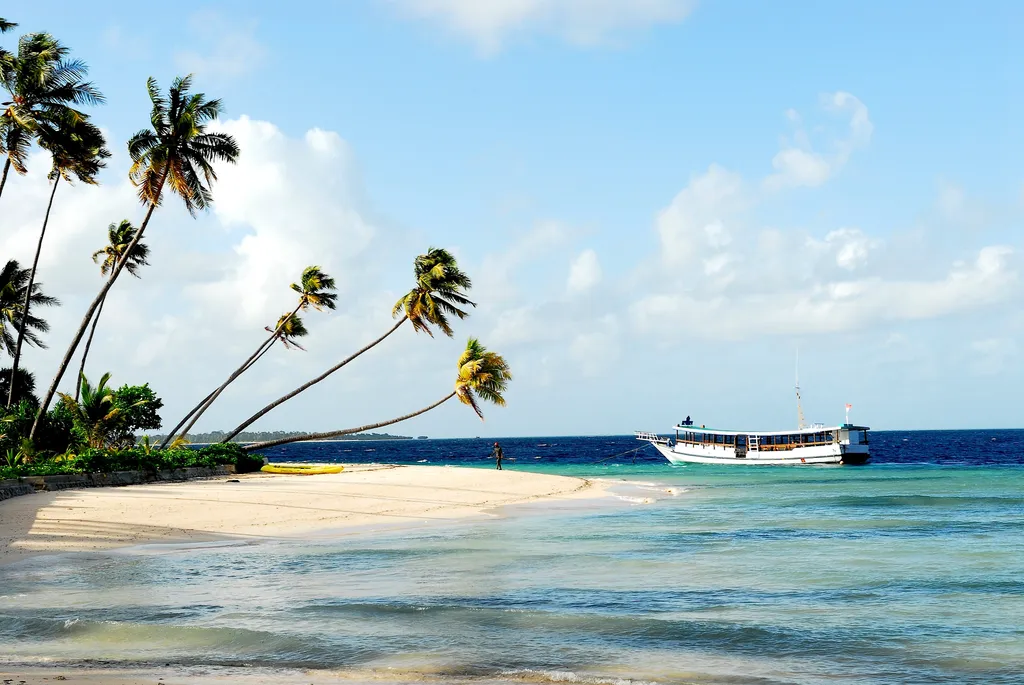
Wakatobi National Park sits on the southeastern rim of Sulawesi, named from its four main islands—Wangi-Wangi, Kaledupa, Tomia, and Binongko. It holds some of the healthiest coral coverage in the Coral Triangle, with walls, seamounts, and fringing reefs that marine biologists still treat as a reference system. Visibility regularly hits 30 m and can stretch past 50 m on calm outer-reef days. Currents are usually mild and predictable, so you get long bottom times on colorful hard-coral gardens instead of fighting blue water. The signature experience is Wakatobi’s House Reef—walk-in shore diving a short swim from the jetty—backed by more than 40 day-boat sites, from beginner pinnacles like Roma to the knife-edge walls of Blade.
Difficulty
Easy
Temperature
26–30°C
Visibility
20–50 m
Diving Highlights
Best Months to Dive
Getting to Wakatobi for Diving
✈️Transportation
Most resort guests board a private charter from Bali (DPS) that lands on the Tomia airstrip—about two hours in the air, then a short buggy or boat hop to the jetty. That Saturday charter is usually packaged into Wakatobi Dive Resort bookings and is the least friction route.
Independent travelers fly commercial to Matahora Airport (WNI) on Wangi-Wangi via Makassar (UPG) or Kendari (KDI). From Wanci town, speedboats and local operators connect to Tomia, Kaledupa, and liveaboard embarkation points; expect half a day of transfers once you’re already in Sulawesi.
ATMs are scarce outside Wanci—bring enough cash or rely on resort packages billed in USD. Carry seasickness meds for open-water boat hops in the wetter months.
Country
Indonesia
Currency
Indonesian Rupiah
Electricity
220V, 50Hz,Euro Plug
Cost of a Dive Trip in Wakatobi
Dive Resort
Liveaboard
Day Trip
Meal
Accommodation
Best Dive Sites in Wakatobi
🐠House Reef
Walk-in shore dive from the resort jetty: seagrass shallows lead to a drop-off within ~70–80 m of the beach. Turtles graze the flats; the wall holds soft corals, anemones, and endless reef fish. Ideal for night dives, snorkelers, and unlimited multi-dives without a boat schedule.
🐢Roma
Signature shallow pinnacle rising to within ~2 m of the surface. Potato / turbinaria coral rings the crest like a miniature Colosseum; schools of pyramid butterflyfish, fusiliers, and redtooth triggerfish swirl the top. Beginner-friendly and photogenic.
🦈The Zoo
Patch reef minutes from the resort, named for critter density. Day dives swarm with tiny reef fish; night brings hunting cuttlefish, lionfish, octopus, frogfish, and oddballs like mushroom pipefish. Top night-dive choice.
🐙Table Coral City
Seamount capped in massive table, staghorn, and cabbage corals; slopes wearing sponges and gorgonians. Chevron barracuda and giant trevally patrol the blue edge while anthias carpet the crest—an aquarium profile on a good tide.
🐚Blade
Furthest day-boat run: elongated knife-edge seamounts rising from a deep ridge, barely 7 m wide across spans of 200 m+. Drift the crest to see both sides at once—giant fans, sponges, and through-caves. Needs comfort with depth and mild current.
🦑Teluk Maya
Mixed environment close to the resort: sandy bay, seagrass patches, and a wall with overhangs holding black coral and macro. Resident batfish schools; nesting cuttlefish and rare finds (solar-powered nudibranch, seadragon species) keep guides busy.
🐡Cornucopia
Dramatic soft-coral wall for critter hunters. Shallows for light and fans; deeper undercuts for gorgonians, sponges, black coral, and Randal’s shrimp gobies tucked in crevices. Advanced profiles reward slow hunting.
🦀Turkey Beach
Turtle highway beside the House Reef drop-off—greens and hawksbills cruise the shallows while divers and snorkelers share the edge. Reef fish, eagle rays, and bumpheads show up on the outer slope depending on the day.
🐋Lorenzo's Delight
Gentle coral slopes packed with whip corals, sea fans, and barrel sponges—easy mixed groups of divers and snorkelers. Overhangs hide nudibranchs; excellent second or third dive of the day.
🦐Black Forest
Wall named for dense black-coral stands. Oriental sweetlips, angelfish, and turtles weave the slope; soft and hard coral mix makes it a strong wide-angle wall when outer conditions behave.
What Divers Say About Diving in Wakatobi
Sarah Chen
Scuba InstructorI came for the House Reef hype and stayed for the coral denseness. Walking in off the jetty and hitting a proper wall within a minute still feels like cheating—turtles on the seagrass, anthias on the crest, and enough macro in the rubble to burn a whole morning without boarding a boat. Roma is the postcard: a shallow pinnacle stacked with potato coral and pyramid butterflies, easy enough that snorkelers can share the spectacle. Blade flipped the script—knife-edge seamounts, gorgonians the size of tabletops, and the rare Wakatobi dive where you actually want an extra kilogram of weight. Night dives at The Zoo delivered cuttlefish, lionfish, and frogfish without the Lembeh mud chaos. Logistics are unapologetically resort-centric and priced accordingly, but the reefs look like what Indonesian diving used to be before the crowds.
Frequently Asked Questions About Diving in Wakatobi
When is the best time to dive in Wakatobi?
Diving works year-round thanks to the arid southeast Sulawesi climate. Peak visibility and the calmest seas usually fall in March–May and September–November; April–October is the reliable dry-season window for outer sites.
What makes Wakatobi diving different from Komodo or Raja Ampat?
Softer currents, denser hard-coral gardens, and long multi-level profiles instead of high-adrenaline drifts or big-animal theater. It’s a reef-health destination first—walls and seamounts packed with fish, with seasonal mantas and eagle rays as extras.
Is Wakatobi suitable for beginners?
Yes. Many sites top out shallower than 25 m with mild current—Roma, Table Coral City, The Zoo, and large stretches of House Reef are beginner-friendly. Blade and some walls are better once you’re comfortable with deeper profiles and mild drifts.
How do I get to Wakatobi?
Resort packages typically include a Bali charter to Tomia. Independents fly to Wangi-Wangi (WNI) via Makassar or Kendari, then boat to their island or liveaboard pier. Budget a full travel day either way.
What marine life can I expect?
Healthy table and branching corals, school after school of fusiliers and anthias, turtles, reef fish walls, nudibranchs, frogfish, pygmy seahorses, occasional eagle rays and bumphead parrotfish, and seasonal mantas on outer cleaning stations.
Do I need a liveaboard?
Not required. Day boats from Tomia-area resorts cover 40+ sites within about an hour. Liveaboards help if you want wider park coverage or a multi-destination Sulawesi itinerary.
What about water temperature and visibility?
Water stays roughly 26–30°C year-round (coolest around August upwellings). Visibility averages 20–35 m and can exceed 50 m on clear dry-season days—there’s little river runoff.