
Sea Anemone
Actiniaria
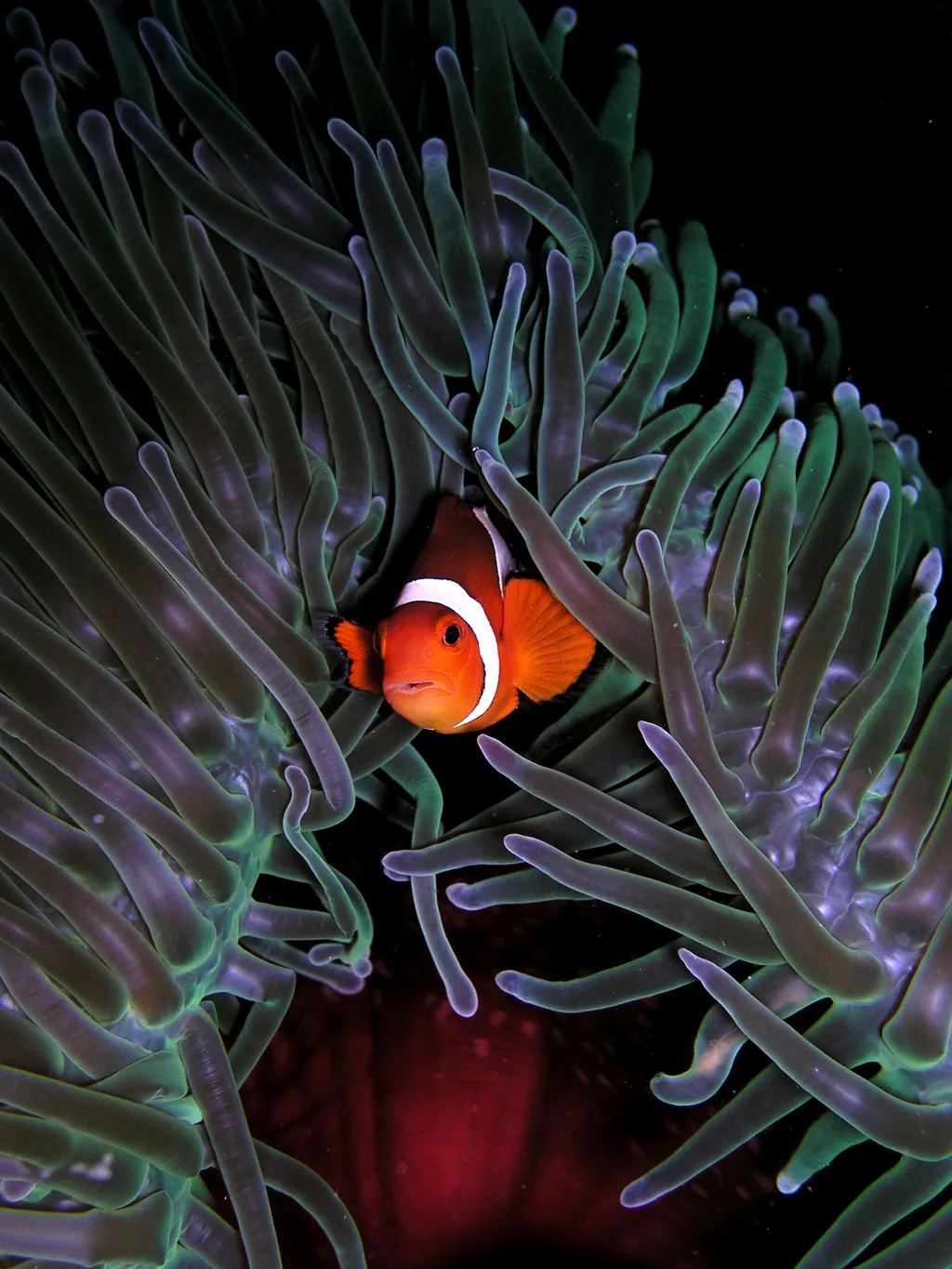
Photo by Nhobgood Nick Hobgood / CC BY-SA 3.0 via Wikimedia Commons
To a diver, sea anemones are the underwater equivalent of fireworks frozen in time—radiating crowns of tentacles in impossible colors, each one a living minefield of microscopic harpoons. They look like flowers, but they're carnivorous animals, close relatives of corals and jellyfish, that spend their lives waiting for prey to blunder into reach. A single anemone can host entire communities: clownfish weaving through the tentacles, porcelain crabs filtering at the base, shrimp cleaning between stinging cells, and tiny fish sheltering from predators in the living fortress. Many anemones are loaded with zooxanthellae and glow with fluorescent pigments, turning shallow reefs into neon gardens under blue light. Others lurk in dark crevices, their tentacles the only hint of the hidden stomach below. For photographers and critter hunters, learning to read anemones is like learning a new language on the reef—specific host species point to specific anemones, and vice versa. Once you start paying attention, you realize that sea anemones are not just background—they're micro-ecosystems where some of the reef's most charismatic stories unfold.
🔬Classification
📏Physical Features
🌊Habitat Info
⚠️Safety & Conservation
Identification Guide
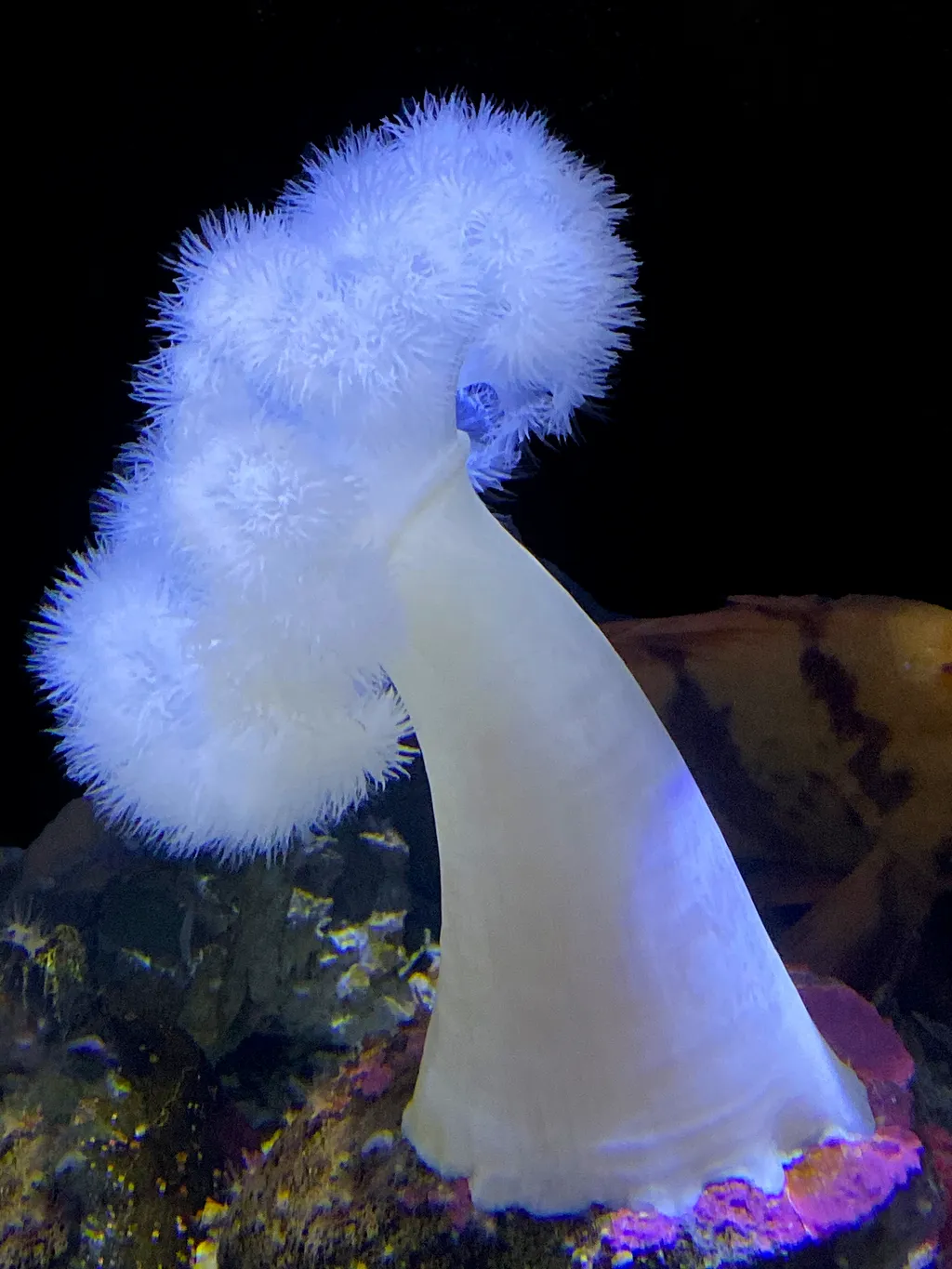
Photo by Betty Wills (Atsme) / CC BY-SA 4.0 via Wikimedia Commons
- Flower-Like Body: Central oral disc surrounded by one or more rings of tentacles; attached to substrate by pedal disc (foot)
- Tentacle Texture: Smooth, knobbed, beaded, or club-tipped tentacles depending on species
- Column Features: Smooth, warty, or with longitudinal stripes; some species hide the column in crevices
- Substrate Attachment: Fixed to rock, coral, shell, or buried in sand/mud with only tentacles exposed
- Symbiotic Partners: Presence of clownfish, anemonefish, porcelain crabs, cleaner shrimp, or commensal gobies often indicates specific host anemone species
- Color Patterns: Solid, banded, or contrasting oral disc; some species fluoresce strongly under blue or UV light
- Behavior: Tentacles may retract quickly when touched or in strong surge; some species balloon or deflate dramatically
- Not a Coral: No hard skeleton; entire body is soft and can contract into a blob when disturbed
Top 10 Fun Facts about Sea Anemone
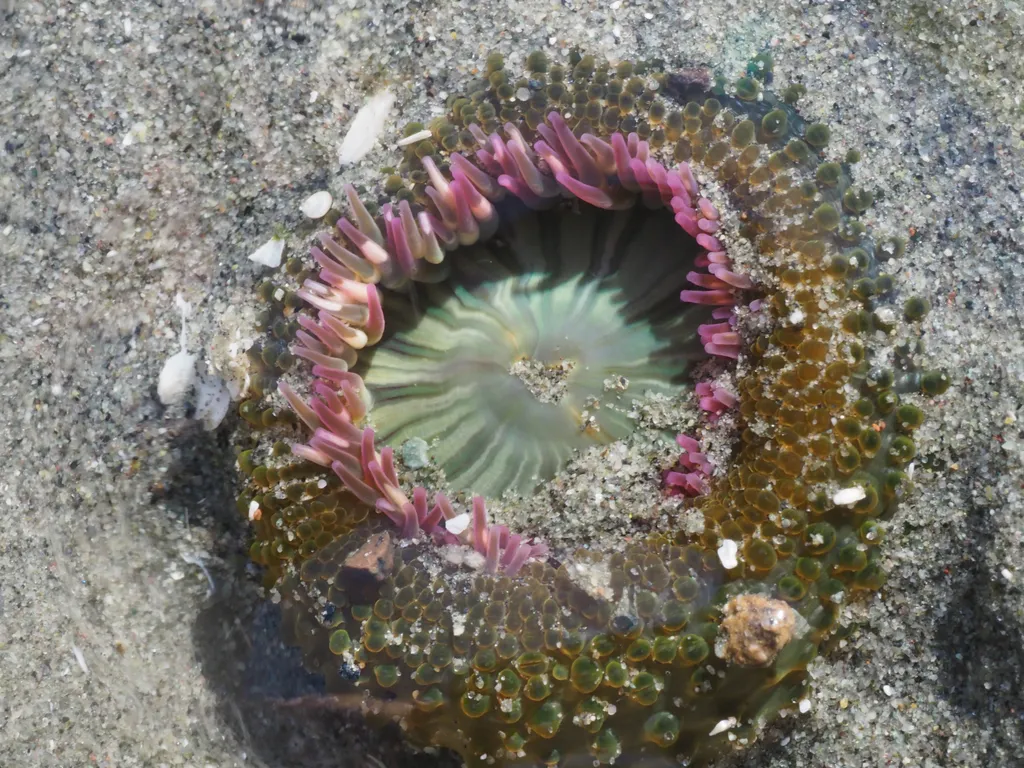
Photo by DemonDays64 / CC BY-SA 4.0 via Wikimedia Commons
1. Flower That Eats Fish
Sea anemones are often called "flowers of the sea," but beneath the beauty lies a ruthless hunting machine. Each tentacle is lined with nematocysts—microscopic harpoons that fire when triggered, injecting venom into passing prey. Small fish, shrimps, and plankton that brush the tentacles can be paralyzed in milliseconds and dragged into the central mouth. The anemone then everts its stomach over the prey, digesting it externally before pulling everything inside. It's a slow-motion horror show hidden inside something that looks like a harmless daisy. For divers, this explains why clownfish are such a miracle—how on earth do they survive in a nest of stinging tentacles that would kill most other fish of their size?
2. Clownfish and the Mucus Shield
The anemone–clownfish symbiosis is one of the most famous relationships in the ocean and a classic example of mutualism. Clownfish gain protection from predators by living among the anemone's tentacles, while the anemone gains food scraps, improved water circulation, and potentially protection from anemone-eating fish. The secret to the clownfish's immunity lies in its mucus coating—a specialized slime layer that either lacks the chemical triggers that activate the anemone's nematocysts or actively mimics the anemone's own tissues. Juvenile clownfish perform an "acclimation dance," gently touching the tentacles over hours to days to build up this protective mucus. For divers, watching this dance and the constant interaction between fish and host is one of the most rewarding experiences on a reef.
3. Living Solar Panels: Zooxanthellae and Color
Many shallow-water anemones host zooxanthellae, symbiotic algae that live inside their tissues and perform photosynthesis. These algae provide the anemone with sugars and other organic molecules, while the anemone supplies CO₂, nutrients, and a safe home. This partnership turns the anemone into a living solar panel, allowing it to thrive in nutrient-poor, clear waters. The presence of zooxanthellae also contributes to the anemone's color—browns, greens, and golden hues often come from the algae themselves. On top of this, many anemones produce fluorescent proteins that absorb harmful UV or blue light and re-emit it as green, orange, or red, creating the glowing colors photographers love. For night divers with blue lights and yellow filters, anemone gardens become psychedelic displays of neon fire.
4. Mobile but Slow: Anemones on the Move
Sea anemones look sessile, but many species are surprisingly mobile—just on a very slow timescale. They can detach their pedal disc and glide along the substrate, or use muscular contractions to inchworm across the rock. Some even inflate their body and let themselves be rolled by currents or waves to new locations. Movement is usually driven by environmental stress: poor light, sedimentation, predation, or competition from neighbors. Over weeks or months, an anemone can completely change its position on a reef. For divers, this means that your favorite anemone–clownfish pair might not always be in exactly the same spot year after year, and that apparently "random" anemones on sand might be in the middle of a slow-motion relocation.
5. Asexual Cloning and Massive Carpets
Many anemones can reproduce asexually through longitudinal fission, pedal laceration, or budding. In longitudinal fission, the anemone literally splits into two, each half regenerating missing parts. In pedal laceration, small pieces of the pedal disc are left behind as the anemone moves; each piece can grow into a new individual. Over time, this can create massive anemone carpets where dozens or hundreds of genetically identical individuals cover large areas of reef or sand. Some of the spectacular anemone fields seen in Indo-Pacific dive sites are the result of decades of slow cloning. For divers, this means that what looks like a "patch of many anemones" may actually be a single genetic individual—a clonal super-organism stretching across several meters.
6. Anemonefish Real Estate Wars
Anemones are limited resources, and anemonefish know it. In many reefs, suitable host anemones are fewer than the number of anemonefish that would like to live in them. This creates intense competition for anemone real estate. Anemonefish live in strict hierarchies: the largest individual is the dominant female, the second largest is the breeding male, and smaller individuals are non-breeding males. If the female dies, the breeding male changes sex and becomes the new female, and the largest non-breeder becomes the breeding male. Juveniles and subadults often risk their lives trying to join established anemone groups or take over smaller, less desirable anemones. For divers, observing these hierarchies and occasional aggressive chases around the anemone gives a glimpse into the social complexity hidden in these tiny fish communities.
7. Venom, Medicine, and Painful Lessons
Anemone venom is a complex cocktail of peptides and proteins that target nerves, ion channels, and cell membranes. While most species pose little risk to divers beyond mild stings, some tropical anemones can cause intense pain, swelling, and long-lasting welts if handled or accidentally grabbed. On the flip side, these same toxins are gold mines for pharmacology—researchers are exploring anemone-derived compounds for potential use in painkillers, immunosuppressants, and cardiac drugs. As with many marine venoms, the line between poison and medicine is dosage and context. For divers, the lesson is simple: admire anemones, photograph them, watch the life around them—but don't touch. Your skin (and their delicate tissues) will thank you.
8. Anemone–Crab and Anemone–Hermit Partnerships
Clownfish aren't the only ones partnering with anemones. Porcelain crabs often live under the tentacles, using their fan-like mouthparts to filter plankton while relying on the anemone's stings for protection. Some hermit crabs go a step further, actively attaching anemones to their shells. As the hermit crab grows and changes shells, it may carefully transfer its anemones, ensuring it keeps its living shield. In return, the anemone gains mobility, better access to food, and leftovers from the crab's meals. This three-dimensional dance of shared protection and food access makes each anemone a small negotiation table where multiple species trade services. For divers, spotting these multi-species partnerships turns a simple anemone into a whole storyline worth watching.
9. Deep and Cold: Anemones Beyond Coral Reefs
While we often associate anemones with tropical clownfish scenes, many species live in cold and deep waters far from coral reefs. Giant anemones in temperate kelp forests can host fish and shrimp just like their tropical cousins. In the deep sea, anemones colonize hydrothermal vents, cold seeps, and whale falls, tolerating extreme conditions of temperature, pressure, and chemistry. Some deep-sea species rely entirely on plankton, while others may host symbiotic bacteria or capture larger prey falling from above. For divers who venture into temperate or cold waters, this means that anemones remain key players in rocky reef ecosystems even when corals are absent—different colors, different partners, but the same basic strategy: sit, sting, and eat.
10. Bleaching and Climate Stress
Just like corals, zooxanthellate anemones are vulnerable to bleaching when water temperatures rise too high. Under thermal stress, they may expel their symbiotic algae, losing both color and a major source of energy. Bleached anemones turn ghostly white or pale, making them more reliant on heterotrophic feeding and more vulnerable to starvation and disease. Field studies have documented mass bleaching of host anemones during heatwaves, with knock-on effects on their symbiotic fish and invertebrates. Clownfish lose their protective homes, crab and shrimp populations decline, and entire micro-ecosystems collapse. For divers, seeing bleached anemones next to healthy, colorful ones is a stark reminder that climate change isn't an abstract concept—it's a visible, ongoing process that's reshaping even the smallest corners of the reef.
Diving & Observation Notes
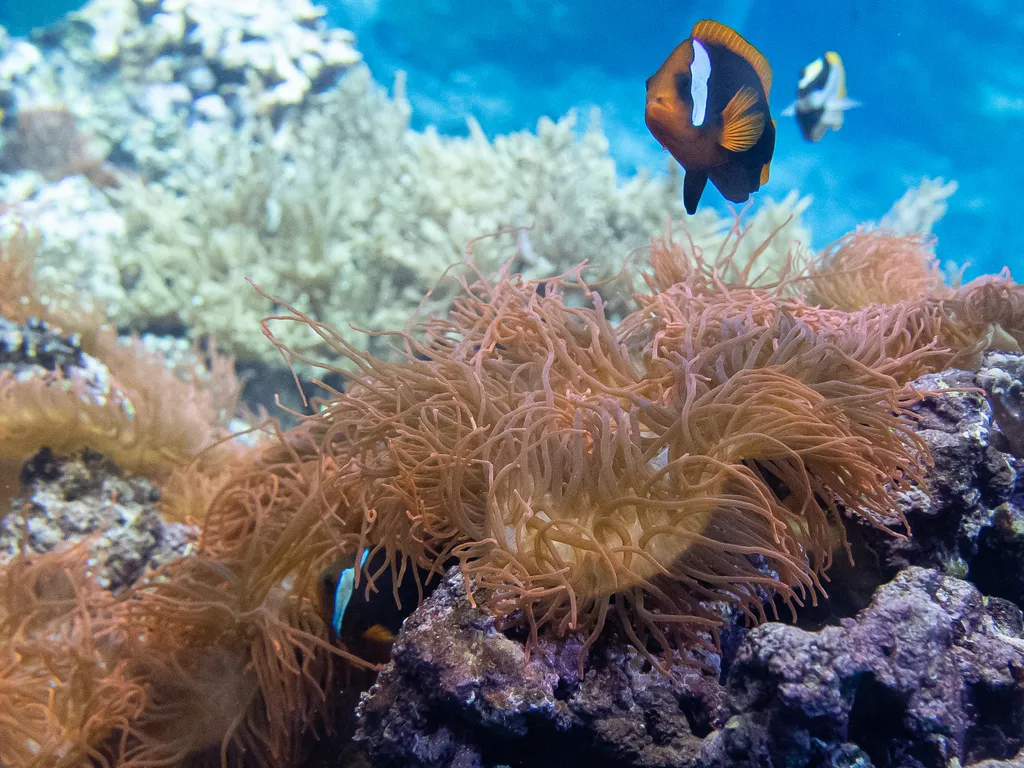
Photo by Theo Kruse Burgers' Zoo / CC BY-SA 4.0 via Wikimedia Commons
🧭 Finding Anemones
- Reef Edges & Coral Heads: Look on and around massive coral heads, bommies, and rubble slopes.
- Sand–Rock Interfaces: Many carpet and sand-dwelling anemones live where sand meets hard substrate.
- Shallow Ledges & Tide Pools: Intertidal and shallow subtidal zones often have colorful anemone gardens.
- Host Clues: Follow clownfish, porcelain crabs, and anemone shrimps—they will lead you straight to their host.
🤿 Behavior & Observation
- Tentacle Extension: Watch how tentacles expand fully in calm conditions and partially retract in surge or when shaded.
- Feeding Moments: Look for anemones capturing passing fish or plankton—rare but dramatic.
- Symbiosis: Spend time at busy anemones to observe interactions between fish, crabs, and shrimp.
- Day vs Night: Some anemones change posture or tentacle shape between day and night—compare on dusk dives.
📸 Photo Tips
- Eyes in the Frame: When shooting anemonefish, focus on sharp eyes and let the tentacles create dynamic foreground/background.
- Slow Shutter Blur: Use slightly slower shutter speeds to capture motion blur in tentacles for a sense of flow.
- Top-Down vs Side-On: Top-down emphasizes radial symmetry; side-on shows height and interaction with hosts.
- Fluorescence: Bring a blue light and yellow filter to shoot fluorescent proteins on night dives.
- Avoid Overexposure: Bright tentacle tips and white oral discs blow out easily—underexpose slightly and recover shadows.
⚠️ Safety & Ethics
- Hands Off: Never touch anemones—your skin can be stung, and their tissues are easily damaged.
- No Poking for Reactions: Don't repeatedly harass anemonefish or poke tentacles for a "fun" response.
- Avoid Fin Kicks: Good buoyancy prevents sand from smothering nearby anemones.
- No Collection: Do not collect anemones or their symbionts for home aquaria—reef systems pay the price.
- Respect Territory: Some anemonefish will bite—keep your face and bare skin out of their defensive radius.
🌏 Best Locations
- Red Sea: Shallow reefs with spectacular anemone–clownfish communities.
- Great Barrier Reef & Coral Triangle: Highest diversity of host anemones and anemonefish.
- Philippines & Indonesia (Lembeh, Anilao, Raja Ampat): Incredible macro scenes around anemones with shrimps and crabs.
- Mediterranean & NE Atlantic: Temperate anemones on rocky reefs and under ledges.
- Pacific Northwest & Kelp Forests: Giant cold-water anemones hosting crabs and fish.
Best Places to Dive with Sea Anemone
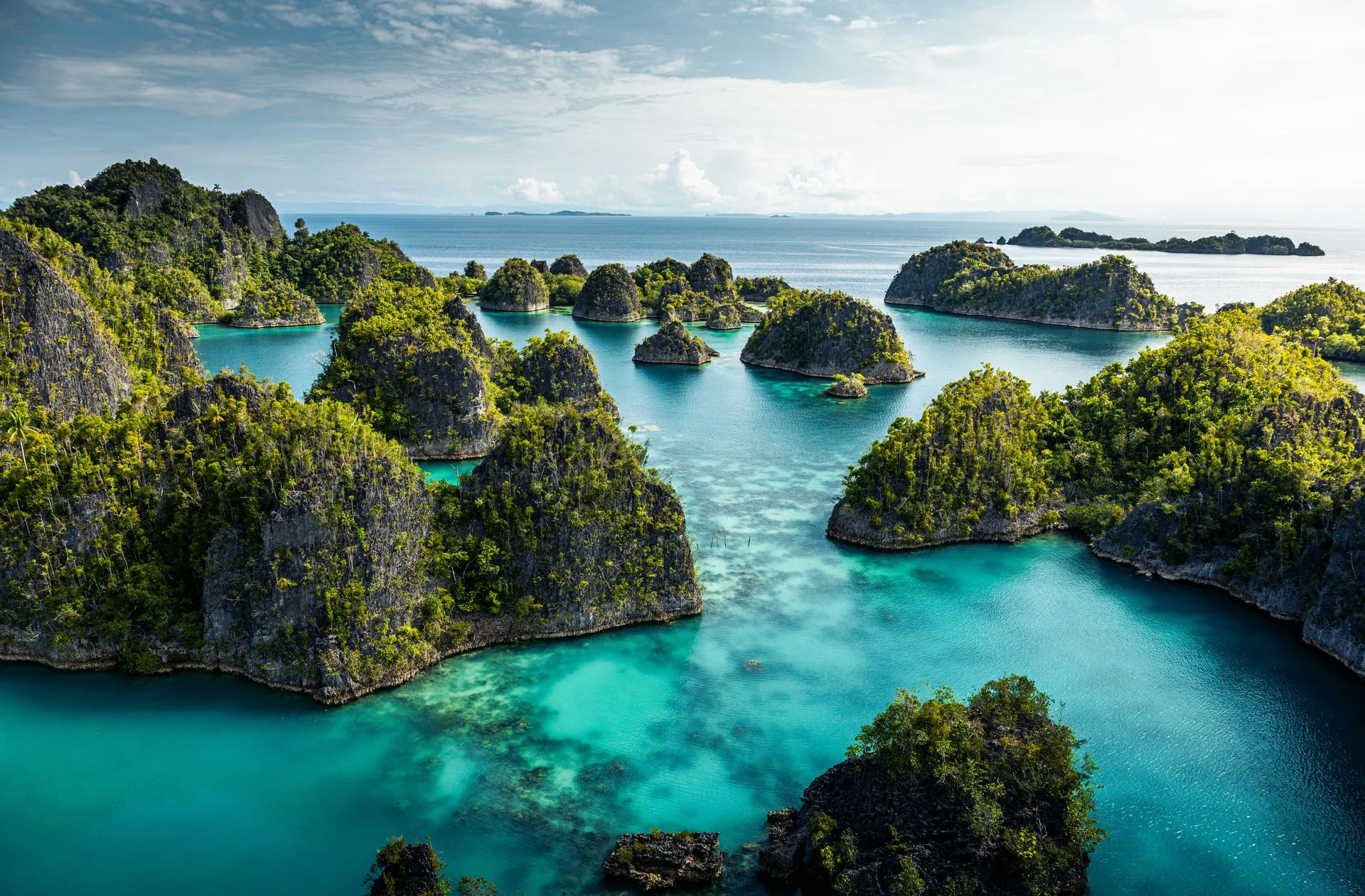
Raja Ampat
Raja Ampat, the “Four Kings,” is an archipelago of more than 1,500 islands at the edge of Indonesian West Papua. Its reefs sit in the heart of the Coral Triangle, where Pacific currents funnel nutrients into shallow seas and feed the world’s richest marine biodiversity. Diving here means gliding over colourful walls and coral gardens buzzing with more than 550 species of hard and soft corals and an estimated 1,500 fish species. You’ll meet blacktip and whitetip reef sharks on almost every dive, witness giant trevally and dogtooth tuna hunting schools of fusiliers, and encounter wobbegong “carpet” sharks, turtles, manta rays and dolphins. From cape pinnacles swarming with life to calm bays rich in macro critters, Raja Ampat offers endless variety. Above water, karst limestone islands and emerald lagoons provide spectacular scenery between dives.
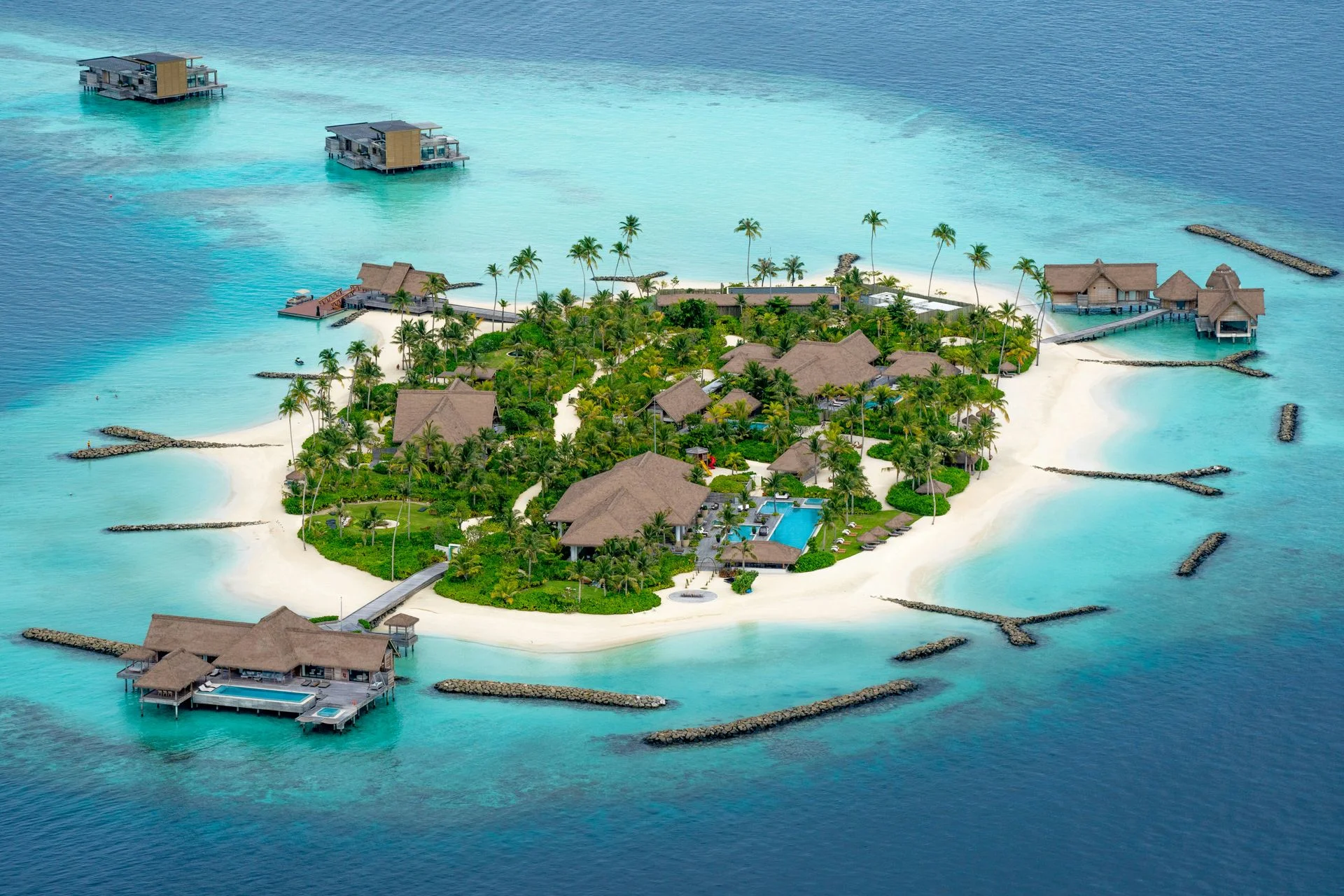
Maldives
Scattered across the Indian Ocean like strings of pearls, the Maldives’ 26 atolls encompass more than a thousand low‑lying islands, reefs and sandbanks. Beneath the turquoise surface are channels (kandus), pinnacles (thilas) and lagoons where powerful ocean currents sweep past colourful coral gardens. This nutrient‑rich flow attracts manta rays, whale sharks, reef sharks, schooling jacks, barracudas and every reef fish imaginable. Liveaboards and resort dive centres explore sites such as Okobe Thila and Kandooma Thila in the central atolls, manta cleaning stations in Baa and Ari, and shark‑filled channels like Fuvahmulah in the deep south. Diving here ranges from tranquil coral slopes to adrenalin‑fuelled drifts through current‑swept passes, making the Maldives a true pelagic playground.
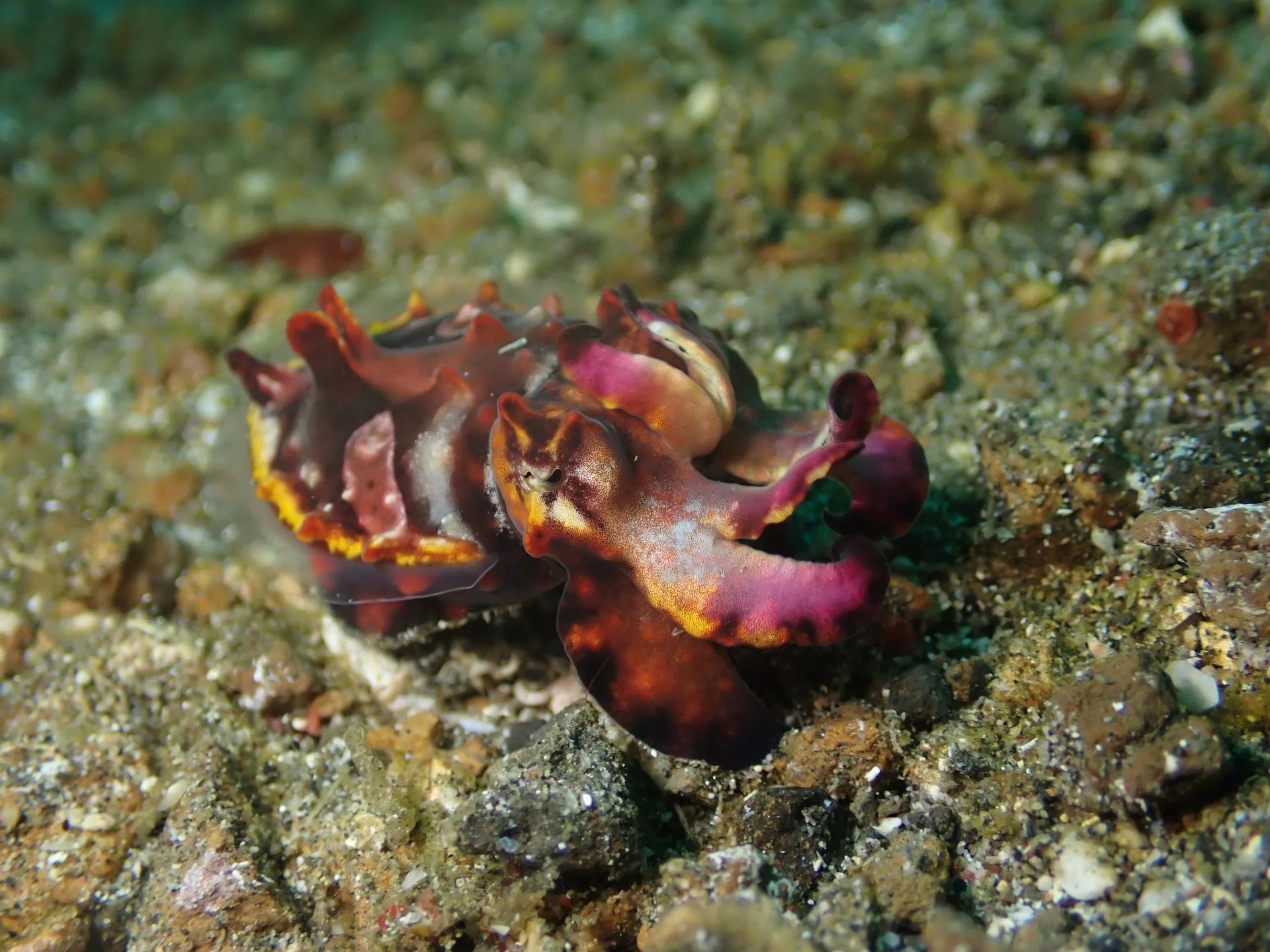
Lembeh
The Lembeh Strait in North Sulawesi has become famous as the muck‑diving capital of the world. At first glance its gently sloping seabed of black volcanic sand, rubble and discarded debris looks bleak. Look closer and it is teeming with weird and wonderful life: hairy and painted frogfish, flamboyant cuttlefish, mimic and blue‑ringed octopuses, ornate ghost pipefish, tiny seahorses, shrimp, crabs and a rainbow of nudibranchs. Most dives are shallow and calm with little current, making it an ideal playground for macro photographers. There are a few colourful reefs for a change of scenery, but Lembeh is all about searching the sand for critter treasures.
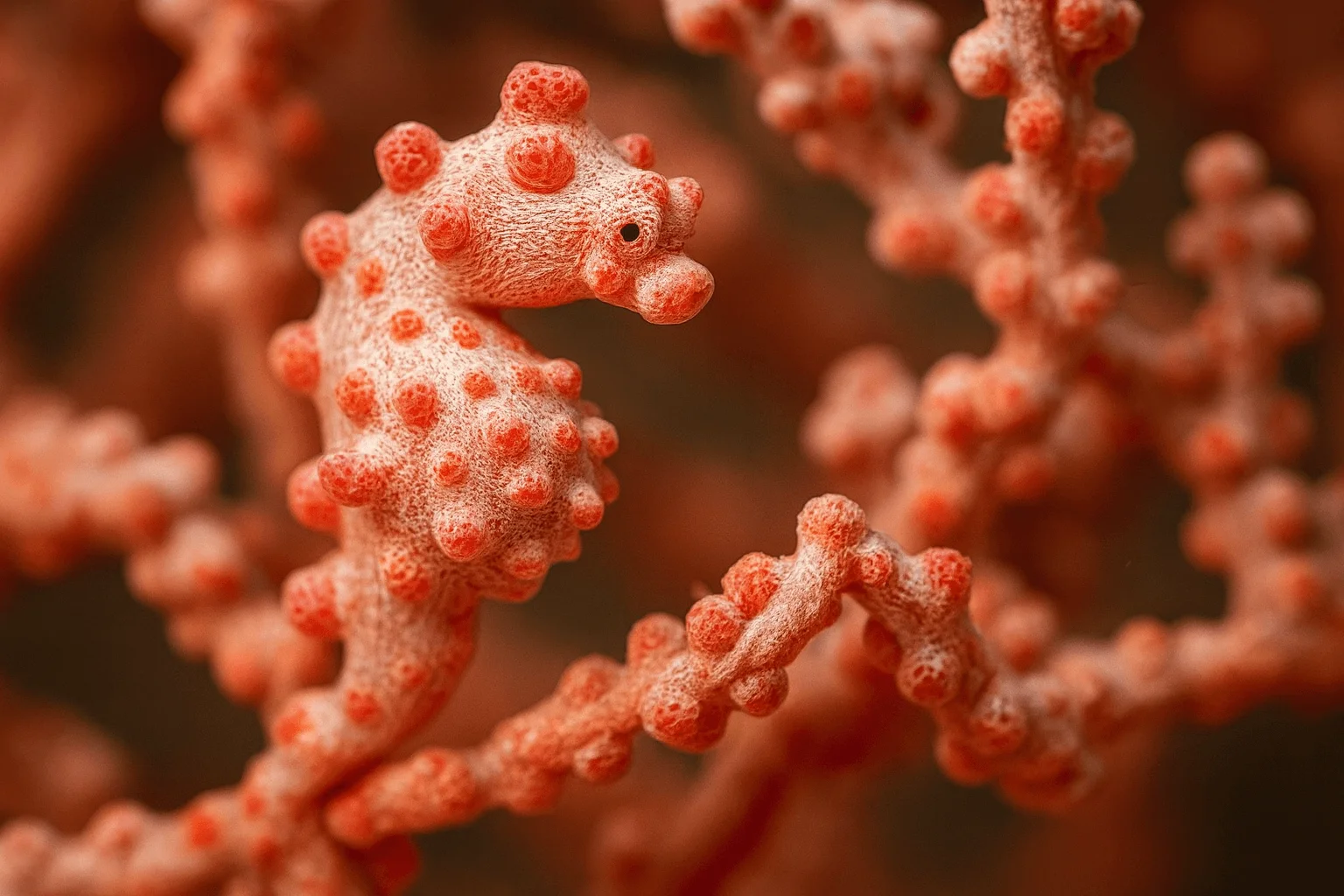
Anilao
Anilao, a small barangay in Batangas province just two hours south of Manila, is often called the macro capital of the Philippines. More than 50 dive sites fringe the coast and nearby islands, offering an intoxicating mix of coral‑covered pinnacles, muck slopes and blackwater encounters. Critter enthusiasts come for the legendary muck dives at Secret Bay and Anilao Pier, where mimic octopuses, blue‑ringed octopuses, wonderpus, seahorses, ghost pipefish, frogfish and dozens of nudibranch species lurk in the silt. Shallow reefs like Twin Rocks and Cathedral are covered in soft corals and teem with reef fish, while deeper sites such as Ligpo Island feature gorgonian‑covered walls and occasional drift. Because Anilao is so close to Manila and open year‑round, it’s the easiest place in the Philippines to squeeze in a quick diving getaway.