
Coconut Octopus
Amphioctopus marginatus
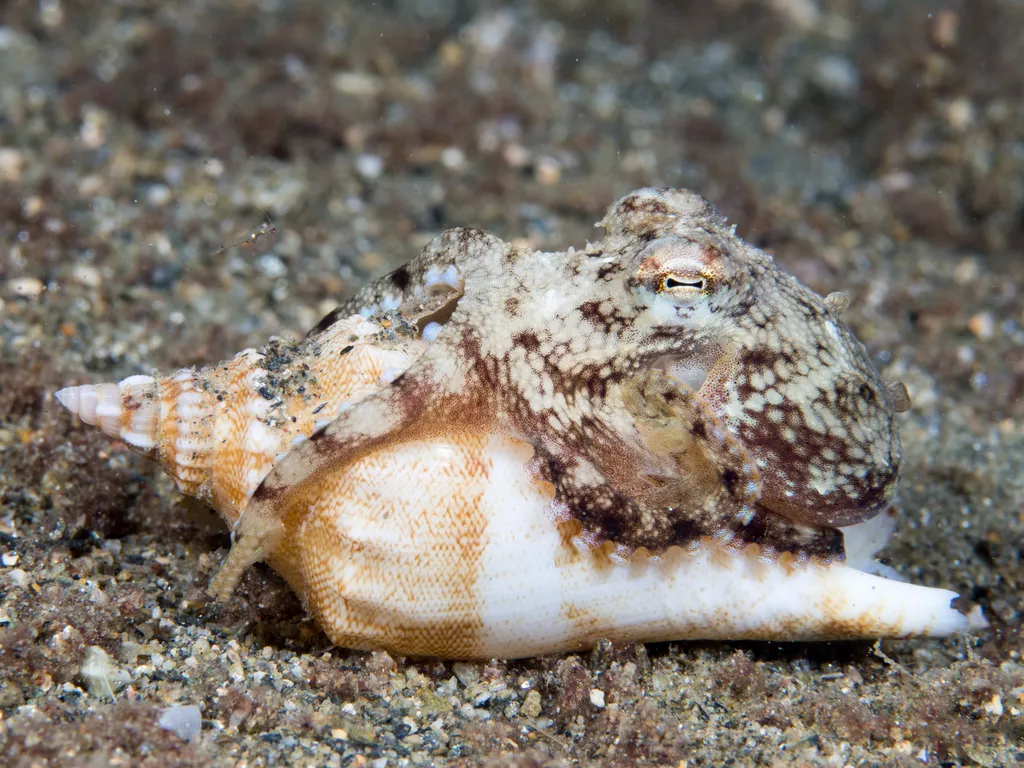
Photo by Rickard Zerpe / CC BY 2.0 via Wikimedia Commons
The Coconut Octopus (Amphioctopus marginatus) is the species that turned "tool use" from a primate headline into a muck-diving meme. On black-sand slopes from Lembeh to Anilao, guides point at what looks like a coconut half sliding across the bottom—and it's an octopus carrying its house. Split clam shells, beer bottles, and actual coconut husks become portable armor; the animal walks on the tips of its arms, mantle tucked inside, then stitches the halves shut with an arm draped across the gap. That behavior alone makes it a bucket-list macro subject, but the species rewards patient observation in other ways: vein-patterned brown camouflage that can erupt into blue-orange or purple displays, white suckers flashing on dark arms, and a temperament that is curious rather than lethal. This is not a blue-ringed octopus scenario—venom exists for prey, not for turning a photo op into an ER visit. For critter hunters, coconut octopus sits at the intersection of behavioral ethology and Instagram; for serious shooters, it's a lesson in letting the animal perform instead of staging shells yourself.
🔬Classification
📏Physical Features
🌊Habitat Info
⚠️Safety & Conservation
Identification Guide
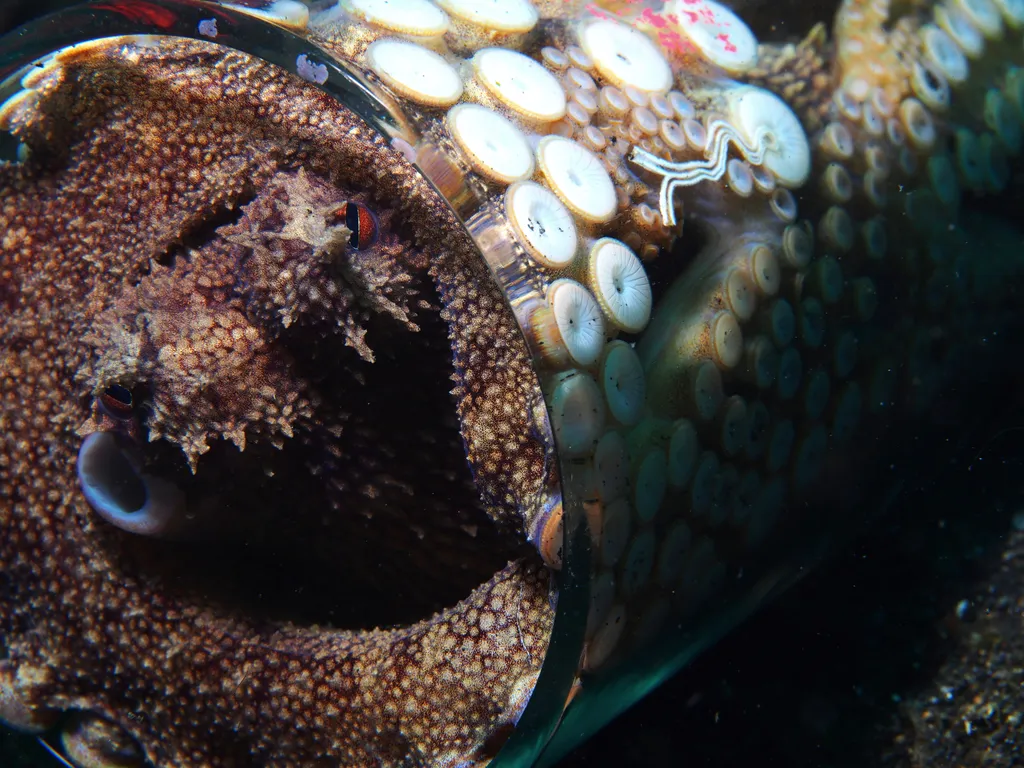
Photo by Rickard Zerpe / CC BY-SA 2.0 via Wikimedia Commons
Size & Silhouette
- Mantle roughly fist-sized (~5–10 cm); arms longer and more muscular than tiny blue-ringed octopuses
- Arm span up to ~50 cm when extended—substantially larger than "golf ball" blue-ringed species
- Walking gait on arm tips while hauling a shell is a signature field mark
Color & Pattern
- Base brown with dark branching vein-like lines across mantle and arms
- Arms darker than mantle; white to pale suckers (sometimes faintly blue) create strong contrast
- Pale wedge below each eye—useful at macro range
- Display colors include blue-orange, purple, and bright white—not the electric blue rings of Hapalochlaena
Shell-Carrying Behavior
- Clutches bivalve halves, coconut pieces, or litter (bottles, cups) against the body
- May pull two halves together so only eyes and a sliver of mantle peek out
- When startled, often retreats fully inside portable shelter rather than bolting across open sand
Habitat Clues
- Sandy, muddy, or shelly soft bottoms at 3–20 m on muck slopes
- Near shell middens, debris fields, and areas where portable cover is abundant
- Active dusk/dawn; still encountered on day and night dives at productive sites
Similar Species
- Veined Octopus (Amphioctopus spp.): overlapping genus; coconut octopus is the famous shell-carrier
- Mimic Octopus (Thaumoctopus mimicus): white/brown mantle bars, dramatic arm postures—not shell hauling
- Wonderpus (Wunderpus photogenicus): white spots on red-brown arms; fixed burrow, not coconut shells
- Blue-ringed octopuses: much smaller; blue rings, not vein lines; treat as high-risk venomous
Top 10 Fun Facts about Coconut Octopus
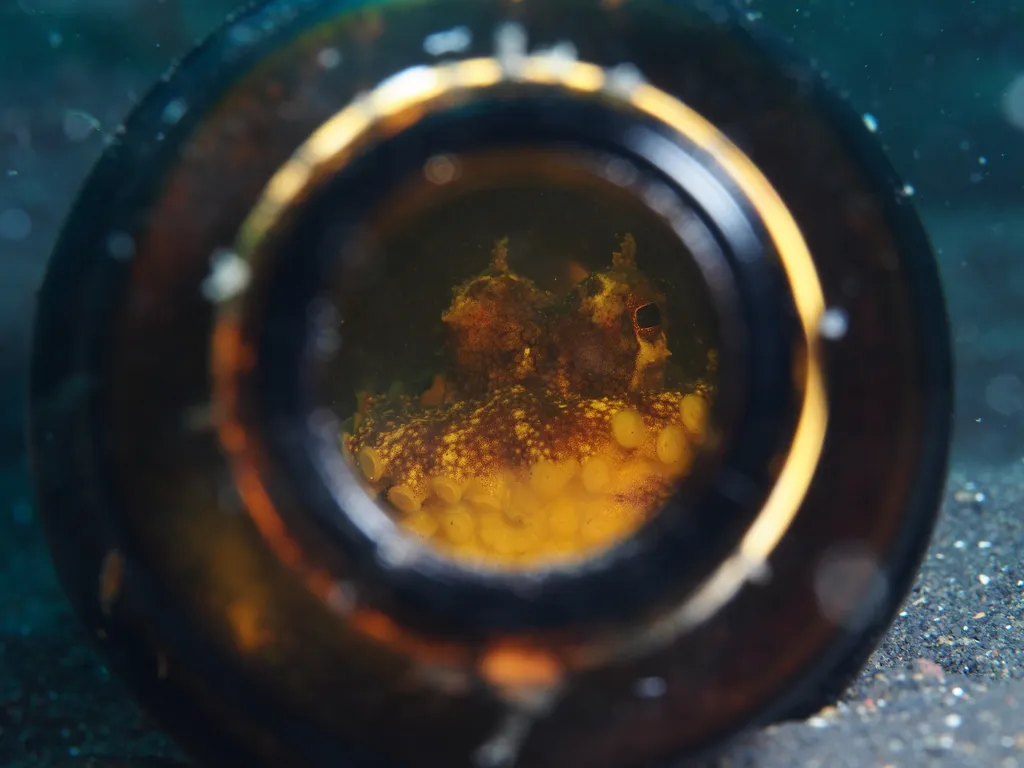
Photo by Rickard Zerpe / CC BY-SA 2.0 via Wikimedia Commons
1. The Octopus That Carries Its House
Coconut octopuses are among the few invertebrates documented selecting, transporting, and reassembling portable shelter. Field observations show individuals running on arm tips while gripping half a coconut or clam shell, then closing the halves around the mantle when threatened. The behavior is not random debris contact—animals prefer certain shell sizes and will trade up when offered better cover in lab settings. For divers, a "walking coconut" is often the first clue before you even see the eyes.
2. Tool Use Debate (And Why Divers Care)
Biologists still argue whether this qualifies as true tool use (future planning) versus opportunistic cover. Either way, it's cognitively impressive for a mollusk with a donut-shaped brain. Underwater videographers have built entire portfolio pieces around staged-vs-natural debates—ethical operators insist on observing wild choice, not placing shells for the animal. The distinction matters for both science credibility and dive-site reputation.
3. Amphioctopus marginatus — Marginatus Means "Bordered"
The species name references the dark marginal lines that vein across the mantle and arms—your primary ID feature when it's not holding a shell. The genus Amphioctopus groups medium-sized Indo-Pacific octopuses; A. marginatus is the celebrity, but veined patterns can appear in related species. Macro shooters should log behavior plus pattern, not pattern alone.
4. Depth Generalist, Muck Specialist
Recorded from intertidal shallows to ~190 m, yet recreational divers overwhelmingly meet them at 3–20 m on black-sand muck. The soft bottom supplies both burrowing substrate and shell litter—human debris unfortunately expands the "hardware store." Deep records remind you this is a widespread benthic octopus, not a single-bay oddity.
5. Venom for Crabs, Not for Divers
Like most octopuses, coconut octopus delivers neurotoxic saliva through its beak to subdue prey—crabs, shrimp, small fish. It is not in the blue-ringed tetrodotoxin league; bites to humans are rare and not famous for fatalities. Still: no handling, no prying animals from shells for a cleaner composition. Respect keeps both diver and subject intact.
6. Color Displays Beyond Brown Camouflage
Calm animals show cryptic brown with vein lines; excited or interacting individuals can flash blue-orange bands, purple tones, or chalky white. Sucker contrast (pale disks on dark arms) intensifies in display. Photographers chasing only the brown "stealth" look may miss the species' full wardrobe—patience through a mild approach often triggers brief color pulses.
7. Biparental? No — Classic Octopus Life History
Males transfer spermatophores with a modified arm; females lay eggs in sheltered cavities—sometimes inside shells. Brooding females guard eggs, stop feeding, and die after hatch, like most octopuses. Short lifespan (often ~1–2 years) means the walking-shell behavior you film is a young adult's survival strategy, not decades of learned culture.
8. Lembeh Strait — The Global Poster Child
Lembeh black sand put coconut octopus on every critter checklist. Local guides know named individuals' shell preferences and debris hotspots. The site proves that muck is not "empty"—it's a behavioral stage. Tourism pressure means no shell provisioning policies are increasingly standard; check operator ethics before booking a "guaranteed walking shot."
9. Litter Works — Uncomfortable Conservation Truth
Coconut octopuses readily adopt glass bottles, plastic cups, and metal cans when natural shells are scarce. Photos of "octopus in a beer bottle" go viral; conservationists note it documents habitat alteration, not cute recycling. Divers can enjoy the behavior while supporting coastal cleanup and refusing operators who seed trash for photos.
10. Shot List: Wide Behavior, Tight Portrait
Behavior: 50–100 mm for shell-walking sequence; video at 60 fps captures arm-tip gait better than one still. Portrait: 100 mm macro for vein lines, eye wedge, and sucker contrast. Lighting: angled snoot or side light to avoid blasting silt on black sand. Ethics: if it retreats into the shell, stop advancing—the performance resumes when pressure drops.
Diving & Observation Notes
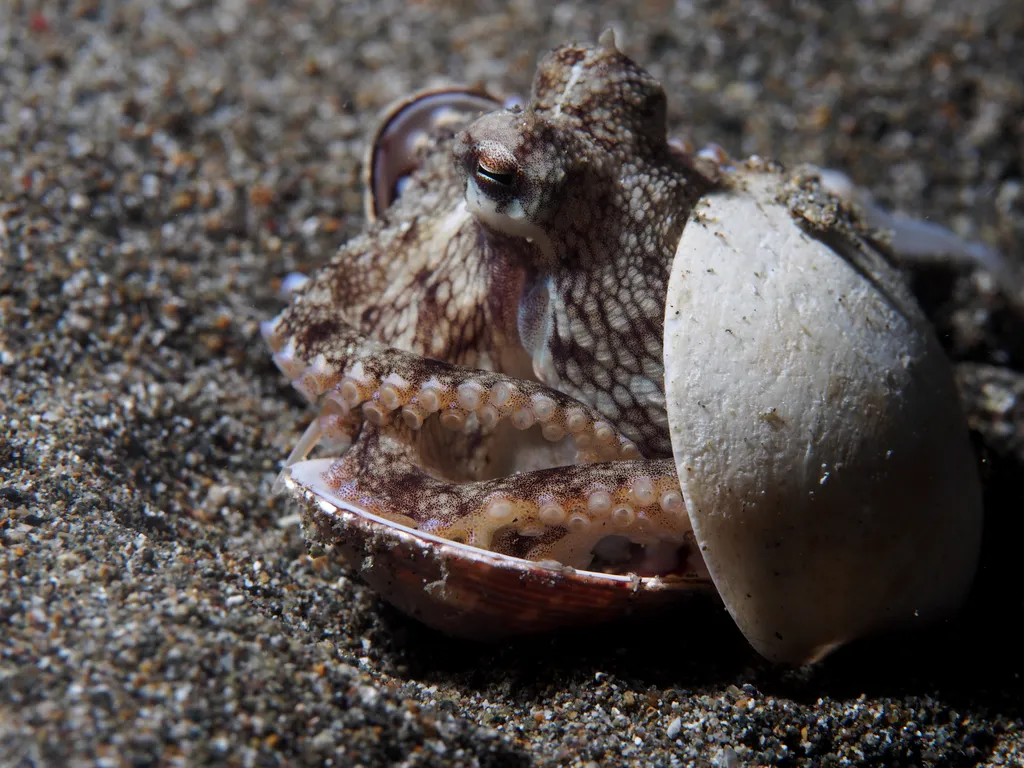
Photo by Rickard Zerpe / CC BY-SA 2.0 via Wikimedia Commons
🧭 Where to Look
Target black-sand muck slopes and shelly sand at 5–18 m in Lembeh, Anilao, Dumaguete, Manado, and Tulamben's softer bottom areas. Guides scan for moving shells, paired clam halves, and debris fields—not open-water pelagics. Dawn and dusk dives add activity, but many sites produce coconut octopus on midday muck when visibility and guide effort are high.
🤿 Approach & Behavior
Animals are curious but shell-dependent—advance too fast and they seal inside cover. Hang at 1–2 m, let the octopus decide to peek, walk, or display. Never pull shells apart or place new shells to "help" the shot; both stress the animal and train bad site habits. If it walks, track parallel, not from above—mantle shots through the shell gap are worth the wait.
📷 Photo & Video
- Behavior sequence: 60–100 mm; video for arm-tip walking
- Detail: 100 mm macro on vein lines, eye wedge, sucker disks
- Black sand: low angle, side/snoot light to control backscatter
- Displays: brief color pulses—burst mode or short clip beats single frame
⚠️ Safety & Ethics
Not blue-ringed lethal, but bites happen if handled. Do not tease out of bottles or coconuts. Report operators who litter or stage trash for photos. Take shells only in pictures—removing cover from a living animal is both cruel and illegal in many protected areas.
Best Places to Dive with Coconut Octopus
Lembeh
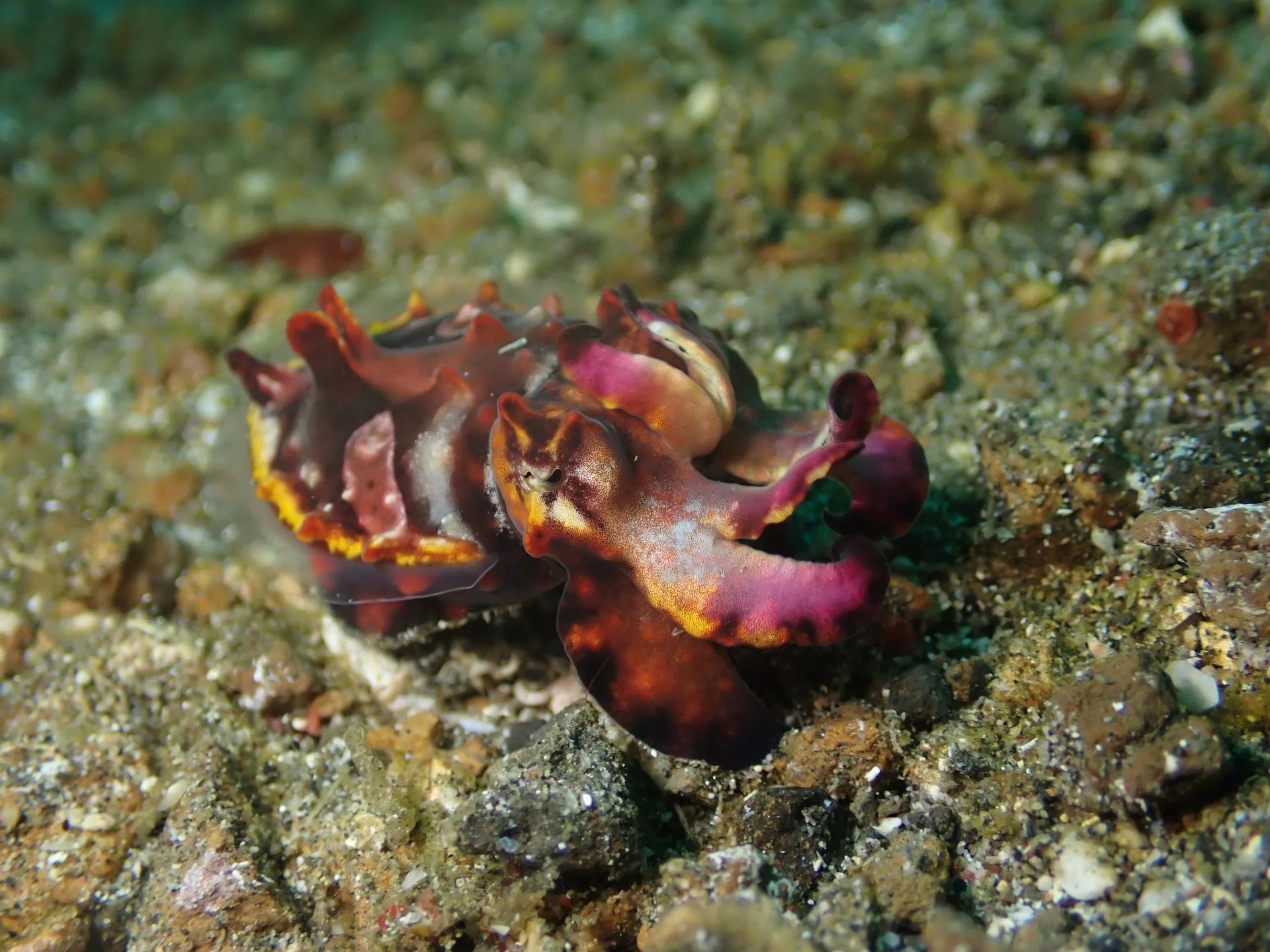
The Lembeh Strait in North Sulawesi has become famous as the muck‑diving capital of the world. At first glance its gently sloping seabed of black volcanic sand, rubble and discarded debris looks bleak. Look closer and it is teeming with weird and wonderful life: hairy and painted frogfish, flamboyant cuttlefish, mimic and blue‑ringed octopuses, ornate ghost pipefish, tiny seahorses, shrimp, crabs and a rainbow of nudibranchs. Most dives are shallow and calm with little current, making it an ideal playground for macro photographers. There are a few colourful reefs for a change of scenery, but Lembeh is all about searching the sand for critter treasures.
Tulamben(Bali)
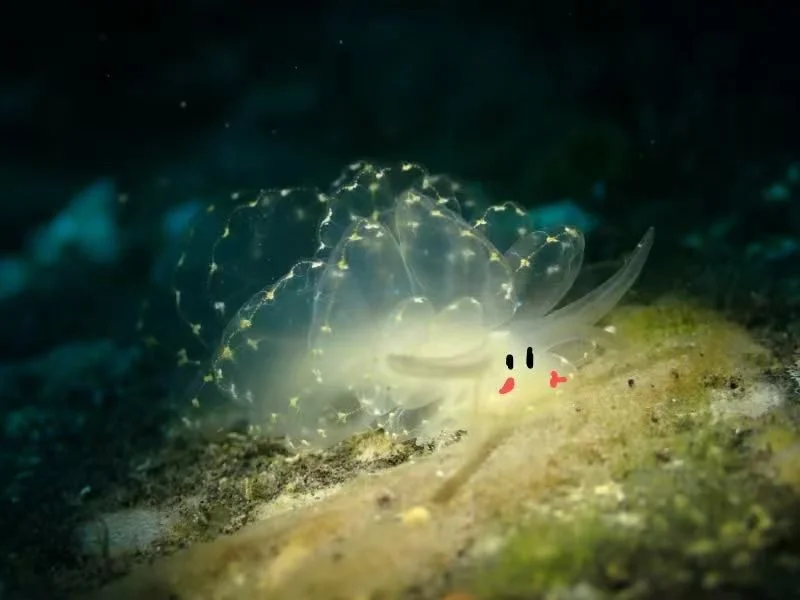
Tulamben sits on Bali’s northeast coast and is best known for the USAT Liberty shipwreck – a 125‑metre cargo ship torpedoed in WWII that now lies just a short swim from shore. Warm water, mild currents and straightforward shore entries make diving here relaxed for all levels. Besides the wreck, divers can explore coral gardens, black‑sand muck sites and dramatic drop‑offs. Macro lovers will find nudibranchs, ghost pipefish, mimic octopus and pygmy seahorses, while big‑fish fans can encounter schooling jackfish, bumphead parrotfish and reef sharks. With a compact coastline packed with variety, Tulamben delivers world‑class wreck and critter diving without long boat rides.
Manado
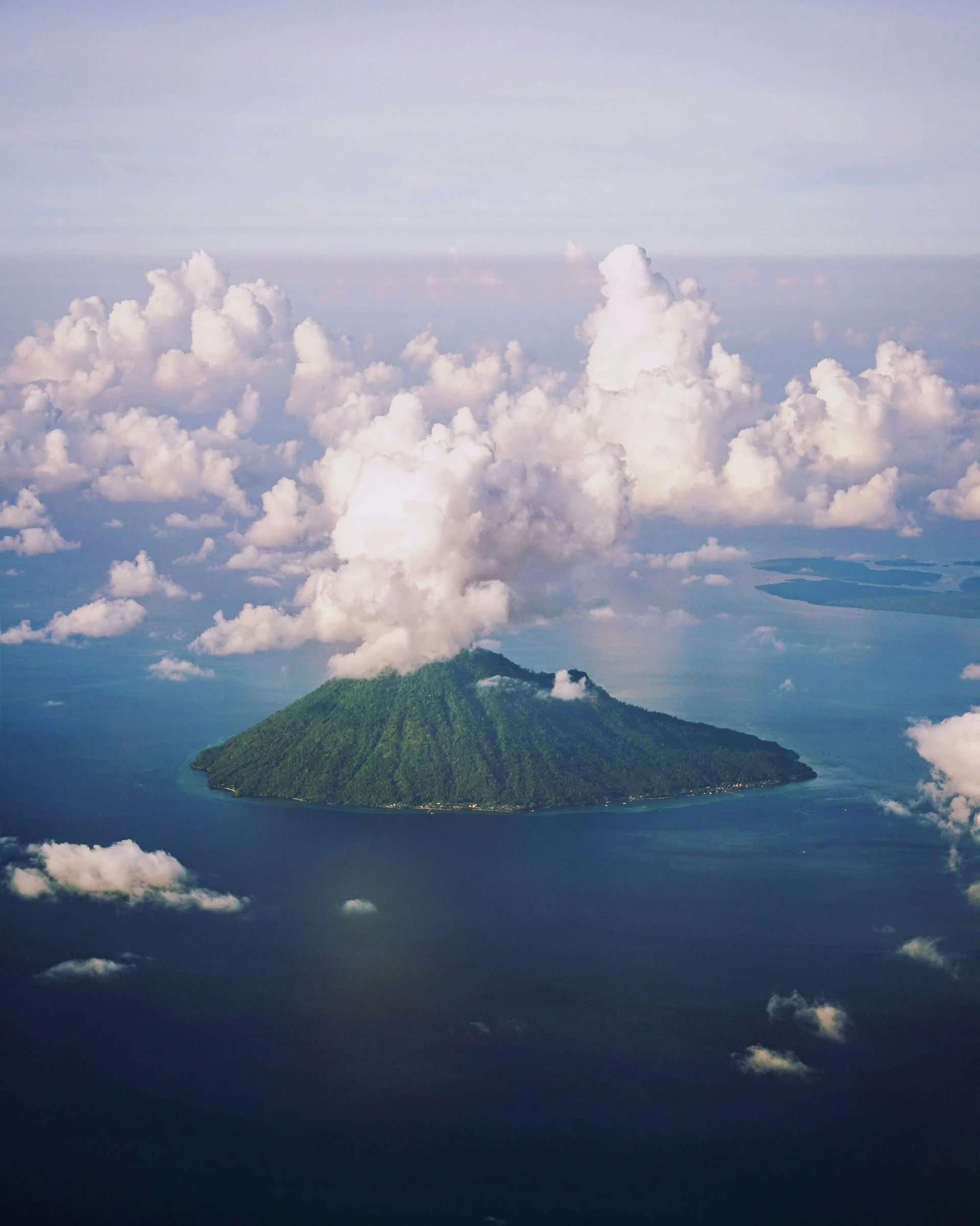
Tucked away in northern Sulawesi, Manado’s coastal waters and Bunaken National Park are a diver’s dream. Sheer coral walls plunge into the deep blue, exploding with sponges, sea fans and tropical fish, while the mainland coast hides muck‑diving gems with seahorses, ghost pipefish and mimic octopus. Dolphins and pilot whales sometimes cruise past, green turtles nap on the reef, and reef sharks and schooling jacks patrol the drop‑offs. Whether you like effortless drift dives along walls or critter hunting in sand and seagrass, Manado balances big‑fish thrills with macro treasures. Warm waters, friendly locals and laid‑back resorts make it perfect for both serious underwater photographers and casual holidaymakers.
Anilao
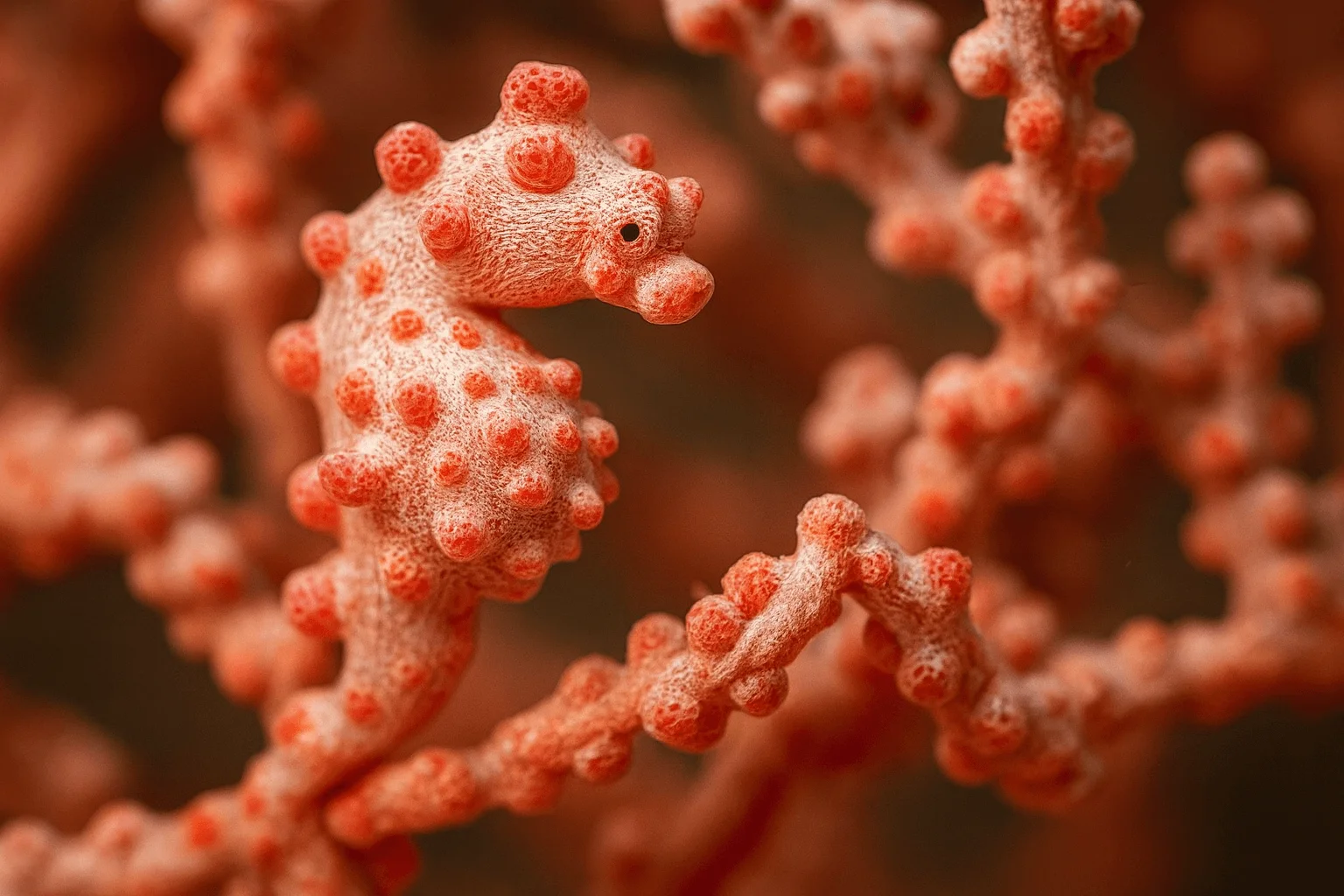
Anilao, a small barangay in Batangas province just two hours south of Manila, is often called the macro capital of the Philippines. More than 50 dive sites fringe the coast and nearby islands, offering an intoxicating mix of coral‑covered pinnacles, muck slopes and blackwater encounters. Critter enthusiasts come for the legendary muck dives at Secret Bay and Anilao Pier, where mimic octopuses, blue‑ringed octopuses, wonderpus, seahorses, ghost pipefish, frogfish and dozens of nudibranch species lurk in the silt. Shallow reefs like Twin Rocks and Cathedral are covered in soft corals and teem with reef fish, while deeper sites such as Ligpo Island feature gorgonian‑covered walls and occasional drift. Because Anilao is so close to Manila and open year‑round, it’s the easiest place in the Philippines to squeeze in a quick diving getaway.
Dumaguete
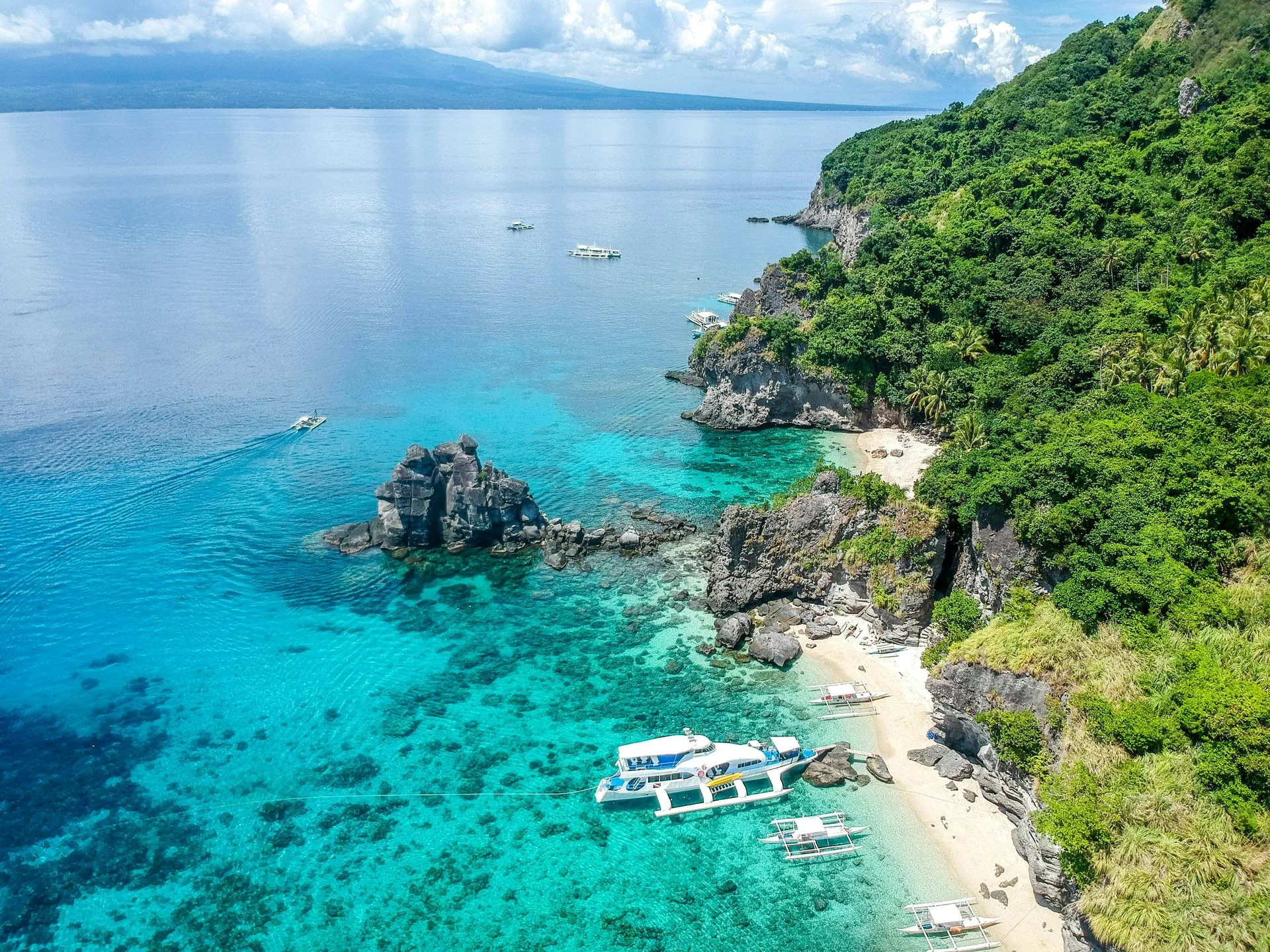
Dumaguete on the southeast coast of Negros is the jumping‑off point for some of the Philippines’ most diverse diving. Along the nearby town of Dauin, a series of shallow marine sanctuaries and black‑sand slopes hide critters galore: frogfish, flamboyant cuttlefish, mimic octopus, ghost pipefish, seahorses, pipefish and nudibranchs. Artificial reefs made from car tyres and pyramids provide extra habitat. Offshore, Apo Island’s walls and plateaus burst with hard and soft corals, schooling jacks and barracudas, and friendly green turtles. With day trips to Oslob’s whale sharks or Bais’ dolphin‑watching, and excursions to nearby Siquijor, Dumaguete offers a perfect mix of macro muck diving and classic coral reefs.