
Emperor Shrimp
Zenopontonia rex (syn. Periclimenes imperator)
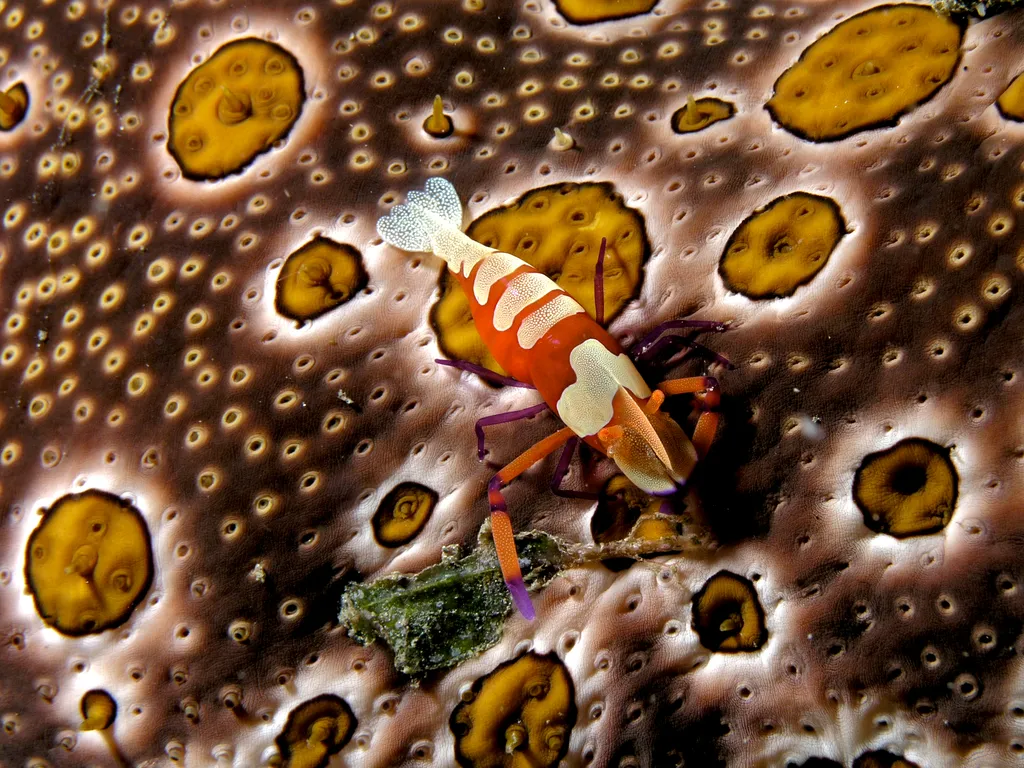
Photo by Nhobgood Nick Hobgood / CC BY-SA 3.0 via Wikimedia Commons
Emperor shrimp is a classic "small subject, big story" for macro divers. You are not really hunting the shrimp first - you are hunting the host. Once you find a Spanish dancer nudibranch or a large sea cucumber moving across open substrate, scan the mantle edge and dorsal folds for bright white saddle patches and purple legs. That search pattern is much more efficient than random sand scanning.
Divers love this species because behavior matters more than magnification. The shrimp often keeps to the safer side of the host and will circle out of view when approached too fast. Good sightings come from patient hovering and predicting where the host will crawl next.
🔬Classification
📏Physical Features
🌊Habitat Info
⚠️Safety & Conservation
Identification Guide
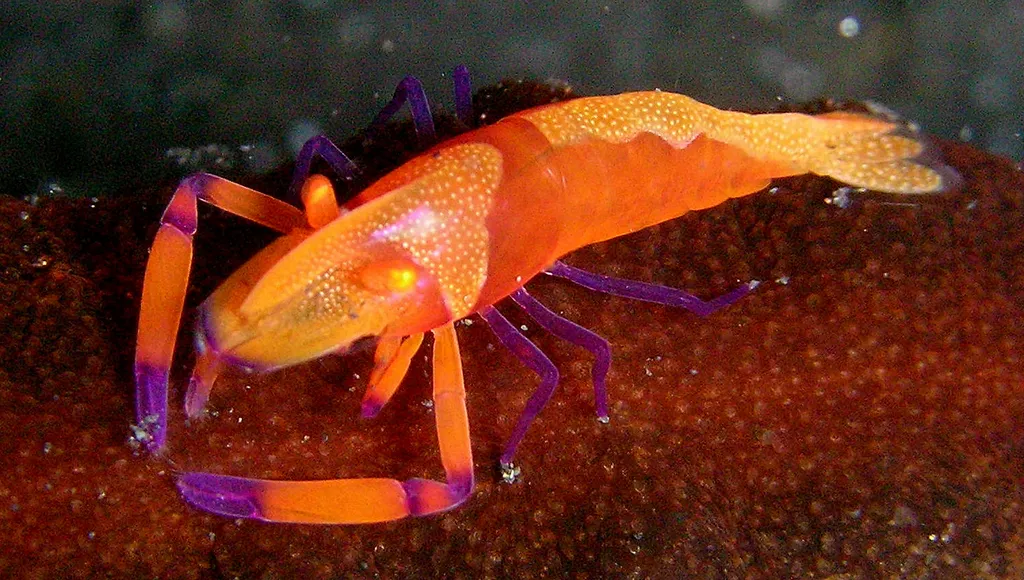
Photo by Steve Childs / CC BY 2.0 via Wikimedia Commons
Host-first ID
Check large nudibranchs (especially Spanish dancer) and exposed sea cucumbers before checking open sand.
Look for saddle pattern
Most individuals show high-contrast white dorsal patches on an orange-red body, with violet legs and claws.
Confirm true commensal positioning
Emperor shrimp usually rides on top, flank, or near branchial areas of the host and tracks host movement closely.
Avoid confusion with cleaner shrimps
Cleaner shrimps usually hold station on ledges or cleaning posts; emperor shrimp is strongly tied to a mobile host.
Top 10 Fun Facts about Emperor Shrimp
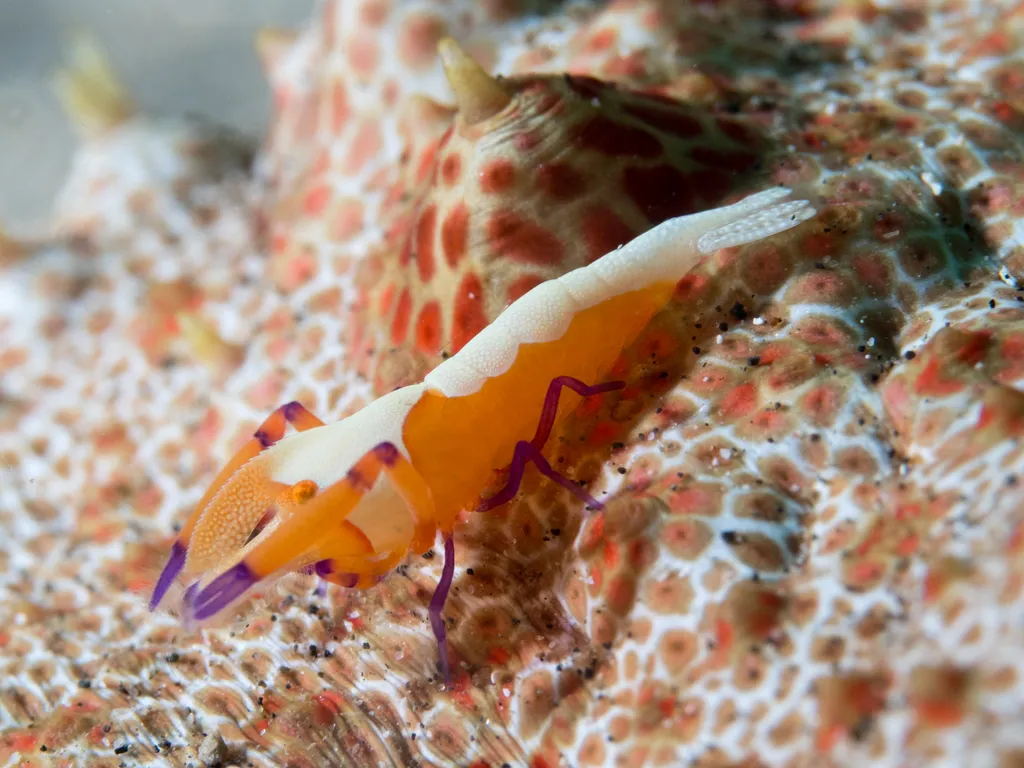
Photo by Rickard Zerpe / CC BY 2.0 via Wikimedia Commons
1. The Name Shift Matters
Many dive guides still use Periclimenes imperator, but current taxonomy places emperor shrimp as Zenopontonia rex. Knowing both names helps when cross-checking field guides and online logs.
2. Host Choice Is a Field Clue
On many reefs, smaller shrimp are frequently seen on sea cucumbers while larger, photo-friendly adults are often associated with big nudibranchs such as Spanish dancer.
3. Camouflage Is Dynamic, Not Static
Color and contrast can shift with host context, so divers should read pattern and behavior together instead of relying on one fixed color reference.
4. Commensal but Not Passive
The shrimp benefits from transport and predator protection, while also grazing mucus, detritus, and surface films around the host body.
5. Usually Found in Pairs
A single host often carries one pair, and pair behavior can include subtle spacing, side-switching, and occasional jostling for prime feeding position.
6. Tiny Body, High Visual Impact
At roughly 2 cm, emperor shrimp can dominate a frame because of high saturation and strong geometric patching, especially against dark red nudibranch tissue.
7. Macro Skill Test Species
This is a practical benchmark for buoyancy and restraint: if your approach is clean, the shrimp keeps feeding in place; if not, it disappears to the far side immediately.
8. Indo-Pacific Distribution Is Broad
From the Red Sea and Indian Ocean through Southeast Asia to parts of the Pacific, emperor shrimp is widespread but still "special" because host encounter rates control sightings.
9. Night Dives Can Be Productive
Hosts become more exposed while foraging after dusk, which can make emperor shrimp easier to spot than during high-traffic daytime periods.
10. Great for Behavior Sequences
Beyond portrait shots, this species is ideal for short observational sequences: host movement, shrimp repositioning, and side-switching tell a richer ecological story.
Diving & Observation Notes
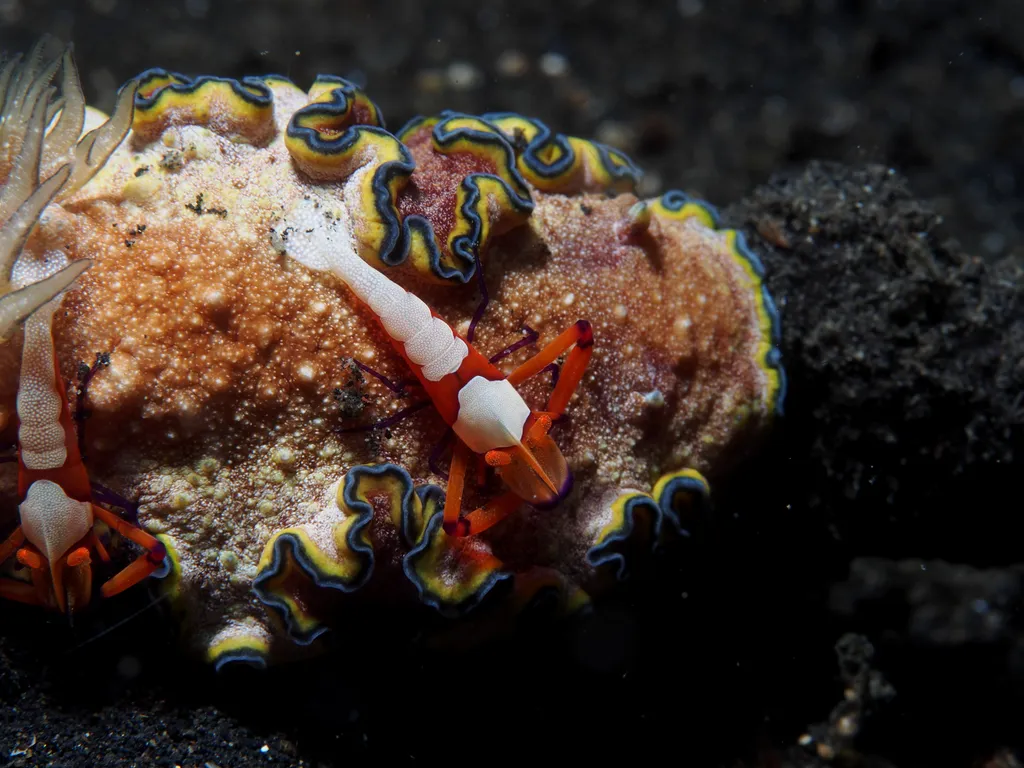
Photo by Rickard Zerpe / CC BY-SA 2.0 via Wikimedia Commons
Finding strategy
Brief your guide that you want host-based macro targets. Ask specifically for Spanish dancer and exposed holothurians on mixed sand-rubble slopes.
Approach and positioning
Stay slightly ahead of host travel direction, then settle low and let the subject come into your frame. Chasing from behind usually pushes the shrimp to the blind side.
Camera setup
Moderate magnification with room for host texture works better than extreme crop. Keep strobe power soft to preserve orange-red gradients and avoid clipping white saddle marks.
Ethical limits
Never prod hosts to "turn" the shrimp. Disturbing nudibranch gills or flipping sea cucumbers for angle is unacceptable and often destroys natural behavior within seconds.
Best Places to Dive with Emperor Shrimp
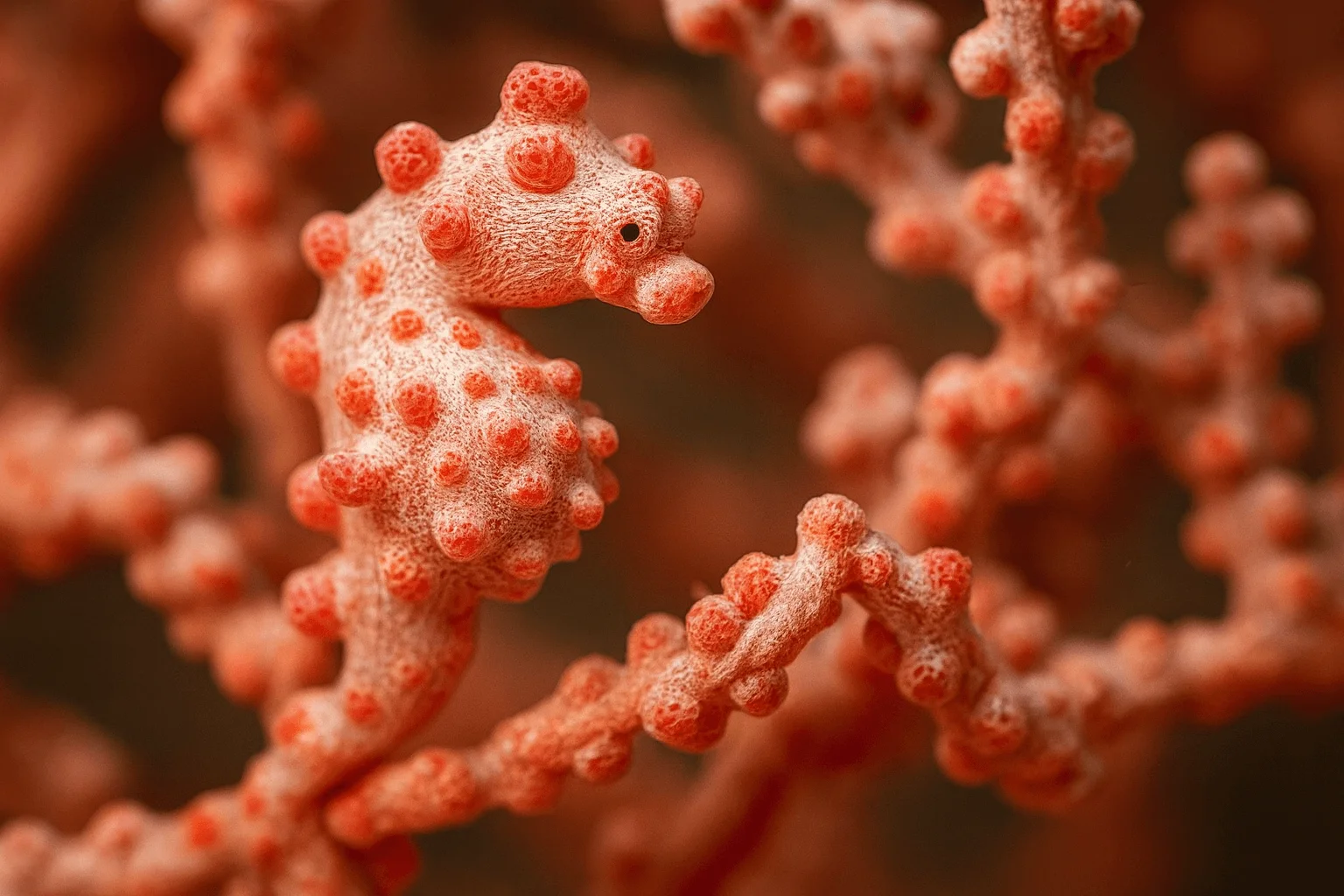
Anilao
Anilao, a small barangay in Batangas province just two hours south of Manila, is often called the macro capital of the Philippines. More than 50 dive sites fringe the coast and nearby islands, offering an intoxicating mix of coral‑covered pinnacles, muck slopes and blackwater encounters. Critter enthusiasts come for the legendary muck dives at Secret Bay and Anilao Pier, where mimic octopuses, blue‑ringed octopuses, wonderpus, seahorses, ghost pipefish, frogfish and dozens of nudibranch species lurk in the silt. Shallow reefs like Twin Rocks and Cathedral are covered in soft corals and teem with reef fish, while deeper sites such as Ligpo Island feature gorgonian‑covered walls and occasional drift. Because Anilao is so close to Manila and open year‑round, it’s the easiest place in the Philippines to squeeze in a quick diving getaway.
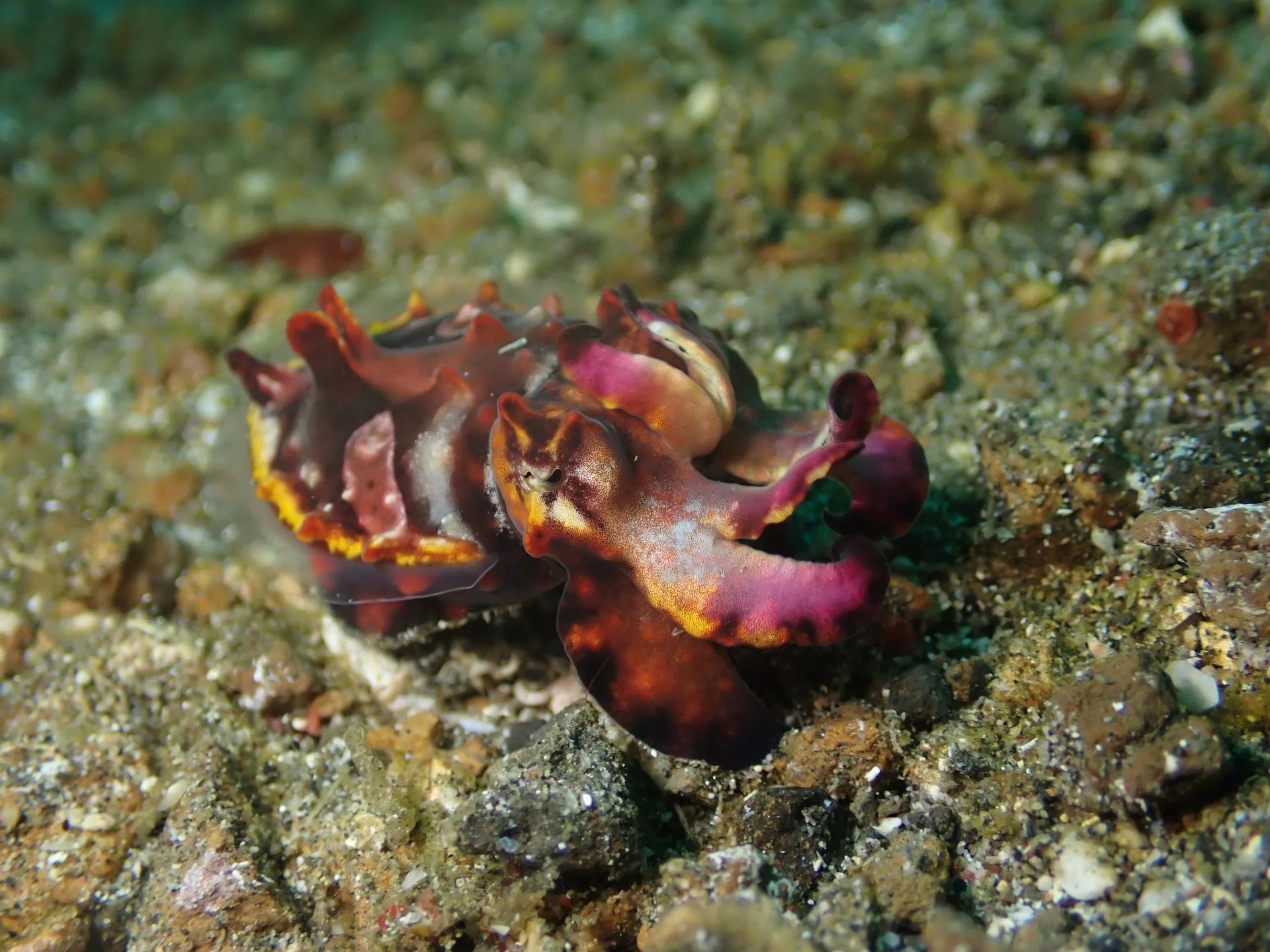
Lembeh
The Lembeh Strait in North Sulawesi has become famous as the muck‑diving capital of the world. At first glance its gently sloping seabed of black volcanic sand, rubble and discarded debris looks bleak. Look closer and it is teeming with weird and wonderful life: hairy and painted frogfish, flamboyant cuttlefish, mimic and blue‑ringed octopuses, ornate ghost pipefish, tiny seahorses, shrimp, crabs and a rainbow of nudibranchs. Most dives are shallow and calm with little current, making it an ideal playground for macro photographers. There are a few colourful reefs for a change of scenery, but Lembeh is all about searching the sand for critter treasures.
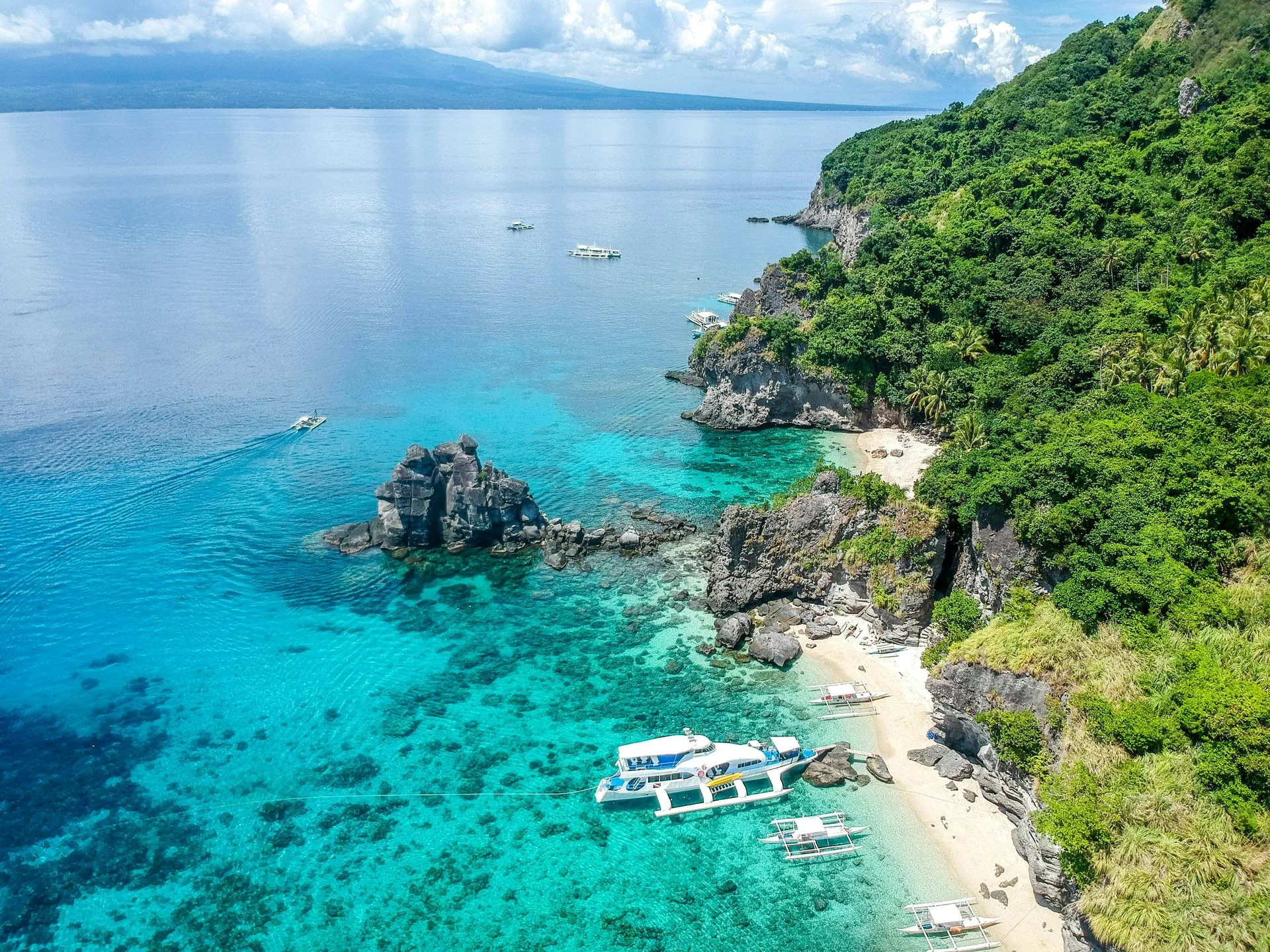
Dumaguete
Dumaguete on the southeast coast of Negros is the jumping‑off point for some of the Philippines’ most diverse diving. Along the nearby town of Dauin, a series of shallow marine sanctuaries and black‑sand slopes hide critters galore: frogfish, flamboyant cuttlefish, mimic octopus, ghost pipefish, seahorses, pipefish and nudibranchs. Artificial reefs made from car tyres and pyramids provide extra habitat. Offshore, Apo Island’s walls and plateaus burst with hard and soft corals, schooling jacks and barracudas, and friendly green turtles. With day trips to Oslob’s whale sharks or Bais’ dolphin‑watching, and excursions to nearby Siquijor, Dumaguete offers a perfect mix of macro muck diving and classic coral reefs.
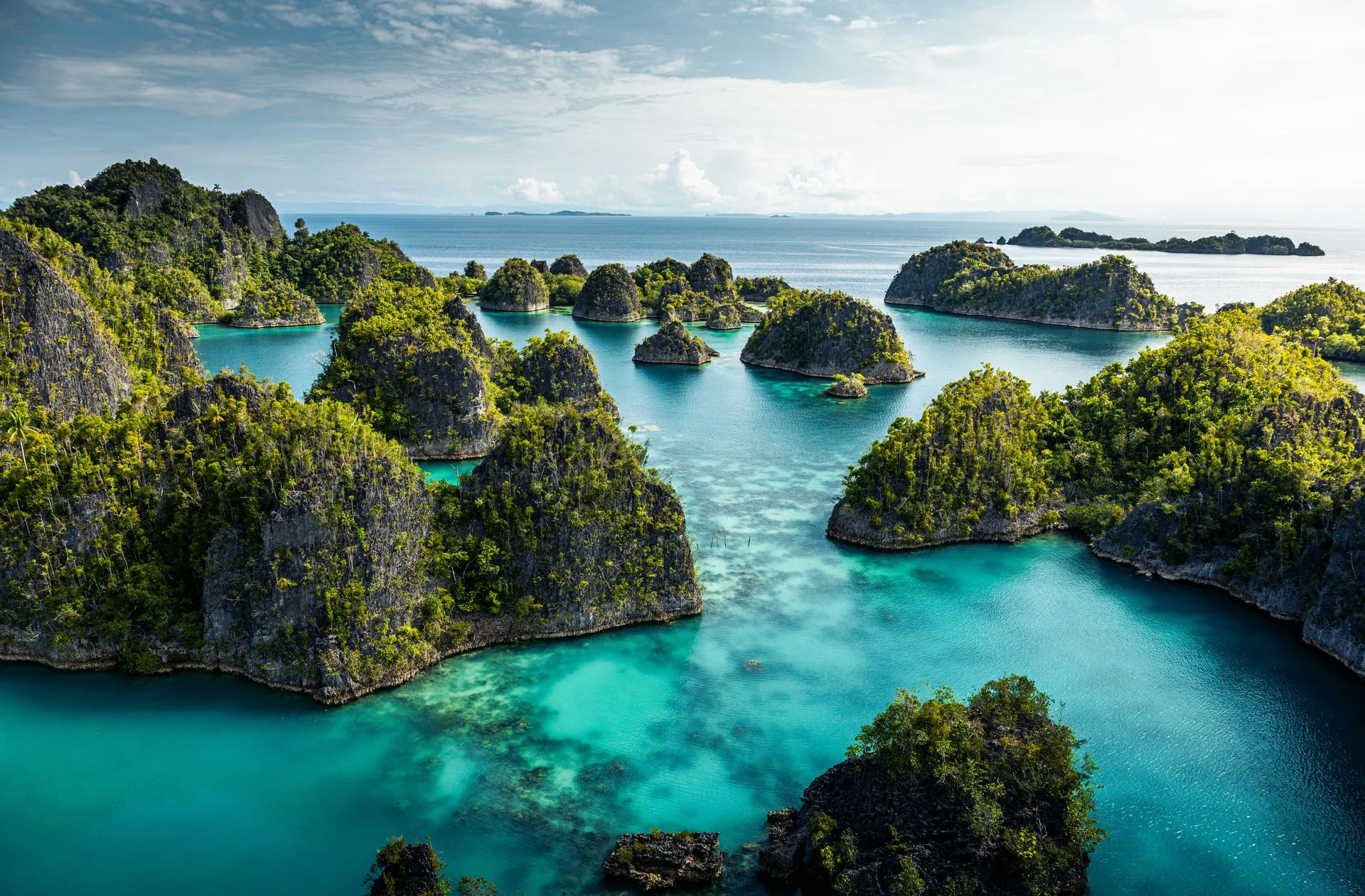
Raja Ampat
Raja Ampat, the “Four Kings,” is an archipelago of more than 1,500 islands at the edge of Indonesian West Papua. Its reefs sit in the heart of the Coral Triangle, where Pacific currents funnel nutrients into shallow seas and feed the world’s richest marine biodiversity. Diving here means gliding over colourful walls and coral gardens buzzing with more than 550 species of hard and soft corals and an estimated 1,500 fish species. You’ll meet blacktip and whitetip reef sharks on almost every dive, witness giant trevally and dogtooth tuna hunting schools of fusiliers, and encounter wobbegong “carpet” sharks, turtles, manta rays and dolphins. From cape pinnacles swarming with life to calm bays rich in macro critters, Raja Ampat offers endless variety. Above water, karst limestone islands and emerald lagoons provide spectacular scenery between dives.