
Goby Fish
Gobiidae (family with 2000+ species)
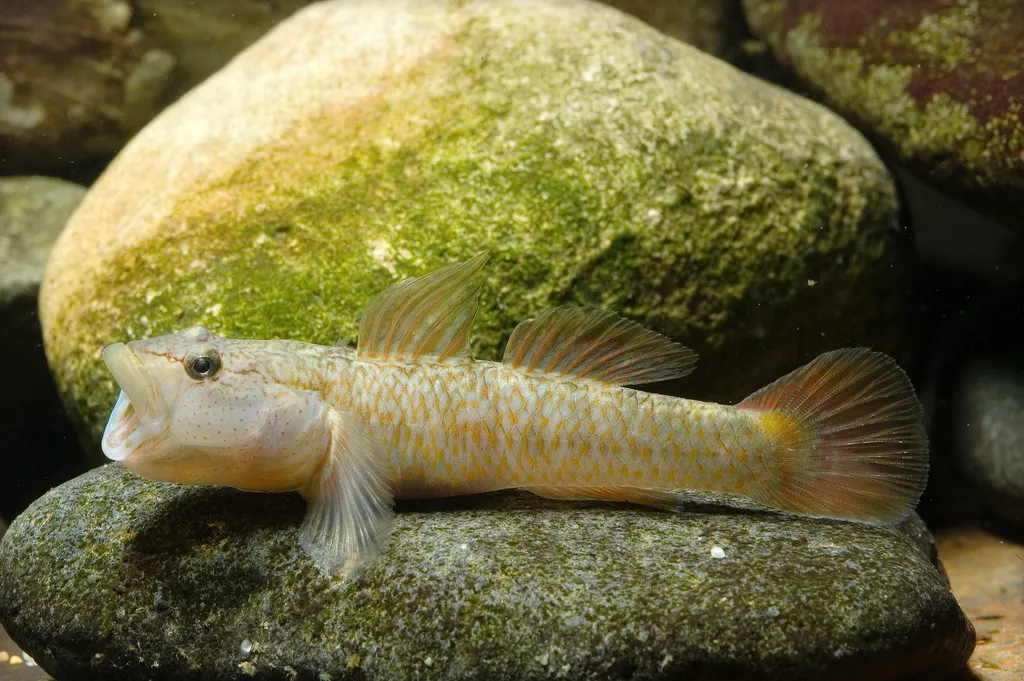
Photo by Seotaro / CC BY-SA 3.0 via Wikimedia Commons
In the underwater world of bigger-is-better predators and flashy reef fish, gobies have taken the opposite evolutionary path - and made it spectacularly successful. With over 2,000 species making them one of the largest fish families on Earth, gobies have mastered the art of being small, savvy, and adaptable. Some are so tiny they're barely visible (the world's smallest vertebrate is a goby measuring just 7mm), yet they've evolved remarkable partnerships that would make any diplomat proud - like the famous shrimp-goby duo where a nearly-blind shrimp builds and maintains a home while its keen-eyed goby roommate stands guard at the door. For macro photographers and muck divers, gobies are endlessly fascinating subjects - hover gobies that "perch" on coral branches, pistol shrimp partners that communicate through antenna-touching, and neon cleaners that fearlessly enter predators' mouths. They're proof that in the ocean, small size is no barrier to evolutionary success.
🔬Classification
📏Physical Features
🌊Habitat Info
⚠️Safety & Conservation
Identification Guide
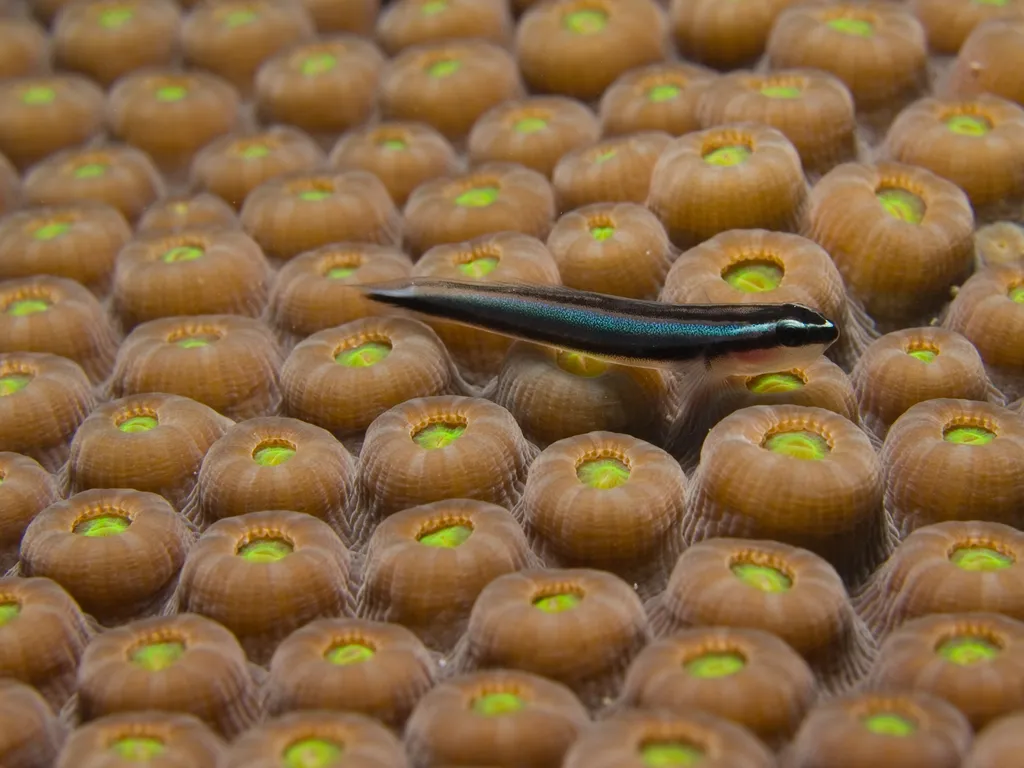
Photo by Nhobgood Nick Hobgood / CC BY-SA 3.0 via Wikimedia Commons
- Tiny Size: Most species under 10cm; some transparent or semi-transparent
- Fused Pelvic Fins: Look for a disc-like sucker formed by fused pelvic fins under the body
- Large Eyes: Prominent eyes positioned high on head for excellent all-around vision
- Bottom Dwellers: Usually resting on substrate, coral, or hovering near bottom
- Bulbous Head: Rounded head profile with upturned mouth
- Species Variation: Enormous diversity - from transparent to brilliantly colored
- Burrow Association: Many species found near holes in sand/rubble
Top 10 Fun Facts about Goby Fish
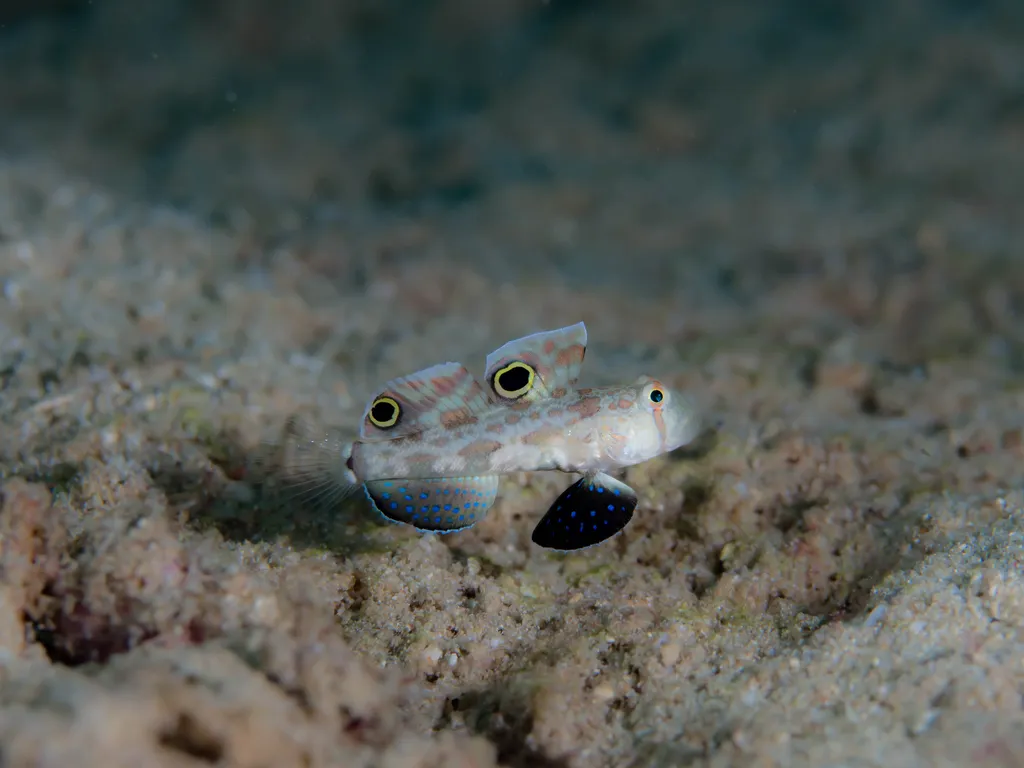
Photo by Rickard Zerpe / CC BY-SA 2.0 via Wikimedia Commons
1. The Smallest Vertebrate on Earth
Hold a goby and you might be holding a record-breaker. The stout infantfish (Schindleria brevipinguis) - a type of goby - holds the title of world's smallest vertebrate at just 7-8 mm long when fully grown. That's smaller than a grain of rice! The dwarf pygmy goby (Pandaka pygmaea) isn't much bigger, with males maturing at just 9mm. These microscopic fish are nearly transparent and can be almost impossible to spot even when you're looking right at them. Despite their tiny size, they're fully functional fish with all the organs, senses, and behaviors of much larger species - just miniaturized to an extreme degree.
2. The Shrimp-Goby Partnership: Nature's Odd Couple
One of the ocean's most charming symbiotic relationships involves gobies and pistol shrimp in a partnership that looks like an interspecies roommate sitcom. The nearly-blind shrimp is a tireless excavator, constantly digging and maintaining a burrow in the sand. The sharp-eyed goby acts as armed security guard, hovering at the burrow entrance watching for predators. The communication system is elegant: the shrimp keeps one antenna constantly touching the goby's tail. If danger approaches, the goby flicks its tail rapidly - the shrimp feels the vibration and both dart into the burrow. In return for guard duty, the goby gets a secure home and spawning site. Scientists have observed over 130 goby species partnering with about 20 shrimp species in this arrangement.
3. The Sucker Disc: A Built-In Anchor
Most gobies possess a distinctive anatomical feature: their two pelvic fins are fused together to form a disc-shaped sucker. This adhesive disc allows gobies to attach firmly to rocks, coral, or other substrate - crucial for living in surge zones, river currents, or areas with strong tidal flows. Some species can create such strong suction they're nearly impossible to dislodge even in crashing waves. This adaptation is so effective that certain freshwater gobies in Hawaii use their sucker discs to climb waterfalls - ascending vertical rock faces up to 350 meters high by literally "walking" upward in a series of stick-and-release movements!
4. Neon Cleaners: The Reef's Tiny Dentists
Neon gobies (Elacatinus species) have evolved into specialized cleaner fish - the aquatic equivalent of dental hygienists. These tiny, colorful gobies (usually under 5cm) establish "cleaning stations" on the reef where larger fish - including species that would normally eat them - visit to have parasites removed. The neon goby fearlessly enters the mouths and gills of predatory fish like groupers, moray eels, and barracudas, picking off parasites, dead skin, and debris. Their distinctive electric-blue stripe serves as a "uniform" signaling their cleaner status. This is a true mutualism: the goby gets fed, and the client fish gets groomed and stays healthy.
5. One of the Largest Fish Families
With over 2,000 described species (and likely many more awaiting discovery), Gobiidae is one of the largest vertebrate families on Earth. Gobies have successfully colonized virtually every aquatic habitat: tropical reef walls, temperate rocky shores, mudflats, seagrass beds, mangroves, estuaries, rivers, streams, and even underground caves. This incredible diversity means that "goby" describes an enormous range of sizes, colors, behaviors, and ecological roles. From transparent micro-species to chunky 30cm mudskippers that walk on land, the family showcases evolution's creative power.
6. Mudskippers: The Gobies That Walk
Perhaps the most bizarre gobies are mudskippers - amphibious species that spend more time out of water than in it. Using their muscular pectoral fins like crutches, mudskippers "walk" across mudflats, climb mangrove roots, and even occasionally climb trees. They can breathe air by retaining water in enlarged gill chambers and absorbing oxygen through their skin. During low tide, mudskippers establish territories, fight rivals, and perform elaborate courtship displays - including vertical jumping contests - all on dry land. Watching a mudskipper "gallop" across exposed tidal mud is one of nature's most surreal sights.
7. Hover Specialists: Anti-Gravity Fish
Some gobies have evolved to be exceptional "hoverers" - maintaining precise positions in mid-water despite currents. Species like the gorgeous fire goby use constant micro-adjustments of their fins to hang motionlessly above coral heads or in cave entrances. This hovering behavior serves multiple purposes: it puts them in prime position to snap up passing zooplankton, allows them to retreat instantly into coral or rock crevices when threatened, and makes them highly visible for attracting mates. For photographers, hovering gobies make fantastic subjects - they stay relatively still and often return to the same spot repeatedly.
8. Partnerships Beyond Shrimp
The shrimp partnership is famous, but gobies have evolved numerous other associations. Some species live exclusively among sea urchin spines. Others shelter inside giant barrel sponges. Certain gobies cohabit with blind snapping shrimp in a three-way partnership that also includes a pistol shrimp. Some tiny gobies live on soft corals, perfectly color-matched to their host. There's even a goby species that lives inside the burrows of mantis shrimp - essentially subletting an apartment from one of the ocean's most formidable invertebrates.
9. Sophisticated Burrowers
Many non-shrimp-partnering gobies are accomplished burrowers themselves. These species excavate complex tunnel systems in sand or rubble, complete with multiple entrances, escape routes, and sometimes a distinctive "porch" of collected shell fragments decorating the entrance. Some species will modify their burrows throughout their lives, expanding and renovating like underwater home improvement enthusiasts. Scientist have observed gobies using "tools" - carrying stones in their mouths to build up burrow walls or create protective barriers.
10. Reef Rebuilders and Sand Sifters
Gobies play crucial ecological roles often overlooked due to their small size. Burrowing species constantly turn over substrate, aerating sediment and preventing harmful bacterial blooms. Some gobies are important coral reef cleaners, consuming algae that would otherwise overgrow corals. Their burrows create microhabitats used by countless other small reef creatures. As prey items, they're critical food sources for larger fish, octopuses, and even seabirds. Despite being individually tiny, their collective biomass and ecological impact is enormous - remove gobies from a reef, and the entire ecosystem would suffer cascading effects.
Diving & Observation Notes
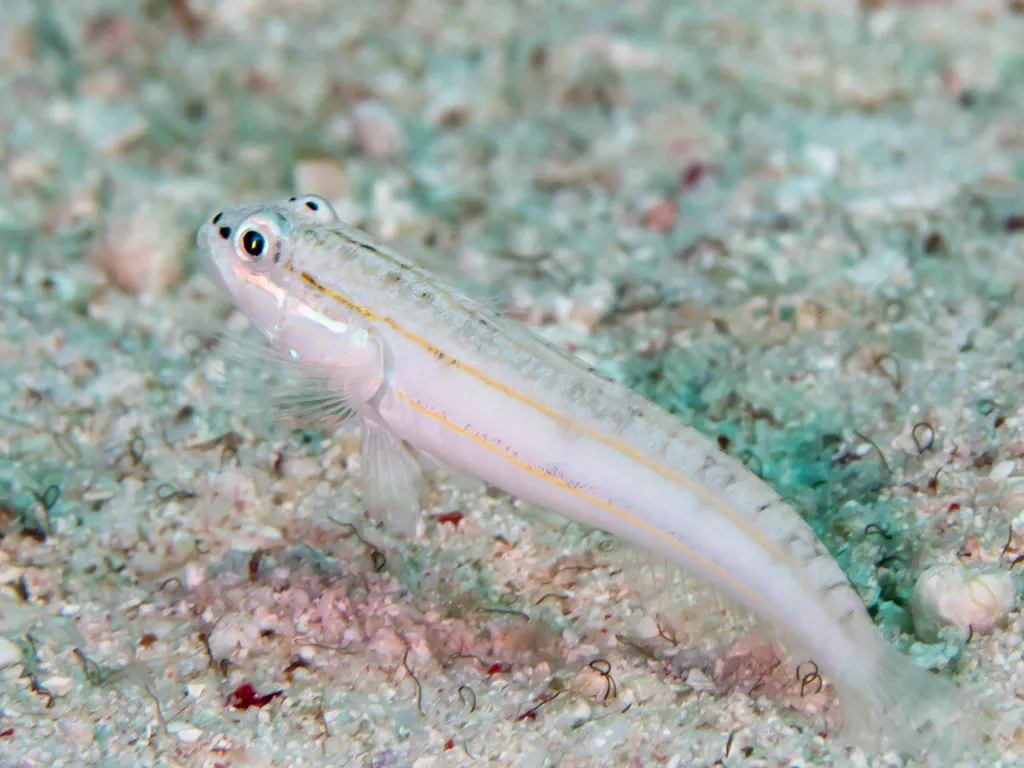
Photo by Rickard Zerpe / CC BY 2.0 via Wikimedia Commons
🧭 Finding Gobies
They are everywhere, but you need to know where to look.
- Sand & Rubble: Look for small burrows with a "porch" of shells—home to shrimp-goby pairs.
- Coral Branches: Check Acropora and whip corals for tiny, transparent hover gobies.
- Sponges & Urchins: Peek inside barrel sponges or between urchin spines for specialized tenants.
- Cleaning Stations: Look for neon gobies servicing larger fish on coral heads.
🤿 Behavior & Observation
- Shrimp-Goby Pairs: The classic duo. The blind shrimp digs; the goby watches. Approach slowly to see the shrimp bulldoze sand while keeping an antenna on the goby's tail.
- Cleaning Service: Watch neon gobies "dance" to attract clients, then fearlessly enter mouths and gills.
- Hovering: Fire gobies and dartfish hover just above their holes, flicking their dorsal fins.
📸 Photo Tips
- Get Low: Shoot at eye level (sand level) to isolate the subject from the background.
- Focus on Eyes: Their large, expressive eyes are the focal point. Use f/16+ for depth of field.
- Patience: They are skittish. Settle down, wait for them to get used to you, and let the shrimp re-emerge.
- Lighting: Side lighting emphasizes texture and reduces backscatter in sandy areas.
⚠️ Ethics
- Don't Crowd: Blocking a burrow entrance traps the shrimp inside and stresses the goby.
- No Poking: Never use a stick to "guide" them or trigger movement.
- Buoyancy: Be careful not to crush burrows when settling on the sand.
🌏 Goby Hotspots
- Lembeh Strait, Indonesia: The muck diving capital—endless rare species.
- Anilao, Philippines: Incredible diversity of shrimp-gobies and coral dwellers.
- Red Sea: Unique endemic species on reefs and wrecks.
- Raja Ampat: High biodiversity means gobies in every niche.
Best Places to Dive with Goby Fish
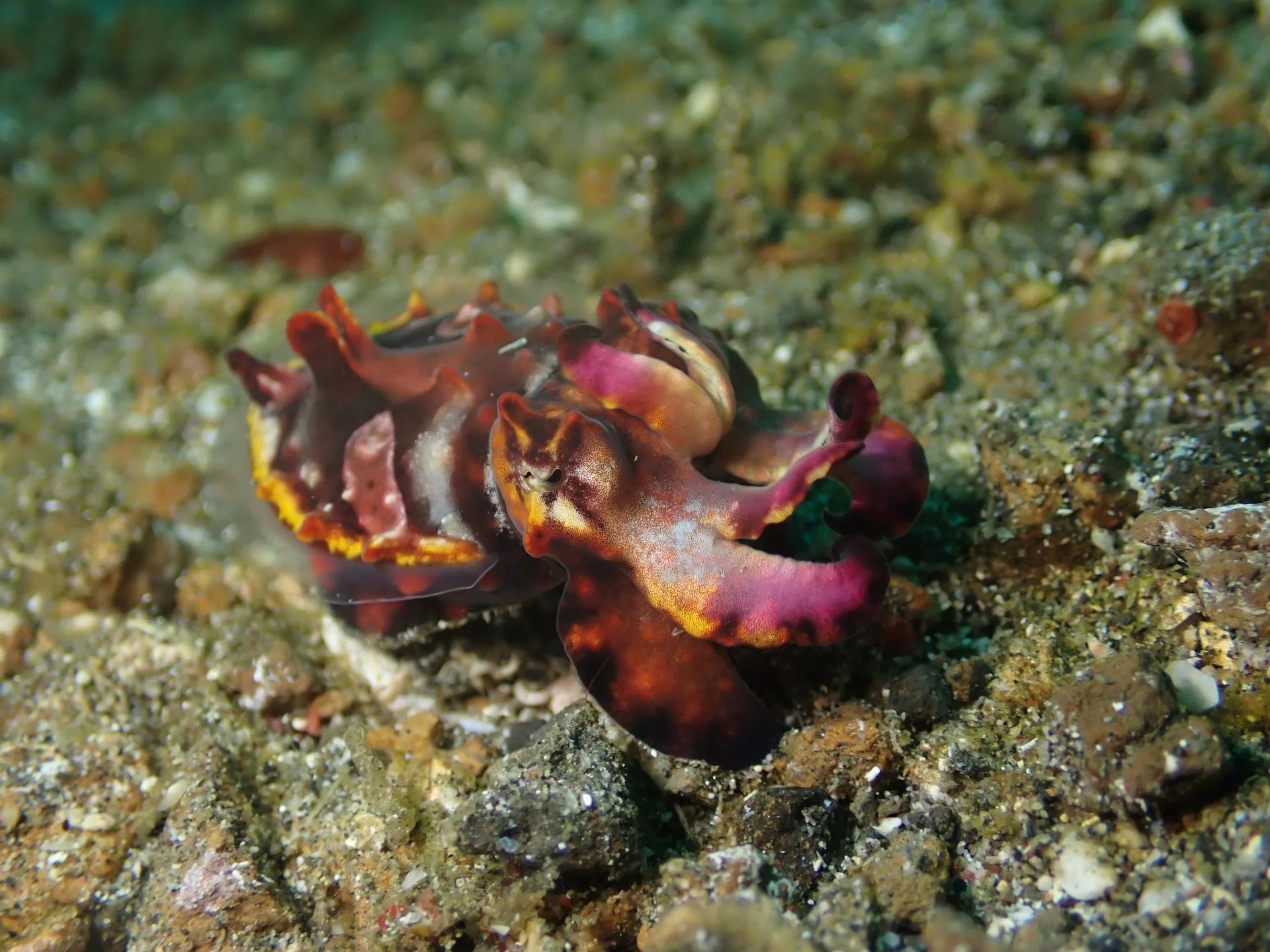
Lembeh
The Lembeh Strait in North Sulawesi has become famous as the muck‑diving capital of the world. At first glance its gently sloping seabed of black volcanic sand, rubble and discarded debris looks bleak. Look closer and it is teeming with weird and wonderful life: hairy and painted frogfish, flamboyant cuttlefish, mimic and blue‑ringed octopuses, ornate ghost pipefish, tiny seahorses, shrimp, crabs and a rainbow of nudibranchs. Most dives are shallow and calm with little current, making it an ideal playground for macro photographers. There are a few colourful reefs for a change of scenery, but Lembeh is all about searching the sand for critter treasures.
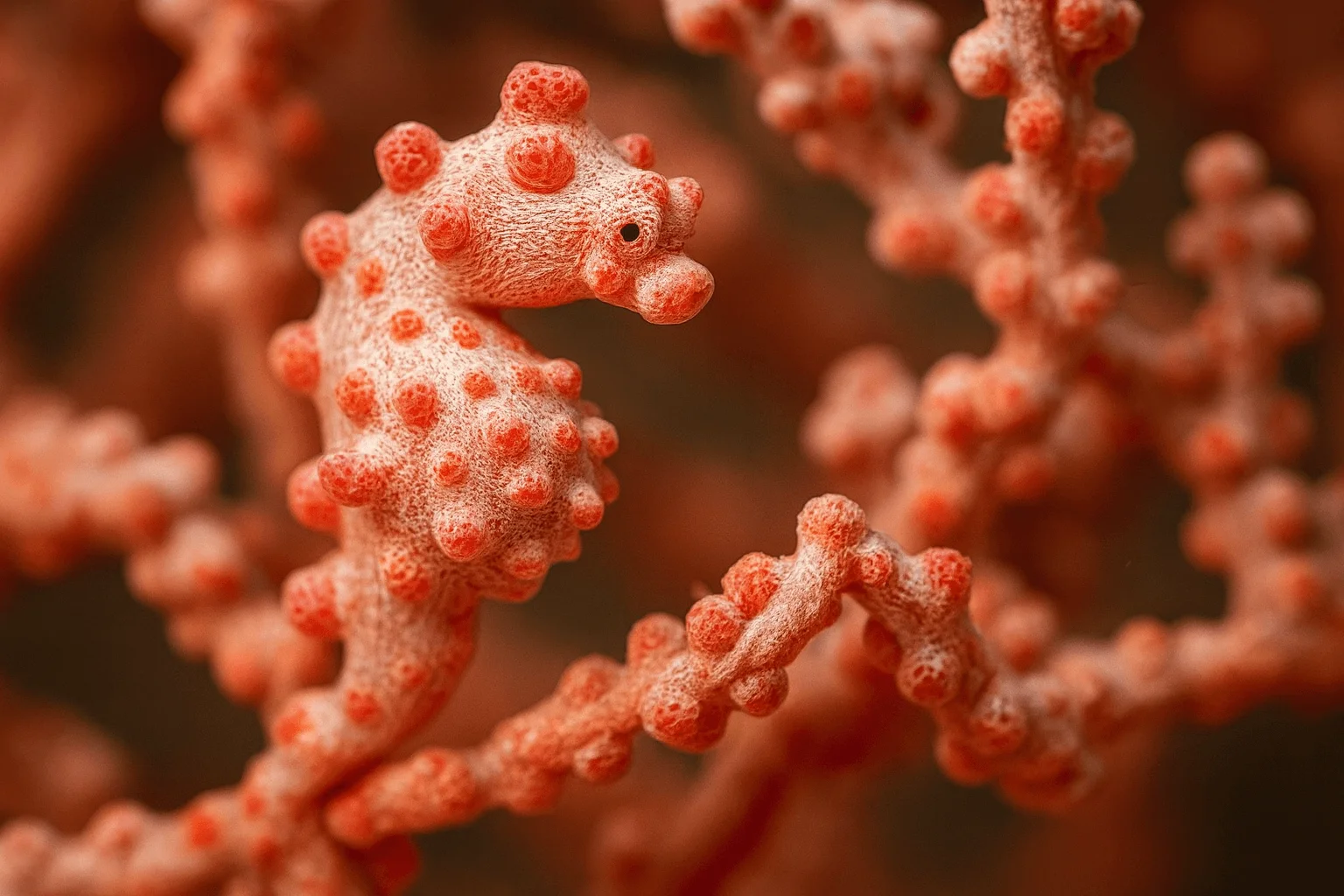
Anilao
Anilao, a small barangay in Batangas province just two hours south of Manila, is often called the macro capital of the Philippines. More than 50 dive sites fringe the coast and nearby islands, offering an intoxicating mix of coral‑covered pinnacles, muck slopes and blackwater encounters. Critter enthusiasts come for the legendary muck dives at Secret Bay and Anilao Pier, where mimic octopuses, blue‑ringed octopuses, wonderpus, seahorses, ghost pipefish, frogfish and dozens of nudibranch species lurk in the silt. Shallow reefs like Twin Rocks and Cathedral are covered in soft corals and teem with reef fish, while deeper sites such as Ligpo Island feature gorgonian‑covered walls and occasional drift. Because Anilao is so close to Manila and open year‑round, it’s the easiest place in the Philippines to squeeze in a quick diving getaway.
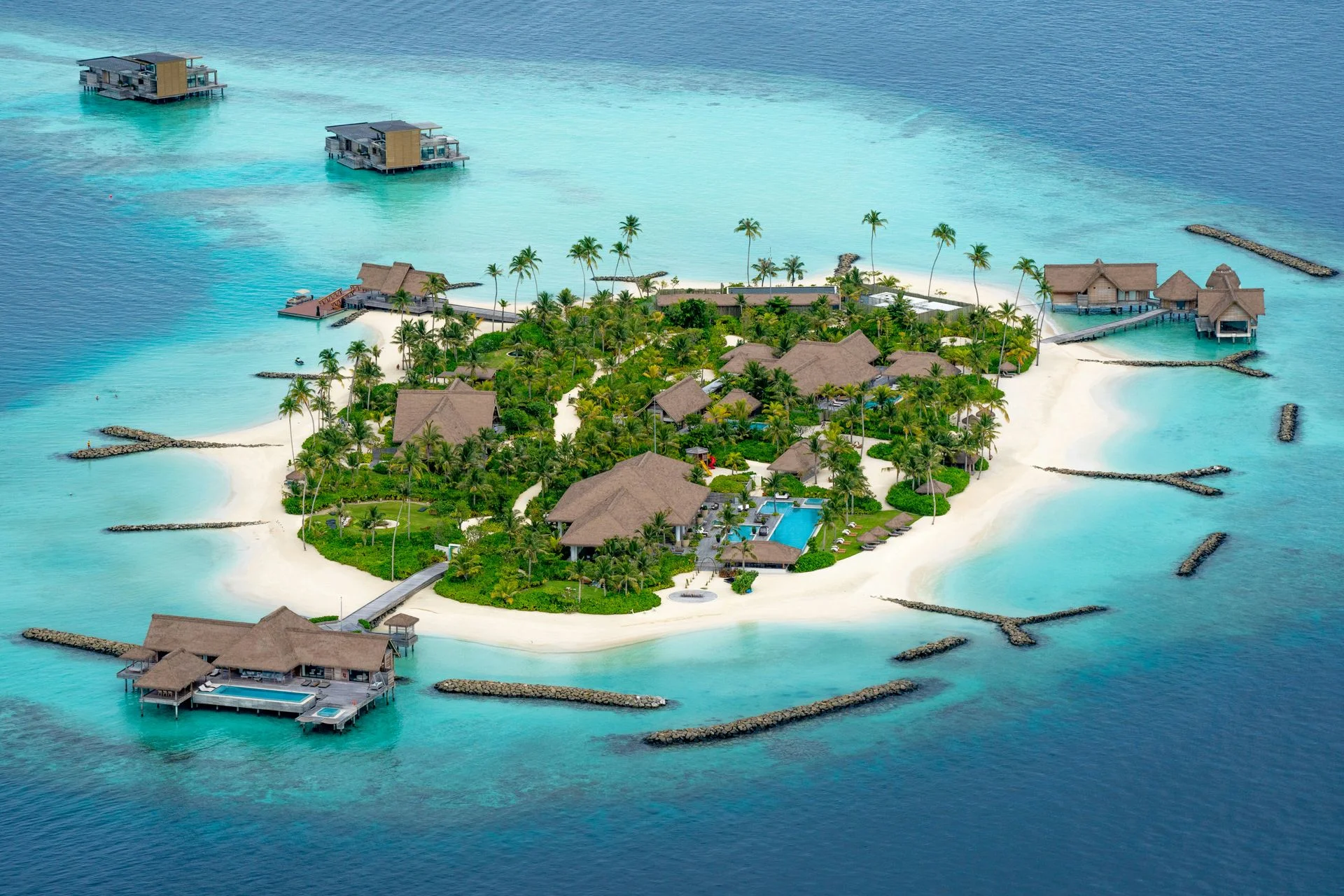
Maldives
Scattered across the Indian Ocean like strings of pearls, the Maldives’ 26 atolls encompass more than a thousand low‑lying islands, reefs and sandbanks. Beneath the turquoise surface are channels (kandus), pinnacles (thilas) and lagoons where powerful ocean currents sweep past colourful coral gardens. This nutrient‑rich flow attracts manta rays, whale sharks, reef sharks, schooling jacks, barracudas and every reef fish imaginable. Liveaboards and resort dive centres explore sites such as Okobe Thila and Kandooma Thila in the central atolls, manta cleaning stations in Baa and Ari, and shark‑filled channels like Fuvahmulah in the deep south. Diving here ranges from tranquil coral slopes to adrenalin‑fuelled drifts through current‑swept passes, making the Maldives a true pelagic playground.
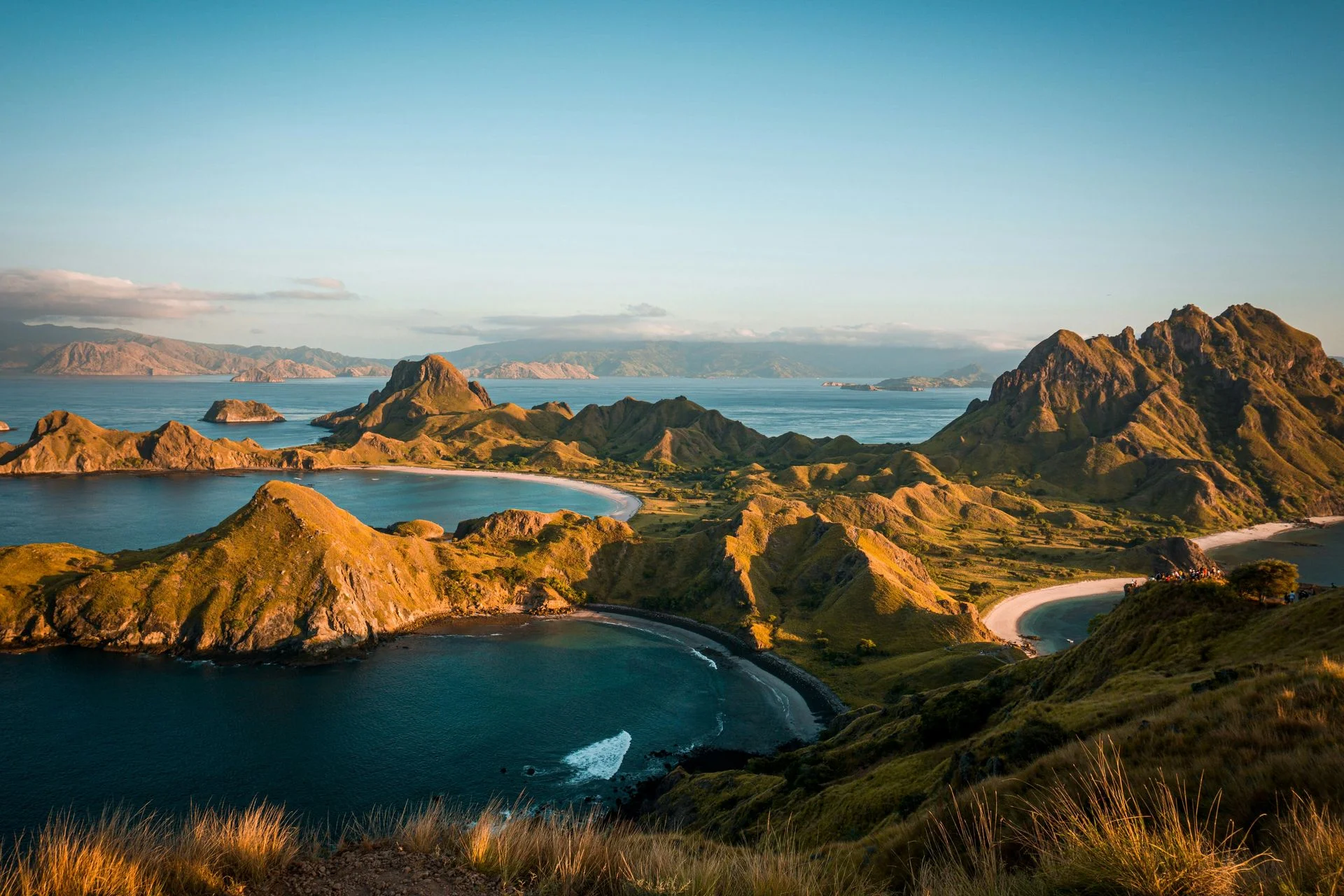
Komodo
Komodo National Park is a diver’s paradise full of marine diversity: expect healthy coral gardens, reef sharks, giant trevallies, countless schools of fish, and frequent manta ray sightings at sites like Manta Point and Batu Bolong. Drift dives and dramatic reef structures add excitement, while both macro lovers and big-fish fans will find plenty to love. Above water, the wild Komodo dragons roam, giving a touch of prehistoric wonder to the whole trip.
Palau
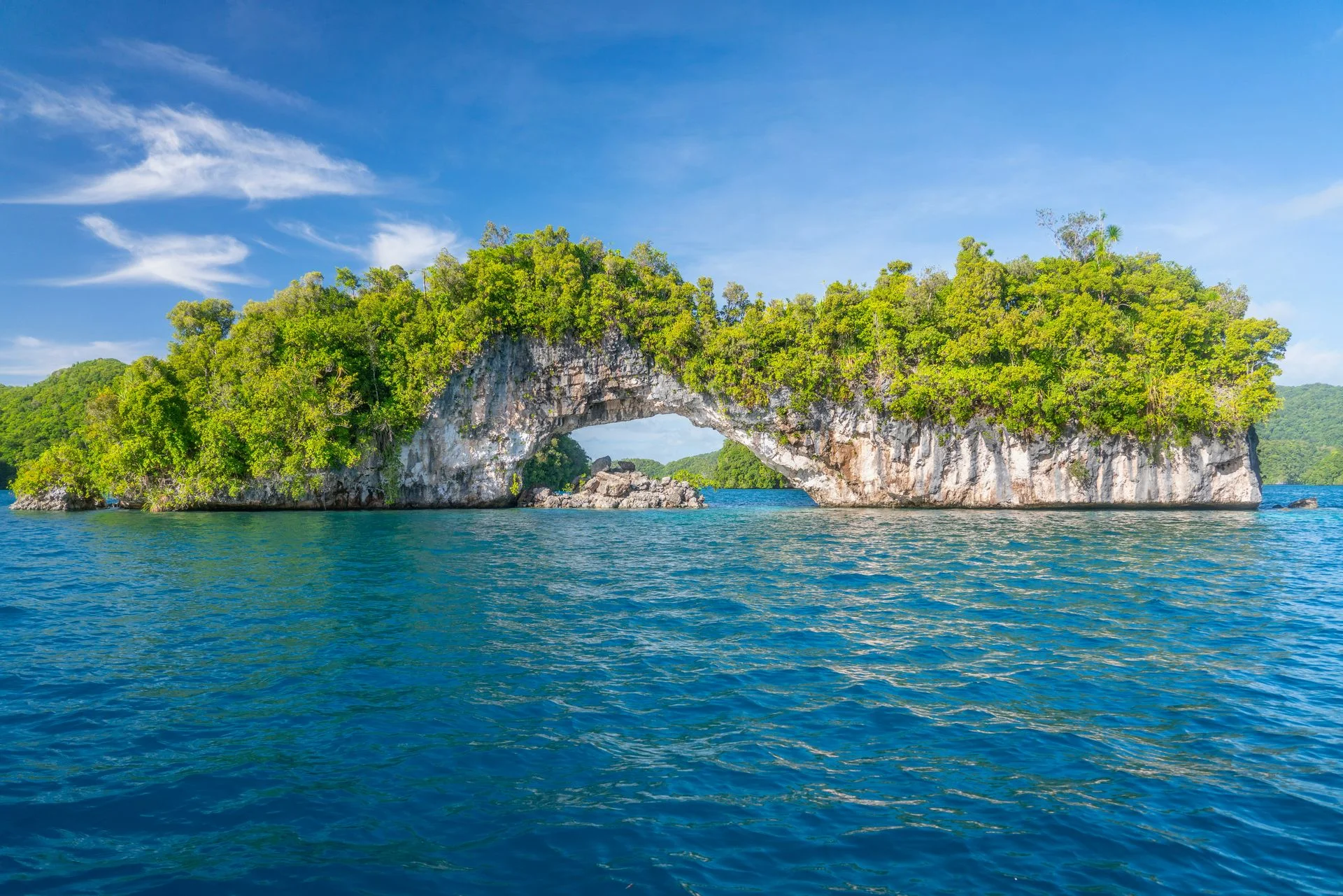
Rising out of the western Pacific at the meeting point of two great oceans, Palau is an archipelago of more than 500 jungle‑cloaked islands and limestone rock pinnacles. Its barrier reef and scattered outcrops create caverns, walls, tunnels and channels where nutrient‑rich currents sweep in from the Philippine Sea. These flows feed carpets of hard and soft corals and attract vast schools of jacks, barracudas and snappers, as well as an impressive cast of pelagics. Grey reef and whitetip sharks parade along the legendary Blue Corner; manta rays glide back and forth through German Channel’s cleaning stations; and Ulong Channel offers a thrill‑ride drift over giant clams and lettuce corals. Between dives you can snorkel among non‑stinging jellyfish in Jellyfish Lake or explore WWII ship and plane wrecks covered in colourful sponges.