
Hairy Squat Lobster
Lauriea siagiani
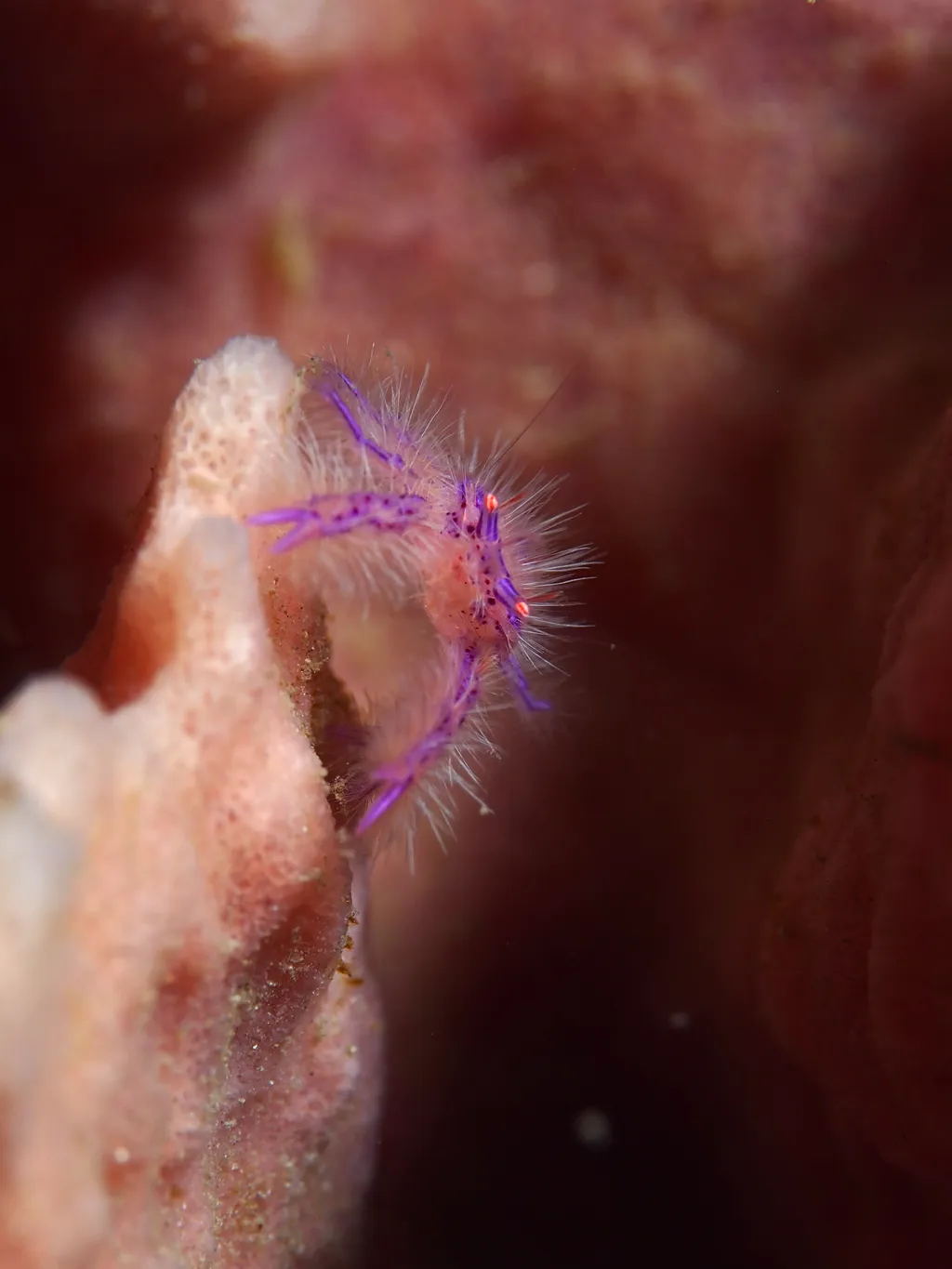
Photo by Rickard Zerpe / CC BY-SA 2.0 via Wikimedia Commons
The Hairy Squat Lobster is one of those macro species where the host is the real landmark. Divers rarely find it on open rubble—you find a large barrel sponge (Xestospongia testudinaria), then scan folds, oscules, and rim edges for a tiny pink-orange body buried in white "fuzz." At roughly fingernail scale, it disappears the moment you rush a shot or kick silt onto the sponge surface.
Despite the common name, this is not a true lobster. It belongs to the squat-lobster family Galatheidae (anomuran decapods, closer to hermit crabs than to clawed lobsters). What makes it a bucket-list critter is the combination of vivid color, extreme camouflage among sponge spicules, and a very narrow habitat niche. In Lembeh, Anilao, Dumaguete, Tulamben, and similar Indo-Pacific macro hubs, a good guide who knows sponge stations can turn a routine wall dive into a five-minute photo session—if you keep buoyancy clean and hands off the sponge.
🔬Classification
📏Physical Features
🌊Habitat Info
⚠️Safety & Conservation
Identification Guide
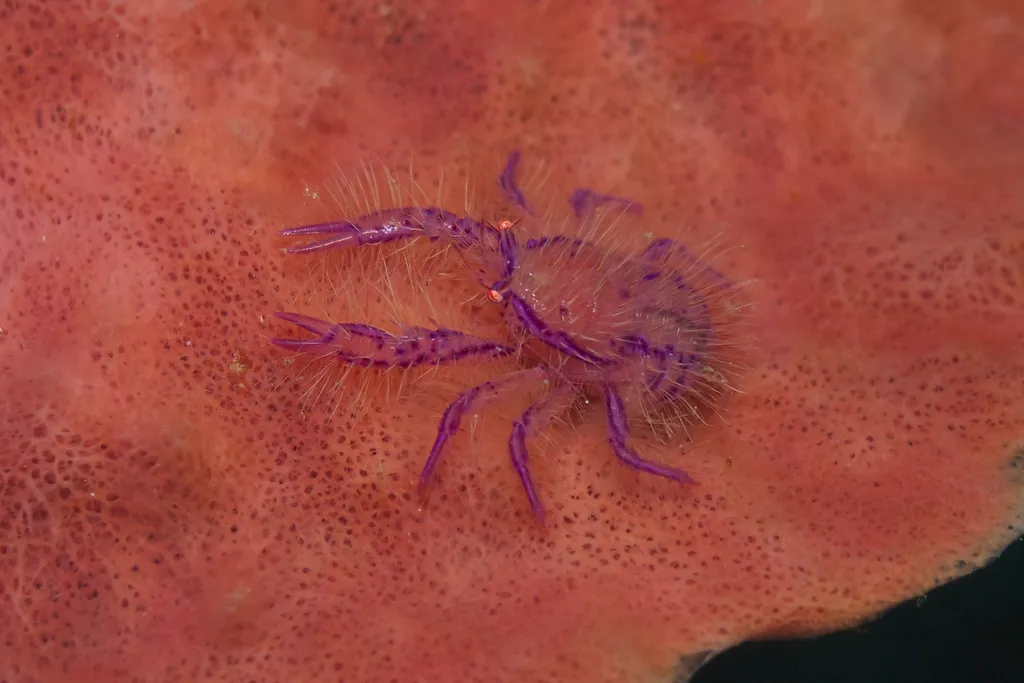
Photo by Elias Levy / CC BY 2.0 via Wikimedia Commons
Search the sponge, not the reef at large. On dives, prioritize giant barrel sponges on outer reef walls, slope tops, and mixed reef zones between about 7-20 m.
Key Field Marks
- Tiny size: usually well under 2 cm; often only a few millimeters of carapace visible
- Pink to orange body with purplish-red patches on carapace and abdominal segments
- Dense white plumose setae ("hairs") on body and legs—looks like sponge texture until you see eyes and legs move
- Strong host tie: almost always on Xestospongia testudinaria, sometimes tucked inside folds or near oscules
Sibling Species
- Lauriea gardineri is the close relative in the same genus: more brownish with banding, not the saturated pink-purple look of L. siagiani
- Other small galatheids may share squat-lobster shape but lack the pink-hairy-barrel-sponge combination
Do Not Confuse With
- Coleman shrimp and zebra crabs live on fire urchins, not barrel sponges
- Sponge encrustation, algae, or commensal worms on sponge surfaces—confirm leg movement and carapace outline
Top 10 Fun Facts about Hairy Squat Lobster
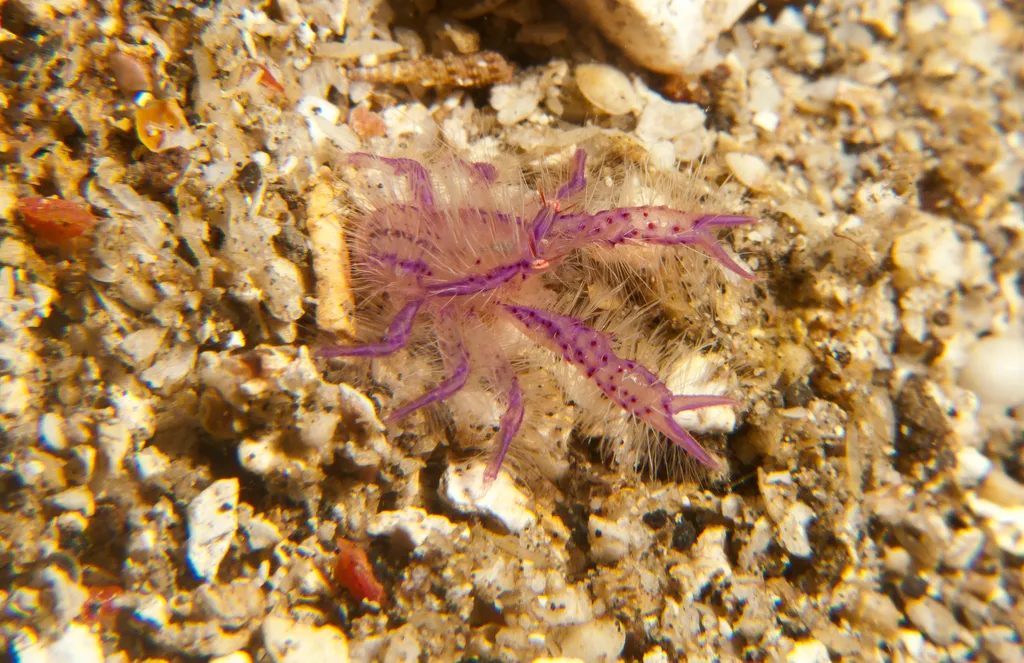
Photo by prilfish from Vienna / CC BY 2.0 via Wikimedia Commons
1. It Is a Squat Lobster, Not a Lobster
Taxonomically it sits in Galatheidae—anomuran decapods related to hermit crabs. The "lobster" label is diver shorthand for a flattened, long-abdomen crustacean that walks on sponge instead of hiding in a shell.
2. Named in 1994 From a Tulamben Specimen
Japanese carcinologist Keiji Baba described Lauriea siagiani in 1994. The holotype male was collected at Tulamben, Bali, 12 m on 18 February 1993 from a barrel sponge—the species epithet honors collector Wilhelm Siagian.
3. Photographed Before It Had a Name
Underwater photographer Roger Steene had already shot the animal as "Galathea sp." from Indonesia. That imagery helped Baba recognize it as a distinct new species rather than a known galatheid.
4. Only Two Species in Genus Lauriea
The genus contains just L. siagiani and L. gardineri. For divers, color is the fast key: hot pink-orange with purple marks versus gardineri's duller brown banding.
5. Barrel Sponge Is the Apartment Building
Field records overwhelmingly tie this species to Xestospongia testudinaria. Guides often find pairs or small groups sharing one sponge individual—useful behavior to watch for once you locate the host.
6. The "Hair" Mimics Sponge Spicules
Plumose setae break up the body outline and visually blend with sponge texture. The fringe may also help trap organic particles near the mouth—camouflage with a possible feeding bonus.
7. Millimeter Scale Makes It a Macro Trophy
Scientific types cite carapace lengths around 6-7 mm; resort critter logs sometimes report animals up to 2 cm. Either way, you need macro optics, calm water, and a patient guide to get a clean portrait.
8. Indo-West Pacific Shallow-Reef Signature
Documented from Indonesia and the Philippines through Japan (including Hachijo-jima) and Taiwan. Shallow recreational depths dominate diver encounters, though deeper museum records exist on other sponge hosts.
9. Alternate Names Tell the Same Story
"Pink Hairy Squat Lobster," "Fairy Crab," and "Barrel-sponge Crab" all point to the same field marks: pink, hairy, sponge-dwelling. Tell your guide any of these plus "barrel sponge."
10. Host Loyalty Shapes Dive Ethics
Some photo sets describe individuals "defending" their sponge—whether territorial display or simply holding position in a crevice, the takeaway for divers is the same: do not damage or pry the sponge to extract a 5 mm subject.
Diving & Observation Notes
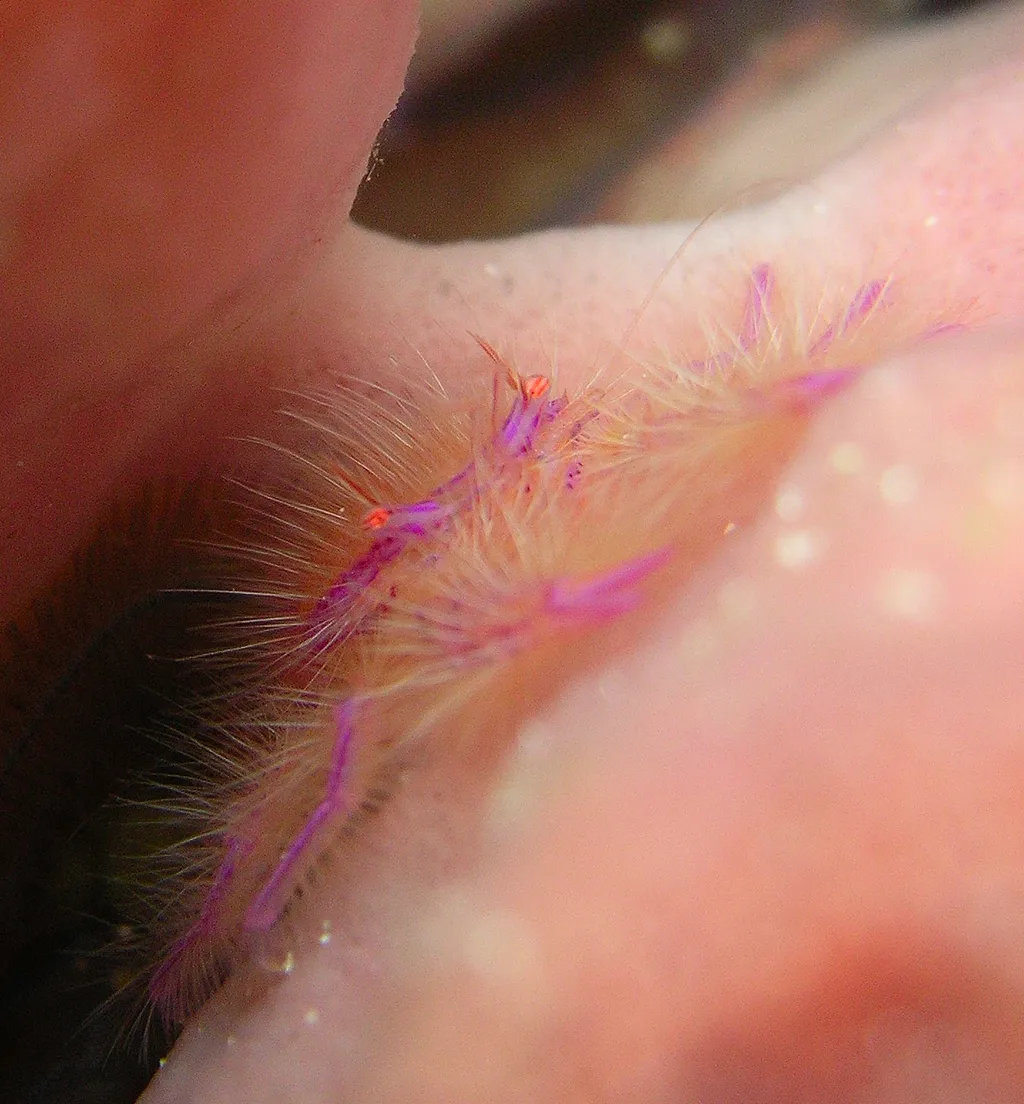
Photo by Steve Childs from Lancaster / CC BY 2.0 via Wikimedia Commons
🧭 Where To Look
Build the dive around large barrel sponges on outer walls and slopes, typically 7-20 m. Priority destinations in this dataset: Lembeh, Anilao, Dumaguete, Tulamben, Moalboal, Raja Ampat, and Sipadan.
🔦 Search Technique
- Swim sponge to sponge at macro pace; pause on each Xestospongia rim
- Use a focused beam on folds, oscules, and inner openings—individuals often sit where spicules are densest
- Check the same sponge from two angles before moving on; pairs hide on opposite flanks
🤿 Brief Your Guide
Say "hairy squat lobster on barrel sponge" or "Lauriea siagiani"—not just "small shrimp." Good guides memorize sponge landmarks and can return on a second dive.
📸 Photo Workflow
- Macro lens or diopter; stop down (f/16-f/22) for hair and carapace depth
- Side or low-angle light separates pink body from brown sponge
- Shoot short bursts, then back off—aggressive lighting or contact makes them retreat into folds
⚠️ Safety and Habitat
Non-toxic to humans, but never pry or break sponge tissue to expose a subject. Poor buoyancy scuffs sponge surfaces and wipes out commensal communities for everyone after you.
🌱 Ethics
If the animal hides after one pass, mark the sponge mentally and revisit later. Forcing proximity damages the only habitat this species uses.
Best Places to Dive with Hairy Squat Lobster
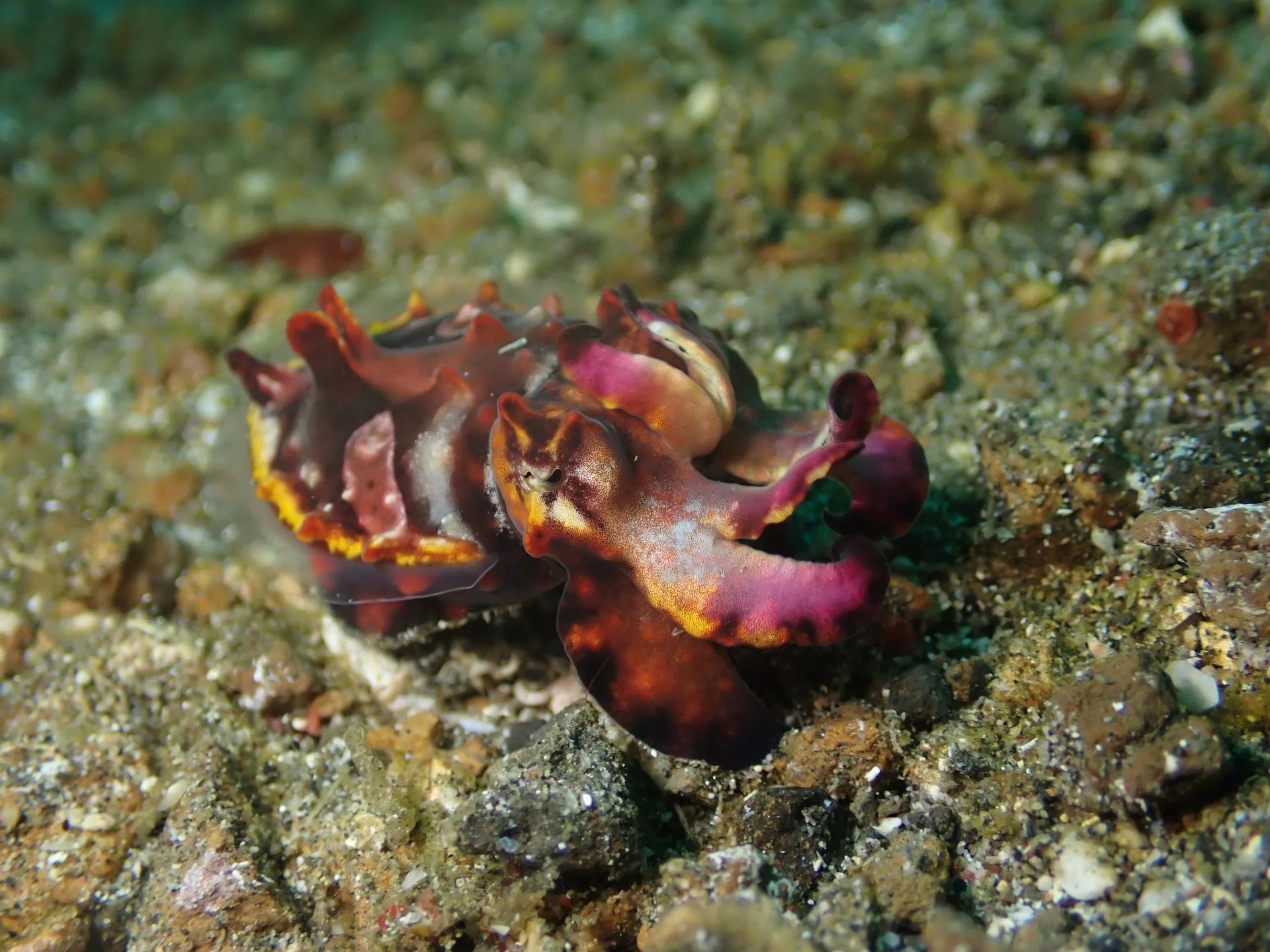
Lembeh
The Lembeh Strait in North Sulawesi has become famous as the muck‑diving capital of the world. At first glance its gently sloping seabed of black volcanic sand, rubble and discarded debris looks bleak. Look closer and it is teeming with weird and wonderful life: hairy and painted frogfish, flamboyant cuttlefish, mimic and blue‑ringed octopuses, ornate ghost pipefish, tiny seahorses, shrimp, crabs and a rainbow of nudibranchs. Most dives are shallow and calm with little current, making it an ideal playground for macro photographers. There are a few colourful reefs for a change of scenery, but Lembeh is all about searching the sand for critter treasures.
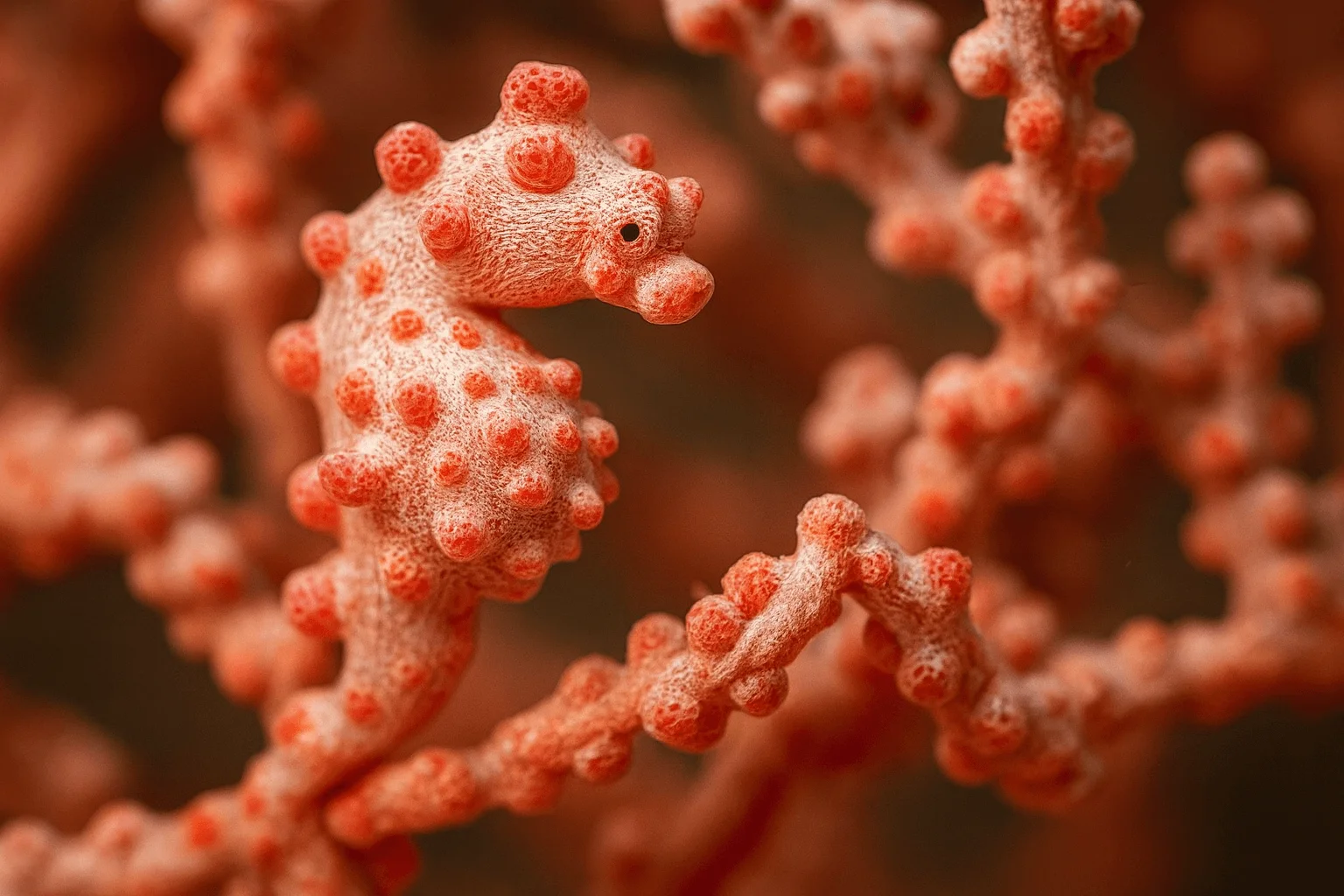
Anilao
Anilao, a small barangay in Batangas province just two hours south of Manila, is often called the macro capital of the Philippines. More than 50 dive sites fringe the coast and nearby islands, offering an intoxicating mix of coral‑covered pinnacles, muck slopes and blackwater encounters. Critter enthusiasts come for the legendary muck dives at Secret Bay and Anilao Pier, where mimic octopuses, blue‑ringed octopuses, wonderpus, seahorses, ghost pipefish, frogfish and dozens of nudibranch species lurk in the silt. Shallow reefs like Twin Rocks and Cathedral are covered in soft corals and teem with reef fish, while deeper sites such as Ligpo Island feature gorgonian‑covered walls and occasional drift. Because Anilao is so close to Manila and open year‑round, it’s the easiest place in the Philippines to squeeze in a quick diving getaway.
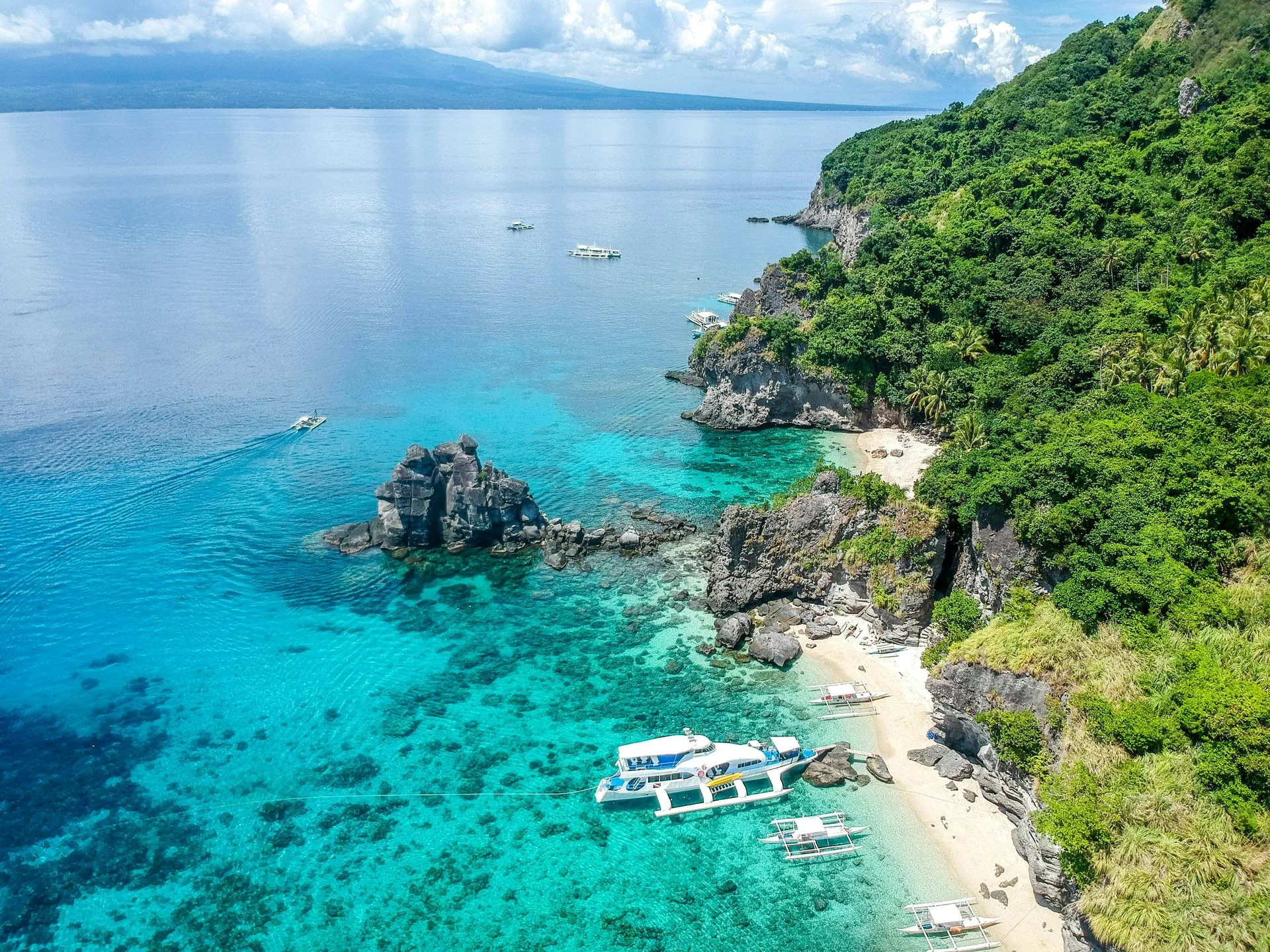
Dumaguete
Dumaguete on the southeast coast of Negros is the jumping‑off point for some of the Philippines’ most diverse diving. Along the nearby town of Dauin, a series of shallow marine sanctuaries and black‑sand slopes hide critters galore: frogfish, flamboyant cuttlefish, mimic octopus, ghost pipefish, seahorses, pipefish and nudibranchs. Artificial reefs made from car tyres and pyramids provide extra habitat. Offshore, Apo Island’s walls and plateaus burst with hard and soft corals, schooling jacks and barracudas, and friendly green turtles. With day trips to Oslob’s whale sharks or Bais’ dolphin‑watching, and excursions to nearby Siquijor, Dumaguete offers a perfect mix of macro muck diving and classic coral reefs.
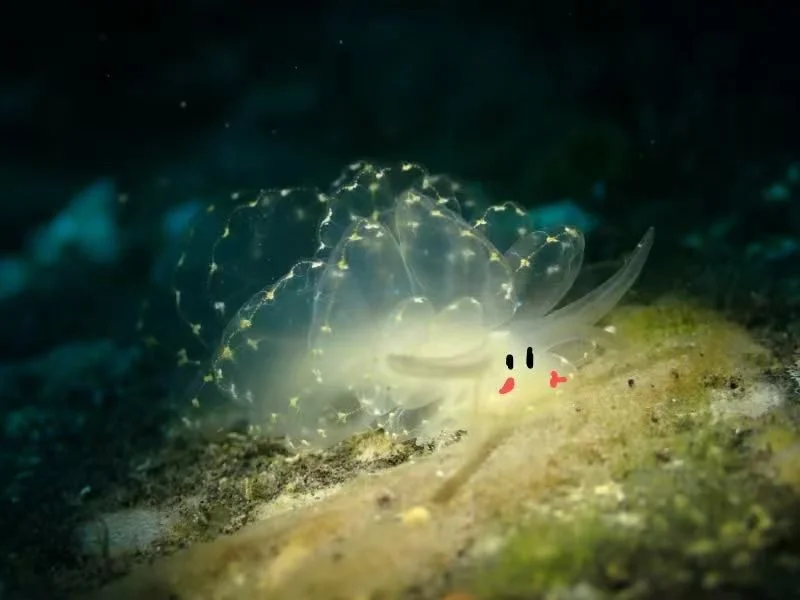
Tulamben(Bali)
Tulamben sits on Bali’s northeast coast and is best known for the USAT Liberty shipwreck – a 125‑metre cargo ship torpedoed in WWII that now lies just a short swim from shore. Warm water, mild currents and straightforward shore entries make diving here relaxed for all levels. Besides the wreck, divers can explore coral gardens, black‑sand muck sites and dramatic drop‑offs. Macro lovers will find nudibranchs, ghost pipefish, mimic octopus and pygmy seahorses, while big‑fish fans can encounter schooling jackfish, bumphead parrotfish and reef sharks. With a compact coastline packed with variety, Tulamben delivers world‑class wreck and critter diving without long boat rides.
Moalboal
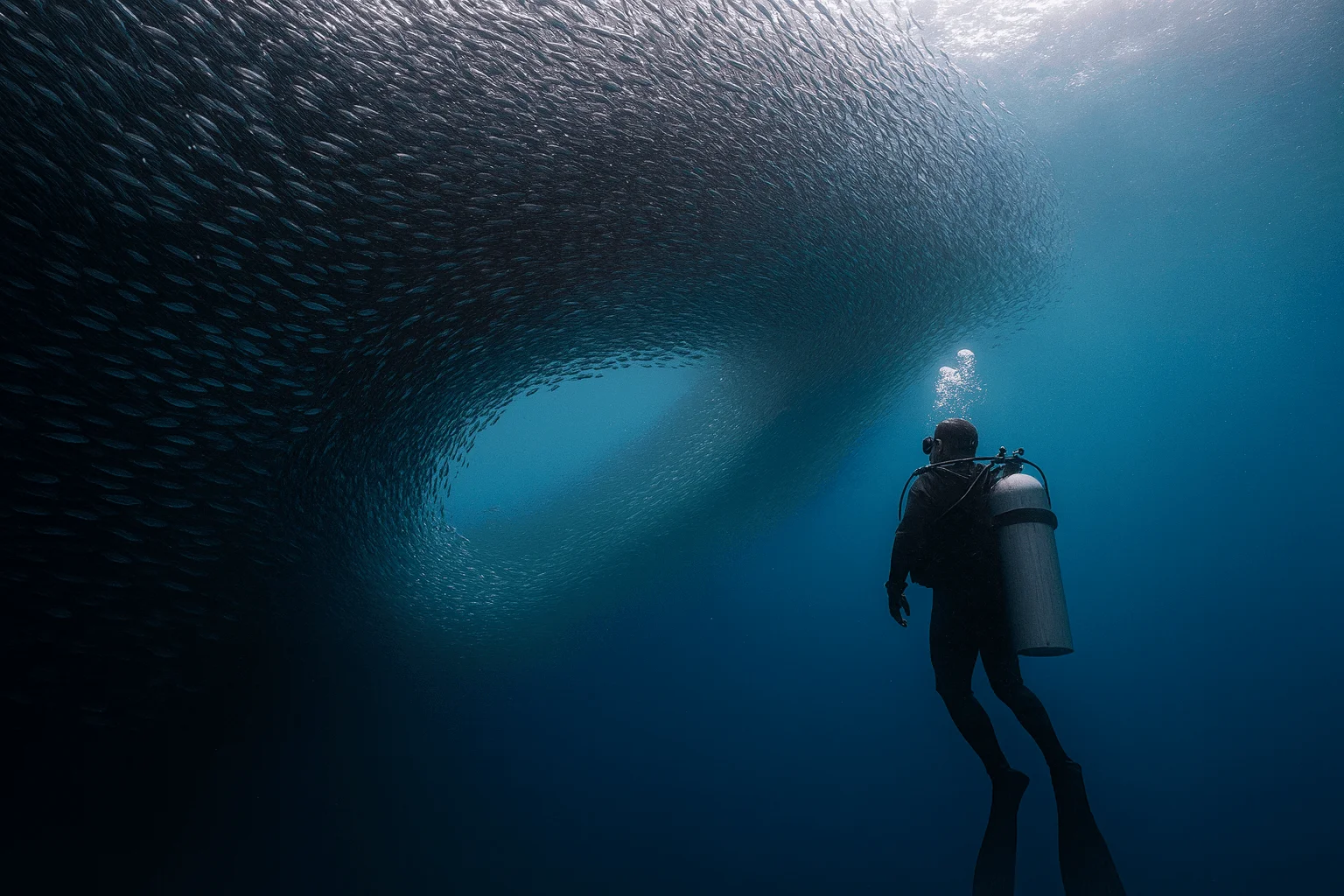
Moalboal is a laid‑back beach town on the west coast of Cebu known for its spectacular sardine run and easy access to Pescador Island. Vast clouds of millions of sardines swirl just off Panagsama Beach all year, creating a shimmering wall of fish that you can dive or snorkel through. Just offshore, the limestone island of Pescador offers steep walls, caverns and canyons covered in hard and soft corals; turtles, sea snakes, frogfish, schooling jacks and the occasional thresher or whitetip reef shark can be seen here. Many other sites along the coast feature shallow coral gardens and sandy slopes teeming with nudibranchs, cuttlefish and reef fish, making Moalboal perfect for both beginners and experienced divers.
Raja Ampat
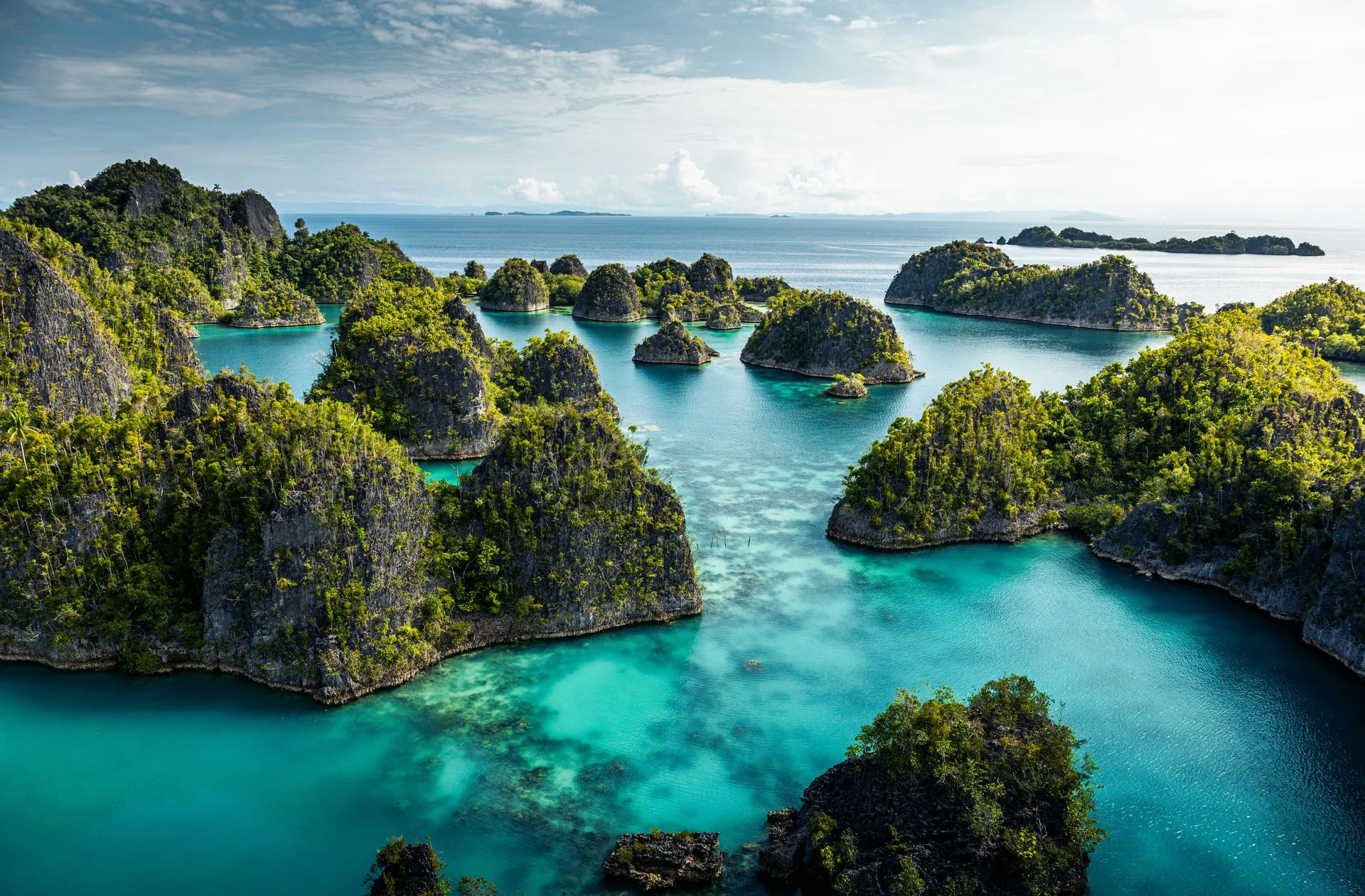
Raja Ampat, the “Four Kings,” is an archipelago of more than 1,500 islands at the edge of Indonesian West Papua. Its reefs sit in the heart of the Coral Triangle, where Pacific currents funnel nutrients into shallow seas and feed the world’s richest marine biodiversity. Diving here means gliding over colourful walls and coral gardens buzzing with more than 550 species of hard and soft corals and an estimated 1,500 fish species. You’ll meet blacktip and whitetip reef sharks on almost every dive, witness giant trevally and dogtooth tuna hunting schools of fusiliers, and encounter wobbegong “carpet” sharks, turtles, manta rays and dolphins. From cape pinnacles swarming with life to calm bays rich in macro critters, Raja Ampat offers endless variety. Above water, karst limestone islands and emerald lagoons provide spectacular scenery between dives.
Sipadan & Semporna
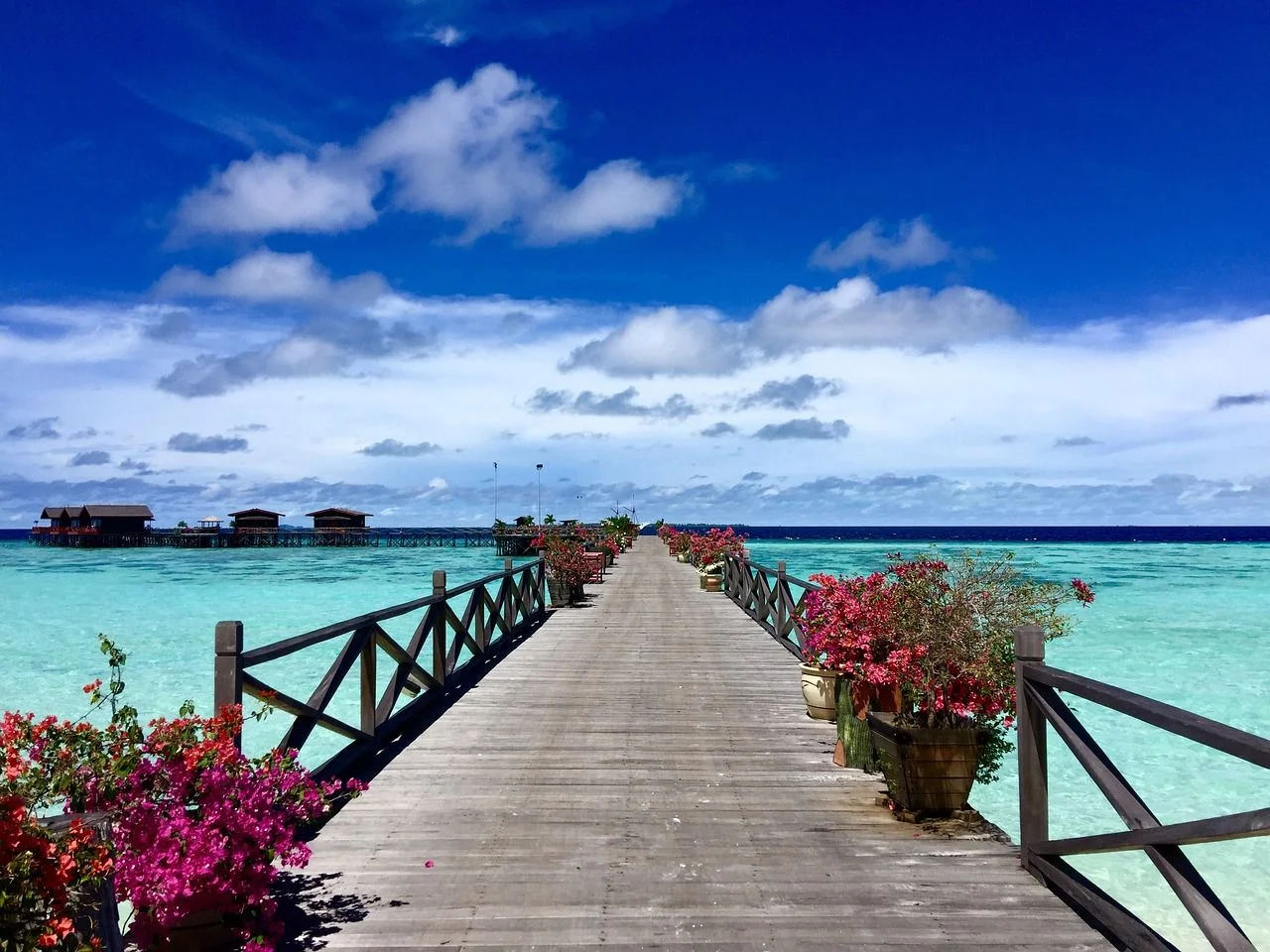
Sipadan Island off the coast of Sabah is Malaysia’s crown jewel of diving – a steep limestone pinnacle rising more than 600 metres from the sea floor and teeming with pelagic life. Currents sweep past vertical walls encrusted in hard and soft corals, bringing in barracudas, jacks, reef sharks and bumphead parrotfish in breathtaking numbers. Nearby Mabul and Kapalai offer an entirely different experience on shallow sand‑slope reefs and artificial structures, where flamboyant cuttlefish, frogfish, mandarin fish and other macro critters hide among sponges and tyres. With limited daily permits, a visit to Sipadan is a privilege; most divers base themselves in the frontier town of Semporna or at water‑bungalow resorts on Mabul and Kapalai and make day trips into the park.