
Mototi Octopus
Amphioctopus mototi
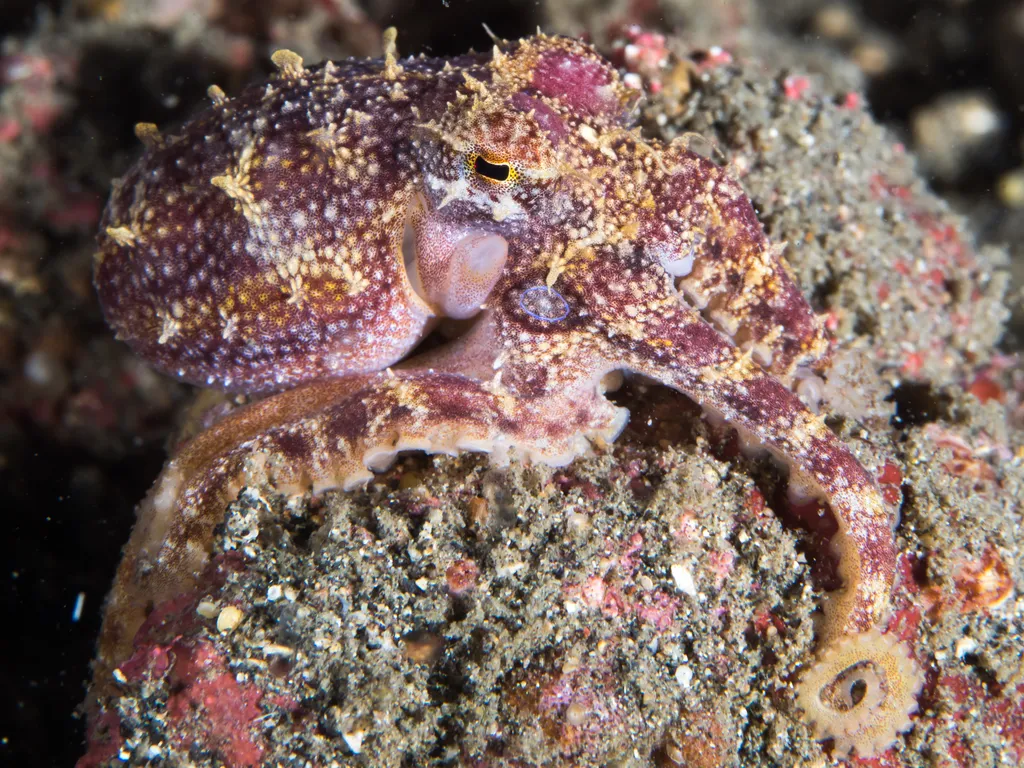
Photo by Rickard Zerpe / CC BY 2.0 via Wikimedia Commons
The Mototi Octopus (Amphioctopus mototi) is the Indo-Pacific muck specialist that keeps getting mistaken for a blue-ringed octopus until you clock the two ocelli and the body size. Named from Rapa Island Polynesian fe'e mototi—"poison octopus"—it wears drab orange-cream camouflage until stress flips it into maroon stripes on a pale field, with a pair of iridescent blue false eyes advertising "don't." Australian Museum notes arm spans approaching half a metre; Lembeh guides more often find tennis-ball mantles tucked in beer bottles and clam halves on black sand. SeaLifeBase flags crepuscular activity, shell-drilling diet (shellfish and hermit crabs), and an unusual willingness to bite nets and objects—not the shy freeze of every reef octopus. IUCN lists it Least Concern, but for divers the operational rule is the same as any venomous cephalopod: celebrate the find, keep hands off, and treat ring-brightening as reverse gear.
🔬Classification
📏Physical Features
🌊Habitat Info
⚠️Safety & Conservation
Identification Guide
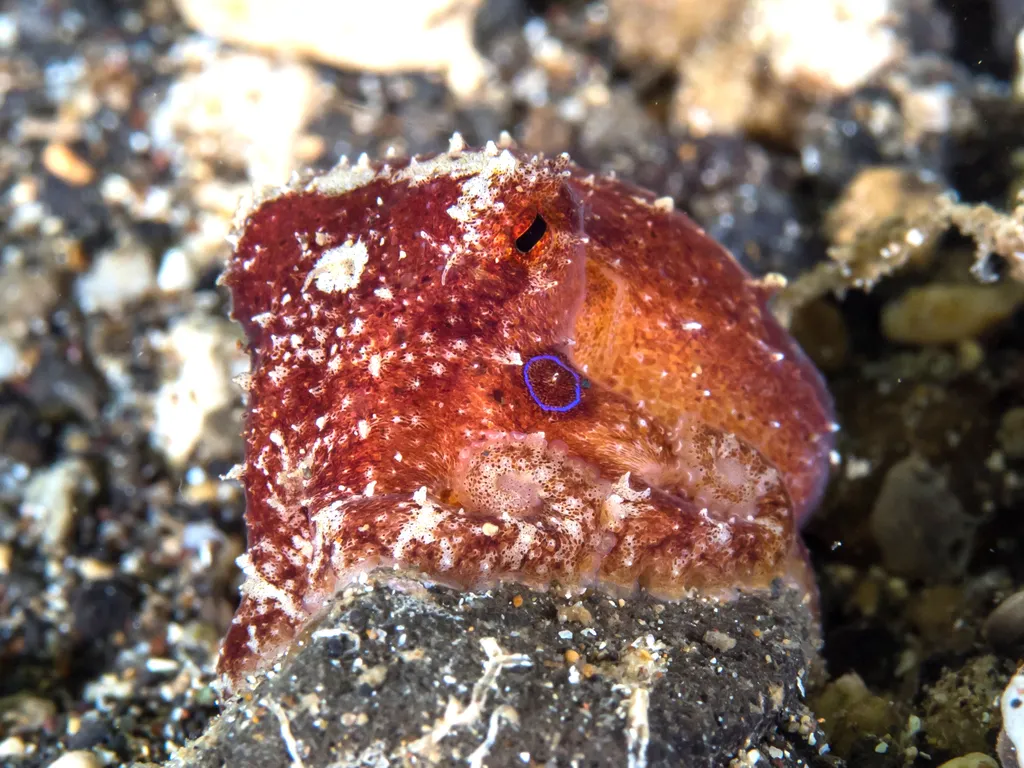
Photo by Rickard Zerpe / CC BY 2.0 via Wikimedia Commons
Size First
- Mantle up to ~10 cm; arm span can reach ~50 cm on large adults—bigger than golf-ball Hapalochlaena
- Juveniles can look blue-ring–sized; don't size-sort toxicity
Calm vs. Alarm Pattern
- Resting: orange-cream to brown; dark papillae over eyes; blue ocelli present but can be muted
- Alarmed: pale / yellow-white base with vertical maroon–brown stripes; blue rings intensify as false eyespots
Field Marks
- Exactly one blue ocellus pair (one per side behind the head)—not dozens of blue rings
- Shelter bias: bottles, cans, bivalve shells, rubble crevices, seagrass edges
- Can superficially recall coconut octopus silhouette when tucked in litter, but coloration and twin ocelli differ
Similar Species
- Blue-ringed octopuses (Hapalochlaena): many rings; much smaller adults; treat both as no-touch
- Coconut / veined octopus (A. marginatus): vein lines, shell-carrying walk; no twin blue ocelli display
- Wonderpus / mimic: long-arm patterning, different habitat/behavior vocabulary
Top 10 Fun Facts about Mototi Octopus
1. A Name That Means Poison
On Rapa Island the animal is fe'e mototi—literally poison octopus. Norman described the species in the early 1990s; the modern combination is Amphioctopus mototi. Divers inherited both the romance and the warning label.
2. Two Blue Eyes, Not Fifty Rings
Unlike Hapalochlaena, Mototi advertises with a single pair of iridescent blue ocelli—classic false-eye spots meant to startle predators. Counting rings underwater is how you keep taxonomy and risk assessment honest.
3. Stripe Mode Under Stress
Alarm display is theatrical: maroon stripes over white/yellow, not just brighter ocelli. Macro shooters who wait quietly often get both the drab resting look and the stripe explosion as the animal decides whether you are a threat.
4. Bottle Condo Lifestyle
Lembeh logs hammer home shelter choice: bottles, cans, shells, crevices—less "dig a sand burrow," more "repurpose human trash and bivalve leftovers." Air Prang, Jahir, and Hairball-type rubble sites are classic hunt zones.
5. Drill-and-Paralyze Menu
Diet leans on shellfish and hermit crabs. The octopus drills the shell, injects paralytic saliva, then extracts prey—same general cephalopod toolkit that makes venom ecology a diver-safety topic.
6. Bitier Than Average Octopus
SeaLifeBase notes live animals willingly biting objects—unusual for most octopuses that prefer freeze or flee. Pair that with local "poison" lore and warning color: zero handling is not superstition.
7. Planktonic Kids, Wide Map
Females lay small eggs in long branching strings; hatchlings are thought planktonic, which helps explain the range from Okinawa through Australia and the South Pacific. Blackwater dives in Lembeh sometimes score Mototi larvae in the column.
8. Crepuscular Soft Bottom Specialist
Activity pattern is described as crepuscular; habitat is sandy substrates with coral heads or rubble, lairs excavated under rubble, with discarded gastropod shells often stacked nearby as leftovers or bait for hermits.
9. Depth Envelope Surprises
Recreational sightings cluster 5–25 m in muck hotspots, literature cites ~1–54 m, and Okinawa aquarium records note captures / ROV footage far deeper (~150–200 m). Treat "always shallow" as a dive-log bias, not absolute biology.
10. IUCN Least Concern, Locally Rare on Logs
Global Red List status is Least Concern, yet Lembeh operators still call Mototi rare-to-uncommon on the day-to-day critter board. IUCN "not threatened" ≠ "guaranteed sighting"—tell your guide early.
Diving & Observation Notes
🧭 Finding Mototi
Prioritize rubble + black-sand muck (5–25 m) with litter and shell fields—Lembeh first, then Anilao / Dumaguete / Ambon-style critter sites within range. Ask specifically for mototi / poison ocellate; guides rotate productive bottles day to day. Slow-scan bottle mouths and clam halves before flipping anything; many sightings are "eyes in the trash."
🤿 Approach
Expect freeze-in-shelter first, then stripe/ocellus intensification if stressed. Do not extract animals from bottles for portraits. Leave an exit path; if stripes ignite, back off. Respect venomous reputation even though TTX folklore clusters more on blue-rings—risk model for divers is still no contact.
📸 Photo Tips
60–100 mm macro; wait for stripe mode or peeking from a bottle lip. Side light helps blue ocelli pop without nuking pale stripe phase. Shoot resting color too—rarer on social feeds than alarm displays. Video captures the color flip better than a single still.
⚠️ Ethics & Safety
Treat like medical sharps in a shell. Gloved grabs into bottles are how dumb accidents start. Debris cleanups: tongs/bags only, look before you reach. Flag teammates who try to "pass it around."
Best Places to Dive with Mototi Octopus
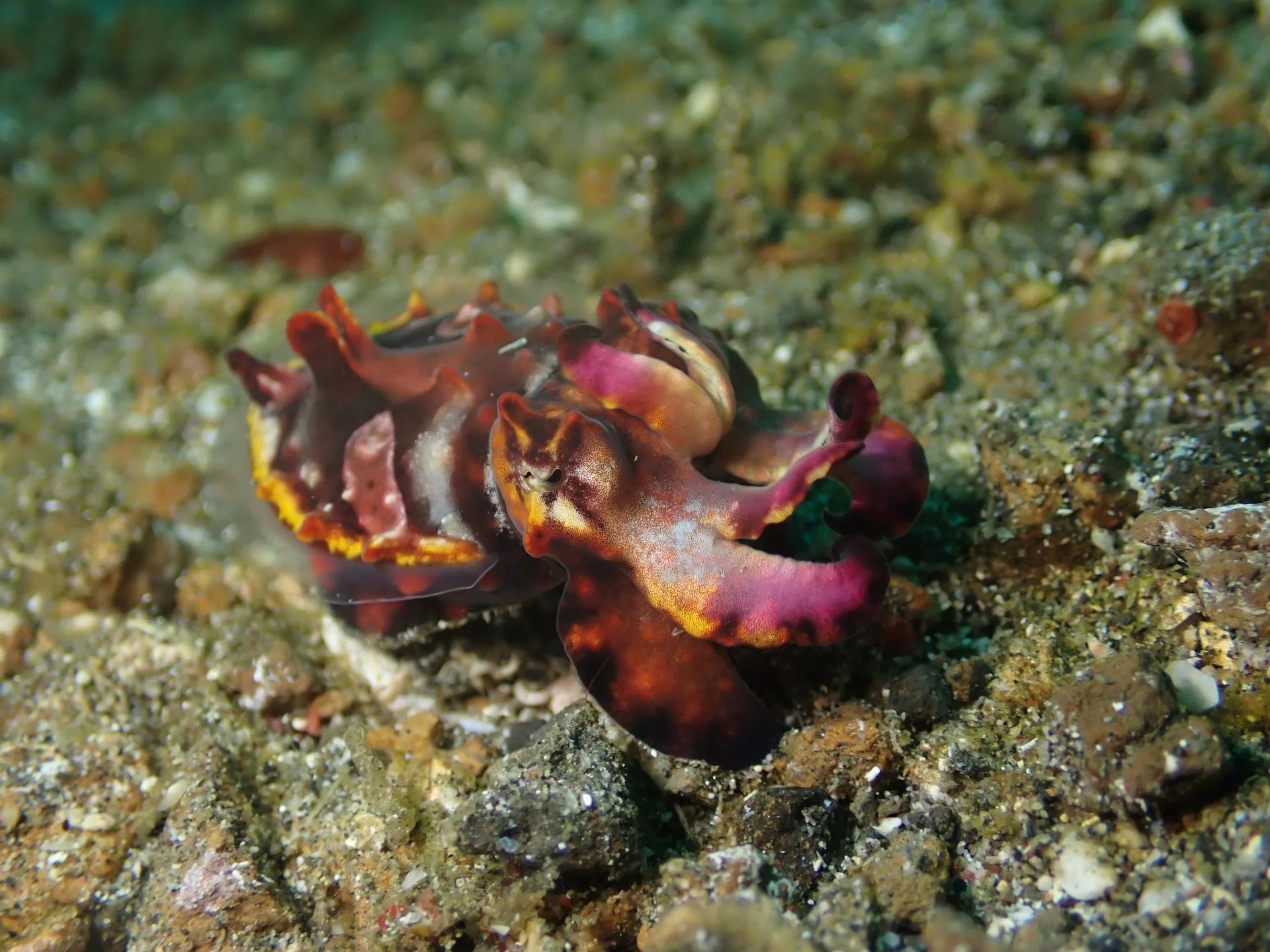
Lembeh
The Lembeh Strait in North Sulawesi has become famous as the muck‑diving capital of the world. At first glance its gently sloping seabed of black volcanic sand, rubble and discarded debris looks bleak. Look closer and it is teeming with weird and wonderful life: hairy and painted frogfish, flamboyant cuttlefish, mimic and blue‑ringed octopuses, ornate ghost pipefish, tiny seahorses, shrimp, crabs and a rainbow of nudibranchs. Most dives are shallow and calm with little current, making it an ideal playground for macro photographers. There are a few colourful reefs for a change of scenery, but Lembeh is all about searching the sand for critter treasures.
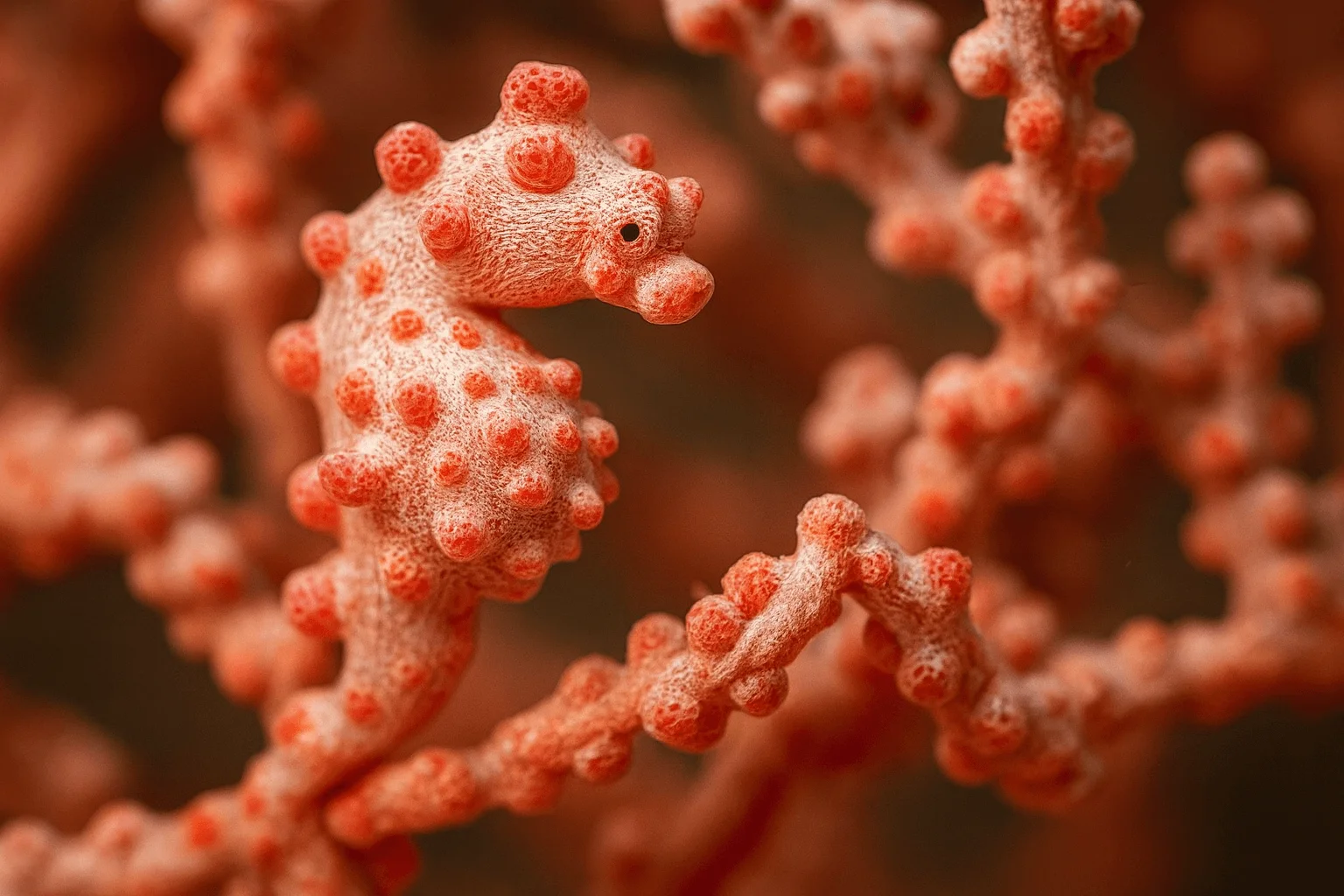
Anilao
Anilao, a small barangay in Batangas province just two hours south of Manila, is often called the macro capital of the Philippines. More than 50 dive sites fringe the coast and nearby islands, offering an intoxicating mix of coral‑covered pinnacles, muck slopes and blackwater encounters. Critter enthusiasts come for the legendary muck dives at Secret Bay and Anilao Pier, where mimic octopuses, blue‑ringed octopuses, wonderpus, seahorses, ghost pipefish, frogfish and dozens of nudibranch species lurk in the silt. Shallow reefs like Twin Rocks and Cathedral are covered in soft corals and teem with reef fish, while deeper sites such as Ligpo Island feature gorgonian‑covered walls and occasional drift. Because Anilao is so close to Manila and open year‑round, it’s the easiest place in the Philippines to squeeze in a quick diving getaway.
Dumaguete
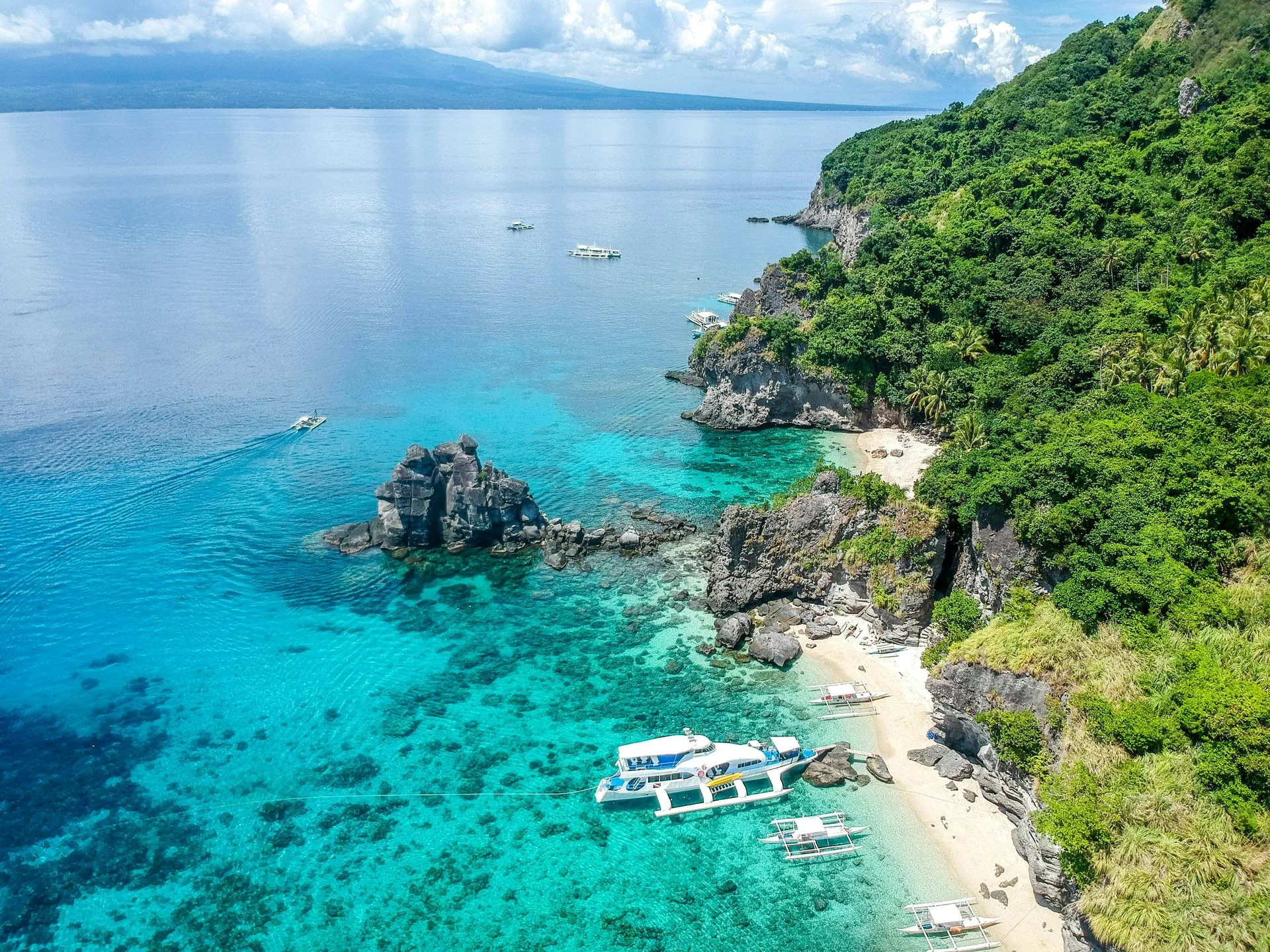
Dumaguete on the southeast coast of Negros is the jumping‑off point for some of the Philippines’ most diverse diving. Along the nearby town of Dauin, a series of shallow marine sanctuaries and black‑sand slopes hide critters galore: frogfish, flamboyant cuttlefish, mimic octopus, ghost pipefish, seahorses, pipefish and nudibranchs. Artificial reefs made from car tyres and pyramids provide extra habitat. Offshore, Apo Island’s walls and plateaus burst with hard and soft corals, schooling jacks and barracudas, and friendly green turtles. With day trips to Oslob’s whale sharks or Bais’ dolphin‑watching, and excursions to nearby Siquijor, Dumaguete offers a perfect mix of macro muck diving and classic coral reefs.
Ambon
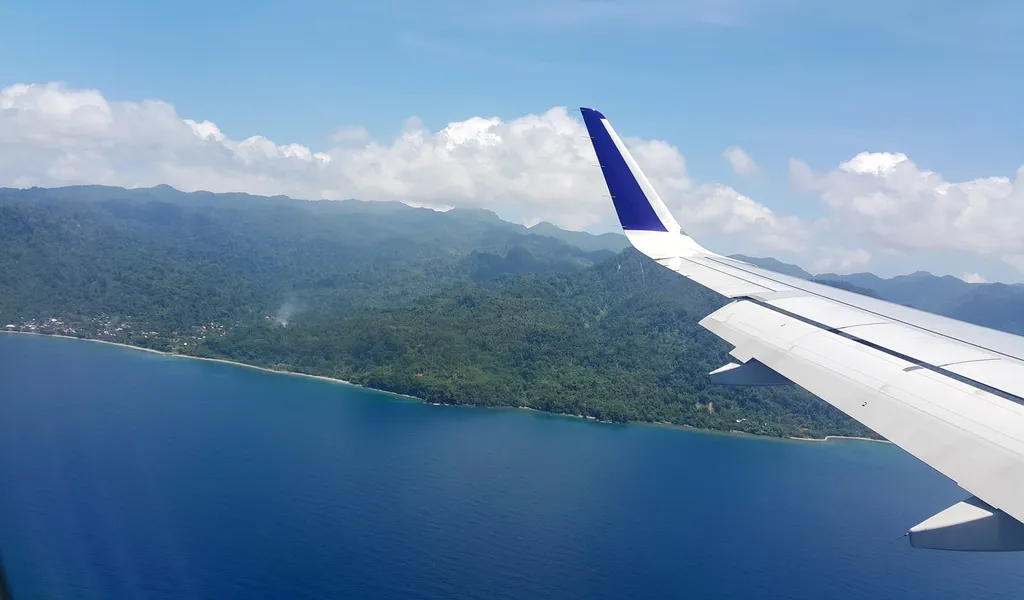
Ambon sits in Indonesia’s Maluku (Spice Islands) and is one of the world’s elite muck destinations—often ranked alongside Lembeh for rare critters, without the crowds. The heart of the action is Ambon Bay around Laha village near the airport: black volcanic sand slopes, rubble, pier posts and discarded debris that somehow host psychedelic frogfish (endemic to Ambon waters), rhinopias, flamboyant cuttlefish, mimic and wonderpus octopuses, ghost pipefish and endless nudibranchs. Most bay dives stay 5–35 m with long bottom times that photographers love. When weather allows, the south and east coasts flip the script—healthy hard coral, walls, arches at Pintu Kota, the swim-throughs of Hukurila Cave, and the critter-coated Duke of Sparta wreck. Expect modest lodging in Laha or resort packages further around the bay; July–August monsoon often closes operators.
Okinawa
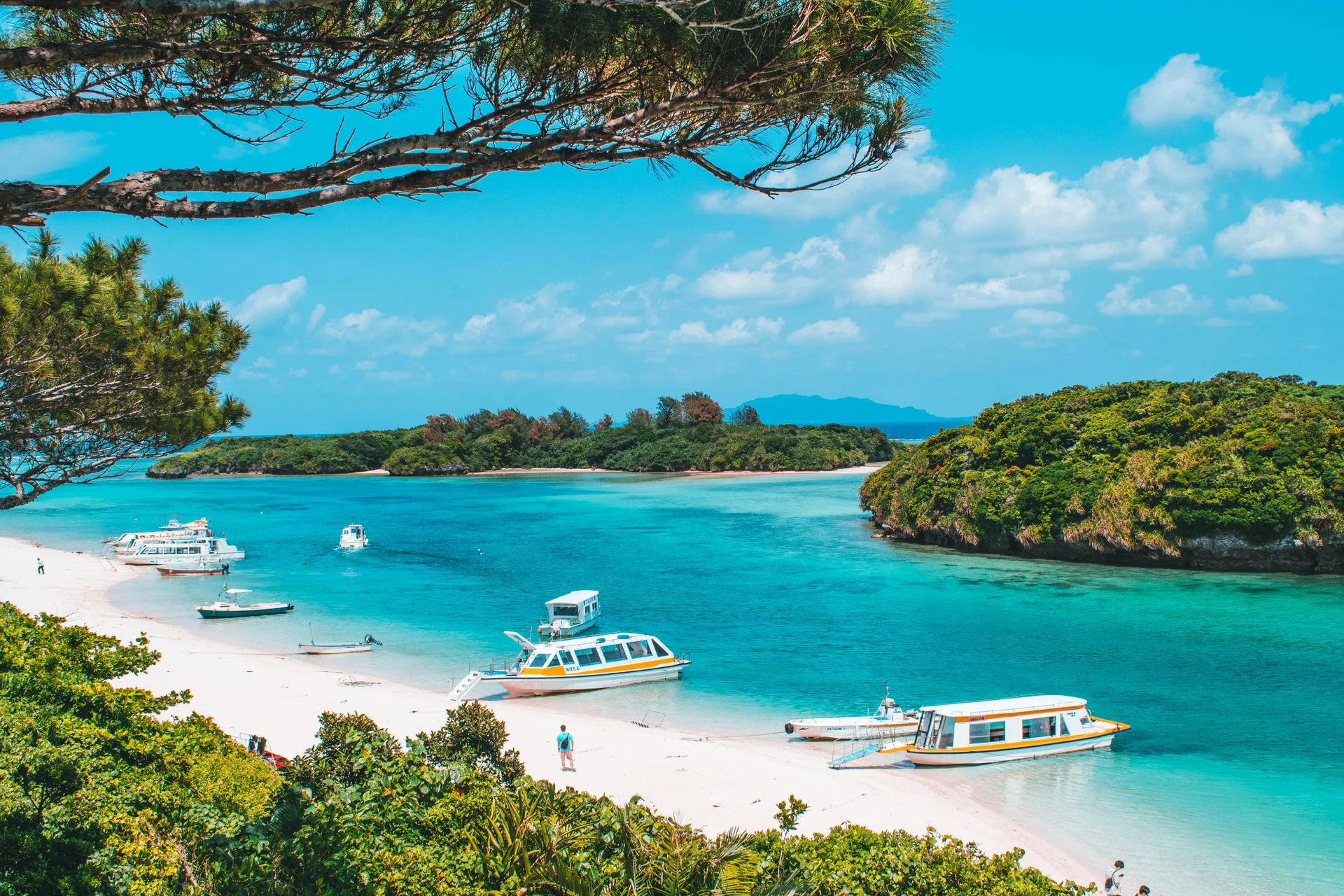
Straddling the subtropical Ryūkyū chain in Japan’s far south, Okinawa Prefecture is a mosaic of islands offering everything from shallow coral gardens to deep wrecks and wild drift dives. The main island provides easy access to the vibrant reefs of the Kerama National Park, where Tokashiki and Zamami Islands boast pristine hard corals, sea fans and more turtles than you can count. Just offshore, Cape Manza’s Dream Hole drops through a chimney into a colourful cavern system teeming with soldierfish, angelfish and feather stars. Further north, history buffs can dive the 100‑metre USS Emmons, a WWII destroyer resting intact at 35–40 m. Closer to shore, Cape Maeda’s Blue Cave offers an easy swim‑through with magical blue light – but expect crowds. Away from the main island, Okinawa’s outer islands extend the experience: Ishigaki’s Manta Scramble (April–Nov) promises manta ray ballets, Yonaguni’s currents bring hammerhead sharks in winter, and Miyako’s caves and tunnels deliver topography diving at its finest. Whether you crave reef fish, big pelagics, swim‑throughs or macro critters, Okinawa’s warm, clear waters offer a Japanese diving adventure for every level of diver.
Raja Ampat
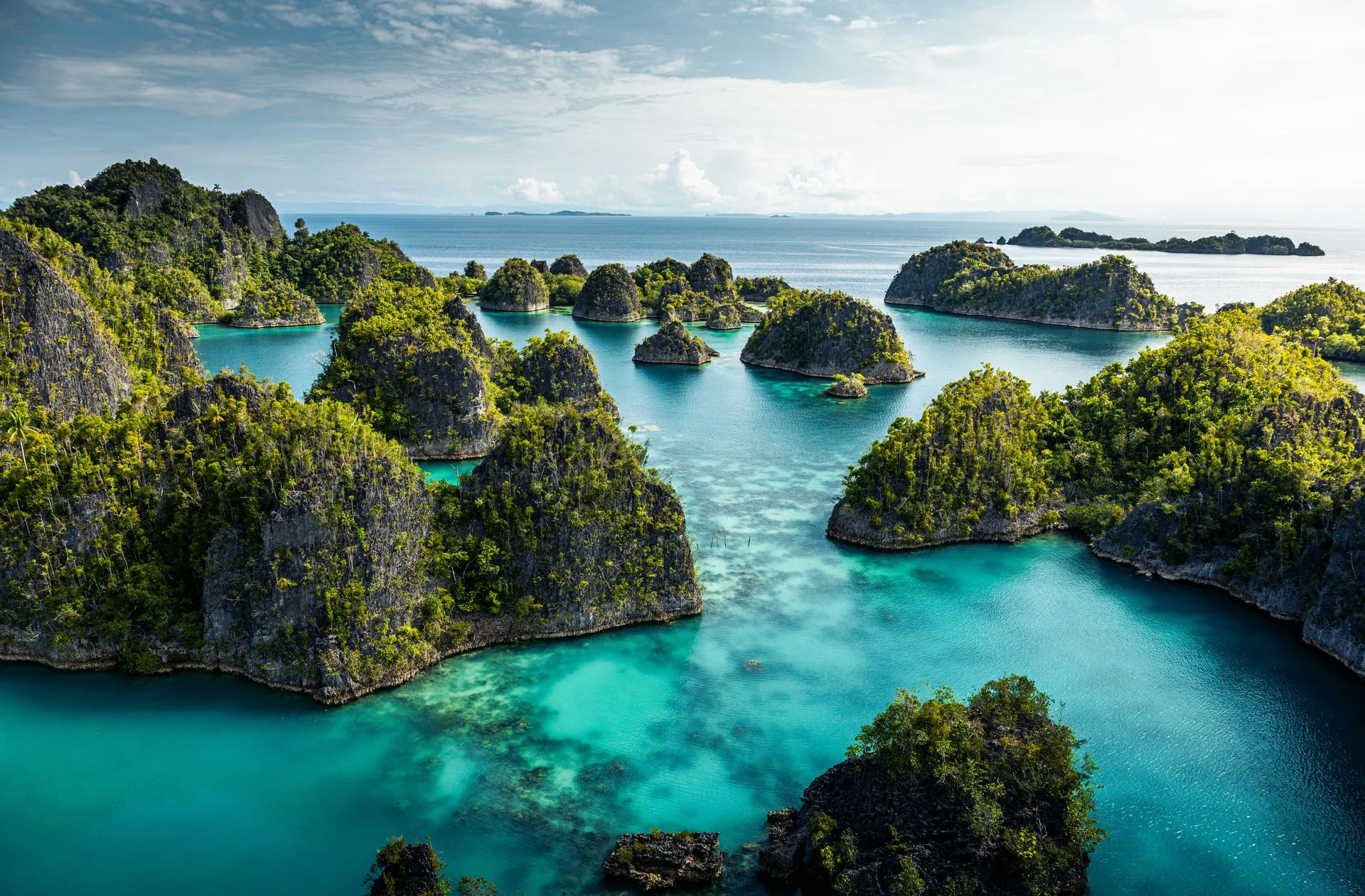
Raja Ampat, the “Four Kings,” is an archipelago of more than 1,500 islands at the edge of Indonesian West Papua. Its reefs sit in the heart of the Coral Triangle, where Pacific currents funnel nutrients into shallow seas and feed the world’s richest marine biodiversity. Diving here means gliding over colourful walls and coral gardens buzzing with more than 550 species of hard and soft corals and an estimated 1,500 fish species. You’ll meet blacktip and whitetip reef sharks on almost every dive, witness giant trevally and dogtooth tuna hunting schools of fusiliers, and encounter wobbegong “carpet” sharks, turtles, manta rays and dolphins. From cape pinnacles swarming with life to calm bays rich in macro critters, Raja Ampat offers endless variety. Above water, karst limestone islands and emerald lagoons provide spectacular scenery between dives.