Napoleon Wrasse
Cheilinus undulatus
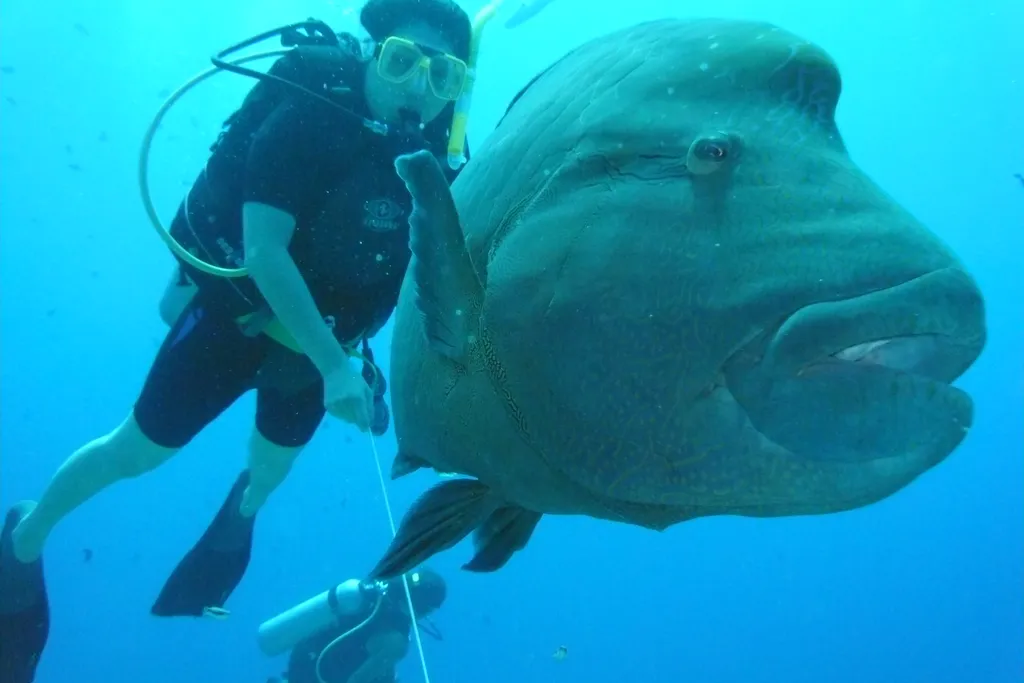
Photo by LuxTonnerre / CC BY 2.0 via Wikimedia Commons
The Napoleon Wrasse—also called humphead wrasse or Māori wrasse—is the largest member of the wrasse family and one of the most charismatic fish on Indo-Pacific reefs. Adults can exceed two meters and weigh nearly 200 kg, yet they cruise the reef with a slow, deliberate confidence that makes every encounter feel like a privilege. Males develop a bulbous forehead that divers nicknamed after Napoleon Bonaparte's hat; the fine maze-like facial markings are unique enough that researchers can identify individuals from photos. Once common on healthy outer reefs from the Red Sea to French Polynesia, populations have collapsed under live-reef-fish trade pressure—so a wild sighting today is something to savor, not take for granted.
🔬Classification
📏Physical Features
🌊Habitat Info
⚠️Safety & Conservation
Identification Guide
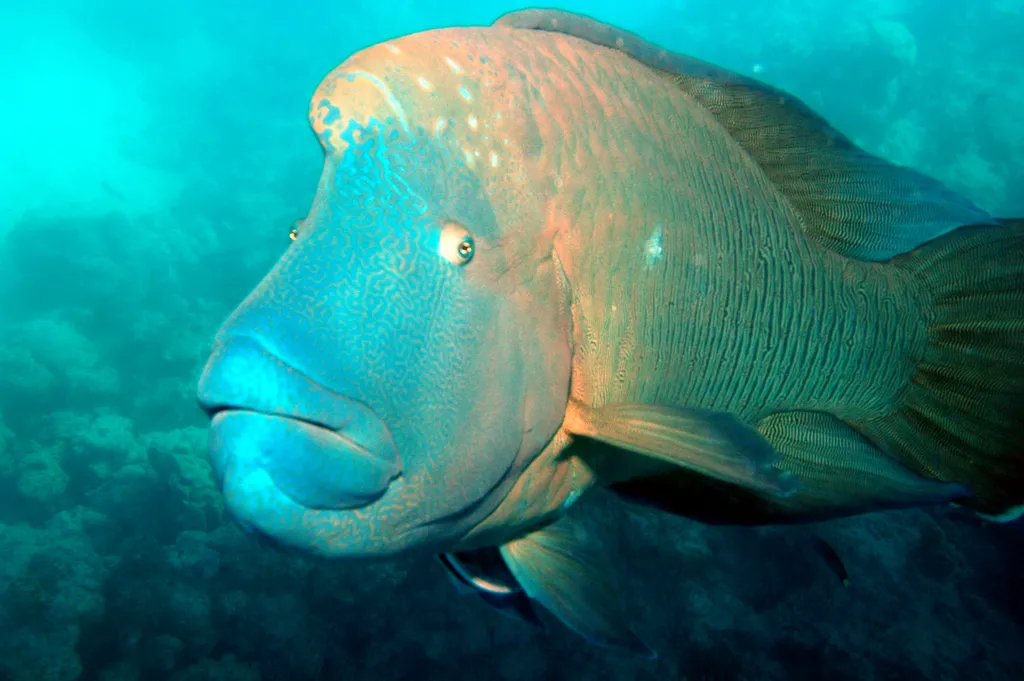
Photo by Leonard Low / CC BY 2.0 via Wikimedia Commons
Field marks:
- Size: Largest wrasse on the reef—adult males dwarf most divers; even females are substantial.
- Forehead hump: Prominent in large terminal-phase males; smaller or female-phase fish may lack the bulbous crown.
- Thick lips: Oversized, fleshy lips are a family hallmark and especially obvious in adults.
- Color: Blue-green to grey-green with fine, maze-like lines on the face and body—pattern varies individually.
- Tail: Rounded caudal fin with wavy margin; dorsal fin continuous with a slight notch.
Differences from Similar Species
- Giant Grouper (Epinephelus lanceolatus): Bulkier, mottled brown/grey, no thick wrasse lips or forehead hump; different head shape.
- Titan Triggerfish (Balistoides viridescens): Much smaller, trigger-spine dorsal fin, aggressive territorial behavior near nests.
- Juvenile Napoleon: Reddish-orange phase in small fish; lacks adult size and hump—often hidden in branching Acropora thickets.
Sex and Color Phases
Protogynous hermaphrodite: all start female, some transition to terminal males with age. Females and initial-phase fish are smaller and less humped; terminal males are largest and most boldly marked.
Top 10 Fun Facts about Napoleon Wrasse
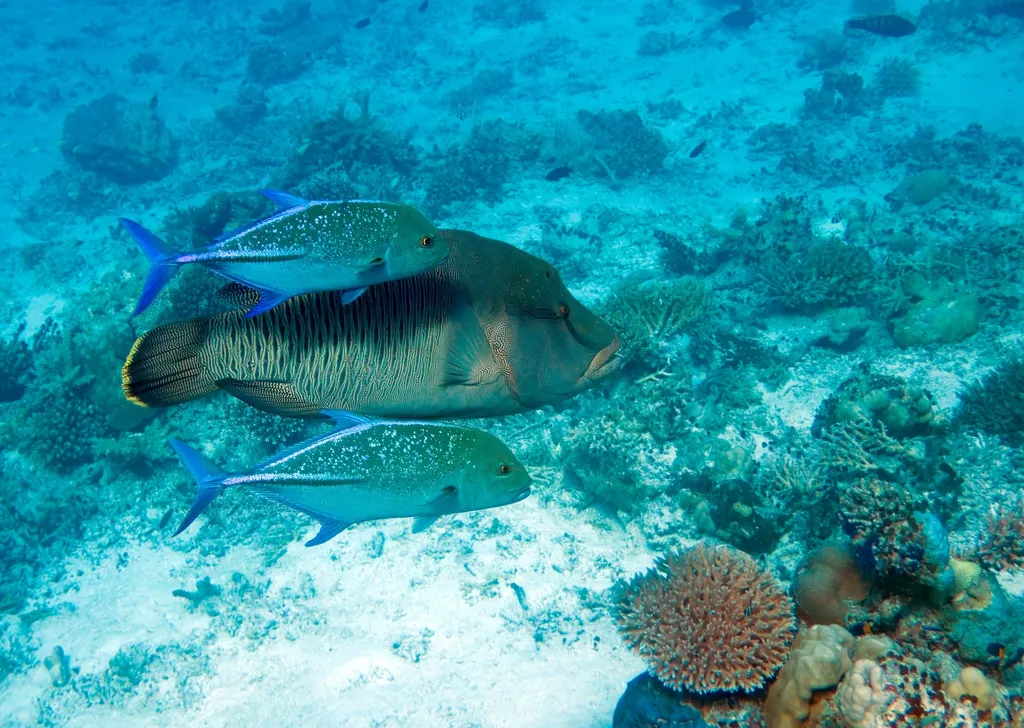
Photo by (c) Darren Obbard / CC BY 4.0 via Wikimedia Commons
1. Named for a French Emperor's Hat
The common name "Napoleon" comes from the adult male's prominent forehead bump, which divers thought resembled Napoleon Bonaparte's bicorne hat. In Australia and the Pacific it's often called Māori wrasse; in Hong Kong live-fish markets it was simply "so mei" (苏眉)—a name that became synonymous with luxury dining and overfishing.
2. Largest Wrasse on Earth
Cheilinus undulatus is the biggest species in family Labridae. Males can reach 2.3 m standard length and weigh up to 191 kg—roughly the mass of a large adult human. On a reef full of anthias and butterflyfish, a Napoleon sliding past feels like a truck entering a parking lot.
3. Protogynous Hermaphrodite
All individuals begin life as females. As they grow—often over decades—some transition into terminal-phase males with larger size, bolder color, and the signature forehead hump. This life-history strategy means removing large males from a population disrupts breeding structure for years.
4. Crown-of-Thorns Predator
Napoleons are one of the few reef fish known to eat crown-of-thorns starfish (Acanthaster spp.), a coral-eating pest. They also tackle toxic prey like boxfish and sea hares, using powerful pharyngeal teeth to crush shells and spines. Lose the Napoleons and you lose a natural biocontrol agent.
5. Site-Faithful Homebodies
Adults occupy limited home ranges and patrol the same reef sections day after day. Experienced dive guides at sites like Blue Corner (Palau) or Ras Mohammed know individual fish by face markings. You seldom see more than a handful on a single reef—density was never high, which makes current scarcity worse.
6. Slow Life, Slow Recovery
Napoleon wrasse can live 30+ years and mature late. They spawn in distinct pairs, releasing eggs into the water column. Low reproductive output plus heavy fishing pressure is why IUCN upgraded them from Vulnerable to Endangered—recovery takes generations, not seasons.
7. CITES and the Live Reef Fish Trade
Listed on CITES Appendix II since 2004, international trade requires permits. Yet the live reef fish trade—especially to Hong Kong and southern China banquet markets—drove catastrophic declines across Southeast Asia. A single large male could fetch thousands of dollars alive in a restaurant tank.
8. Curious but Not Harmless to Approach
Wild Napoleons are famously inquisitive and may swim directly toward divers—thrilling for photographers, dangerous if you interpret curiosity as an invitation to touch or feed. Hand-feeding at tourist sites has created habituated, aggressive individuals and is illegal in most range countries.
9. Juveniles Hide in Coral Thickets
Young fish are reddish-orange and shelter in branching staghorn Acropora and soft-coral gardens, sometimes in seagrass beds. You rarely see juveniles on typical wall dives—they're a macro-habitat specialty until they outgrow the nursery and move to outer reef slopes.
10. A Barometer of Reef Health
Where Napoleons persist in numbers, you are usually looking at a reef with intact outer-slope habitat, enforcement against blast fishing, and some protection from the live-fish trade. Their absence from a site that should have them is a red flag—either the fish were stripped out or the habitat was wrecked first.
Diving & Observation Notes
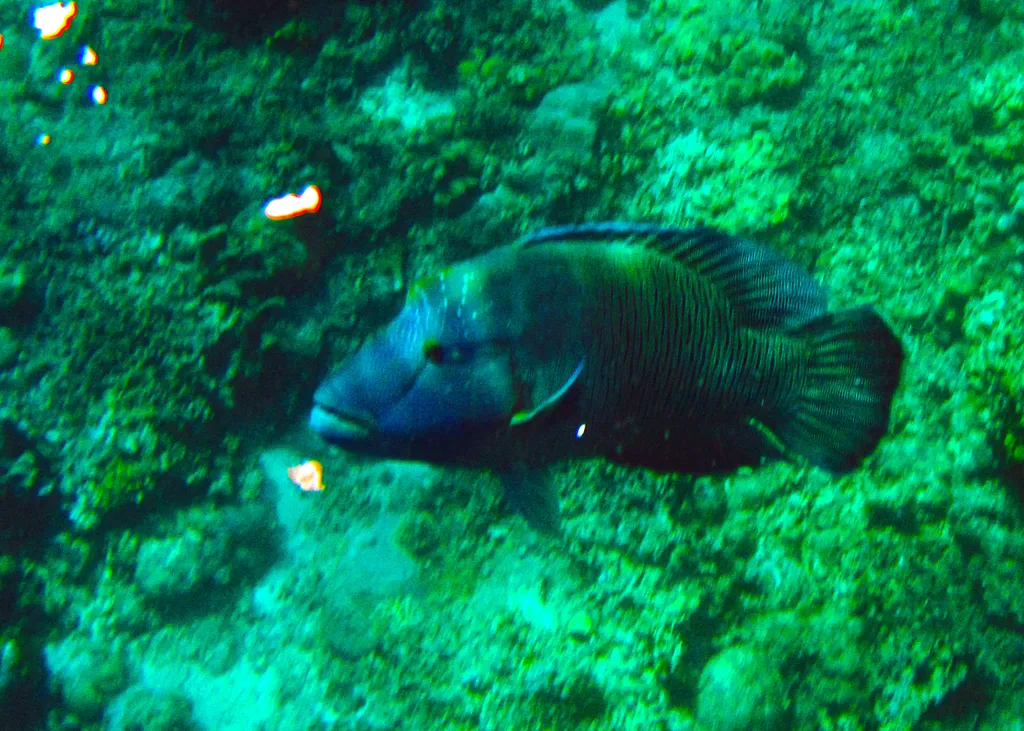
Photo by Ervin Malicdem / CC BY-SA 4.0 via Wikimedia Commons
🧭 Where to Look
Patrol the outer reef slope and channel edges at 10–30 m—Napoleons are benthopelagic cruisers, not cave fish (except at night). Morning dives often catch them moving along the wall; afternoon they may rest under ledges. Classic sites: Blue Corner (Palau), Ras Mohammed/Elphinstone (Red Sea), Sipadan drop-off, Tubbataha walls, Komodo current dives.
🤿 Approach & Behavior
Move slowly and let them close the distance—they frequently initiate contact. Stay off the bottom to avoid stirring sediment; never block their path along the reef crest. If one follows your group, enjoy it but keep fins clear of its face. Do not feed—illegal in most countries and creates dangerous habituation.
📷 Photo Tips
Wide-angle with natural light works best; they are large enough to fill the frame at 1–2 m. Shoot the face for ID—the maze markings are individual. Include reef context for scale. Strobes can startle; many shooters rely on ambient light and a fast shutter at f/8–f/11.
⚠️ Conservation Ethics
Endangered and CITES-listed—treat every encounter as rare. Report sightings to local monitoring programs where they exist. Choose operators that enforce no-feeding policies. Avoid destinations known for illegal live-fish capture. Your photos can contribute to citizen-science ID databases if you log date, site, and flank/face shots.
Best Places to Dive with Napoleon Wrasse
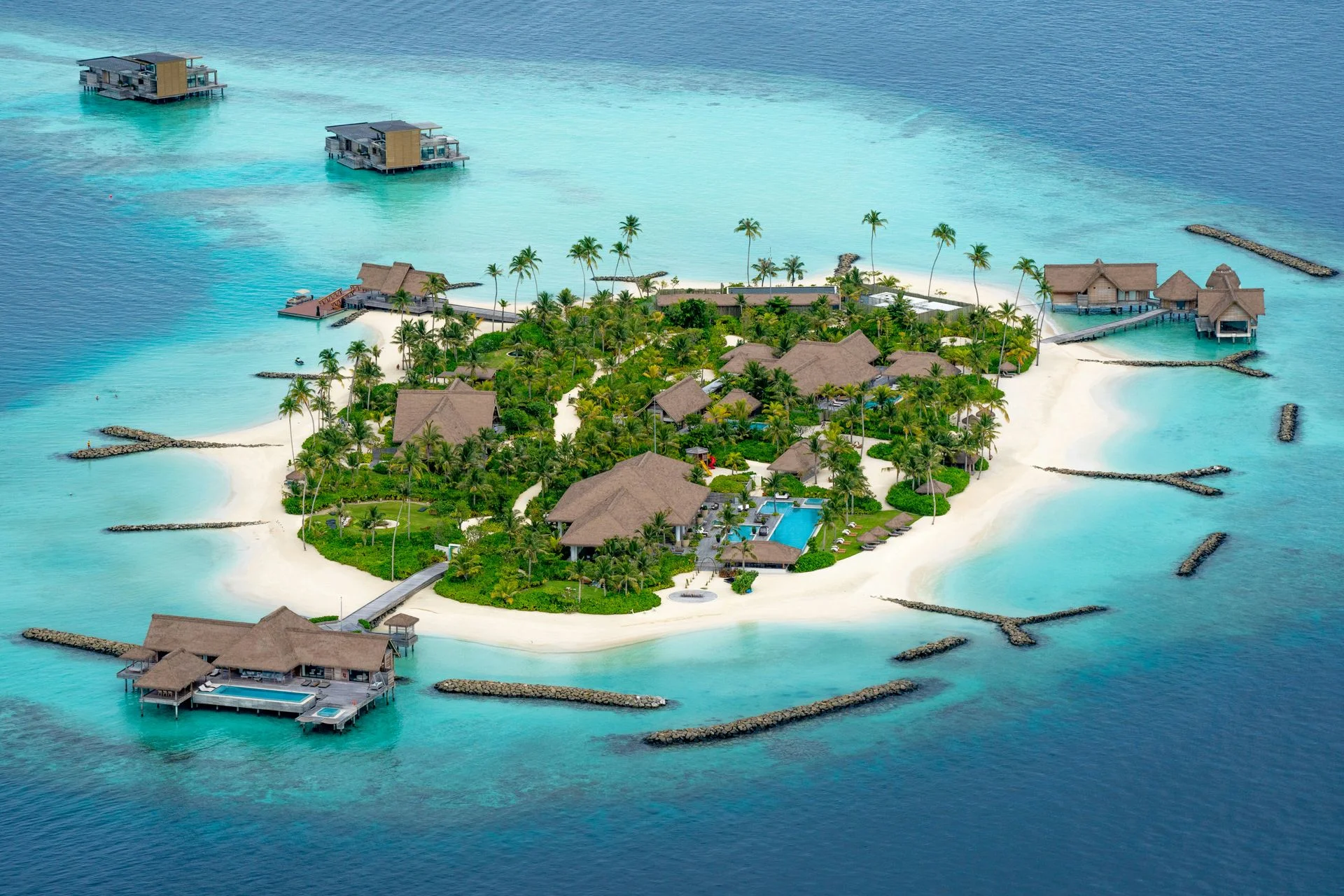
Maldives
Scattered across the Indian Ocean like strings of pearls, the Maldives’ 26 atolls encompass more than a thousand low‑lying islands, reefs and sandbanks. Beneath the turquoise surface are channels (kandus), pinnacles (thilas) and lagoons where powerful ocean currents sweep past colourful coral gardens. This nutrient‑rich flow attracts manta rays, whale sharks, reef sharks, schooling jacks, barracudas and every reef fish imaginable. Liveaboards and resort dive centres explore sites such as Okobe Thila and Kandooma Thila in the central atolls, manta cleaning stations in Baa and Ari, and shark‑filled channels like Fuvahmulah in the deep south. Diving here ranges from tranquil coral slopes to adrenalin‑fuelled drifts through current‑swept passes, making the Maldives a true pelagic playground.
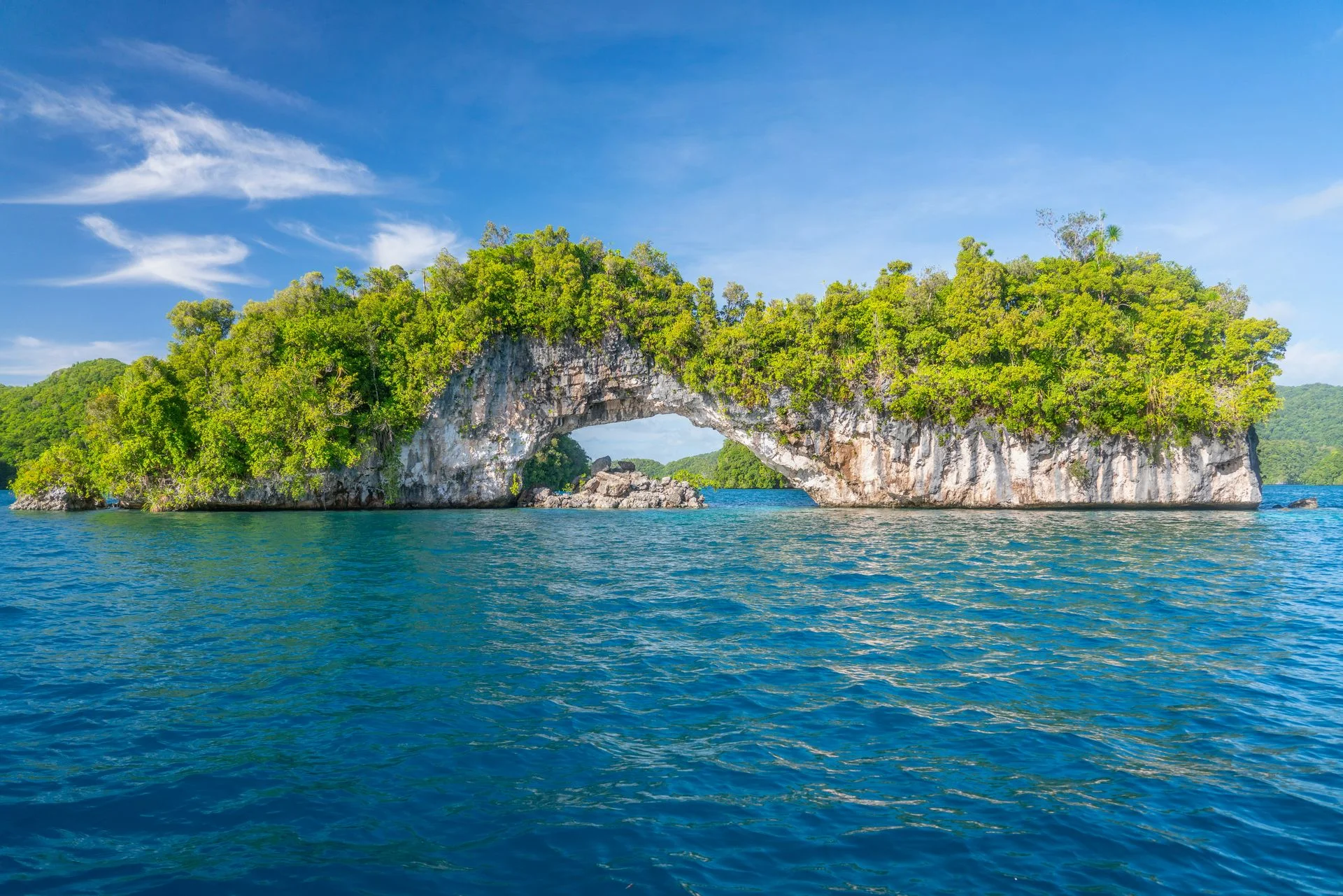
Palau
Rising out of the western Pacific at the meeting point of two great oceans, Palau is an archipelago of more than 500 jungle‑cloaked islands and limestone rock pinnacles. Its barrier reef and scattered outcrops create caverns, walls, tunnels and channels where nutrient‑rich currents sweep in from the Philippine Sea. These flows feed carpets of hard and soft corals and attract vast schools of jacks, barracudas and snappers, as well as an impressive cast of pelagics. Grey reef and whitetip sharks parade along the legendary Blue Corner; manta rays glide back and forth through German Channel’s cleaning stations; and Ulong Channel offers a thrill‑ride drift over giant clams and lettuce corals. Between dives you can snorkel among non‑stinging jellyfish in Jellyfish Lake or explore WWII ship and plane wrecks covered in colourful sponges.
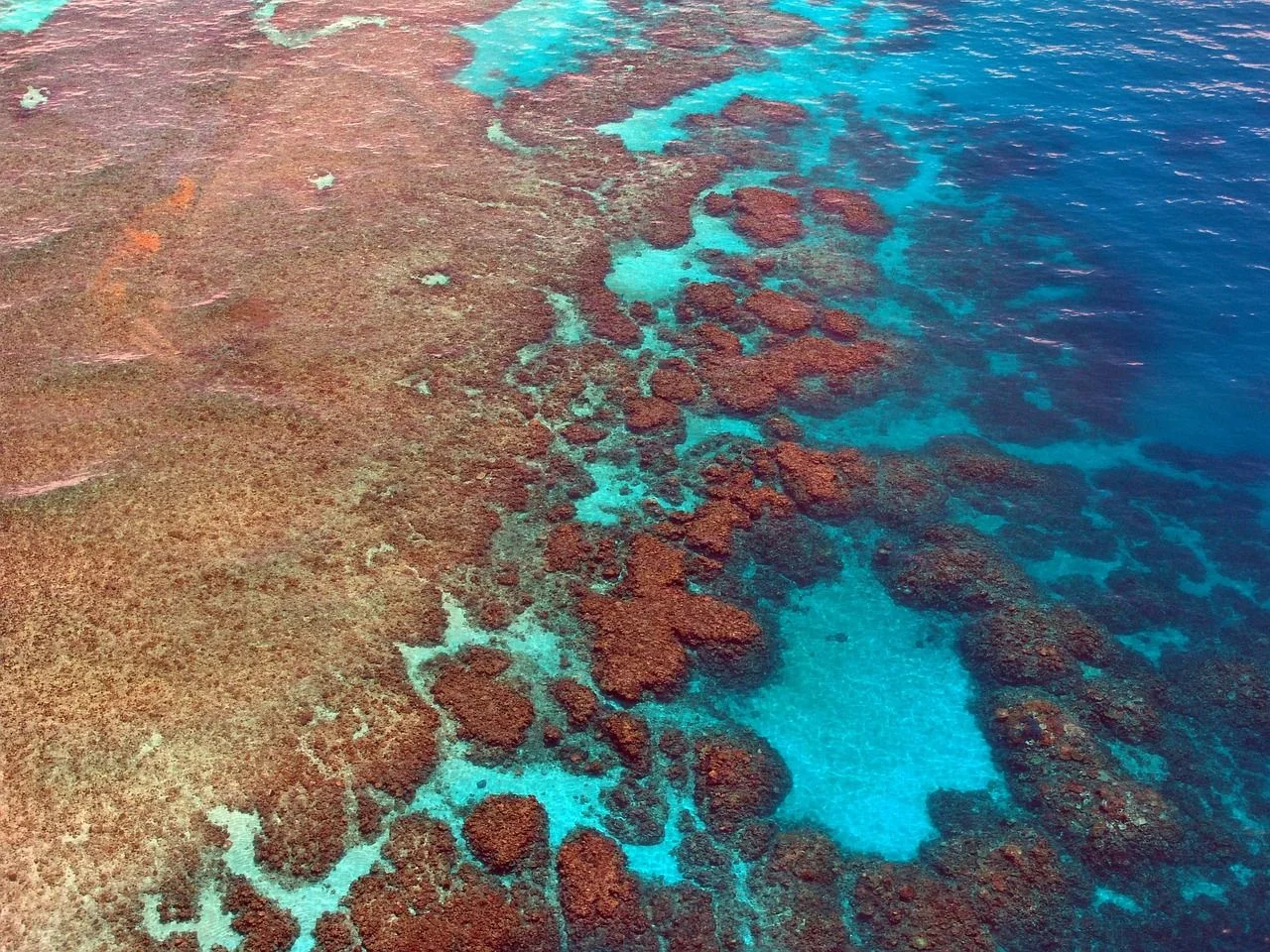
Great Barrier Reef
The Great Barrier Reef stretches for more than 2,300 km along Australia’s Queensland coast and is Earth’s largest coral ecosystem. With over 2,900 individual reefs, hundreds of islands, and a staggering diversity of marine life, it’s a bucket‑list destination for divers. Outer reef walls, coral gardens and pinnacles support potato cod, giant trevallies, reef sharks, sea turtles, manta rays and even visiting dwarf minke and humpback whales. Divers can explore historic wrecks like the SS Yongala, drift along the coral‑clad walls of Osprey Reef or mingle with friendly cod at Cod Hole. Whether you’re a beginner on a day trip from Cairns or an experienced diver on a remote liveaboard, the Great Barrier Reef offers unforgettable underwater adventures.
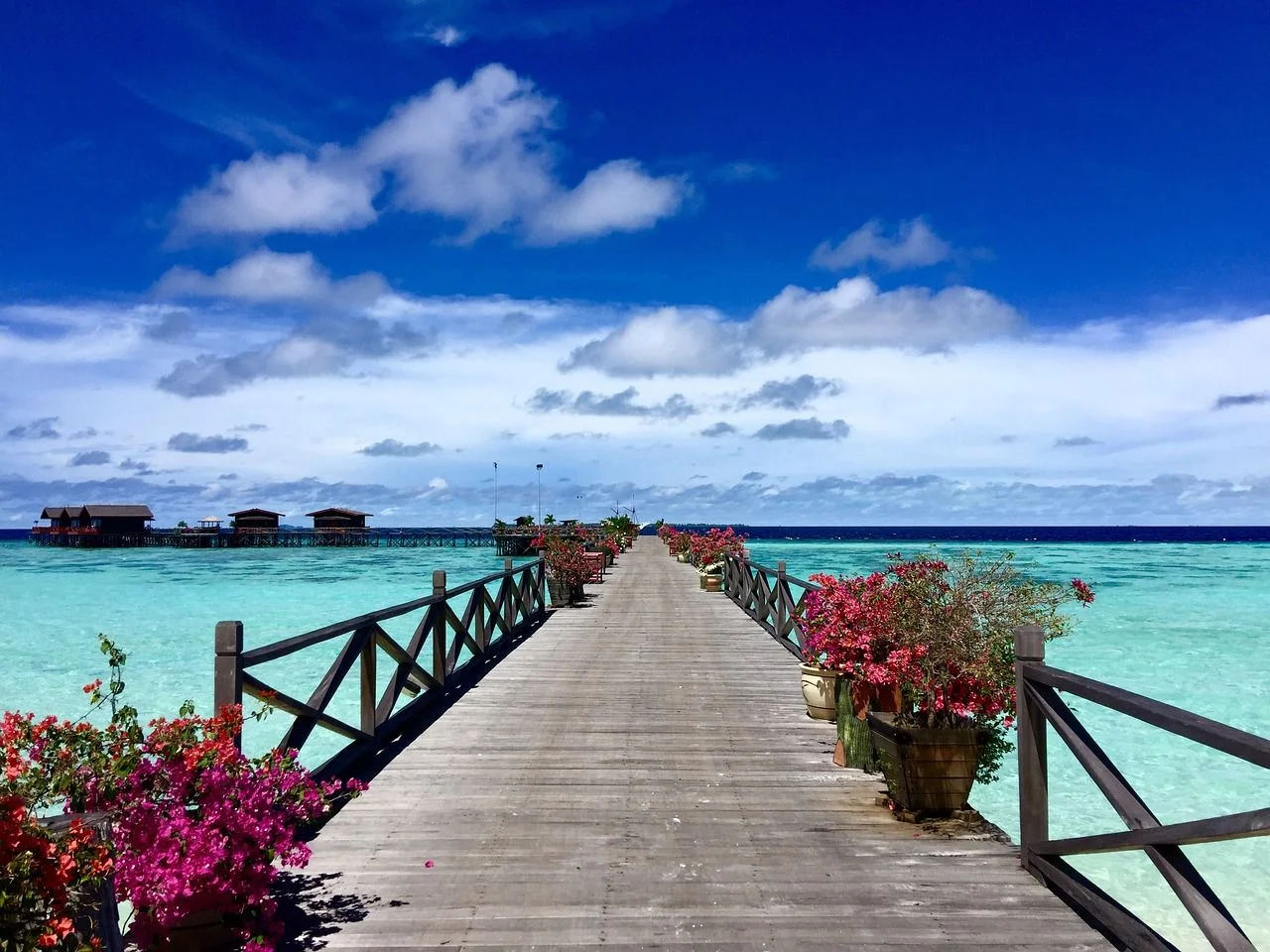
Sipadan & Semporna
Sipadan Island off the coast of Sabah is Malaysia’s crown jewel of diving – a steep limestone pinnacle rising more than 600 metres from the sea floor and teeming with pelagic life. Currents sweep past vertical walls encrusted in hard and soft corals, bringing in barracudas, jacks, reef sharks and bumphead parrotfish in breathtaking numbers. Nearby Mabul and Kapalai offer an entirely different experience on shallow sand‑slope reefs and artificial structures, where flamboyant cuttlefish, frogfish, mandarin fish and other macro critters hide among sponges and tyres. With limited daily permits, a visit to Sipadan is a privilege; most divers base themselves in the frontier town of Semporna or at water‑bungalow resorts on Mabul and Kapalai and make day trips into the park.
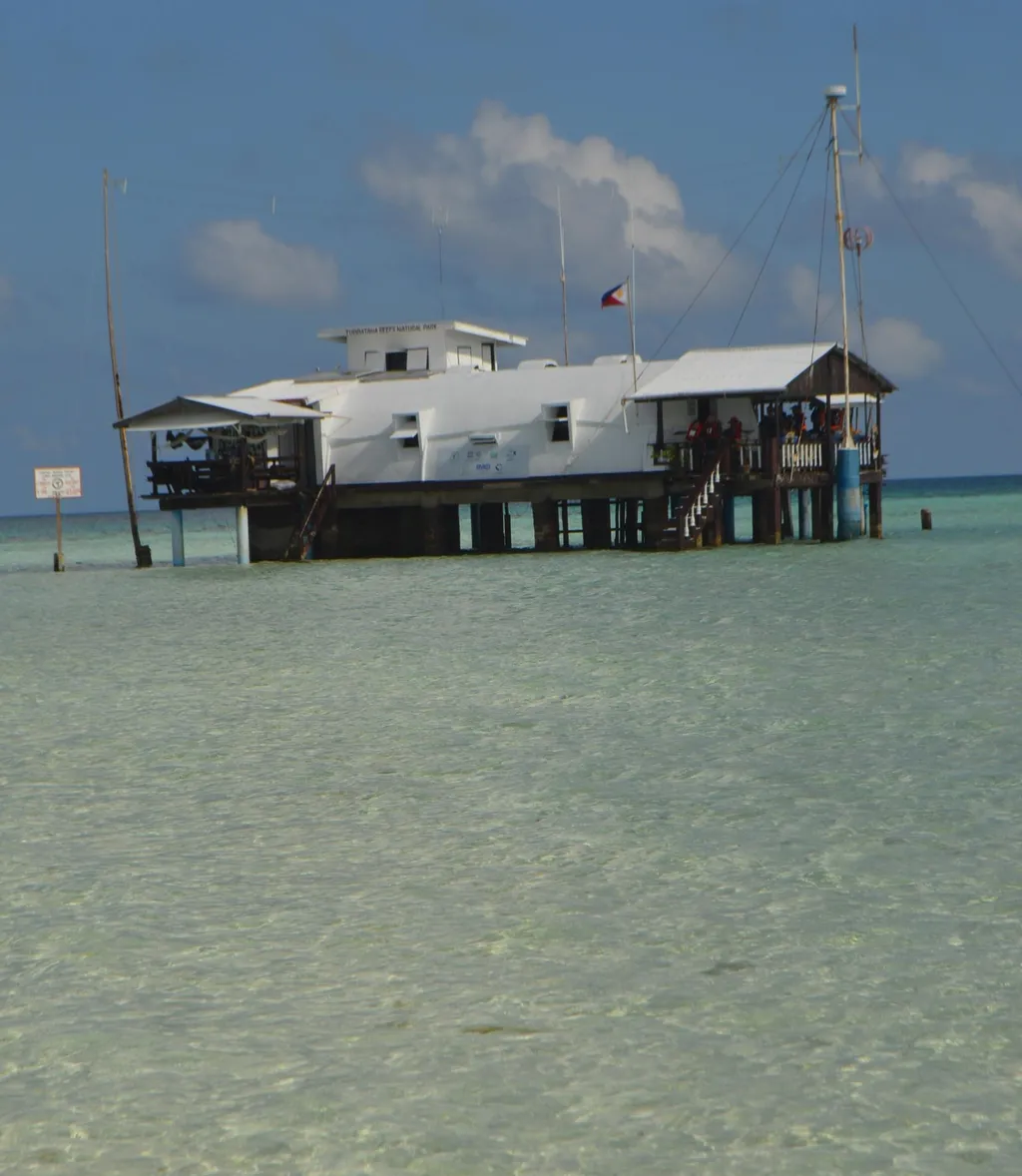
Tubbataha
Tubbataha Reefs Natural Park sits alone in the middle of the Sulu Sea—two coral atolls and a nearby bank that you only reach by liveaboard. For roughly ninety days each year (mid-March to mid-June), boats steam overnight from Puerto Princesa, drop anchor in reef lagoons, and spend the week on walls that drop into deep blue. Soft and hard coral cover is dense and healthy; the water column fills with schooling jacks, snappers, and bumphead parrotfish. Reef sharks are routine, hammerheads and whale sharks show when the blue cooperates, and mantas cruise cleaning stations. There is no shore diving, no day-boat option, and no resort on the reef—just park patrol boats, a ranger station, and the liveaboard fleet. If you want remote Philippine wall diving with shark density to match the marketing, this is the short season to book.
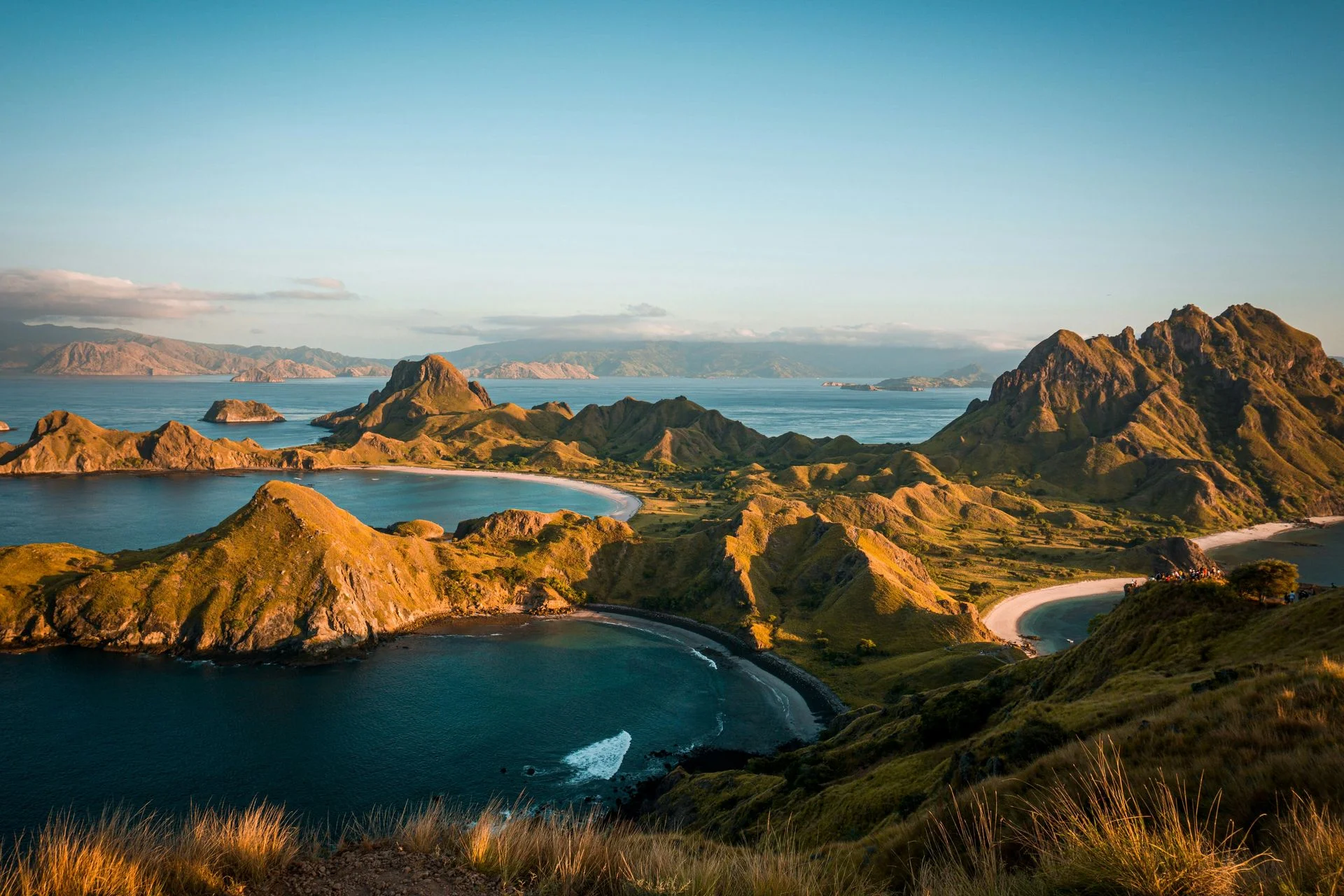
Komodo
Komodo National Park is a diver’s paradise full of marine diversity: expect healthy coral gardens, reef sharks, giant trevallies, countless schools of fish, and frequent manta ray sightings at sites like Manta Point and Batu Bolong. Drift dives and dramatic reef structures add excitement, while both macro lovers and big-fish fans will find plenty to love. Above water, the wild Komodo dragons roam, giving a touch of prehistoric wonder to the whole trip.
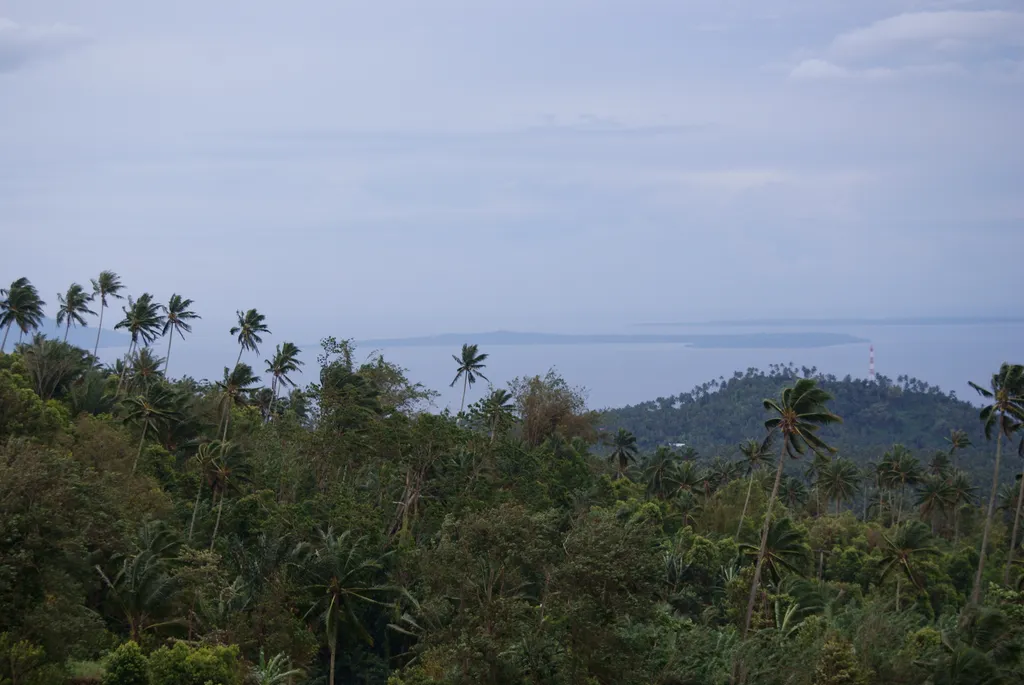
Bunaken
Bunaken National Park is wall-diving country: five volcanic islands—Bunaken, Manado Tua, Siladen, Mantehage, and Nain—ringed by drop-offs that fall from snorkel depth into hundreds of metres of blue. This is not the muck slopes of the Manado mainland; it is vertical reef, drift lines, and current-fed fish schools. The signature move is simple—roll off the boat at Lekuan or Muka Kampung, swim the shallow turtle flats, then hang on the wall while pyramid butterflyfish, fusiliers, and Napoleon wrasse stream past. Reef sharks patrol the corners, eagle rays cruise the blue, and barrel sponges the size of oil drums frame every wide-angle shot. Warm 27–29°C water, park protection since 1991, and island resorts that put you on the first boat at 08:00 make Bunaken the classic North Sulawesi wall trip—fly into MDC, transfer to the strait, and live on the reef for a week.
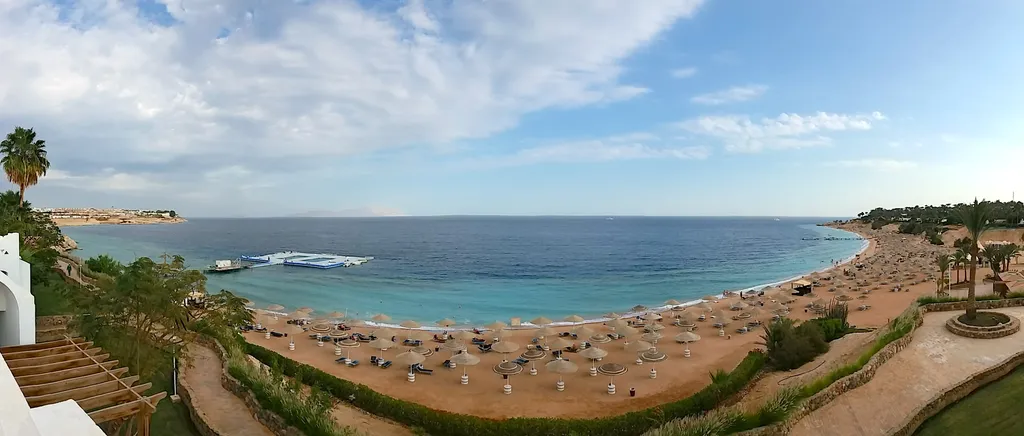
Sharm El Sheikh
Sharm El Sheikh sits at the southern tip of Egypt's Sinai Peninsula and functions as the Red Sea's busiest dive hub for good reason. Day boats run south to Ras Mohammed National Park—walls, current-swept pinnacles and the famous Shark Reef–Yolanda Reef double drop—and north through the Straits of Tiran past four reef towers where hammerheads patrol in season. Wreck divers book the early alarm for SS Thistlegorm, one of the world's great WWII cargo dives, and the coral-encrusted SS Dunraven on calmer days. Closer to Naama Bay and Sharks Bay, house reefs like Ras Um Sid, the Gardens and Temple deliver easy boat dives between the big-ticket runs. Visibility routinely clears 20 m, reefs are healthy by Red Sea standards, and the resort strip makes logistics painless: gear on, coffee, two-tank boat, back for lunch.