
Weedy Scorpionfish
Rhinopias frondosa
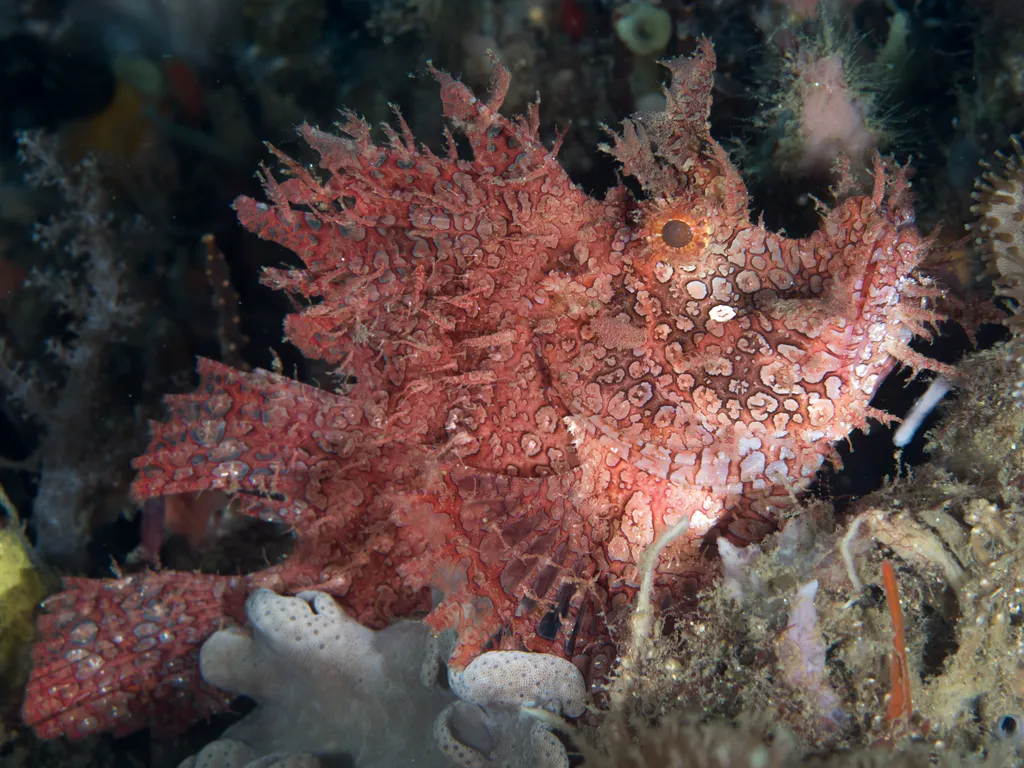
Photo by Rickard Zerpe / CC BY 2.0 via Wikimedia Commons
Weedy Scorpionfish are the kind of find that makes an entire muck dive worth it. They sit still, trust their camouflage, and look so much like a tangled patch of algae that even good guides sometimes need a second pass.
Unlike leaf scorpionfish, which sway like debris on open reef, Rhinopias frondosa usually hugs soft bottoms, rubble pockets, and algae-coated rock where tentacles break up its outline completely. Once you lock onto the eye and the upturned mouth, the "weed pile" suddenly becomes a fish—and then you wonder how you ever missed it.
They rarely swim. Most movement is a fin-propelled hop or slow walk across substrate, so sightings are about scanning, not chasing. For macro shooters, that stillness is gold: controlled approach, stay low, and let the subject set the pace.
🔬Classification
📏Physical Features
🌊Habitat Info
⚠️Safety & Conservation
Identification Guide
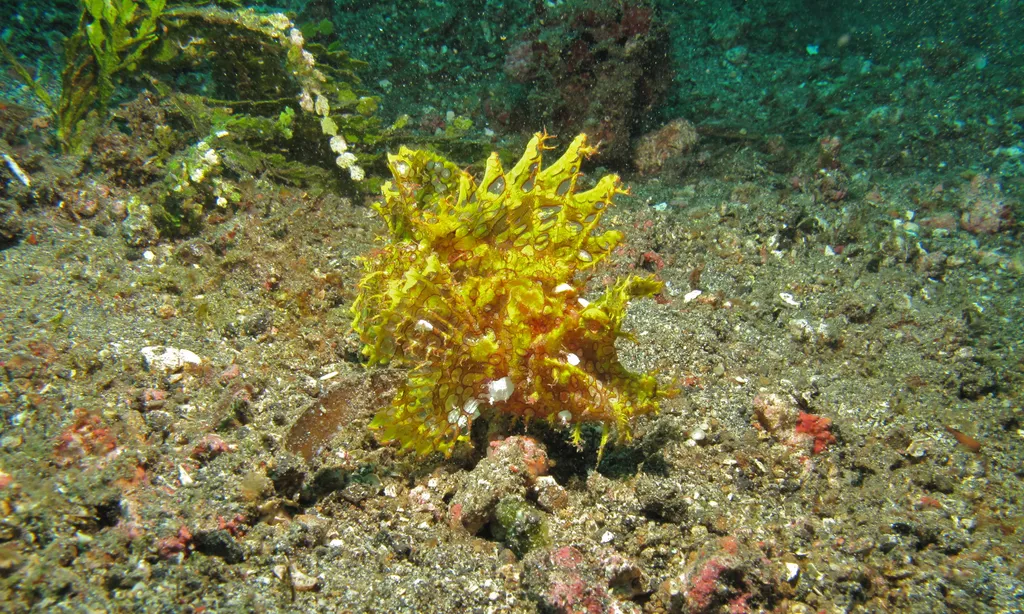
Photo by Bernard DUPONT from FRANCE / CC BY-SA 2.0 via Wikimedia Commons
Tentacles and Compressed Body
Look for a deeply compressed profile buried in weed-like fleshy appendages over the head, jaws, and flanks. From the side it can look plush and irregular; from the front it reads much thinner than expected.
Circular Spot Pattern
Regardless of base color, many individuals show distinctive round spots with dark margins and a center matching the body color. That ringed spotting is a strong field cue once you've found the outline.
Soft, Bendable Dorsal Spines
The dorsal spines look long but flex easily under light pressure (do not touch—only useful for ID via photos/guides). Soft membrane notches and branched caudal ray tips help separate it from plainer scorpionfish.
Rhinopias Lookalikes
Paddle-flap Rhinopias (R. eschmeyeri) has smoother fins and fewer tentacles. If the fish looks like living kelp more than a "clean" scorpionfish silhouette, lean frondosa.
Top 10 Fun Facts about Weedy Scorpionfish
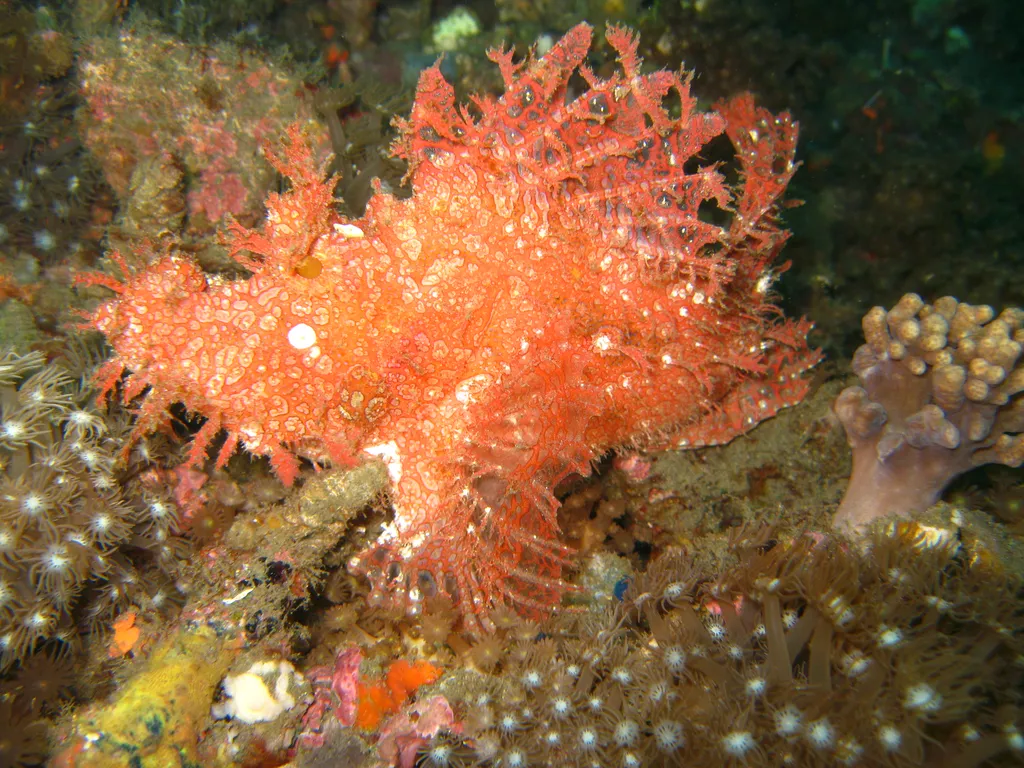
Photo by Jens Petersen / CC BY-SA 3.0 via Wikimedia Commons
1. Named for Leaves, Built Like Weed
The specific epithet frondosa means "full of leaves"—a direct nod to the fleshy tentacles that blanket almost every surface of the fish.
2. Type Species of Its Genus
Rhinopias was erected with this species as the type; among divers it is the signature "holy grail" Rhinopias form for muck destinations.
3. Camouflage Scales With Habitat
In algae-rich shallows, appendages grow dense and weed-like; deeper sponge habitats may host plainer individuals with fewer tassels—same species, different costume.
4. Ambush After Dark
They hunt mostly at night, sucking in small fish and invertebrates with rapid strikes while remaining almost motionless between meals.
5. Walkers, Not Cruisers
Weedy scorpionfish seldom free-swim. They use pectoral and other fins to creep or hop along the bottom, which is why you find them by substrate scanning.
6. Color Is Not an ID Tool Alone
Yellow, crimson, purple, mottled brown—base color varies wildly and can even shift when individuals are housed together in aquaria, so shape and tentacles matter more.
7. Pair Confusion With a Lookalike
Frondosa and R. eschmeyeri sometimes associate, and biologists have debated sexual dimorphism versus distinct species—worth knowing when logging IDs from dive photos.
8. Venom Is Passive Defense
Dorsal spines deliver a painful toxin. The fish is not chase-aggressive; nearly all diver incidents come from accidental contact or poor hand placement on the bottom.
9. Indo-West Pacific Specialist
Range runs from South Africa and Mauritius east to Japan, Australia, and the Carolines—yet consistent recreational encounters concentrate at a handful of black-sand and muck hubs.
10. Aquarium Trade Fame, Wild Scarcity Feel
Sought after for display tanks and priced accordingly, wild encounters still feel rare to most divers because camouflage and site specialization hide them in plain sight.
Diving & Observation Notes
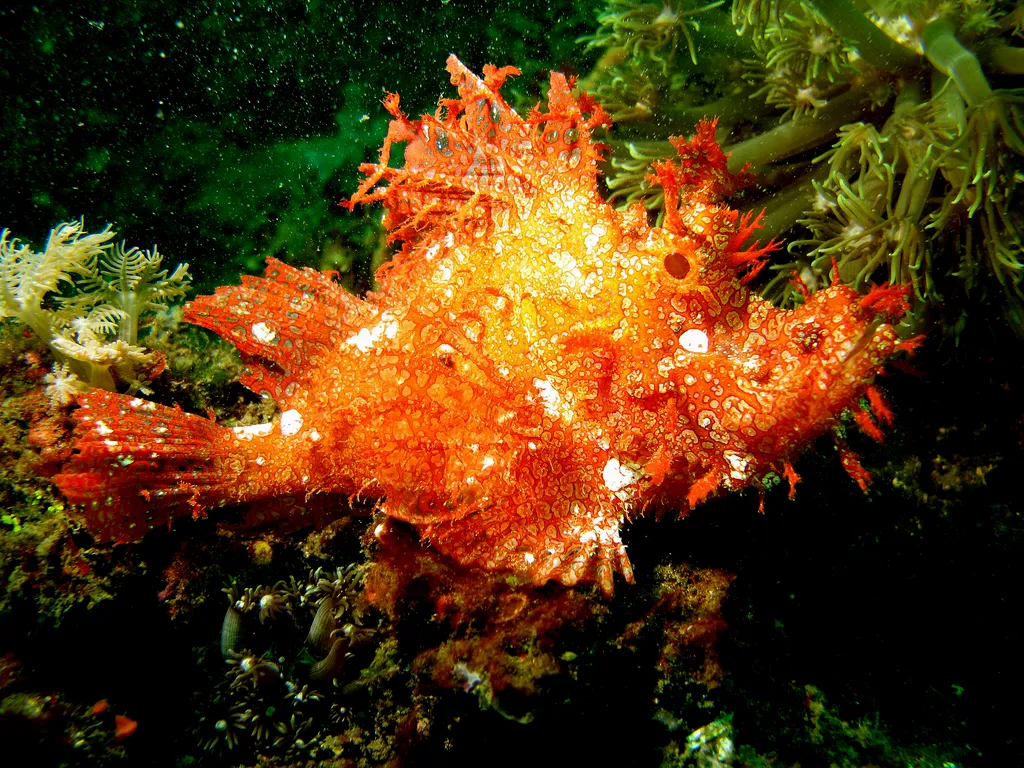
Photo by Steve Childs / CC BY 2.0 via Wikimedia Commons
🧭 Where Guides Find Them
Prioritize black-sand and rubble slopes with algae, sponge clumps, and soft debris in current-swept channels. In Lembeh, Ambon, and similar muck circuits, ask for yesterday's GPS or site notes—individuals can hold the same pocket for days.
🤿 Approach Slow and Low
Stay slightly below head height and circle from the side. An overhead silhouette often triggers a subtle fin-hop to denser cover. Once positioned, settle buoyancy and wait; feeding or slight posture changes reward patience more than constant repositioning.
📸 Photo Priorities
Lead with the eye and upturned mouth so the subject reads as fish, not algae. Side-light tentacles to separate texture from substrate; stop down enough for spine tips and eye plane without blowing specular highlights on wet weed.
⚠️ Safety and Ethics
Never probe with a stick, fan substrate onto the fish, or crowd multiple photographers into spine range. Treat every dorsal-contact scenario as avoidable: glove-off discipline and no hand planting on the bottom.
Best Places to Dive with Weedy Scorpionfish
Lembeh
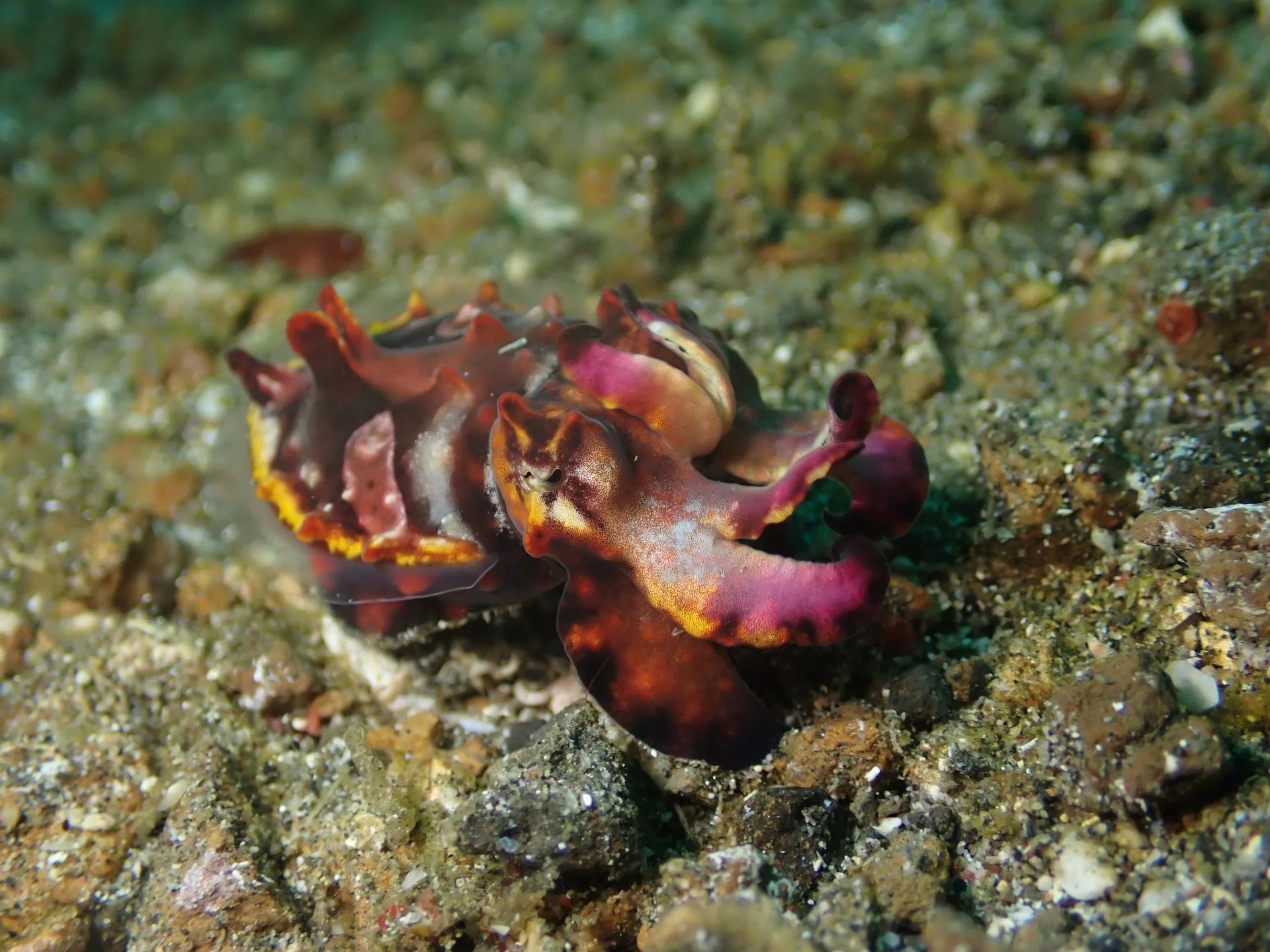
The Lembeh Strait in North Sulawesi has become famous as the muck‑diving capital of the world. At first glance its gently sloping seabed of black volcanic sand, rubble and discarded debris looks bleak. Look closer and it is teeming with weird and wonderful life: hairy and painted frogfish, flamboyant cuttlefish, mimic and blue‑ringed octopuses, ornate ghost pipefish, tiny seahorses, shrimp, crabs and a rainbow of nudibranchs. Most dives are shallow and calm with little current, making it an ideal playground for macro photographers. There are a few colourful reefs for a change of scenery, but Lembeh is all about searching the sand for critter treasures.
Ambon
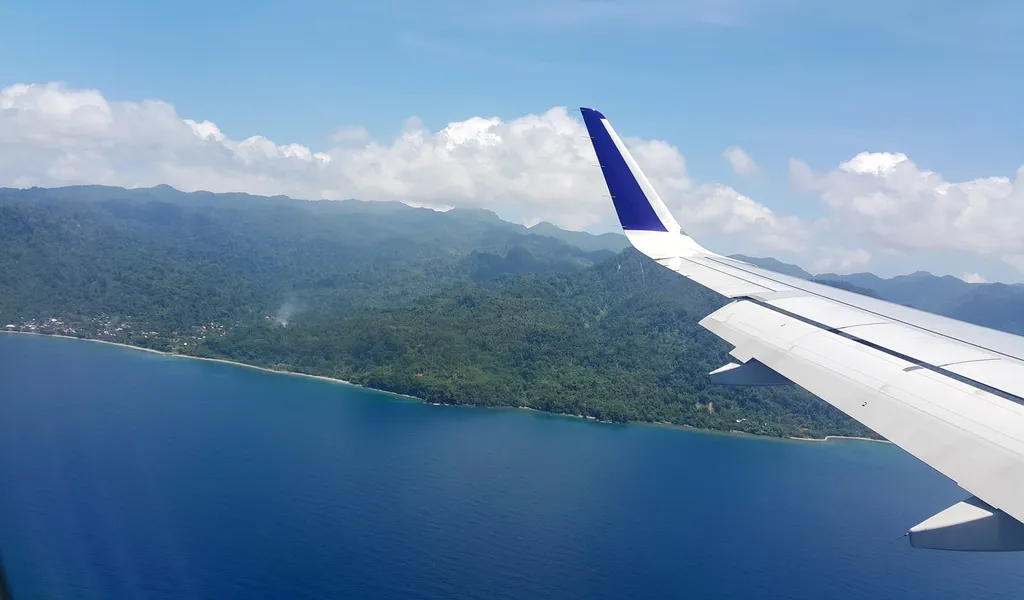
Ambon sits in Indonesia’s Maluku (Spice Islands) and is one of the world’s elite muck destinations—often ranked alongside Lembeh for rare critters, without the crowds. The heart of the action is Ambon Bay around Laha village near the airport: black volcanic sand slopes, rubble, pier posts and discarded debris that somehow host psychedelic frogfish (endemic to Ambon waters), rhinopias, flamboyant cuttlefish, mimic and wonderpus octopuses, ghost pipefish and endless nudibranchs. Most bay dives stay 5–35 m with long bottom times that photographers love. When weather allows, the south and east coasts flip the script—healthy hard coral, walls, arches at Pintu Kota, the swim-throughs of Hukurila Cave, and the critter-coated Duke of Sparta wreck. Expect modest lodging in Laha or resort packages further around the bay; July–August monsoon often closes operators.
Anilao
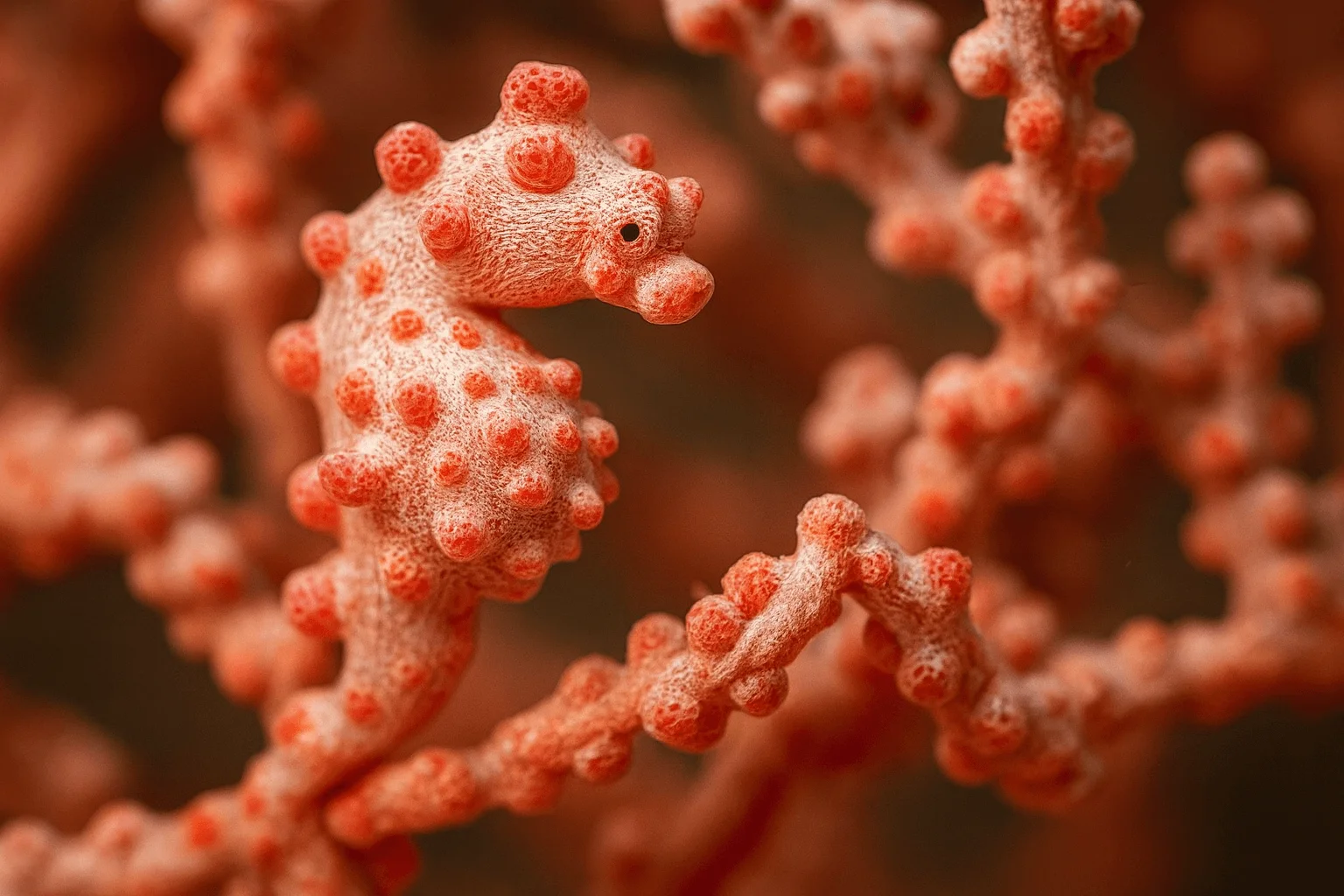
Anilao, a small barangay in Batangas province just two hours south of Manila, is often called the macro capital of the Philippines. More than 50 dive sites fringe the coast and nearby islands, offering an intoxicating mix of coral‑covered pinnacles, muck slopes and blackwater encounters. Critter enthusiasts come for the legendary muck dives at Secret Bay and Anilao Pier, where mimic octopuses, blue‑ringed octopuses, wonderpus, seahorses, ghost pipefish, frogfish and dozens of nudibranch species lurk in the silt. Shallow reefs like Twin Rocks and Cathedral are covered in soft corals and teem with reef fish, while deeper sites such as Ligpo Island feature gorgonian‑covered walls and occasional drift. Because Anilao is so close to Manila and open year‑round, it’s the easiest place in the Philippines to squeeze in a quick diving getaway.
Dumaguete
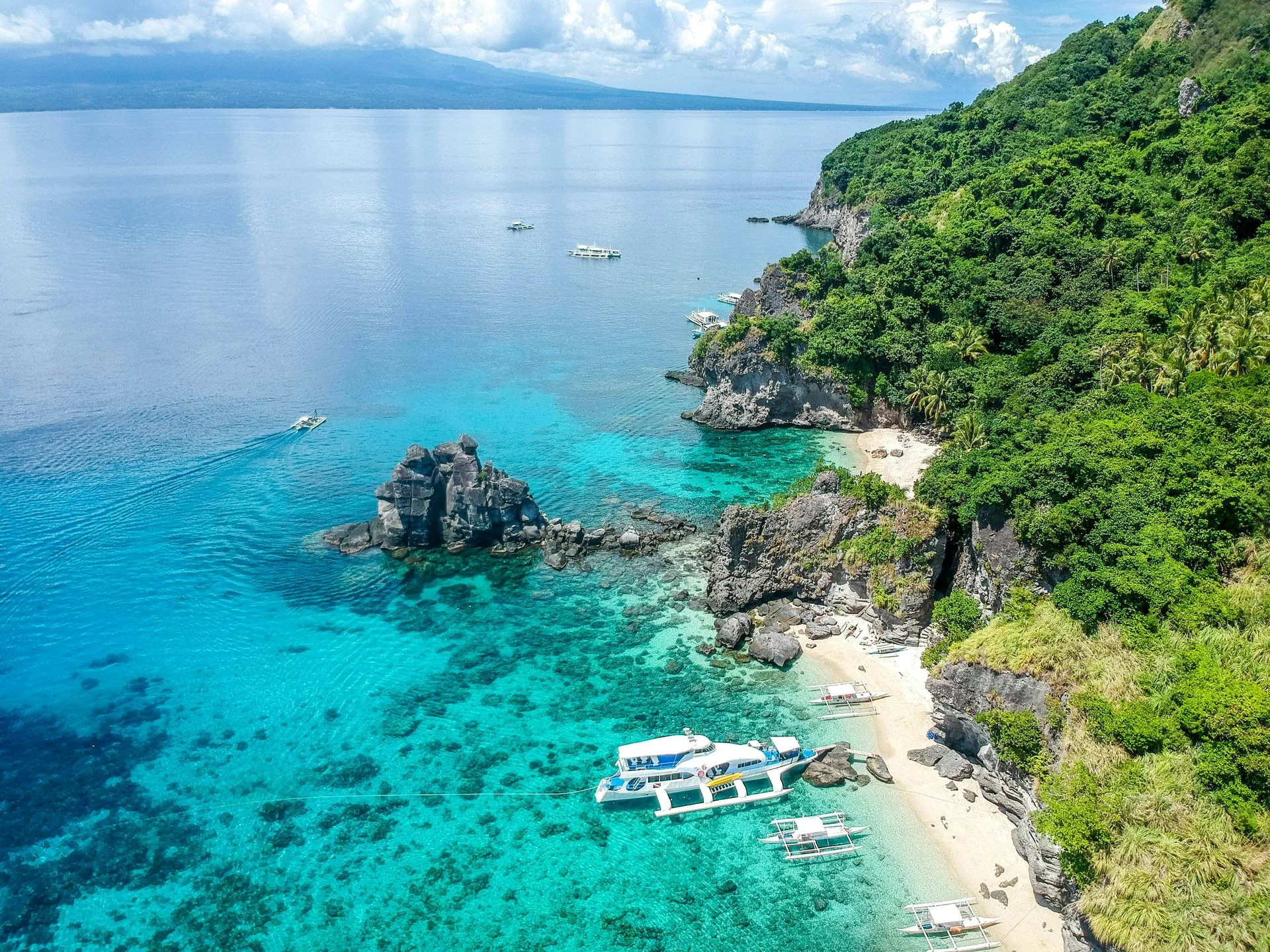
Dumaguete on the southeast coast of Negros is the jumping‑off point for some of the Philippines’ most diverse diving. Along the nearby town of Dauin, a series of shallow marine sanctuaries and black‑sand slopes hide critters galore: frogfish, flamboyant cuttlefish, mimic octopus, ghost pipefish, seahorses, pipefish and nudibranchs. Artificial reefs made from car tyres and pyramids provide extra habitat. Offshore, Apo Island’s walls and plateaus burst with hard and soft corals, schooling jacks and barracudas, and friendly green turtles. With day trips to Oslob’s whale sharks or Bais’ dolphin‑watching, and excursions to nearby Siquijor, Dumaguete offers a perfect mix of macro muck diving and classic coral reefs.
Tulamben(Bali)
Tulamben sits on Bali’s northeast coast and is best known for the USAT Liberty shipwreck – a 125‑metre cargo ship torpedoed in WWII that now lies just a short swim from shore. Warm water, mild currents and straightforward shore entries make diving here relaxed for all levels. Besides the wreck, divers can explore coral gardens, black‑sand muck sites and dramatic drop‑offs. Macro lovers will find nudibranchs, ghost pipefish, mimic octopus and pygmy seahorses, while big‑fish fans can encounter schooling jackfish, bumphead parrotfish and reef sharks. With a compact coastline packed with variety, Tulamben delivers world‑class wreck and critter diving without long boat rides.