
Sea Fan
Gorgoniidae (family)
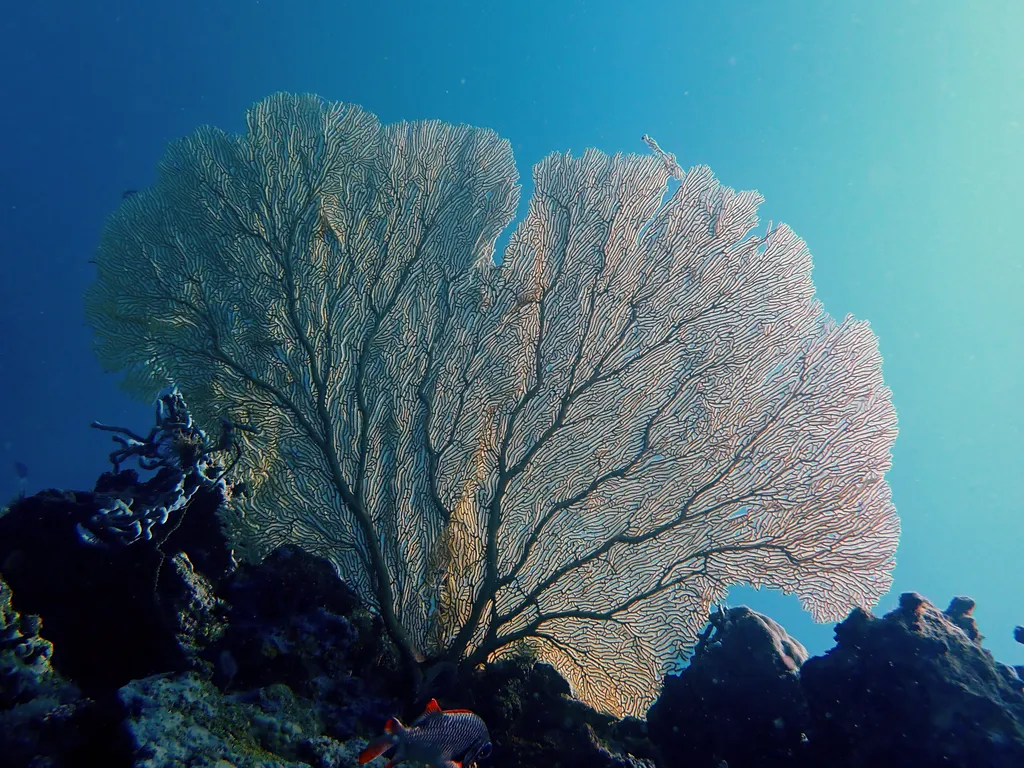
Photo by unknown / CC BY-SA 4.0 via Wikimedia Commons
To a diver swimming along a reef wall, sea fans appear like underwater trees—delicate, colorful, and impossibly graceful. These aren't plants, but colonial animals—thousands of tiny polyps working together to create structures that can span two meters across. Each fan is a masterpiece of engineering: a flexible skeleton made of gorgonin protein allows it to sway with currents like a living sail, positioning itself perfectly to filter plankton from the water. The fan's flat, single-plane structure isn't accidental—it's evolved to be perpendicular to water flow, maximizing the surface area for feeding while minimizing drag. For macro photographers, sea fans are treasure troves: pygmy seahorses hide among their branches, tiny crustaceans scuttle across their surfaces, and their polyps extend feathery tentacles that look like miniature forests. But these beautiful structures are also fragile—a single careless fin kick can break branches that took decades to grow. Sea fans grow agonizingly slowly, sometimes less than a centimeter per year, making each large fan a living testament to decades or even centuries of patient growth. They're the underwater equivalent of ancient trees, and like old-growth forests, they're disappearing at an alarming rate due to climate change, disease, and human impacts.
🔬Classification
📏Physical Features
🌊Habitat Info
⚠️Safety & Conservation
Identification Guide
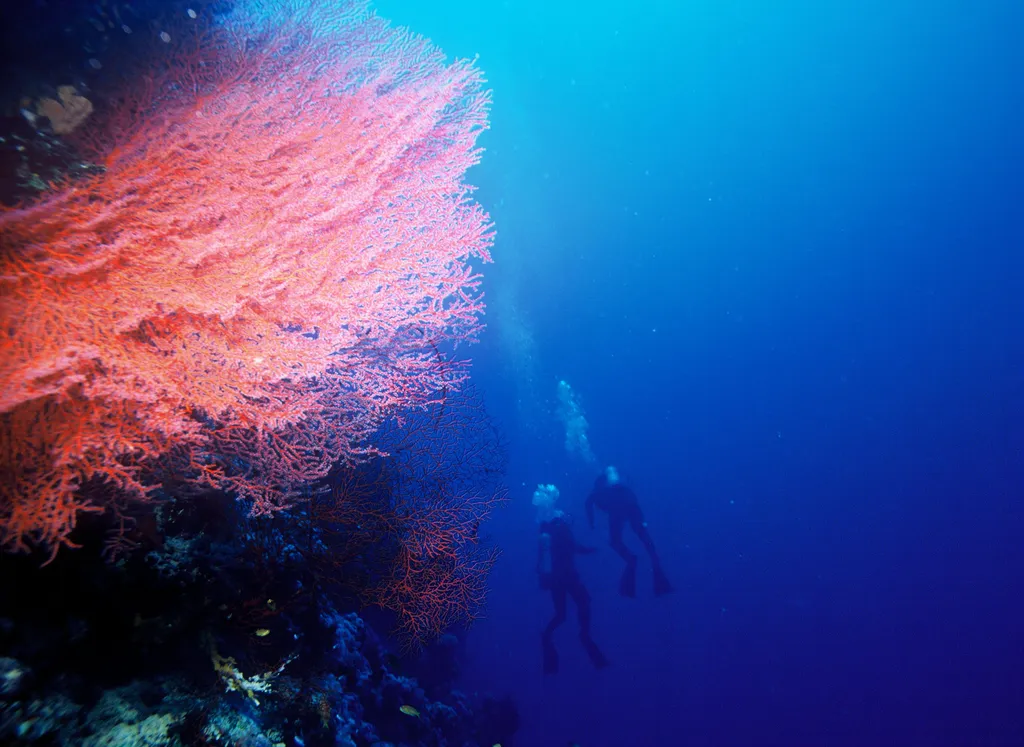
Photo by Albert Kok at Dutch Wikipedia(Original text: Albert Kok) via Wikimedia Commons
- Fan Shape: Flat, branching structure in a single plane, resembling a hand-held fan or tree
- Branching Pattern: Reticulate (net-like) or dichotomous (Y-shaped) branching; branches often flattened
- Polyps: Small white or translucent polyps with eight pinnate (feathery) tentacles extending from branch surfaces
- Skeleton: Flexible, not rigid—branches can bend with gentle pressure (unlike hard corals)
- Color Patterns: Often vibrant colors with gradients; base may be darker than tips
- Orientation: Typically positioned perpendicular to prevailing currents
- Size Variation: Small fans 20-30cm; large fans can exceed 1.5 meters in height
- Surface Texture: Smooth or slightly bumpy where polyps emerge; may have warty protrusions (calyces)
Top 10 Fun Facts about Sea Fan
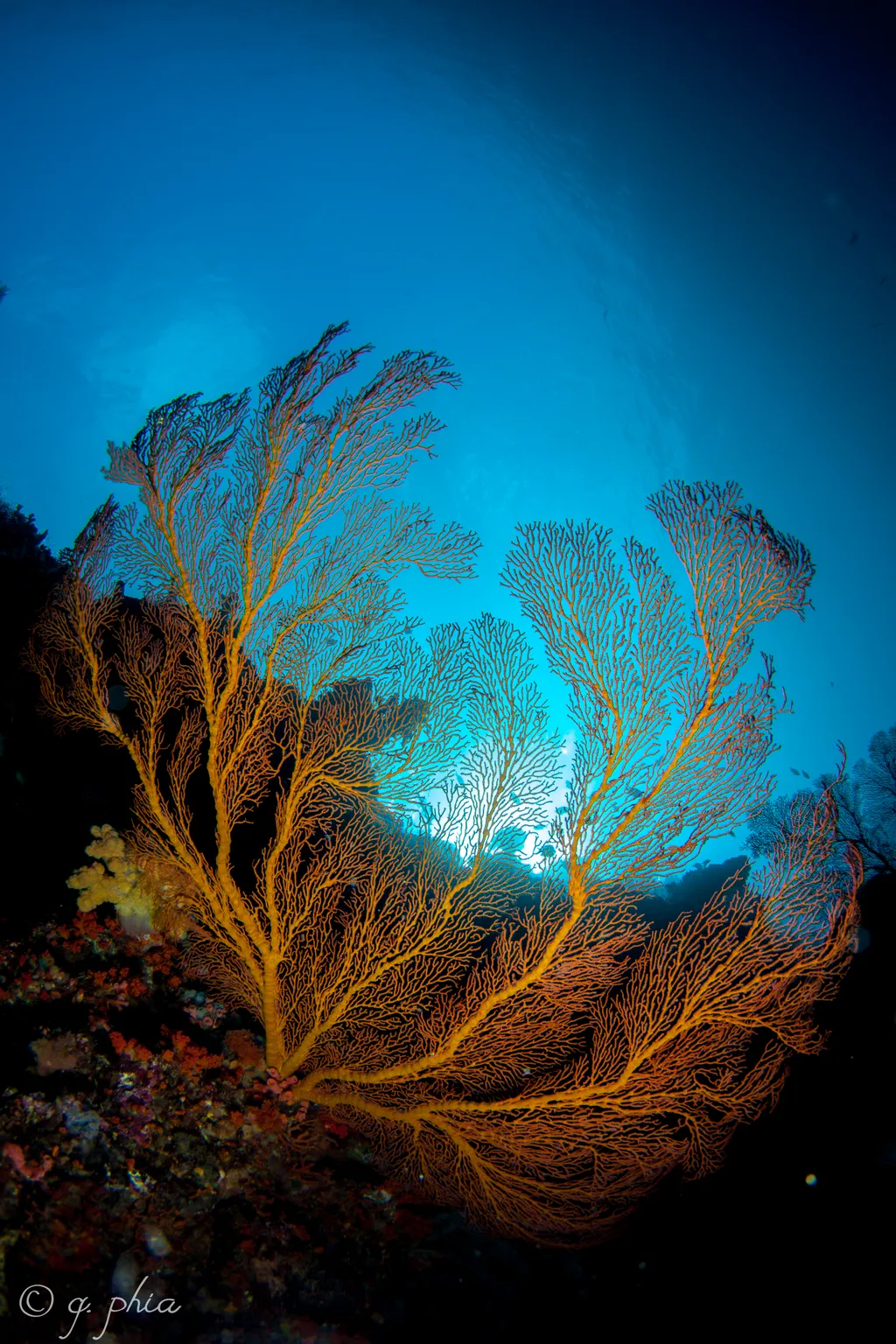
Photo by q phia / CC BY 2.0 via Wikimedia Commons
1. The Eight-Armed Architects: Octocorals Defined
Sea fans belong to the subclass Octocorallia (eight-rayed corals), a fundamental distinction that sets them apart from their stony coral cousins. Every polyp in a sea fan has exactly eight tentacles and eight internal partitions (mesenteries), arranged in perfect radial symmetry. This is in stark contrast to hard corals (Scleractinia), which have tentacles and partitions in multiples of six. The name "octocoral" literally means "eight corals," and this eight-fold symmetry is visible when you look closely at the polyps—each one is a tiny, perfect octagon of life. This structural difference isn't just cosmetic—it reflects a deep evolutionary divergence. Octocorals and hexacorals (six-rayed corals) split from a common ancestor hundreds of millions of years ago and have been following separate evolutionary paths ever since. For divers, this means that when you see a sea fan, you're looking at a fundamentally different type of coral than the hard, stony structures that form most reefs. The eight-tentacled polyps create a distinctive feeding pattern, and the entire colony's growth follows this eight-fold symmetry, creating the delicate, lace-like branching patterns that make sea fans so visually striking.
2. The Flexible Skeleton: Gorgonin's Secret
Unlike hard corals that build rigid calcium carbonate skeletons, sea fans have a revolutionary approach to structural support: gorgonin, a flexible protein that's more like horn or keratin than bone. This protein forms the core of each branch, embedded with tiny calcareous spicules (sclerites) that provide additional strength. The result is a skeleton that can bend and flex with water currents rather than breaking. This flexibility is crucial for survival in areas with strong currents—a rigid structure would snap, but a flexible one sways like a tree in the wind, absorbing and distributing forces. Gorgonin is so unique that it's named after the Gorgon Medusa from Greek mythology, whose hair was made of snakes—perhaps because the flexible, branching structure reminded early biologists of writhing serpents. The protein is produced by specialized cells in the coral's tissue and is secreted to form the central axis of each branch. This evolutionary innovation allows sea fans to colonize high-current environments where rigid corals would be destroyed, creating a niche that's uniquely theirs. For divers, this flexibility means sea fans move with an almost hypnotic grace in currents, creating one of the most beautiful sights in underwater photography.
3. The Perfect Angle: Perpendicular to the Flow
Sea fans have solved one of nature's most elegant engineering problems: how to maximize food capture while minimizing energy expenditure. The solution is perpendicular orientation—sea fans grow their fan plane at a right angle to the prevailing water current. This positioning creates a massive surface area for filter feeding while presenting minimal resistance to water flow. It's like holding a tennis racket perpendicular to a ball machine—maximum catching surface, minimum effort. Scientists have discovered that sea fans can actually sense water flow direction and adjust their growth accordingly. If currents change direction over time, the fan will grow new branches oriented to the new flow, creating asymmetrical but perfectly adapted structures. This adaptive growth means that every sea fan is custom-engineered for its specific location, a living sculpture shaped by years of interaction with local water dynamics. For divers, this creates a visual signature—when you see a wall of sea fans all oriented the same way, you're seeing a map of the underwater currents, a biological compass pointing to the flow of the ocean.
4. The Pygmy Seahorse Connection: A Perfect Hiding Place
Sea fans are famous in the diving world for one particular relationship: they're the preferred habitat of pygmy seahorses, some of the ocean's most sought-after macro photography subjects. These tiny seahorses, often less than 2 centimeters long, have evolved to perfectly match the color and texture of their host sea fan. The relationship is so intimate that different pygmy seahorse species specialize in different sea fan species—the Bargibant's pygmy seahorse (Hippocampus bargibanti) lives exclusively on gorgonian sea fans, while Denise's pygmy seahorse (H. denise) prefers different fan species. The seahorses use their prehensile tails to grip the fan's branches, and their tubercles (bumps) mimic the fan's polyps so perfectly that they're nearly invisible. This camouflage is so effective that finding a pygmy seahorse on a sea fan is one of the ultimate challenges in underwater macro photography—it can take hours of careful searching, and even experienced guides sometimes miss them. The relationship benefits both: the seahorse gets perfect camouflage and a stable home, while the sea fan gets... well, scientists aren't entirely sure what the sea fan gets, but the seahorses don't seem to harm their hosts. For divers, this relationship transforms every sea fan into a potential treasure hunt—you never know when a careful examination might reveal one of the ocean's tiniest and most perfectly camouflaged residents.
5. The Slowest Growth: Patience in Millimeters
Sea fans grow at rates that would try the patience of a saint. Some species, particularly in temperate waters, grow at a glacial pace of less than 1 centimeter per year. A large sea fan standing 1.5 meters tall might be 50 to 100 years old, or even older. This slow growth means that every large sea fan you see is a living historical record, a structure that has been growing since before many divers were born. The growth isn't uniform—branches grow at different rates depending on their position relative to currents, light, and food availability. Scientists study sea fan growth rings (similar to tree rings) to understand past environmental conditions, and some sea fans serve as living archives spanning decades or even centuries. This slow growth also means that damage is catastrophic—a broken branch represents years or decades of lost growth, and recovery can take just as long. For divers, this creates a profound responsibility: a single careless moment can destroy what took nature half a century to build. Understanding this slow growth rate transforms how we see sea fans—they're not just pretty decorations, but ancient, patient structures that deserve our utmost respect and protection.
6. The Symbiotic Algae: Photosynthetic Partners
Many shallow-water sea fans host zooxanthellae, the same type of symbiotic algae that live in hard corals. These single-celled dinoflagellates live inside the sea fan's tissues, performing photosynthesis and sharing the resulting sugars with their host. This partnership provides sea fans with a significant portion of their energy needs—sometimes up to 90%—allowing them to thrive in nutrient-poor tropical waters. The algae benefit from the sea fan's structure, which positions them in optimal light conditions, and from the coral's waste products, which provide essential nutrients. However, this partnership comes with a vulnerability: when water temperatures rise, the sea fans can expel their algae in a process called bleaching, just like hard corals. Without their photosynthetic partners, sea fans lose their vibrant colors (turning pale or white) and can starve to death. Deep-water sea fans, which live beyond the reach of sunlight, don't host zooxanthellae and rely entirely on filter feeding. This creates two distinct ecological strategies: shallow-water fans that are solar-powered and deep-water fans that are purely heterotrophic. For divers, the presence of vibrant colors usually indicates healthy symbiosis, while pale or white fans may be suffering from bleaching or stress.
7. The Disease Crisis: Purple Spots and Fungal Infections
Sea fans face a growing threat from diseases that can devastate entire populations. One of the most serious is aspergillosis, caused by the fungus Aspergillus sydowii. This disease creates distinctive purple or brown lesions on sea fan tissue, which spread and can kill entire colonies. The disease became epidemic in the Caribbean in the 1990s, killing massive numbers of sea fans, particularly the common purple sea fan (Gorgonia ventalina). Scientists discovered that the fungus was likely introduced to the Caribbean through ballast water from ships, and it spread rapidly through sea fan populations that had no natural resistance. The disease is particularly devastating because sea fans grow so slowly—recovery from disease outbreaks can take decades. Climate change is making things worse: warmer waters stress sea fans, making them more susceptible to disease, and pollutants like copper can suppress their immune systems. Some sea fans show remarkable resilience, developing resistance to diseases over time, but many populations have been permanently altered. For divers, seeing diseased sea fans with purple spots or dead, white branches is a sobering reminder of the fragility of these ecosystems and the impacts of human activities on marine life.
8. The Broadcast Spawning: Synchronized Reproduction
Like many corals, sea fans reproduce through broadcast spawning, releasing eggs and sperm into the water column where fertilization occurs. But sea fans add their own twist to this strategy: many species spawn in synchronized events tied to lunar cycles, water temperature, and sunset timing. During these events, entire colonies release their gametes simultaneously, turning the water around them into a cloud of reproductive cells. This synchronized spawning maximizes the chances of cross-fertilization between different colonies, ensuring genetic diversity. The timing is precise—corals can detect subtle changes in light, temperature, and chemical cues to coordinate this mass reproductive event. After fertilization, the resulting planula larvae drift in ocean currents for days or weeks before settling on a suitable substrate and beginning to grow into a new colony. This reproductive strategy is a high-risk, high-reward approach—most larvae never survive to adulthood, but those that do can establish new colonies far from their parents. For divers lucky enough to witness a spawning event, it's one of the ocean's most spectacular sights: swimming through clouds of pink, orange, or white gametes while the reef pulses with reproductive energy.
9. The Deep-Sea Giants: Life in the Darkness
While most divers encounter sea fans in shallow tropical waters, some of the most spectacular sea fans live in the cold, dark depths of the ocean, far beyond the reach of sunlight. These deep-sea gorgonians can grow to enormous sizes—some species reach heights of 3 meters or more and can be hundreds of years old. Without access to sunlight, these deep-sea fans don't host zooxanthellae and rely entirely on filter feeding, capturing organic particles and plankton that drift down from surface waters. They grow even slower than their shallow-water relatives, sometimes adding just millimeters per decade. Some deep-sea fans, like Paragorgia arborea, form massive "trees" that create oases of life in the deep ocean, providing habitat for countless other species. These deep-sea ecosystems are only beginning to be explored, and new species of deep-sea gorgonians are discovered regularly. Unfortunately, these ancient deep-sea forests face threats from bottom trawling and deep-sea mining, which can destroy structures that took centuries to grow in minutes. For most divers, these deep-sea giants remain out of reach, but they're a reminder that the world of sea fans extends far beyond the colorful shallow reefs we know and love.
10. The Ecological Engineers: Building Underwater Forests
Sea fans are more than just beautiful decorations—they're ecosystem engineers that create structure and habitat in environments that would otherwise be relatively featureless. Their branching structures provide attachment points for countless other organisms: sponges, tunicates, bryozoans, and algae all grow on sea fan surfaces. Small fish use sea fans as shelter, hiding among the branches from predators. Crustaceans, including tiny shrimps and crabs, make their homes in the nooks and crannies of sea fan branches. The complex three-dimensional structure created by sea fans increases the overall biodiversity of reef ecosystems, providing niches for species that couldn't survive on flat surfaces. This habitat provision is particularly important on vertical walls and drop-offs, where sea fans can create entire "forests" that transform bare rock into thriving ecosystems. Scientists have discovered that areas with healthy sea fan populations support significantly more biodiversity than areas without them. For divers, this means that sea fan-covered walls are often the most interesting dive sites, teeming with life at every level. Every sea fan is a miniature ecosystem, a living apartment building hosting dozens of species in a delicate, colorful structure that took decades to build.
Diving & Observation Notes
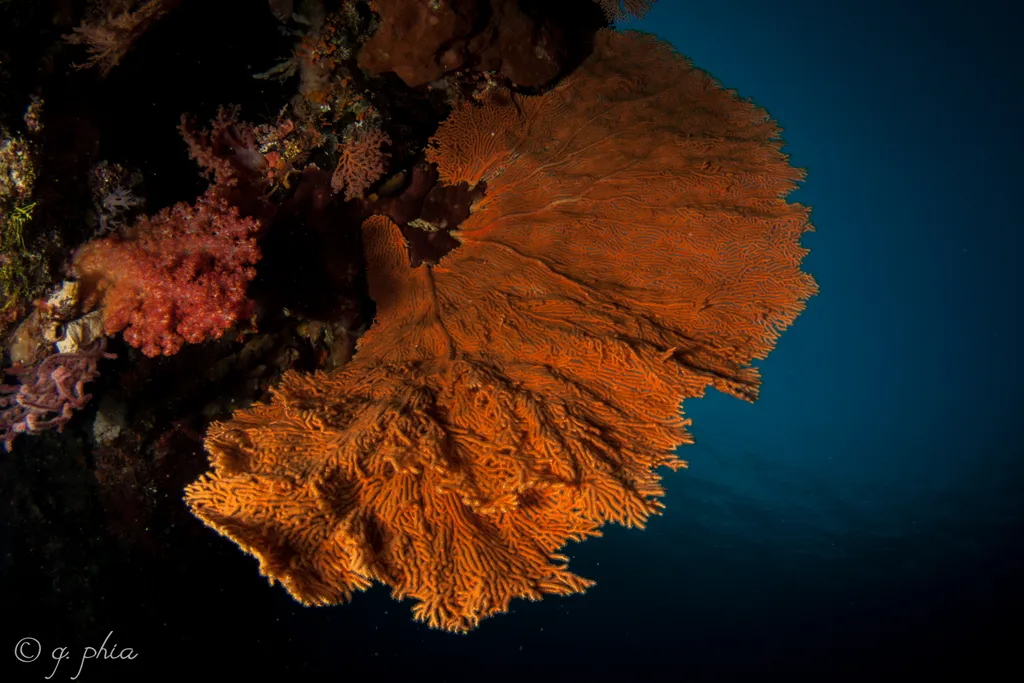
Photo by q phia / CC BY 2.0 via Wikimedia Commons
🧭 Finding Sea Fans
- Vertical Walls: Look on reef walls, drop-offs, and steep slopes—sea fans prefer vertical surfaces.
- Current Areas: Found in areas with moderate to strong currents where they can filter feed efficiently.
- Depth Range: Most common at 10-30m, but can be found from 5m to 40m+ depending on location.
- Orientation Clue: Fans oriented the same direction indicate current flow—use them as natural current indicators.
🤿 Behavior & Observation
- Polyp Extension: Polyps extend feathery tentacles at night and during feeding—observe the delicate eight-tentacled polyps.
- Current Response: Watch how fans sway and flex with currents—their flexibility prevents breakage.
- Associated Life: Look for pygmy seahorses, small crustaceans, and other organisms living on or among the branches.
- Color Indicators: Vibrant colors usually indicate healthy symbiosis; pale or white areas may indicate stress or disease.
📸 Photo Tips
- Macro Magic: Focus on individual polyps with extended tentacles—requires patience and steady hands.
- Wide-Angle: Capture entire fans with divers or fish for scale—shows the impressive size of large specimens.
- Side Lighting: Use side or back lighting to highlight the fan's delicate branching structure and texture.
- Pygmy Seahorse Hunt: Carefully examine fans for perfectly camouflaged pygmy seahorses—they're masters of disguise.
- Fluorescence: Some fans fluoresce under blue light—try UV or blue light photography for stunning effects.
⚠️ Safety & Ethics
- No Touch: Never touch sea fans—branches are extremely fragile and break easily.
- Buoyancy Control: Maintain perfect buoyancy to avoid accidental contact—damage can take decades to repair.
- No Collection: Do not collect sea fans or break branches—they're protected in many areas.
- Respect Growth: Remember that large fans may be 50-100 years old—treat them with respect.
- Current Awareness: Be careful in strong currents where fans are common—maintain control and avoid entanglement.
🌏 Best Locations
- Raja Ampat (Indonesia): Incredible diversity of sea fans, including pygmy seahorse habitats.
- Palau: Pristine reefs with large, healthy sea fan populations.
- Red Sea: Unique species adapted to high salinity; excellent visibility.
- Philippines & Indonesia: Macro diving paradise with diverse sea fan species.
- Caribbean: Classic purple sea fan (Gorgonia ventalina) habitats, though many affected by disease.
- Great Barrier Reef: Diverse sea fan communities on outer reef walls.
Best Places to Dive with Sea Fan
Raja Ampat
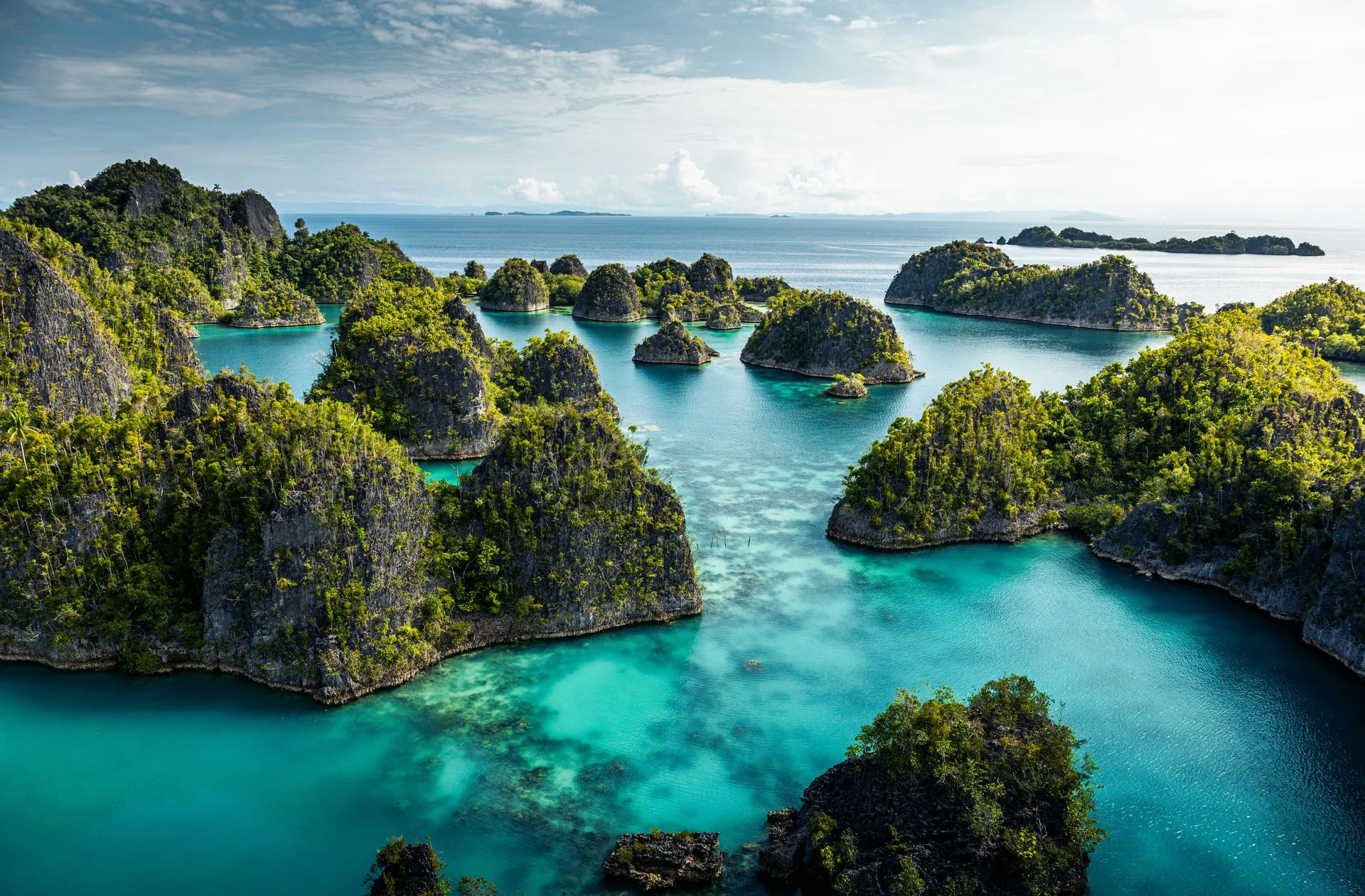
Raja Ampat, the “Four Kings,” is an archipelago of more than 1,500 islands at the edge of Indonesian West Papua. Its reefs sit in the heart of the Coral Triangle, where Pacific currents funnel nutrients into shallow seas and feed the world’s richest marine biodiversity. Diving here means gliding over colourful walls and coral gardens buzzing with more than 550 species of hard and soft corals and an estimated 1,500 fish species. You’ll meet blacktip and whitetip reef sharks on almost every dive, witness giant trevally and dogtooth tuna hunting schools of fusiliers, and encounter wobbegong “carpet” sharks, turtles, manta rays and dolphins. From cape pinnacles swarming with life to calm bays rich in macro critters, Raja Ampat offers endless variety. Above water, karst limestone islands and emerald lagoons provide spectacular scenery between dives.
Palau
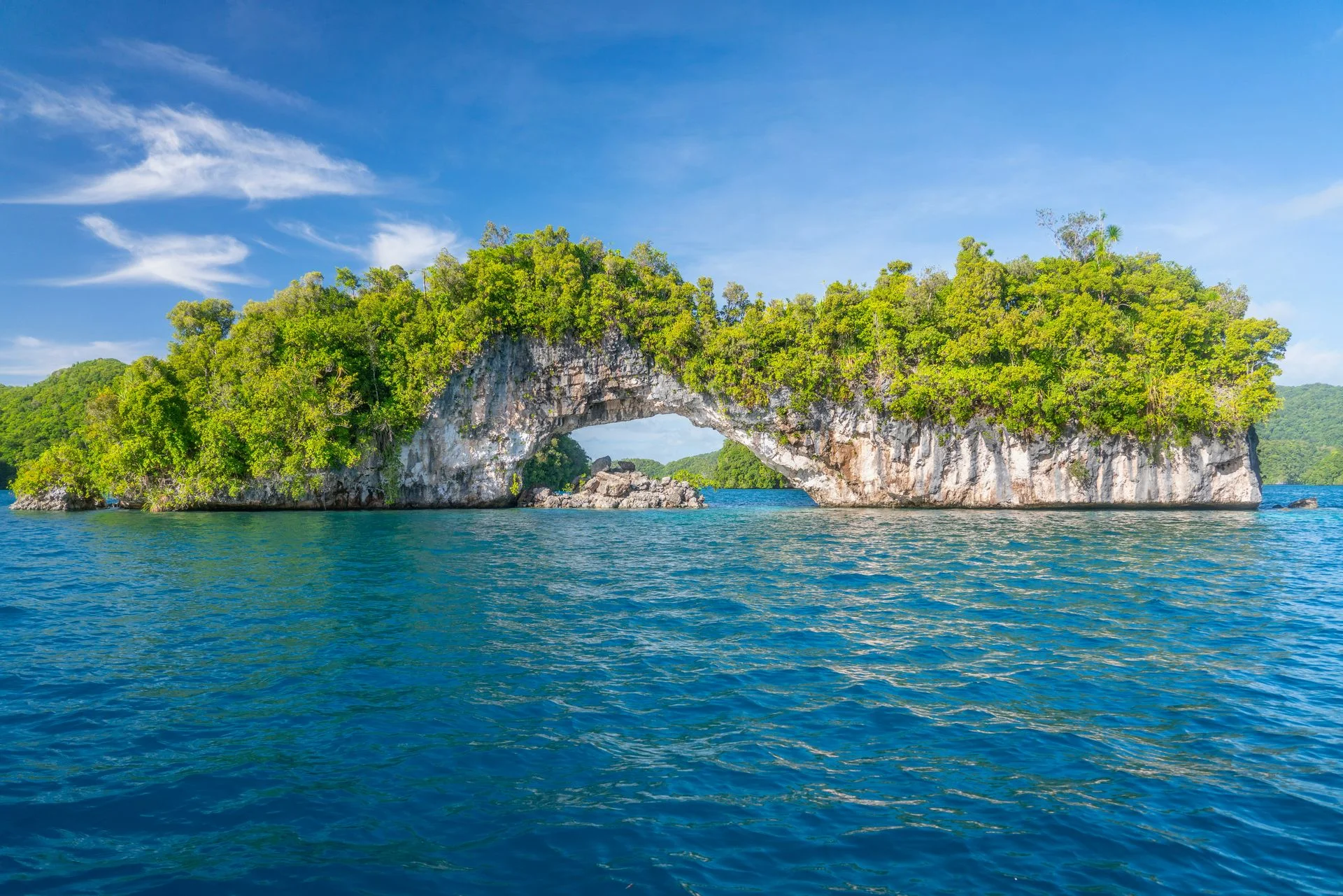
Rising out of the western Pacific at the meeting point of two great oceans, Palau is an archipelago of more than 500 jungle‑cloaked islands and limestone rock pinnacles. Its barrier reef and scattered outcrops create caverns, walls, tunnels and channels where nutrient‑rich currents sweep in from the Philippine Sea. These flows feed carpets of hard and soft corals and attract vast schools of jacks, barracudas and snappers, as well as an impressive cast of pelagics. Grey reef and whitetip sharks parade along the legendary Blue Corner; manta rays glide back and forth through German Channel’s cleaning stations; and Ulong Channel offers a thrill‑ride drift over giant clams and lettuce corals. Between dives you can snorkel among non‑stinging jellyfish in Jellyfish Lake or explore WWII ship and plane wrecks covered in colourful sponges.
Maldives
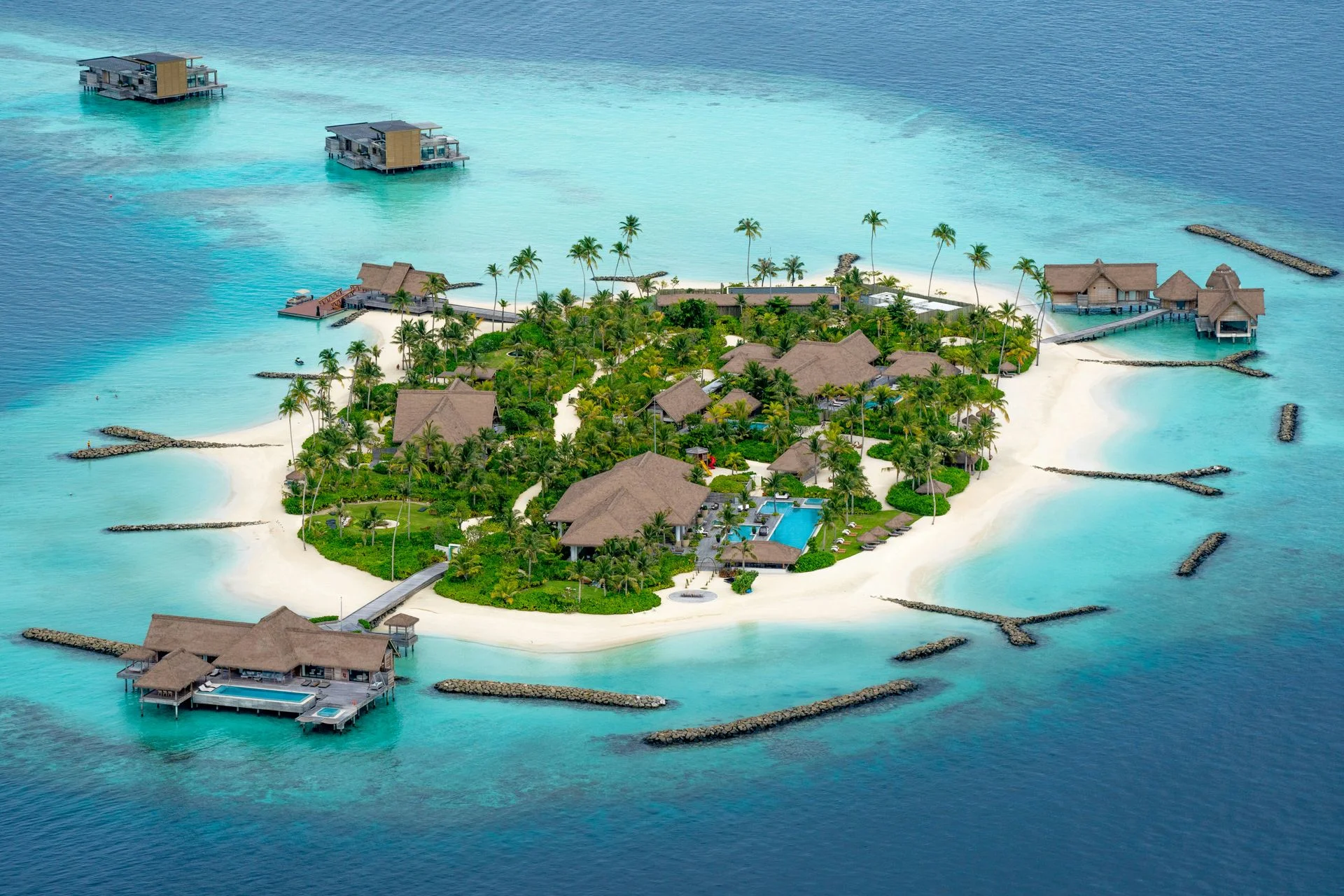
Scattered across the Indian Ocean like strings of pearls, the Maldives’ 26 atolls encompass more than a thousand low‑lying islands, reefs and sandbanks. Beneath the turquoise surface are channels (kandus), pinnacles (thilas) and lagoons where powerful ocean currents sweep past colourful coral gardens. This nutrient‑rich flow attracts manta rays, whale sharks, reef sharks, schooling jacks, barracudas and every reef fish imaginable. Liveaboards and resort dive centres explore sites such as Okobe Thila and Kandooma Thila in the central atolls, manta cleaning stations in Baa and Ari, and shark‑filled channels like Fuvahmulah in the deep south. Diving here ranges from tranquil coral slopes to adrenalin‑fuelled drifts through current‑swept passes, making the Maldives a true pelagic playground.
Komodo
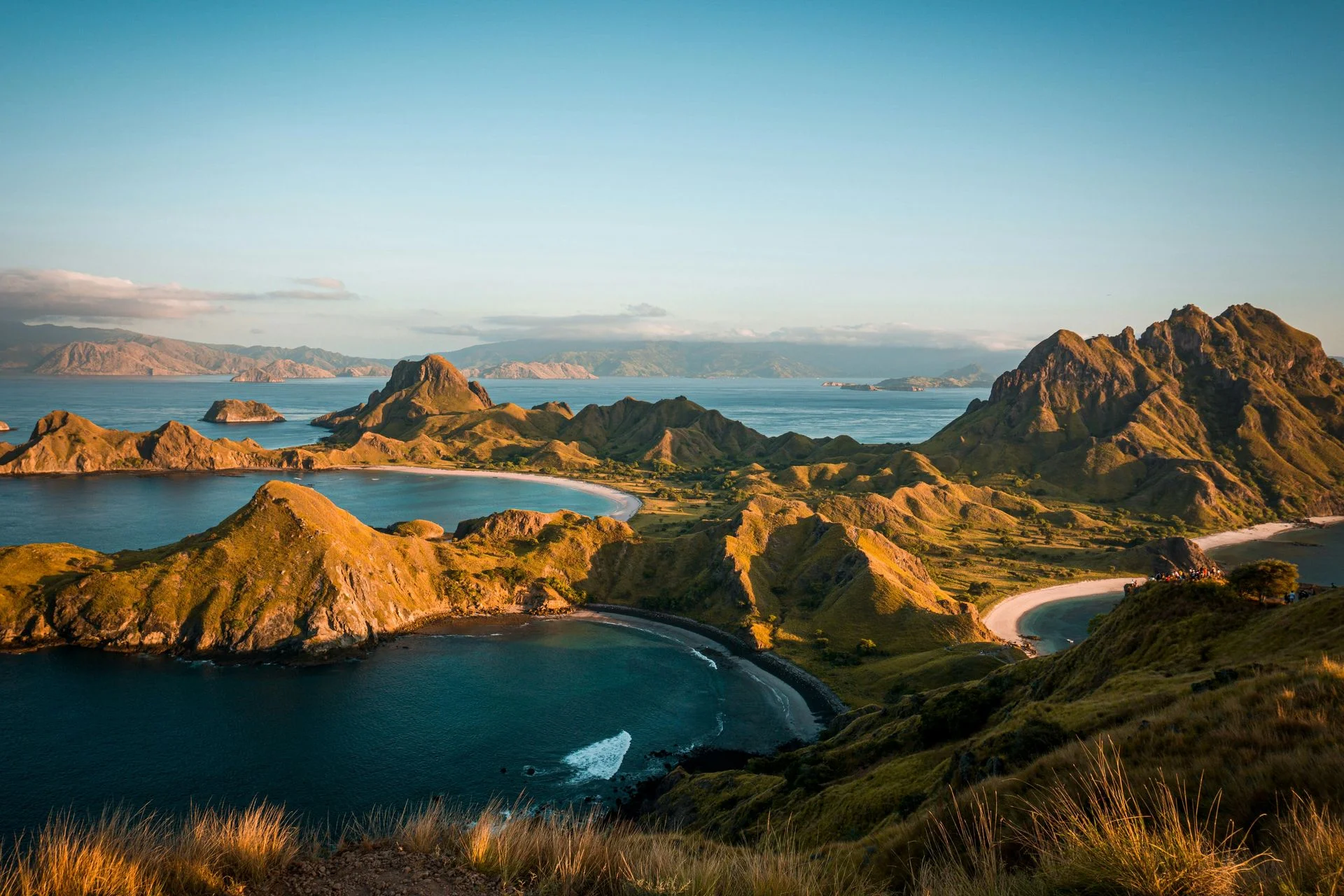
Komodo National Park is a diver’s paradise full of marine diversity: expect healthy coral gardens, reef sharks, giant trevallies, countless schools of fish, and frequent manta ray sightings at sites like Manta Point and Batu Bolong. Drift dives and dramatic reef structures add excitement, while both macro lovers and big-fish fans will find plenty to love. Above water, the wild Komodo dragons roam, giving a touch of prehistoric wonder to the whole trip.
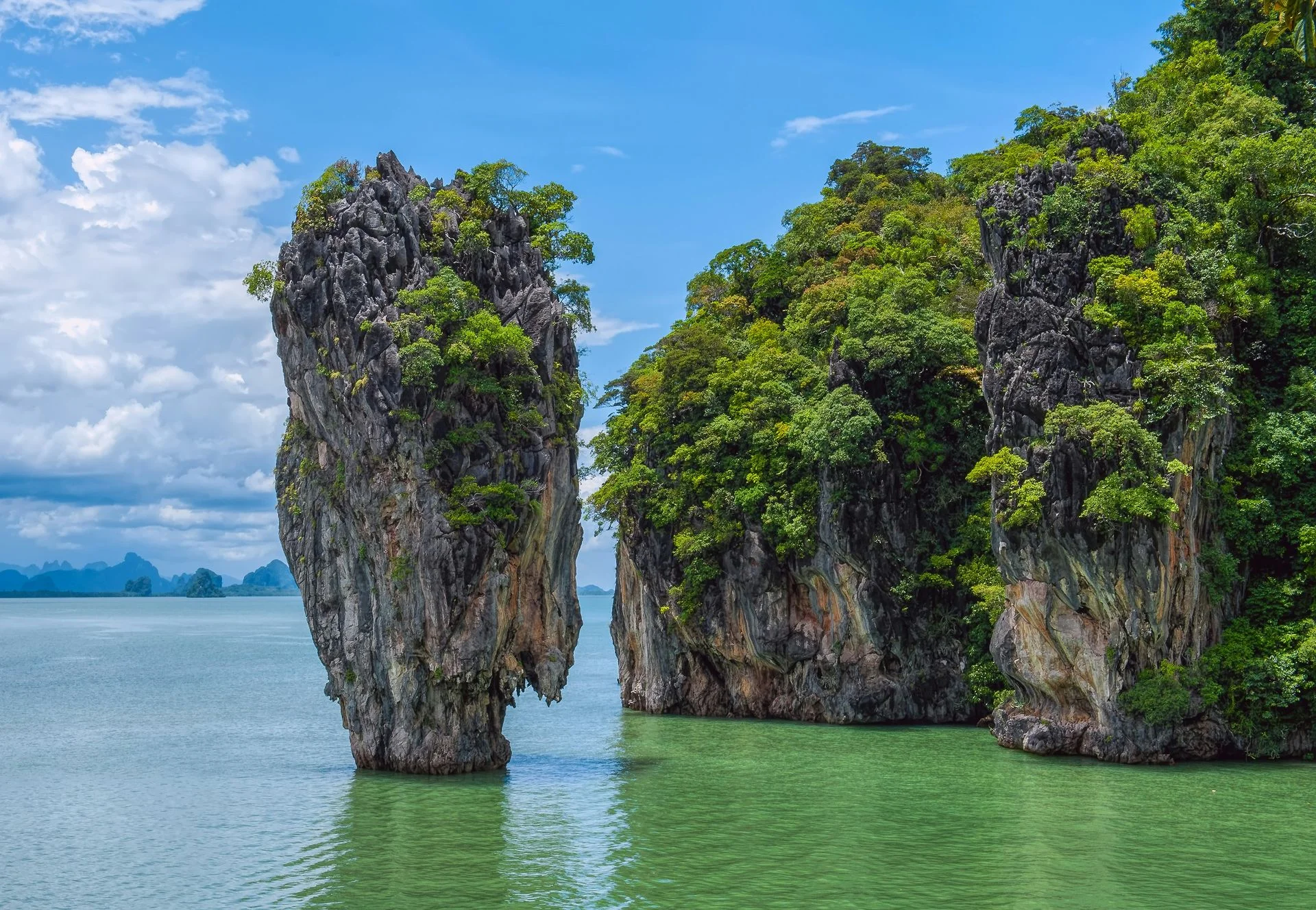
Phuket
Phuket is Thailand’s largest island and a gateway to the Andaman Sea’s best diving. While its beaches draw sun‑seekers, just offshore you’ll find coral slopes, granite pinnacles, dramatic walls and an intriguing shipwreck teeming with life. The nearby Racha islands offer year‑round clear water and easy dives, while to the east the King Cruiser ferry wreck, Shark Point, Anemone Reef and Koh Doc Mai deliver deeper currents, leopard sharks and superb soft corals. With a busy international airport and plenty of dive centres, Phuket is a convenient base for day trips and liveaboards further afield.
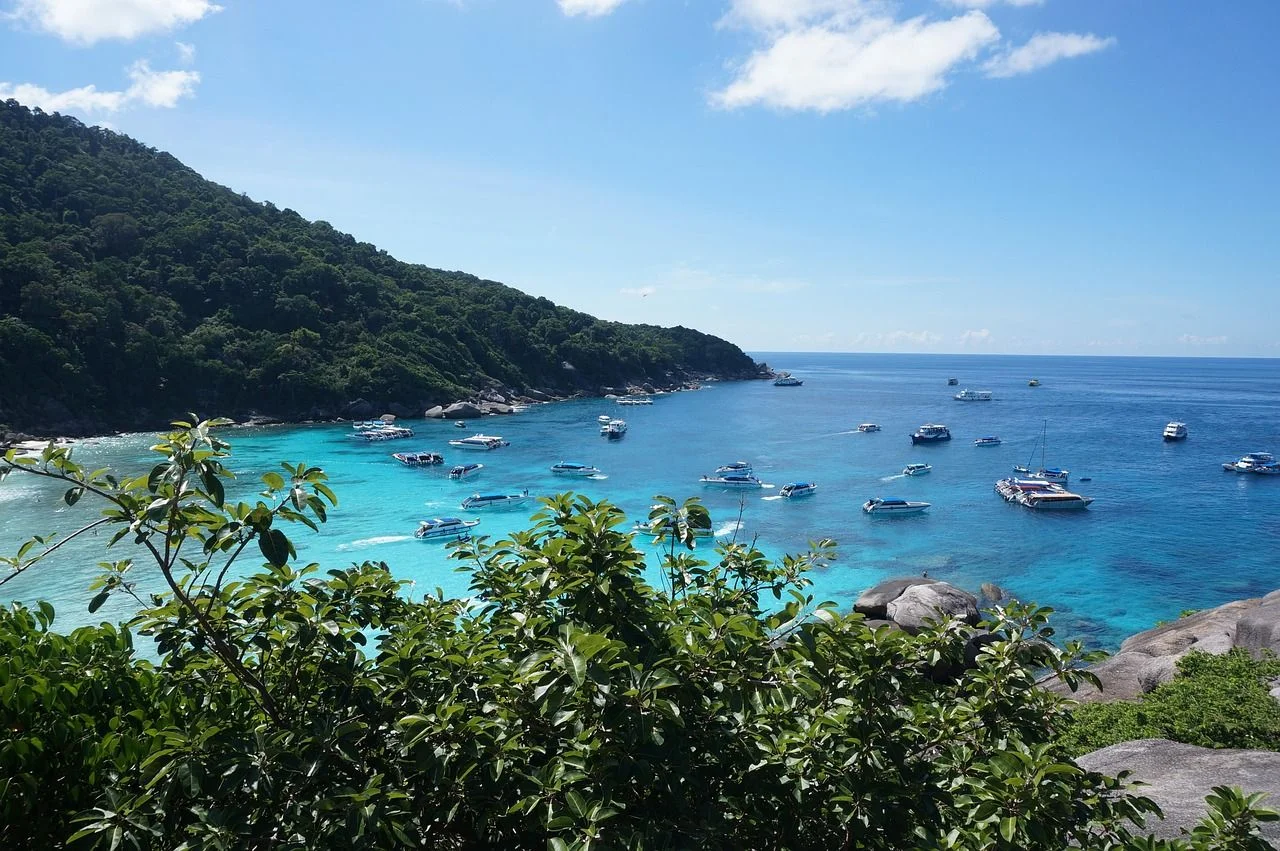
Similan
The Similan Islands are an archipelago of nine granite islands in the Andaman Sea off Thailand’s west coast, protected as part of Mu Ko Similan National Park. Underwater you’ll find dramatic boulder formations, swim‑throughs, coral gardens and drop‑offs teeming with life. Manta rays and whale sharks cruise by at sites like Richelieu Rock and Koh Tachai, while reef sharks, leopard sharks, turtles and swarming schools of fusiliers and trevally are common. The park is only open from mid‑October to mid‑May, when calm seas and clear water make for world‑class liveaboard trips or speedboat day tours.
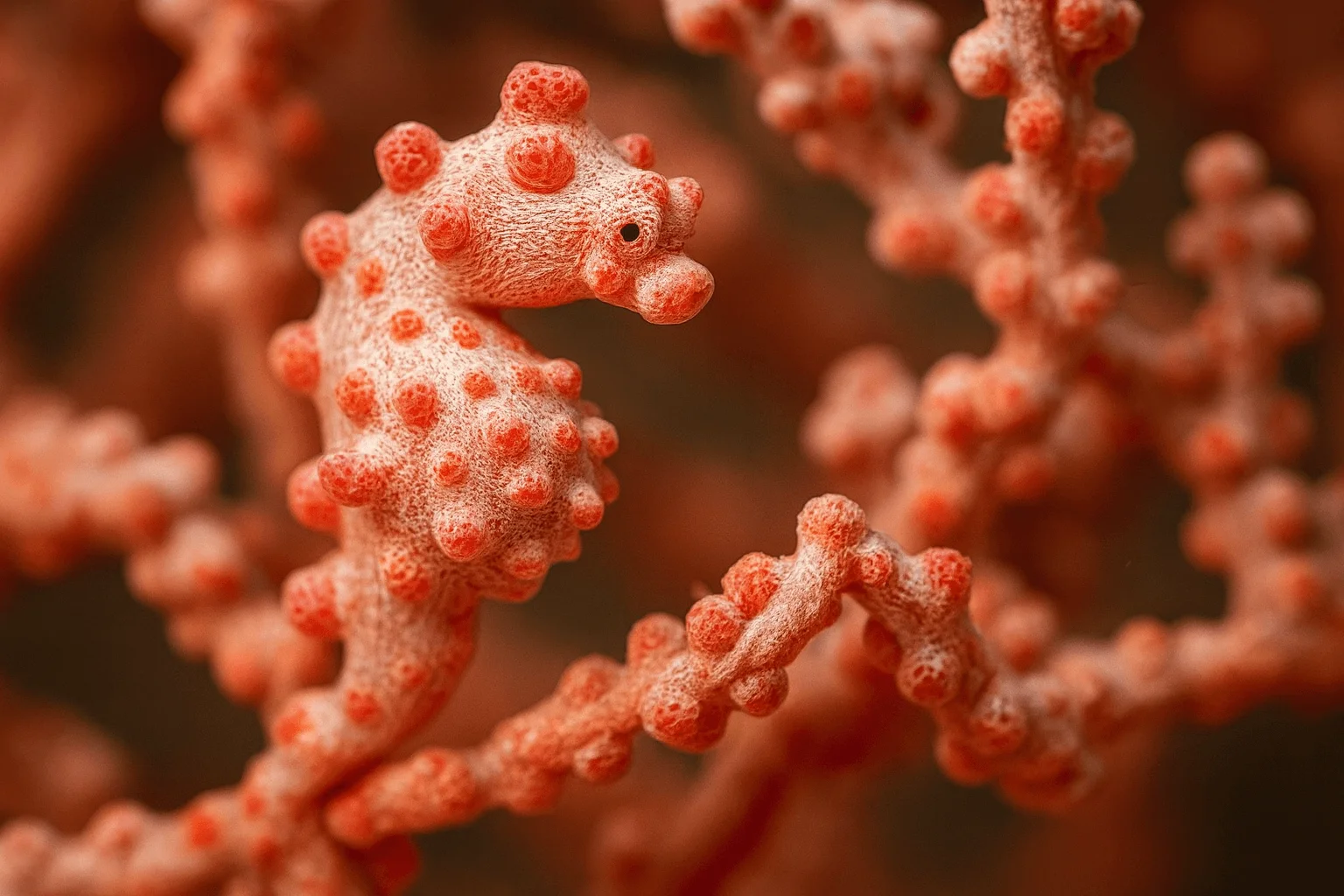
Anilao
Anilao, a small barangay in Batangas province just two hours south of Manila, is often called the macro capital of the Philippines. More than 50 dive sites fringe the coast and nearby islands, offering an intoxicating mix of coral‑covered pinnacles, muck slopes and blackwater encounters. Critter enthusiasts come for the legendary muck dives at Secret Bay and Anilao Pier, where mimic octopuses, blue‑ringed octopuses, wonderpus, seahorses, ghost pipefish, frogfish and dozens of nudibranch species lurk in the silt. Shallow reefs like Twin Rocks and Cathedral are covered in soft corals and teem with reef fish, while deeper sites such as Ligpo Island feature gorgonian‑covered walls and occasional drift. Because Anilao is so close to Manila and open year‑round, it’s the easiest place in the Philippines to squeeze in a quick diving getaway.
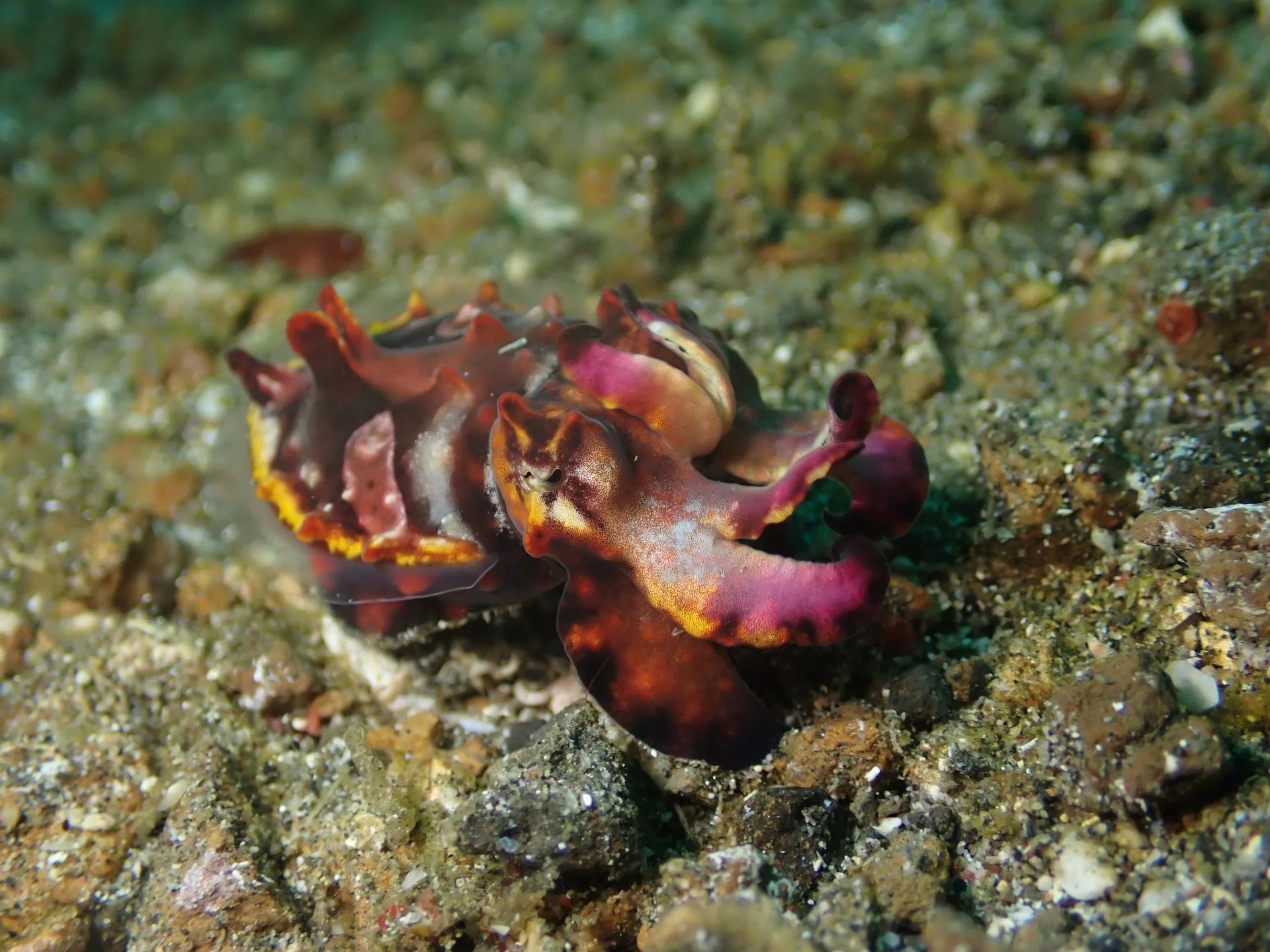
Lembeh
The Lembeh Strait in North Sulawesi has become famous as the muck‑diving capital of the world. At first glance its gently sloping seabed of black volcanic sand, rubble and discarded debris looks bleak. Look closer and it is teeming with weird and wonderful life: hairy and painted frogfish, flamboyant cuttlefish, mimic and blue‑ringed octopuses, ornate ghost pipefish, tiny seahorses, shrimp, crabs and a rainbow of nudibranchs. Most dives are shallow and calm with little current, making it an ideal playground for macro photographers. There are a few colourful reefs for a change of scenery, but Lembeh is all about searching the sand for critter treasures.
Great Barrier Reef
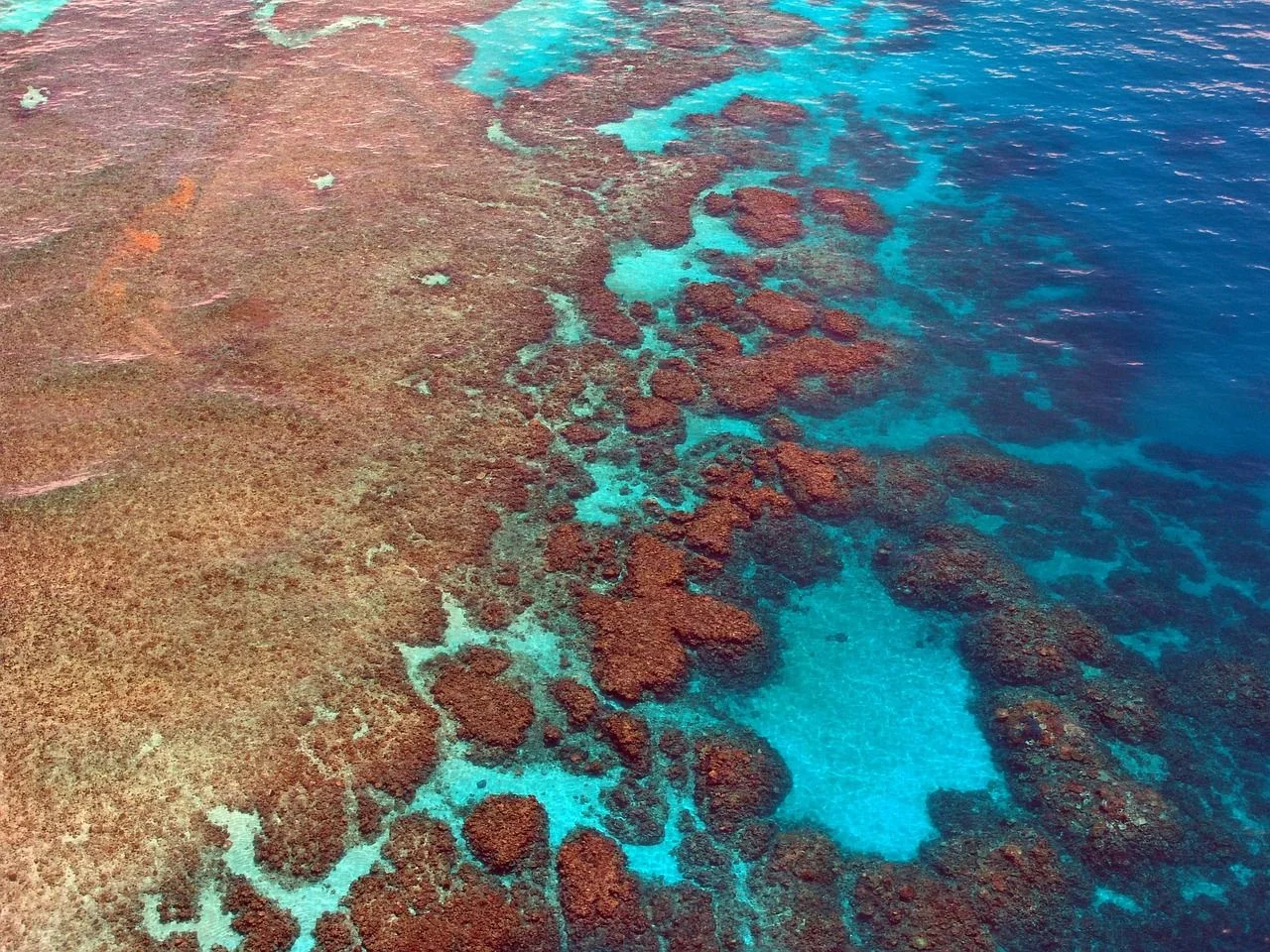
The Great Barrier Reef stretches for more than 2,300 km along Australia’s Queensland coast and is Earth’s largest coral ecosystem. With over 2,900 individual reefs, hundreds of islands, and a staggering diversity of marine life, it’s a bucket‑list destination for divers. Outer reef walls, coral gardens and pinnacles support potato cod, giant trevallies, reef sharks, sea turtles, manta rays and even visiting dwarf minke and humpback whales. Divers can explore historic wrecks like the SS Yongala, drift along the coral‑clad walls of Osprey Reef or mingle with friendly cod at Cod Hole. Whether you’re a beginner on a day trip from Cairns or an experienced diver on a remote liveaboard, the Great Barrier Reef offers unforgettable underwater adventures.