
Sea Pen
Pennatulacea
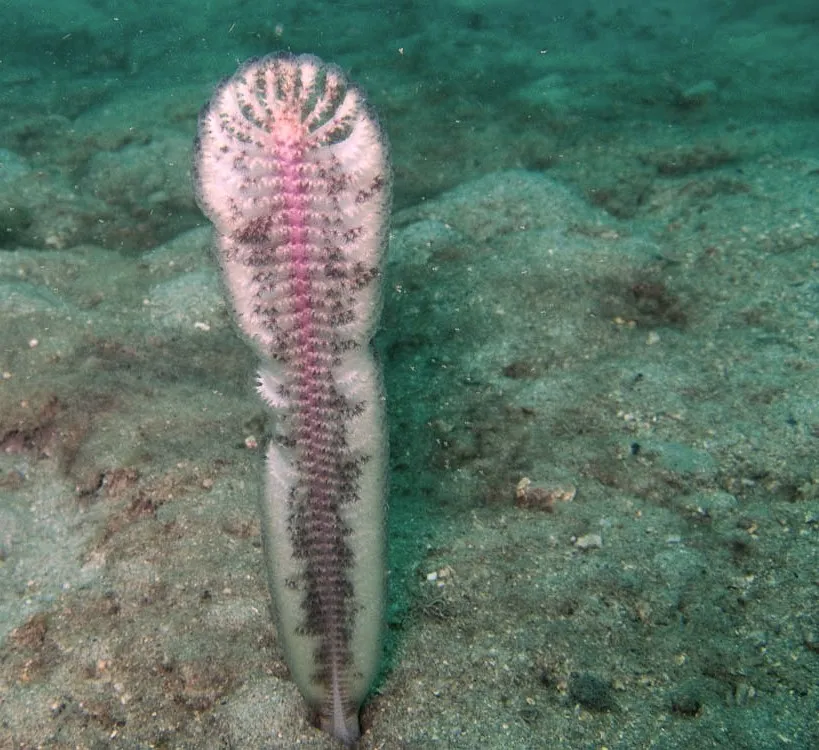
Photo by Chaloklum Diving / CC BY-SA 4.0 via Wikimedia Commons
To a diver exploring a sandy or muddy seafloor, sea pens appear like underwater quill pens—elegant, feather-like structures rising from the sediment, their branching polyps creating delicate, plume-like forms that sway gently in the currents. But these aren't plants or simple decorations—they're colonial animals, complex communities of specialized polyps working together to create structures that can reach two meters tall. Each sea pen starts as a single polyp that transforms into the central stalk (rachis), while other polyps branch off to serve different functions: some for feeding, some for water circulation, some for reproduction. It's a biological division of labor so sophisticated that the entire colony functions like a single, integrated organism. For divers, sea pens are the graceful, often bioluminescent "feathers" that dot soft-bottom habitats, creating structure in otherwise featureless landscapes. But they're also fragile—a single touch can cause them to retract completely into the sediment, disappearing in seconds. Understanding sea pens means understanding that sometimes the most elegant solutions in nature come from the simplest beginnings, and that even soft-bottom habitats can host complex, beautiful ecosystems if you know where to look.
🔬Classification
📏Physical Features
🌊Habitat Info
⚠️Safety & Conservation
Identification Guide
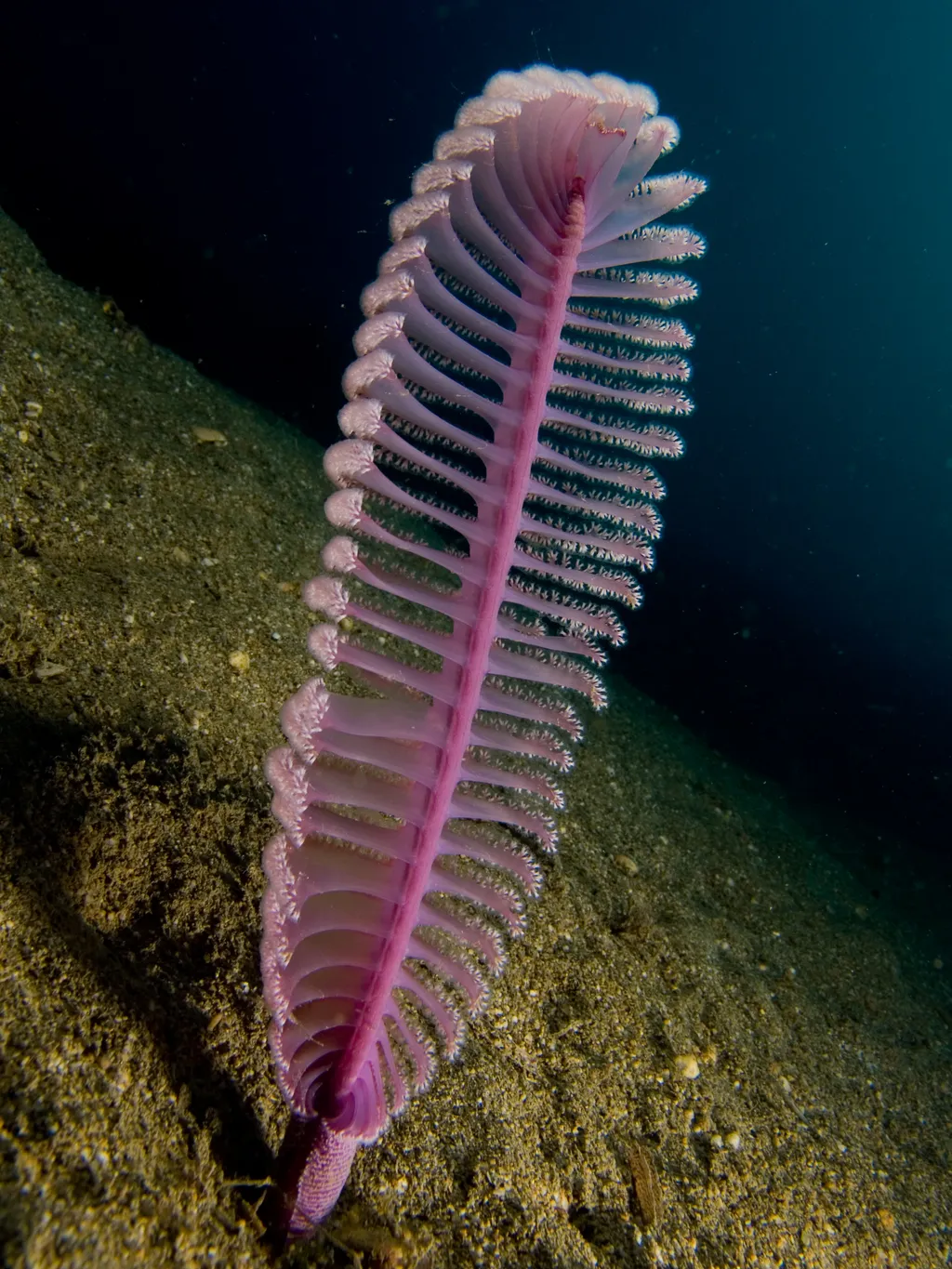
Photo by Nhobgood Nick Hobgood / CC BY-SA 3.0 via Wikimedia Commons
- Pen-like Shape: Resembles an old-fashioned quill pen with a central stalk and branching "feathers"
- Central Stalk (Rachis): Main stem rising from a bulbous or flattened base (peduncle)
- Branching Polyps: Feather-like branches along the rachis, each with specialized polyps
- Peduncle: Bulbous or flattened base that anchors in soft substrate (sand/mud)
- Color Patterns: Often yellow, orange, red, or white; some species have color gradients
- Retraction Response: Can completely retract into sediment when disturbed—disappears quickly
- Bioluminescence: Many species glow blue-green when touched or disturbed (especially at night)
- Soft Substrate: Always found on sand, mud, or detritus—never on hard surfaces
- Size Variation: Small species 10-20cm; large species can exceed 2 meters
- Symmetry: Some species show glide reflection symmetry (rare in animals)
Top 10 Fun Facts about Sea Pen
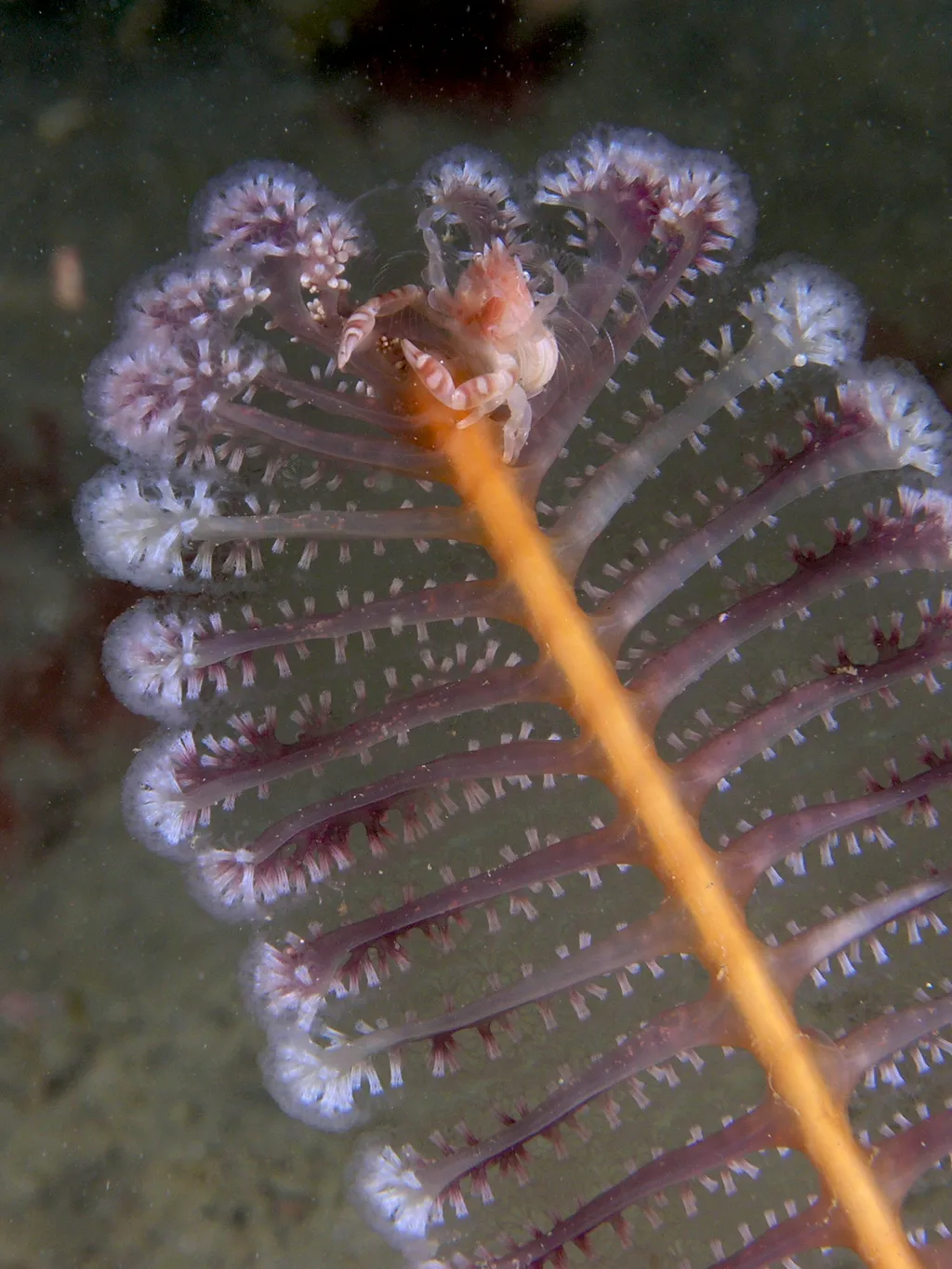
Photo by Nhobgood Nick Hobgood / CC BY-SA 3.0 via Wikimedia Commons
1. The Colonial Masterpiece: One Polyp Becomes Many
Sea pens represent one of nature's most elegant examples of colonial organization. Each sea pen colony begins as a single primary polyp that undergoes a remarkable transformation: it loses its tentacles and mouth, and instead develops into the central stalk (rachis) and anchoring base (peduncle). This primary polyp essentially becomes the foundation and support structure for the entire colony. Meanwhile, secondary polyps bud off from this central structure, each specializing in different functions. Autozooids are the feeding polyps—they have eight tentacles and capture plankton from the water. Siphonozooids are specialized for water circulation—they pump water through the colony to maintain structure and bring fresh water to feeding polyps. Reproductive polyps handle spawning. This division of labor is so complete that the colony functions as a single, integrated organism, even though it's made up of hundreds or thousands of individual polyps. For divers, understanding this colonial structure helps explain why sea pens look so different from other octocorals—they're not just branching colonies, but highly organized, functionally integrated communities where each polyp has a specific job. It's biological specialization taken to an extreme, and it's one of the reasons sea pens can grow so large and survive in challenging soft-bottom environments.
2. The Bioluminescent Defense: Glowing Under Pressure
Many sea pen species possess one of the ocean's most spectacular defensive mechanisms: bioluminescence. When touched, disturbed, or threatened, these sea pens can produce brilliant blue-green flashes of light that illuminate the surrounding water. This bioluminescence is created by specialized cells that produce light through chemical reactions, and it serves multiple purposes. The sudden flash can startle predators, giving the sea pen time to retract into the sediment. It might also serve as a warning signal to other sea pens in the area, alerting them to danger. Some scientists believe the bioluminescence could also attract larger predators that might eat whatever is threatening the sea pen—a form of biological "calling for help." The light production is so efficient that sea pens can create visible flashes even in relatively shallow water during night dives. For divers, witnessing sea pen bioluminescence is one of the most magical experiences in underwater photography—touching a sea pen and watching it respond with a cascade of blue-green light is like triggering underwater fireworks. Understanding this bioluminescence helps explain why sea pens are so sensitive to touch and why they've evolved such dramatic defensive responses. It's a reminder that even seemingly passive filter-feeders have sophisticated ways of protecting themselves.
3. The Retraction Mastery: Disappearing Act
Sea pens have perfected one of the ocean's most effective escape strategies: complete retraction into the substrate. When threatened, many sea pen species can expel water from their internal canals, causing the entire colony to deflate and collapse. The peduncle then pulls the deflated structure down into the sediment, and within seconds, what was a two-meter-tall, feather-like structure becomes completely invisible, buried in the sand or mud. This retraction is so complete that divers who have seen a sea pen one moment might find nothing but smooth sediment the next. The mechanism is powered by muscles in the peduncle and rachis, and it's incredibly fast—some species can retract in less than a second. This ability allows sea pens to survive in environments where they're vulnerable to being uprooted by currents, storms, or bottom-feeding animals. For divers, this retraction behavior explains why sea pens can be so difficult to find and photograph—they're masters of disappearing. It also means that responsible diving practices are crucial: a single careless touch can cause a sea pen to retract, ending any chance of observation or photography. Understanding this retraction mechanism helps us appreciate why sea pens are so sensitive and why they've evolved such dramatic defensive responses to disturbance.
4. The Soft-Bottom Specialists: Life in the Sediment
Sea pens are unique among octocorals because they're the only group that specializes in soft-bottom habitats. While most octocorals (like sea fans and soft corals) attach to hard substrates like rocks or coral reefs, sea pens anchor themselves in sand, mud, or detritus. This specialization required significant evolutionary innovations. The peduncle had to evolve into an effective anchoring structure that could hold the colony in shifting sediments. The colony had to develop ways to maintain structure without the support of a hard substrate. And the polyps had to adapt to life in environments where food particles settle out of the water column rather than being carried by strong currents. This soft-bottom specialization makes sea pens important ecosystem engineers—they create three-dimensional structure in otherwise flat, featureless habitats. This structure provides shelter for small fish, crustaceans, and other invertebrates that wouldn't otherwise have places to hide. For divers, understanding this specialization helps explain why sea pens are found in specific habitats and why they're so different from other octocorals. It also means that finding sea pens requires looking in the right places—soft-bottom areas with stable sediments and moderate currents, not the rocky reefs where most other octocorals live.
5. The Size Spectrum: From Tiny to Towering
Sea pens exhibit one of the most dramatic size ranges in the octocoral world. Small species might be only 10-20 centimeters tall, barely visible above the sediment. But the largest species, like Funiculina quadrangularis, can reach heights of 2 meters or more, creating towering structures that rise from the seafloor like underwater trees. This size variation reflects different ecological strategies and environmental conditions. Large sea pens typically live in deeper, more stable environments where they can grow slowly over many years without being disturbed. Small species might be adapted to shallower, more dynamic environments where smaller size helps them avoid being uprooted. The size also affects their ecological role—large sea pens create more significant structure and habitat, while small ones might be more numerous but less individually impactful. For divers, this size range means that sea pens can be both macro photography subjects (small species) and wide-angle landscape elements (large species). Understanding this size spectrum helps explain why some sea pens are so impressive and why others are easily overlooked. It's a reminder that even within a single order of animals, there can be tremendous variation in form and function.
6. The Glide Reflection Symmetry: A Rare Beauty
Some sea pen species exhibit a form of symmetry that's extremely rare in the animal kingdom: glide reflection symmetry. This means that one side of the sea pen is a mirror image of the other, but shifted along the axis—like a pattern that repeats but is offset. This type of symmetry is more common in crystals and mathematical patterns than in living animals, making sea pens with this feature particularly interesting to scientists. The symmetry likely relates to how the polyps are arranged along the rachis and how they develop from the primary polyp. This precise, mathematical arrangement might help optimize water flow, food capture, or structural stability. For divers, this symmetry might not be immediately obvious, but it contributes to the elegant, feather-like appearance that makes sea pens so photogenic. Understanding this symmetry helps explain why some sea pens look so perfectly organized and why their branching patterns can be so visually striking. It's a reminder that nature often follows mathematical principles, even in the most seemingly organic forms.
7. The Deep-Sea Giants: Life in the Abyss
While many sea pens are found in relatively shallow water, some species have colonized the deepest parts of the ocean. Deep-sea sea pens can be found at depths exceeding 6,000 meters, in environments with crushing pressure, near-freezing temperatures, and complete darkness. These deep-sea species often grow larger than their shallow-water relatives, with some reaching heights that dwarf anything found in shallower depths. The deep-sea environment presents unique challenges: food is scarce, so deep-sea sea pens must be extremely efficient filter-feeders. Pressure is immense, requiring robust structural adaptations. And without light, bioluminescence becomes even more important for communication and defense. Some deep-sea sea pens have been discovered only recently through deep-sea exploration, and new species are still being described. For most divers, these deep-sea giants remain out of reach, but they're a reminder that the world of sea pens extends far beyond the shallow waters we typically explore. Understanding these deep-sea adaptations helps us appreciate that sea pens are true survivors, capable of thriving in environments that challenge the limits of life itself.
8. The Long Lifespan: Decades to Centuries
Sea pens are among the longest-lived animals in the ocean, with some species living for decades or even over a century. This longevity is remarkable for colonial animals and reflects their slow growth rates and stable environments. Large sea pens don't grow quickly—they add polyps gradually over many years, building their structure slowly and carefully. This slow growth means that a large sea pen represents many years of patient development, making each one a living historical record. Scientists can study growth rings or other markers to understand how sea pens have responded to environmental changes over time. This longevity also makes sea pens particularly vulnerable to human impacts—damage that takes decades to repair, or destruction that eliminates individuals that took a century to grow. For divers, understanding this longevity helps explain why sea pens deserve special respect and protection. A large sea pen might be older than the diver observing it, representing decades of growth in a challenging environment. It's a reminder that some of the ocean's most impressive structures take time to develop, and that human impacts can destroy in minutes what nature took decades or centuries to create.
9. The Broadcast Spawning: Synchronized Reproduction
Most sea pen species reproduce through broadcast spawning, releasing eggs and sperm into the water column where fertilization occurs. This reproductive strategy is common among sessile marine animals because it allows for genetic mixing and dispersal to new locations. Sea pen spawning is often synchronized within populations, with many individuals releasing gametes simultaneously. This synchronization is triggered by environmental cues like water temperature, lunar cycles, and day length. The timing is precise—corals can detect subtle changes in these factors and coordinate their spawning accordingly. After fertilization, the resulting planula larvae drift in ocean currents for days or weeks before settling on suitable soft-bottom substrate and beginning to develop into new colonies. Some sea pen species reach sexual maturity at 4-6 years of age, which is relatively slow compared to many marine invertebrates. For divers, understanding sea pen reproduction helps explain why you might see dense populations in certain areas—successful spawning and larval settlement can create "sea pen gardens" that cover extensive areas of soft-bottom habitat. It also helps explain why sea pens are vulnerable to environmental changes that affect spawning success or larval survival.
10. The Vulnerability: Threats from Above and Below
Sea pens face unique threats because of their soft-bottom habitat and sessile lifestyle. Bottom trawling is perhaps the most devastating threat—fishing gear dragged along the seafloor can uproot, crush, or destroy entire sea pen colonies in seconds. Because sea pens grow slowly and live for decades, recovery from trawling damage can take many years or may never occur. Dredging for construction or mining has similar impacts, destroying sea pen habitats and leaving behind disturbed sediments that may not support recolonization. Pollution from runoff, oil spills, or other sources can smother sea pens or introduce toxins that affect their health. Climate change impacts like ocean acidification and temperature changes may affect sea pen growth, reproduction, and survival. Because sea pens are sessile and can't move to escape threats, they're particularly vulnerable to environmental changes. Some sea pen species and habitats are now protected in marine conservation zones, recognizing their ecological importance and vulnerability. For divers, understanding these threats helps explain why responsible diving practices are so important—every touch, every disturbance matters when dealing with animals that take decades to grow and can't escape human impacts. It's a reminder that even the most resilient-looking creatures can be fragile when faced with human activities.
Diving & Observation Notes
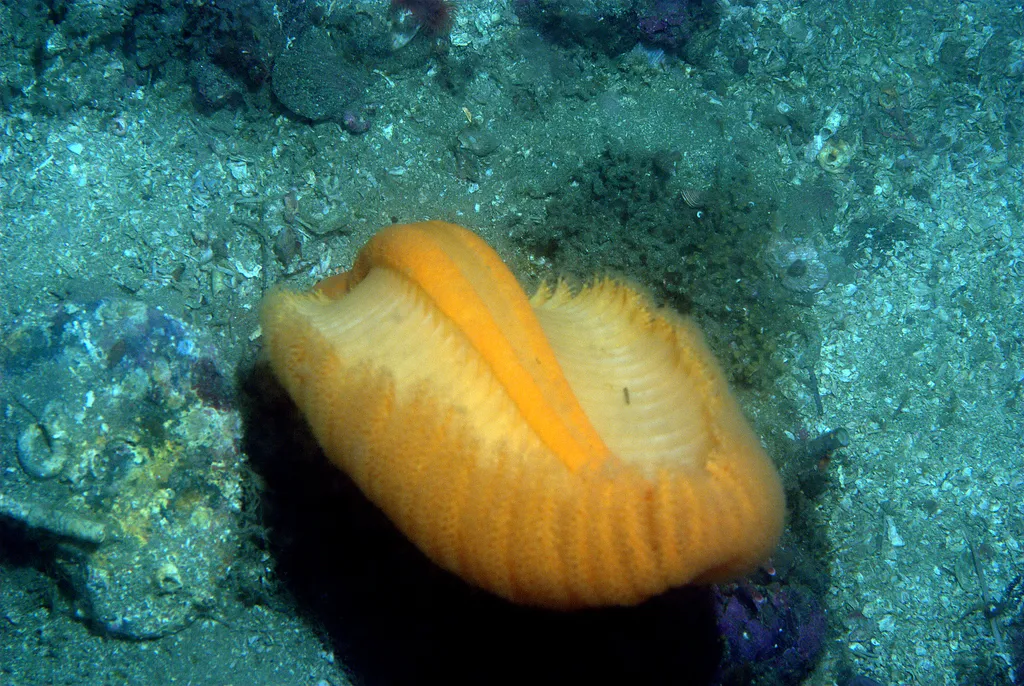
Photo by Ed Bierman / CC BY 2.0 via Wikimedia Commons
🧭 Finding Sea Pens
- Soft Substrates: Look on sandy or muddy seafloors—sea pens never attach to hard surfaces.
- Moderate Depths: Most common at 20-200m, though some species found shallower or much deeper.
- Stable Areas: Prefer areas with stable sediments and moderate currents (not strong turbulence).
- Slope Areas: Often found on gentle slopes where currents bring plankton but aren't too strong.
🤿 Behavior & Observation
- Retraction Response: Watch for rapid retraction when disturbed—sea pens can disappear into sediment in seconds.
- Bioluminescence: Many species glow blue-green when touched (especially visible during night dives).
- Feeding Behavior: Observe autozooids extending tentacles to catch plankton, especially during currents.
- Day vs. Night: Some species retract during day and extend more at night or in low light.
📸 Photo Tips
- Gentle Approach: Move slowly and carefully—sea pens are extremely sensitive to disturbance.
- Macro Details: Focus on individual polyps and branching patterns—reveals the colonial structure.
- Wide-Angle: Capture entire sea pens rising from soft substrate—shows their impressive size.
- Bioluminescence: Use long exposures in low light to capture glowing responses (night dives best).
- Avoid Flash: Strong flash can cause retraction—use natural light or very gentle lighting.
⚠️ Safety & Ethics
- No Touch: Never touch sea pens—they retract immediately and may take time to re-extend.
- Buoyancy Control: Maintain perfect buoyancy above soft substrate—don't kick up sediment.
- No Collection: Do not collect sea pens—they're slow-growing and play important ecological roles.
- Respect Habitat: Don't anchor or stand on soft-bottom areas where sea pens live.
- Minimal Disturbance: Approach slowly and observe from a distance—minimize your impact.
🌏 Best Locations
- Anilao & Lembeh (Philippines/Indonesia): Excellent macro diving with diverse sea pen species.
- Great Barrier Reef: Soft-bottom areas with sea pen communities.
- Pacific Northwest (USA/Canada): Known for orange sea pens (Ptilosarcus gurneyi) in sand slopes.
- Scottish Sea Lochs (UK): Home to tall sea pens (Funiculina quadrangularis) in deep, sheltered waters.
- Mediterranean: Various sea pen species in soft-bottom habitats.
- Deep-Sea Sites: Many species found in deep water (requires technical diving or ROV).
Best Places to Dive with Sea Pen
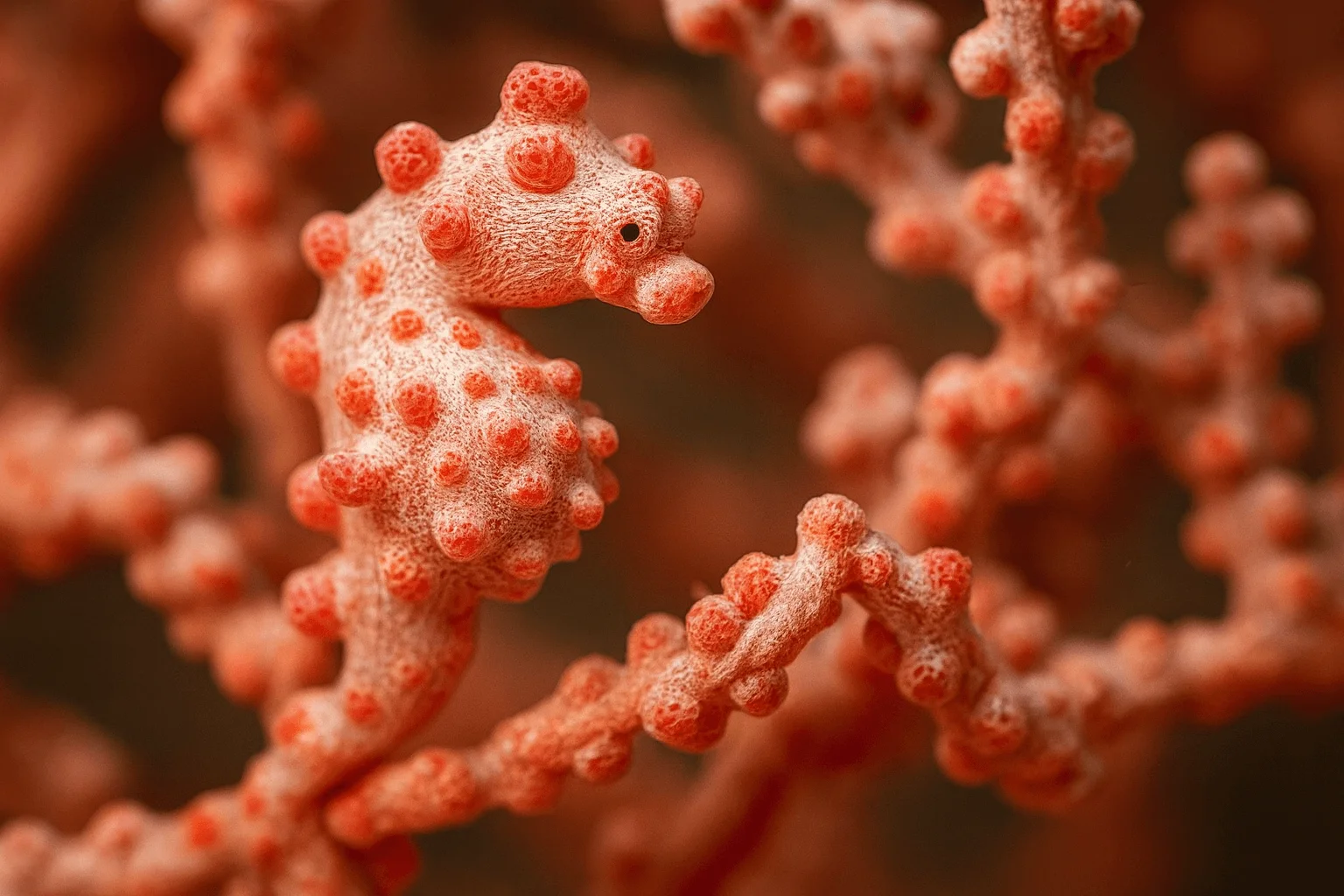
Anilao
Anilao, a small barangay in Batangas province just two hours south of Manila, is often called the macro capital of the Philippines. More than 50 dive sites fringe the coast and nearby islands, offering an intoxicating mix of coral‑covered pinnacles, muck slopes and blackwater encounters. Critter enthusiasts come for the legendary muck dives at Secret Bay and Anilao Pier, where mimic octopuses, blue‑ringed octopuses, wonderpus, seahorses, ghost pipefish, frogfish and dozens of nudibranch species lurk in the silt. Shallow reefs like Twin Rocks and Cathedral are covered in soft corals and teem with reef fish, while deeper sites such as Ligpo Island feature gorgonian‑covered walls and occasional drift. Because Anilao is so close to Manila and open year‑round, it’s the easiest place in the Philippines to squeeze in a quick diving getaway.
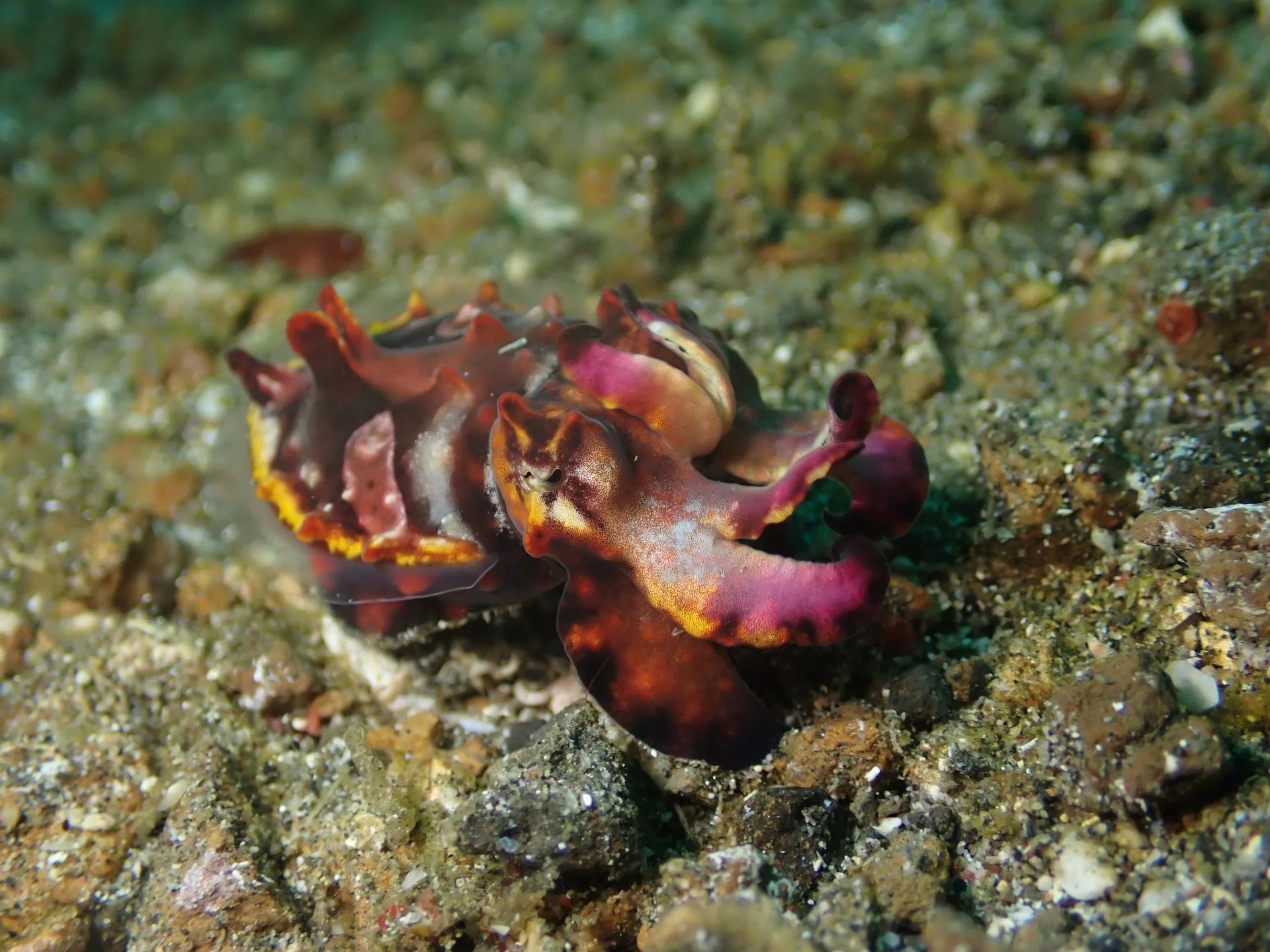
Lembeh
The Lembeh Strait in North Sulawesi has become famous as the muck‑diving capital of the world. At first glance its gently sloping seabed of black volcanic sand, rubble and discarded debris looks bleak. Look closer and it is teeming with weird and wonderful life: hairy and painted frogfish, flamboyant cuttlefish, mimic and blue‑ringed octopuses, ornate ghost pipefish, tiny seahorses, shrimp, crabs and a rainbow of nudibranchs. Most dives are shallow and calm with little current, making it an ideal playground for macro photographers. There are a few colourful reefs for a change of scenery, but Lembeh is all about searching the sand for critter treasures.
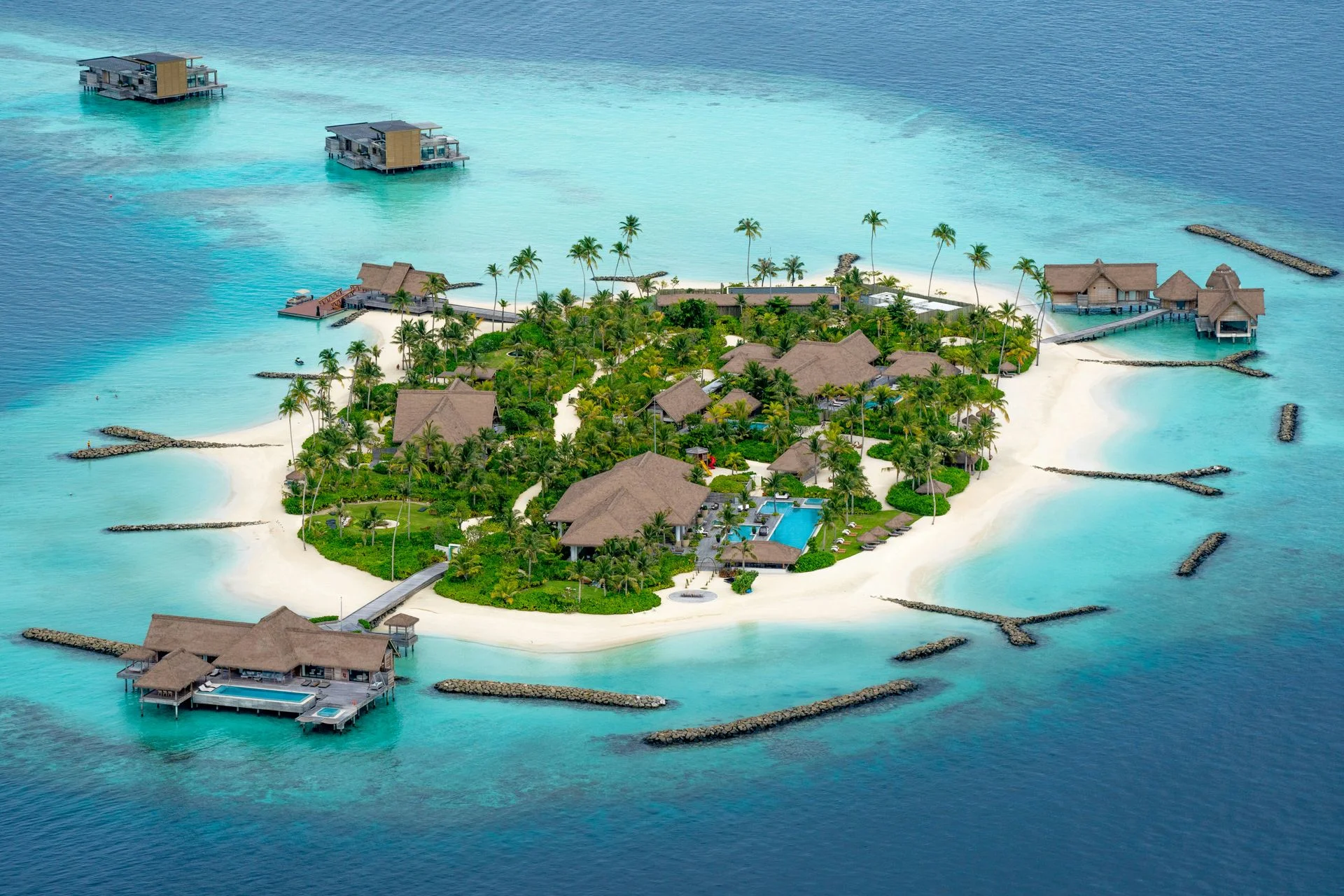
Maldives
Scattered across the Indian Ocean like strings of pearls, the Maldives’ 26 atolls encompass more than a thousand low‑lying islands, reefs and sandbanks. Beneath the turquoise surface are channels (kandus), pinnacles (thilas) and lagoons where powerful ocean currents sweep past colourful coral gardens. This nutrient‑rich flow attracts manta rays, whale sharks, reef sharks, schooling jacks, barracudas and every reef fish imaginable. Liveaboards and resort dive centres explore sites such as Okobe Thila and Kandooma Thila in the central atolls, manta cleaning stations in Baa and Ari, and shark‑filled channels like Fuvahmulah in the deep south. Diving here ranges from tranquil coral slopes to adrenalin‑fuelled drifts through current‑swept passes, making the Maldives a true pelagic playground.
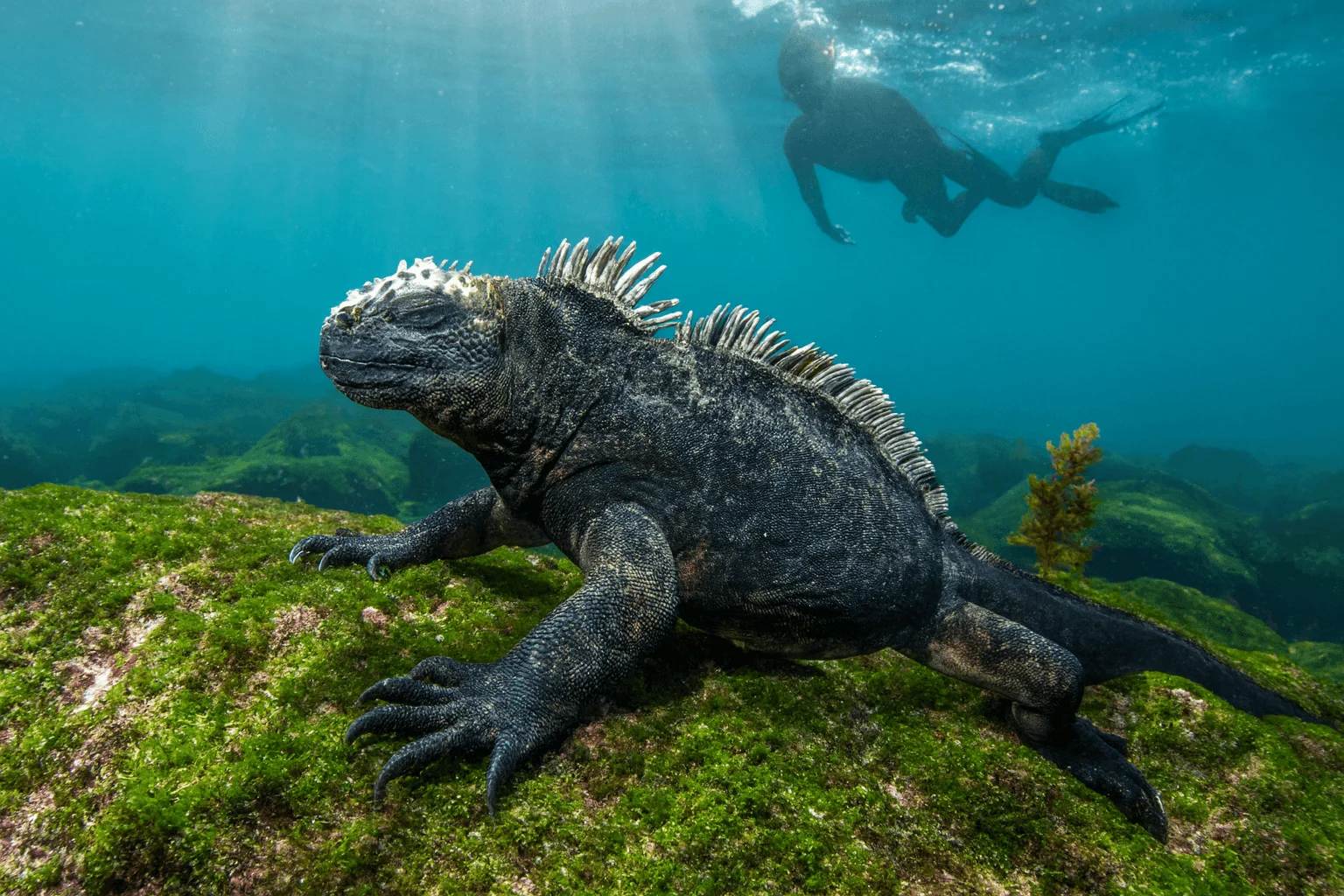
Galapagos
The Galápagos Islands sit 1 000 km off mainland Ecuador and are famous for their remarkable biodiversity both above and below the water. Created by volcanic hot spots and washed by the converging Humboldt, Panama and Cromwell currents, these remote islands offer some of the most exhilarating diving on the planet. Liveaboard trips venture north to Darwin and Wolf islands, where swirling schools of scalloped hammerheads and hundreds of silky and Galápagos sharks patrol the drop‑offs. Other sites host oceanic manta rays, whale sharks, dolphins, marine iguanas, penguins and playful sea lions. Strong currents, cool upwellings and surge mean the dives are challenging but incredibly rewarding. On land you can explore lava fields, giant tortoise sanctuaries and blue‑footed booby colonies.
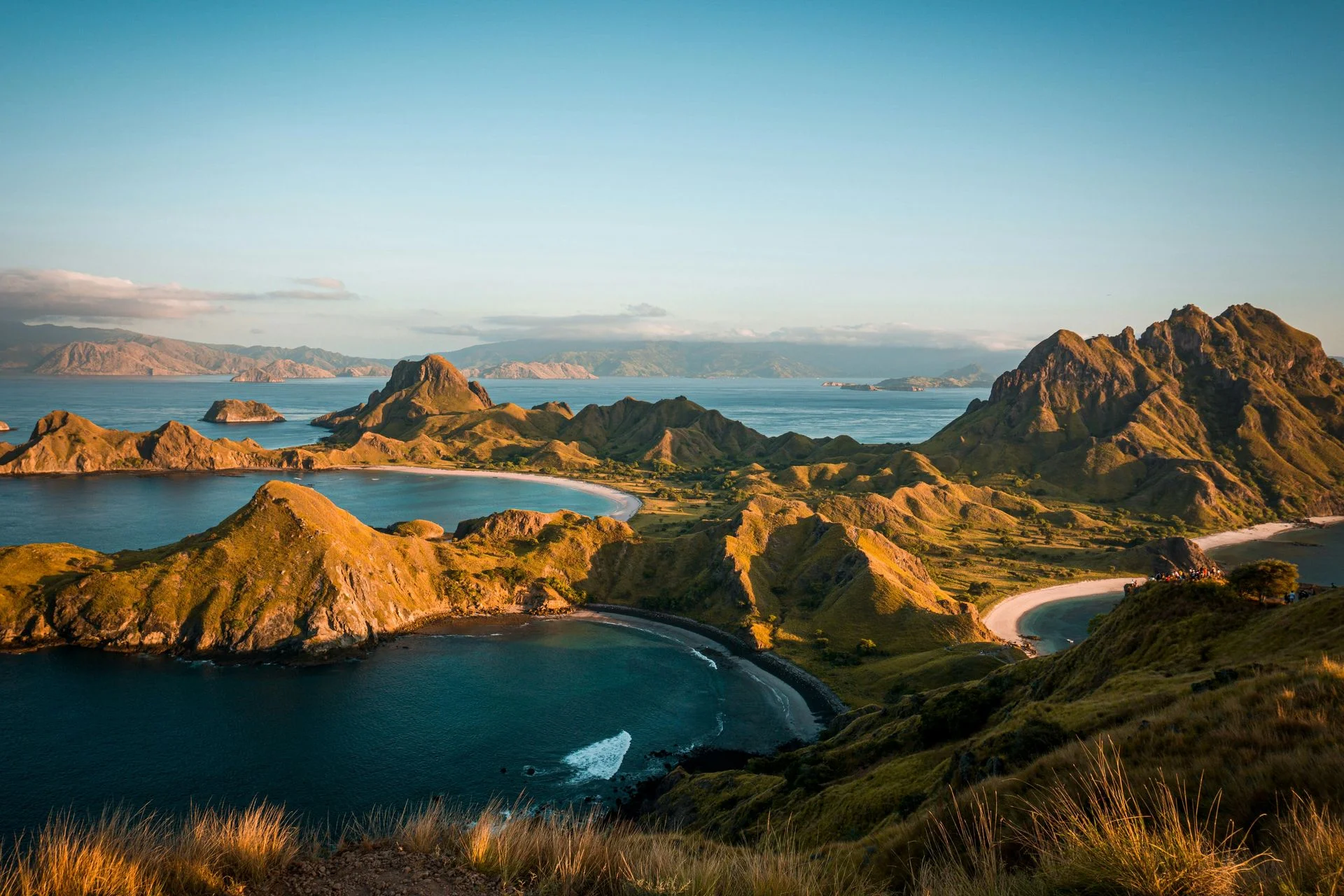
Komodo
Komodo National Park is a diver’s paradise full of marine diversity: expect healthy coral gardens, reef sharks, giant trevallies, countless schools of fish, and frequent manta ray sightings at sites like Manta Point and Batu Bolong. Drift dives and dramatic reef structures add excitement, while both macro lovers and big-fish fans will find plenty to love. Above water, the wild Komodo dragons roam, giving a touch of prehistoric wonder to the whole trip.
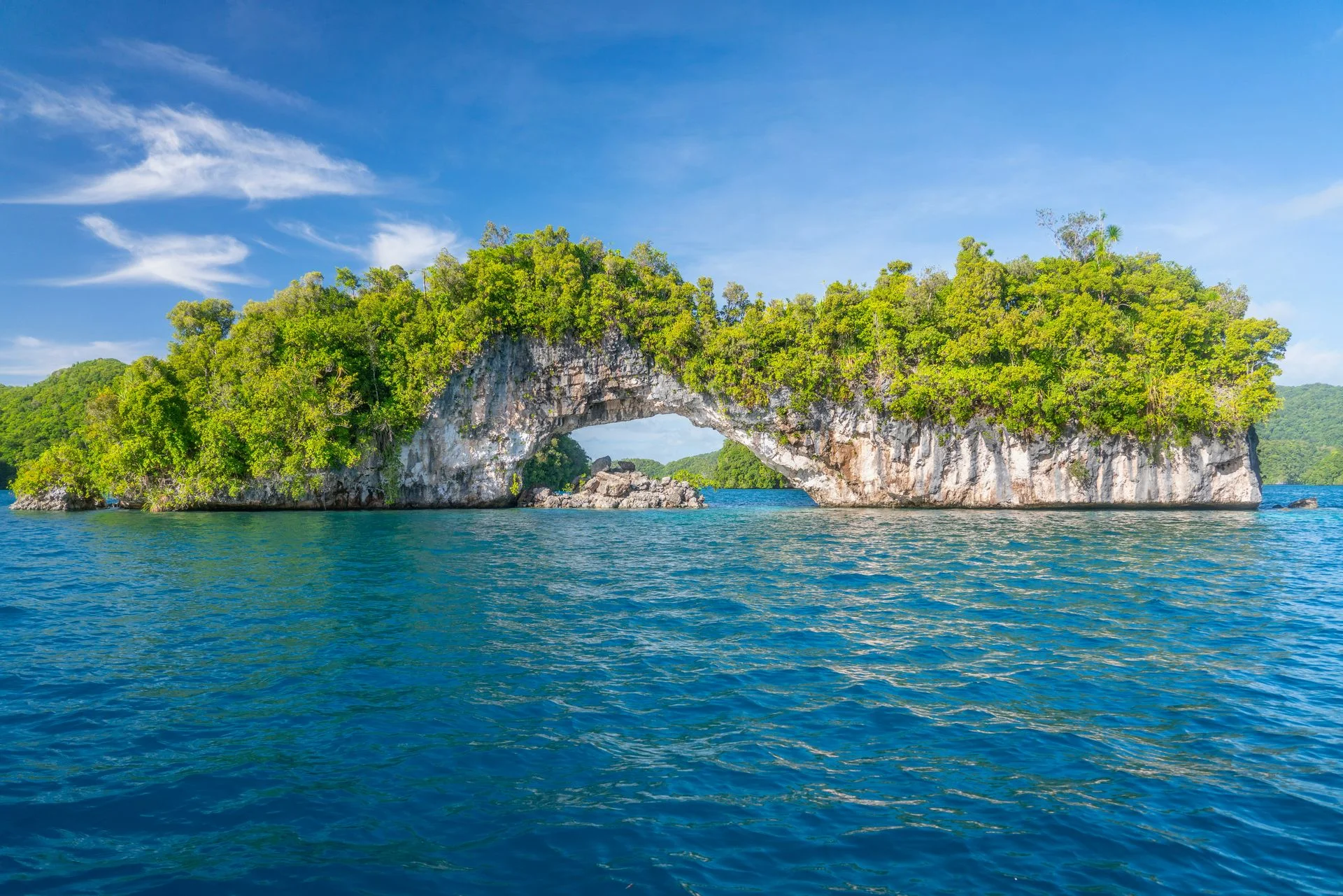
Palau
Rising out of the western Pacific at the meeting point of two great oceans, Palau is an archipelago of more than 500 jungle‑cloaked islands and limestone rock pinnacles. Its barrier reef and scattered outcrops create caverns, walls, tunnels and channels where nutrient‑rich currents sweep in from the Philippine Sea. These flows feed carpets of hard and soft corals and attract vast schools of jacks, barracudas and snappers, as well as an impressive cast of pelagics. Grey reef and whitetip sharks parade along the legendary Blue Corner; manta rays glide back and forth through German Channel’s cleaning stations; and Ulong Channel offers a thrill‑ride drift over giant clams and lettuce corals. Between dives you can snorkel among non‑stinging jellyfish in Jellyfish Lake or explore WWII ship and plane wrecks covered in colourful sponges.
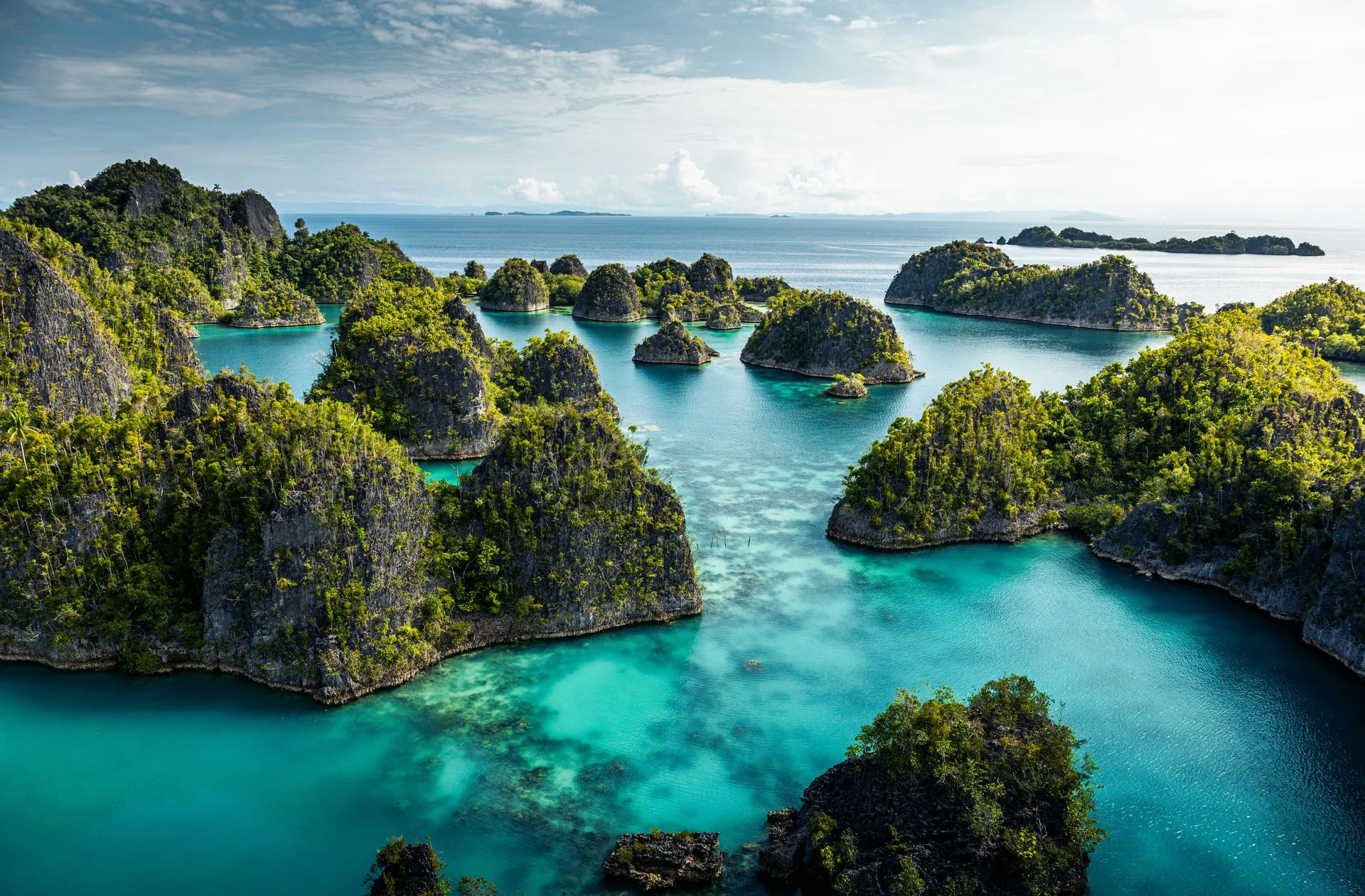
Raja Ampat
Raja Ampat, the “Four Kings,” is an archipelago of more than 1,500 islands at the edge of Indonesian West Papua. Its reefs sit in the heart of the Coral Triangle, where Pacific currents funnel nutrients into shallow seas and feed the world’s richest marine biodiversity. Diving here means gliding over colourful walls and coral gardens buzzing with more than 550 species of hard and soft corals and an estimated 1,500 fish species. You’ll meet blacktip and whitetip reef sharks on almost every dive, witness giant trevally and dogtooth tuna hunting schools of fusiliers, and encounter wobbegong “carpet” sharks, turtles, manta rays and dolphins. From cape pinnacles swarming with life to calm bays rich in macro critters, Raja Ampat offers endless variety. Above water, karst limestone islands and emerald lagoons provide spectacular scenery between dives.