
Sea Whip
Whip gorgonians (e.g., Ellisellidae, Junceella, Cirrhipathes-like forms)
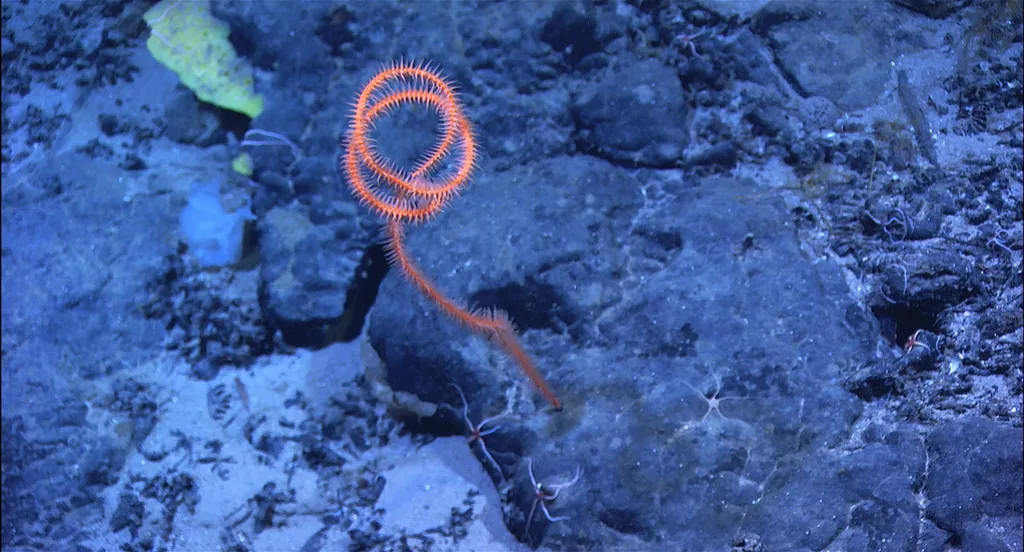
Photo by Mountains in the Sea Research Team; the IFE Crew; and NOAA/OAR/OER. via Wikimedia Commons
To a diver drifting along a current-swept wall, sea whips trace clean calligraphy lines through the water—long, slender colonies that look like someone drew on the reef with a single confident stroke. Unlike bushy soft corals or broad sea fans, sea whips play the minimalist card: one or a few flexible branches, sometimes spiraling like a corkscrew, sometimes standing as perfectly vertical rods. But this simplicity is deceptive. Each whip is a colony of octocoral polyps, thousands of tiny animals embedded in a shared skeleton that bends but doesn't break in the surge. Positioned like living antennae into the flow, they harvest passing plankton with eight-feathered tentacles, turning current into food. For macro divers, sea whips are stealth treasure: wire coral gobies cling to their length, whip shrimps and crabs match their colors, and tiny squat lobsters and crinoids perch along the branches. For everyone else, they're the elegant punctuation marks of a reef scene—gesture lines that show you exactly where the water is moving and how alive the wall really is.
🔬Classification
📏Physical Features
🌊Habitat Info
⚠️Safety & Conservation
Identification Guide
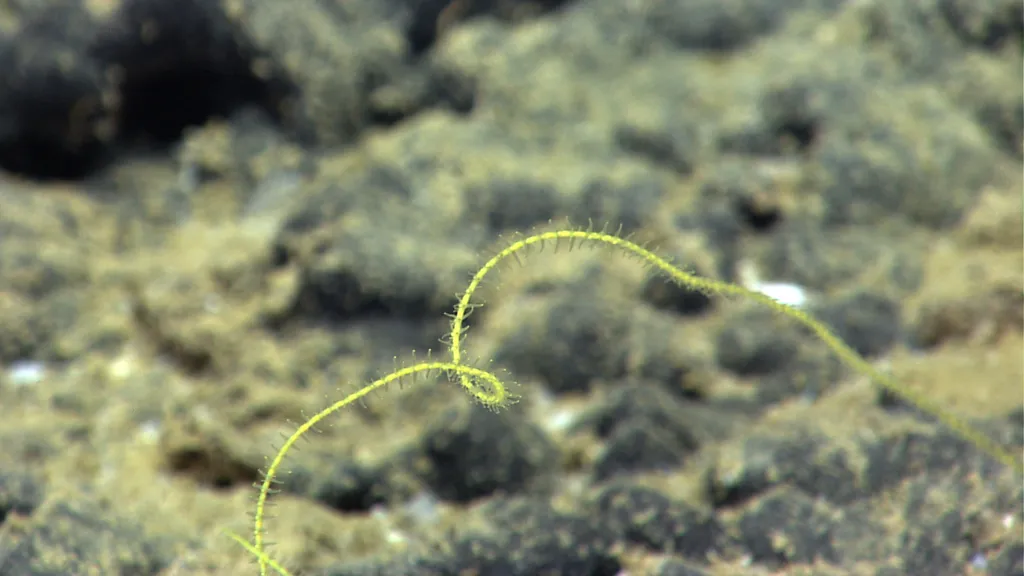
Photo by NOAA Photo Library via Wikimedia Commons
- Whip-Like Shape: Long, cylindrical or slightly flattened branches; often unbranched or with few side branches
- Growth Form Variants:
- Straight Rods: Vertical or gently curved whips rising from the substrate
- Spirals/Helices: Coils or corkscrew shapes projecting into open water
- Bushy Whips: Bundles of multiple whips emerging from a common base
- Polyps: Small, evenly spaced octocoral polyps with eight feathery tentacles along the entire length
- Skeleton: Flexible axial skeleton; colony bends with gentle pressure but is not as floppy as soft corals without an axis
- Surface Texture: Smooth to finely granular where polyps sit; may have tiny calcareous spicules giving a slight roughness
- Color: Often uniform along the branch; red, orange, yellow, pink, purple, brown or white
- Habitat & Orientation: Common on slopes and walls exposed to current; branches typically oriented into or across the prevailing flow
- Associates: Look for whip gobies, wire coral shrimps, crabs, crinoids, and small commensals tightly hugging the whip
Top 10 Fun Facts about Sea Whip
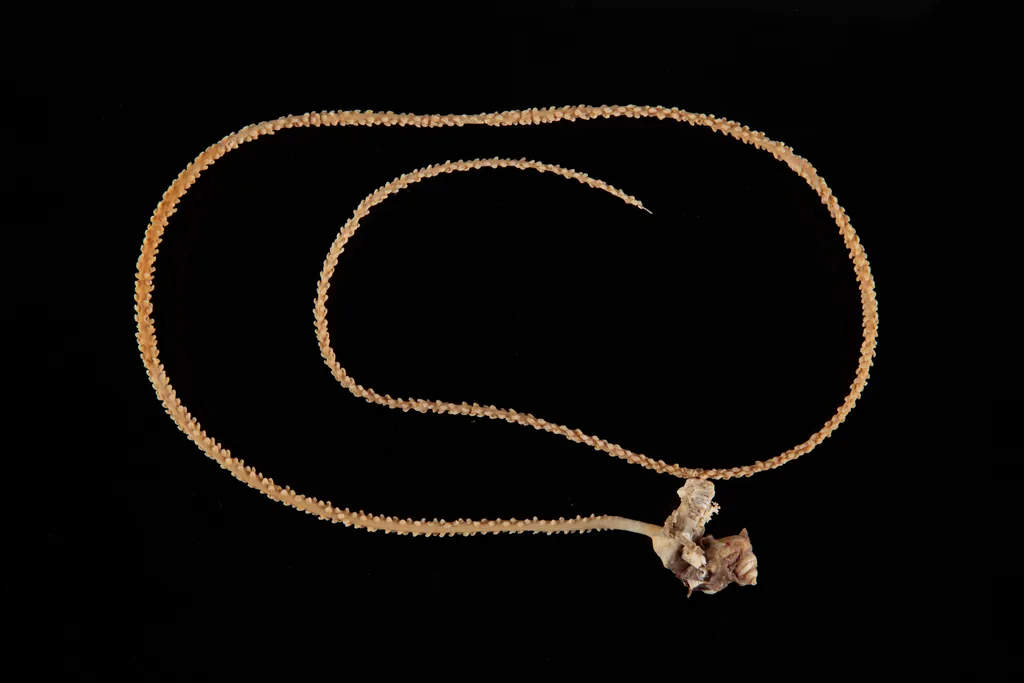
Photo by Auckland Museum Collections from Auckland / CC BY 2.0 via Wikimedia Commons
1. Octocoral Minimalists
Sea whips are members of the Octocorallia, the eight-tentacled branch of the coral family tree. Like sea fans and many soft corals, each polyp has eight pinnate tentacles and eight internal mesenteries, giving them the classic octocoral blueprint. What makes sea whips stand out is how they take that blueprint and strip it down to a single dimension: instead of building wide fans or bushy trees, they invest in length, creating long, narrow colonies that reach out into the flow. From an engineering perspective, they’re like antenna masts rather than satellite dishes—built to intercept passing plankton with minimal material cost.
2. Living Flow Meters
Because sea whips are so strongly shaped and oriented by current, they’re excellent visual flow meters. On a still day they may droop or hang loosely, but when the tide runs, they stand to attention and stream down-current, tracing invisible lines of water movement. Different species prefer different current regimes: some thrive in roaring channels, others in steady but moderate slopes. For divers, reading sea whips is a fast way to understand how the water is moving along a wall—helpful both for safety (planning your drift and exits) and for predicting where plankton-feeding life will concentrate.
3. Slow Growth, Long Lives
Like many gorgonians, sea whips tend to grow slowly but live a long time. Growth rates measured in some whip gorgonians are on the order of millimeters to a couple of centimeters per year, depending on species, food availability, and environmental conditions. That means a two-meter whip may represent decades of growth, especially in deeper or low-food environments. Branch tips are the main growth zones; if repeatedly broken by careless fins, anchors, or fishing gear, the colony’s long-term survival is compromised. Every intact, meter-long whip you see is not just a line in space—it’s a time line, a record of years of successful survival in a high-energy environment.
4. Commensal Highways: Gobies, Shrimps, and Crabs
Sea whips are famous among macro divers as the home of several specialist commensals. Wire coral gobies cling to the branches, perfectly matching color and spacing as they dart along their linear world. Tiny whip shrimps and crabs adopt the same color and texture as the whip, often only visible when you spot the break in pattern—an unexpected eye or joint. Some crinoids and squat lobsters perch on sea whips, using their height to reach better feeding currents. These relationships turn a simple coral colony into a micro-habitat and a photographic playground, where a single whip can yield multiple species if you slow down and scan carefully along its length.
5. Feeding in the Fast Lane
Sea whip polyps are suspension feeders, extending their eight feathery tentacles into the passing current to capture plankton and organic particles. The long, slender colony shape is no accident: by projecting into the flow, sea whips maximize the number of polyps exposed to fresh water at any given time. In many species, polyps on the upstream side of the branch may be more active, while downstream polyps feed on what slips through. At night or during strong plankton blooms, entire whips can look fuzzy as polyps fully extend, turning a smooth rod into a living bottlebrush.
6. Not All “Wire Corals” Are the Same
Divers often lump all whip-like corals under the term "wire coral", but there’s more diversity hidden in those lines. Some true wire corals belong to the black coral order Antipatharia (with thorny, dark skeletons), while many classic sea whips are actually gorgonians within Alcyonacea, and others are specialized soft corals. To make things more confusing, they can occupy similar habitats and host similar commensals. The key differences lie in polyp structure, skeleton composition, and in some cases, color and texture. For day-to-day diving, the main takeaway is respect: if it’s long, thin, and looks like something you could grab as a handhold, don’t—regardless of which group it belongs to.
7. Vertical Real Estate in 3D
By growing into the water column, sea whips create vertical habitat in places that might otherwise be fairly two-dimensional, like sheer walls or open sand channels. This extra structure provides perches for fish, attachment points for other sessile organisms, and hiding places for small invertebrates. In areas where branching corals are scarce—such as deeper reefs or heavily fished slopes—whips and other gorgonians can be the primary providers of 3D structure. For divers, this means that even where hard coral cover looks low, a rich gorgonian and sea whip community can still support surprising biodiversity.
8. Reproduction and Larval Journeys
Sea whips, like other octocorals, reproduce both sexually and asexually. Colonies release gametes into the water column for external fertilization or brood larvae internally, depending on species. The resulting planula larvae drift with currents before settling on suitable hard substrate and metamorphosing into new polyps. Over time, these polyps bud and grow into new whips. Because suitable settlement spots are patchy and larval survival is low, successful recruitment can be rare; many visible whips on a wall may belong to just a few successful cohorts. For divers, this reinforces the idea that every intact whip represents a long chain of lucky breaks—from larval drift to decades of avoiding breakage.
9. Deep-Reef and Twilight Specialists
While many sea whips are accessible to recreational divers at 20–40m, others are true deep-reef specialists, living on mesophotic and twilight slopes beyond normal sport depths. In these dim zones, whips may grow taller and sparser, relying entirely on plankton rather than symbiotic algae. Some deep-living species display ghostly whites and pale yellows that stand out dramatically in torch beams. For technical divers and submersible expeditions, encountering forests of tall whips on a dark slope is like finding a field of underwater antennae tuning into the deep ocean’s invisible signals.
10. Entanglement Hazards and Diver Etiquette
Long, thin, flexible branches are beautiful—but they’re also easy to snag. Gauges, hoses, camera arms, or dangling gear can wrap around sea whips in an instant, snapping decades of growth with one careless fin kick or rotation. This makes sea whips perfect teachers of streamlined equipment and good trim. Divers who keep hoses tucked, accessories clipped, and movements deliberate are far less likely to cause damage—or to find themselves awkwardly tied to the reef. For photographers, the rule is simple: never brace on a whip, never "straighten" one for a shot, and always be mindful of where your rig is swinging when you pivot in current.
Diving & Observation Notes
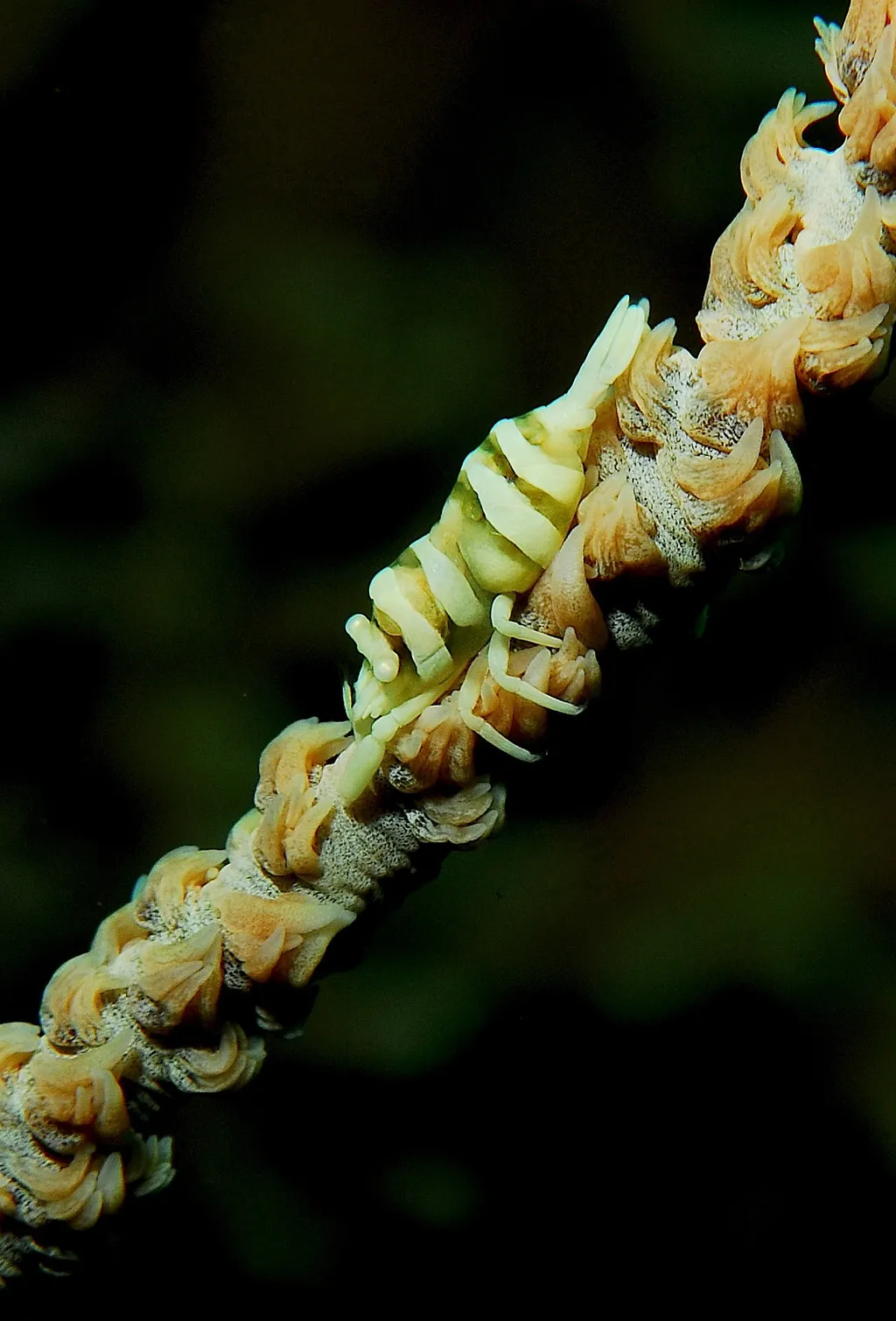
Photo by Jenny from Taipei / CC BY 2.0 via Wikimedia Commons
🧭 Finding Sea Whips
- Current-Swept Slopes: Look on outer reef slopes, walls, and pinnacles where you can feel steady current.
- Depth Band: Many species are common between 15–40m; deeper technical dives reveal taller, sparser whips.
- Silhouette Hunting: Scan along the edge of your torch beam for thin lines sticking into open water or spiraling into space.
- Transition Zones: Check where sand channels meet walls—whips often line these boundaries to intercept flow.
🤿 Behavior & Observation
- Flow Response: Watch how branches change posture as current strengthens or shifts direction.
- Polyp Activity: On night dives or strong plankton flows, look for polyps fully extended, giving whips a fuzzy look.
- Commensals: Move slowly along the whip to spot gobies, shrimps, crabs, and crinoids—often color-matched and very cryptic.
- Colonial Perspective: Note how a single colony can host multiple commensal individuals spaced out along its length.
📸 Photo Tips
- Diagonal Compositions: Use the whip as a leading line cutting diagonally across the frame.
- Backlighting: Side or backlight the whip to reveal polyps and commensals against open water.
- Close-Focus Wide-Angle: For large whips on walls, combine a close whip foreground with blue water and reef in the background.
- Macro Precision: For gobies and shrimps, align your focal plane along the whip for maximum sharpness.
- Motion Management: In strong current, brace your body position in mid-water—not on the whip or nearby corals.
⚠️ Safety & Ethics
- No Grabbing: Never use sea whips as handholds or "brake lines" when drifting.
- Streamline Gear: Secure hoses, SPGs, and accessories to avoid accidental entanglement and breakage.
- Fin Awareness: Keep fins up and away from the wall when passing clusters of whips.
- Respect Slow Growth: Remember each broken branch can represent many years of growth—treat them like underwater bonsai.
🌏 Best Locations
- Raja Ampat & Komodo (Indonesia): Current-swept reefs with abundant whip gorgonians and rich commensal life.
- Palau: Channels and outer walls lined with sea whips, often hosting gobies and shrimps.
- Maldives: Channel edges and thilas with colorful whips in mid-water.
- Red Sea: Drop-offs and outer slopes with red and orange whips contrasted against blue water.
- Philippines (Anilao, Dauin, Cebu): Excellent macro sites with whip gobies and shrimps.
Best Places to Dive with Sea Whip
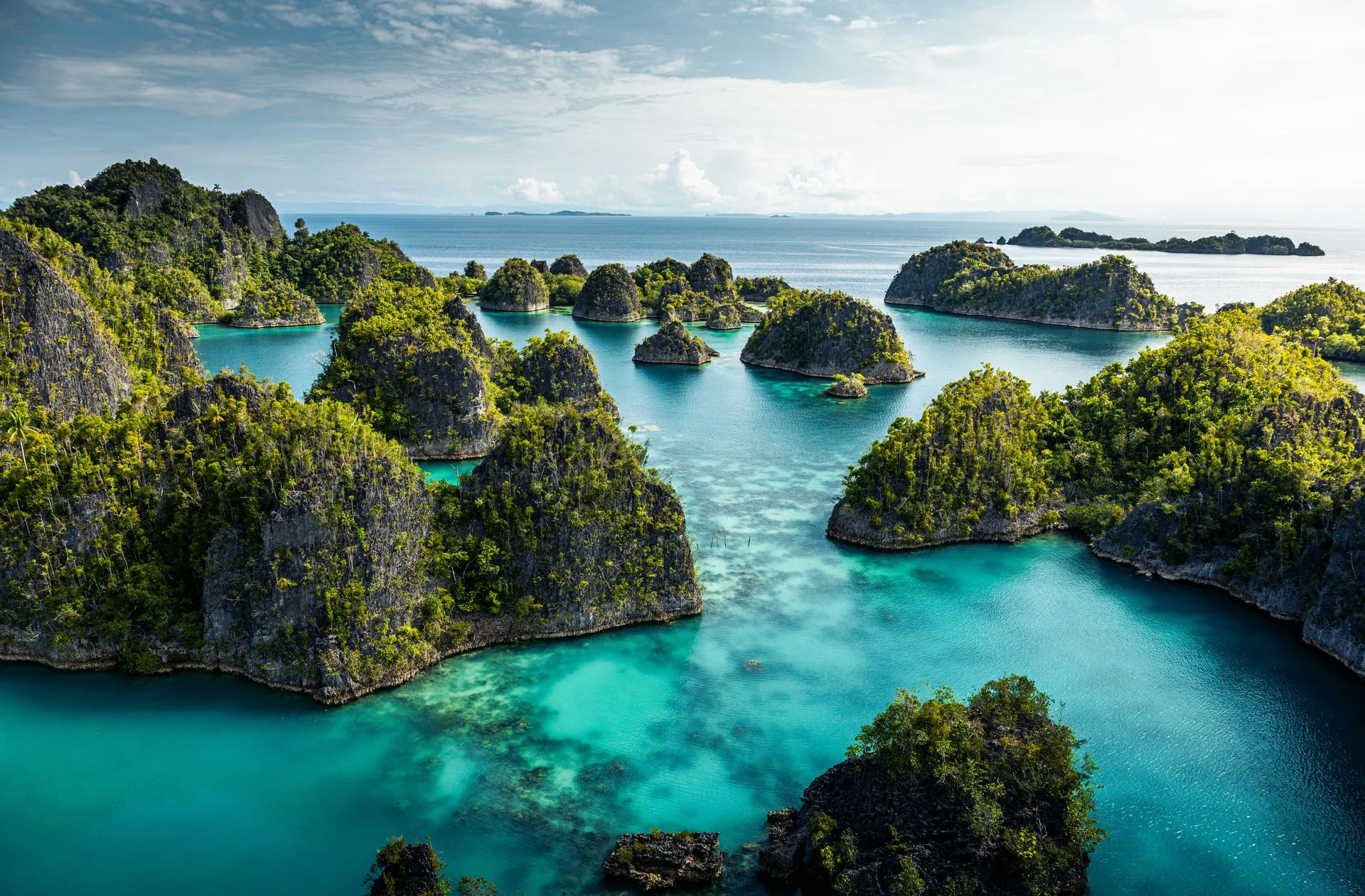
Raja Ampat
Raja Ampat, the “Four Kings,” is an archipelago of more than 1,500 islands at the edge of Indonesian West Papua. Its reefs sit in the heart of the Coral Triangle, where Pacific currents funnel nutrients into shallow seas and feed the world’s richest marine biodiversity. Diving here means gliding over colourful walls and coral gardens buzzing with more than 550 species of hard and soft corals and an estimated 1,500 fish species. You’ll meet blacktip and whitetip reef sharks on almost every dive, witness giant trevally and dogtooth tuna hunting schools of fusiliers, and encounter wobbegong “carpet” sharks, turtles, manta rays and dolphins. From cape pinnacles swarming with life to calm bays rich in macro critters, Raja Ampat offers endless variety. Above water, karst limestone islands and emerald lagoons provide spectacular scenery between dives.
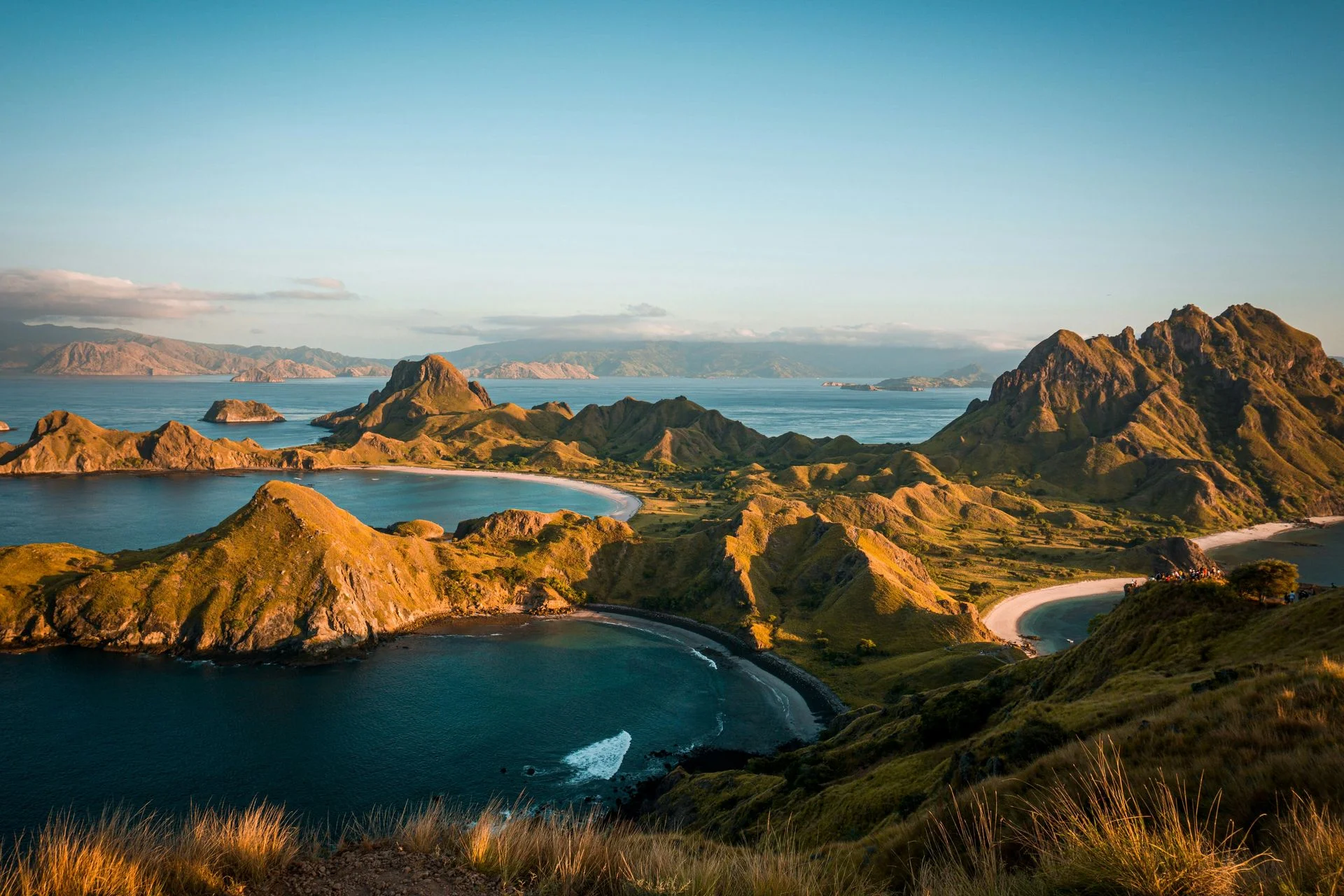
Komodo
Komodo National Park is a diver’s paradise full of marine diversity: expect healthy coral gardens, reef sharks, giant trevallies, countless schools of fish, and frequent manta ray sightings at sites like Manta Point and Batu Bolong. Drift dives and dramatic reef structures add excitement, while both macro lovers and big-fish fans will find plenty to love. Above water, the wild Komodo dragons roam, giving a touch of prehistoric wonder to the whole trip.
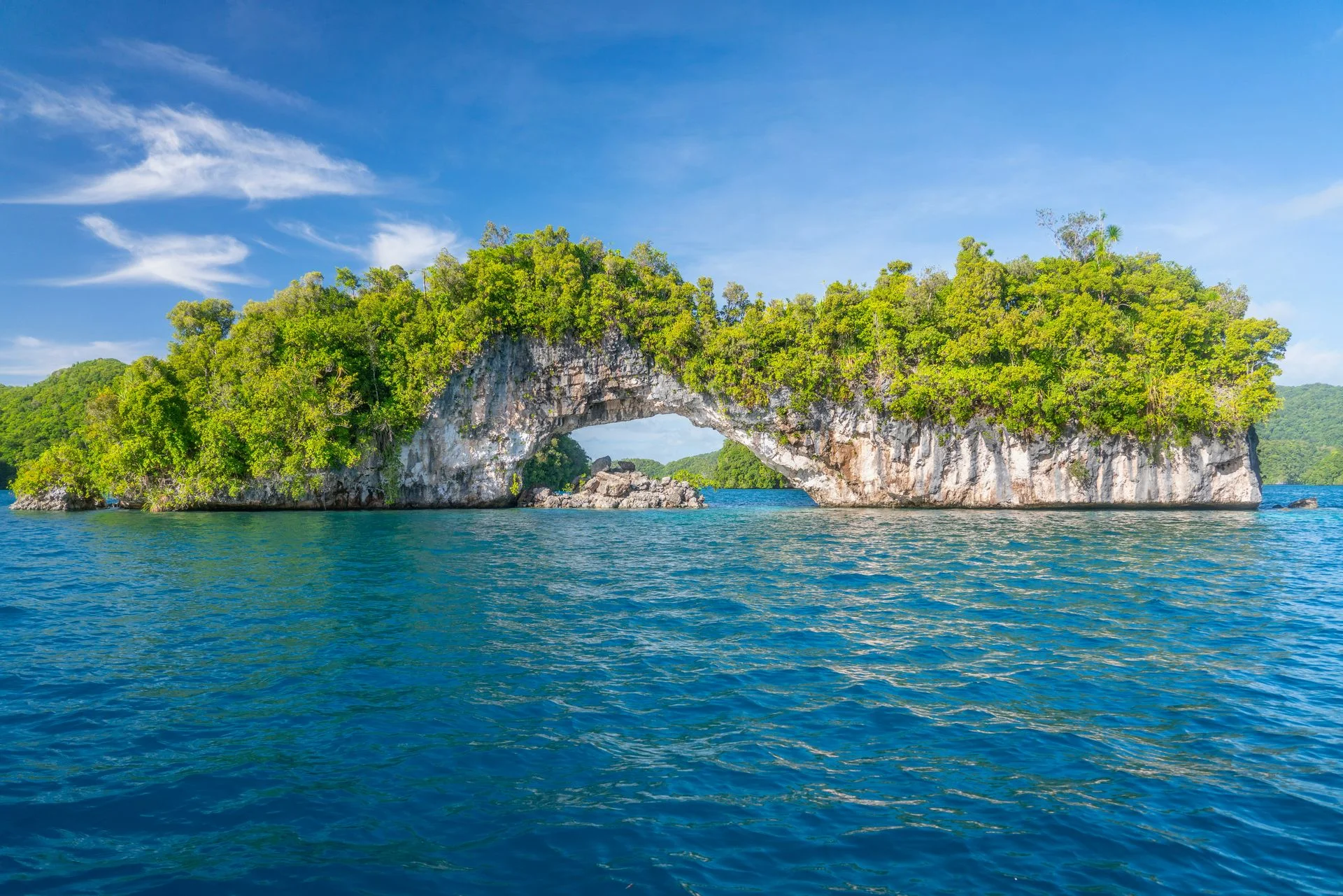
Palau
Rising out of the western Pacific at the meeting point of two great oceans, Palau is an archipelago of more than 500 jungle‑cloaked islands and limestone rock pinnacles. Its barrier reef and scattered outcrops create caverns, walls, tunnels and channels where nutrient‑rich currents sweep in from the Philippine Sea. These flows feed carpets of hard and soft corals and attract vast schools of jacks, barracudas and snappers, as well as an impressive cast of pelagics. Grey reef and whitetip sharks parade along the legendary Blue Corner; manta rays glide back and forth through German Channel’s cleaning stations; and Ulong Channel offers a thrill‑ride drift over giant clams and lettuce corals. Between dives you can snorkel among non‑stinging jellyfish in Jellyfish Lake or explore WWII ship and plane wrecks covered in colourful sponges.
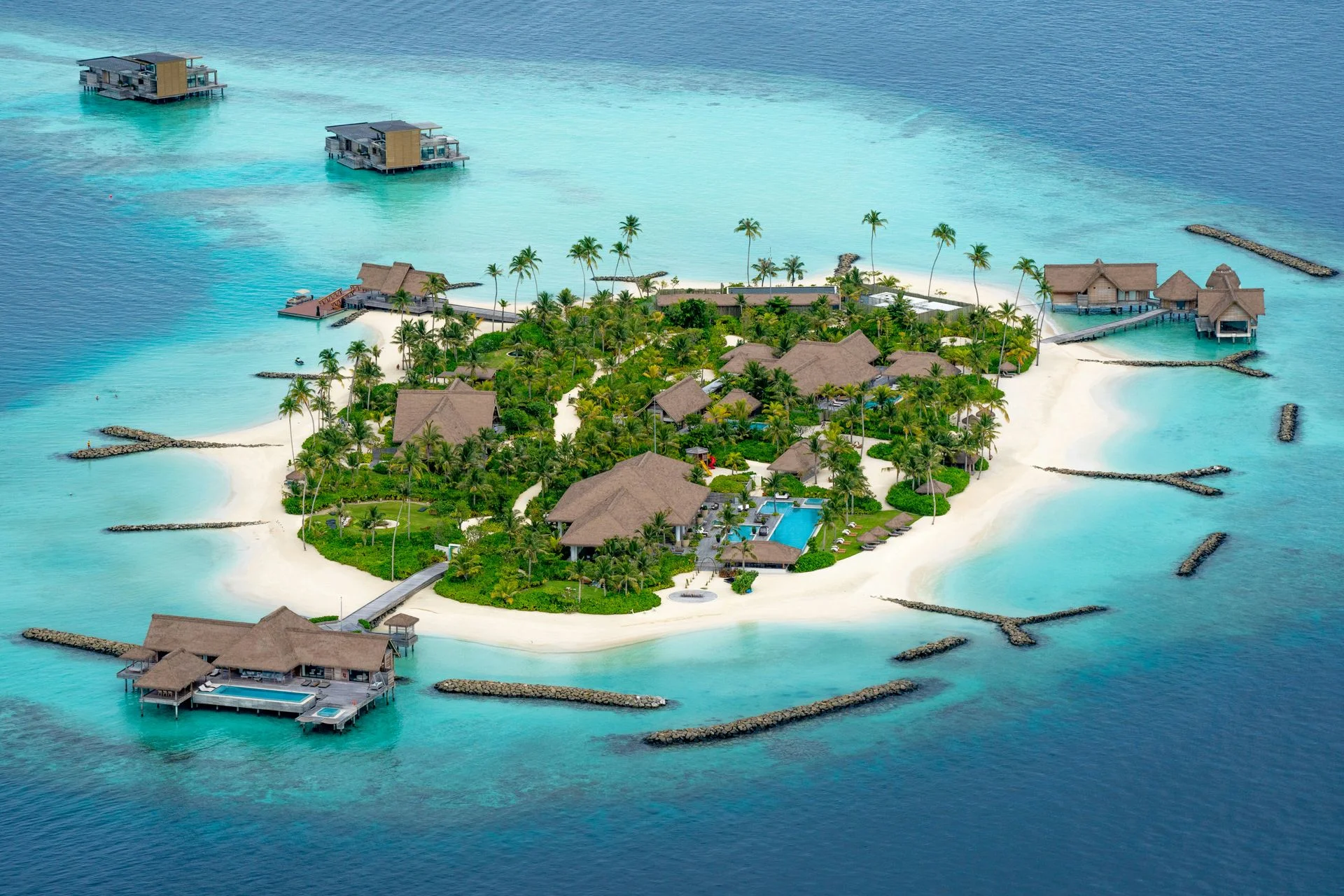
Maldives
Scattered across the Indian Ocean like strings of pearls, the Maldives’ 26 atolls encompass more than a thousand low‑lying islands, reefs and sandbanks. Beneath the turquoise surface are channels (kandus), pinnacles (thilas) and lagoons where powerful ocean currents sweep past colourful coral gardens. This nutrient‑rich flow attracts manta rays, whale sharks, reef sharks, schooling jacks, barracudas and every reef fish imaginable. Liveaboards and resort dive centres explore sites such as Okobe Thila and Kandooma Thila in the central atolls, manta cleaning stations in Baa and Ari, and shark‑filled channels like Fuvahmulah in the deep south. Diving here ranges from tranquil coral slopes to adrenalin‑fuelled drifts through current‑swept passes, making the Maldives a true pelagic playground.
Lembeh
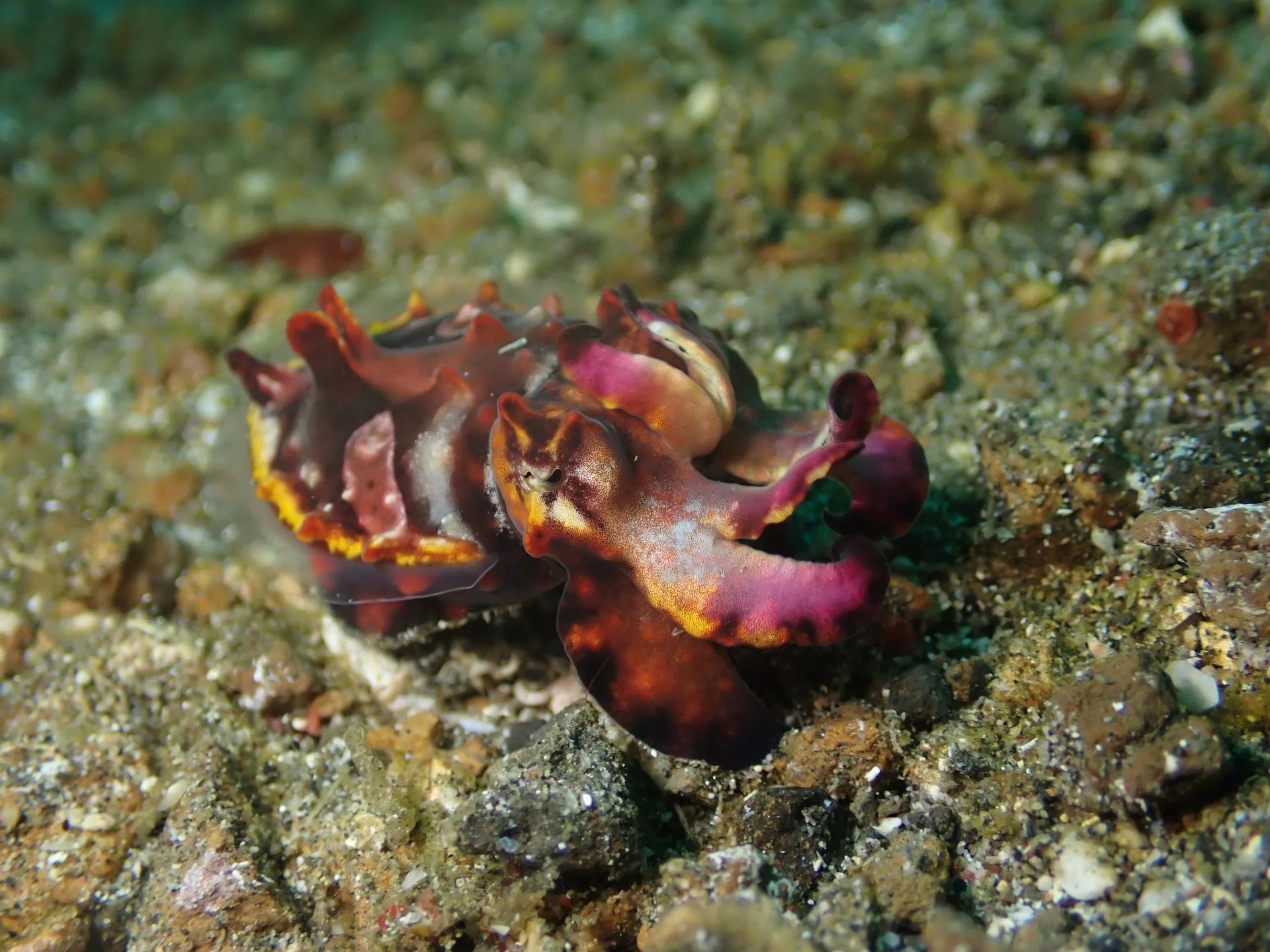
The Lembeh Strait in North Sulawesi has become famous as the muck‑diving capital of the world. At first glance its gently sloping seabed of black volcanic sand, rubble and discarded debris looks bleak. Look closer and it is teeming with weird and wonderful life: hairy and painted frogfish, flamboyant cuttlefish, mimic and blue‑ringed octopuses, ornate ghost pipefish, tiny seahorses, shrimp, crabs and a rainbow of nudibranchs. Most dives are shallow and calm with little current, making it an ideal playground for macro photographers. There are a few colourful reefs for a change of scenery, but Lembeh is all about searching the sand for critter treasures.
Anilao
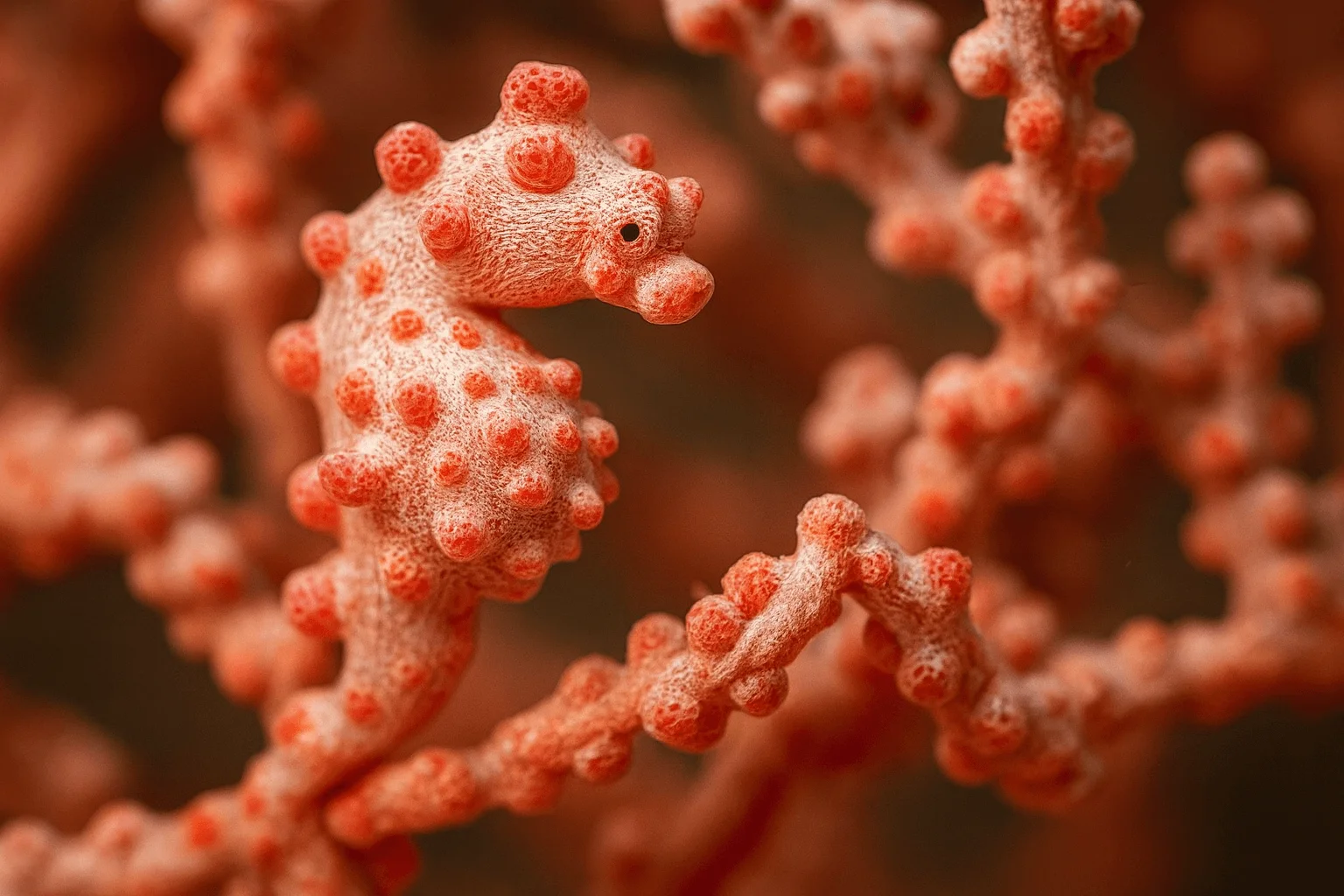
Anilao, a small barangay in Batangas province just two hours south of Manila, is often called the macro capital of the Philippines. More than 50 dive sites fringe the coast and nearby islands, offering an intoxicating mix of coral‑covered pinnacles, muck slopes and blackwater encounters. Critter enthusiasts come for the legendary muck dives at Secret Bay and Anilao Pier, where mimic octopuses, blue‑ringed octopuses, wonderpus, seahorses, ghost pipefish, frogfish and dozens of nudibranch species lurk in the silt. Shallow reefs like Twin Rocks and Cathedral are covered in soft corals and teem with reef fish, while deeper sites such as Ligpo Island feature gorgonian‑covered walls and occasional drift. Because Anilao is so close to Manila and open year‑round, it’s the easiest place in the Philippines to squeeze in a quick diving getaway.
Similan
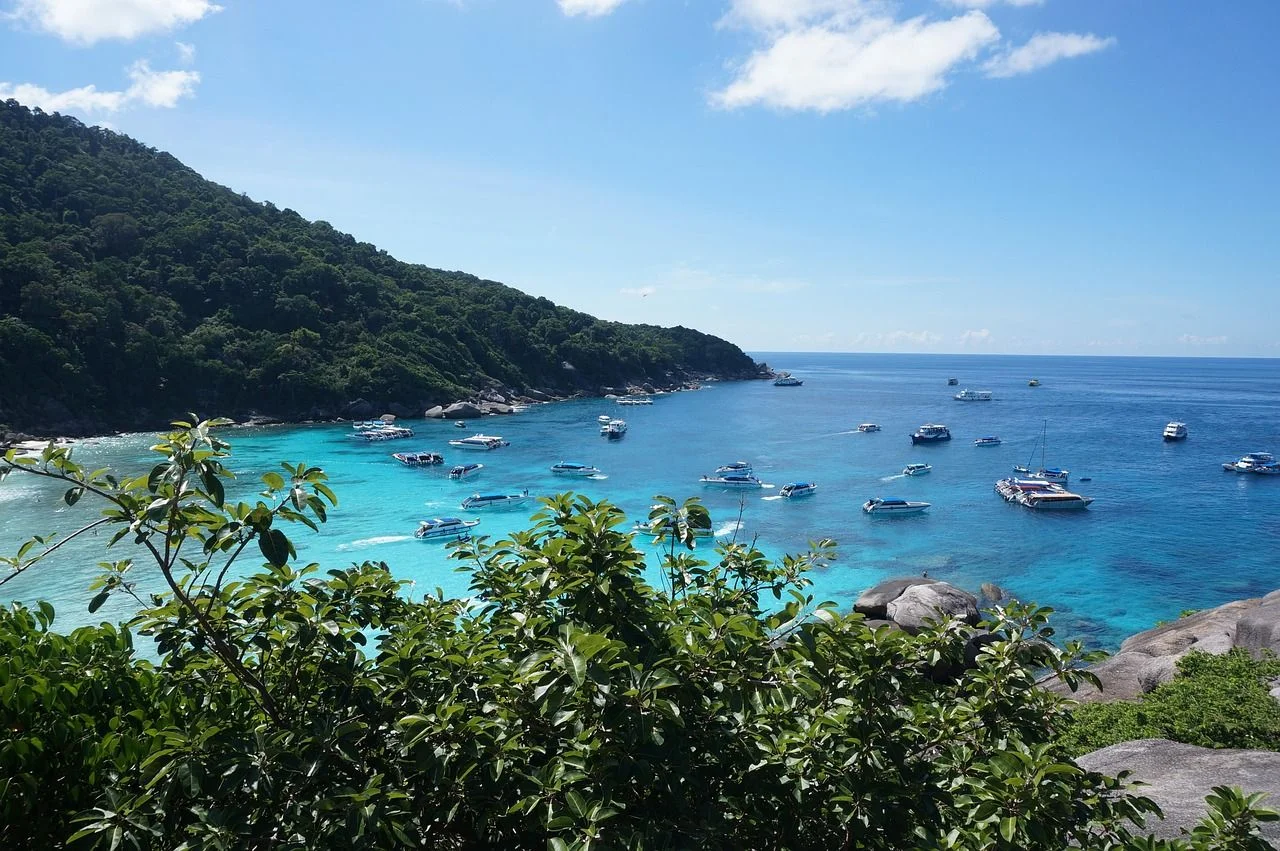
The Similan Islands are an archipelago of nine granite islands in the Andaman Sea off Thailand’s west coast, protected as part of Mu Ko Similan National Park. Underwater you’ll find dramatic boulder formations, swim‑throughs, coral gardens and drop‑offs teeming with life. Manta rays and whale sharks cruise by at sites like Richelieu Rock and Koh Tachai, while reef sharks, leopard sharks, turtles and swarming schools of fusiliers and trevally are common. The park is only open from mid‑October to mid‑May, when calm seas and clear water make for world‑class liveaboard trips or speedboat day tours.