
Soft Coral
Alcyonacea
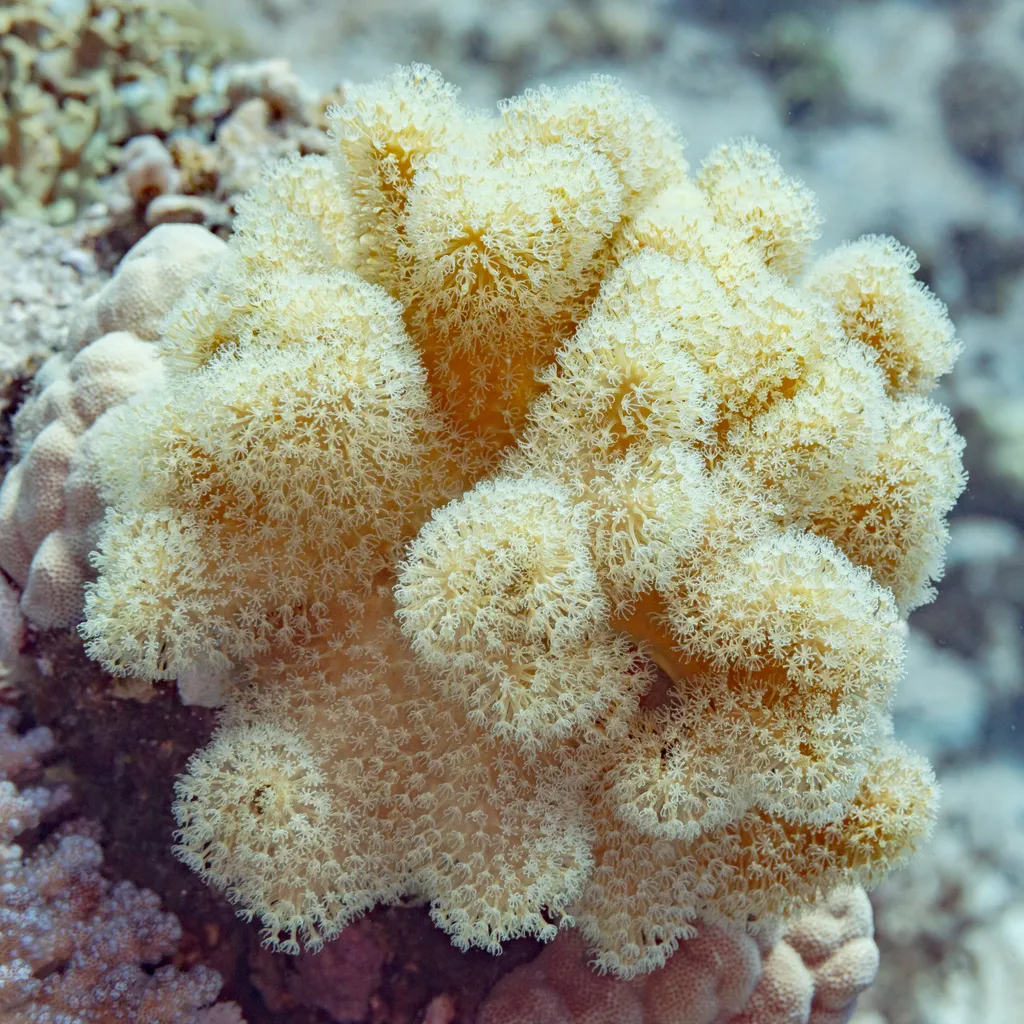
Photo by Diego Delso / CC BY-SA 4.0 via Wikimedia Commons
To a diver exploring a reef, soft corals are the underwater equivalent of a living, breathing forest—trees, bushes, and leathery mats that sway and pulse with the rhythm of the ocean. Unlike their hard coral cousins that build rigid limestone skeletons, soft corals are exactly what their name suggests: soft, flexible, and alive with movement. Each colony is a bustling city of thousands of tiny polyps, each with eight feathery tentacles that extend like delicate flowers to catch plankton from the water. These aren't static structures—they're dynamic organisms that respond to currents, light, and the presence of food with visible, almost animal-like behavior. Some species pulse rhythmically, their polyps expanding and contracting in synchronized waves that look like underwater breathing. Others form leathery toadstool shapes that can retract completely when touched, disappearing into the substrate like magic. For macro photographers, soft corals are treasure troves: their vibrant colors, intricate textures, and the tiny creatures that live among their branches create endless opportunities for stunning images. But soft corals are more than just pretty decorations—they're ecological survivors, often thriving in conditions where hard corals struggle, and playing crucial roles in reef ecosystems as habitat providers and nutrient cyclers. Understanding soft corals means understanding that not all corals are hard, not all reefs are built of stone, and that sometimes the softest structures are the most resilient.
🔬Classification
📏Physical Features
🌊Habitat Info
⚠️Safety & Conservation
Identification Guide
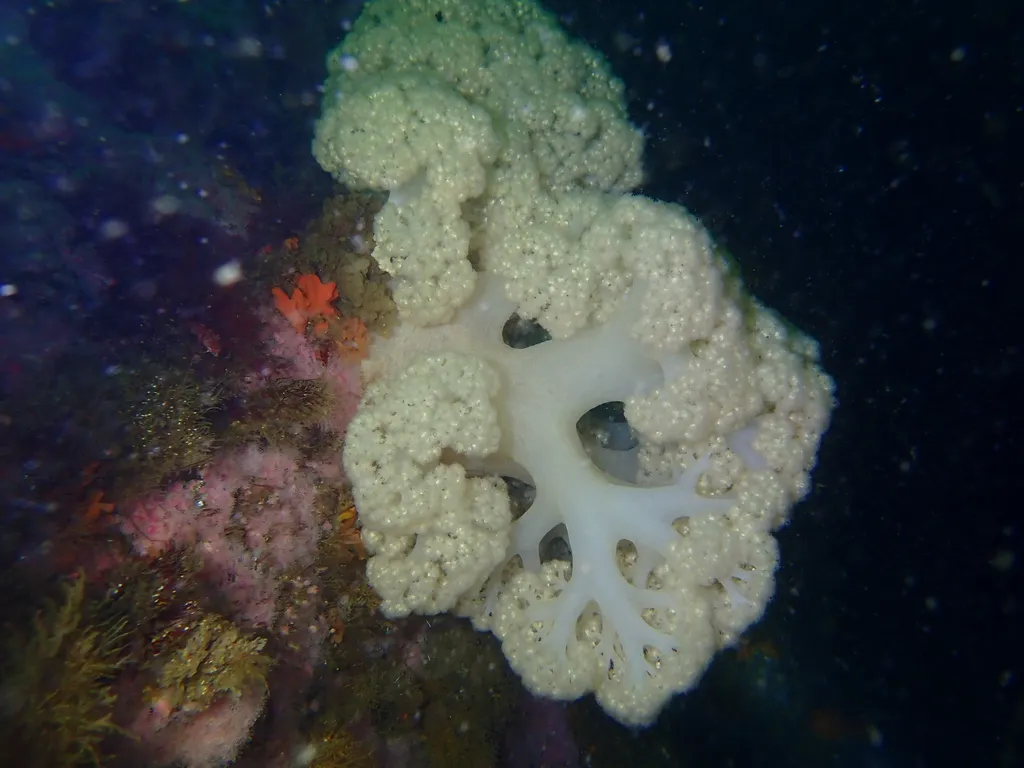
Photo by Peter Southwood / CC BY-SA 4.0 via Wikimedia Commons
- Soft Texture: Unlike hard corals, soft corals are flexible and can be gently bent—they feel soft to the touch
- Eight Tentacles: Each polyp has exactly eight pinnate (feathery) tentacles—key identifier for octocorals
- Growth Forms:
- Tree-like/Branching: Bushy, tree-shaped colonies (e.g., Dendronephthya)
- Leather/Toadstool: Mushroom or leather cap shapes (e.g., Sarcophyton, Sinularia)
- Fan/Whip: Flat fan or whip-like structures (gorgonians)
- Encrusting: Flat mats covering rocks or reef surfaces
- Sclerites: Tiny calcareous spicules embedded in tissue—feel slightly grainy or spiky when touched
- Color Patterns: Often bright, solid colors or contrasting patterns; polyps may be different color than branches
- Polyp Behavior: Polyps extend tentacles at night or in low light; some species pulse rhythmically
- No Rigid Skeleton: Unlike hard corals, no massive calcium carbonate skeleton—structure is flexible
- Current Response: Soft corals sway and bend with water flow, showing their flexibility
Top 10 Fun Facts about Soft Coral
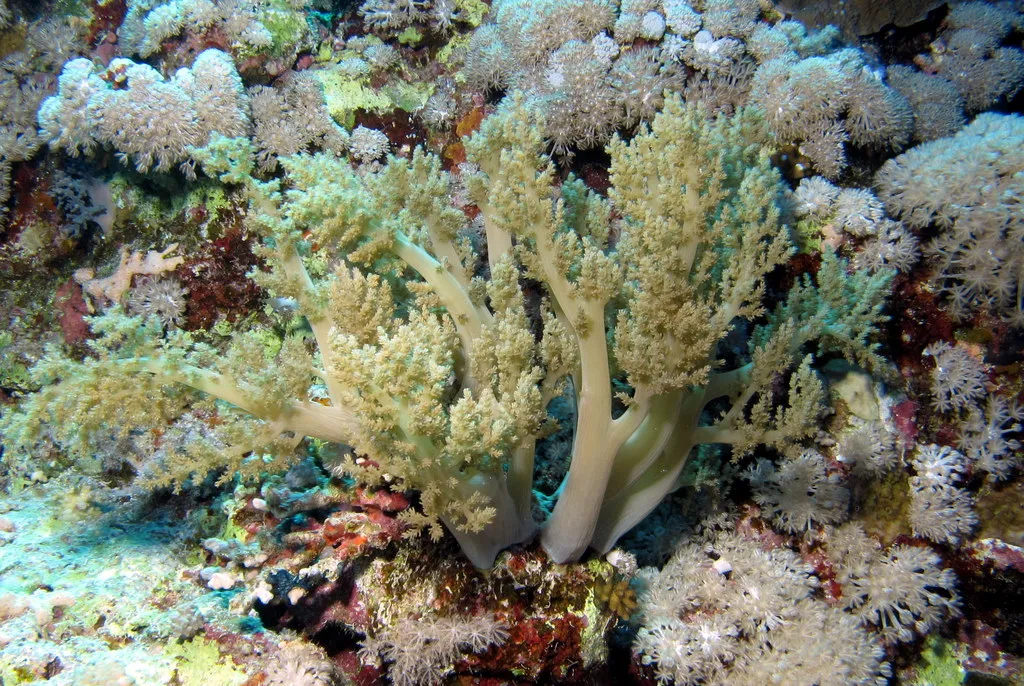
Photo by Derek Keats from Johannesburg / CC BY 2.0 via Wikimedia Commons
1. The Soft Revolution: No Hard Skeleton, Maximum Flexibility
Soft corals represent one of evolution's most elegant solutions to the problem of structural support: abandon the rigid skeleton entirely. Unlike hard corals that secrete massive calcium carbonate skeletons, soft corals use a completely different approach. Their bodies are supported by a flexible protein matrix (mesoglea) embedded with thousands of tiny calcareous spicules called sclerites. These sclerites are like microscopic building blocks—individually tiny, but collectively providing structure and defense. The result is a body that can bend, sway, and flex with water currents without breaking. This flexibility is revolutionary: it allows soft corals to colonize high-current environments where rigid structures would snap, to retract completely when threatened, and to recover quickly from physical damage. Some species, like leather corals (Sarcophyton), can retract their entire polyp-covered surface into a smooth, leathery cap in seconds when disturbed—a defense mechanism that's impossible for hard corals. For divers, this flexibility creates one of the ocean's most mesmerizing sights: entire forests of soft corals swaying in unison with the rhythm of the currents, creating a living, breathing underwater landscape that responds to every movement of the water.
2. The Pulsing Mystery: Why Some Soft Corals "Breathe"
One of the most fascinating behaviors in the ocean is the pulsing motion of certain soft corals, particularly species in the family Xeniidae. These corals rhythmically expand and contract their polyps in synchronized waves, creating a mesmerizing "breathing" effect that looks almost like a living organism taking deep breaths. Scientists have been studying this behavior for decades, and while the exact purpose isn't fully understood, several theories have emerged. The pulsing may help enhance water flow around the polyps, bringing fresh plankton-rich water to the feeding tentacles and removing waste. It might also help with gas exchange, allowing the coral to take in oxygen and expel carbon dioxide more efficiently. Some researchers suggest it could be a form of communication between polyps, coordinating feeding or defensive responses. The most intriguing theory is that pulsing helps prevent fouling—the accumulation of sediment and microorganisms on the coral's surface. Whatever the reason, watching a colony of pulsing soft corals is one of the most hypnotic experiences in diving. The synchronized movement creates waves of expansion and contraction that ripple across the entire colony, making it look like a single, giant organism rather than thousands of individual polyps. It's a reminder that even the simplest-looking creatures can have complex, coordinated behaviors that we're only beginning to understand.
3. The Eight-Armed Advantage: Octocoral Symmetry
All soft corals belong to the subclass Octocorallia (eight-rayed corals), and this eight-fold symmetry is fundamental to their identity. Every polyp has exactly eight tentacles and eight internal partitions (mesenteries), arranged in perfect radial symmetry. This is in stark contrast to hard corals (Hexacorallia), which have tentacles and partitions in multiples of six. The name "octocoral" literally means "eight corals," and this structural difference reflects a deep evolutionary divergence that occurred hundreds of millions of years ago. The eight-tentacled design creates a distinctive feeding pattern: the tentacles are typically pinnate (feathery), with side branches that increase the surface area for capturing plankton. When extended, these tentacles create a delicate, flower-like appearance that's one of the most beautiful sights in macro photography. The eight-fold symmetry also influences the entire colony's growth pattern, creating branching structures that follow this mathematical precision. For divers, recognizing the eight tentacles is a quick way to distinguish soft corals from other reef organisms—count the tentacles, and if you see eight, you're looking at an octocoral. This simple rule opens up a whole world of identification, from tiny polyps to massive colonies, all united by their eight-armed architecture.
4. The Sclerite Defense: Tiny Weapons, Big Protection
Soft corals may be soft, but they're not defenseless. Embedded throughout their tissues are thousands of tiny calcareous structures called sclerites—microscopic spicules that serve multiple functions. These sclerites provide structural support, helping the coral maintain its shape even when the protein matrix is flexible. But they also serve as defensive weapons: the sharp, spiny sclerites can deter predators by making the coral unpleasant to eat. When you touch a soft coral, the slightly grainy or spiky texture you feel is actually these tiny sclerites. Different species have different sclerite shapes and arrangements, and scientists use these microscopic structures to identify species—it's like using fingerprints for coral identification. Some sclerites are shaped like tiny clubs, others like spindles or stars, and their arrangement creates unique textures for each species. The sclerites are made of calcium carbonate, but they're much smaller and more flexible than the massive skeletons of hard corals. This creates a fascinating paradox: soft corals are soft enough to bend, but hard enough to defend themselves. For divers, understanding sclerites helps explain why some soft corals feel slightly rough or grainy—you're feeling millions of tiny defensive structures working together to protect the coral.
5. The Symbiotic Partnership: Zooxanthellae and Soft Corals
Many shallow-water soft corals host zooxanthellae, the same type of symbiotic algae that power hard corals. These single-celled dinoflagellates live inside the coral's tissues, performing photosynthesis and sharing the resulting sugars with their host. This partnership is so successful that zooxanthellae can provide up to 90% of a soft coral's energy needs in well-lit shallow waters. The algae benefit from the coral's structure, which positions them in optimal light conditions, and from the coral's waste products, which provide essential nutrients. However, this partnership comes with vulnerability: when water temperatures rise or conditions become stressful, soft corals can expel their algae in a process called bleaching, just like hard corals. But here's where soft corals show their resilience: many species can survive bleaching better than hard corals because they can rely more heavily on heterotrophic feeding—catching plankton with their tentacles. Some soft corals can even recover from bleaching by gradually reacquiring zooxanthellae when conditions improve. Deep-water soft corals, which live beyond the reach of sunlight, don't host zooxanthellae at all and rely entirely on filter feeding. This creates two distinct ecological strategies: shallow-water soft corals that are solar-powered and deep-water soft corals that are purely heterotrophic. For divers, vibrant colors usually indicate healthy symbiosis, while pale or white soft corals may be suffering from bleaching or stress.
6. The Chemical Arsenal: Defending Territory with Toxins
Soft corals are masters of chemical warfare, producing a vast array of defensive compounds that protect them from predators and competitors. These chemicals, often called allelochemicals, include terpenoids, steroids, and other complex organic molecules that can be toxic, repellent, or growth-inhibiting to other organisms. Some soft corals release these chemicals into the surrounding water, creating a "chemical halo" that deters would-be predators and prevents other organisms from settling too close. This chemical defense is so effective that many fish and invertebrates avoid eating soft corals entirely, even though they look like they would be easy prey. Scientists have discovered that soft corals can even adjust their chemical production based on threats—producing more defensive compounds when predators are nearby. But these chemicals aren't just for defense—they also help soft corals compete for space on crowded reefs. By releasing growth-inhibiting compounds, soft corals can prevent other organisms, including hard corals, from growing too close. This chemical competition creates visible "battle zones" on reefs where different species meet. Interestingly, many of these defensive compounds have potential medical applications—scientists are studying soft coral chemicals for use in cancer treatment, anti-inflammatory drugs, and antibiotics. The same toxins that protect soft corals might one day protect humans.
7. The Resilience Advantage: Thriving Where Hard Corals Fail
In an era of climate change and reef decline, soft corals are emerging as ecological winners. Recent research has shown that in many reef systems where hard corals are declining due to warming, pollution, or other stresses, soft corals are actually increasing in abundance. This isn't because soft corals are immune to environmental problems—they still suffer from bleaching, disease, and other threats. But they have several advantages that make them more resilient. Soft corals can tolerate higher temperatures than many hard corals, and they're better at handling turbid water and sediment. Their flexible structure allows them to survive storms and physical damage better than rigid hard corals. They can also recover more quickly from disturbances because they grow faster and can reproduce through fragmentation more easily. Some soft corals can even recolonize damaged areas faster than hard corals, helping to maintain reef structure and habitat even when the primary reef builders are struggling. This resilience makes soft corals important "backup players" in reef ecosystems—when hard corals fail, soft corals can step in to provide structure, habitat, and ecosystem services. For divers, this means that reefs with healthy soft coral populations may look different from traditional coral reefs, but they're still vibrant, functional ecosystems. Understanding this resilience helps us appreciate that reef ecosystems are more complex and adaptable than we once thought.
8. The Morphological Diversity: From Trees to Toadstools
Soft corals exhibit an astonishing diversity of forms, creating a visual menagerie that rivals any terrestrial ecosystem. Some species form tree-like structures with branching stems that can reach two meters tall, looking like underwater forests. Others create leathery toadstool shapes with a central stalk and a cap-like top that can retract completely when disturbed. Some grow as encrusting mats that cover rocks like living carpets. Others form whip-like structures that extend straight up from the substrate, or fan shapes that spread out in a single plane. This morphological diversity isn't just for show—each form is adapted to specific environmental conditions. Tree-like forms maximize surface area for feeding in areas with good water flow. Toadstool forms can retract to protect themselves from predators or physical damage. Encrusting forms can colonize areas where space is limited. The diversity is so great that scientists have identified over 3,000 species of soft corals, each with its own unique form, color, and ecological role. For divers, this diversity means that every dive can reveal new and unexpected soft coral forms. A single reef might host dozens of different soft coral species, each contributing its own unique structure and color to the underwater landscape. This variety makes soft corals some of the most photogenic subjects in underwater photography, offering endless opportunities for creative composition and stunning images.
9. The Nocturnal Feeders: Nighttime Plankton Hunters
Many soft corals are nocturnal feeders, extending their tentacles primarily at night when plankton concentrations are highest. During the day, the polyps often retract into the colony, making the coral look less "alive" and more like a static structure. But as the sun sets and light levels drop, a transformation occurs: polyps begin to extend their feathery tentacles, and the entire colony comes alive with feeding activity. This nocturnal behavior is an adaptation to the daily migration of plankton, which rises from deeper waters to the surface at night to feed. By timing their feeding to match this migration, soft corals maximize their food capture. The extended tentacles create a massive surface area for catching plankton, and the sticky mucus coating on the tentacles helps trap small particles. Some soft corals can even detect the presence of food in the water and extend their tentacles in response, showing a level of responsiveness that's surprising for what looks like a simple organism. For divers, night dives offer the best opportunity to see soft corals in their full feeding glory. With a flashlight, you can watch polyps extend their tentacles, creating a delicate, flower-like appearance that's completely different from their daytime appearance. The contrast between day and night behavior is so dramatic that the same coral can look like two completely different organisms depending on when you see it.
10. The Fragmentation Strategy: Breaking to Multiply
Soft corals have mastered one of nature's most efficient reproductive strategies: fragmentation. Unlike many organisms that can only reproduce sexually, soft corals can reproduce both sexually (through broadcast spawning) and asexually through fragmentation. When a piece of a soft coral breaks off—whether from a storm, physical damage, or even intentional cutting—that fragment can settle on a new substrate and grow into a completely new colony. This ability to "break to multiply" is one reason why soft corals are so successful in aquarium culture and reef restoration projects. A single healthy colony can be divided into multiple fragments, each of which can grow into a new colony. This fragmentation strategy also helps soft corals recover quickly from damage—a broken branch doesn't just heal, it can become a new colony. Some species are so good at fragmentation that they can spread rapidly through an area, creating dense stands of soft corals. This reproductive flexibility makes soft corals valuable for reef restoration: scientists can grow soft corals in nurseries, fragment them, and transplant the fragments to damaged reef areas. The fragments establish quickly and help restore habitat structure and ecosystem function. For divers, understanding fragmentation helps explain why you might see many similar-looking soft corals in an area—they could all be clones from a single parent colony, connected by their shared genetic heritage even though they're physically separate.
Diving & Observation Notes
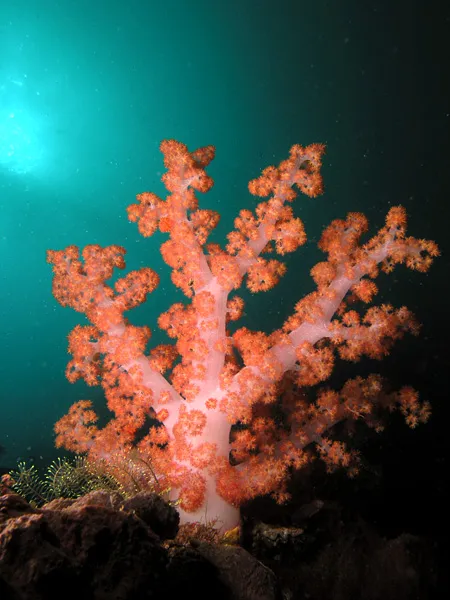
Photo by Nhobgood / CC BY-SA 3.0 via Wikimedia Commons
🧭 Finding Soft Corals
- Reef Slopes & Walls: Look on vertical walls, overhangs, and reef slopes—soft corals prefer areas with good water flow.
- Shaded Areas: Often found in shaded or partially shaded areas where they can avoid direct intense sunlight.
- Current Zones: Best found in areas with moderate to strong currents where plankton is abundant.
- Depth Range: Most common at 5-30m, but can be found from shallow reef flats to deep slopes (40m+).
🤿 Behavior & Observation
- Nocturnal Extension: Polyps extend tentacles primarily at night—best observed during night dives.
- Pulsing Species: Watch for species that pulse rhythmically (especially Xeniidae family)—mesmerizing synchronized movement.
- Retraction Response: Some species (like leather corals) retract completely when touched—observe but don't disturb.
- Current Swaying: Notice how soft corals bend and sway with water flow—their flexibility is remarkable.
📸 Photo Tips
- Macro Details: Focus on individual polyps with extended tentacles—requires patience and steady hands.
- Wide-Angle: Capture entire colonies swaying in currents—shows the dynamic, living nature of soft corals.
- Side Lighting: Use side or back lighting to highlight textures, colors, and the delicate structure of polyps.
- Night Photography: Best time to photograph extended polyps—use flash or video lights to capture feeding behavior.
- Pulsing Video: Record pulsing species with video to capture the mesmerizing synchronized movement.
⚠️ Safety & Ethics
- No Touch: Never touch soft corals—they're fragile and can retract or be damaged easily.
- Buoyancy Control: Maintain perfect buoyancy to avoid accidental contact—damage can take time to recover.
- No Collection: Do not collect soft corals—many are protected and collection is regulated.
- Respect Behavior: Don't disturb feeding polyps or force retraction by touching—observe from a distance.
- Current Awareness: Be careful in strong currents where soft corals thrive—maintain control and avoid entanglement.
🌏 Best Locations
- Raja Ampat (Indonesia): Incredible diversity of soft coral species and forms.
- Palau: Pristine reefs with healthy soft coral populations and excellent visibility.
- Red Sea: Unique soft coral species adapted to high salinity and warm temperatures.
- Philippines & Indonesia: Macro diving paradise with diverse soft coral communities.
- Great Barrier Reef: Diverse soft coral communities on outer reef walls and slopes.
- Fiji: Known for vibrant soft coral gardens and excellent diving conditions.
Best Places to Dive with Soft Coral
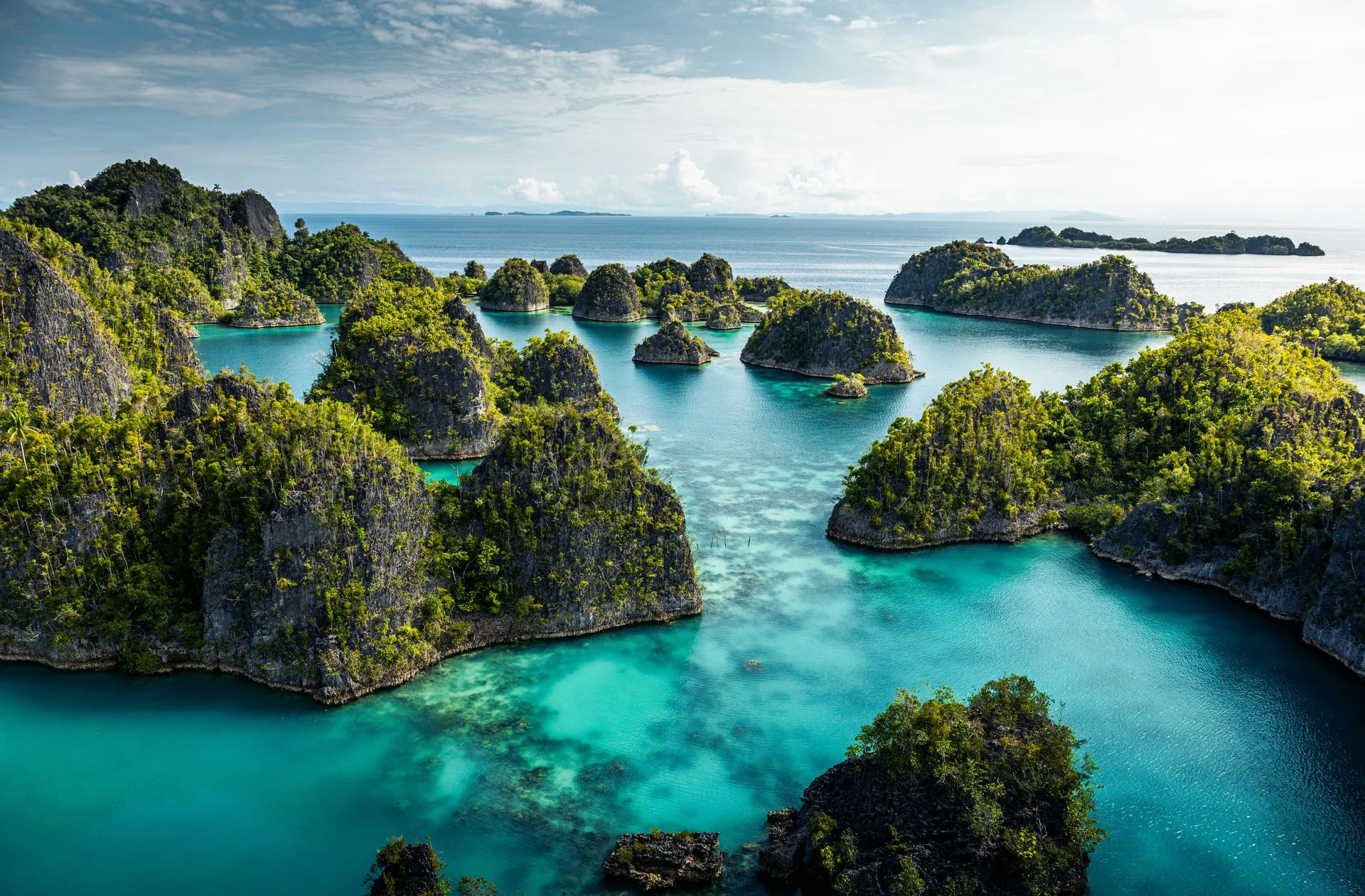
Raja Ampat
Raja Ampat, the “Four Kings,” is an archipelago of more than 1,500 islands at the edge of Indonesian West Papua. Its reefs sit in the heart of the Coral Triangle, where Pacific currents funnel nutrients into shallow seas and feed the world’s richest marine biodiversity. Diving here means gliding over colourful walls and coral gardens buzzing with more than 550 species of hard and soft corals and an estimated 1,500 fish species. You’ll meet blacktip and whitetip reef sharks on almost every dive, witness giant trevally and dogtooth tuna hunting schools of fusiliers, and encounter wobbegong “carpet” sharks, turtles, manta rays and dolphins. From cape pinnacles swarming with life to calm bays rich in macro critters, Raja Ampat offers endless variety. Above water, karst limestone islands and emerald lagoons provide spectacular scenery between dives.
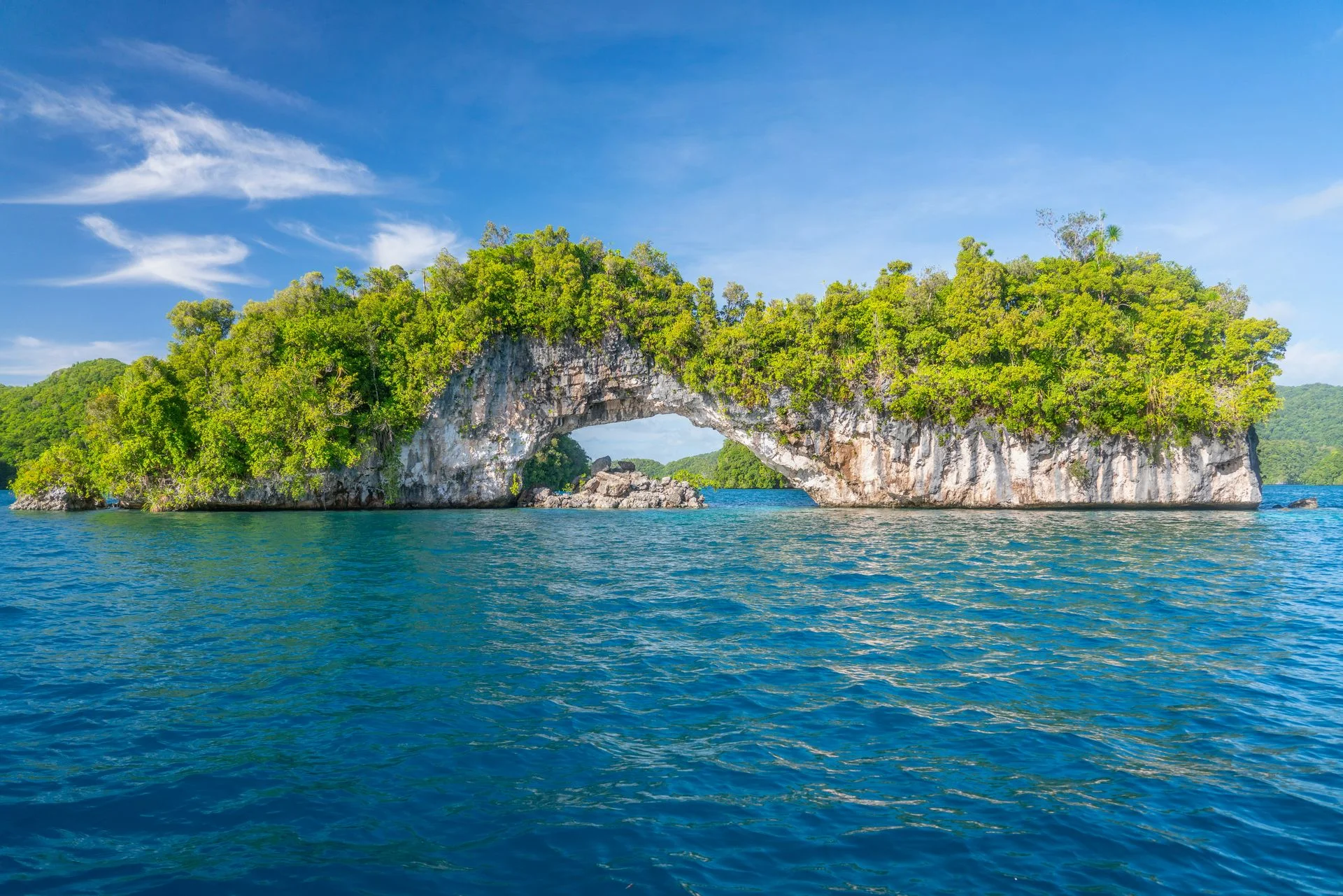
Palau
Rising out of the western Pacific at the meeting point of two great oceans, Palau is an archipelago of more than 500 jungle‑cloaked islands and limestone rock pinnacles. Its barrier reef and scattered outcrops create caverns, walls, tunnels and channels where nutrient‑rich currents sweep in from the Philippine Sea. These flows feed carpets of hard and soft corals and attract vast schools of jacks, barracudas and snappers, as well as an impressive cast of pelagics. Grey reef and whitetip sharks parade along the legendary Blue Corner; manta rays glide back and forth through German Channel’s cleaning stations; and Ulong Channel offers a thrill‑ride drift over giant clams and lettuce corals. Between dives you can snorkel among non‑stinging jellyfish in Jellyfish Lake or explore WWII ship and plane wrecks covered in colourful sponges.
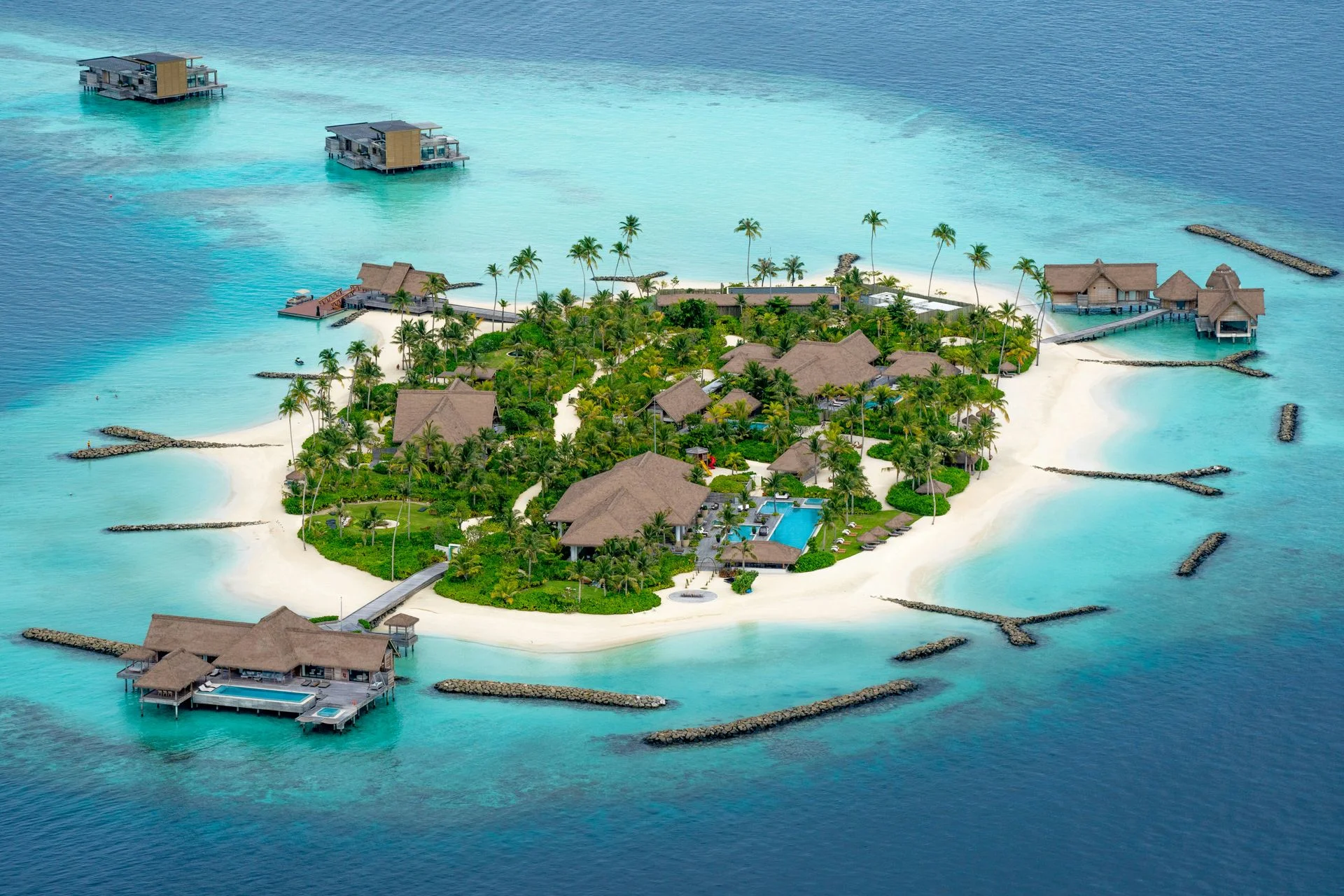
Maldives
Scattered across the Indian Ocean like strings of pearls, the Maldives’ 26 atolls encompass more than a thousand low‑lying islands, reefs and sandbanks. Beneath the turquoise surface are channels (kandus), pinnacles (thilas) and lagoons where powerful ocean currents sweep past colourful coral gardens. This nutrient‑rich flow attracts manta rays, whale sharks, reef sharks, schooling jacks, barracudas and every reef fish imaginable. Liveaboards and resort dive centres explore sites such as Okobe Thila and Kandooma Thila in the central atolls, manta cleaning stations in Baa and Ari, and shark‑filled channels like Fuvahmulah in the deep south. Diving here ranges from tranquil coral slopes to adrenalin‑fuelled drifts through current‑swept passes, making the Maldives a true pelagic playground.
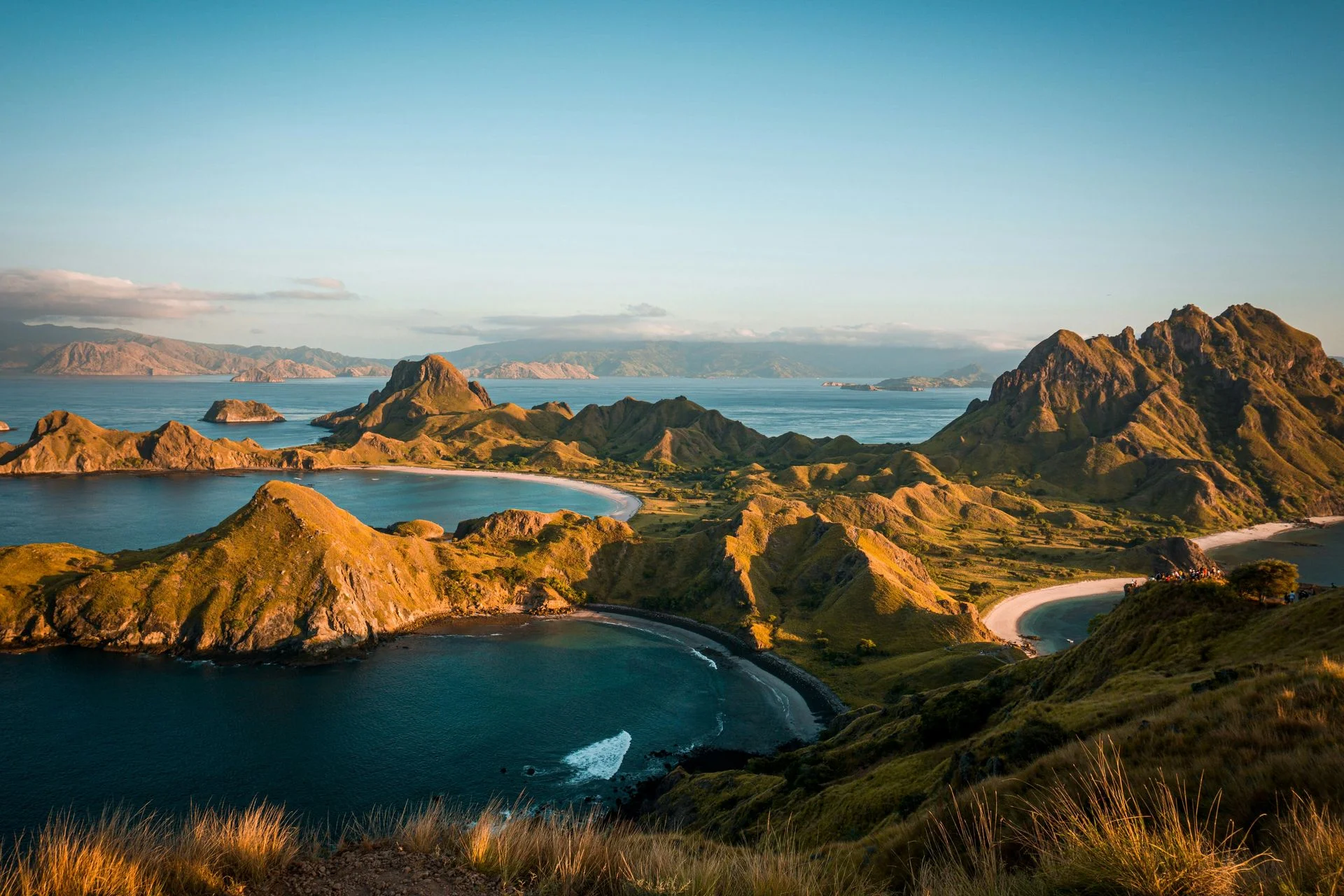
Komodo
Komodo National Park is a diver’s paradise full of marine diversity: expect healthy coral gardens, reef sharks, giant trevallies, countless schools of fish, and frequent manta ray sightings at sites like Manta Point and Batu Bolong. Drift dives and dramatic reef structures add excitement, while both macro lovers and big-fish fans will find plenty to love. Above water, the wild Komodo dragons roam, giving a touch of prehistoric wonder to the whole trip.
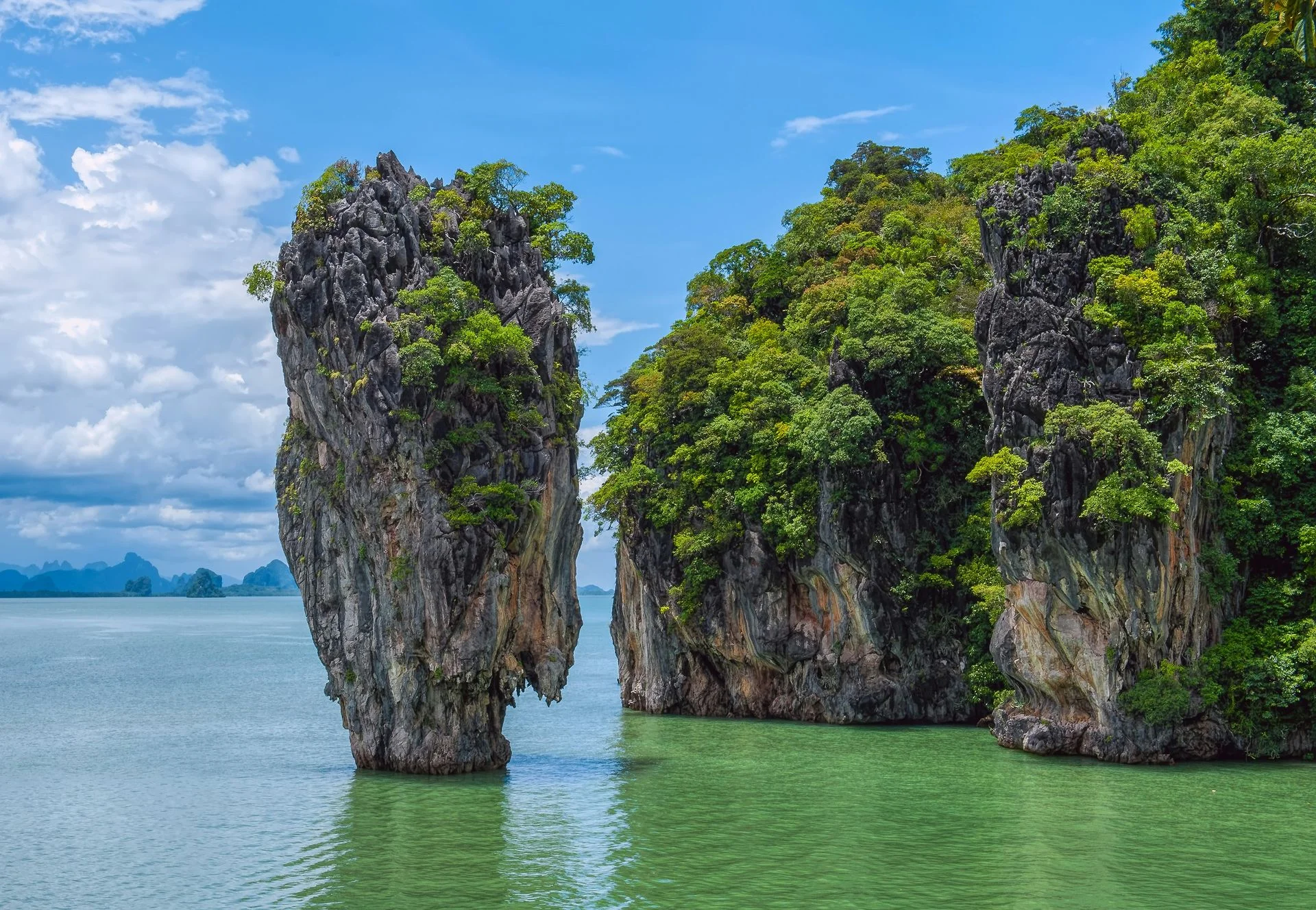
Phuket
Phuket is Thailand’s largest island and a gateway to the Andaman Sea’s best diving. While its beaches draw sun‑seekers, just offshore you’ll find coral slopes, granite pinnacles, dramatic walls and an intriguing shipwreck teeming with life. The nearby Racha islands offer year‑round clear water and easy dives, while to the east the King Cruiser ferry wreck, Shark Point, Anemone Reef and Koh Doc Mai deliver deeper currents, leopard sharks and superb soft corals. With a busy international airport and plenty of dive centres, Phuket is a convenient base for day trips and liveaboards further afield.
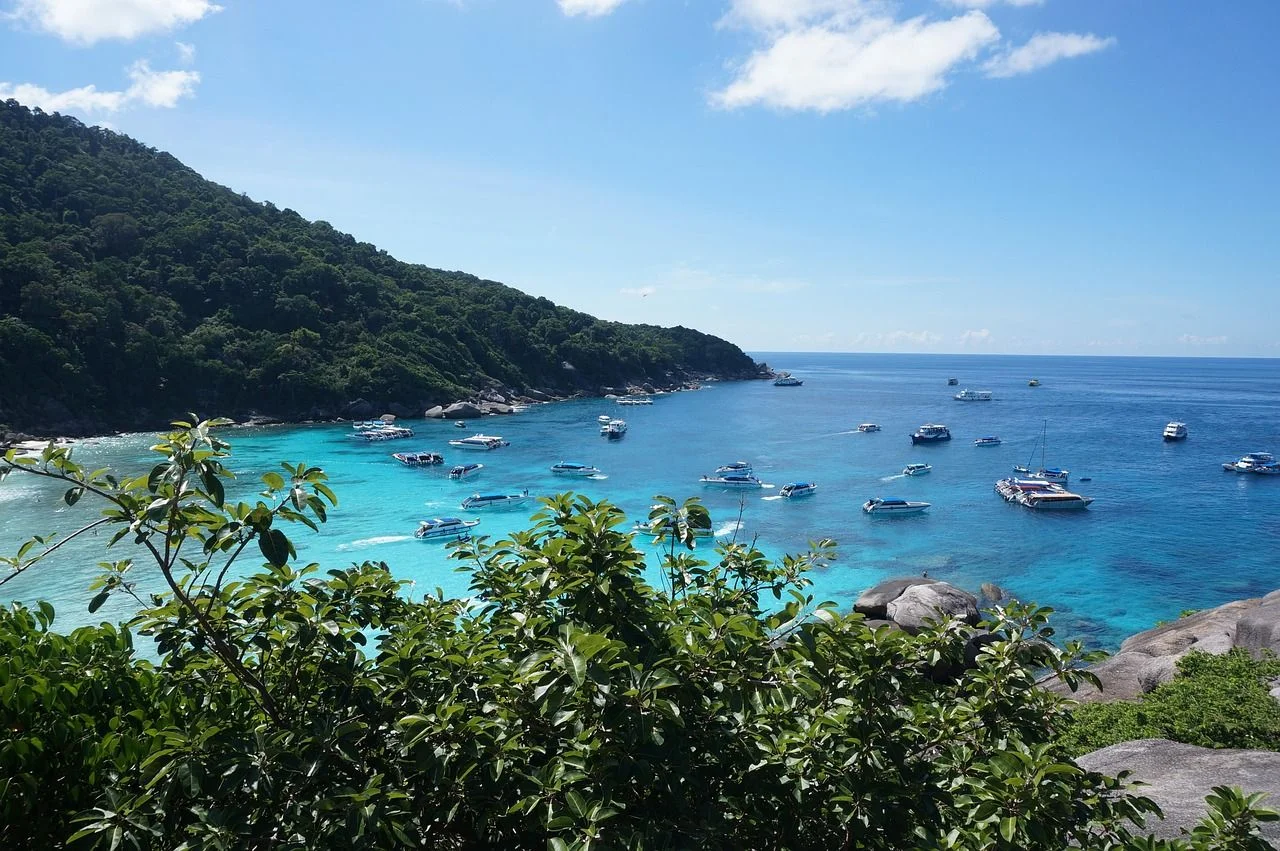
Similan
The Similan Islands are an archipelago of nine granite islands in the Andaman Sea off Thailand’s west coast, protected as part of Mu Ko Similan National Park. Underwater you’ll find dramatic boulder formations, swim‑throughs, coral gardens and drop‑offs teeming with life. Manta rays and whale sharks cruise by at sites like Richelieu Rock and Koh Tachai, while reef sharks, leopard sharks, turtles and swarming schools of fusiliers and trevally are common. The park is only open from mid‑October to mid‑May, when calm seas and clear water make for world‑class liveaboard trips or speedboat day tours.
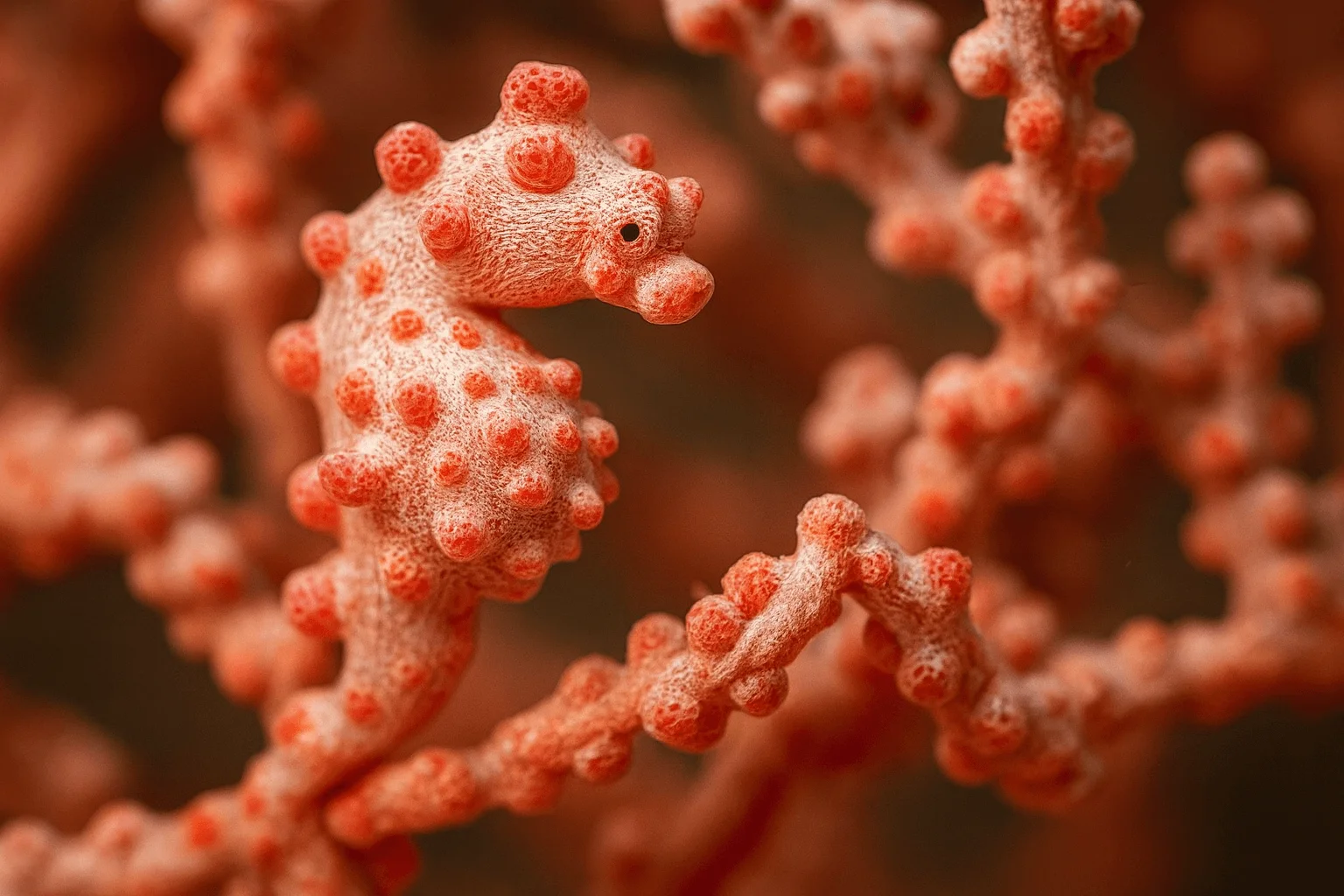
Anilao
Anilao, a small barangay in Batangas province just two hours south of Manila, is often called the macro capital of the Philippines. More than 50 dive sites fringe the coast and nearby islands, offering an intoxicating mix of coral‑covered pinnacles, muck slopes and blackwater encounters. Critter enthusiasts come for the legendary muck dives at Secret Bay and Anilao Pier, where mimic octopuses, blue‑ringed octopuses, wonderpus, seahorses, ghost pipefish, frogfish and dozens of nudibranch species lurk in the silt. Shallow reefs like Twin Rocks and Cathedral are covered in soft corals and teem with reef fish, while deeper sites such as Ligpo Island feature gorgonian‑covered walls and occasional drift. Because Anilao is so close to Manila and open year‑round, it’s the easiest place in the Philippines to squeeze in a quick diving getaway.
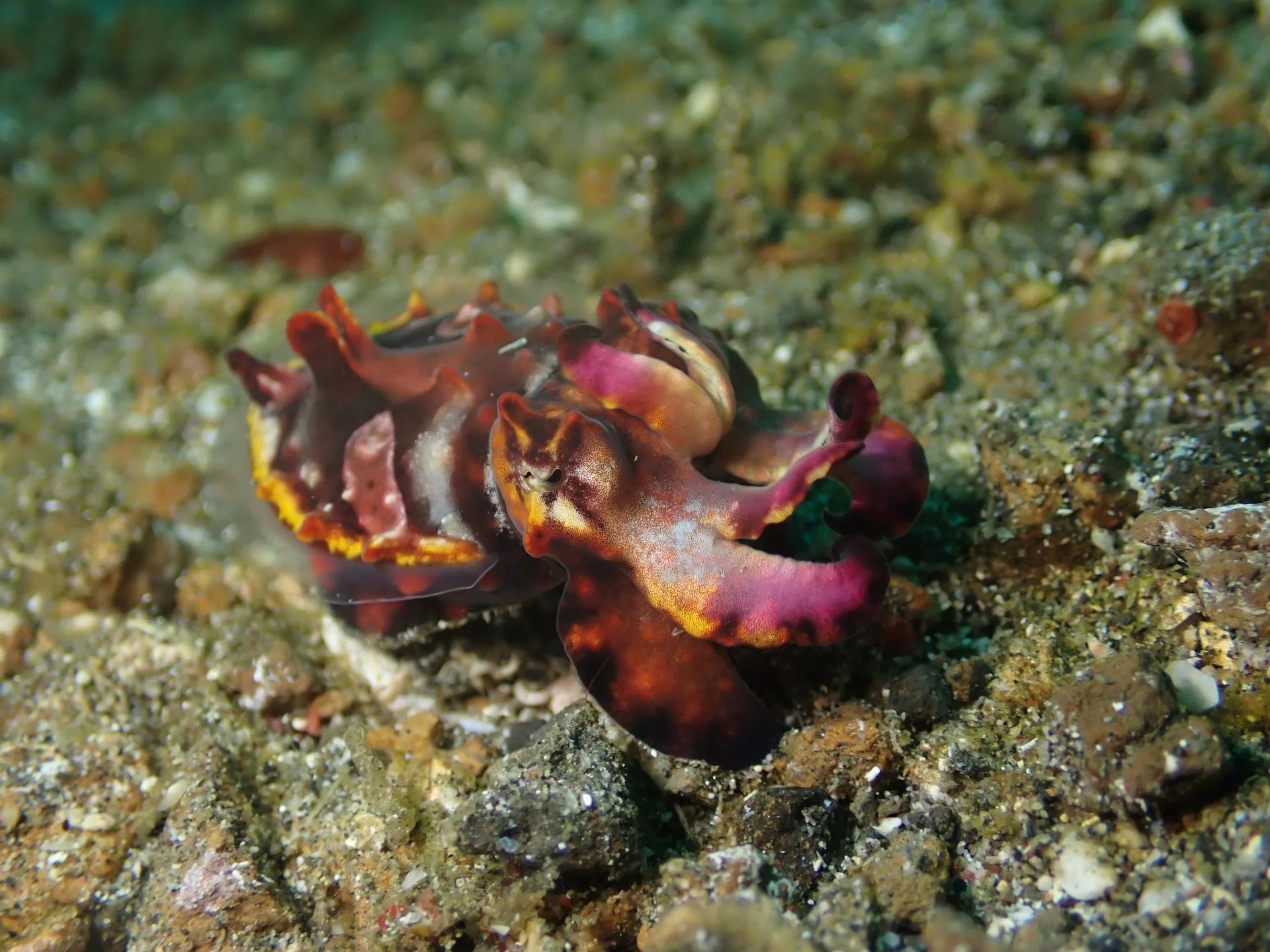
Lembeh
The Lembeh Strait in North Sulawesi has become famous as the muck‑diving capital of the world. At first glance its gently sloping seabed of black volcanic sand, rubble and discarded debris looks bleak. Look closer and it is teeming with weird and wonderful life: hairy and painted frogfish, flamboyant cuttlefish, mimic and blue‑ringed octopuses, ornate ghost pipefish, tiny seahorses, shrimp, crabs and a rainbow of nudibranchs. Most dives are shallow and calm with little current, making it an ideal playground for macro photographers. There are a few colourful reefs for a change of scenery, but Lembeh is all about searching the sand for critter treasures.
Great Barrier Reef
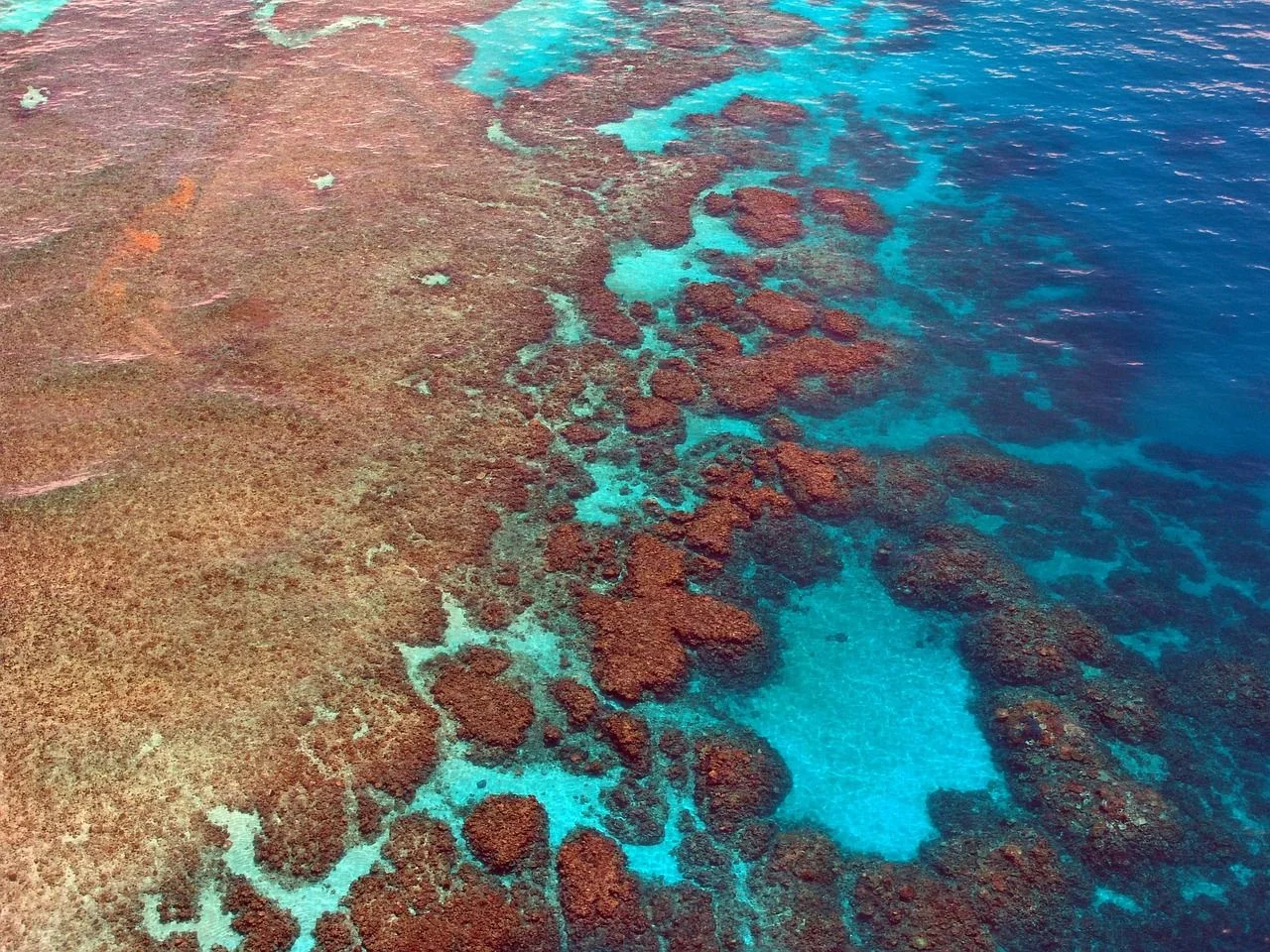
The Great Barrier Reef stretches for more than 2,300 km along Australia’s Queensland coast and is Earth’s largest coral ecosystem. With over 2,900 individual reefs, hundreds of islands, and a staggering diversity of marine life, it’s a bucket‑list destination for divers. Outer reef walls, coral gardens and pinnacles support potato cod, giant trevallies, reef sharks, sea turtles, manta rays and even visiting dwarf minke and humpback whales. Divers can explore historic wrecks like the SS Yongala, drift along the coral‑clad walls of Osprey Reef or mingle with friendly cod at Cod Hole. Whether you’re a beginner on a day trip from Cairns or an experienced diver on a remote liveaboard, the Great Barrier Reef offers unforgettable underwater adventures.
Fiji
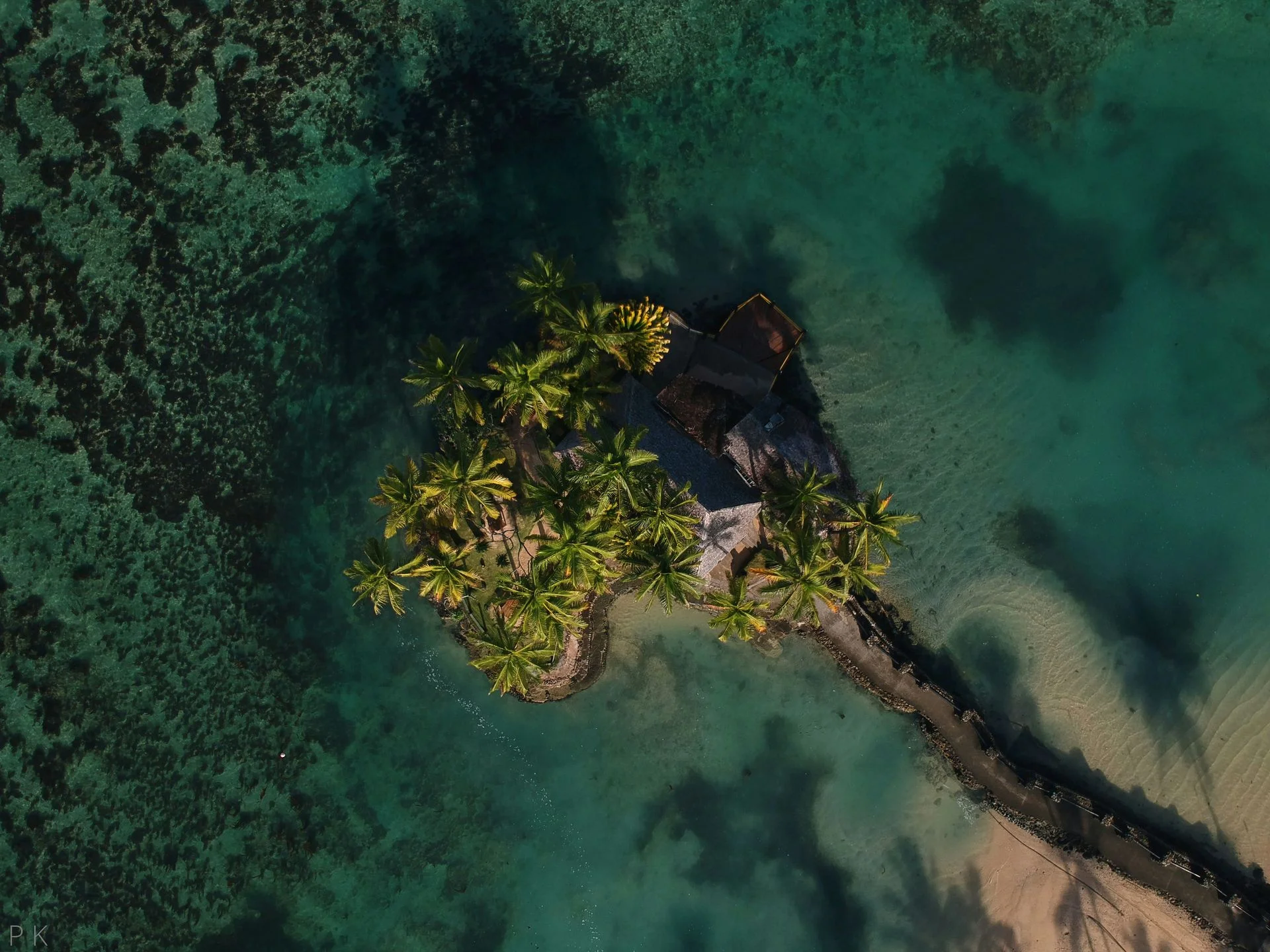
Fiji sits like a necklace of more than 300 inhabited islands and 500 smaller islets in the heart of the South Pacific. Jacques Cousteau dubbed it the “soft coral capital of the world” for good reason – nutrient‑rich currents wash over sloping reefs, walls and bommies that erupt in shades of pink, purple, orange and yellow. The country’s dive sites range from kaleidoscopic coral gardens and pinnacles in the Somosomo Strait to shark dives in Beqa Lagoon, and remote passages in Bligh Water and the Koro Sea. Schools of barracuda, trevally and surgeonfish cruise above while manta rays, turtles, bull sharks and occasionally hammerheads glide past. Friendly locals and a relaxed island vibe make Fiji a favourite for both adventurous liveaboard trips and leisurely resort‑based diving.