
Spanish Dancer
Hexabranchus sanguineus
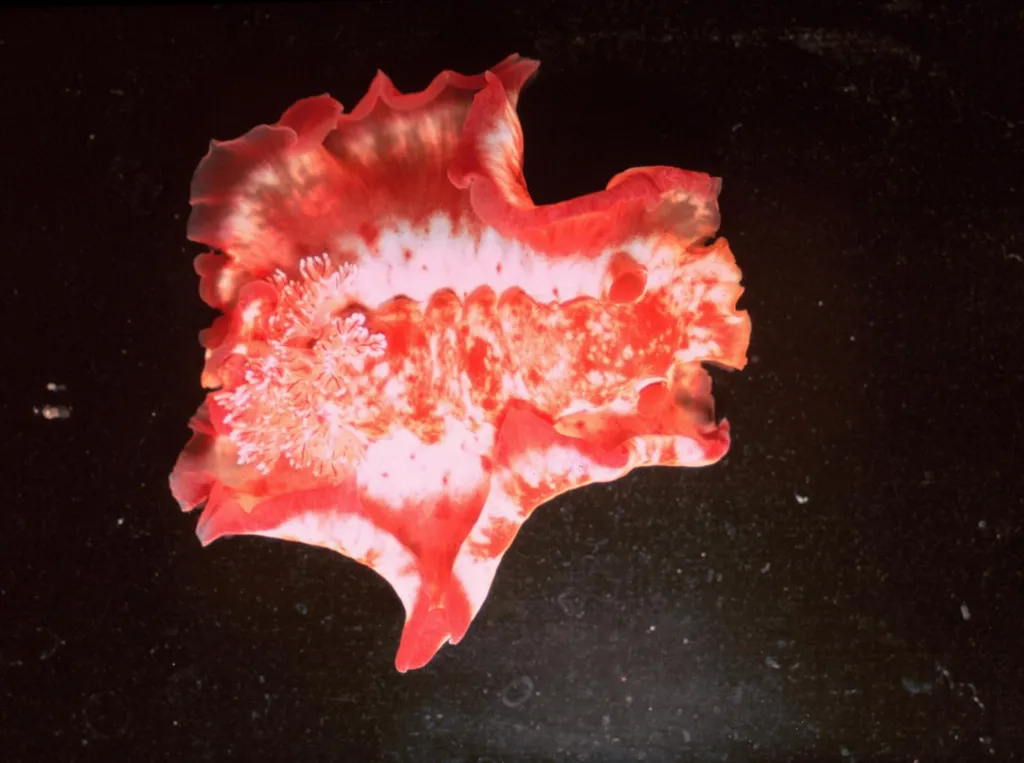
Photo by Dr. James P. McVey via Wikimedia Commons
The Spanish Dancer (Hexabranchus sanguineus) is the Indo-Pacific's flamboyant answer to "nudibranchs are tiny"—a soft, flattened dorid that can span a forearm and still look like it belongs on a night-dive torch beam. Crawl mode is almost modest: mantle edges rolled up, rhinophores out, six contractile gills planted on the rear dorsum. Provoke or flush it and the show starts—margins flare, the body flexes in dorso-ventral waves, and the whole animal swims away like a flamenco skirt in current. That swimming escape is the namesake; the blood-red palette is the billboard. Recent work treats the old "one Spanish dancer" story as a species complex, so field logs are often best left as Hexabranchus / Spanish dancer morph until a taxonomist weighs in. For divers, the practical story is simpler: night reefs with sponges, patient torch work, and a wide-angle option when the subject decides to dance.
🔬Classification
📏Physical Features
🌊Habitat Info
⚠️Safety & Conservation
Identification Guide
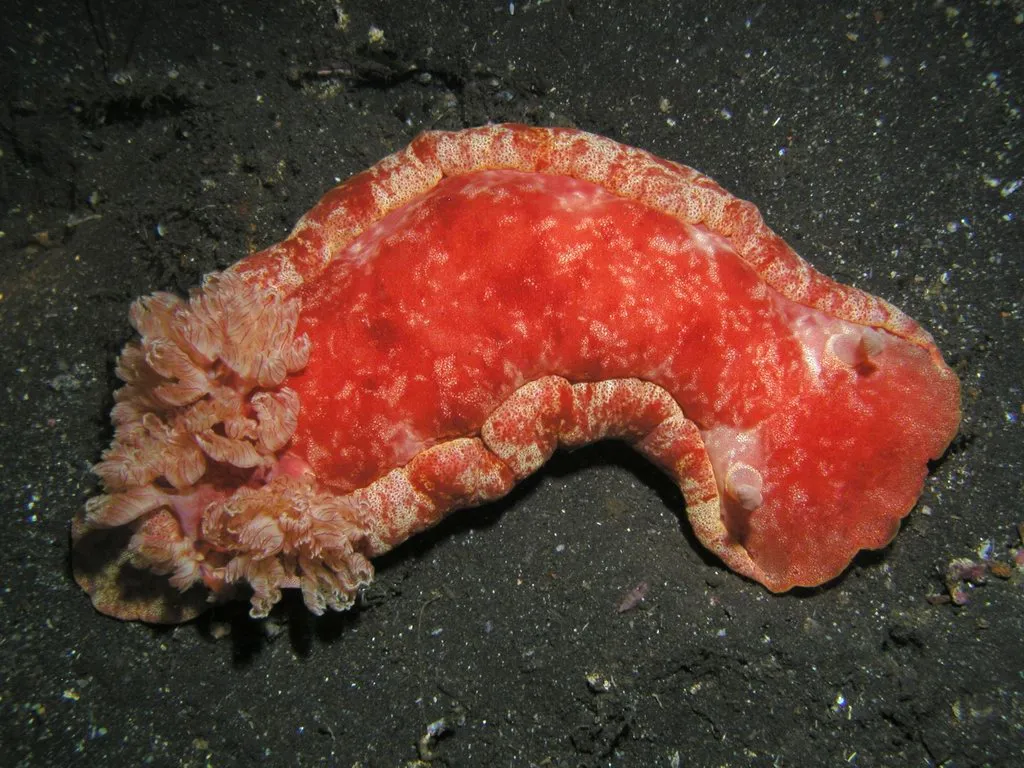
Photo by Chika Watanabe from Los Altos / CC BY 2.0 via Wikimedia Commons
Think huge dorid, not chromodorid lipstick-and-ridge.
Size & silhouette
- Soft, flattened body; often 20+ cm—orders of magnitude larger than typical reef nudis
- Pair of retractable rhinophores anteriorly
- Six independently inserted, contractile (not fully retractile) gill tufts toward the rear—namesake "hexa-branch"
Behavior cue
- Resting crawlers keep mantle margins curled up (peripheral "blister")
- Disturbed animals unfurl the skirt and swim with rhythmic body undulations
Color
- Crimson, scarlet, orange-red, often mottled; regional morphs vary widely across Red Sea to Pacific
- Bright red–pink spiral egg ribbons on rock/coral are a strong presence sign even when the adult hides
Confusions
- Other large dorids / Spanish-dancer complex members: treat as Hexabranchus morphs underwater unless you are doing serious taxonomy
- Swimming flatworms: different body plan, no rhinophores/gill bouquet of this type
Top 10 Fun Facts about Spanish Dancer
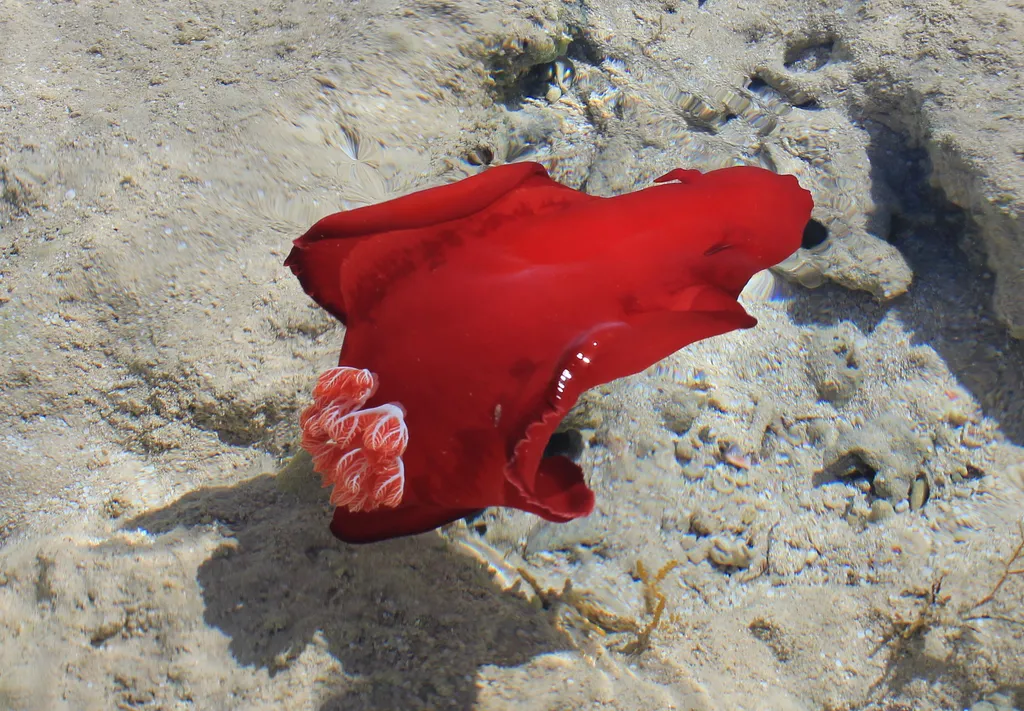
Photo by Kora27 / CC BY-SA 4.0 via Wikimedia Commons
1. Built to Swim, Not Just Crawl
Most nudibranchs stick to crawling; Hexabranchus can switch into a powered escape by unfurling the mantle and driving dorso-ventral waves. Divers who only know textbook "sea slug = slow" get surprised the first time one launches into open water mid-torch sweep.
2. The Name Is Literally Flamenco
Common name "Spanish dancer" comes from that swimming posture—mantle as a swirling skirt—not from Iberian range. Scientific sanguineus points at the blood-red look; Hexabranchus flags the six gill insertions.
3. Chemical Armor From Sponge Dinner
Diet centers on Halichondriidae sponges. The animal sequesters sponge macrolides and deploys them as deterrence. Bright color is aposematism: "I taste terrible / I'm chemically loaded."
4. Egg Ribbons Inherit the Toxins
Large pink-to-red spiral egg masses get parenteral toxin transfer. The ribbons look vulnerable; chemically they are not. Specialized egg-predators such as Favorinus spp. still target them anyway—an arms race worth knowing when you find ribbons without the parent nearby.
5. One Name, Several Species
A 2023 integrative revision shows Indo-Pacific "H. sanguineus" covered multiple species (plus Atlantic H. morsomus as a separate story). Dive logs saying "Spanish dancer" remain useful ecology notes even when species-level ID is muddy.
6. Emperor Shrimp Hitchhikers
The emperor shrimp Periclimenes imperator (and relatives) commonly rides Hexabranchus—mobile habitat and food scraps in one package. Macro shooters sometimes frame the shrimp first and miss the host's scale in wide context.
7. Day Ghost, Night Star
Photophobia rules: daytime finds are crevice/overhang animals; night dives dramatically raise encounter rates when they forage across sponges. Guides in North Sulawesi and Red Sea walls treat evening/night as the default search window.
8. Wide-Angle Macro Subject
At ~25 cm (and larger Red Sea stories), this is not a 1:1 only animal. A mid-range / mild wide setup captures dance sequences; pure 100 mm macro still works for rhinophores, gills, and shrimp guests.
9. Hermaphrodites With Big Spirals
Like other nudibranchs they are simultaneous hermaphrodites. Egg ribbon diameter scales with animal size—finding a dinner-plate spiral on a wall is a strong "dancer territory" signal for the next night dive.
10. Not a Contact Emergency
Defenses are chemical and dietary, not venomous spines or nematocyst batteries aimed at humans. Don't handle (stress + mucus + reef ethics), but unlike blue-ring or stonefish this is not a "one touch = ER" species—keep respectful distance and let it dance on its own terms.
Diving & Observation Notes
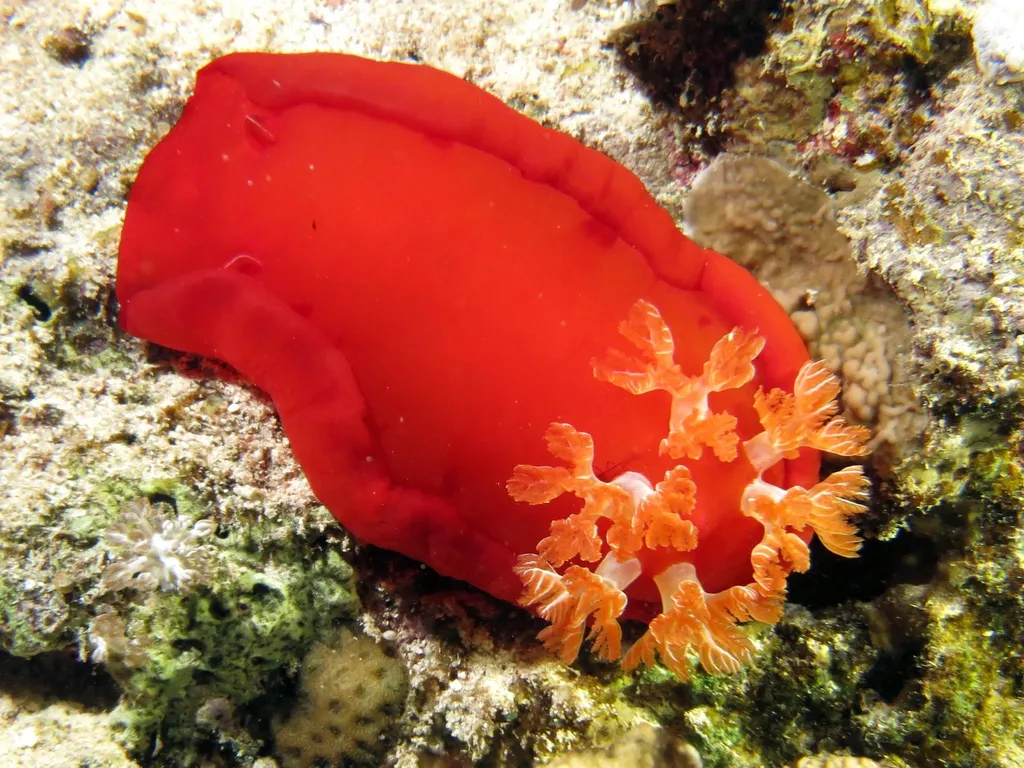
Photo by Jerome Paillet / CC BY 4.0 via Wikimedia Commons
🧭 Finding Spanish dancers
Prioritize dusk and night on sponge-bearing walls, slopes, and house reefs. Sweep torch light slowly across overhangs and crevice mouths by day if you must; expect incomplete views of tucked animals. In Red Sea destinations (e.g. Dahab, Sharm) and Indo-Pacific macro hubs (Bunaken, Lembeh, Anilao, Raja Ampat), ask local guides which night sites produce large dorids—not only chromodorids.
📷 Photography
- Keep a wider backup: swimming displays need space and continuous light
- For stillness: detail rhinophores, gill tufts, shrimp guests; watch silt when hovering low
- Avoid cornering the animal against rock to force a swim—wait for natural starts
🪸 Ethics & buoyancy
Soft body + crevice habitat = easy to crush with knees or tank strikes. Stay neutral, keep fins high, no handling. Egg ribbons are fauna too—don't peel them for "looks."
🗺️ Site mindset
Treat "Spanish dancer" as a regional morph / complex ticket. If your guide says "rare but possible," budget multiple nights rather than one muck roulette.
Best Places to Dive with Spanish Dancer
Dahab
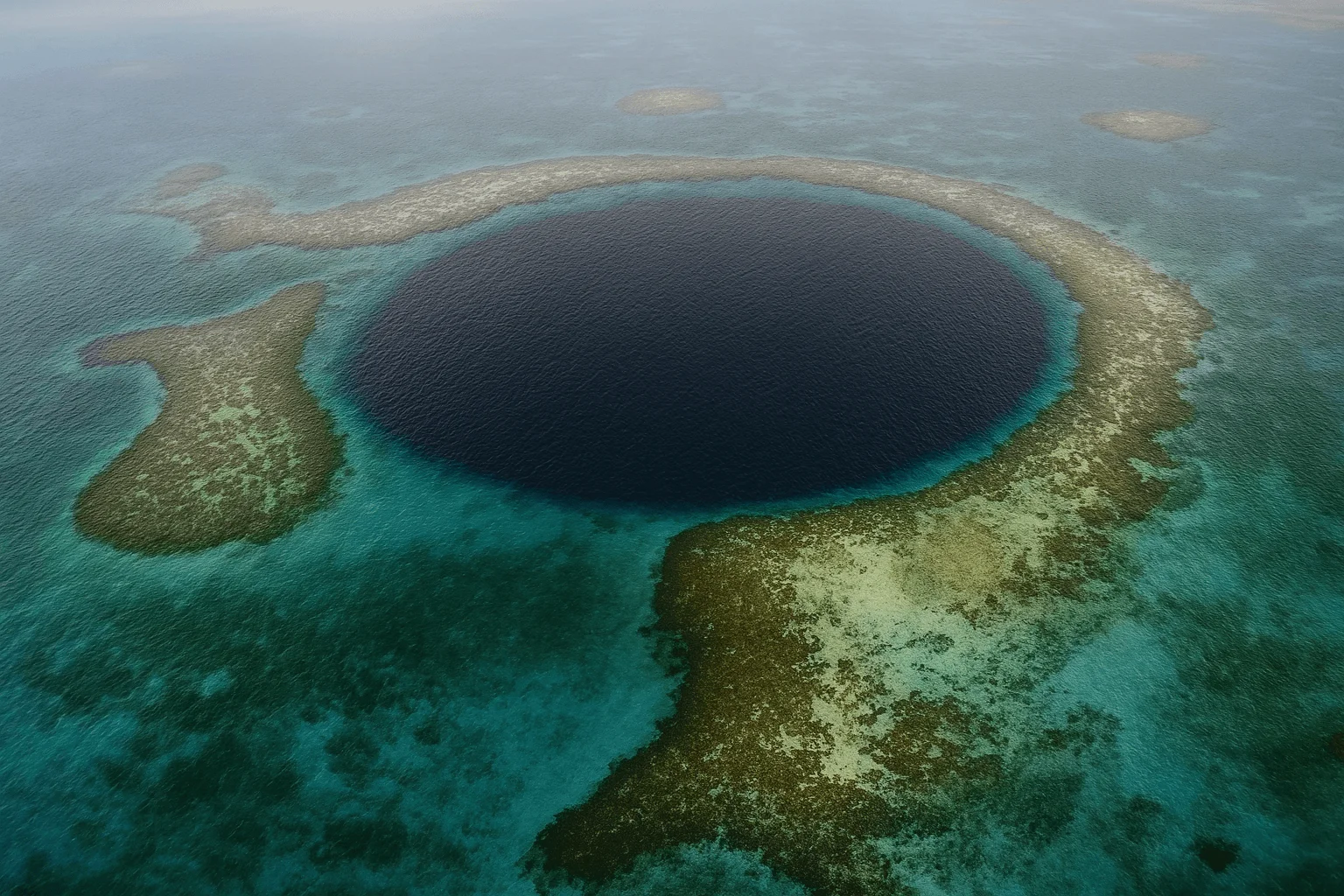
Dahab is a laid‑back Bedouin village on Egypt’s Sinai Peninsula that has become a magnet for divers and free divers alike. The fringing reef starts just a few metres from the beach, dropping into a coral‑covered plateau and steep walls cut by canyons and chimney‑like holes. From beginner‑friendly shore entries at Lighthouse and Coral Garden to the legendary Blue Hole and Canyon, Dahab offers reef gardens full of anthias, butterflyfish and turtles as well as thrilling drift dives and deep blue walls. Year‑round sunshine, clear desert air and a bohemian vibe make it easy to spend weeks exploring the many dive sites along the shoreline and by boat.
Sharm El Sheikh
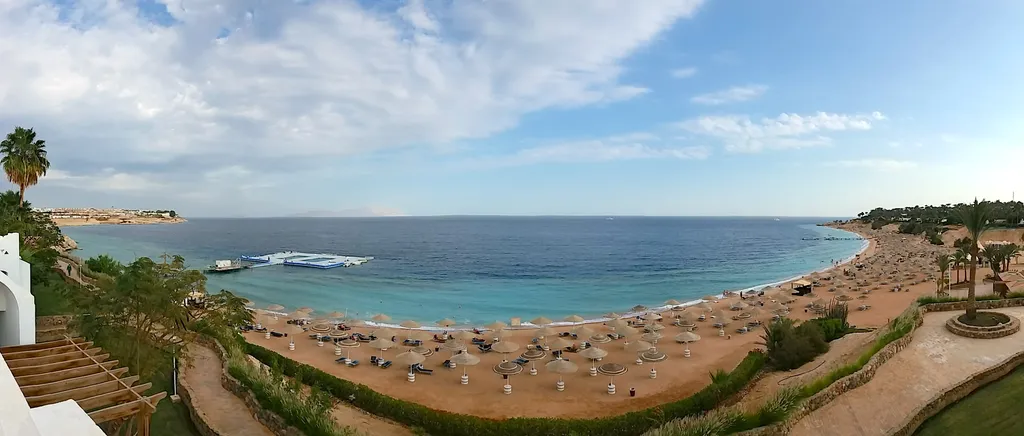
Sharm El Sheikh sits at the southern tip of Egypt's Sinai Peninsula and functions as the Red Sea's busiest dive hub for good reason. Day boats run south to Ras Mohammed National Park—walls, current-swept pinnacles and the famous Shark Reef–Yolanda Reef double drop—and north through the Straits of Tiran past four reef towers where hammerheads patrol in season. Wreck divers book the early alarm for SS Thistlegorm, one of the world's great WWII cargo dives, and the coral-encrusted SS Dunraven on calmer days. Closer to Naama Bay and Sharks Bay, house reefs like Ras Um Sid, the Gardens and Temple deliver easy boat dives between the big-ticket runs. Visibility routinely clears 20 m, reefs are healthy by Red Sea standards, and the resort strip makes logistics painless: gear on, coffee, two-tank boat, back for lunch.
Bunaken
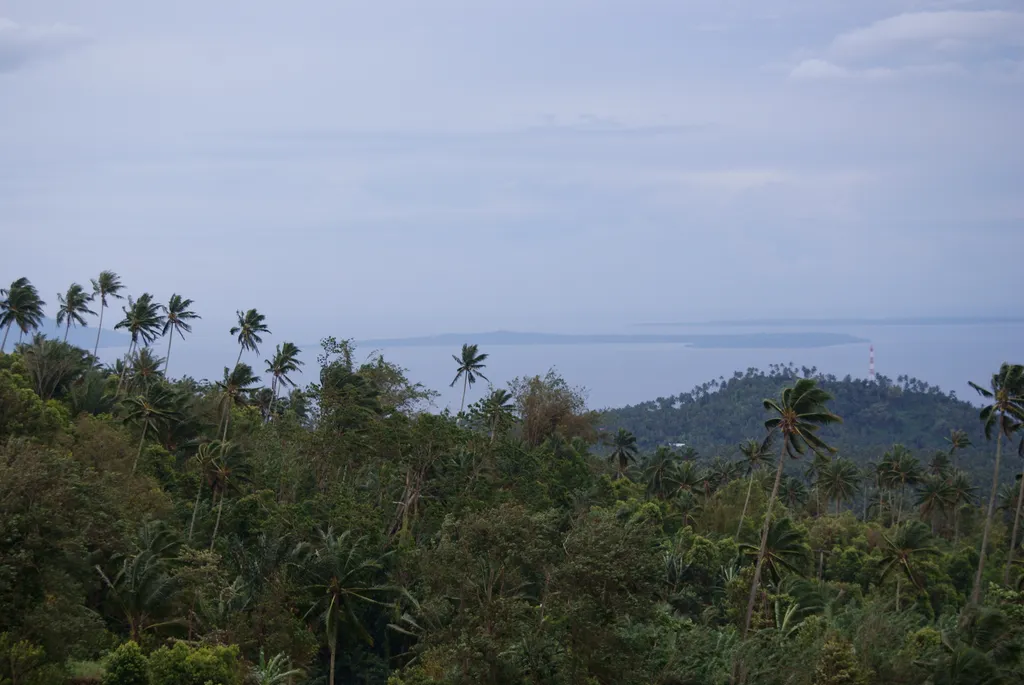
Bunaken National Park is wall-diving country: five volcanic islands—Bunaken, Manado Tua, Siladen, Mantehage, and Nain—ringed by drop-offs that fall from snorkel depth into hundreds of metres of blue. This is not the muck slopes of the Manado mainland; it is vertical reef, drift lines, and current-fed fish schools. The signature move is simple—roll off the boat at Lekuan or Muka Kampung, swim the shallow turtle flats, then hang on the wall while pyramid butterflyfish, fusiliers, and Napoleon wrasse stream past. Reef sharks patrol the corners, eagle rays cruise the blue, and barrel sponges the size of oil drums frame every wide-angle shot. Warm 27–29°C water, park protection since 1991, and island resorts that put you on the first boat at 08:00 make Bunaken the classic North Sulawesi wall trip—fly into MDC, transfer to the strait, and live on the reef for a week.
Lembeh
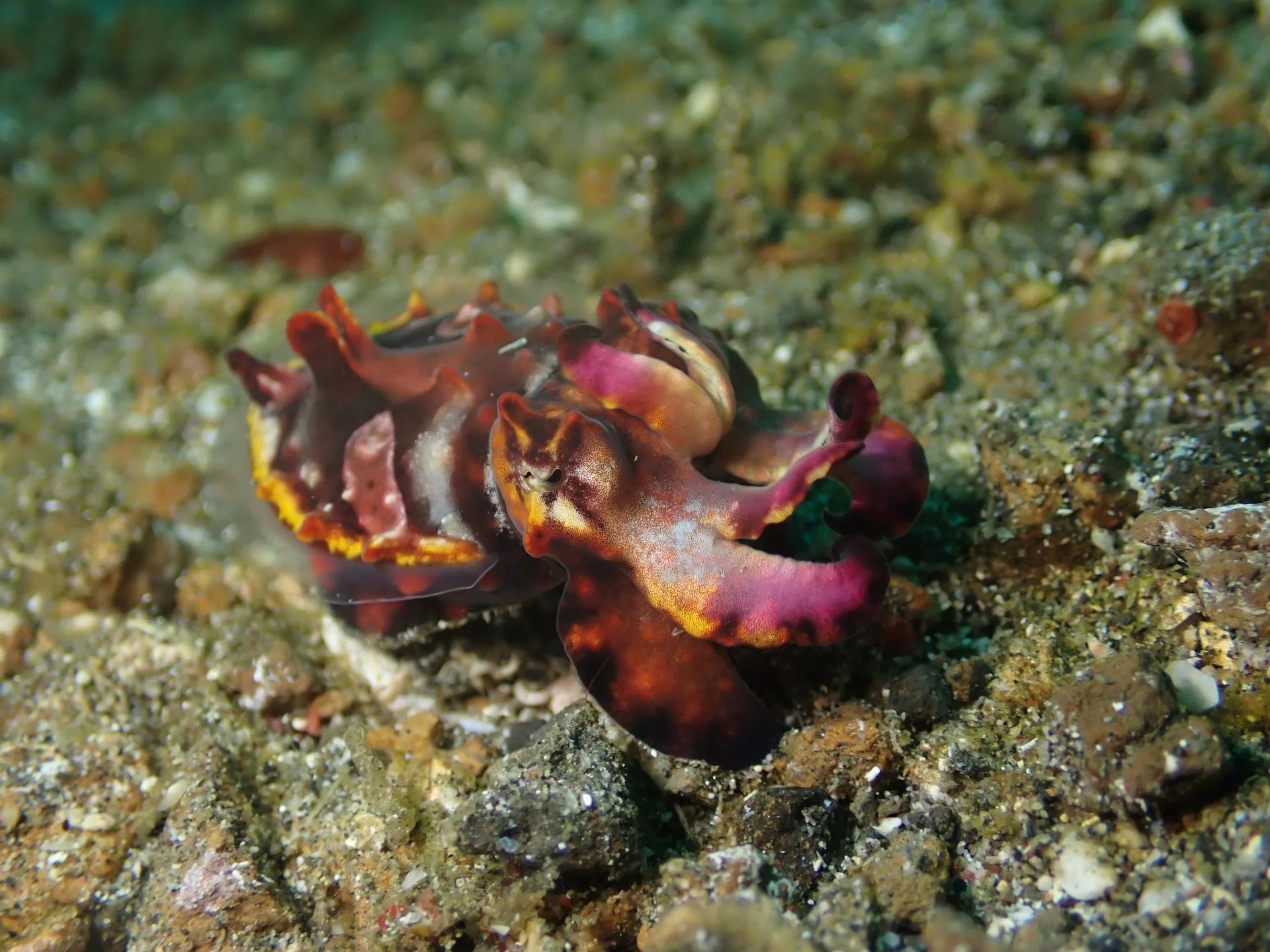
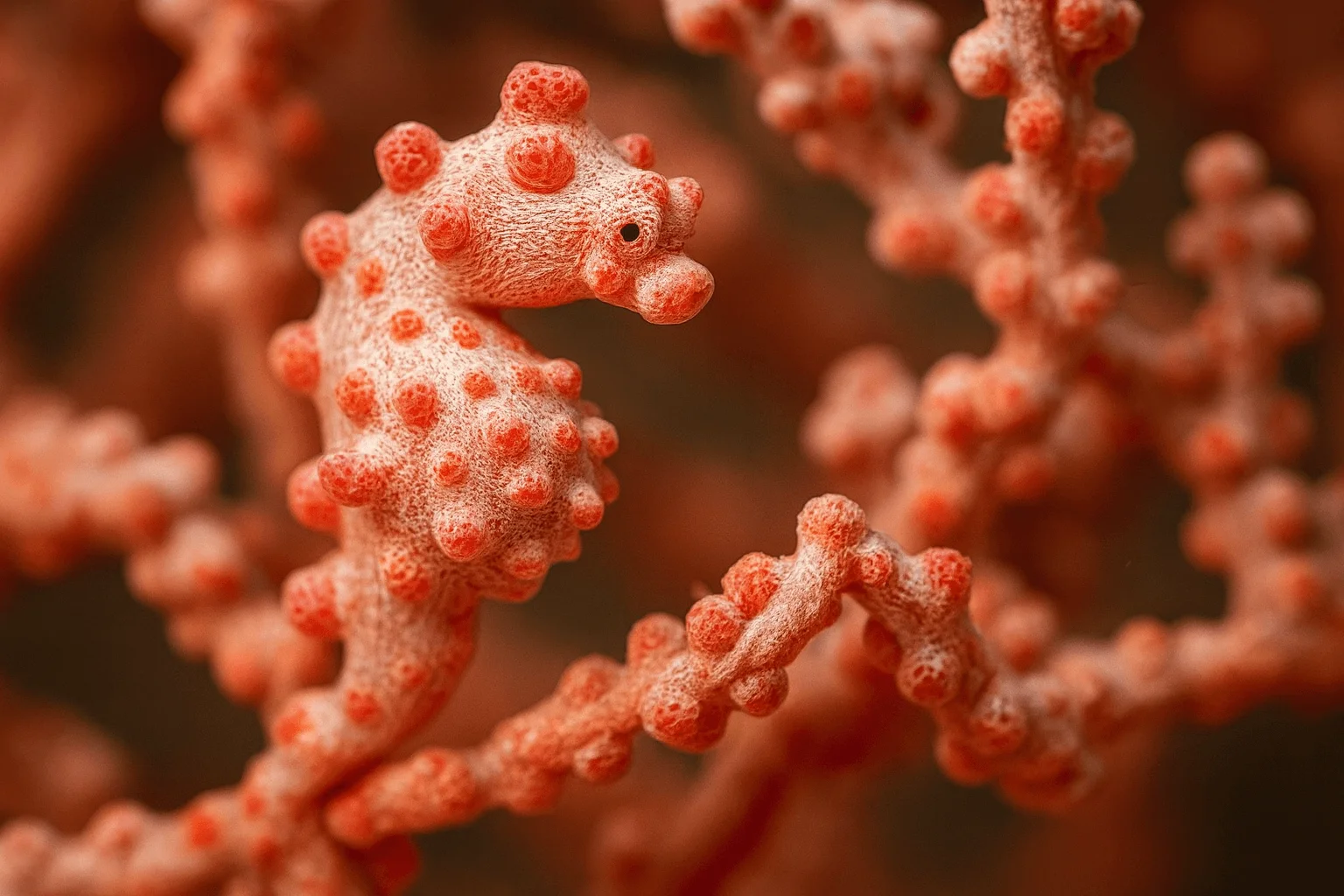
The Lembeh Strait in North Sulawesi has become famous as the muck‑diving capital of the world. At first glance its gently sloping seabed of black volcanic sand, rubble and discarded debris looks bleak. Look closer and it is teeming with weird and wonderful life: hairy and painted frogfish, flamboyant cuttlefish, mimic and blue‑ringed octopuses, ornate ghost pipefish, tiny seahorses, shrimp, crabs and a rainbow of nudibranchs. Most dives are shallow and calm with little current, making it an ideal playground for macro photographers. There are a few colourful reefs for a change of scenery, but Lembeh is all about searching the sand for critter treasures.
Anilao
Anilao, a small barangay in Batangas province just two hours south of Manila, is often called the macro capital of the Philippines. More than 50 dive sites fringe the coast and nearby islands, offering an intoxicating mix of coral‑covered pinnacles, muck slopes and blackwater encounters. Critter enthusiasts come for the legendary muck dives at Secret Bay and Anilao Pier, where mimic octopuses, blue‑ringed octopuses, wonderpus, seahorses, ghost pipefish, frogfish and dozens of nudibranch species lurk in the silt. Shallow reefs like Twin Rocks and Cathedral are covered in soft corals and teem with reef fish, while deeper sites such as Ligpo Island feature gorgonian‑covered walls and occasional drift. Because Anilao is so close to Manila and open year‑round, it’s the easiest place in the Philippines to squeeze in a quick diving getaway.
Raja Ampat
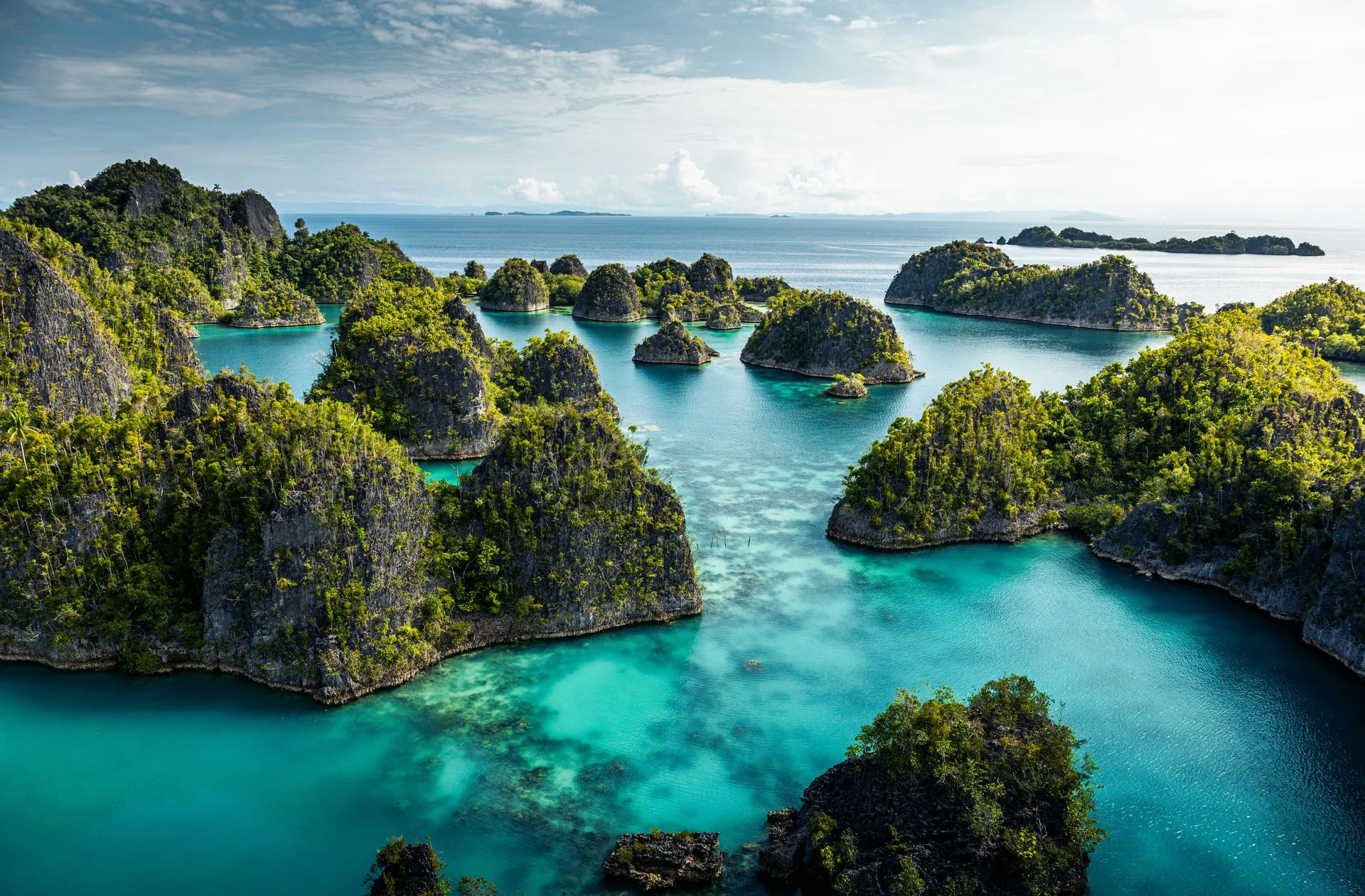
Raja Ampat, the “Four Kings,” is an archipelago of more than 1,500 islands at the edge of Indonesian West Papua. Its reefs sit in the heart of the Coral Triangle, where Pacific currents funnel nutrients into shallow seas and feed the world’s richest marine biodiversity. Diving here means gliding over colourful walls and coral gardens buzzing with more than 550 species of hard and soft corals and an estimated 1,500 fish species. You’ll meet blacktip and whitetip reef sharks on almost every dive, witness giant trevally and dogtooth tuna hunting schools of fusiliers, and encounter wobbegong “carpet” sharks, turtles, manta rays and dolphins. From cape pinnacles swarming with life to calm bays rich in macro critters, Raja Ampat offers endless variety. Above water, karst limestone islands and emerald lagoons provide spectacular scenery between dives.
Hawaii
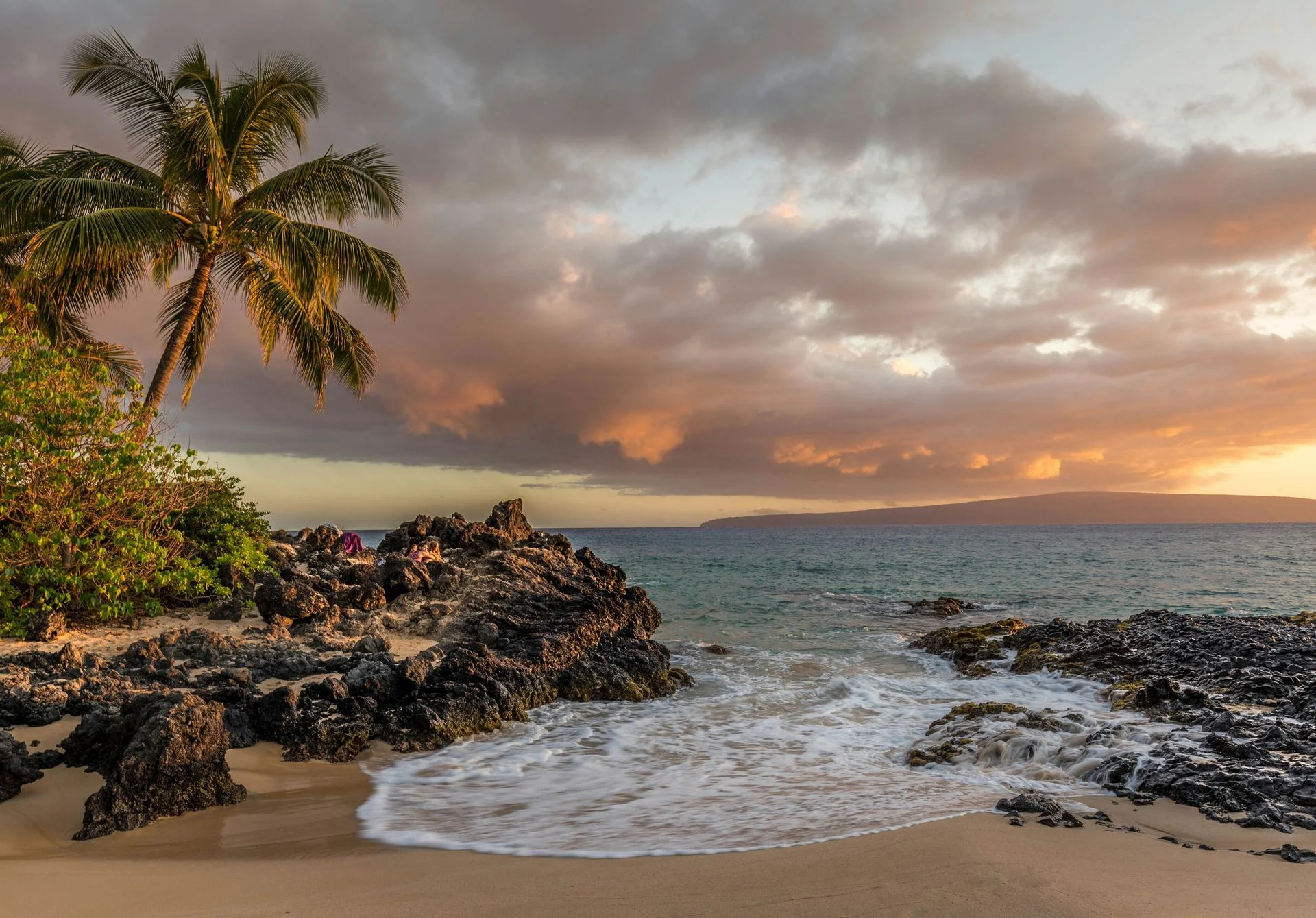
The Hawaiian Islands sit in the central Pacific and offer some of the United States’ most diverse diving. Each island has its own character: Oʻahu features WWII wrecks like the YO‑257 and Sea Tiger; Maui boasts the crescent‑shaped Molokini Crater and drift dives along Lānaʻi’s cathedral‑like caverns; the Big Island’s Kona coast is famed for lava tubes, black water pelagic dives and the world‑renowned manta‑ray night dive; Kauaʻi and Niʻihau offer lava arches, monk seals and dramatic drop‑offs. Water is warm year‑round and visibility regularly exceeds 25 m, making Hawaii ideal for both beginners and experienced divers. You’ll see green sea turtles, reef sharks, manta rays, dolphins and humpback whales in season, along with endemic fish found nowhere else on earth.
Great Barrier Reef
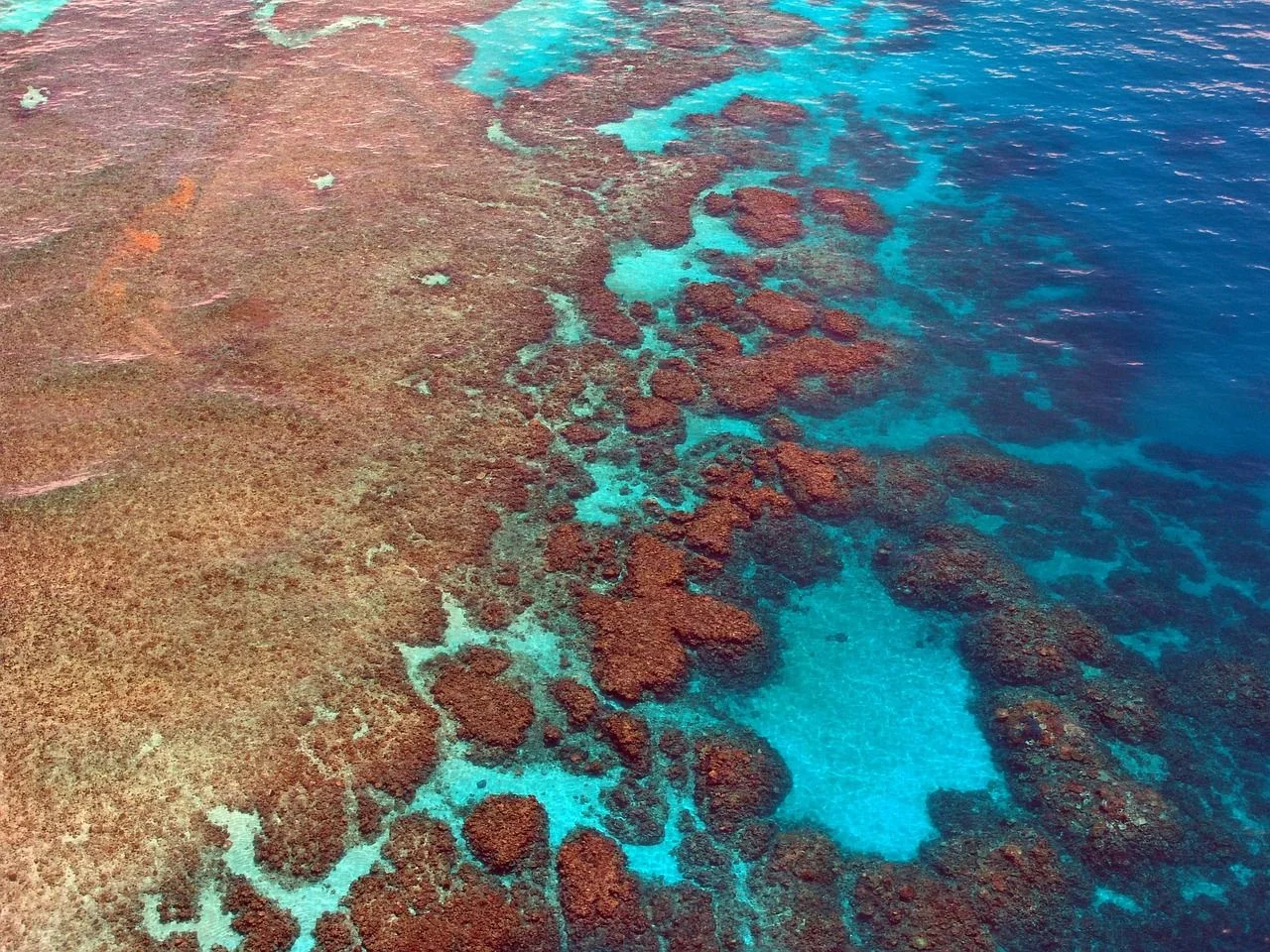
The Great Barrier Reef stretches for more than 2,300 km along Australia’s Queensland coast and is Earth’s largest coral ecosystem. With over 2,900 individual reefs, hundreds of islands, and a staggering diversity of marine life, it’s a bucket‑list destination for divers. Outer reef walls, coral gardens and pinnacles support potato cod, giant trevallies, reef sharks, sea turtles, manta rays and even visiting dwarf minke and humpback whales. Divers can explore historic wrecks like the SS Yongala, drift along the coral‑clad walls of Osprey Reef or mingle with friendly cod at Cod Hole. Whether you’re a beginner on a day trip from Cairns or an experienced diver on a remote liveaboard, the Great Barrier Reef offers unforgettable underwater adventures.