
Spiny Tiger Shrimp
Phyllognathia ceratophthalma
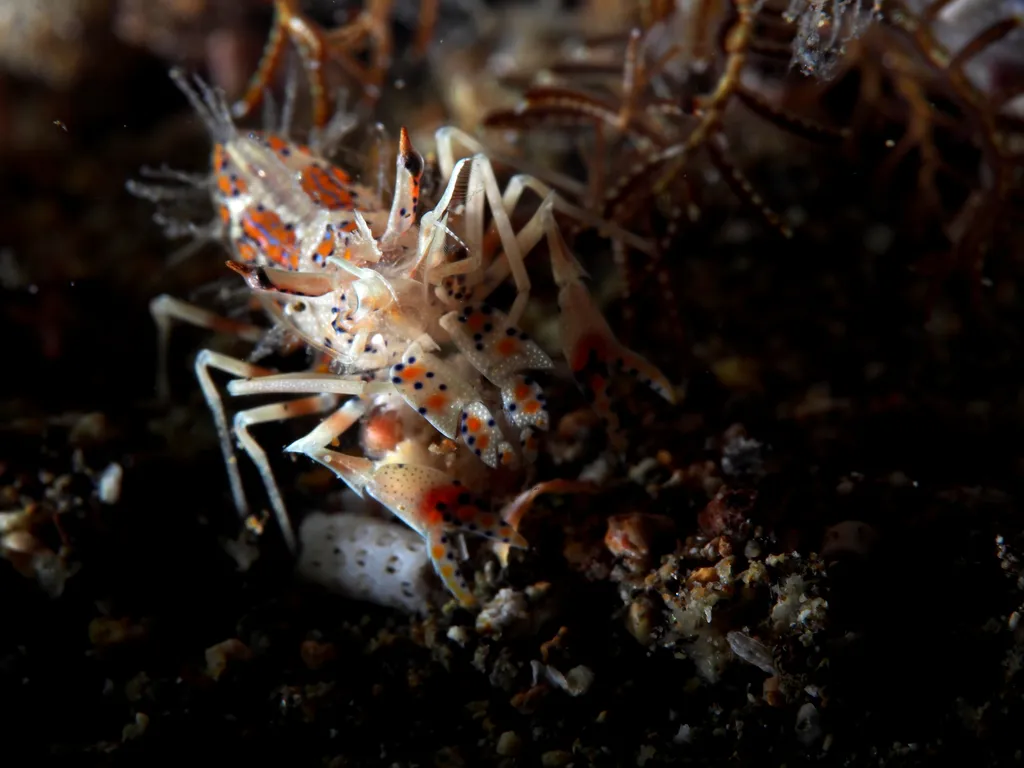
Photo by Rickard Zerpe / CC BY-SA 2.0 via Wikimedia Commons
Spiny tiger shrimp (Phyllognathia ceratophthalma) is the kind of find that separates a solid macro dive from a legendary one. At roughly 2 cm or less, it hides in sponge–rubble–algae mashups rather than posing on open sand. When a guide finally points one out—often a white body stitched with orange and blue, spiked if adult, horns tipping the eyestalks—you understand why Lembeh and Anilao veterans talk about it in the same breath as other top-tier crustaceans.
Also called bongo shrimp or horned bumblebee shrimp, it sits in Palaemonidae alongside harlequin shrimp relatives and shares the family habit of specializing on echinoderm prey. Field and aquarium literature once guessed diet vaguely; in situ work from Bali confirmed it as a brittle-star predator. For divers, that means habitat adjacency: where ophiuroids densify under rubble and sponge, your odds tick up—then you still need eyes trained for a postage-stamp animal that bolts into a crack the second you edge too close.
🔬Classification
📏Physical Features
🌊Habitat Info
⚠️Safety & Conservation
Identification Guide
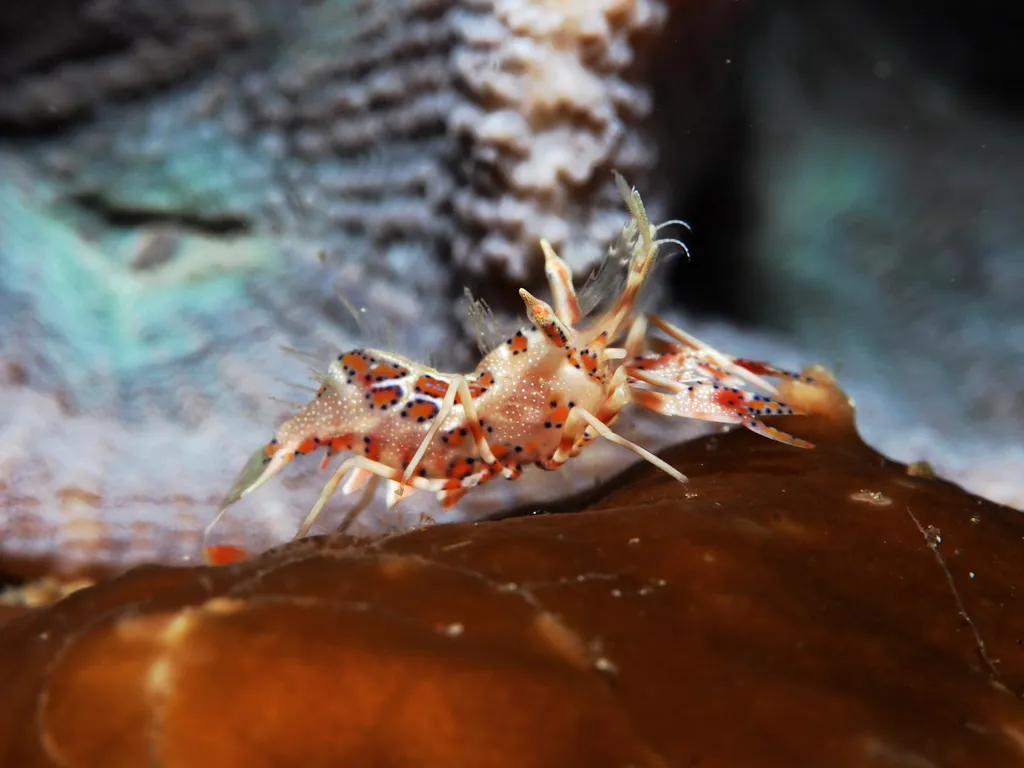
Photo by Rickard Zerpe / CC BY-SA 2.0 via Wikimedia Commons
Size & silhouette
- Tiny: ≤2 cm, often closer to 1 cm on juveniles
- Elongate palaemonid shrimp body; adults develop scattered spines and horn-like projections above the eyes (ceratophthalma = horned eye)
Color pattern
- Base pale white to translucent
- Distinct orange and blue markings—more high-contrast mosaic than vague mottling
- Juveniles softer/less spiny; claws may show only faint orange tips
Confusion species
- Not a harlequin shrimp: no flattened purple/white "paint" pattern or seastar-host lifestyle
- Not a true bumblebee shrimp (Gnathophyllum): tiger shrimp’s horns, spines, and orange–blue scheme are the quick tell
- Congener Phyllognathia simplex is rarer in dive chatter and differently marked—treat local guide ID as authoritative when unsure
Where the animal sits
- Inside sponge folds, under loose rubble, in algal mats—not marching across bare black sand
- Often pairs or small groups sharing the same cryptic patch
Top 10 Fun Facts about Spiny Tiger Shrimp
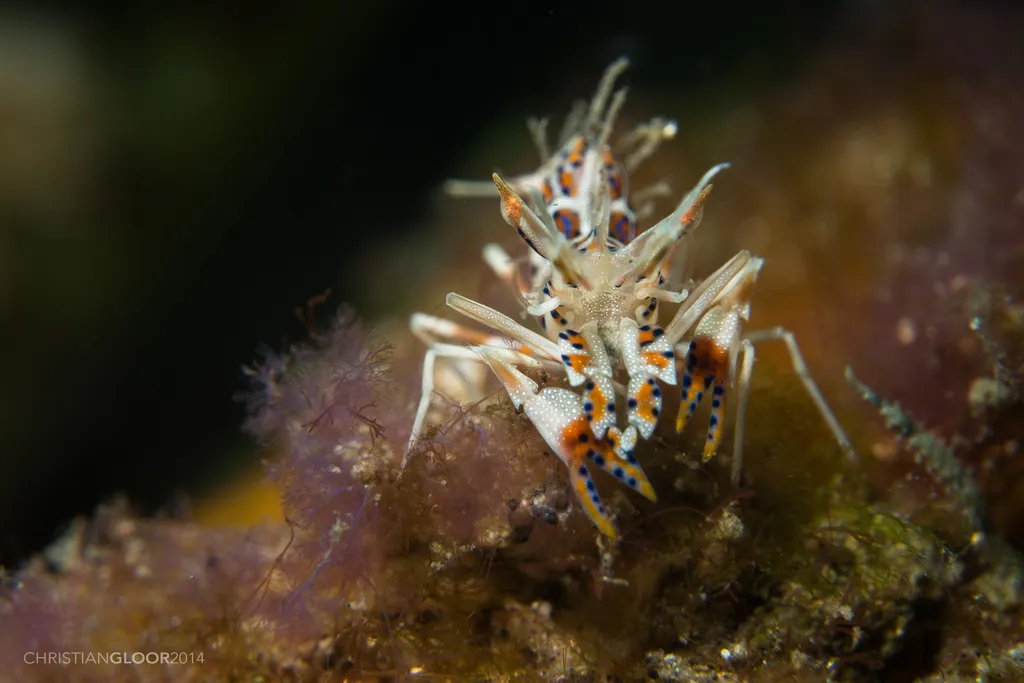
Photo by Christian Gloor from Wakatobi Dive Resort / CC BY 2.0 via Wikimedia Commons
1. Postage-Stamp Size, Billboard Pattern
Maximum length is about 2 cm, yet the orange–blue mosaic reads far larger through a macro lens. That mismatch is why first-time shooters often underexpose the whites and blow the oranges—treat it as a high-dynamic-range subject, not a flat "orange shrimp."
2. Horned Eyes Are a Field Mark, Not Decoration
The species name ceratophthalma points to horn-like ornaments above the eyes. On larger adults those spines and horns help separate it from soft-bodied juveniles and from lookalike palaemonids at a glance.
3. Cryptic by Default
Guides describe it as quick to hide and rare even in Lembeh. Prefer rubble, sponge, algae, and broken coral—often an encrusted mix. If your search strategy is "scan open sand only," you will miss it all week.
4. Brittle-Star Specialist
In situ observations from Bali documented P. ceratophthalma capturing and eating brittle stars (including Ophiactis savignyi and an Ophiothrix arm). It joins a small guild of echinoderm-eating shrimps with harlequin shrimp and its congener P. simplex.
5. Related to Harlequin Shrimp—Different Niche
Once placed near Hymenocera and still discussed with that clan, it belongs in Palaemonidae. Both lineages hunt echinoderms, but tiger shrimp works cryptic rubble while harlequins famously parade on seastars.
6. Lives in Pairs and Mini Families
Divers and Lembeh guides repeatedly note pairs, and sometimes small groups sharing one cryptic patch. When you find one, hold position and search the same sponge/rubble cluster before kicking off.
7. Wave Motion Is a Giveaway
Beyond color, observers mention wave-like appendage movements—a slow undulating gait that pops once you know the rhythmic signature among otherwise still encrusting life.
8. Indo-West Pacific, Macro Hotspots Favored
Records span Indonesia, Philippines, Maldives, Japan, Australia’s Coral Sea/GBR, and more. Recreational odds cluster on muck legends: Lembeh, Anilao, Dumaguete, Tulamben, Ambon, Manado house reefs.
9. Depth Sweet Spot Is Shallow Macro Range
Typically reported around 2–20 m (often ~6–18 m)—perfect for long bottom times, 100 mm macros, and careful gas management while waiting for a second individual to reappear.
10. Guide Skill Beats Random Luck
Frequency lists call it rare. Local guides who know which rubble fields recycle sightings outperform photogenic-but-random "explore everything" plans. Tell the guide early: tiger shrimp / Phyllognathia.
Diving & Observation Notes
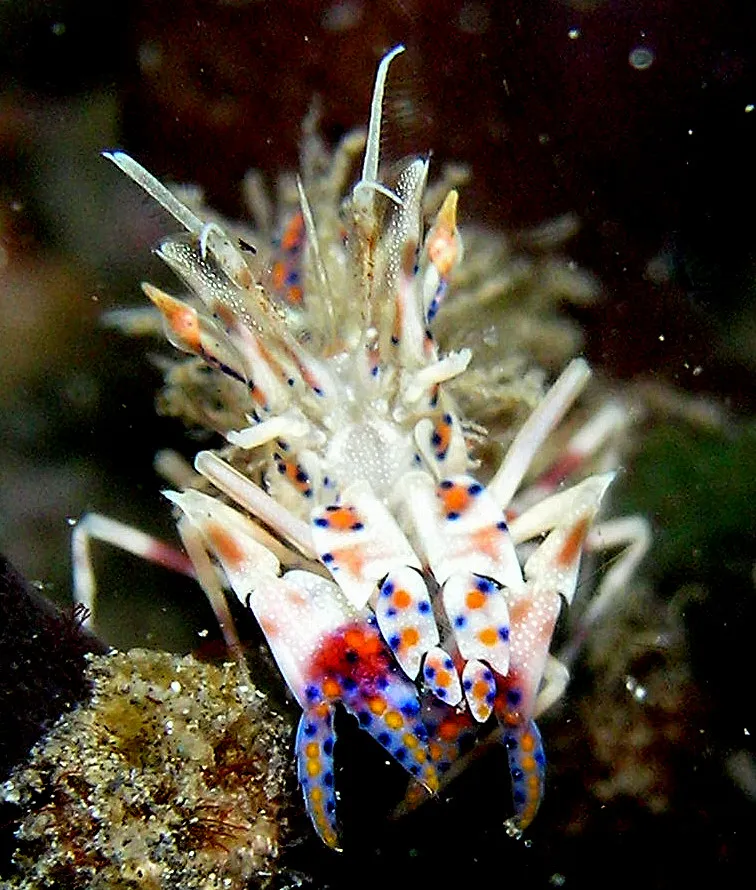
Photo by Steve Childs / CC BY 2.0 via Wikimedia Commons
🧭 Finding them
Brief your guide for tiger / bongo / Phyllognathia before splash. Target shallow muck and reef-sand interfaces with sponge and rubble crust (Lembeh house reefs, Anilao macro sites, Tulamben black-sand debris fields). Do not churn substrate: look with eyes and light first; if a guide gently lifts one piece of rubble, wait for them to replace it.
Approach & behavior
Expect animals to vanish into a crack if you loom overhead or kick silt. Arrive low, settle your buoyancy before framing, and let pairs reappear. If one vanishes, freeze—the partner often stays in the same sponge pocket.
Photo tips
Prefer 100 mm (or longer with wet diopter/teleconverter). Diffused twin strobes keep orange/blue chroma without specular blowouts on white patches. Shoot slightly above parallel to show horned eyes and spines; leave room for a second animal in frame.
Ethics
Never pry sponges apart or rearrange rubble for a shot. Rare cryptic shrimp depend on intact microhabitat. Leave brittle-star prey animals undisturbed—watching predation is privilege enough.
Best Places to Dive with Spiny Tiger Shrimp
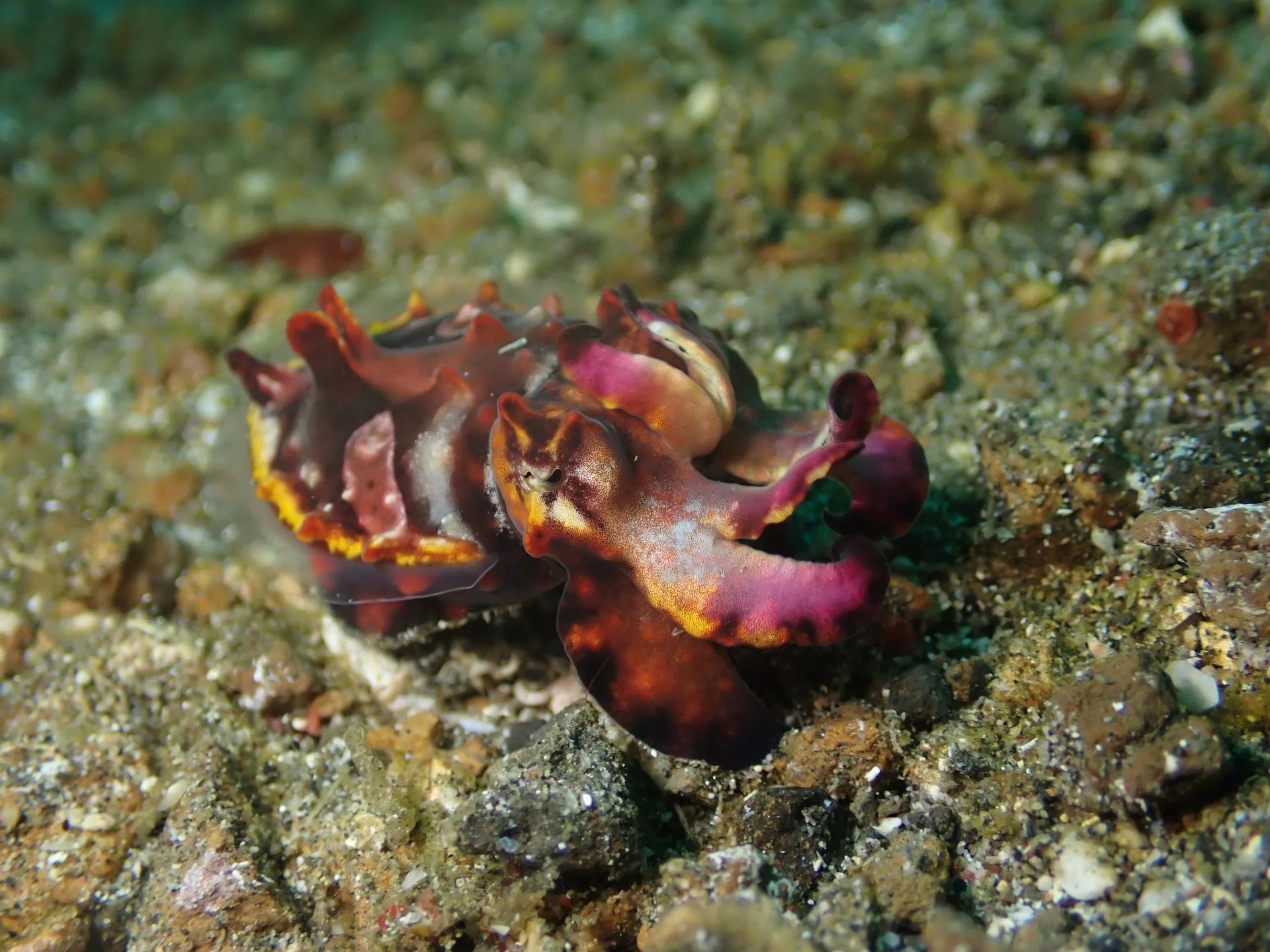
Lembeh
The Lembeh Strait in North Sulawesi has become famous as the muck‑diving capital of the world. At first glance its gently sloping seabed of black volcanic sand, rubble and discarded debris looks bleak. Look closer and it is teeming with weird and wonderful life: hairy and painted frogfish, flamboyant cuttlefish, mimic and blue‑ringed octopuses, ornate ghost pipefish, tiny seahorses, shrimp, crabs and a rainbow of nudibranchs. Most dives are shallow and calm with little current, making it an ideal playground for macro photographers. There are a few colourful reefs for a change of scenery, but Lembeh is all about searching the sand for critter treasures.
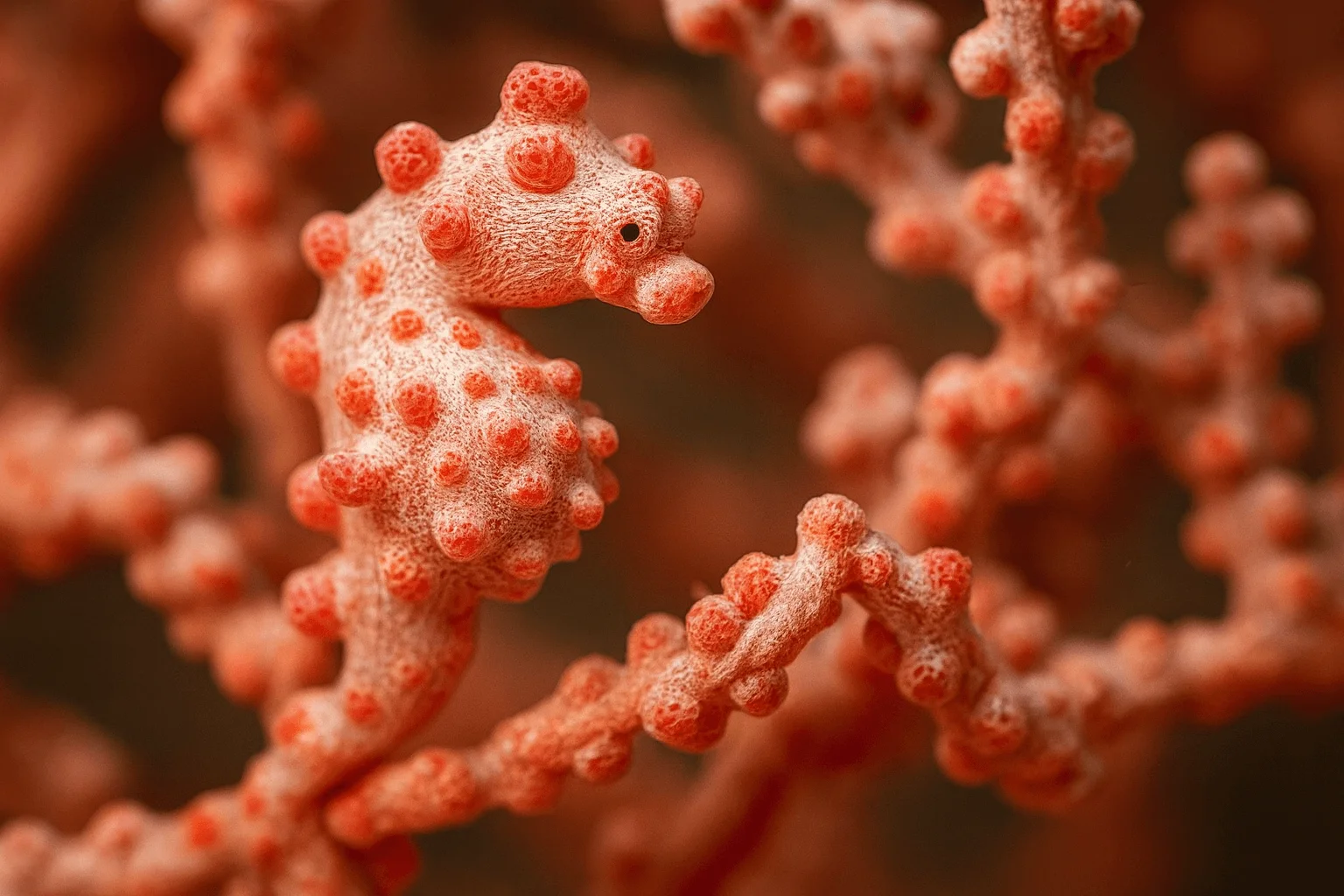
Anilao
Anilao, a small barangay in Batangas province just two hours south of Manila, is often called the macro capital of the Philippines. More than 50 dive sites fringe the coast and nearby islands, offering an intoxicating mix of coral‑covered pinnacles, muck slopes and blackwater encounters. Critter enthusiasts come for the legendary muck dives at Secret Bay and Anilao Pier, where mimic octopuses, blue‑ringed octopuses, wonderpus, seahorses, ghost pipefish, frogfish and dozens of nudibranch species lurk in the silt. Shallow reefs like Twin Rocks and Cathedral are covered in soft corals and teem with reef fish, while deeper sites such as Ligpo Island feature gorgonian‑covered walls and occasional drift. Because Anilao is so close to Manila and open year‑round, it’s the easiest place in the Philippines to squeeze in a quick diving getaway.
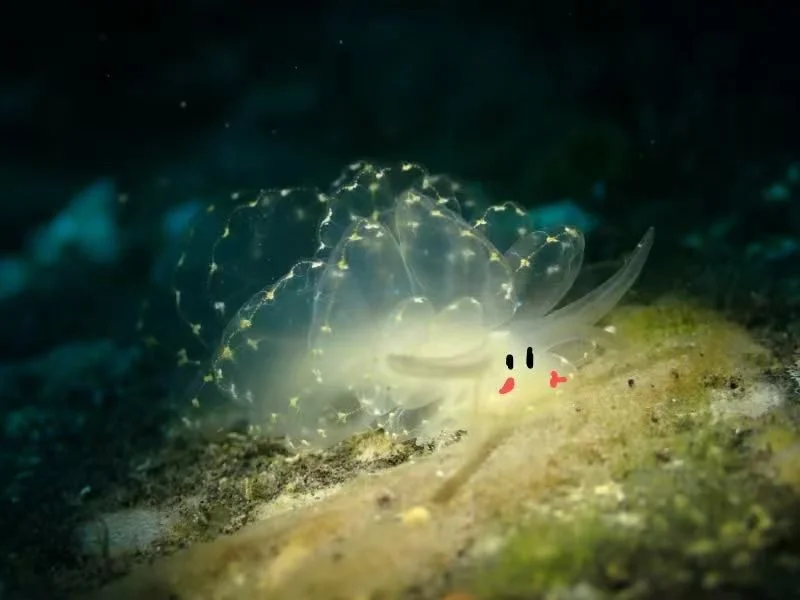
Tulamben(Bali)
Tulamben sits on Bali’s northeast coast and is best known for the USAT Liberty shipwreck – a 125‑metre cargo ship torpedoed in WWII that now lies just a short swim from shore. Warm water, mild currents and straightforward shore entries make diving here relaxed for all levels. Besides the wreck, divers can explore coral gardens, black‑sand muck sites and dramatic drop‑offs. Macro lovers will find nudibranchs, ghost pipefish, mimic octopus and pygmy seahorses, while big‑fish fans can encounter schooling jackfish, bumphead parrotfish and reef sharks. With a compact coastline packed with variety, Tulamben delivers world‑class wreck and critter diving without long boat rides.
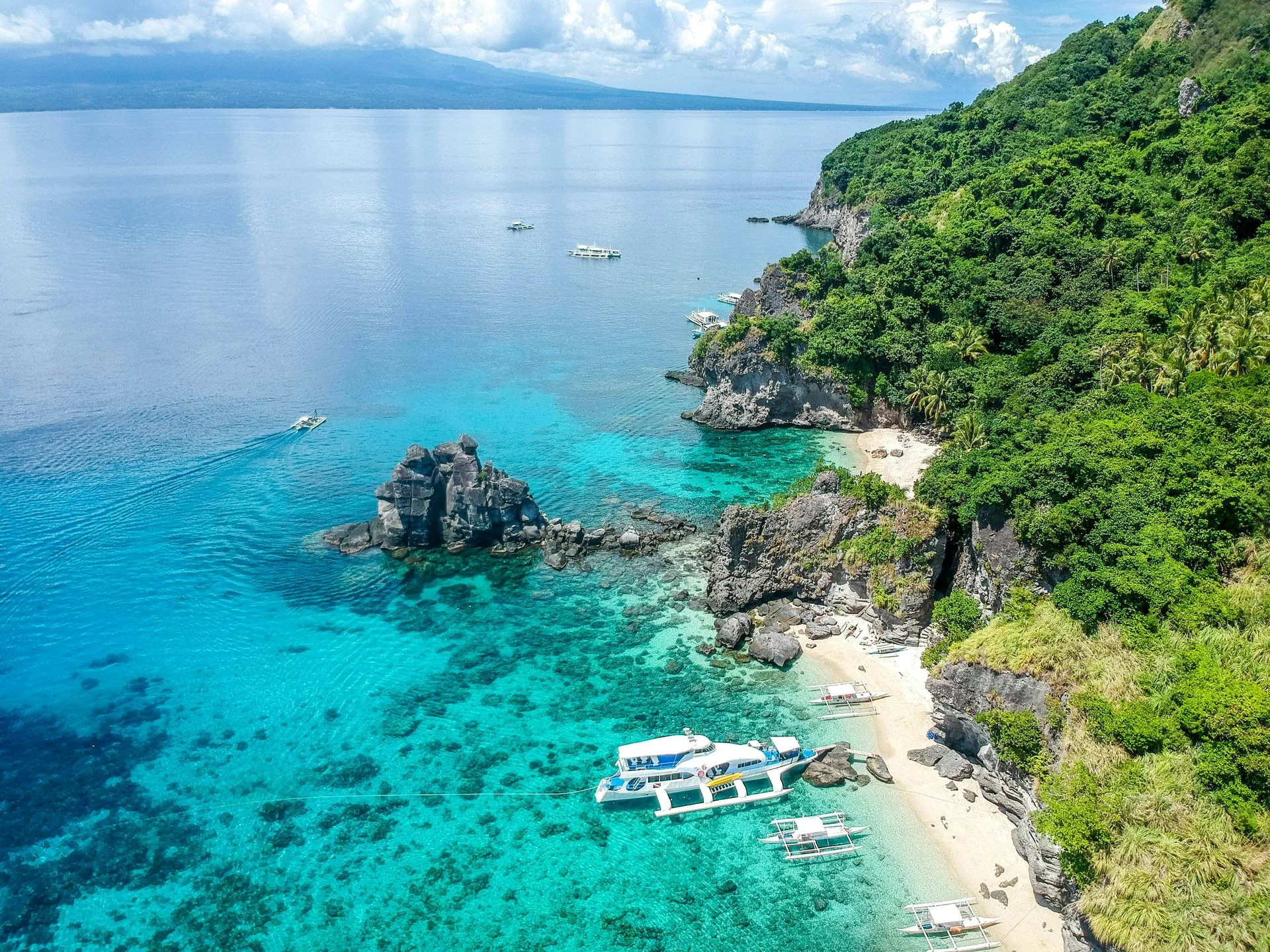
Dumaguete
Dumaguete on the southeast coast of Negros is the jumping‑off point for some of the Philippines’ most diverse diving. Along the nearby town of Dauin, a series of shallow marine sanctuaries and black‑sand slopes hide critters galore: frogfish, flamboyant cuttlefish, mimic octopus, ghost pipefish, seahorses, pipefish and nudibranchs. Artificial reefs made from car tyres and pyramids provide extra habitat. Offshore, Apo Island’s walls and plateaus burst with hard and soft corals, schooling jacks and barracudas, and friendly green turtles. With day trips to Oslob’s whale sharks or Bais’ dolphin‑watching, and excursions to nearby Siquijor, Dumaguete offers a perfect mix of macro muck diving and classic coral reefs.
Ambon
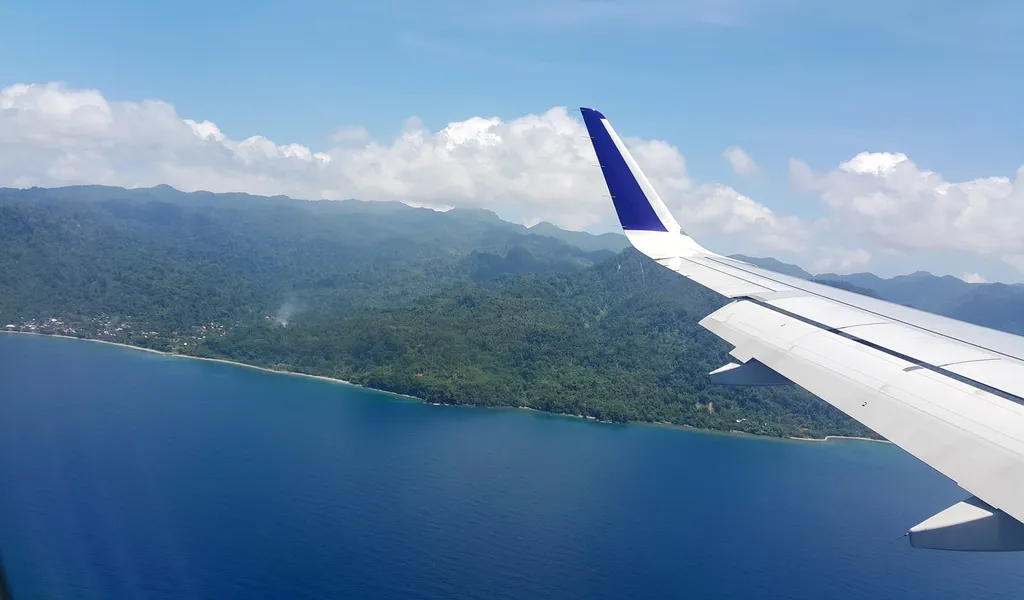
Ambon sits in Indonesia’s Maluku (Spice Islands) and is one of the world’s elite muck destinations—often ranked alongside Lembeh for rare critters, without the crowds. The heart of the action is Ambon Bay around Laha village near the airport: black volcanic sand slopes, rubble, pier posts and discarded debris that somehow host psychedelic frogfish (endemic to Ambon waters), rhinopias, flamboyant cuttlefish, mimic and wonderpus octopuses, ghost pipefish and endless nudibranchs. Most bay dives stay 5–35 m with long bottom times that photographers love. When weather allows, the south and east coasts flip the script—healthy hard coral, walls, arches at Pintu Kota, the swim-throughs of Hukurila Cave, and the critter-coated Duke of Sparta wreck. Expect modest lodging in Laha or resort packages further around the bay; July–August monsoon often closes operators.
Manado
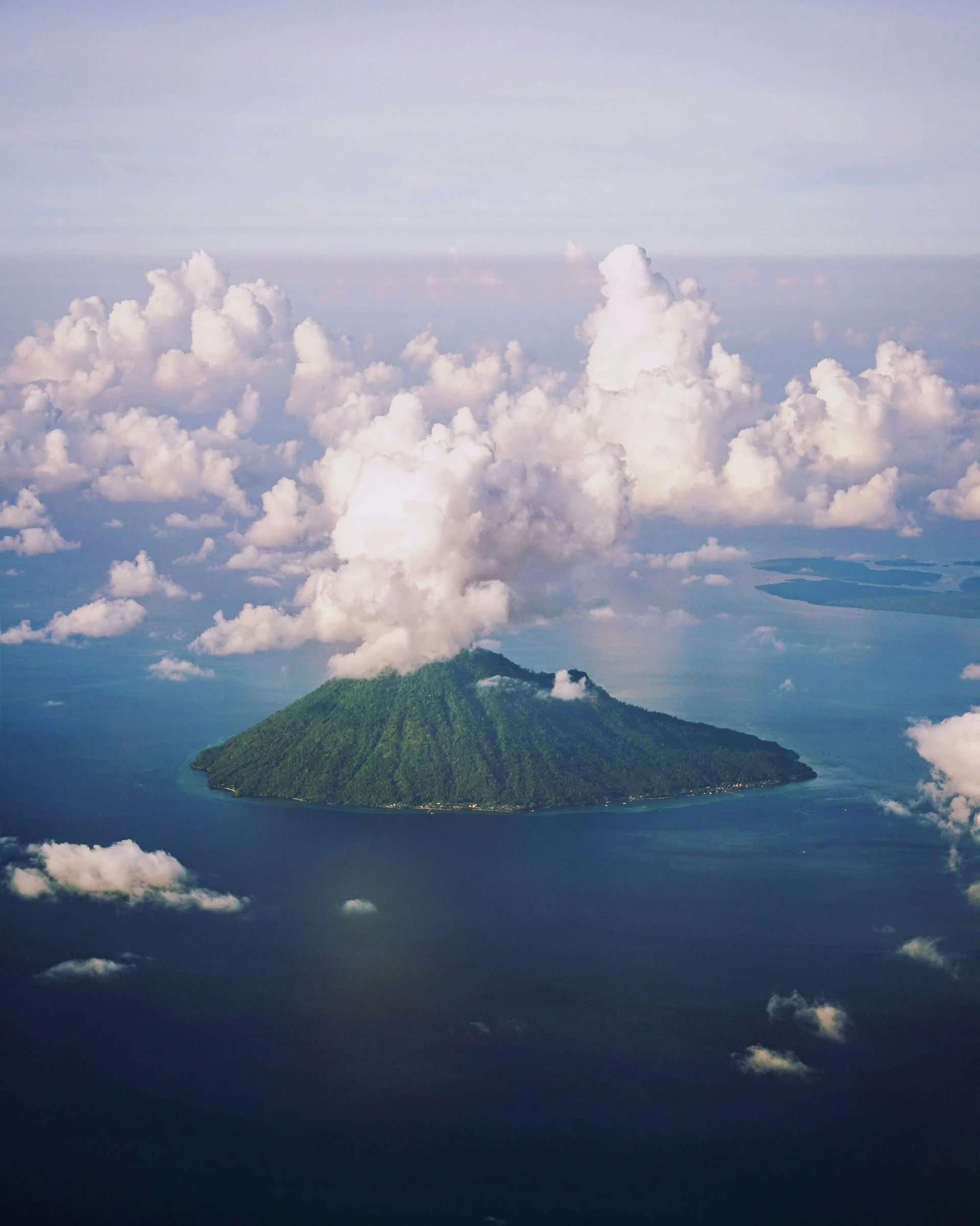
Tucked away in northern Sulawesi, Manado’s coastal waters and Bunaken National Park are a diver’s dream. Sheer coral walls plunge into the deep blue, exploding with sponges, sea fans and tropical fish, while the mainland coast hides muck‑diving gems with seahorses, ghost pipefish and mimic octopus. Dolphins and pilot whales sometimes cruise past, green turtles nap on the reef, and reef sharks and schooling jacks patrol the drop‑offs. Whether you like effortless drift dives along walls or critter hunting in sand and seagrass, Manado balances big‑fish thrills with macro treasures. Warm waters, friendly locals and laid‑back resorts make it perfect for both serious underwater photographers and casual holidaymakers.