
Stonefish
Synanceia verrucosa
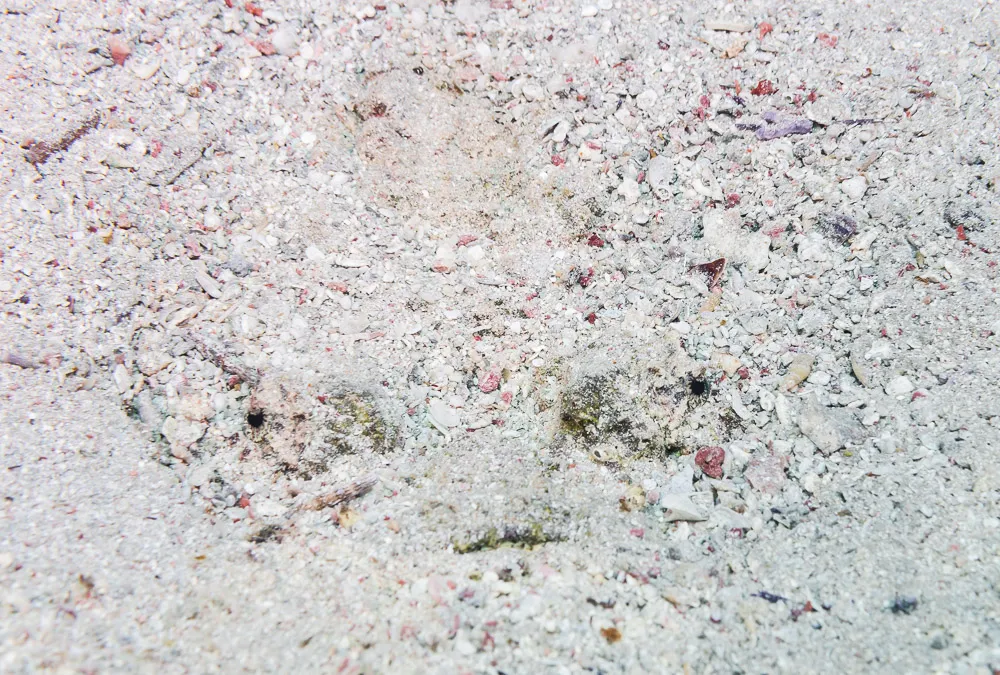
Photo by Francois Libert / CC BY-SA 2.0 via Wikimedia Commons
Stonefish are the species that turns "hands off the reef" from etiquette into survival advice. Synanceia verrucosa is the most widespread reef stonefish in the Indo-Pacific: a lump of warty, scaleless flesh that can look exactly like encrusted coral rubble until you notice the upward-staring eyes and the dorsal spine row you must never touch.
Divers rarely seek them out on purpose—they are found when a guide points at "that rock" or when someone nearly plants a knee on the bottom. That is the paradox: encounters feel rare because camouflage is elite, yet the species is broadly distributed from the Red Sea through the Great Barrier Reef and into Southeast Asian muck and rubble sites.
For photographers the reward is documenting one of the ocean's great crypsis jobs; for everyone else the takeaway is simpler: neutral buoyancy, no reef contact, and treat every textured lump on sand or rubble as potentially armed.
🔬Classification
📏Physical Features
🌊Habitat Info
⚠️Safety & Conservation
Identification Guide
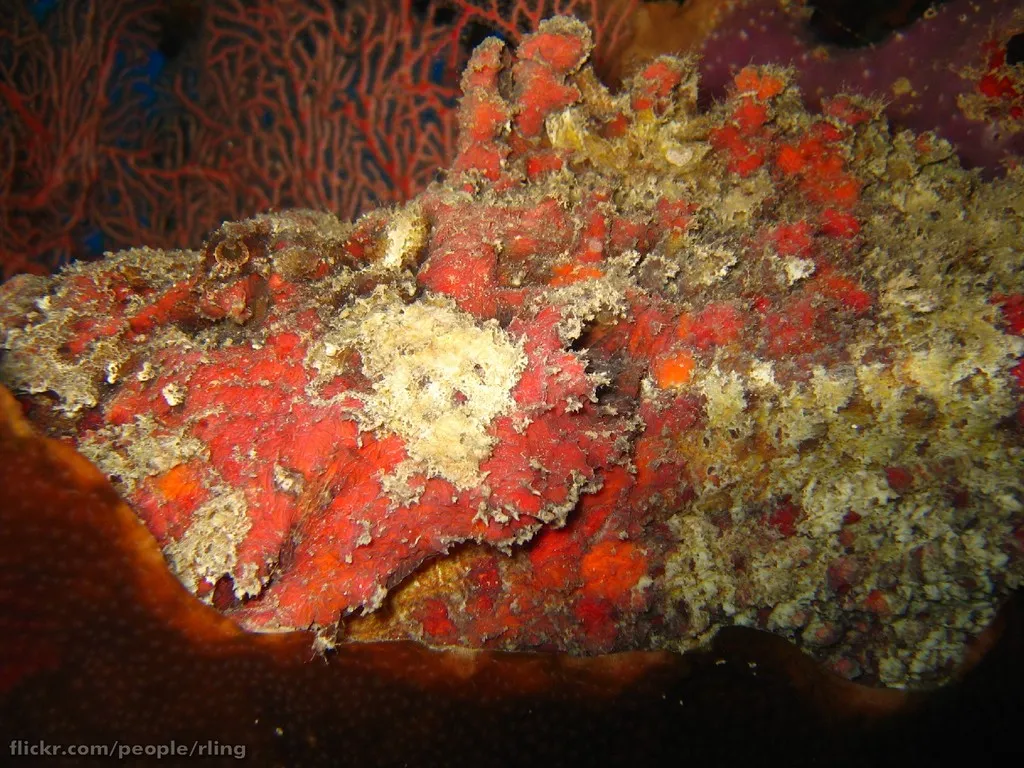
Photo by Richard Ling / CC BY-SA 2.0 via Wikimedia Commons
Warty "Rock" Profile
Look for a broad, depressed head with small upward-directed eyes elevated slightly on the head. Skin is naked, rough, and covered in warts—no scales. Body color runs brown, orange, or pink but pattern is less useful than texture.
Eye Pits Are a Key Cue
Each eye sits with a deep pit behind it and a smaller pit below—this separates reef stonefish from estuarine Synanceia horrida, which has eyes elevated on a bony ridge without the same depression layout.
Dorsal Spine Row
Usually XIII (sometimes XIV) stout dorsal spines with venom glands; spines can stay folded but are always present. Never approach from above trying to "check" the fish—assume every spine is loaded.
Context on the Bottom
Expect solitary individuals on reef flats, rubble, or sand, often tucked under ledges or with pectoral fins spread to blend into substrate. Algae growth on the skin is common and makes the disguise even better.
Top 10 Fun Facts about Stonefish
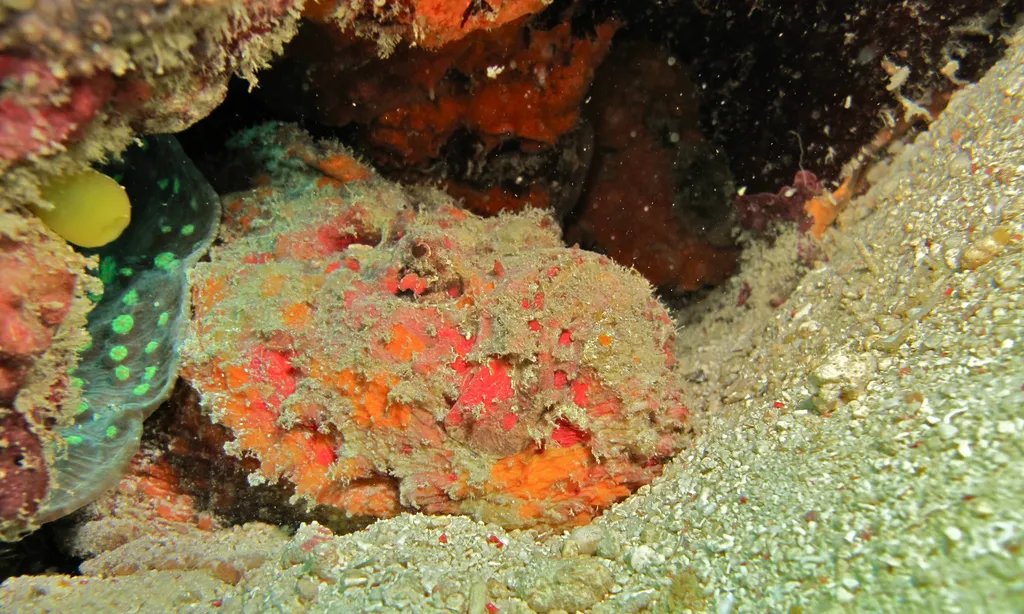
Photo by Bernard DUPONT from FRANCE / CC BY-SA 2.0 via Wikimedia Commons
1. Officially the World's Most Venomous Fish
FishBase and major field guides rank Synanceia verrucosa as the most venomous fish known. Thirteen dorsal spines act like hypodermic needles; venom causes immediate, severe pain and can be life-threatening.
2. Antivenom Exists—But Prevention Wins
A stonefish antivenom was developed in Australia in 1959 and remains critical for serious envenomation. Divers should still treat any spine contact as an emergency: hot-water immersion (not scalding) as first aid while evacuating for medical care.
3. Type Species of the Stonefish Genus
S. verrucosa is the type species of Synanceia, the namesake "stonefish" genus within Synanceiidae. It sets the template for what divers picture when someone says "stonefish" in the Indo-Pacific.
4. Fastest Strike You Will Not See Coming
Ambush predation relies on hours of motionlessness, then a millisecond vacuum strike into an upward-facing mouth. Prey—small fish and crustaceans—are sucked in before they can react; the same strike mechanics make hand contact catastrophically fast.
5. Pectoral Fins Double as a Burial Tool
Large fleshy pectoral fins can partly bury the fish in sand or rubble on reef flats during the day. Low-tide tide pools on reef flats are documented shelters—relevant for shore divers and snorkelers, not just boat dives.
6. Indo-Pacific Workhorse Distribution
Range spans the Red Sea and East Africa to French Polynesia, north to southern Japan, south through Australia and New Caledonia. It is the most widespread stonefish species—yet at any one site it feels uncommon because detection is brutally hard.
7. Variable Color, Consistent Danger
Individuals may look muddy brown, orange-pink, or pale; algae coating adds another disguise layer. Color morphs fool memory cards—always ID by head shape, warty skin, eye pits, and context, not hue.
8. Separate From Estuarine Stonefish in Australia
Australia hosts both reef stonefish (S. verrucosa) and estuarine stonefish (S. horrida). Eye placement and interorbital structure are the classic split: deep depression between eyes on reef stonefish versus elevated eyes on a ridge for estuarine.
9. Least Concern, Locally Invisible
IUCN lists the species Least Concern (assessed 2017), reflecting broad distribution. That status does not mean "easy to find"—it means the population is not currently flagged, while individual divers may go years without a confirmed sighting.
10. Mediterranean Arrival Is a Range Expansion Story
Recent records from the Mediterranean represent a northern expansion via shipping or canal routes—a reminder that "Indo-Pacific native" distributions are not frozen in time.
Diving & Observation Notes
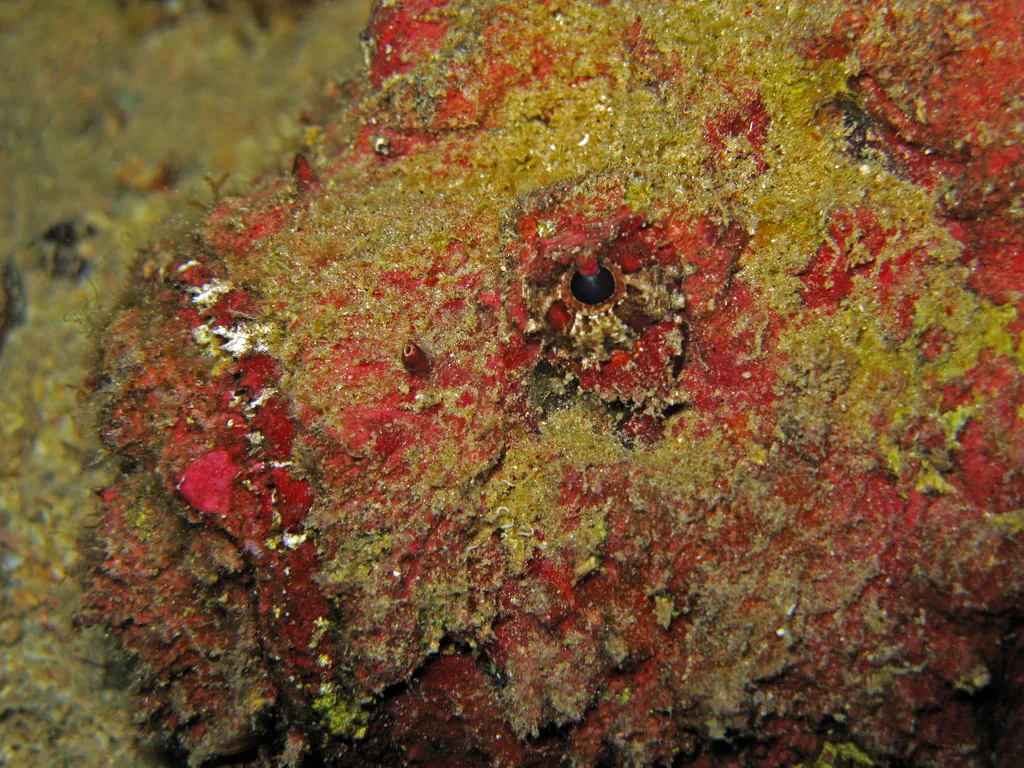
Photo by Bernd / CC BY-SA 2.0 via Wikimedia Commons
🧭 Where You Actually See Them
Shallow Indo-Pacific rubble and reef-flat sites: Great Barrier Ribbon Reefs, Red Sea house reefs (Dahab, Marsa Alam, Sharm), Malaysian muck at Mabul, Komodo sand edges, and Philippine rubble zones. Tell your guide you want a careful stonefish check—random bottom contact is how accidents happen, not deliberate photography.
Search Without Touching
Hover off the bottom, scan low-angle across rubble, and pause on any solitary textured mass with bilateral symmetry. Night dives can reveal outlines with a narrow beam, but fin wash and hand placement risk rises—extra discipline required.
Photography Ethics
Long lens, stay upstream, never pin the animal with a pointer or prod. A stonefish will not "pose"—your job is to document crypsis from a safe standoff distance without stirring sand onto the dorsal spines.
If Stung
Exit the water immediately; immerse the wound in hot water (as hot as tolerated, ~45 °C target in medical literature) for 30–90 minutes while arranging emergency care. Do not rely on pain level alone—seek hospital evaluation even if antivenom availability is uncertain at your destination.
Best Places to Dive with Stonefish
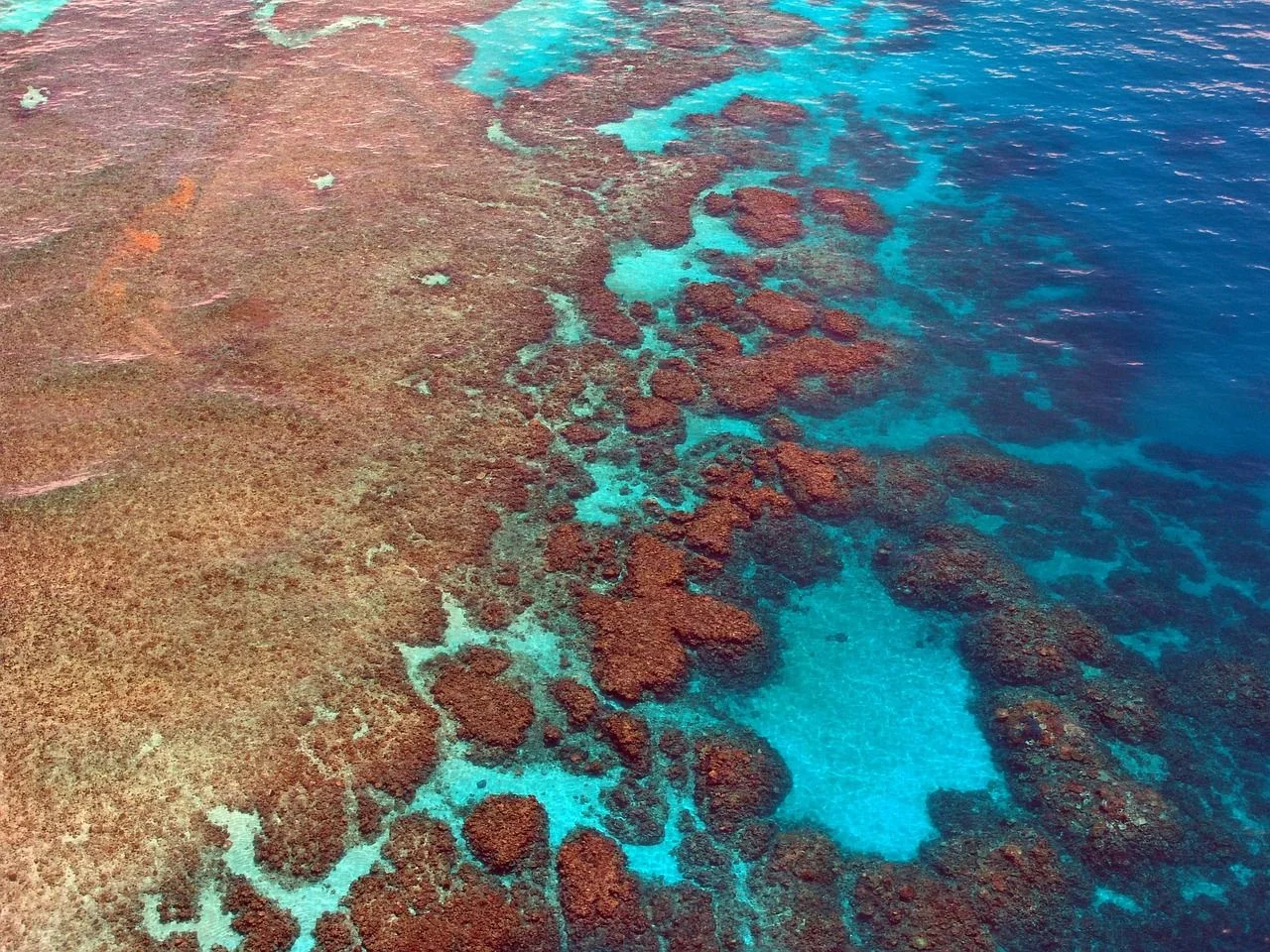
Great Barrier Reef
The Great Barrier Reef stretches for more than 2,300 km along Australia’s Queensland coast and is Earth’s largest coral ecosystem. With over 2,900 individual reefs, hundreds of islands, and a staggering diversity of marine life, it’s a bucket‑list destination for divers. Outer reef walls, coral gardens and pinnacles support potato cod, giant trevallies, reef sharks, sea turtles, manta rays and even visiting dwarf minke and humpback whales. Divers can explore historic wrecks like the SS Yongala, drift along the coral‑clad walls of Osprey Reef or mingle with friendly cod at Cod Hole. Whether you’re a beginner on a day trip from Cairns or an experienced diver on a remote liveaboard, the Great Barrier Reef offers unforgettable underwater adventures.
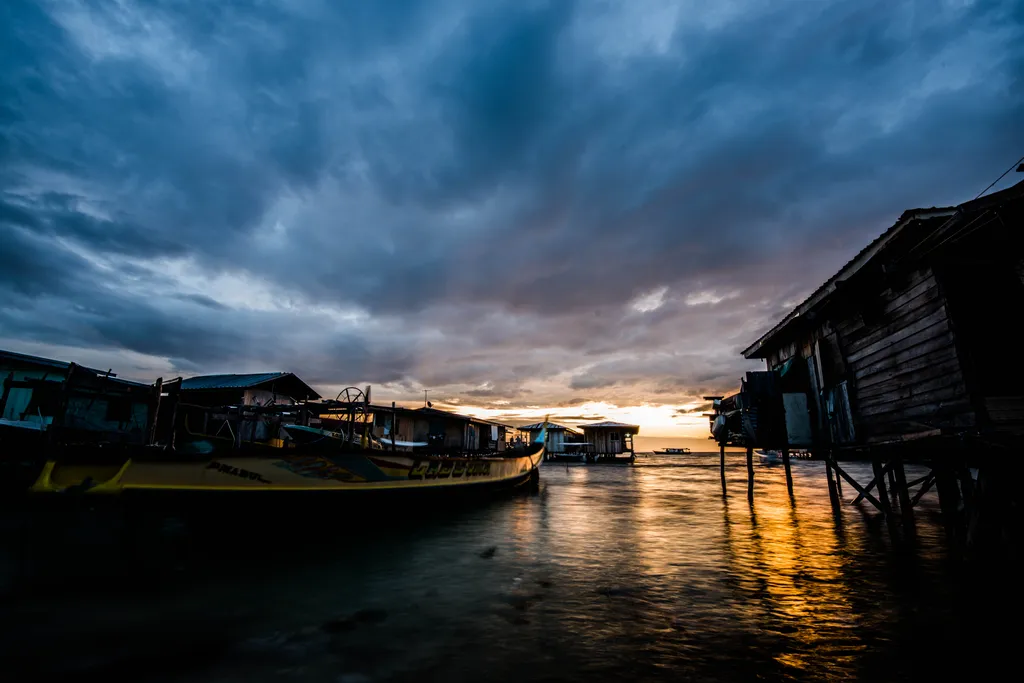
Mabul
Mabul is where you come to slow down and stare at sand. The island sits in the Semporna archipelago off eastern Sabah — a flat, palm-fringed speck ringed by shallow rubble slopes, artificial reef structures, and the occasional tyre stack that macro photographers lose their minds over. Visibility rarely tops 15 m and nobody cares: frogfish the size of your thumb, flamboyant cuttlefish pulsing purple and yellow, blue-ring octopus tucked in rubble, ornate ghost pipefish, ribbon eels, pygmy seahorses in sea fans, and nudibranchs on every spare surface. This is muck diving with resort convenience — walk from your bungalow to the boat, three dives before lunch, rinse and repeat. The signature sites circle the island and nearby Seaventures rig: Froggy Lair and Crocodile Avenue for classic critter hunts, Lobster Wall and Eel Garden when you want a bit of structure, Paradise 1 & 2 for mixed reef-and-rubble variety. Night dives here are excellent — mandarinfish mating dances at dusk, bobtail squid and Spanish dancer nudibranchs after dark. Most resorts run house-reef dives and unlimited shore access between boat trips. Sipadan's barracuda tornadoes and sheer walls are 45 minutes away by speedboat, and many packages include a day or two on permit — but that's the side dish. Base yourself on Mabul for a week of macro and you won't feel cheated if the permit lottery doesn't go your way. Bring a macro lens, a patient dive guide, and low expectations for viz; bring high expectations for critters.
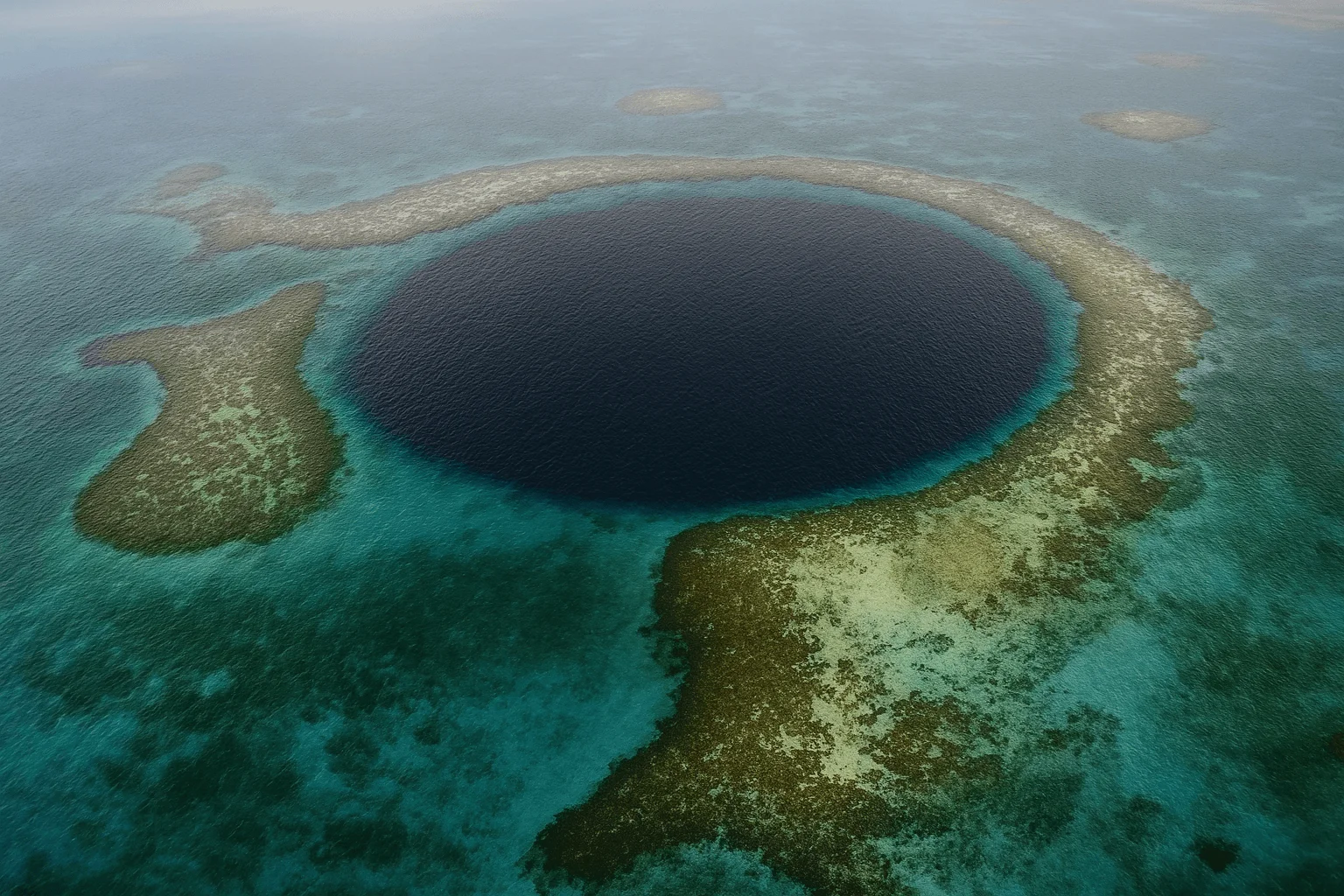
Dahab
Dahab is a laid‑back Bedouin village on Egypt’s Sinai Peninsula that has become a magnet for divers and free divers alike. The fringing reef starts just a few metres from the beach, dropping into a coral‑covered plateau and steep walls cut by canyons and chimney‑like holes. From beginner‑friendly shore entries at Lighthouse and Coral Garden to the legendary Blue Hole and Canyon, Dahab offers reef gardens full of anthias, butterflyfish and turtles as well as thrilling drift dives and deep blue walls. Year‑round sunshine, clear desert air and a bohemian vibe make it easy to spend weeks exploring the many dive sites along the shoreline and by boat.
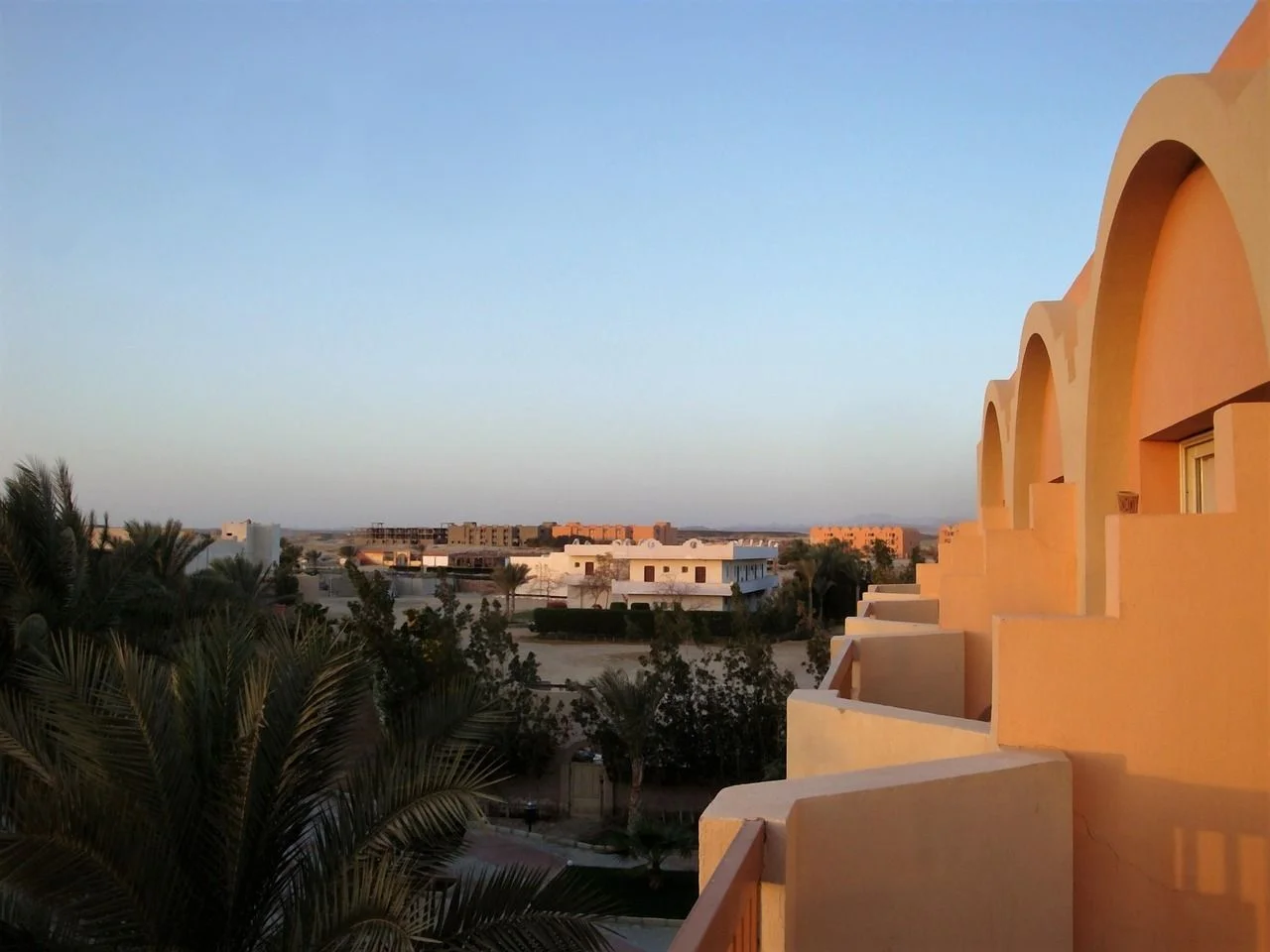
Marsa Alam
Once a sleepy fishing village on Egypt’s southern Red Sea coast, Marsa Alam is now synonymous with pristine reefs, encounters with sharks and dolphins, and long, deep walls far from the crowds. Stretching from El Quseir in the north to Wadi Lahami in the far south, the region encompasses famous offshore pinnacles such as Elphinstone and Daedalus, seagrass meadows where dugongs graze, and shallow bays sheltering green turtles. Compared to Hurghada and Sharm, the reef systems here are relatively untouched and the crowds thin, making Marsa Alam ideal for divers seeking pelagics, dramatic drop‑offs and a taste of the desert wilderness.
Komodo
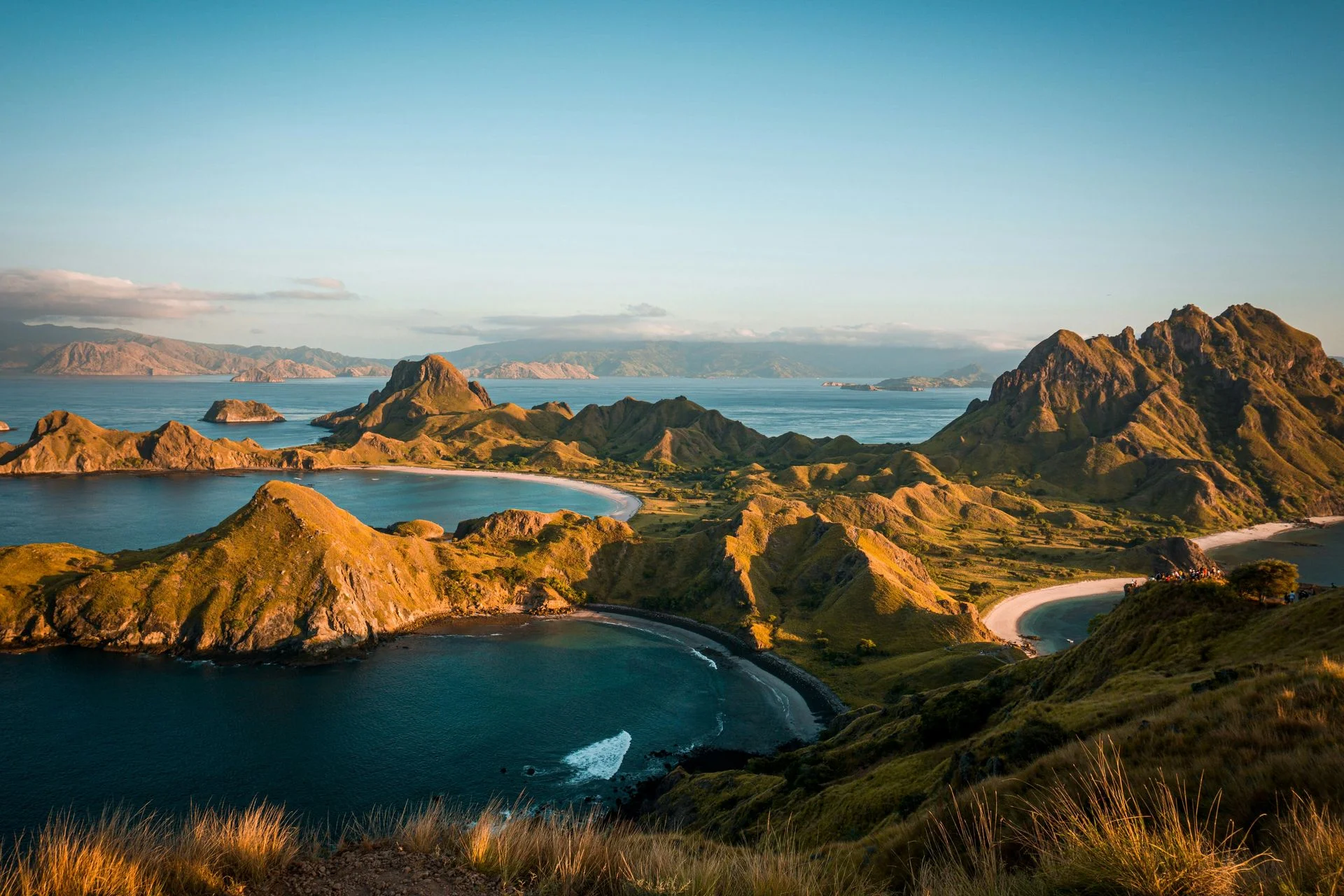
Komodo National Park is a diver’s paradise full of marine diversity: expect healthy coral gardens, reef sharks, giant trevallies, countless schools of fish, and frequent manta ray sightings at sites like Manta Point and Batu Bolong. Drift dives and dramatic reef structures add excitement, while both macro lovers and big-fish fans will find plenty to love. Above water, the wild Komodo dragons roam, giving a touch of prehistoric wonder to the whole trip.
Lembeh
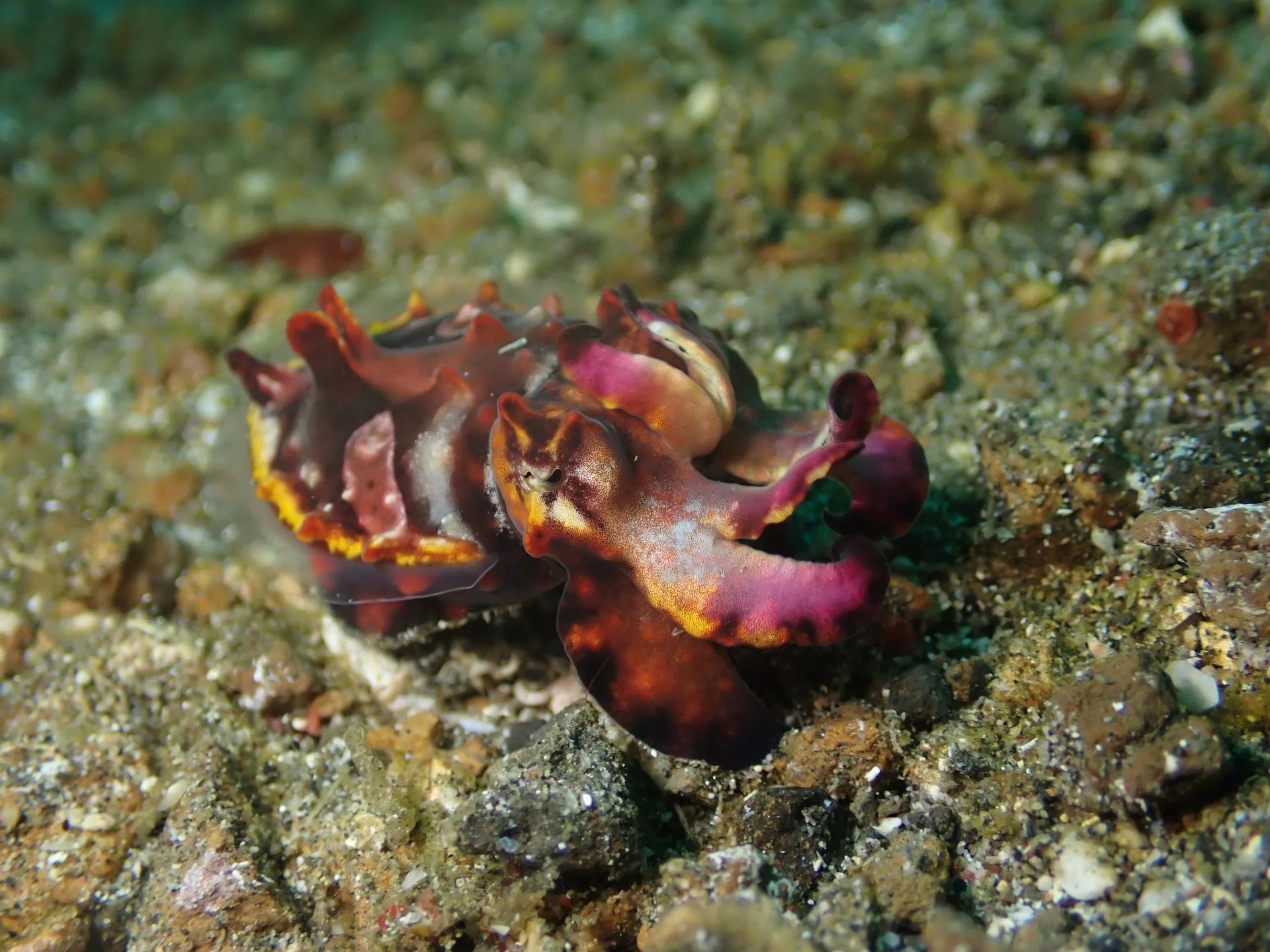
The Lembeh Strait in North Sulawesi has become famous as the muck‑diving capital of the world. At first glance its gently sloping seabed of black volcanic sand, rubble and discarded debris looks bleak. Look closer and it is teeming with weird and wonderful life: hairy and painted frogfish, flamboyant cuttlefish, mimic and blue‑ringed octopuses, ornate ghost pipefish, tiny seahorses, shrimp, crabs and a rainbow of nudibranchs. Most dives are shallow and calm with little current, making it an ideal playground for macro photographers. There are a few colourful reefs for a change of scenery, but Lembeh is all about searching the sand for critter treasures.
Sipadan & Semporna
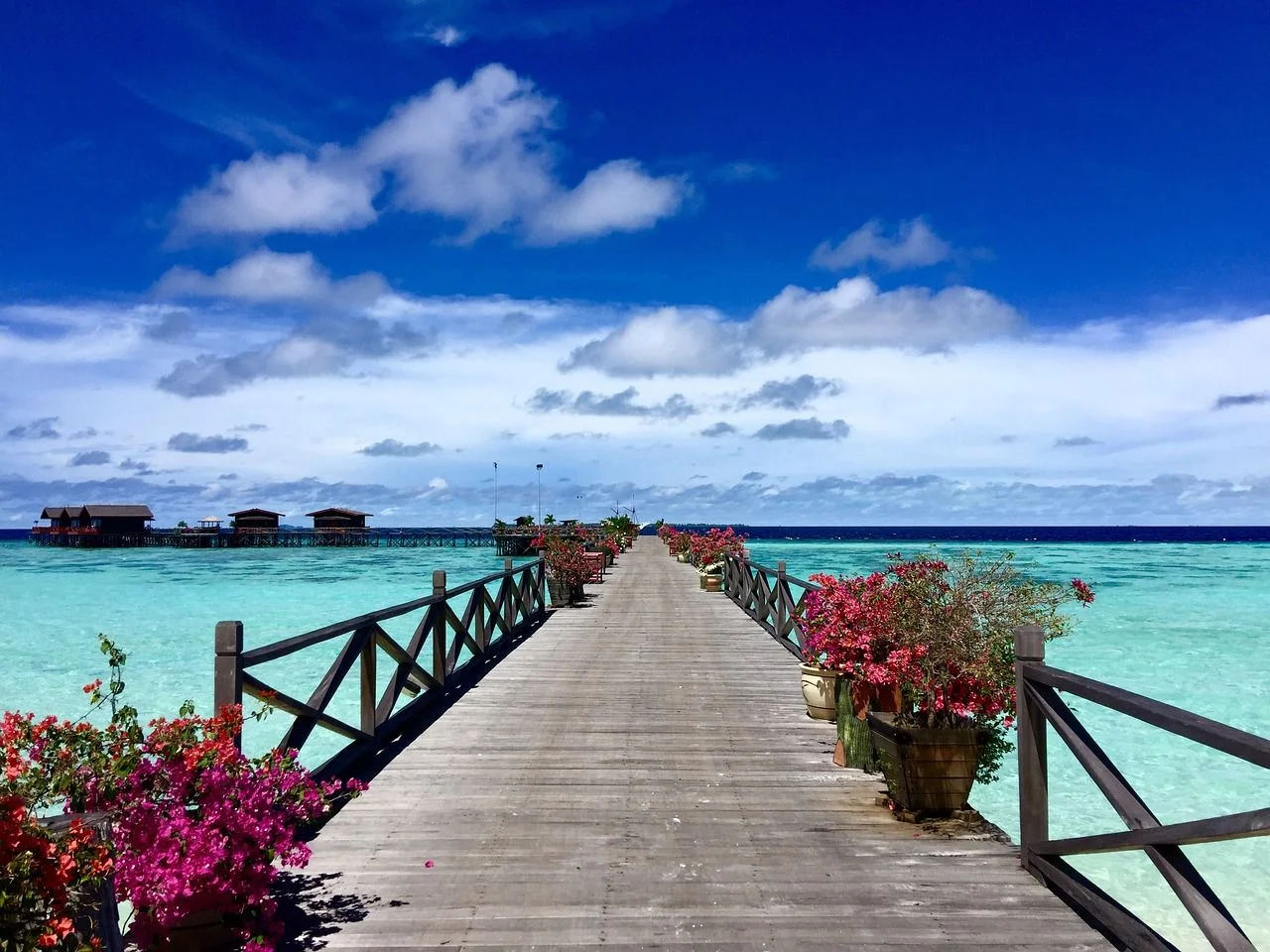
Sipadan Island off the coast of Sabah is Malaysia’s crown jewel of diving – a steep limestone pinnacle rising more than 600 metres from the sea floor and teeming with pelagic life. Currents sweep past vertical walls encrusted in hard and soft corals, bringing in barracudas, jacks, reef sharks and bumphead parrotfish in breathtaking numbers. Nearby Mabul and Kapalai offer an entirely different experience on shallow sand‑slope reefs and artificial structures, where flamboyant cuttlefish, frogfish, mandarin fish and other macro critters hide among sponges and tyres. With limited daily permits, a visit to Sipadan is a privilege; most divers base themselves in the frontier town of Semporna or at water‑bungalow resorts on Mabul and Kapalai and make day trips into the park.
Puerto Galera
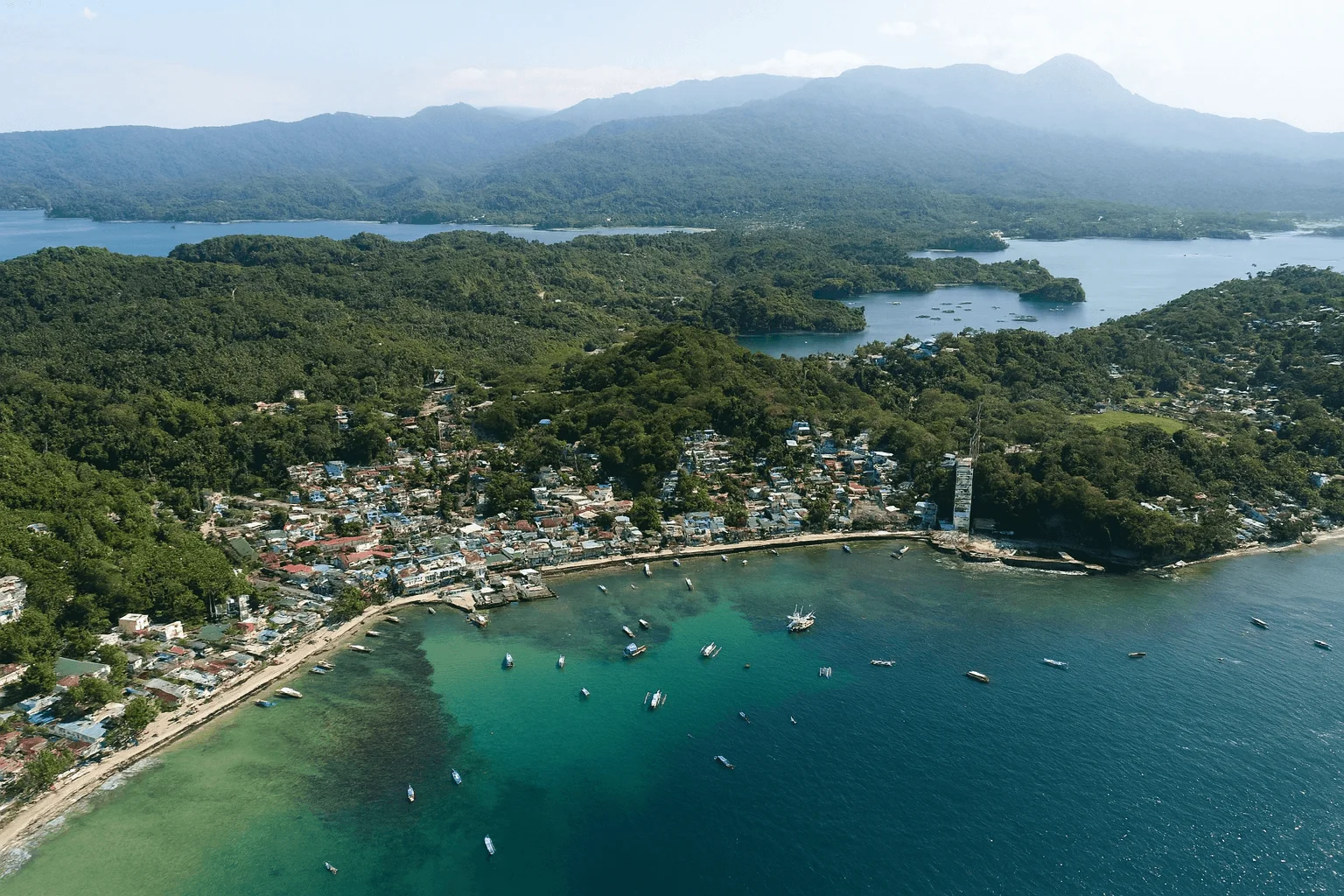
Puerto Galera sits on the northeast tip of Mindoro Island in the Philippines and has long been rated among Asia’s best and most diverse diving areas. The town faces the Verde Island Passage – part of the Coral Triangle – so its reefs host an incredible mix of hard and soft corals, seahorses, frogfish and other critters alongside schooling jacks and occasional pelagics. More than forty sites line the bays and headlands around Sabang and Small La Laguna, meaning everything from easy house‑reef dives and shallow muck sites to current‑swept canyons and colourful wrecks is only a short boat ride away. Currents are governed by the lunar cycle; strong spring tides around full and new moon create exciting drift dives, while neap tides offer gentle conditions that are perfect for macro photography. Because the water stays warm all year (27–30 °C) and visibility often reaches 15–30 m, Puerto Galera attracts both beginners and experienced divers seeking a fun, affordable destination with lively nightlife on land.
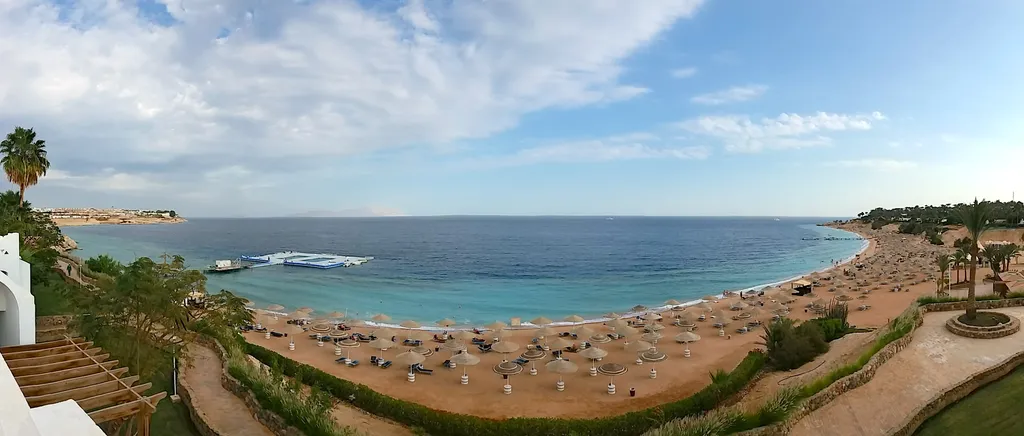
Sharm El Sheikh
Sharm El Sheikh sits at the southern tip of Egypt's Sinai Peninsula and functions as the Red Sea's busiest dive hub for good reason. Day boats run south to Ras Mohammed National Park—walls, current-swept pinnacles and the famous Shark Reef–Yolanda Reef double drop—and north through the Straits of Tiran past four reef towers where hammerheads patrol in season. Wreck divers book the early alarm for SS Thistlegorm, one of the world's great WWII cargo dives, and the coral-encrusted SS Dunraven on calmer days. Closer to Naama Bay and Sharks Bay, house reefs like Ras Um Sid, the Gardens and Temple deliver easy boat dives between the big-ticket runs. Visibility routinely clears 20 m, reefs are healthy by Red Sea standards, and the resort strip makes logistics painless: gear on, coffee, two-tank boat, back for lunch.