
Diving Destinations in Mexico
Explore the most incredible underwater destinations in Mexico. From tropical reefs to dramatic walls, discover your next diving adventure.
Cabo Pulmo
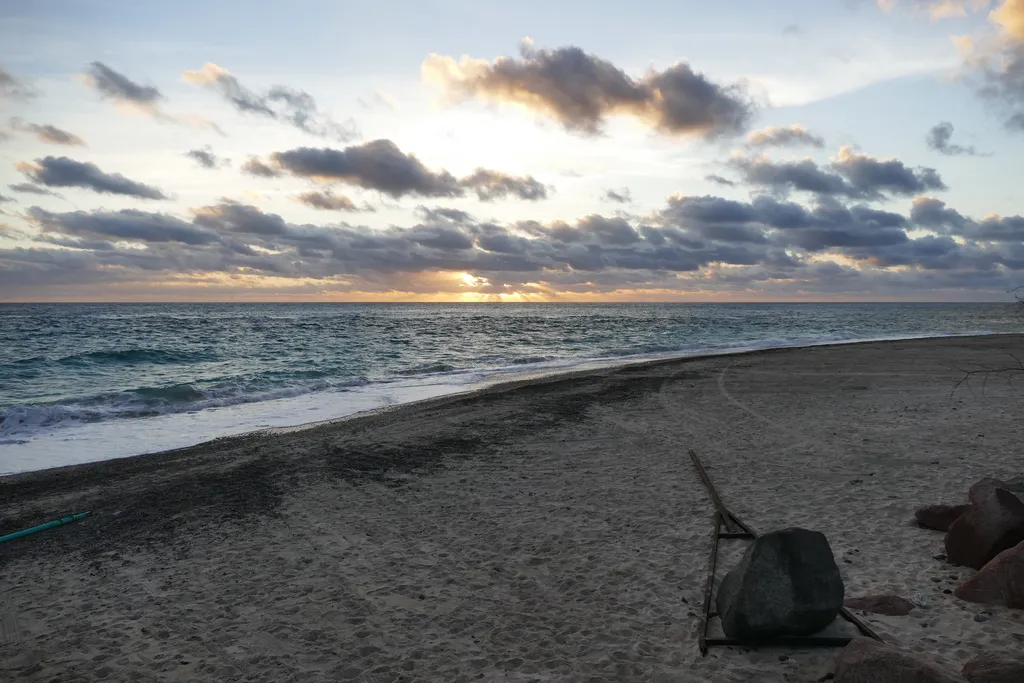
Cabo Pulmo is where the "marine reserve success story" stops being a headline and starts feeling personal underwater. The reef sits on the Sea of Cortez side of Baja California Sur, and the no-take rules here have been strict enough that fish biomass famously rebounded by 463% between 1999 and 2009. ### What Makes It Different You are not diving an isolated pretty reef; you are diving a rebuilt ecosystem. One dive can be all hard coral and clouded baitfish, the next can put you in the middle of a jackfish tornado so dense it dims the sun. On the right day, El Vencedor adds resident bull sharks to the mix. ### Conditions and Dive Style This is mostly boat diving from pangas with park-managed site rotation. Signature sites can have current, surge, and blue-water exposure, so buoyancy control matters. When weather settles from late summer into early winter, visibility jumps and the whole park feels cinematic.
Cancun
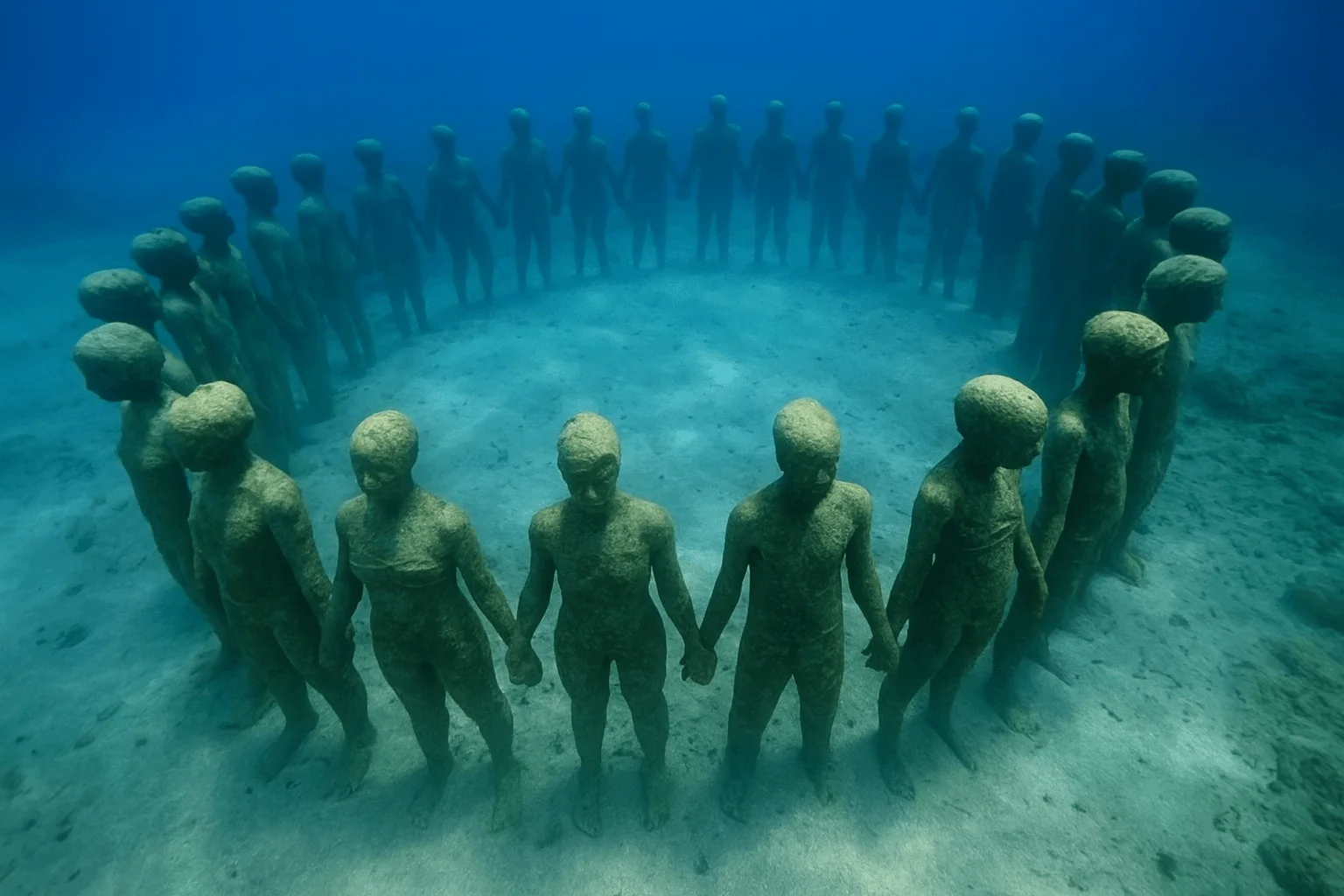
Situated on Mexico’s Caribbean coast, Cancun pairs world‑class resorts with unexpectedly rich underwater adventures. The warm, turquoise waters off the Hotel Zone and nearby Isla Mujeres host vibrant coral reefs, an underwater sculpture garden and historic wrecks. Visibility often exceeds 25 m and water temperatures rarely dip below 24 °C, so divers can explore year‑round. From calm shallow reefs teeming with tropical fish to adrenaline‑charged bull shark dives and seasonal whale shark encounters, Cancun offers something for every level of diver.
Cozumel
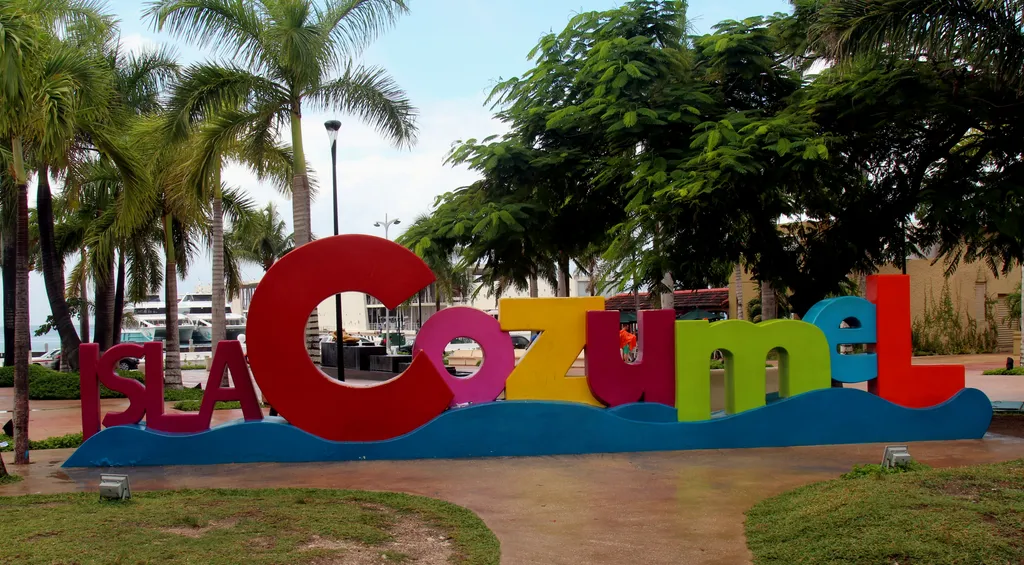
Cozumel sits on the Mesoamerican Barrier Reef—the second-largest reef system on the planet—and earned its place in dive history when Jacques Cousteau filmed its walls in the 1960s. Today the island is a boat-centric Caribbean classic: two-tank mornings from San Miguel, drift along coral cliffs in gin-clear water, surface for ceviche between dives. Almost everything worth diving lies inside Arrecifes de Cozumel National Marine Park, where mooring buoys, no-gloves rules, and park fees keep the reef in remarkably good shape. The signature experience is drift diving. Prevailing currents carry you along Santa Rosa, Colombia, and Palancar while you fin minimally and watch eagle rays, turtles, and schooling jacks slide past the drop-off. Walls plunge from 15 m to blue infinity; swim-throughs at Palancar Caves and the advanced cavern entry at Devil's Throat reward divers who like topography. Macro hunters scan for the splendid toadfish—an endemic bottom-dweller found almost nowhere else. Night dives on Paradise Reef and the C-53 wreck round out a week that feels busy without ever rushing. What Cozumel is not: a whale-shark island (head to Isla Mujeres or Holbox for that) or a liveaboard hub—operations are day boats from town. Watch the Norte wind in winter; it can cancel southern sites like Punta Sur. Bring cash for park fees, tip your crew, carry an SMB, and consider nitrox—you'll want the extra bottom time on these drifts.
La Paz
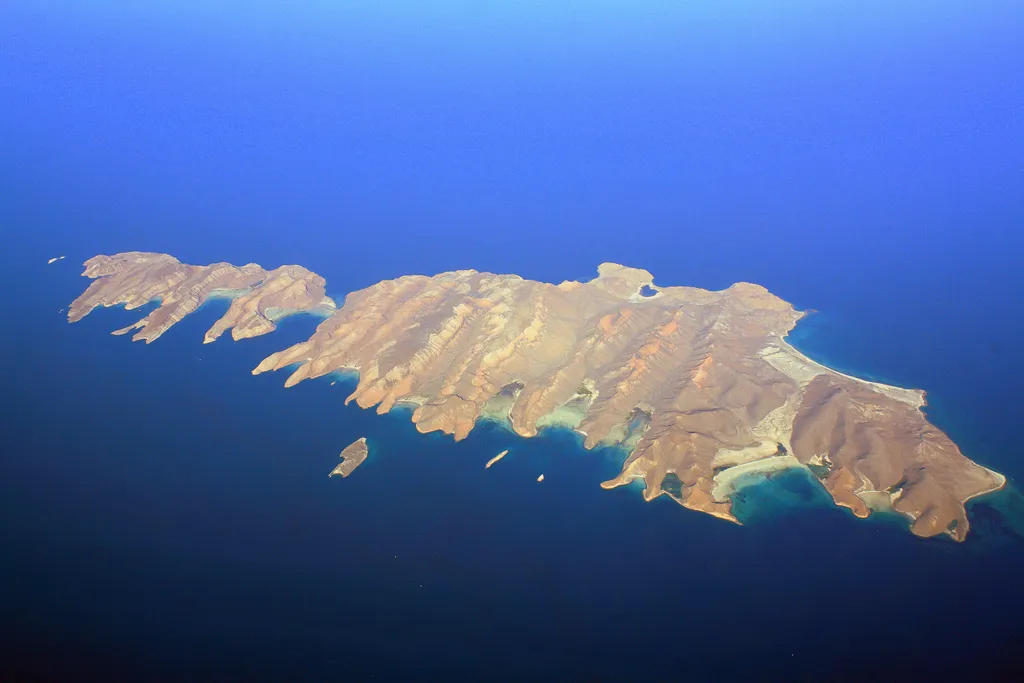
La Paz is the practical gateway to the southern Sea of Cortez—Jacques Cousteau's "world aquarium"—without Cabo crowds. Day boats run from the Malecón and local marinas out to Isla Espíritu Santo National Park for California sea lions at Los Islotes, shipwrecks in the San Lorenzo Channel, and blue-water seamounts like El Bajo. In winter, the Bay of La Paz hosts one of the world's most accessible whale shark snorkel seasons (scuba is not allowed in the refuge zone). ### What Makes It Different This is a city-based wildlife trip, not a remote reef camp. You sleep in a real Mexican capital, eat well on the waterfront, then motor 30–90 minutes to sites that punch far above their logistics. Los Islotes is the headline scuba day (playful juveniles at 5–18 m); whale sharks are a separate early-morning snorkel; El Bajo is the advanced pelagic add-on when current and season line up. ### Conditions and Dive Style Expect 2-tank boat days with a beach lunch on Espíritu Santo between dives. Water runs cool in winter (18–22 °C, 5 mm recommended) and warm in summer (28–30 °C). Visibility commonly 15–30 m, dropping when plankton blooms. Critical timing: Los Islotes closes to diving and snorkeling 1 June–31 August for breeding season under CONANP rules—plan around that if sea lions are the reason you booked.
Socorro
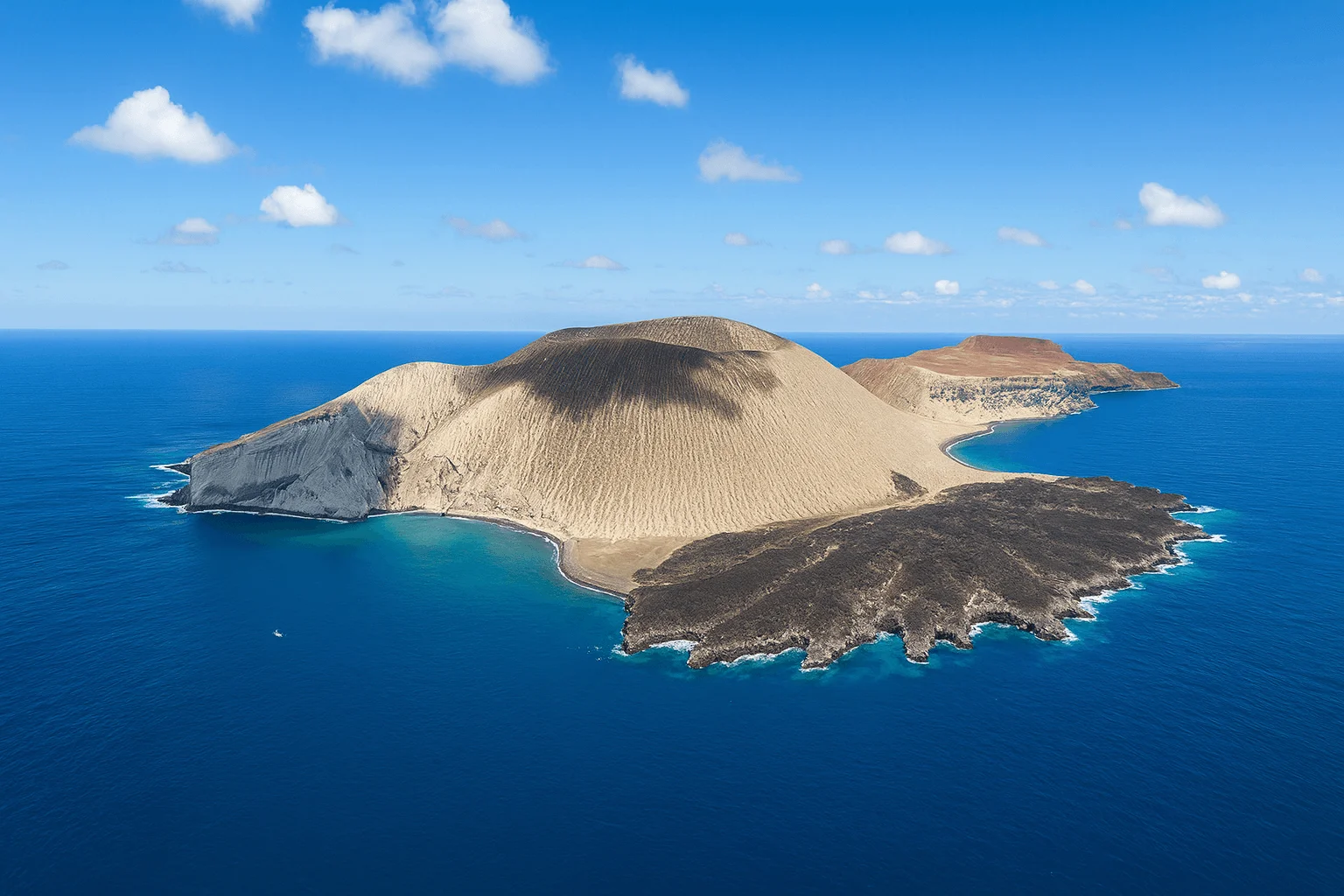
The Revillagigedo Archipelago—better known simply as Socorro—is Mexico’s answer to the Galápagos. Located 400 km off the Baja California coast, this remote chain of volcanic islands (San Benedicto, Socorro, Roca Partida and Clarion) can only be reached by liveaboard. The reward for the 24‑hour crossing is a pelagic wonderland where giant Pacific manta rays circle close enough to touch, hammerhead sharks school in the blue, and humpback whales breach beside the boat. Rugged pinnacles and walls drop into deep blue water, attracting a myriad of large predators and making Socorro one of the world’s great big‑animal dive destinations.