
Scuba Diving in La Paz
The Ultimate Guide
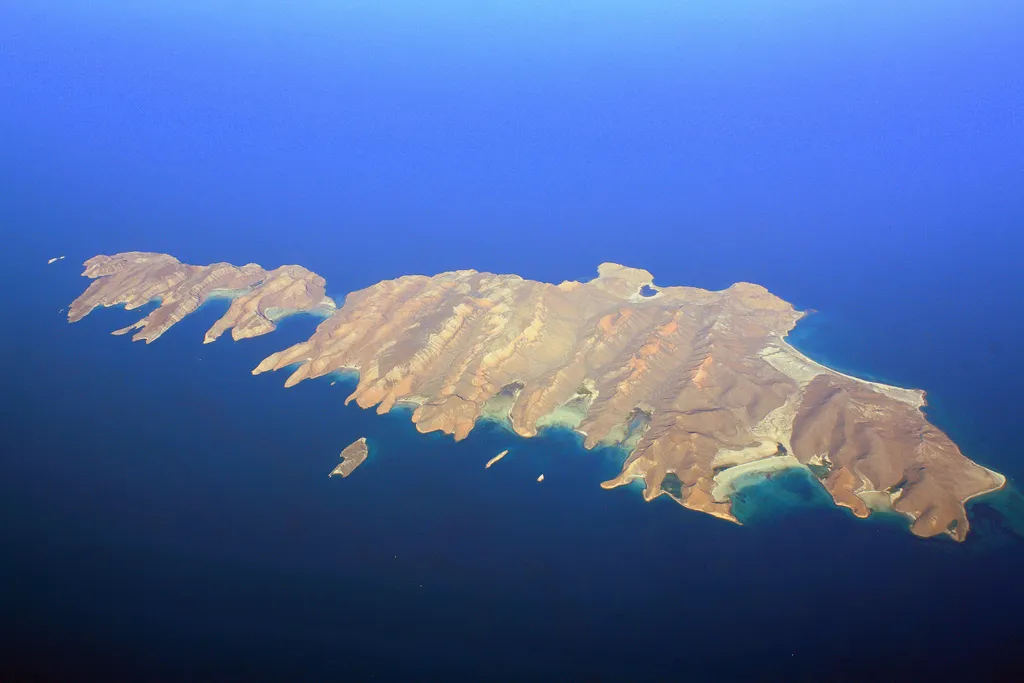
La Paz is the practical gateway to the southern Sea of Cortez—Jacques Cousteau's "world aquarium"—without Cabo crowds. Day boats run from the Malecón and local marinas out to Isla Espíritu Santo National Park for California sea lions at Los Islotes, shipwrecks in the San Lorenzo Channel, and blue-water seamounts like El Bajo. In winter, the Bay of La Paz hosts one of the world's most accessible whale shark snorkel seasons (scuba is not allowed in the refuge zone).
What Makes It Different
This is a city-based wildlife trip, not a remote reef camp. You sleep in a real Mexican capital, eat well on the waterfront, then motor 30–90 minutes to sites that punch far above their logistics. Los Islotes is the headline scuba day (playful juveniles at 5–18 m); whale sharks are a separate early-morning snorkel; El Bajo is the advanced pelagic add-on when current and season line up.
Conditions and Dive Style
Expect 2-tank boat days with a beach lunch on Espíritu Santo between dives. Water runs cool in winter (18–22 °C, 5 mm recommended) and warm in summer (28–30 °C). Visibility commonly 15–30 m, dropping when plankton blooms. Critical timing: Los Islotes closes to diving and snorkeling 1 June–31 August for breeding season under CONANP rules—plan around that if sea lions are the reason you booked.
Difficulty
Moderate
Temperature
18–30°C
Visibility
15–30 m
Diving Highlights
Best Months to Dive
Getting to La Paz for Diving
✈️Transportation
Fly into Manuel Márquez de León International Airport (LAP) for the short taxi into town, or into Los Cabos International (SJD) and drive ~2–2.5 hours north to La Paz—common if you are combining Los Cabos with a Sea of Cortez wildlife side trip. Most dive shops meet on the Malecón or at nearby marinas around 8:00–8:30 for full-day boat departures.
Isla Espíritu Santo sits roughly 30–90 minutes offshore depending on site (channel wrecks closer; Los Islotes and El Bajo farther). Whale shark snorkel boats usually leave earlier (often 5:30–7:00) for the Bay of La Paz refuge zone.
Park permits for Espíritu Santo and the whale shark sanctuary are typically bundled into tour prices, but confirm. Cards work widely in the city; still keep MXN cash for tips, taxis, and small beach vendors. USD is commonly accepted in tourist services at a modest markup.
Country
Mexico
Currency
Mexican Peso
Electricity
127V, 60Hz, Type A/B plugs
Cost of a Dive Trip in La Paz
Day Trip
Meal
Accommodation
Transportation
Best Dive Sites in La Paz
🐠Los Islotes
Twin rocky islets at the north tip of Isla Espíritu Santo hosting a large California sea lion colony (census figures often hundreds of animals). Signature scuba at 5–18 m: curious juveniles loop divers, chase bubbles, and move through arches. Closed to diving/snorkeling 1 June–31 August for breeding. Boat ride is typically the longest of the standard day-trip sites.
🐢El Bajo
Offshore seamount complex (three peaks rising from blue water) northeast of Los Islotes. Peaks around 16–25 m with walls dropping past 30–40 m. Advanced conditions with current; best known for schooling scalloped hammerheads in summer/early fall, plus tuna, amberjack, mantas, and dense moray populations even on shark-quiet days.
🦈Salvatierra Wreck
Car ferry that sank in the mid-1970s after striking Swanee Reef in the San Lorenzo Channel; sits roughly 18–20 m. Upper structure was battered by hurricane before salvage, so expect open corridors and artificial-reef fish life (pufferfish, eels, goatfish) rather than an intact shipwalk.
🐙Fang Ming Wreck
Intentionally scuttled vessel near Espíritu Santo (sunk late 1990s as an early Latin American artificial reef project), resting about 17–22 m. Accessible to Open Water divers when conditions allow; good second-tank wreck with schooling fish around the superstructure.
🐚La Reina
Rocky islet off the northern tip of Isla Cerralvo (Jacques Cousteau Island). Biodiversity-focused reef to ~24–26 m with turtles, schooling fish, eels, rays, and occasional sea lions that colonized from richer feeding grounds. Longer boat ride; often substituted when Los Islotes is closed or for variety days.
🦑Swanee Reef
Shallow rocky reef in the San Lorenzo Channel (max ~12 m) between La Paz and Espíritu Santo. Easy profiles, dense reef fish (grunts, goatfish), and occasional sea lions hunting the bait. Also the hazard that sank the Salvatierra—popular as a calm second dive or snorkel stop.
🐡C-59 Wreck
Former Mexican navy minesweeper scuttled as an artificial reef around 21 m. Sea fans and schooling fish through the superstructure; regularly offered as a certification-friendly wreck alternative to Salvatierra/Fang Ming when operators rotate sites.
What Divers Say About Diving in La Paz

Yuki Tanaka
Underwater Photographer / Master Scuba DiverI came for Los Islotes and stayed for the logistics. Being able to sleep in a real city, walk the Malecón for dinner, then jump a panga to sea lions the next morning is an underrated dive-travel luxury. My best scuba day was classic La Paz sequencing: first tank at Los Islotes with curious juveniles threading the group, surface interval on a Espíritu Santo beach with ceviche, second tank on the Fang Ming wreck where the metal had turned into proper fish housing.
Whale sharks were a separate early start. Know the rules before you book: it is snorkeling only in the refuge, turns in the water are short, and vis can be green from the same plankton that brings the sharks. That tradeoff is the point—you are in the feeding soup with animals the size of a bus.
If you have an Advanced card and a current window, push for El Bajo. It is a different destination within the same booking: blue water, seamount peaks, and a real chance at schooling hammerheads in season. Cabo Pulmo is worth a side trip for reef biomass; La Paz is the big-animal and island-park half of Baja Sur.
Frequently Asked Questions About Diving in La Paz
When is the best time to dive La Paz?
October–May is the strongest overall window—Los Islotes is open, visibility is often excellent, and winter overlaps with whale shark snorkel season (typically mid-October/November through April, peak Dec–Mar). June–August closes Los Islotes but brings warm water, mobulas, and better El Bajo hammerhead odds.
Can I scuba dive with the whale sharks?
No. Encounters in the Bay of La Paz refuge are snorkeling-only under current regulations. Book a licensed SEMARNAT operator; scuba days are separate (sea lions, wrecks, El Bajo).
Is Los Islotes suitable for Open Water divers?
Yes. The main colony profiles are roughly 5–18 m with interactive juveniles. Respect briefings—stay clear of large territorial bulls, do not chase animals, and expect seasonal closure 1 June–31 August.
How does La Paz differ from Cabo Pulmo?
Cabo Pulmo is a no-take reef reserve famous for jackfish tornadoes, bull sharks, and reef biomass. La Paz is city-based access to Espíritu Santo (sea lions, wrecks, seamounts) plus seasonal whale shark snorkeling in the bay. Many divers do both on one Baja Sur trip.
Do I need Advanced Open Water?
Not for Los Islotes, Swanee Reef, Fang Ming, or many Espíritu Santo reefs. El Bajo (hammerheads, deeper profiles, current) is the site that typically wants AOW and blue-water comfort.
Should I fly into LAP or SJD?
LAP is closest. SJD works well if you are already in Los Cabos or want more international flight options—budget a 2–2.5 hour road transfer each way.