
Blennies
Blenniiformes (order with 900+ species)
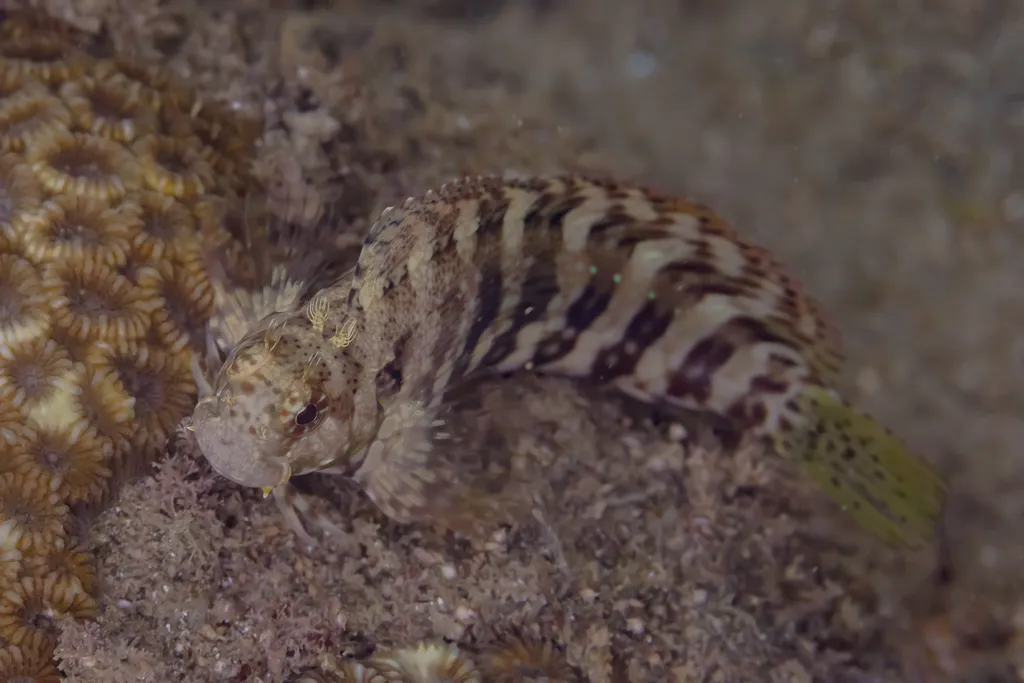
Photo by Diego Delso / CC BY-SA 4.0 via Wikimedia Commons
Blennies are one of the most entertaining fish groups on a dive, but they are not a single species. Divers use "blenny" as an umbrella term for many fishes in the order Blenniiformes, with combtooth blennies (family Blenniidae) being the classic reef form most people recognize. They are small, bold, curious, and perfectly adapted to life around cracks, holes, and surge zones where larger fish struggle to stay still.
What makes blennies addictive to watch is personality density: a fish only a few centimeters long can defend a crevice like a dragon, inspect your dome port, then vanish backward into a tube in less than a second. For macro divers and photographers, they are ideal subjects because many individuals hold a territory and repeatedly return to the same perch.
Ecologically, blennies occupy a wide range of feeding roles, from algae grazers that keep surfaces clean to opportunistic biters that mimic cleaner fish. That versatility, combined with huge species diversity, is why you can encounter "a blenny" in tropical muck, colorful coral gardens, and even temperate kelp systems.
🔬Classification
📏Physical Features
🌊Habitat Info
⚠️Safety & Conservation
Identification Guide
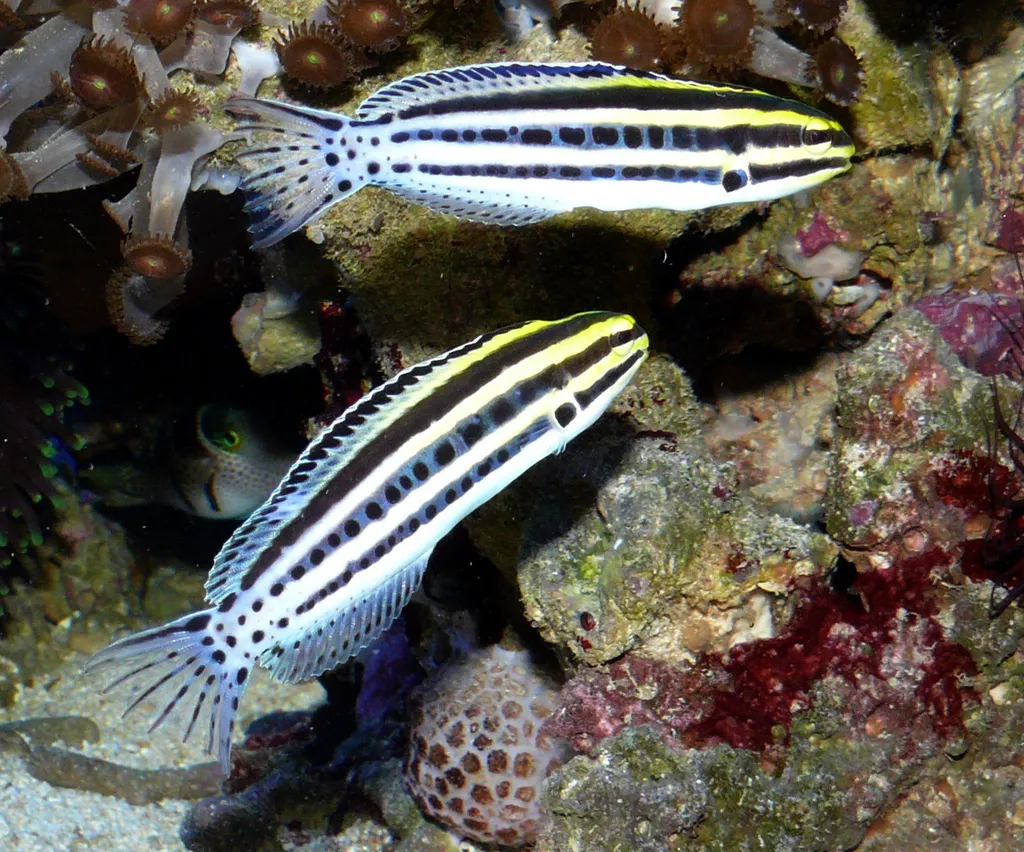
Photo by Haplochromis / CC BY-SA 3.0 via Wikimedia Commons
Core Field Marks
- Continuous dorsal fin: Unlike gobies with two dorsal sections, blennies usually show one long, uninterrupted dorsal profile.
- Head cirri ("eyebrows"): Many species have fleshy tentacles over the eyes or snout, a quick visual clue.
- Hole-guardian posture: Typical pose is head-out, body-in, with rapid retreat when threatened.
- Elongate body plan: Most appear cigar-like or eel-like compared with compact reef fish.
Behavior Clues
- Repeatedly returning to the same crack or shell opening is classic blenny behavior.
- Territorial head shakes and short dashes toward nearby fish are common.
- Some species perch on rocks using pectoral support rather than sustained open-water swimming.
Top 10 Fun Facts about Blennies
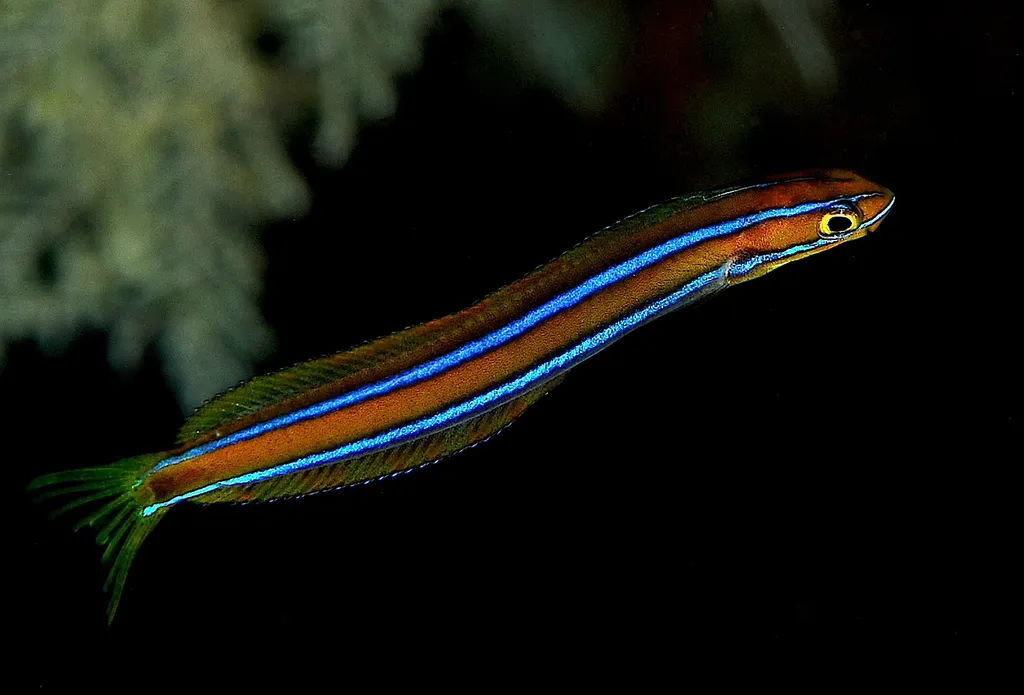
Photo by Jenny (JennyHuang) from Taipei / CC BY 2.0 via Wikimedia Commons
1. "Blenny" Is a Group Name, Not One Fish
Divers often say "a blenny" as if it were one species, but blennies represent a broad order-level grouping with hundreds of species. This is why body shape, behavior, and habitat can vary a lot between sites while still feeling unmistakably blenny-like.
2. Continuous Dorsal Fin Is the Fastest Underwater ID
In mixed rubble habitats, the simplest split from gobies is dorsal structure: blennies usually carry one long continuous dorsal line, while gobies tend to show two separated sections. This single cue saves a lot of misidentification during fast encounters.
3. Head Cirri Are More Than Decoration
The little tentacles above the eyes or nose are called cirri. They likely help with camouflage and species recognition, and for photographers they turn a small fish portrait into a character shot with expression.
4. Many Blennies Are Micro-Territory Specialists
A single crevice, shell, or short stretch of rubble can be a blenny's entire kingdom. They memorize this micro-landscape and use short sprint-and-retreat tactics to defend it, which is why patience at one spot often beats constant finning.
5. Some Blennies Carry Real Chemical Defense
Most blennies are harmless, but fangblennies (such as Meiacanthus spp.) possess venomous canine teeth. Their bites are defensive and uncommon, yet this adaptation shows that even tiny reef fish can evolve sophisticated anti-predator systems.
6. False Cleaner Blennies Run a Reef Scam
Certain species mimic cleaner wrasse patterns, approach larger fish, then nip tissue or mucus instead of removing parasites. This aggressive mimicry is one of the most fascinating deception strategies visible to divers on natural reefs.
7. Backward Retreat Is a Signature Move
Blennies frequently reverse into holes tail-first at high speed. This maneuver lets them keep visual contact with threats until the last moment and still disappear instantly into secure cover.
8. They Help Shape Reef Surfaces
Grazing species scrape algae and film from rock and coral substrate, contributing to micro-scale reef maintenance. Even tiny fish can influence how clean, overgrown, or balanced shallow surfaces become over time.
9. Reproductive Care Is Often Male-Centered
In many blenny species, males guard attached eggs laid in crevices or on hard substrate. For divers, repeated male station-holding near one cavity can hint at active nesting behavior even when eggs are difficult to see.
10. Blennies Reward Slow Diving More Than Fast Diving
Big pelagics reward distance and coverage; blennies reward stillness and attention. If you slow down, watch one crevice, and reduce fin wash, you often get richer behavior than from chasing larger subjects all dive.
Diving & Observation Notes
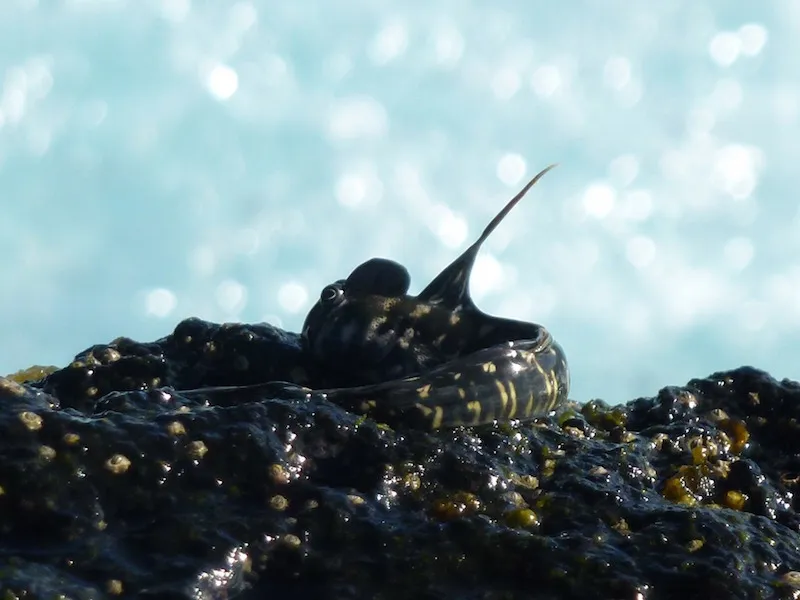
Photo by Eliane Küpfer / CC BY-SA 4.0 via Wikimedia Commons
🧭 Finding Blennies
Focus on structure, not open water. Check reef cracks, dead coral blocks, rubble fields, old tube-worm casings, and pier pilings. If a site has surge channels and many tiny holes, there are usually blennies nearby.
🤿 Approach and Behavior
Approach low and slow, then stop. Blennies often re-emerge after 10-30 seconds if you hold position. Sudden hand movement near their home triggers immediate retreat, so let the fish set the interaction distance.
📸 Photo Strategy
Eye-level framing works best. Use a narrow beam focus light to find the eye without blasting the whole crevice. Shoot short bursts when the fish yawns, head-shakes, or rises from its perch for cleaner behavioral frames.
⚠️ Ethics and Safety
Never poke holes or pry rocks for a better angle. Avoid touching unknown cavities because some fangblennies can bite defensively. Good buoyancy matters: one careless fin kick can collapse micro-habitat used by multiple species.
Best Places to Dive with Blennies
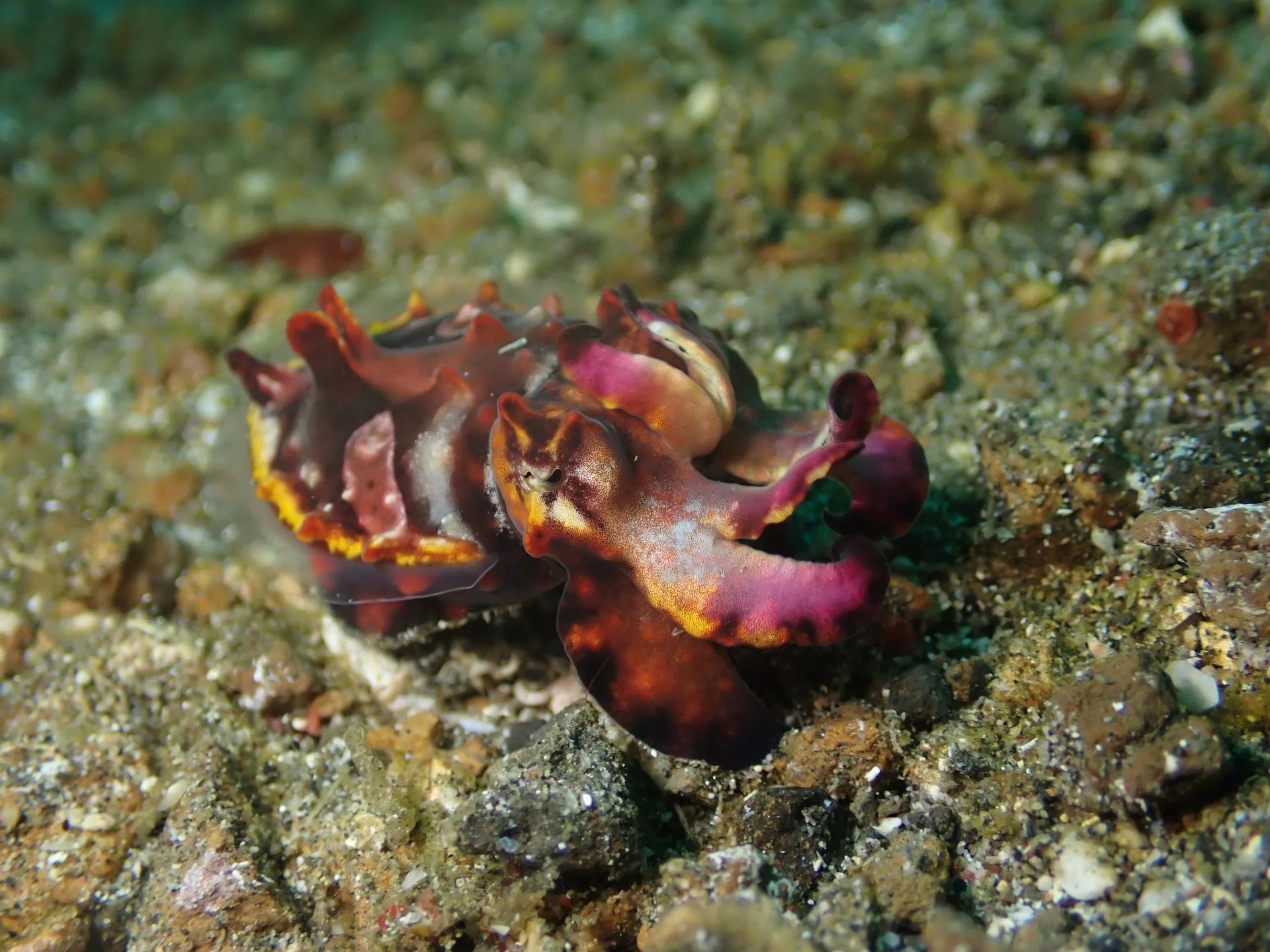
Lembeh
The Lembeh Strait in North Sulawesi has become famous as the muck‑diving capital of the world. At first glance its gently sloping seabed of black volcanic sand, rubble and discarded debris looks bleak. Look closer and it is teeming with weird and wonderful life: hairy and painted frogfish, flamboyant cuttlefish, mimic and blue‑ringed octopuses, ornate ghost pipefish, tiny seahorses, shrimp, crabs and a rainbow of nudibranchs. Most dives are shallow and calm with little current, making it an ideal playground for macro photographers. There are a few colourful reefs for a change of scenery, but Lembeh is all about searching the sand for critter treasures.
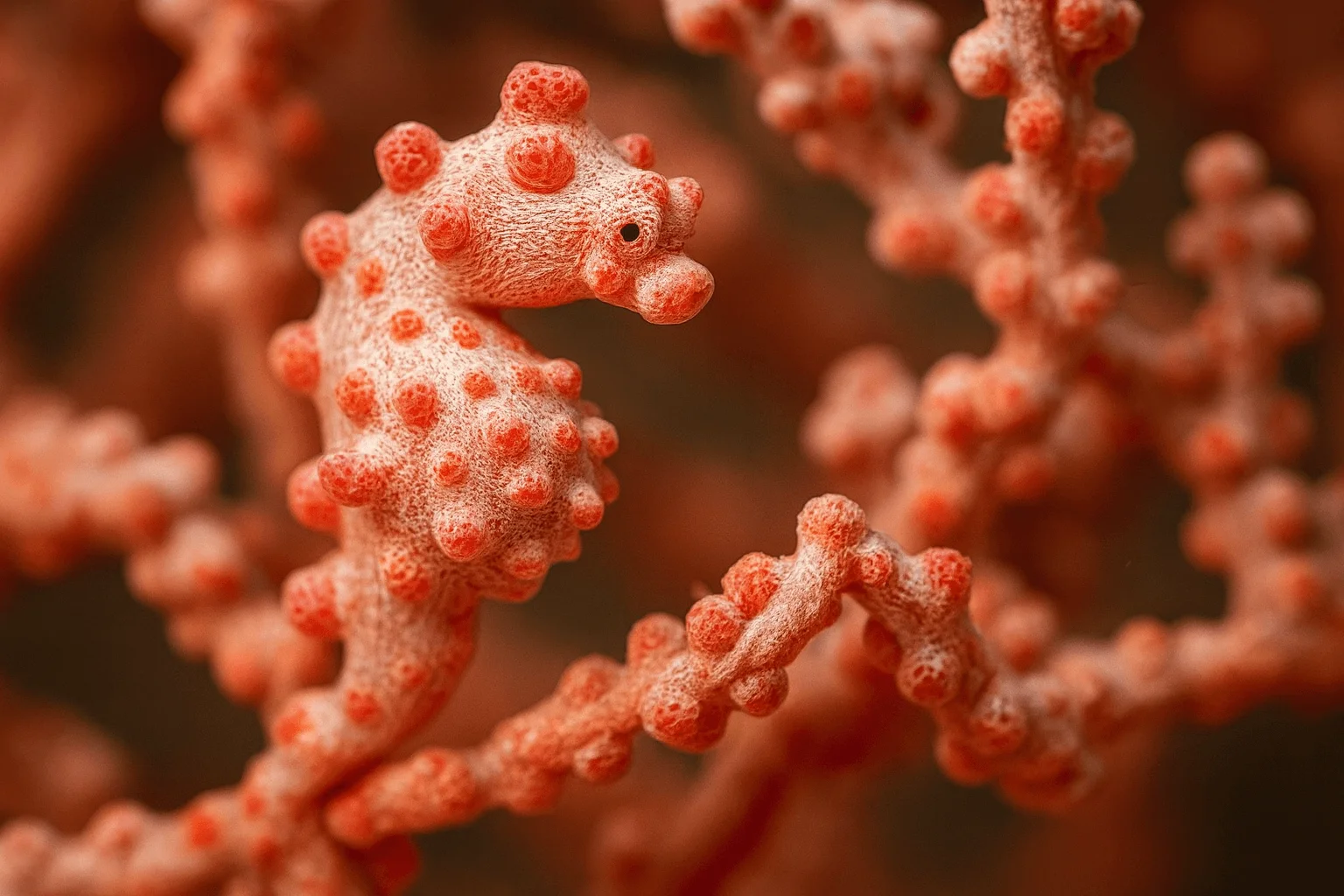
Anilao
Anilao, a small barangay in Batangas province just two hours south of Manila, is often called the macro capital of the Philippines. More than 50 dive sites fringe the coast and nearby islands, offering an intoxicating mix of coral‑covered pinnacles, muck slopes and blackwater encounters. Critter enthusiasts come for the legendary muck dives at Secret Bay and Anilao Pier, where mimic octopuses, blue‑ringed octopuses, wonderpus, seahorses, ghost pipefish, frogfish and dozens of nudibranch species lurk in the silt. Shallow reefs like Twin Rocks and Cathedral are covered in soft corals and teem with reef fish, while deeper sites such as Ligpo Island feature gorgonian‑covered walls and occasional drift. Because Anilao is so close to Manila and open year‑round, it’s the easiest place in the Philippines to squeeze in a quick diving getaway.
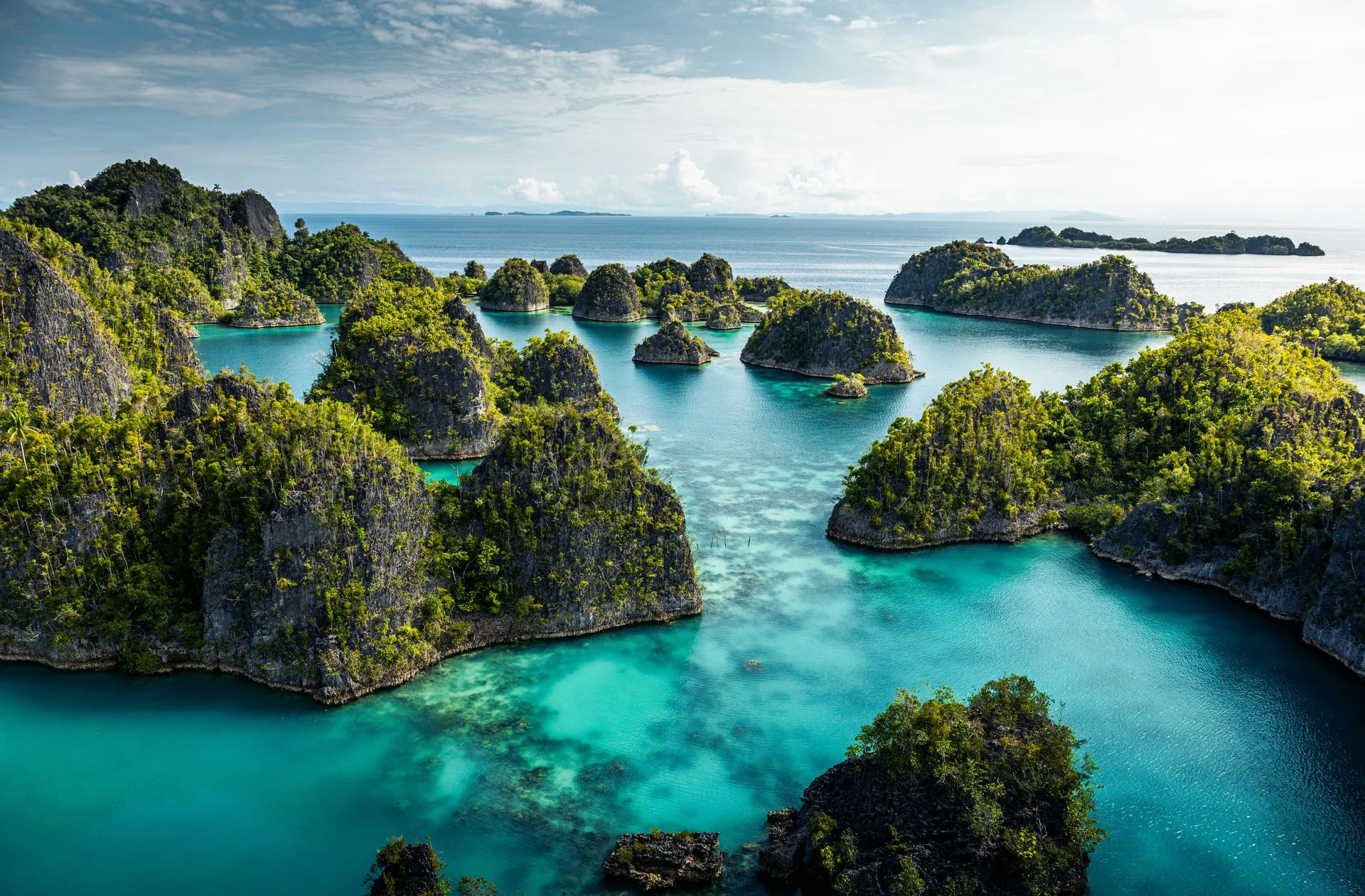
Raja Ampat
Raja Ampat, the “Four Kings,” is an archipelago of more than 1,500 islands at the edge of Indonesian West Papua. Its reefs sit in the heart of the Coral Triangle, where Pacific currents funnel nutrients into shallow seas and feed the world’s richest marine biodiversity. Diving here means gliding over colourful walls and coral gardens buzzing with more than 550 species of hard and soft corals and an estimated 1,500 fish species. You’ll meet blacktip and whitetip reef sharks on almost every dive, witness giant trevally and dogtooth tuna hunting schools of fusiliers, and encounter wobbegong “carpet” sharks, turtles, manta rays and dolphins. From cape pinnacles swarming with life to calm bays rich in macro critters, Raja Ampat offers endless variety. Above water, karst limestone islands and emerald lagoons provide spectacular scenery between dives.
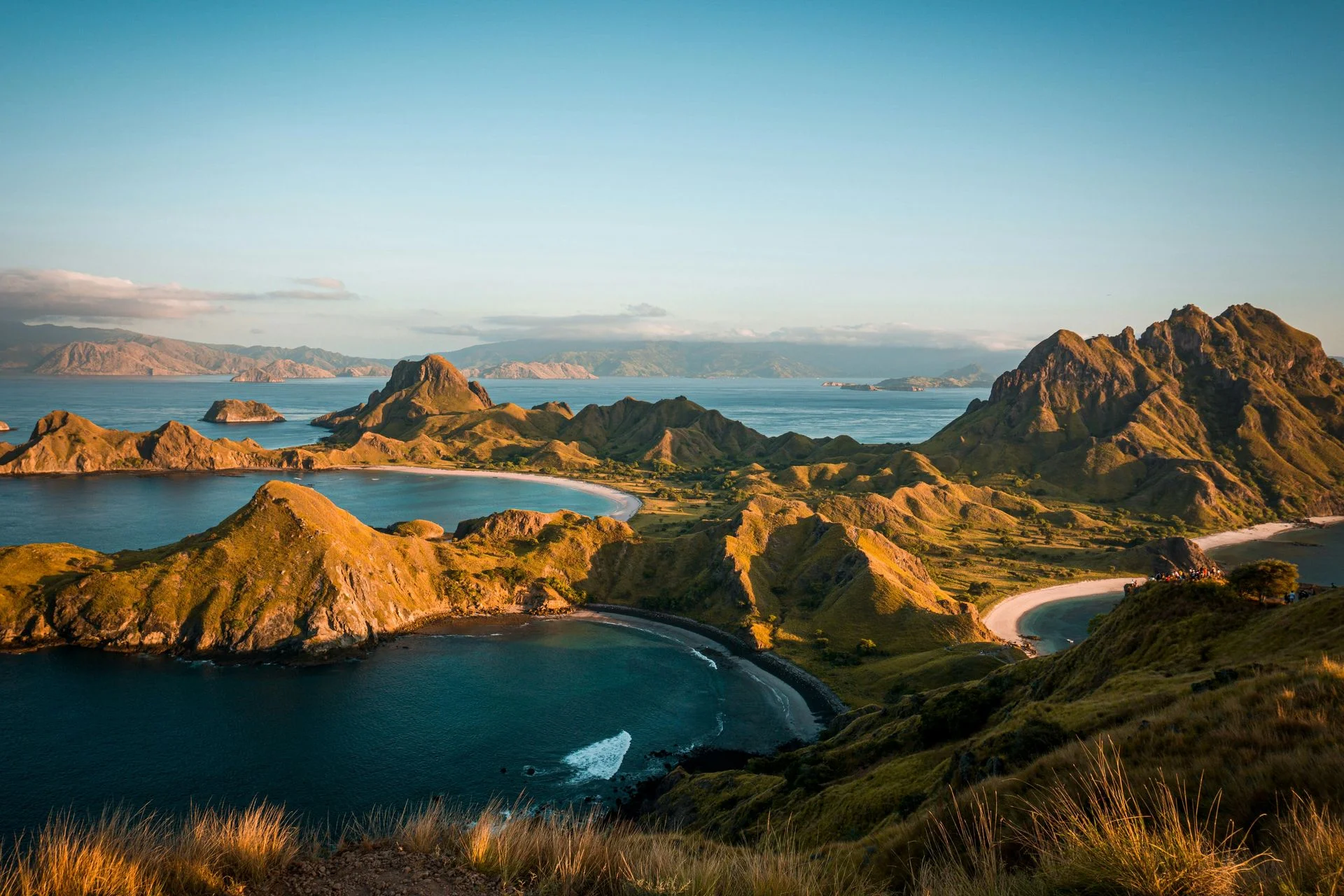
Komodo
Komodo National Park is a diver’s paradise full of marine diversity: expect healthy coral gardens, reef sharks, giant trevallies, countless schools of fish, and frequent manta ray sightings at sites like Manta Point and Batu Bolong. Drift dives and dramatic reef structures add excitement, while both macro lovers and big-fish fans will find plenty to love. Above water, the wild Komodo dragons roam, giving a touch of prehistoric wonder to the whole trip.
Tulamben(Bali)
Tulamben sits on Bali’s northeast coast and is best known for the USAT Liberty shipwreck – a 125‑metre cargo ship torpedoed in WWII that now lies just a short swim from shore. Warm water, mild currents and straightforward shore entries make diving here relaxed for all levels. Besides the wreck, divers can explore coral gardens, black‑sand muck sites and dramatic drop‑offs. Macro lovers will find nudibranchs, ghost pipefish, mimic octopus and pygmy seahorses, while big‑fish fans can encounter schooling jackfish, bumphead parrotfish and reef sharks. With a compact coastline packed with variety, Tulamben delivers world‑class wreck and critter diving without long boat rides.
Palau
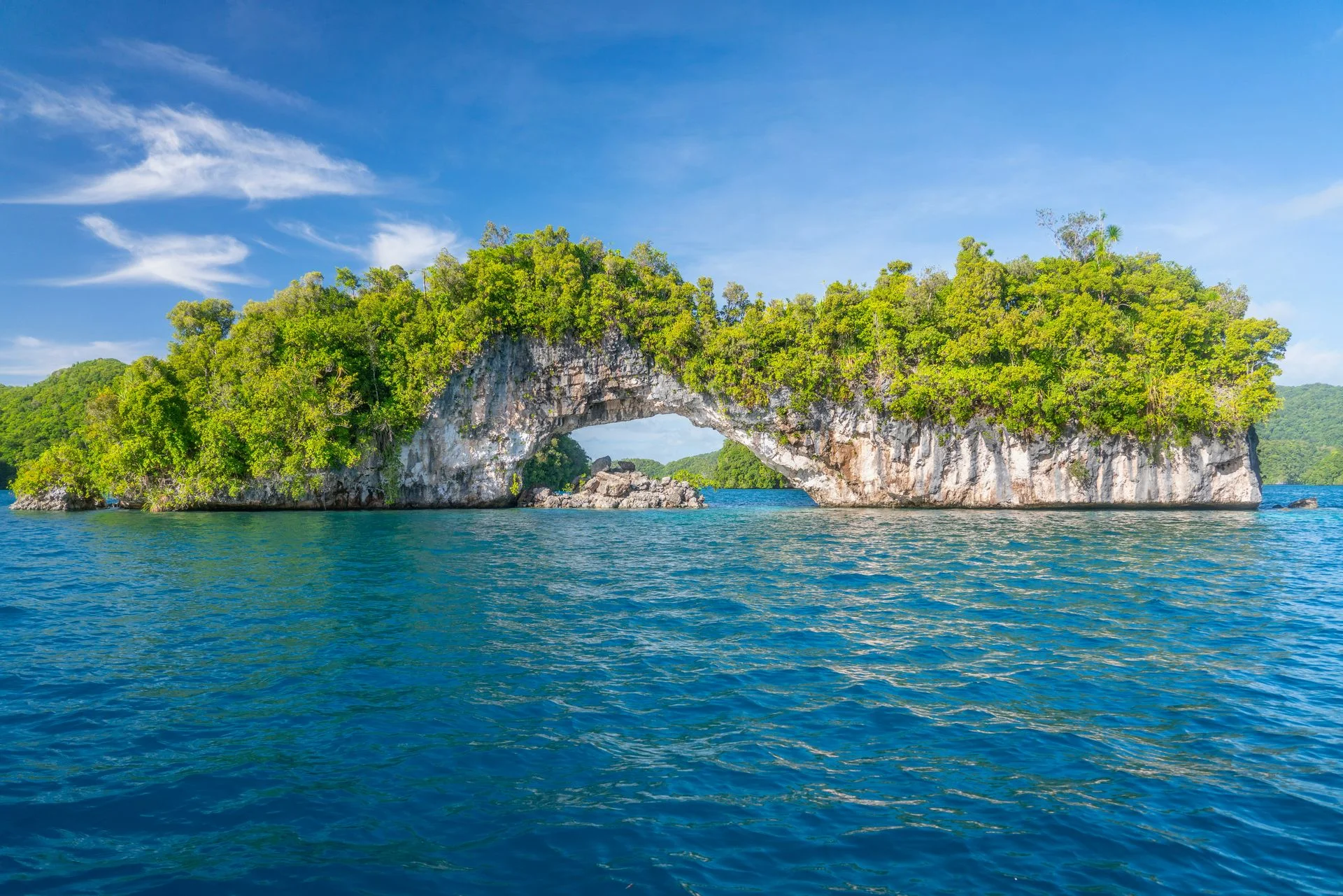
Rising out of the western Pacific at the meeting point of two great oceans, Palau is an archipelago of more than 500 jungle‑cloaked islands and limestone rock pinnacles. Its barrier reef and scattered outcrops create caverns, walls, tunnels and channels where nutrient‑rich currents sweep in from the Philippine Sea. These flows feed carpets of hard and soft corals and attract vast schools of jacks, barracudas and snappers, as well as an impressive cast of pelagics. Grey reef and whitetip sharks parade along the legendary Blue Corner; manta rays glide back and forth through German Channel’s cleaning stations; and Ulong Channel offers a thrill‑ride drift over giant clams and lettuce corals. Between dives you can snorkel among non‑stinging jellyfish in Jellyfish Lake or explore WWII ship and plane wrecks covered in colourful sponges.
Maldives
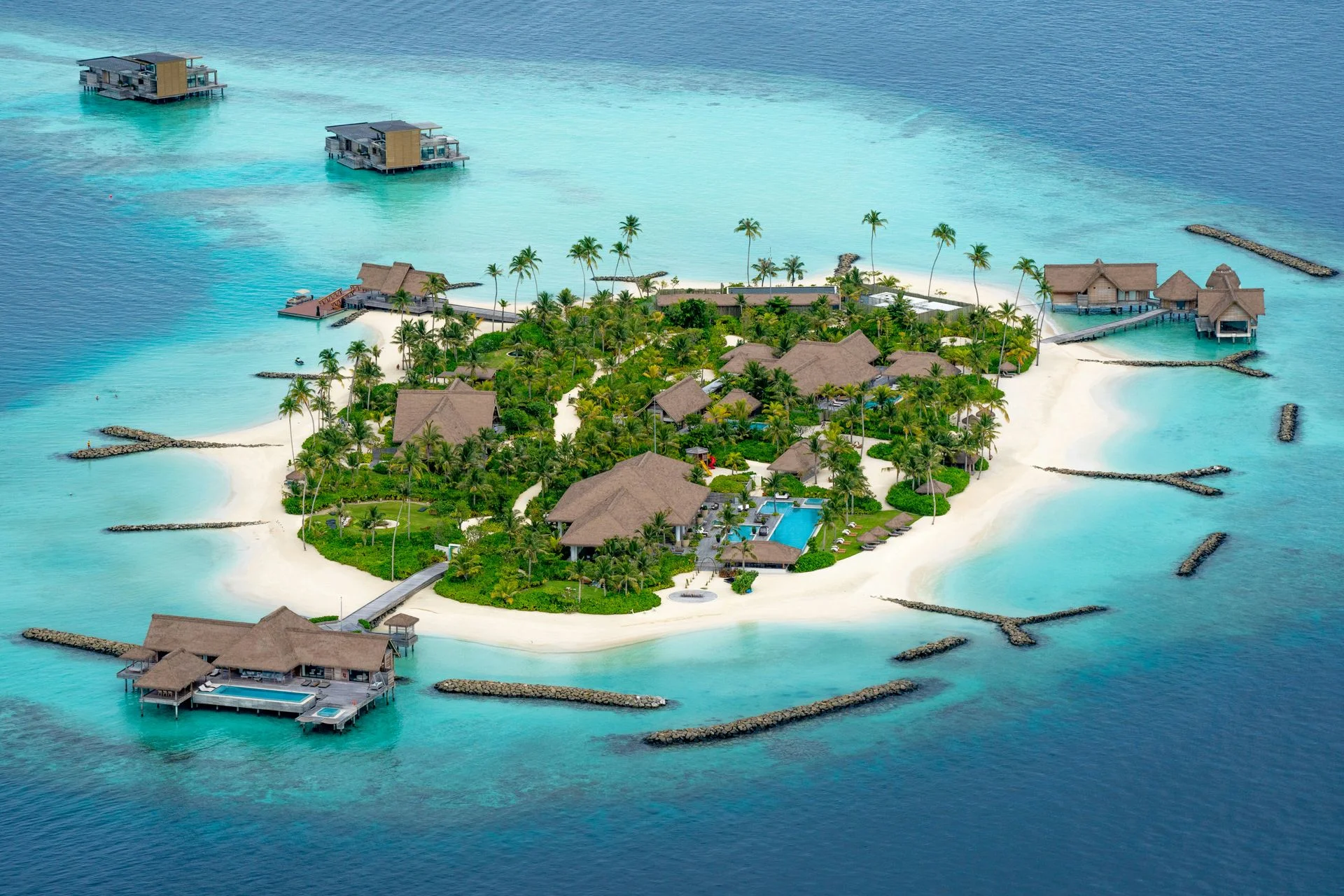
Scattered across the Indian Ocean like strings of pearls, the Maldives’ 26 atolls encompass more than a thousand low‑lying islands, reefs and sandbanks. Beneath the turquoise surface are channels (kandus), pinnacles (thilas) and lagoons where powerful ocean currents sweep past colourful coral gardens. This nutrient‑rich flow attracts manta rays, whale sharks, reef sharks, schooling jacks, barracudas and every reef fish imaginable. Liveaboards and resort dive centres explore sites such as Okobe Thila and Kandooma Thila in the central atolls, manta cleaning stations in Baa and Ari, and shark‑filled channels like Fuvahmulah in the deep south. Diving here ranges from tranquil coral slopes to adrenalin‑fuelled drifts through current‑swept passes, making the Maldives a true pelagic playground.
Bonaire
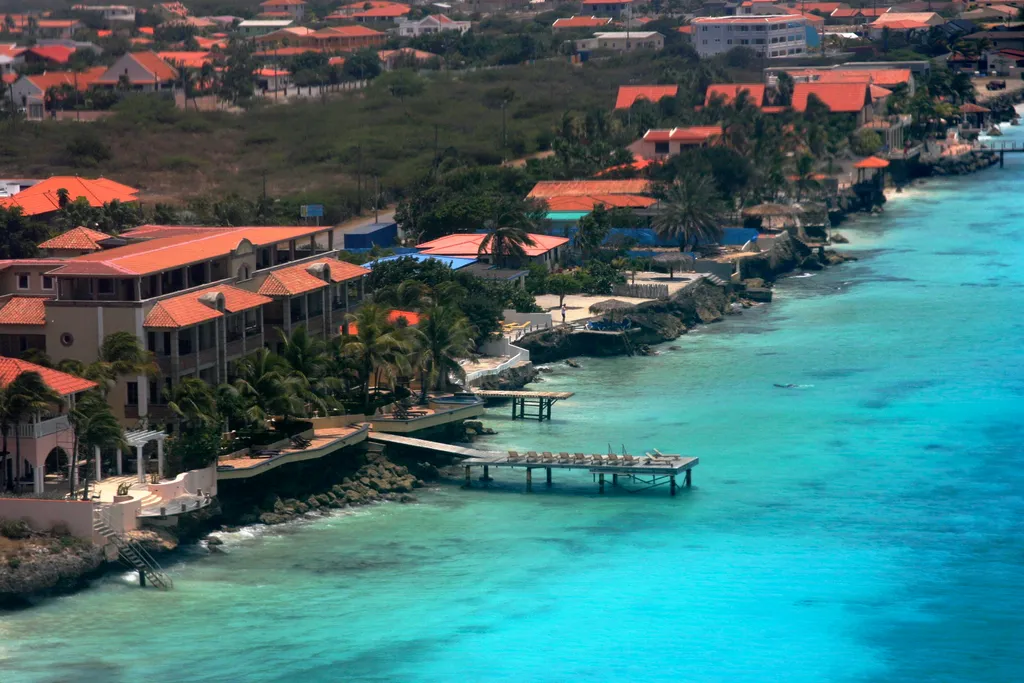
Bonaire is the Caribbean's shore-diving capital: pick up tanks at your shop, load the pickup, follow yellow-painted roadside markers to the entry, and you're on the reef in minutes. The entire leeward coast sits inside the Bonaire National Marine Park (BNMP), where decades of protection have left hard and soft corals in genuinely healthy shape—visibility often 20–40 m and water a comfortable 26–29 °C year-round. Most divers rent a truck, buy an unlimited shore-tank package, complete a mandatory orientation dive, then buddy-dive independently for the rest of the trip. Signature sites span easy west-coast reefs (Bari Reef, Angel City), iconic entries like 1000 Steps and Oil Slick Leap, the Hilma Hooker wreck, and short boat hops to Klein Bonaire. Macro hunters get frogfish and nudibranchs; wide-angle shooters chase schooling fish, turtles, eagle rays, and reef sharks. It's not a liveaboard rhythm—it's early-morning doubles, long surface intervals, and sunset or night dives when pier access allows.
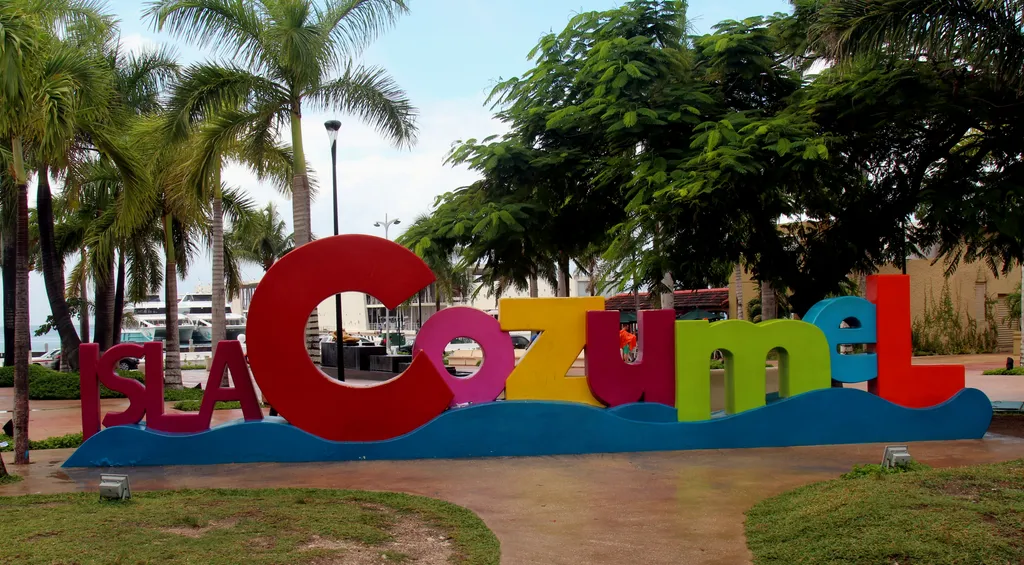
Cozumel
Cozumel sits on the Mesoamerican Barrier Reef—the second-largest reef system on the planet—and earned its place in dive history when Jacques Cousteau filmed its walls in the 1960s. Today the island is a boat-centric Caribbean classic: two-tank mornings from San Miguel, drift along coral cliffs in gin-clear water, surface for ceviche between dives. Almost everything worth diving lies inside Arrecifes de Cozumel National Marine Park, where mooring buoys, no-gloves rules, and park fees keep the reef in remarkably good shape. The signature experience is drift diving. Prevailing currents carry you along Santa Rosa, Colombia, and Palancar while you fin minimally and watch eagle rays, turtles, and schooling jacks slide past the drop-off. Walls plunge from 15 m to blue infinity; swim-throughs at Palancar Caves and the advanced cavern entry at Devil's Throat reward divers who like topography. Macro hunters scan for the splendid toadfish—an endemic bottom-dweller found almost nowhere else. Night dives on Paradise Reef and the C-53 wreck round out a week that feels busy without ever rushing. What Cozumel is not: a whale-shark island (head to Isla Mujeres or Holbox for that) or a liveaboard hub—operations are day boats from town. Watch the Norte wind in winter; it can cancel southern sites like Punta Sur. Bring cash for park fees, tip your crew, carry an SMB, and consider nitrox—you'll want the extra bottom time on these drifts.
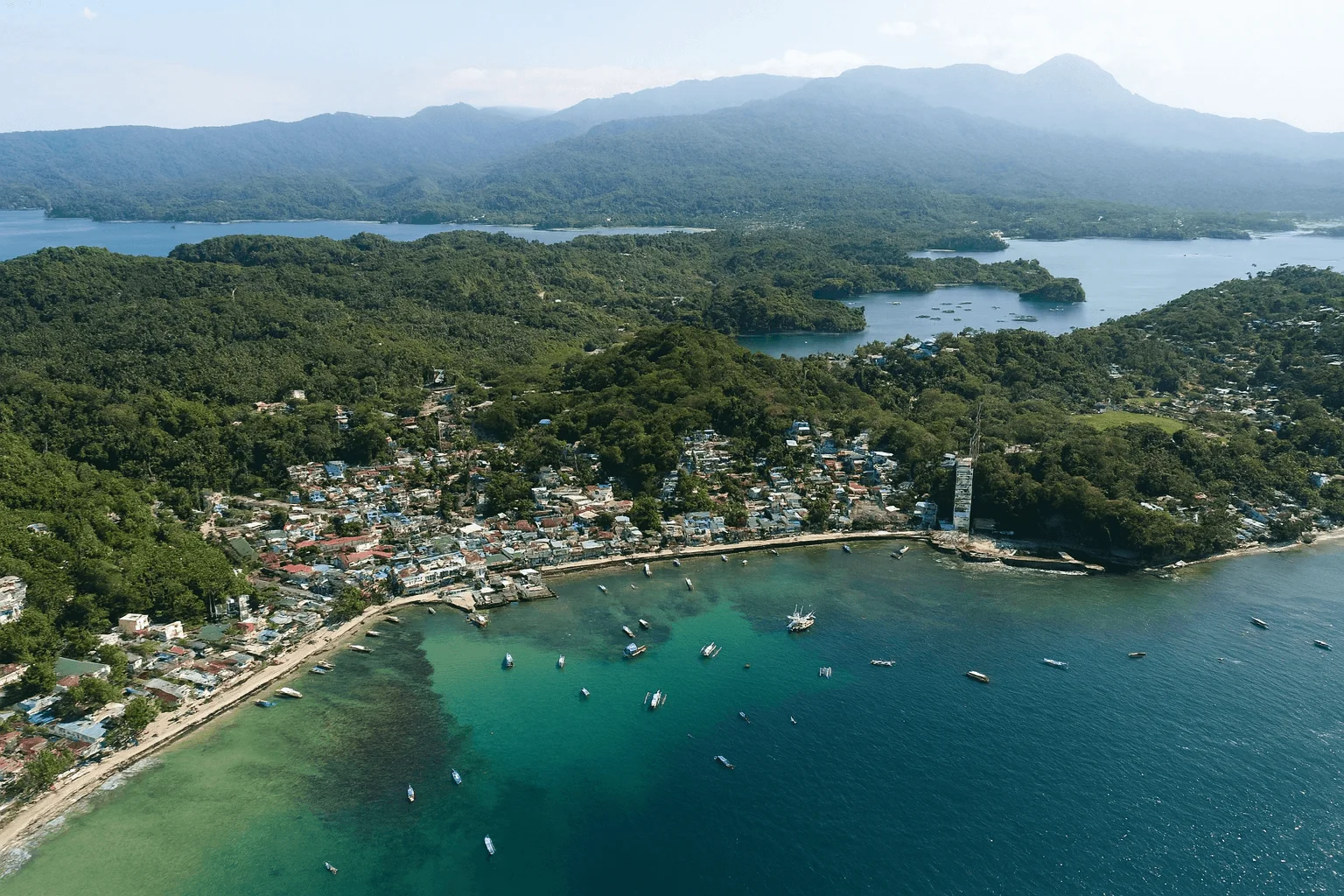
Puerto Galera
Puerto Galera sits on the northeast tip of Mindoro Island in the Philippines and has long been rated among Asia’s best and most diverse diving areas. The town faces the Verde Island Passage – part of the Coral Triangle – so its reefs host an incredible mix of hard and soft corals, seahorses, frogfish and other critters alongside schooling jacks and occasional pelagics. More than forty sites line the bays and headlands around Sabang and Small La Laguna, meaning everything from easy house‑reef dives and shallow muck sites to current‑swept canyons and colourful wrecks is only a short boat ride away. Currents are governed by the lunar cycle; strong spring tides around full and new moon create exciting drift dives, while neap tides offer gentle conditions that are perfect for macro photography. Because the water stays warm all year (27–30 °C) and visibility often reaches 15–30 m, Puerto Galera attracts both beginners and experienced divers seeking a fun, affordable destination with lively nightlife on land.
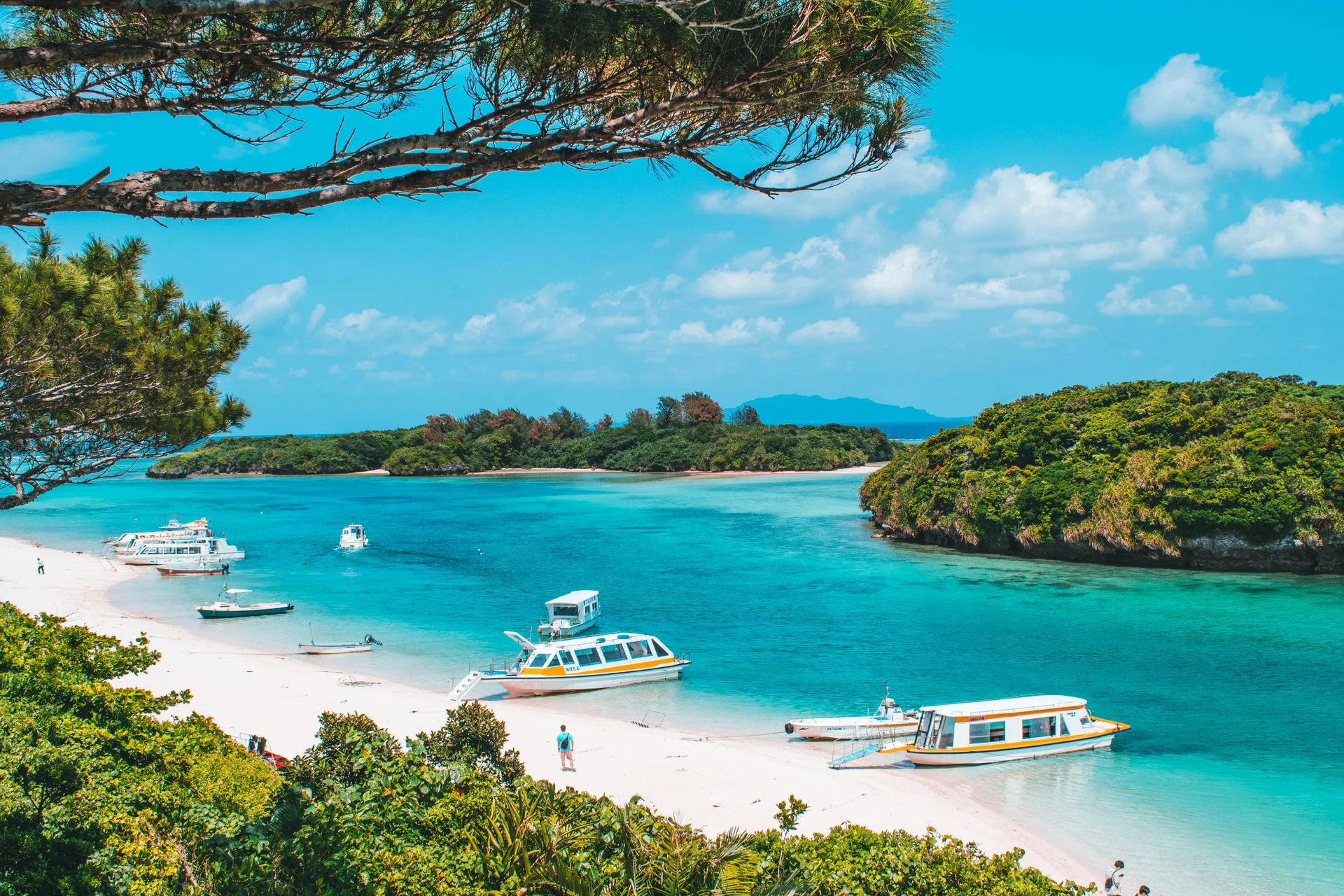
Okinawa
Straddling the subtropical Ryūkyū chain in Japan’s far south, Okinawa Prefecture is a mosaic of islands offering everything from shallow coral gardens to deep wrecks and wild drift dives. The main island provides easy access to the vibrant reefs of the Kerama National Park, where Tokashiki and Zamami Islands boast pristine hard corals, sea fans and more turtles than you can count. Just offshore, Cape Manza’s Dream Hole drops through a chimney into a colourful cavern system teeming with soldierfish, angelfish and feather stars. Further north, history buffs can dive the 100‑metre USS Emmons, a WWII destroyer resting intact at 35–40 m. Closer to shore, Cape Maeda’s Blue Cave offers an easy swim‑through with magical blue light – but expect crowds. Away from the main island, Okinawa’s outer islands extend the experience: Ishigaki’s Manta Scramble (April–Nov) promises manta ray ballets, Yonaguni’s currents bring hammerhead sharks in winter, and Miyako’s caves and tunnels deliver topography diving at its finest. Whether you crave reef fish, big pelagics, swim‑throughs or macro critters, Okinawa’s warm, clear waters offer a Japanese diving adventure for every level of diver.