
Boxer Crab
Lybia tessellata
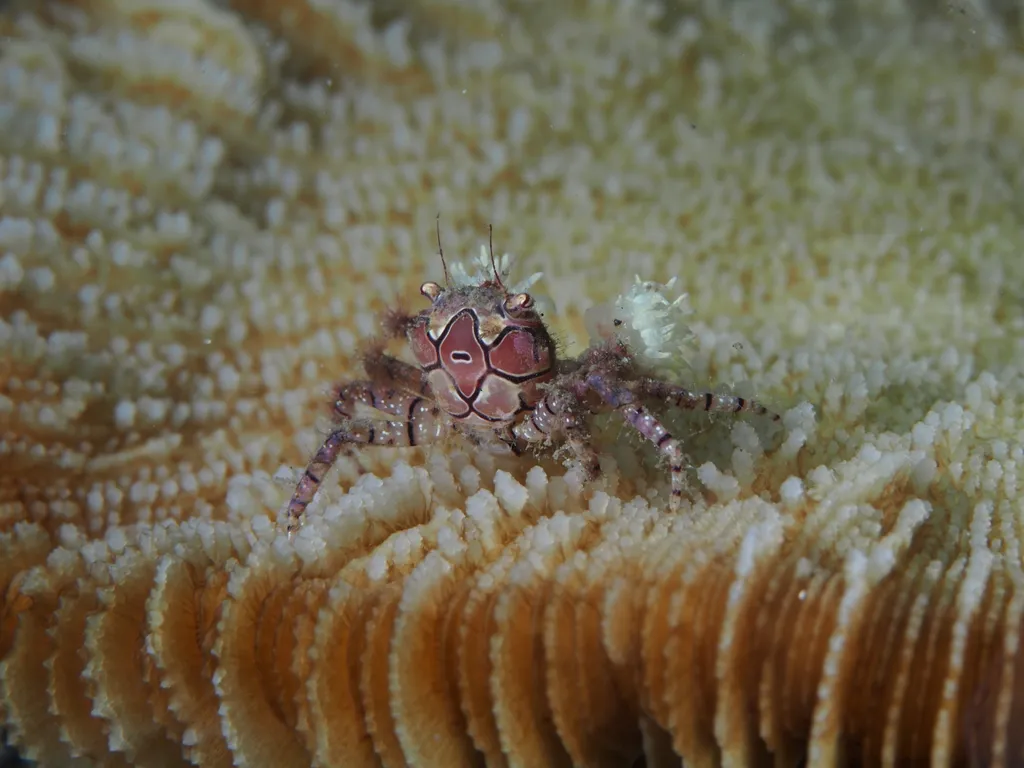
Photo by Rickard Zerpe / CC BY-SA 2.0 via Wikimedia Commons
The Boxer Crab (Lybia tessellata) is one of the best proof points that macro diving keeps getting weirder the closer you look. Tiny, patterned, and usually hiding in rubble, it carries a living sea anemone in each claw like a pair of white pom-poms. Those anemones are not decoration: they are mobile defense tools and feeding aids, making this crab one of the most iconic reef symbiosis subjects for photographers.
In the water, sightings are usually short and sudden. A diver scans a broken coral patch, spots two pale dots waving, and realizes the dots are anemones attached to a crab smaller than a thumb joint. If you slow down and stay low, the crab often resumes its normal behavior and starts "sparring" in place with both claws raised.
🔬Classification
📏Physical Features
🌊Habitat Info
⚠️Safety & Conservation
Identification Guide
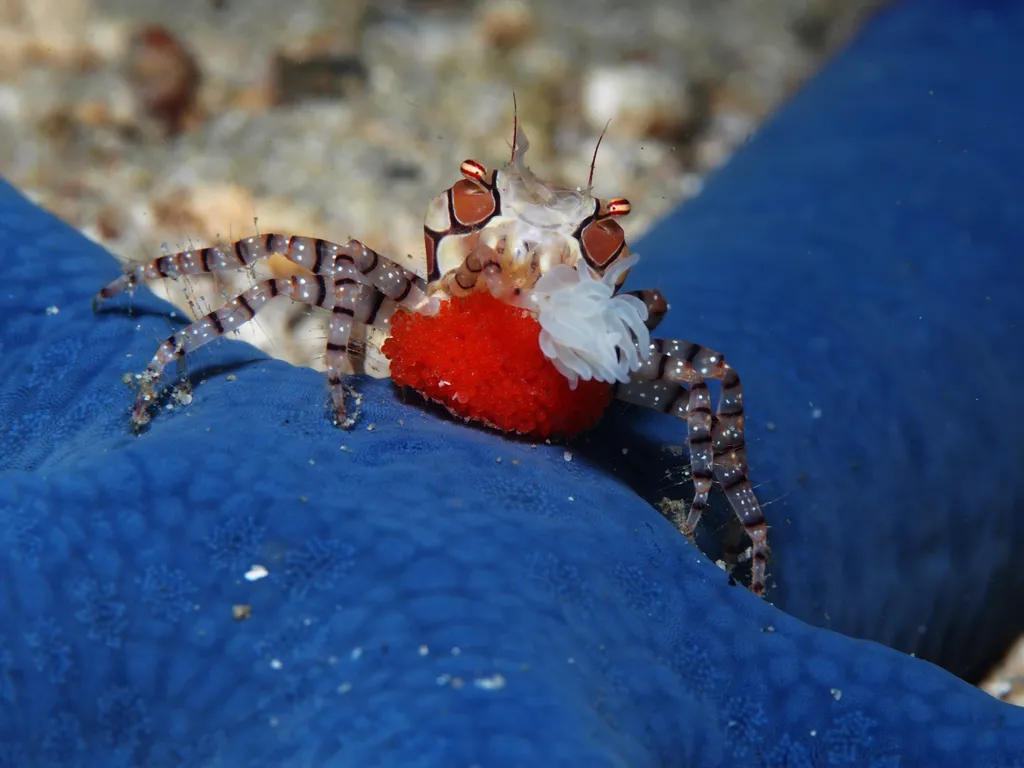
Photo by Rickard Zerpe / CC BY-SA 2.0 via Wikimedia Commons
Start with habitat, not shape. Search coral rubble and crevices on sheltered reef flats and gentle slopes, especially where guides report regular critter activity.
Field marks
- Tiny crab with a broad, patterned carapace (often under 2.5 cm)
- One small sea anemone held in each claw
- Distinctive "boxing" posture with claws lifted forward
- Long walking legs relative to body size, helping it perch on uneven rubble
Similar species and confusion points
- Other small xanthid crabs do not carry paired anemones
- Juvenile decorator crabs may carry debris, but arrangement is irregular and not two symmetric "pom-poms"
- In low visibility, anemone movement is often easier to notice than the crab itself
Top 10 Fun Facts about Boxer Crab
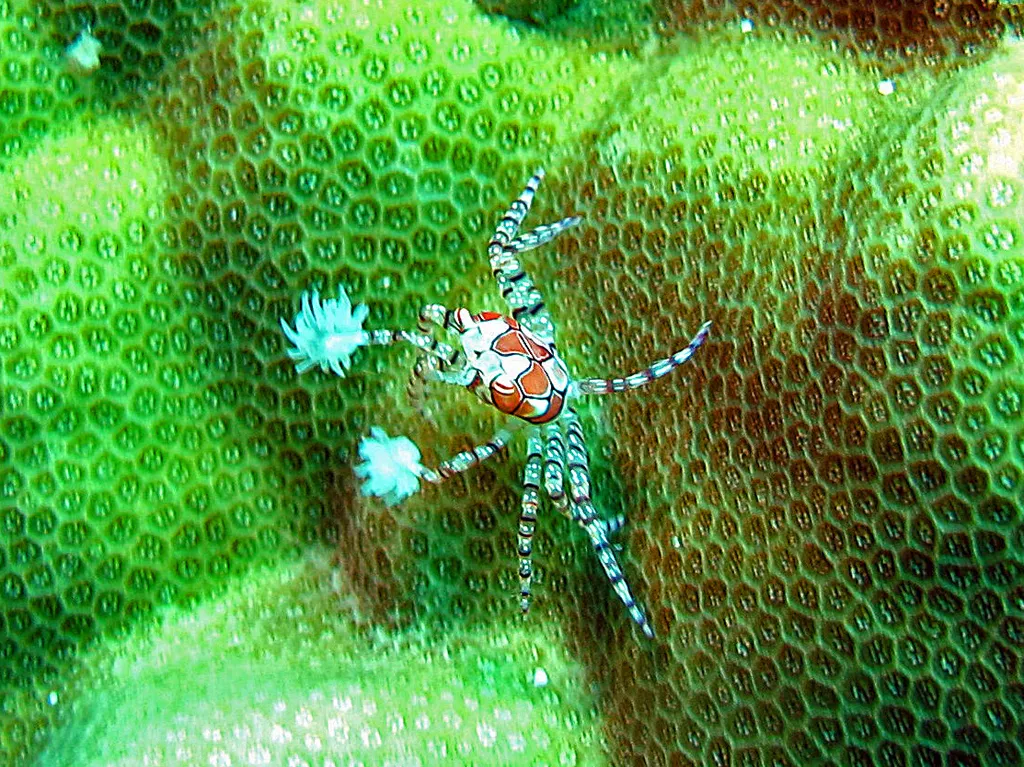
Photo by Hectonichus / CC BY-SA 3.0 via Wikimedia Commons
1. It carries living weapons
Boxer crabs hold sea anemones in each claw and brandish them when threatened. The stinging cells deter predators, effectively outsourcing defense to another animal.
2. The claws changed jobs
In many crabs, claws crush or tear food. In Lybia tessellata, they are reduced for grasping anemones, while feeding is handled more by mouthparts and walking-leg-assisted handling.
3. Symmetry matters underwater
Divers often notice individuals with one anemone in each claw. If one is lost, boxer crabs can split the remaining anemone and cultivate two again, restoring the pair.
4. Tiny size, big charisma
At around thumb-joint scale, this is a true macro target. Its behavior, not body size, is what makes it famous among underwater photographers.
5. Mostly a low-light critter
They tend to remain hidden in daytime crevices and become more active in dimmer periods or at night, which is why night dives and dusk windows can outperform bright noon dives.
6. Reef rubble specialist
Rather than open sand, boxer crabs prefer broken coral, small ledges, and rubble pockets where they can retreat quickly.
7. Not a "cute toy" species
The visual "pom-pom" look is misleading. Handling can stress the crab and may expose skin to anemone stings; passive observation is best.
8. Symbiosis with trade-offs
The crab gains protection and feeding utility, while the anemones gain mobility and food access opportunities, but the relationship is not always equal in benefit.
9. Indo-Pacific distribution, patchy encounters
The species is broadly distributed across tropical Indo-Pacific reefs, yet encounters are still site-dependent and rely heavily on guide knowledge of microhabitats.
10. A perfect "slow diver" reward
Fast finning misses this animal. Divers with stable buoyancy, controlled breathing, and patient scanning are the ones who consistently find it.
Diving & Observation Notes
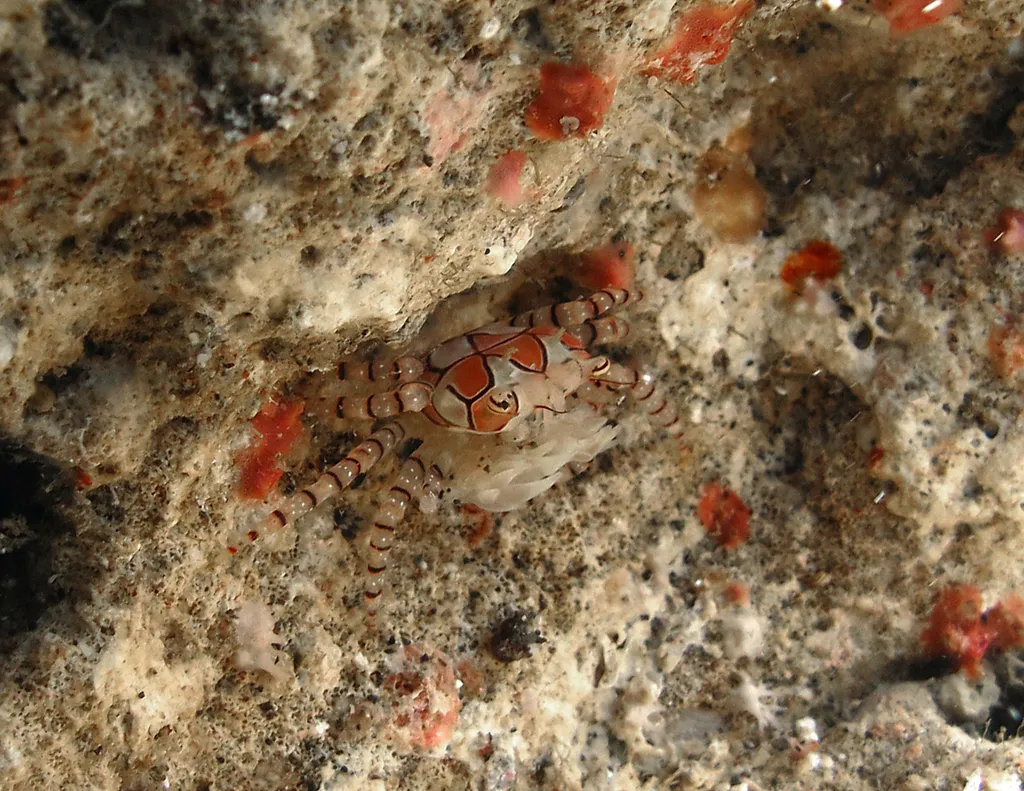
Photo by Philippe Boujon / CC BY-SA 3.0 via Wikimedia Commons
Where to look
Focus on rubble slopes and coral debris fields at shallow to moderate recreational depths, especially in known macro destinations.
Approach and behavior
Move slowly, keep your profile low, and pause rather than chase. Boxer crabs often freeze first, then resume waving behavior if the diver stays calm.
Photography tactics
- Use stable buoyancy and avoid silting, since the subject is tiny and close to substrate
- Moderate strobe output works better than full power blast
- Compose for behavior: both anemones visible in frame is the money shot
- Pre-focus near crevice openings where the crab may reappear
Ethical handling
No touching, no poking, no forced repositioning. This species is stress-prone and easy to disturb from microhabitats.
Best Places to Dive with Boxer Crab
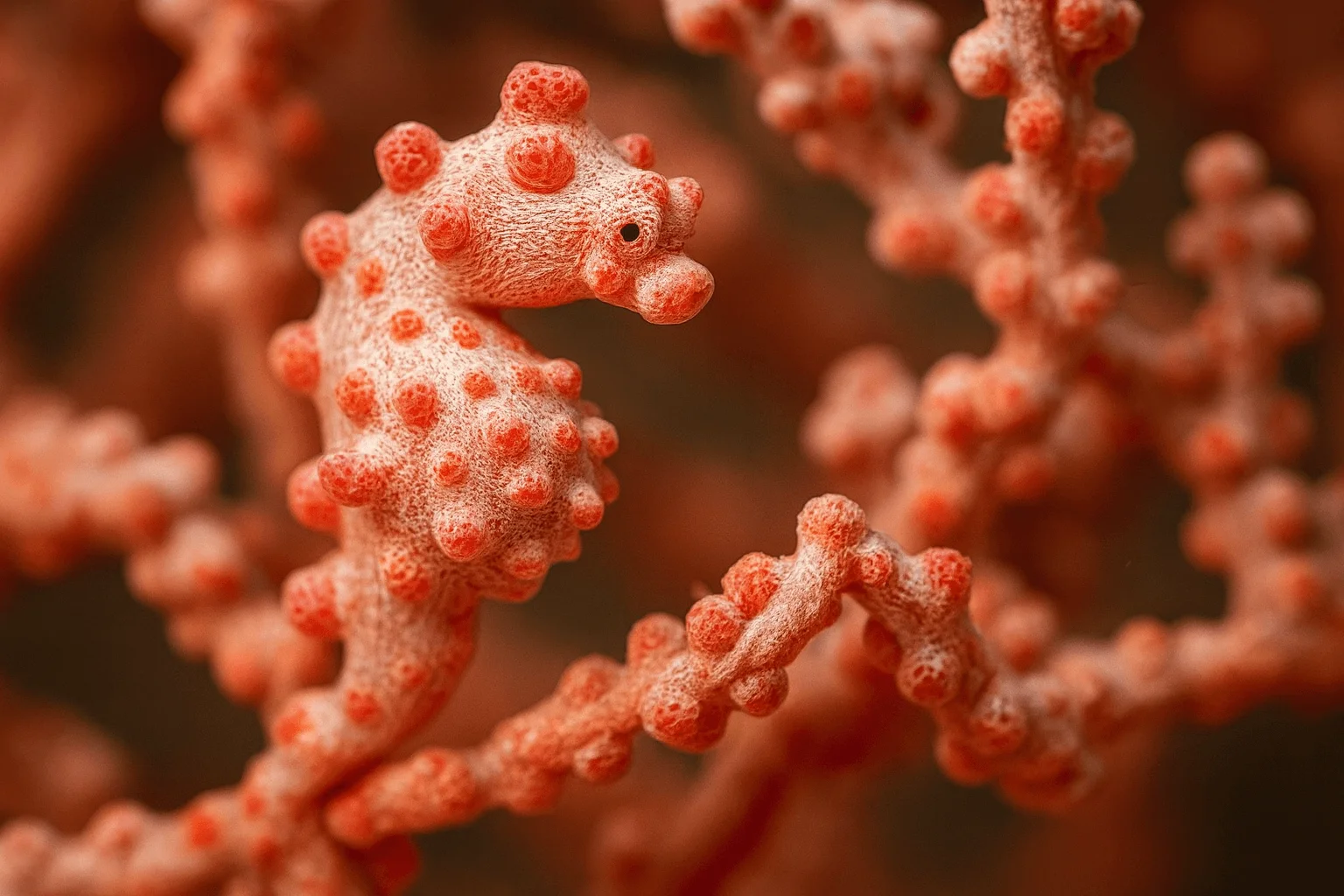
Anilao
Anilao, a small barangay in Batangas province just two hours south of Manila, is often called the macro capital of the Philippines. More than 50 dive sites fringe the coast and nearby islands, offering an intoxicating mix of coral‑covered pinnacles, muck slopes and blackwater encounters. Critter enthusiasts come for the legendary muck dives at Secret Bay and Anilao Pier, where mimic octopuses, blue‑ringed octopuses, wonderpus, seahorses, ghost pipefish, frogfish and dozens of nudibranch species lurk in the silt. Shallow reefs like Twin Rocks and Cathedral are covered in soft corals and teem with reef fish, while deeper sites such as Ligpo Island feature gorgonian‑covered walls and occasional drift. Because Anilao is so close to Manila and open year‑round, it’s the easiest place in the Philippines to squeeze in a quick diving getaway.
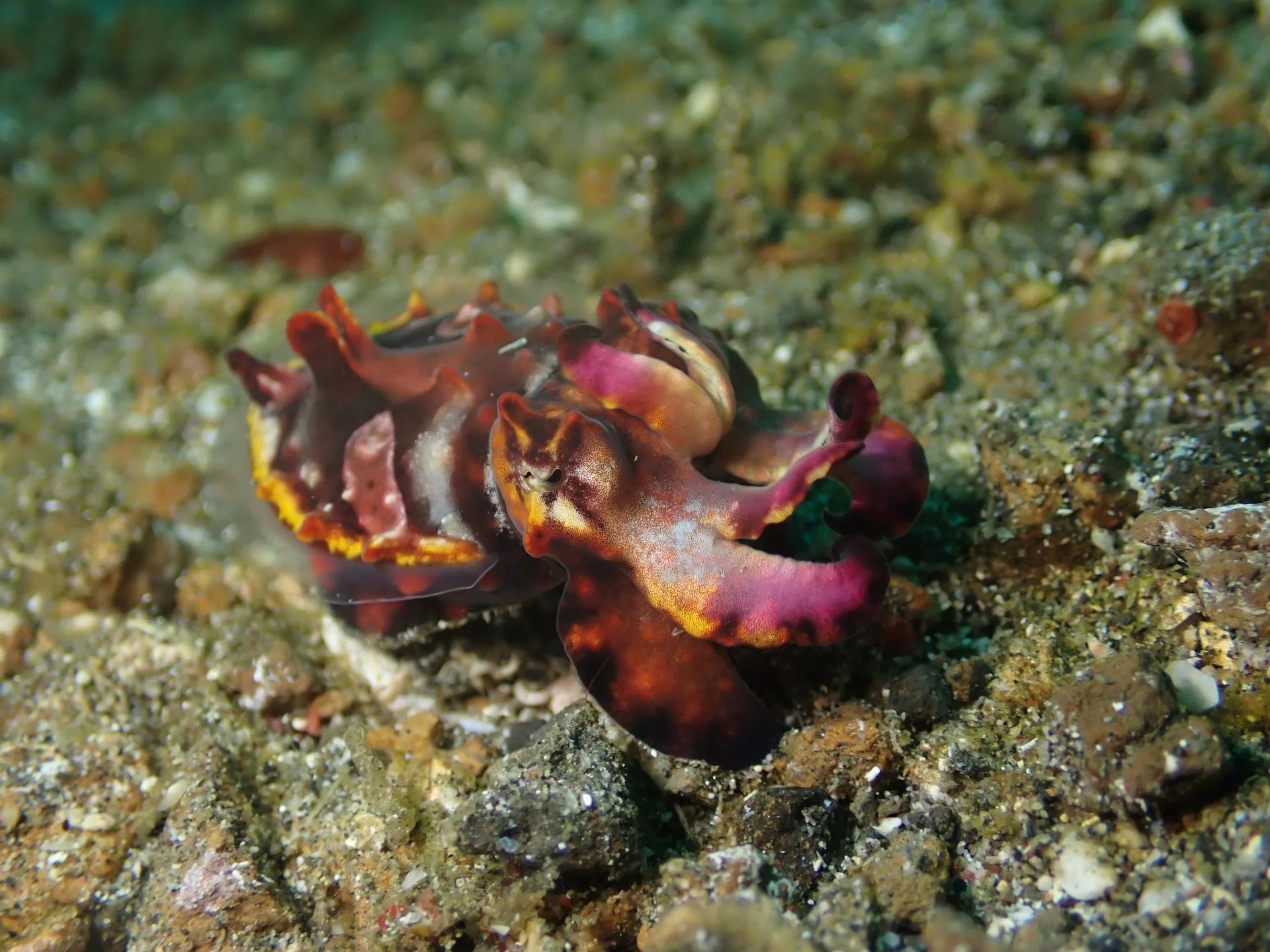
Lembeh
The Lembeh Strait in North Sulawesi has become famous as the muck‑diving capital of the world. At first glance its gently sloping seabed of black volcanic sand, rubble and discarded debris looks bleak. Look closer and it is teeming with weird and wonderful life: hairy and painted frogfish, flamboyant cuttlefish, mimic and blue‑ringed octopuses, ornate ghost pipefish, tiny seahorses, shrimp, crabs and a rainbow of nudibranchs. Most dives are shallow and calm with little current, making it an ideal playground for macro photographers. There are a few colourful reefs for a change of scenery, but Lembeh is all about searching the sand for critter treasures.
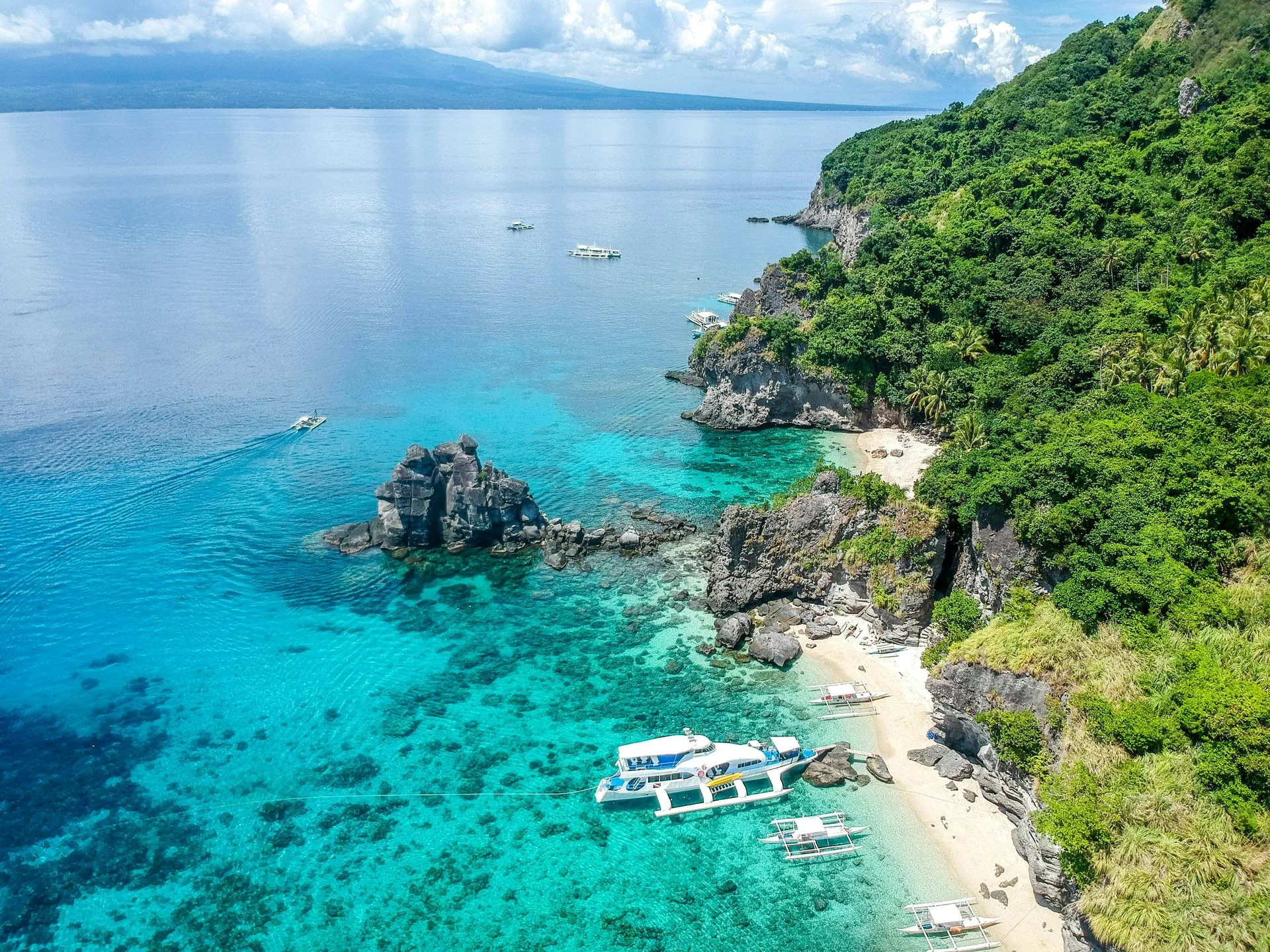
Dumaguete
Dumaguete on the southeast coast of Negros is the jumping‑off point for some of the Philippines’ most diverse diving. Along the nearby town of Dauin, a series of shallow marine sanctuaries and black‑sand slopes hide critters galore: frogfish, flamboyant cuttlefish, mimic octopus, ghost pipefish, seahorses, pipefish and nudibranchs. Artificial reefs made from car tyres and pyramids provide extra habitat. Offshore, Apo Island’s walls and plateaus burst with hard and soft corals, schooling jacks and barracudas, and friendly green turtles. With day trips to Oslob’s whale sharks or Bais’ dolphin‑watching, and excursions to nearby Siquijor, Dumaguete offers a perfect mix of macro muck diving and classic coral reefs.
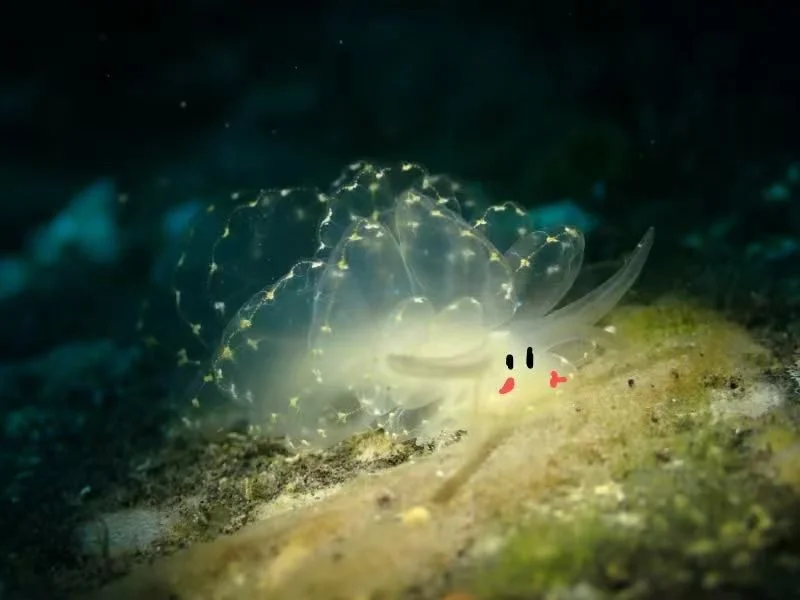
Tulamben(Bali)
Tulamben sits on Bali’s northeast coast and is best known for the USAT Liberty shipwreck – a 125‑metre cargo ship torpedoed in WWII that now lies just a short swim from shore. Warm water, mild currents and straightforward shore entries make diving here relaxed for all levels. Besides the wreck, divers can explore coral gardens, black‑sand muck sites and dramatic drop‑offs. Macro lovers will find nudibranchs, ghost pipefish, mimic octopus and pygmy seahorses, while big‑fish fans can encounter schooling jackfish, bumphead parrotfish and reef sharks. With a compact coastline packed with variety, Tulamben delivers world‑class wreck and critter diving without long boat rides.
Bohol
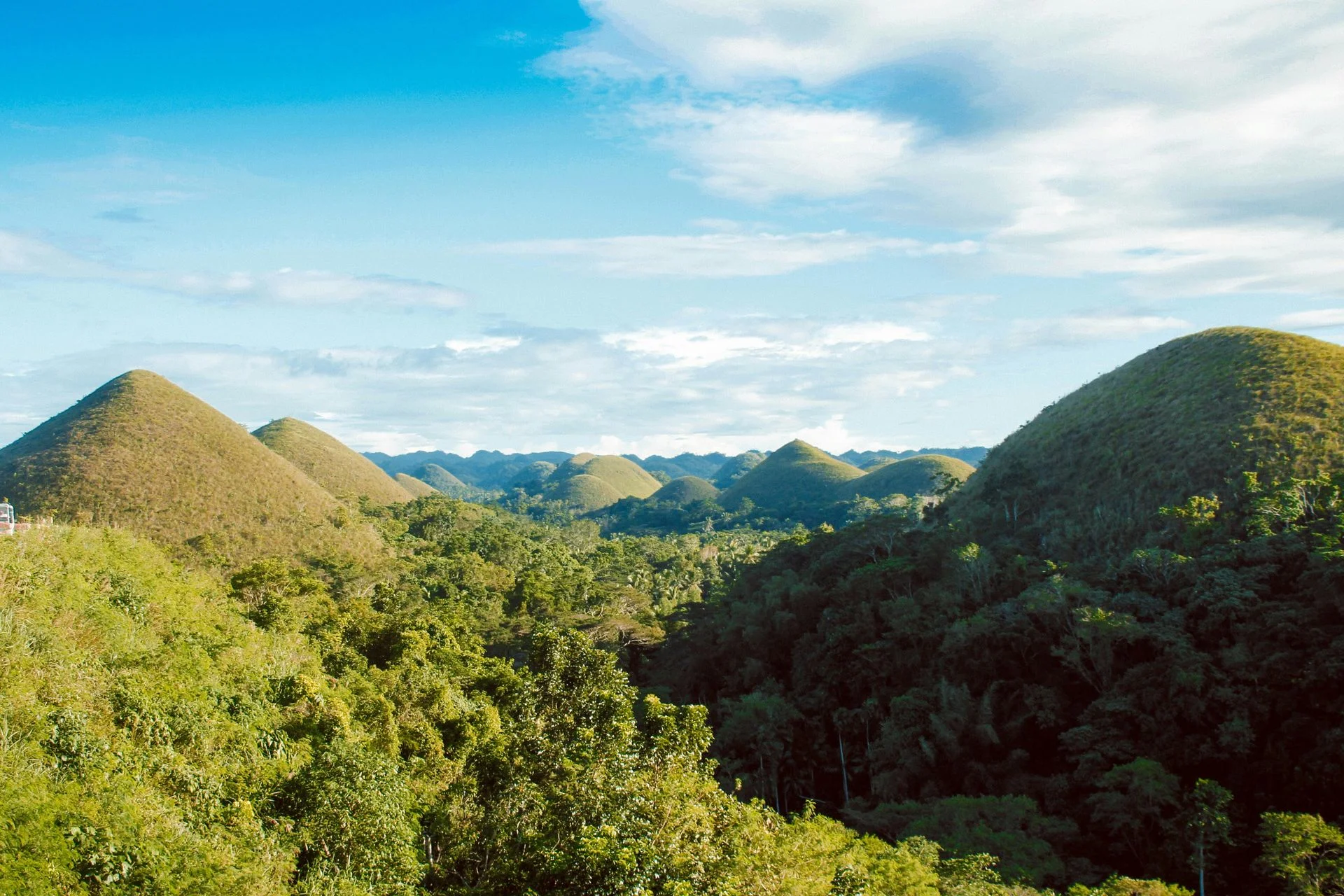
Bohol, an island province in the central Visayas of the Philippines, is a diver’s playground with a huge variety of sites. The main hub is Panglao Island, where Alona Beach serves as the launch point for local reef dives and day trips. Nearby Balicasag Island is world‑class: its 5‑ to 18‑m plateau drops into walls where clouds of jackfish and sardines swirl and sleepy green and hawksbill turtles munch on soft corals. To the west, Cabilao’s reefs hide hammerhead sharks and pygmy seahorses, while the remote east coast of Anda offers muck dives, turtle nurseries and even mantas and whale sharks. Other favorites include Napaling’s year‑round sardine balls, Pamilacan’s manta and shark‑filled walls and Cervera (Snake Island) with its resident sea snakes. Whether you love colourful coral gardens, deep walls, big pelagics or tiny critters, Bohol has something for every diver.
Komodo
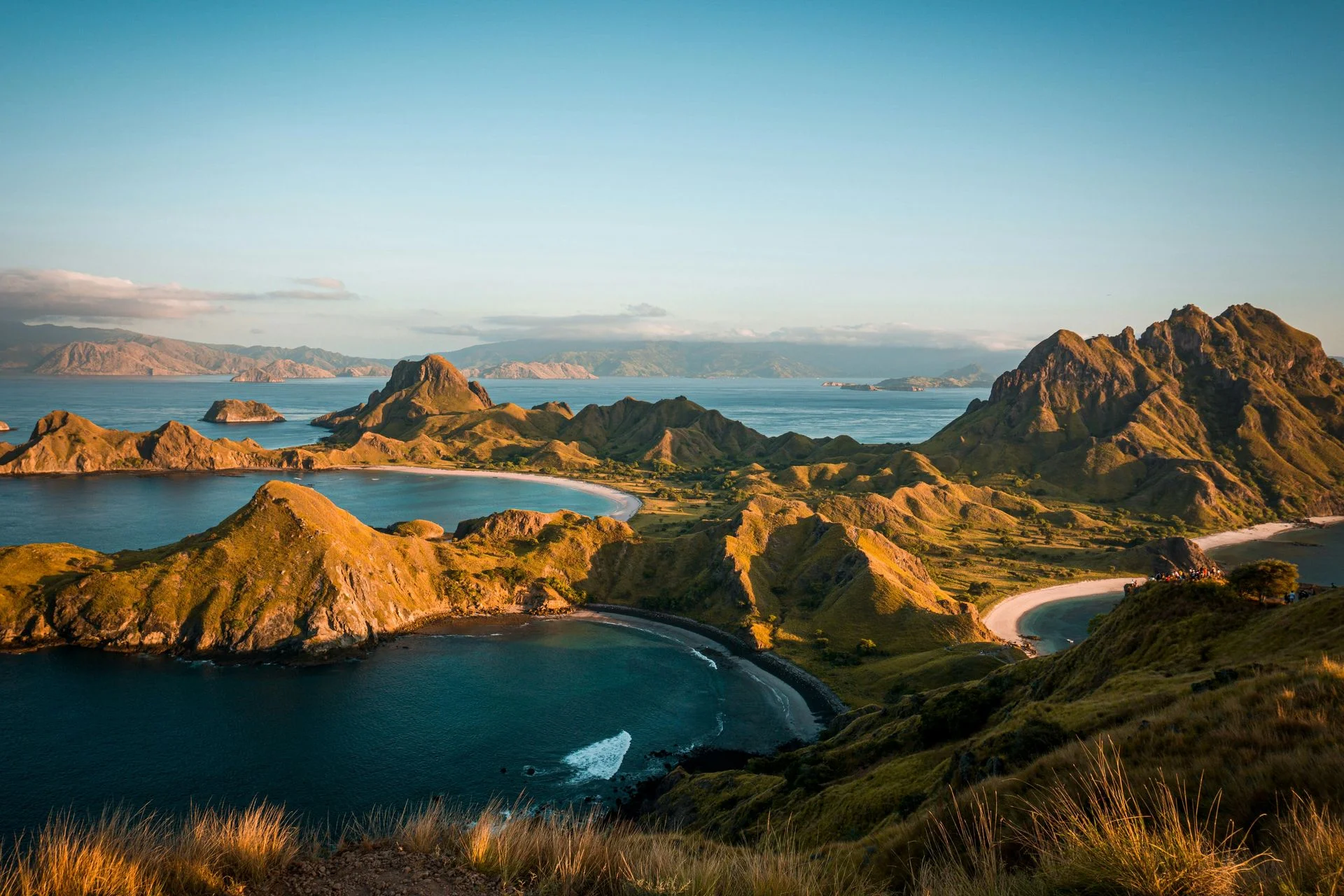
Komodo National Park is a diver’s paradise full of marine diversity: expect healthy coral gardens, reef sharks, giant trevallies, countless schools of fish, and frequent manta ray sightings at sites like Manta Point and Batu Bolong. Drift dives and dramatic reef structures add excitement, while both macro lovers and big-fish fans will find plenty to love. Above water, the wild Komodo dragons roam, giving a touch of prehistoric wonder to the whole trip.
Raja Ampat
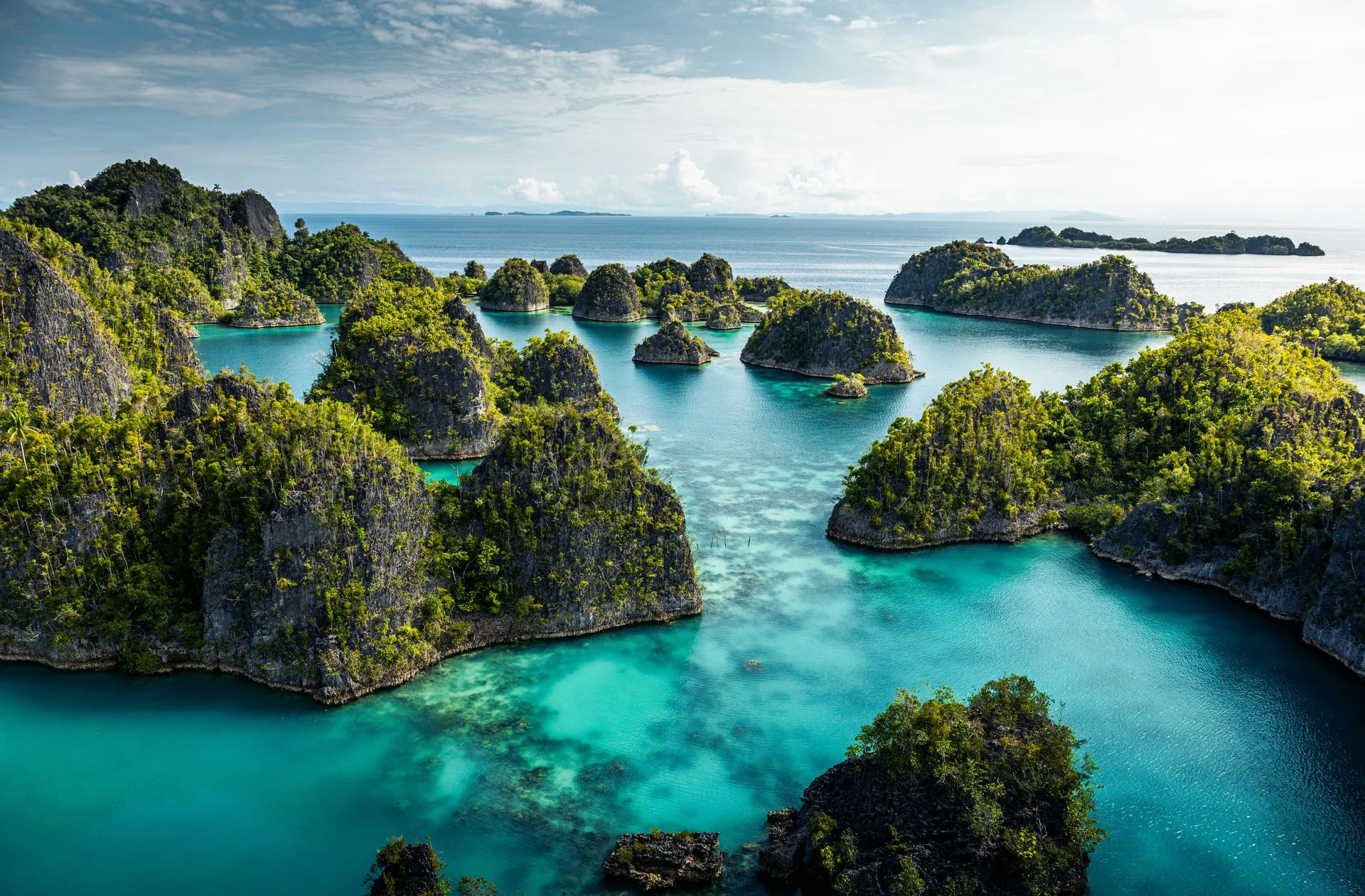
Raja Ampat, the “Four Kings,” is an archipelago of more than 1,500 islands at the edge of Indonesian West Papua. Its reefs sit in the heart of the Coral Triangle, where Pacific currents funnel nutrients into shallow seas and feed the world’s richest marine biodiversity. Diving here means gliding over colourful walls and coral gardens buzzing with more than 550 species of hard and soft corals and an estimated 1,500 fish species. You’ll meet blacktip and whitetip reef sharks on almost every dive, witness giant trevally and dogtooth tuna hunting schools of fusiliers, and encounter wobbegong “carpet” sharks, turtles, manta rays and dolphins. From cape pinnacles swarming with life to calm bays rich in macro critters, Raja Ampat offers endless variety. Above water, karst limestone islands and emerald lagoons provide spectacular scenery between dives.
Malapascua
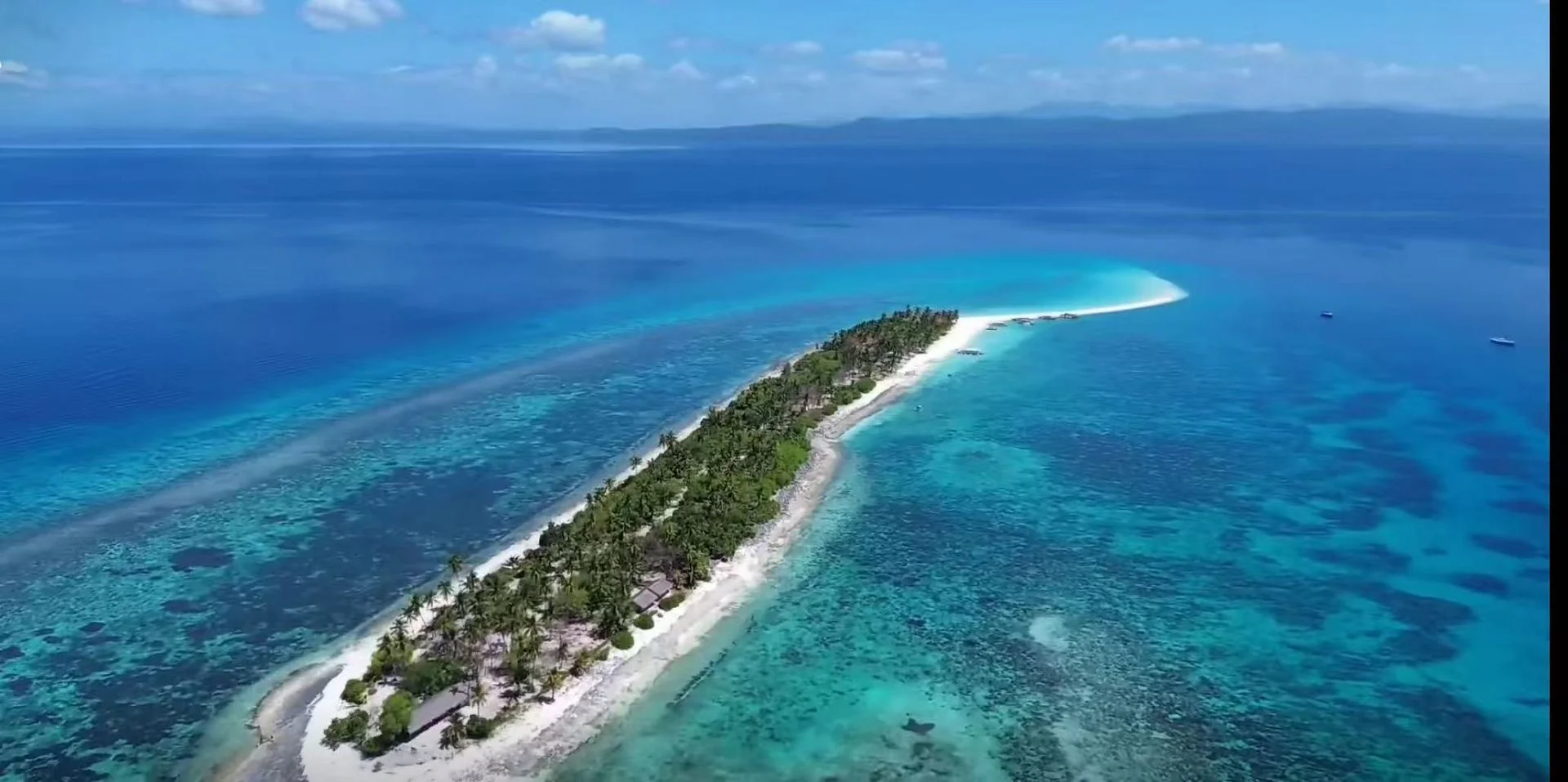
Malapascua is a small island off the northern tip of Cebu famed for its resident thresher sharks. Every morning at dawn, divers ride out to Monad Shoal and sit on a coral plateau 20–30 m deep, quietly watching as pelagic threshers rise from the abyss to use the cleaning station. But the excitement doesn’t end once the sharks disappear into the blue—around the island you’ll find coral‑covered pinnacles, drift dives, walls and gentle reef slopes teeming with life. Macro hunters can stalk flamboyant cuttlefish, pygmy seahorses and frogfish in the muck around Dauin, while wide‑angle lovers will enjoy schooling jackfish, batfish and barracuda at sites like Bugtong Bato and Gato Island. A relaxed village atmosphere, white‑sand beaches and day trips to neighbouring islands such as Kalanggaman or Capitancillo round out the experience.