
Coleman Shrimp
Periclimenes colemani
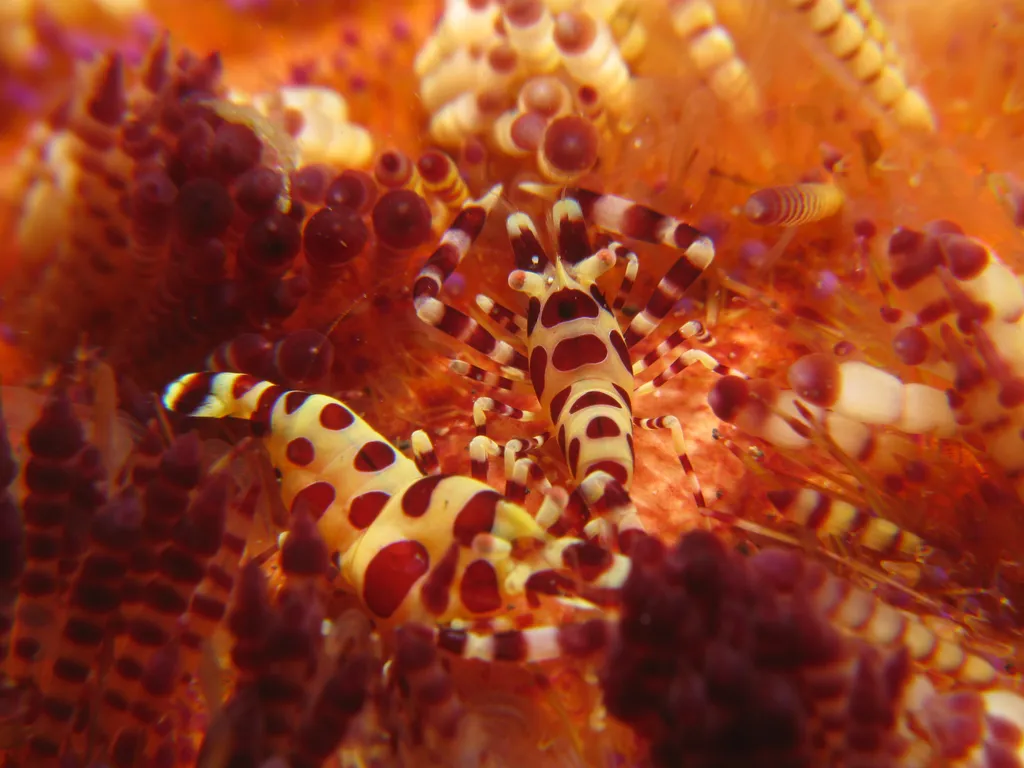
Photo by Prilfish / CC BY 2.0 via Wikimedia Commons
The Coleman Shrimp is a textbook macro holy-grail: tiny, high-contrast, and almost never found away from its host. This shrimp lives in tight partnership with venomous fire urchins (usually Asthenosoma varium), often as a male-female pair that clears a little "safe platform" among toxic spines. For divers, that means you do not search open reef for shrimp first - you search for the right fire urchin, then inspect every spine base carefully.
At roughly 2 cm max length, they reward slow diving and strong buoyancy control. Their cream-white body with saturated purple patches can look unreal under good strobe light, but they are small enough to disappear instantly if you rush a shot. In many macro destinations this is considered a prestige find, not because the species is globally rare, but because encounter quality depends on guide knowledge, host density, and diver discipline.
🔬Classification
📏Physical Features
🌊Habitat Info
⚠️Safety & Conservation
Identification Guide
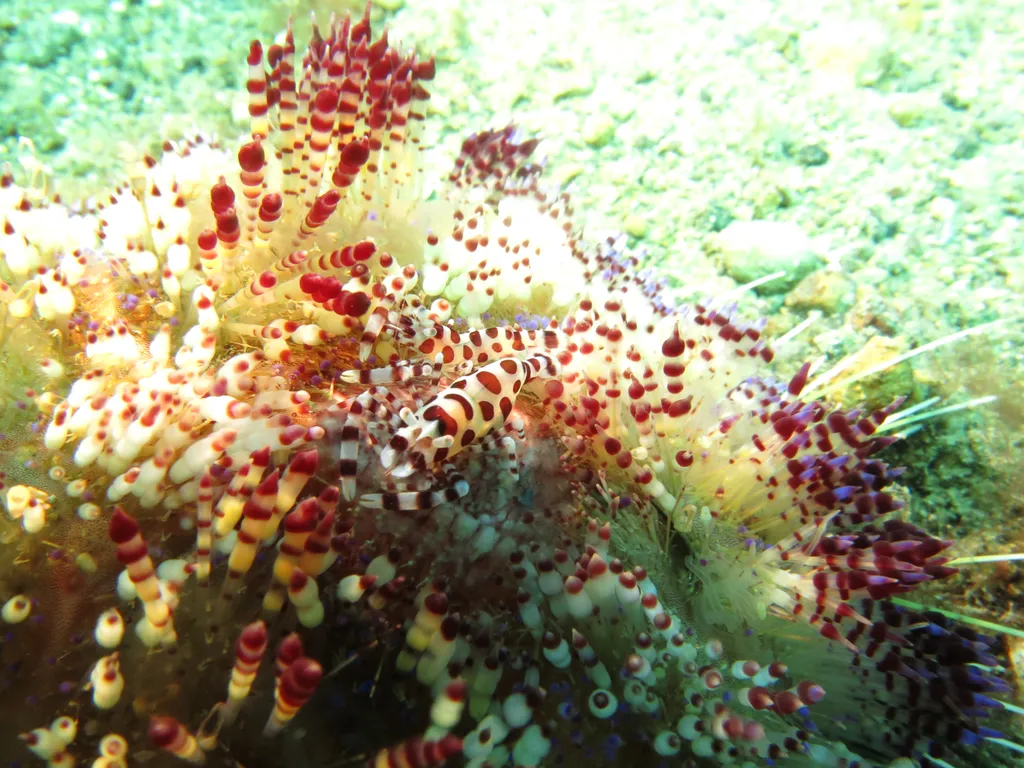
Photo by Manuae / CC BY-SA 4.0 via Wikimedia Commons
Start with the host, not the shrimp. Look for venomous fire urchins on rubble or mixed reef-sand bottoms, then examine the upper spine zone where a cleaned patch may be visible.
Key Field Marks
- Body length around 2 cm or less
- Cream/white base color with large purple to reddish patches
- Usually found in pairs, with female larger
- Distinctly associated with one fire urchin individual
Common Confusions
- Other commensal shrimps on anemones or urchins may share transparent bodies, but Coleman shrimp has bolder patchy coloration
- Juveniles can look less saturated; confirm by host association and body pattern, not color alone
Diver Search Pattern
Sweep slowly at 10-30 m on rubble slopes, pause at each fire urchin, then check from multiple angles without touching the host. Good guides often memorize specific urchin "stations" that hold resident pairs.
Top 10 Fun Facts about Coleman Shrimp
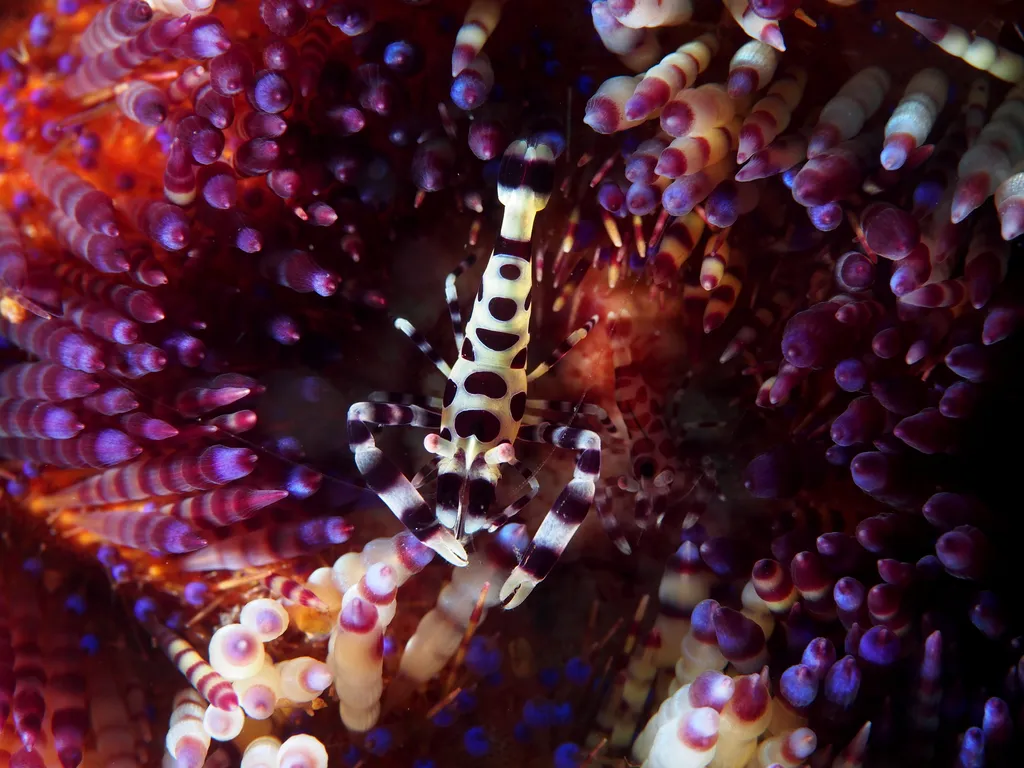
Photo by Rickard Zerpe / CC BY-SA 2.0 via Wikimedia Commons
1. It Is a Host-Locked Specialist
Coleman shrimp is one of the clearest examples of host specialization in macro diving. It is strongly tied to venomous fire urchins, so distribution underwater is patchy and "clumped" around suitable hosts.
2. Pair Living Is the Norm
Divers frequently find male-female pairs on the same urchin. The female is usually larger, which makes pair ID easier even when visibility is not ideal.
3. Color Pattern Is Functional Camouflage
The cream-and-purple body pattern is striking to us but breaks up effectively among colorful fire urchin spines, especially in mixed ambient plus strobe light.
4. The Host Is the Real Hazard
The shrimp itself is not considered dangerous to humans. The major risk is accidental contact with the fire urchin's venomous spines while composing a macro shot.
5. They Maintain a Small "Work Zone"
Individuals are often observed on a tiny cleared patch between spines and pedicellariae. That micro-zone acts like a safe operating platform for feeding and grooming behavior.
6. Fire Urchin Density Controls Encounter Rate
At many sites, seeing Coleman shrimp is mostly a question of how many suitable fire urchins are present, not how long you stay underwater.
7. They Reward Slow Dive Technique
Fast finning misses them. Controlled hover, minimal silt kick, and patient scanning of each host urchin dramatically increase encounter quality.
8. Macro Prestige Comes From Difficulty, Not Size
This shrimp became a bucket-list critter because it combines tiny size, dangerous host proximity, and short observation windows, making each good sighting feel earned.
9. Indo-Pacific Distribution, Localized Sightings
The species occurs broadly in the Indo-West Pacific, but practical diver sightings are concentrated in specific macro hubs where guides track known host stations.
10. A Strong Ethics Test for Photographers
Coleman shrimp photography is where diver ethics become obvious: respectful distance and no host contact produce repeatable sightings, while aggressive close-ups can ruin behavior and damage habitat.
Diving & Observation Notes
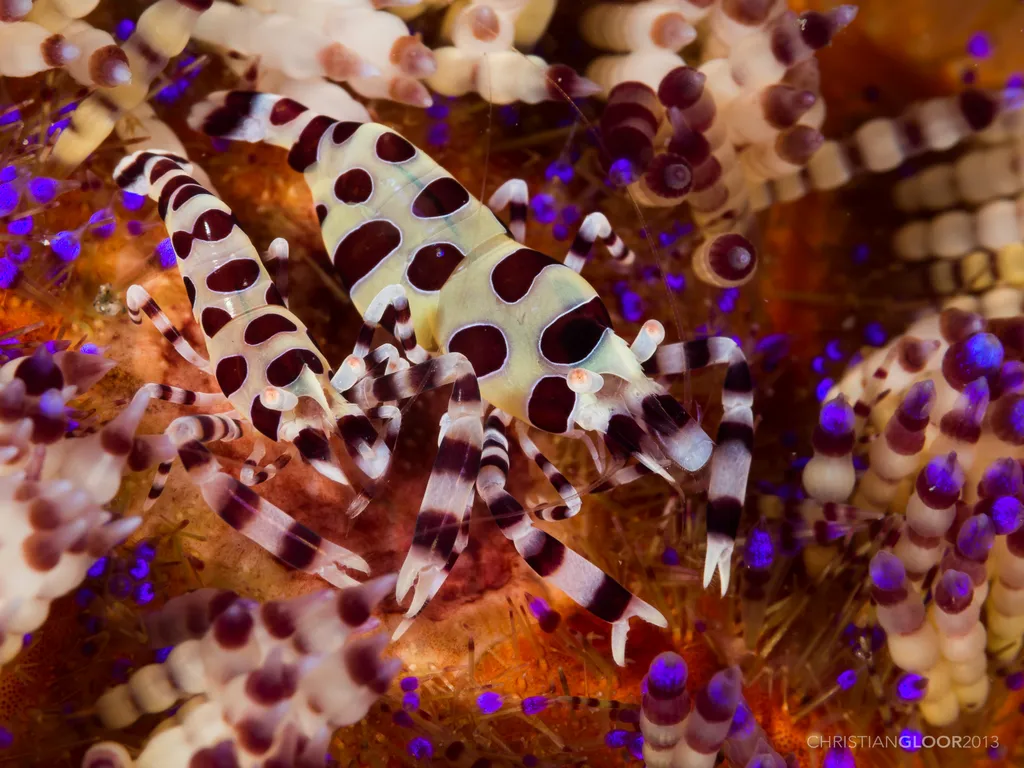
Photo by Christian Gloor from Wakatobi Dive Resort / CC BY 2.0 via Wikimedia Commons
🧭 Where To Look
Focus dives on macro-friendly slopes between 10-30 m with mixed rubble and reef patches. Priority sites in this dataset are Anilao, Lembeh, Dumaguete, Komodo, Tulamben, Bohol, and Raja Ampat.
🤿 Approach Strategy
Brief your guide that Coleman shrimp is a primary target so they can route by known fire-urchin stations. Approach from the side, stop finning early, and hold neutral before bringing camera housing close.
📸 Shooting Workflow
- Use a longer macro focal length to keep safer distance from spines
- Compose for host-plus-shrimp context first, then tighten on eye and dorsal pattern
- Keep strobe power moderate to avoid blown highlights on pale body surfaces
- Take short bursts, then back off to let behavior reset
⚠️ Safety
Fire urchin contact can cause severe pain. Keep gloves/skin away from substrate and never brace on the host while shooting.
🌱 Ethics
No touching, no poking, no repositioning host or shrimp. If the pair retreats repeatedly, move on and revisit later rather than forcing proximity.
Best Places to Dive with Coleman Shrimp
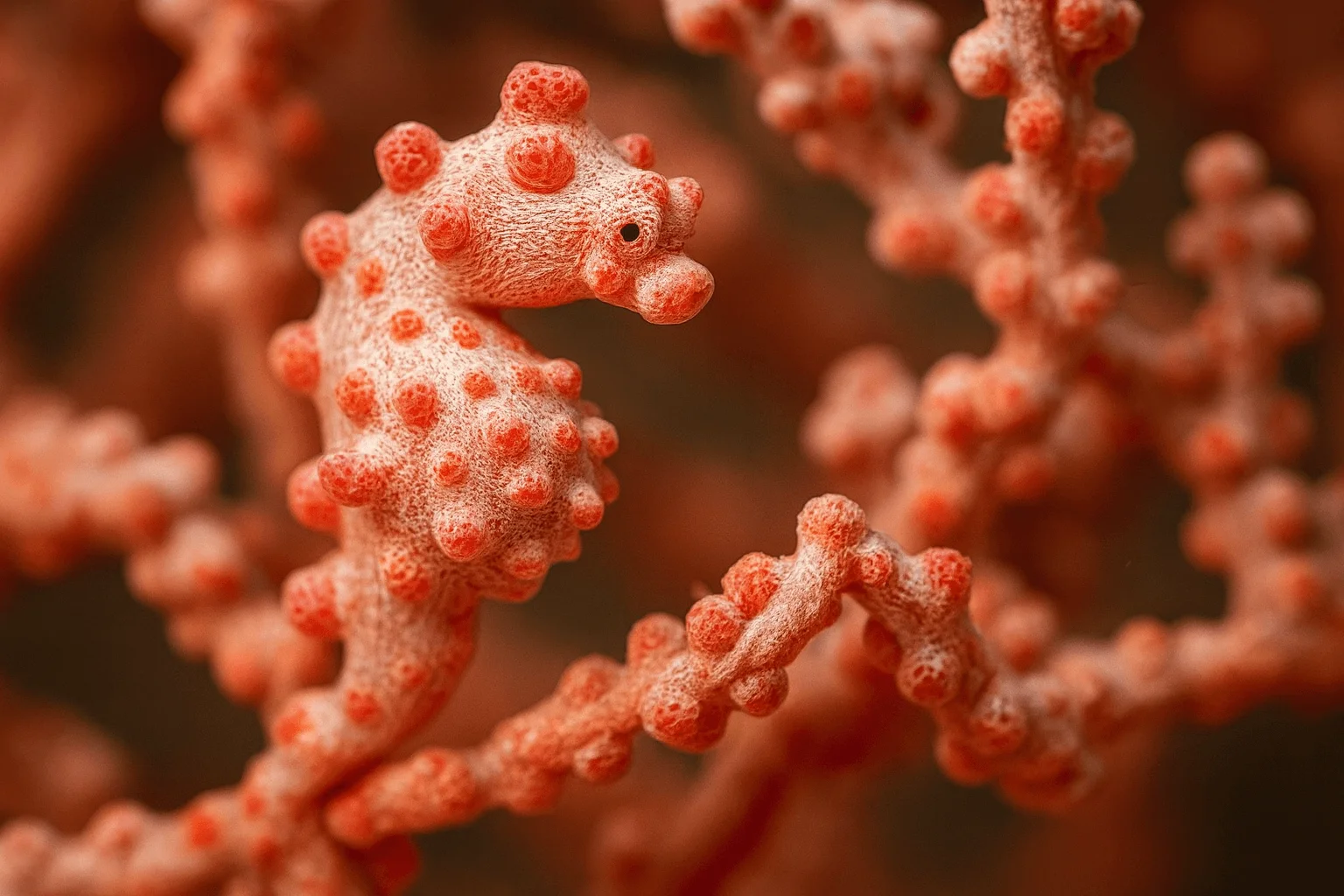
Anilao
Anilao, a small barangay in Batangas province just two hours south of Manila, is often called the macro capital of the Philippines. More than 50 dive sites fringe the coast and nearby islands, offering an intoxicating mix of coral‑covered pinnacles, muck slopes and blackwater encounters. Critter enthusiasts come for the legendary muck dives at Secret Bay and Anilao Pier, where mimic octopuses, blue‑ringed octopuses, wonderpus, seahorses, ghost pipefish, frogfish and dozens of nudibranch species lurk in the silt. Shallow reefs like Twin Rocks and Cathedral are covered in soft corals and teem with reef fish, while deeper sites such as Ligpo Island feature gorgonian‑covered walls and occasional drift. Because Anilao is so close to Manila and open year‑round, it’s the easiest place in the Philippines to squeeze in a quick diving getaway.
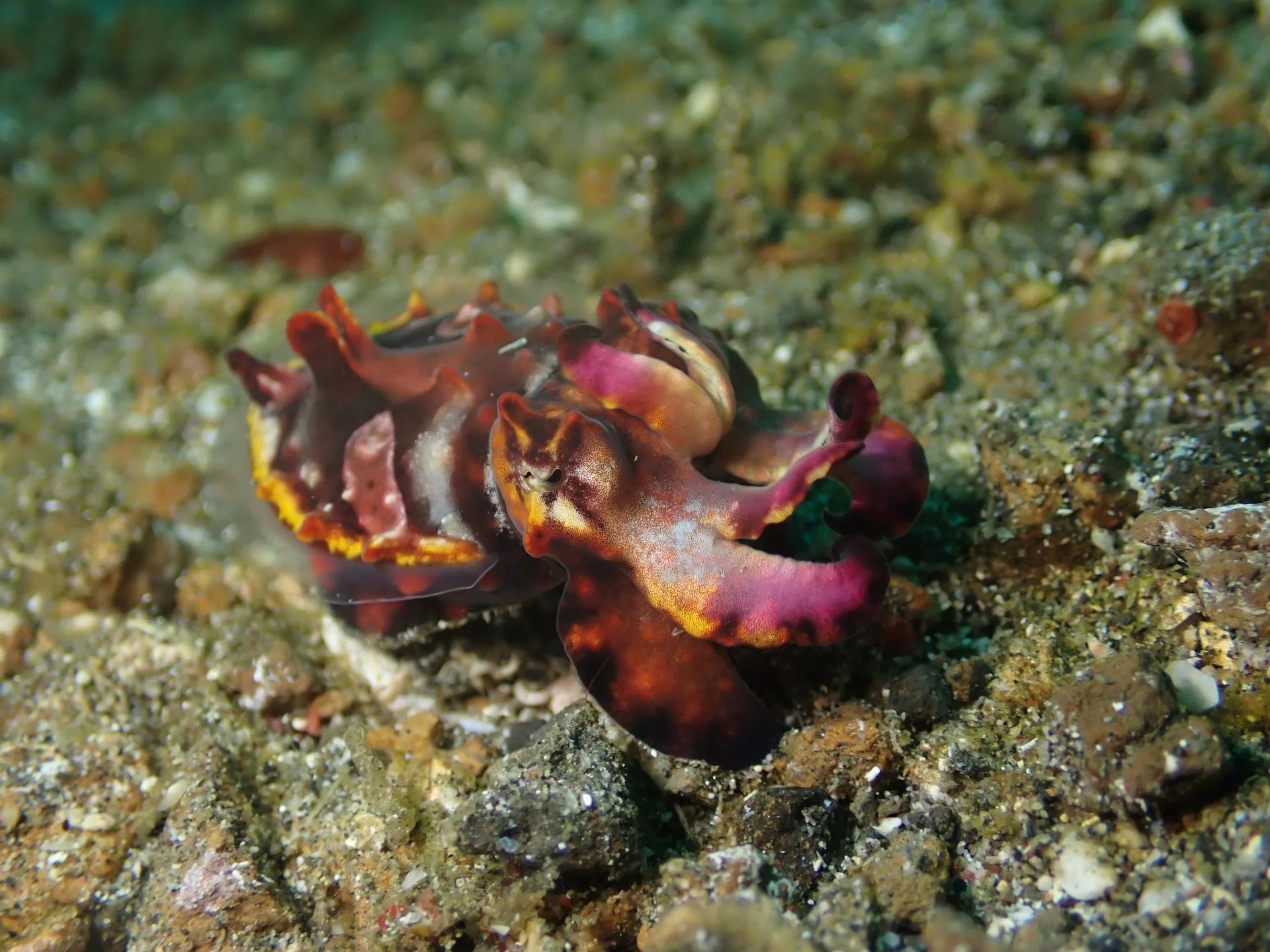
Lembeh
The Lembeh Strait in North Sulawesi has become famous as the muck‑diving capital of the world. At first glance its gently sloping seabed of black volcanic sand, rubble and discarded debris looks bleak. Look closer and it is teeming with weird and wonderful life: hairy and painted frogfish, flamboyant cuttlefish, mimic and blue‑ringed octopuses, ornate ghost pipefish, tiny seahorses, shrimp, crabs and a rainbow of nudibranchs. Most dives are shallow and calm with little current, making it an ideal playground for macro photographers. There are a few colourful reefs for a change of scenery, but Lembeh is all about searching the sand for critter treasures.
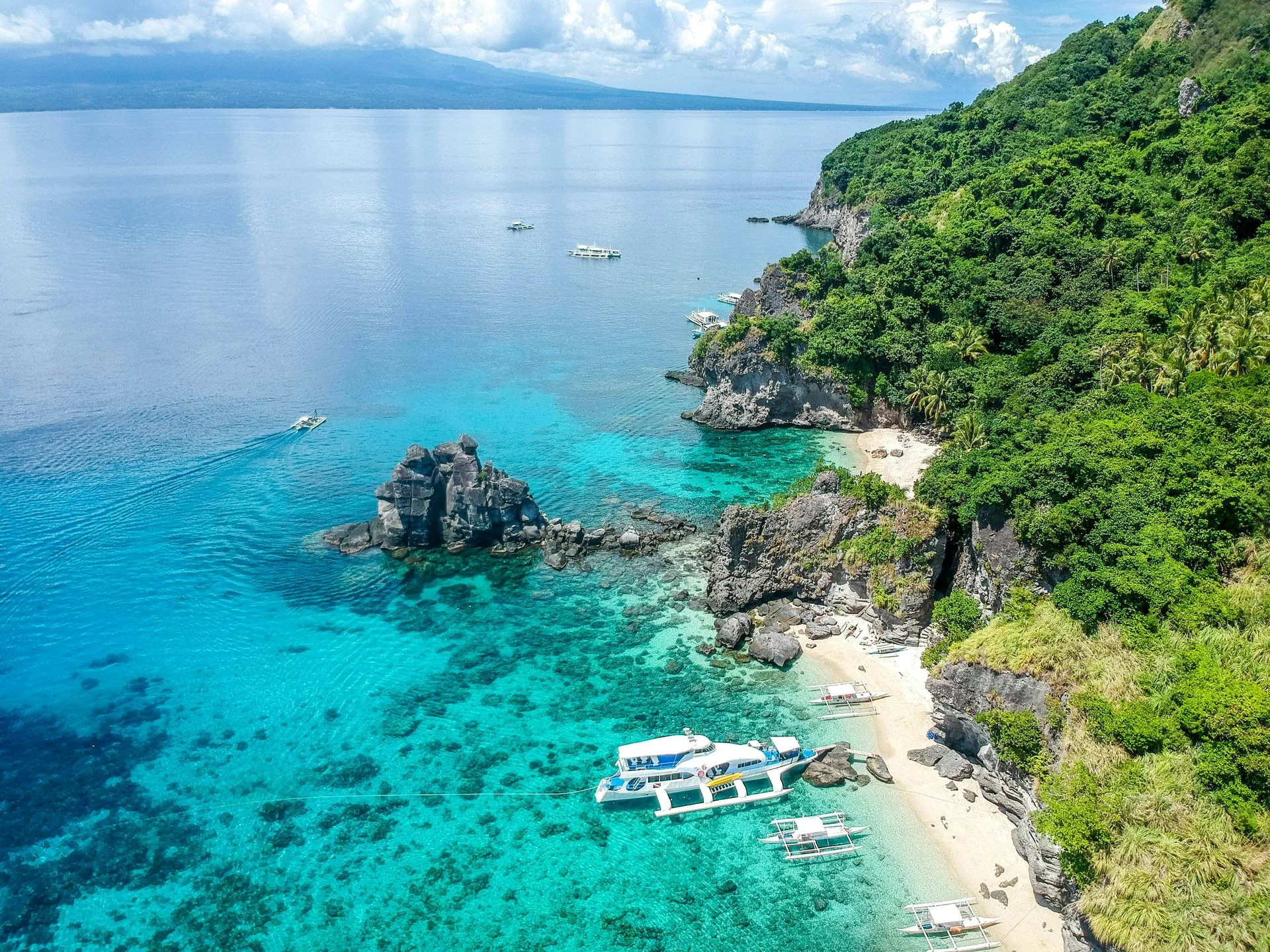
Dumaguete
Dumaguete on the southeast coast of Negros is the jumping‑off point for some of the Philippines’ most diverse diving. Along the nearby town of Dauin, a series of shallow marine sanctuaries and black‑sand slopes hide critters galore: frogfish, flamboyant cuttlefish, mimic octopus, ghost pipefish, seahorses, pipefish and nudibranchs. Artificial reefs made from car tyres and pyramids provide extra habitat. Offshore, Apo Island’s walls and plateaus burst with hard and soft corals, schooling jacks and barracudas, and friendly green turtles. With day trips to Oslob’s whale sharks or Bais’ dolphin‑watching, and excursions to nearby Siquijor, Dumaguete offers a perfect mix of macro muck diving and classic coral reefs.
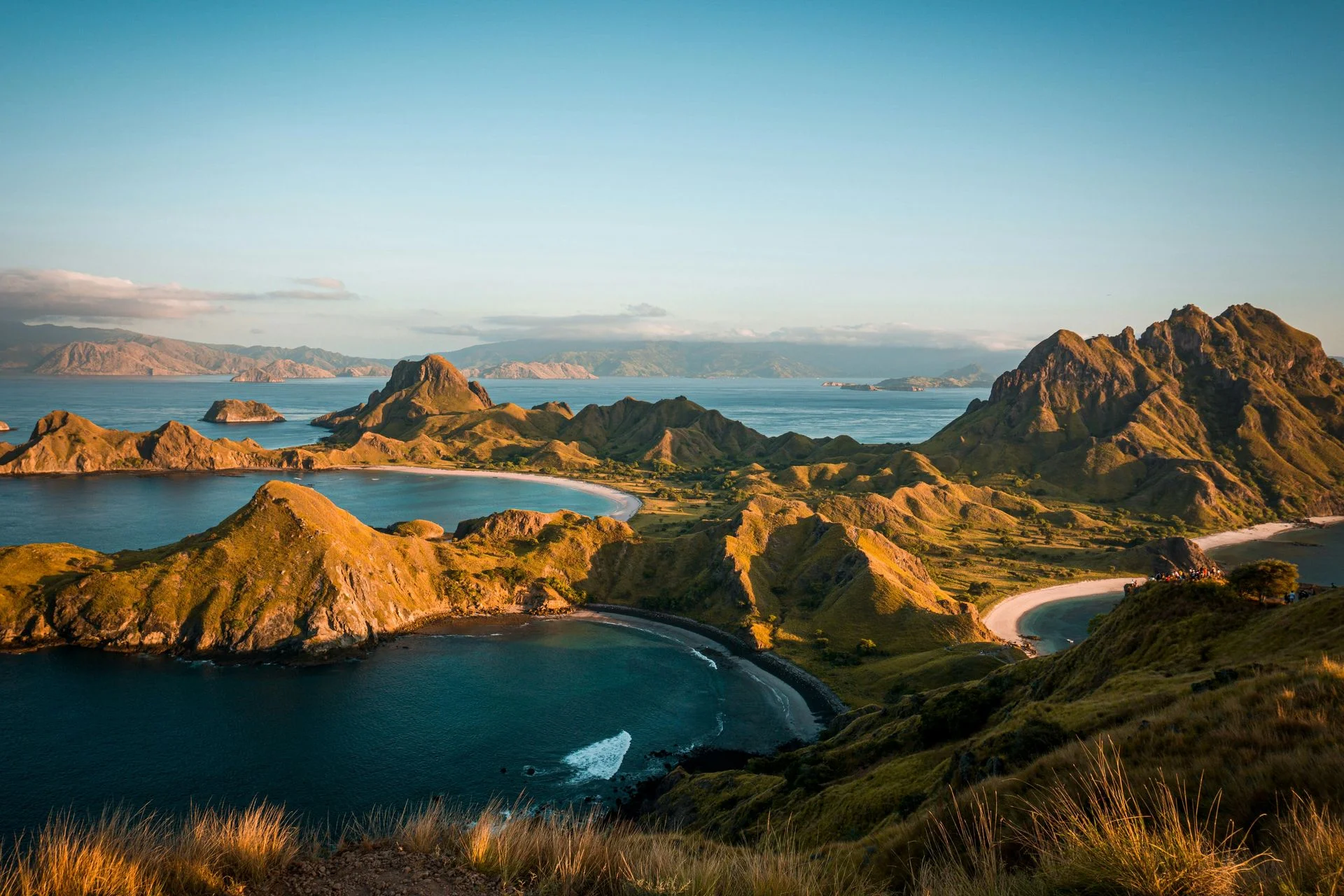
Komodo
Komodo National Park is a diver’s paradise full of marine diversity: expect healthy coral gardens, reef sharks, giant trevallies, countless schools of fish, and frequent manta ray sightings at sites like Manta Point and Batu Bolong. Drift dives and dramatic reef structures add excitement, while both macro lovers and big-fish fans will find plenty to love. Above water, the wild Komodo dragons roam, giving a touch of prehistoric wonder to the whole trip.
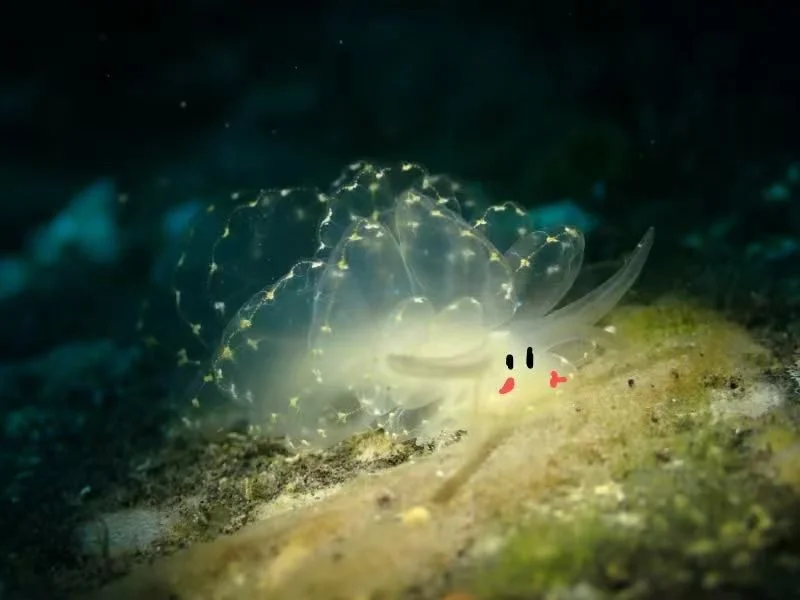
Tulamben(Bali)
Tulamben sits on Bali’s northeast coast and is best known for the USAT Liberty shipwreck – a 125‑metre cargo ship torpedoed in WWII that now lies just a short swim from shore. Warm water, mild currents and straightforward shore entries make diving here relaxed for all levels. Besides the wreck, divers can explore coral gardens, black‑sand muck sites and dramatic drop‑offs. Macro lovers will find nudibranchs, ghost pipefish, mimic octopus and pygmy seahorses, while big‑fish fans can encounter schooling jackfish, bumphead parrotfish and reef sharks. With a compact coastline packed with variety, Tulamben delivers world‑class wreck and critter diving without long boat rides.
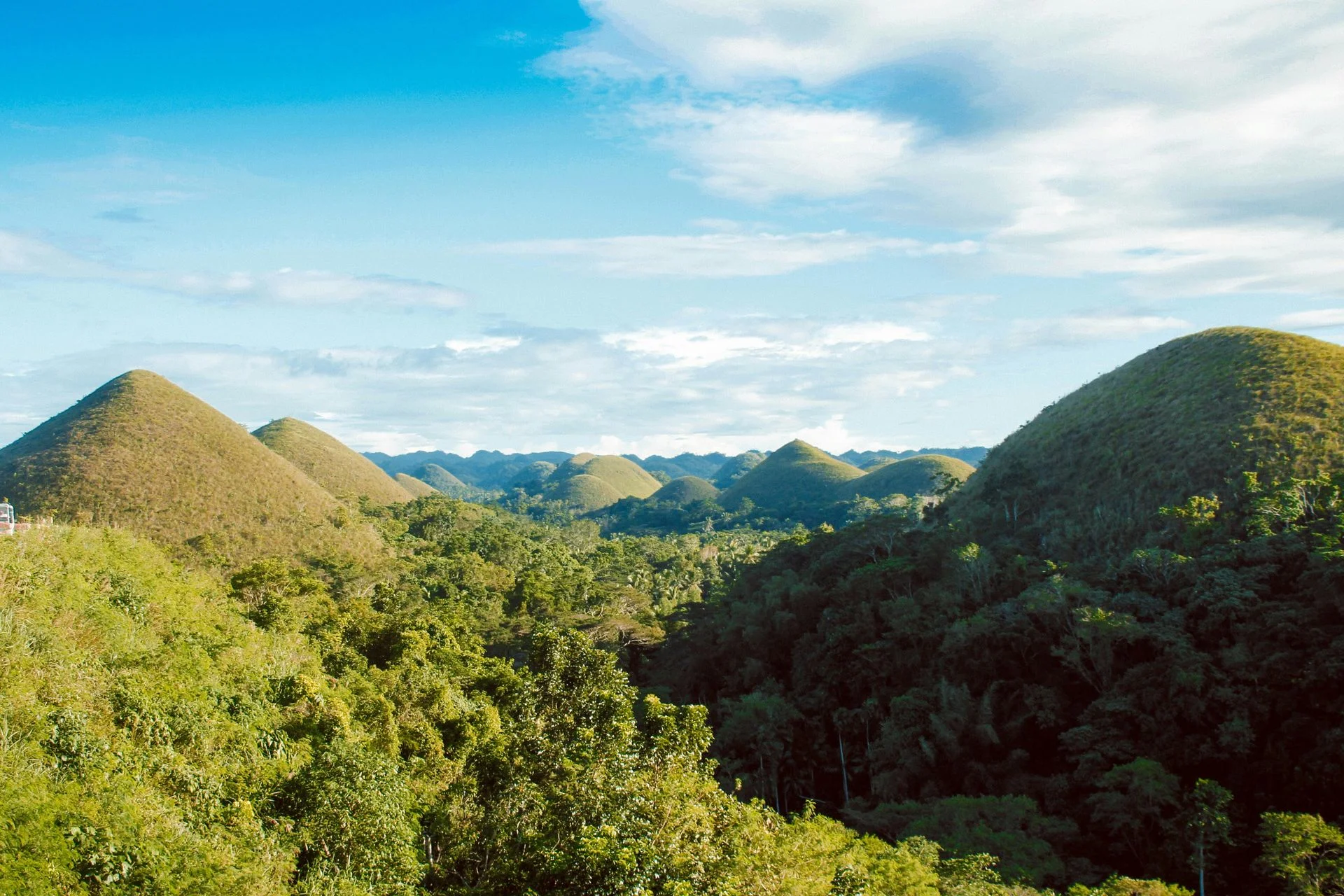
Bohol
Bohol, an island province in the central Visayas of the Philippines, is a diver’s playground with a huge variety of sites. The main hub is Panglao Island, where Alona Beach serves as the launch point for local reef dives and day trips. Nearby Balicasag Island is world‑class: its 5‑ to 18‑m plateau drops into walls where clouds of jackfish and sardines swirl and sleepy green and hawksbill turtles munch on soft corals. To the west, Cabilao’s reefs hide hammerhead sharks and pygmy seahorses, while the remote east coast of Anda offers muck dives, turtle nurseries and even mantas and whale sharks. Other favorites include Napaling’s year‑round sardine balls, Pamilacan’s manta and shark‑filled walls and Cervera (Snake Island) with its resident sea snakes. Whether you love colourful coral gardens, deep walls, big pelagics or tiny critters, Bohol has something for every diver.
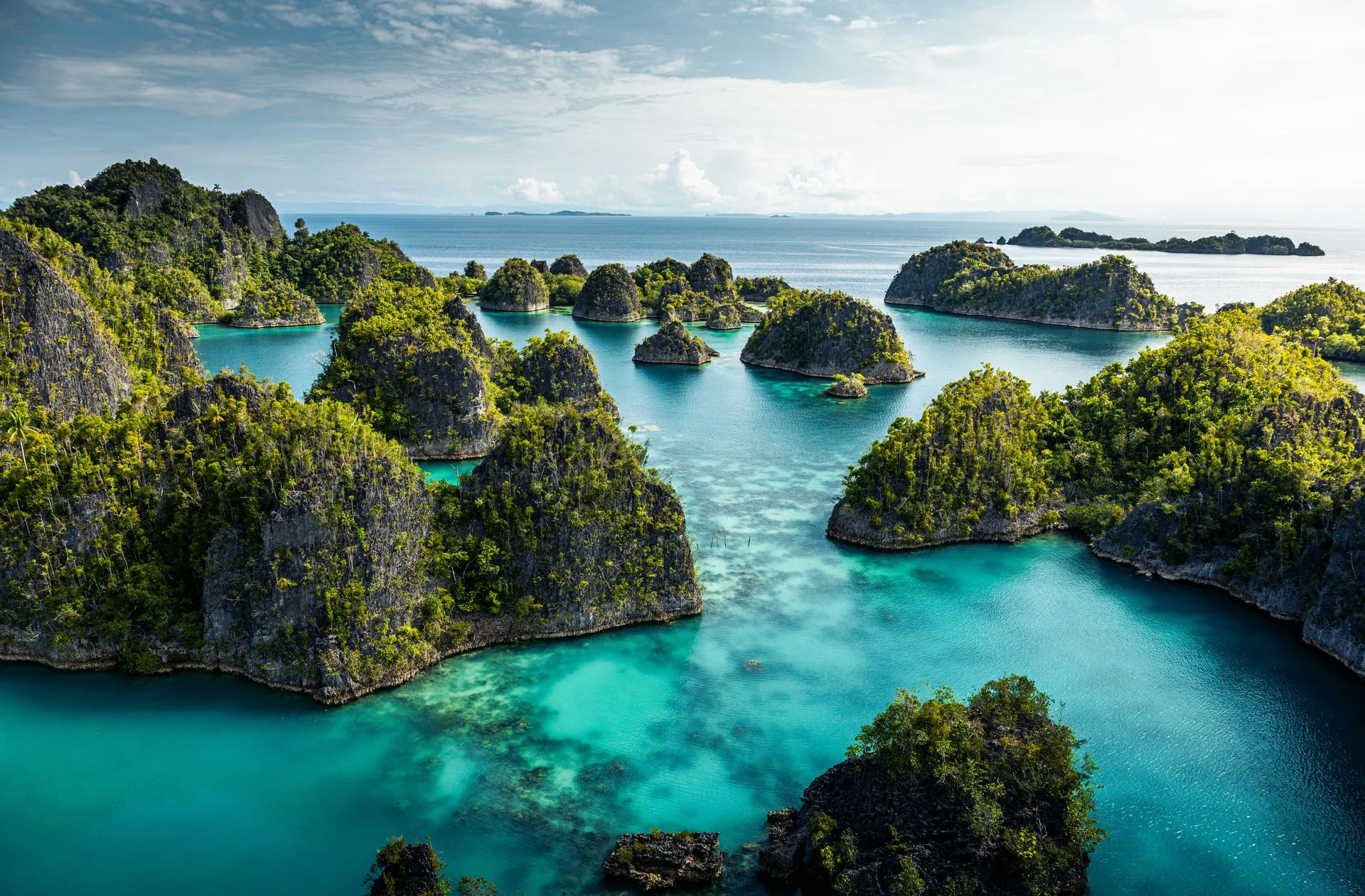
Raja Ampat
Raja Ampat, the “Four Kings,” is an archipelago of more than 1,500 islands at the edge of Indonesian West Papua. Its reefs sit in the heart of the Coral Triangle, where Pacific currents funnel nutrients into shallow seas and feed the world’s richest marine biodiversity. Diving here means gliding over colourful walls and coral gardens buzzing with more than 550 species of hard and soft corals and an estimated 1,500 fish species. You’ll meet blacktip and whitetip reef sharks on almost every dive, witness giant trevally and dogtooth tuna hunting schools of fusiliers, and encounter wobbegong “carpet” sharks, turtles, manta rays and dolphins. From cape pinnacles swarming with life to calm bays rich in macro critters, Raja Ampat offers endless variety. Above water, karst limestone islands and emerald lagoons provide spectacular scenery between dives.