
Shaun the Sheep Sea Slug
Costasiella kuroshimae
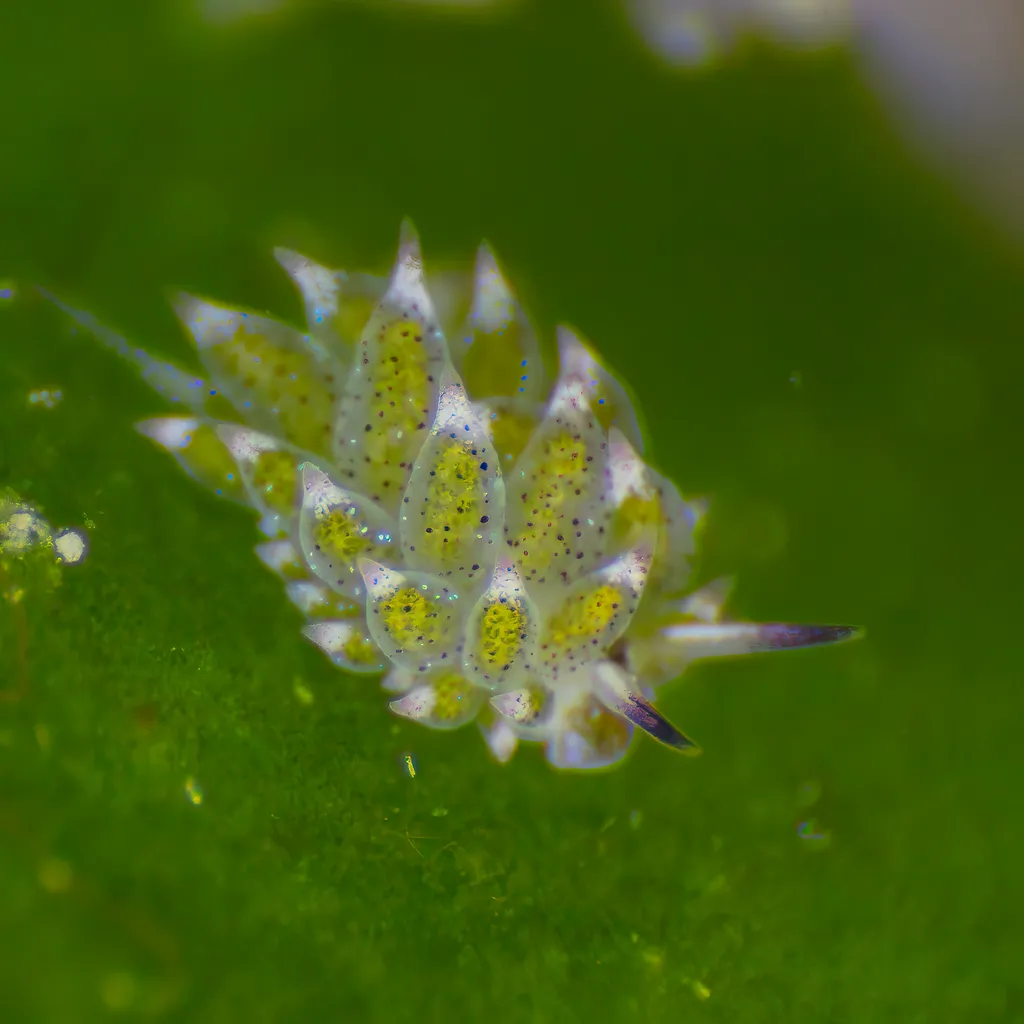
Photo by Diego Delso / CC BY-SA 4.0 via Wikimedia Commons
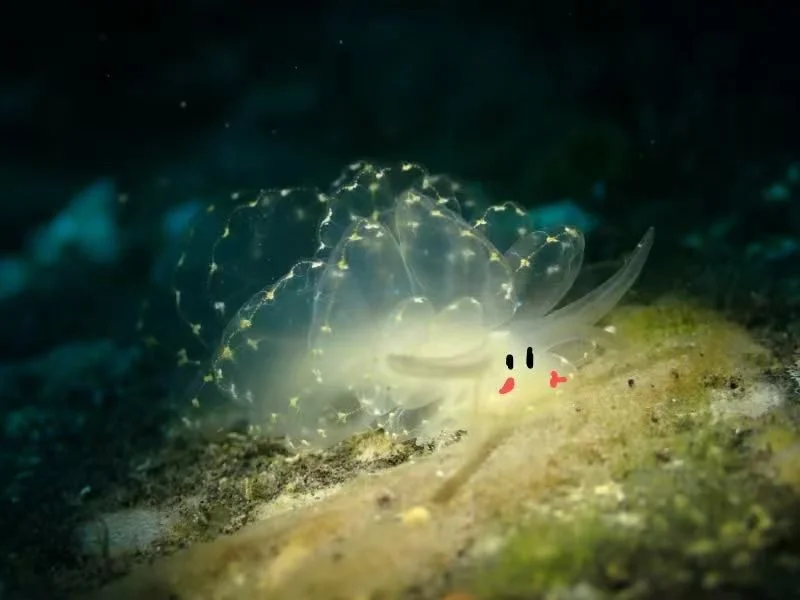
Macro divers nicknamed this sacoglossan Shaun the Sheep for a reason: two dark eyes, ear-like rhinophores, and a soft green "fleece" of chloroplast-stuffed cerata make it look like a cartoon lamb grazing on algae. Costasiella kuroshimae—described in 1993 from Kuroshima, Okinawa—is not a nudibranch; it is a sacoglossan that sucks cell sap from fan algae in the genus Avrainvillea and steals the chloroplasts for short-term photosynthesis (kleptoplasty). Encounters are almost always plant-based: you find the host algae first, then glass the blades for 5–10 mm grazing "sheep." Lembeh, Anilao, Dumaguete, and Okinawa guides treat healthy Avrainvillea patches as fixed waypoints. Size is the challenge—without a macro lens and a patient spotter, you will swim past a colony on a single leaf and never know it.
🔬Classification
📏Physical Features
🌊Habitat Info
⚠️Safety & Conservation
Identification Guide
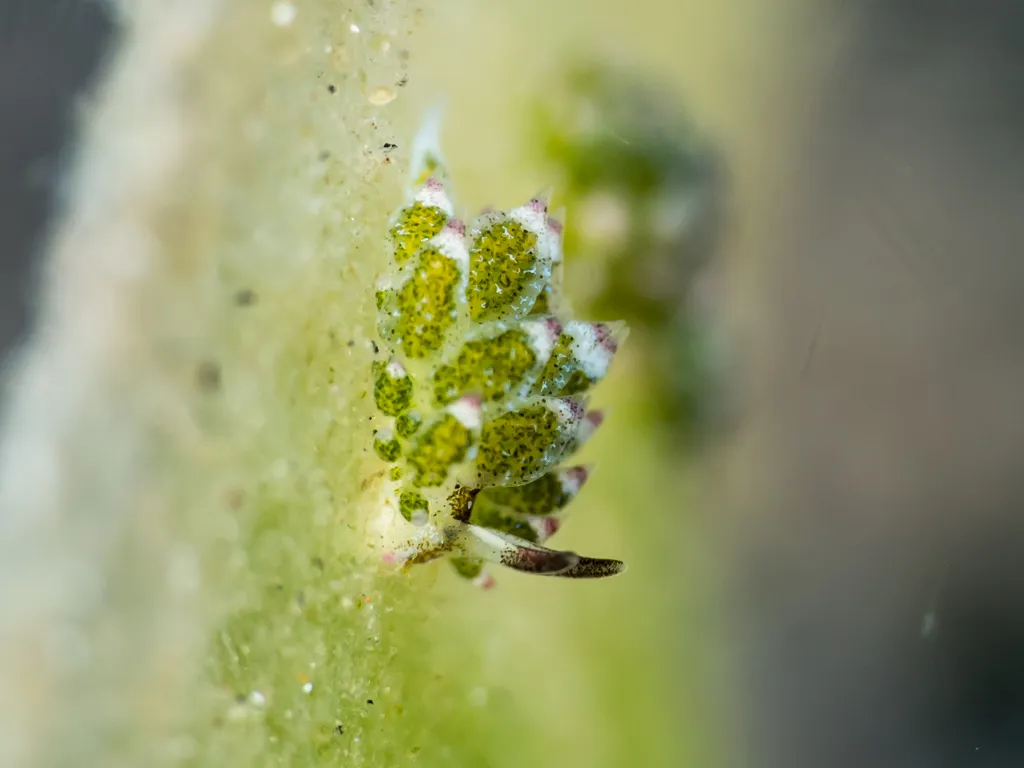
Photo by Rickard Zerpe / CC BY 2.0 via Wikimedia Commons
Sheep Face First
- Look for a pale rounded head with two dark eyespots and paired rhinophores that stick up like sheep ears
- Body short; most of the "volume" is rows of leaf-green cerata
Host Plant Lock
- Almost always on green fan / cushion algae Avrainvillea over sand or rubble—not bare coral heads
- Colonies of 10–20 animals can pack a single blade; find one, scan the rest of the patch
Size Reality Check
- Adults usually 5–10 mm—smaller than a grain of rice side-on in many frames
- If you are shooting wide-angle, you will miss them; switch to 60–105 mm macro
Not Quite the Social-Media Sheep
- Popular posts labeled "leaf sheep / Shaun" often show related Costasiella forms (incl. undescribed lookalikes)
- Field ID: host algae + sheep face + green cerata is enough for a diver log; species-level certainty may need specialist photos
Similar Critters
- Other small green sacoglossans / aeolids: check for the cartoon muzzle + ear rhinophores; plain green cerata without the face are usually something else
Top 10 Fun Facts about Shaun the Sheep Sea Slug
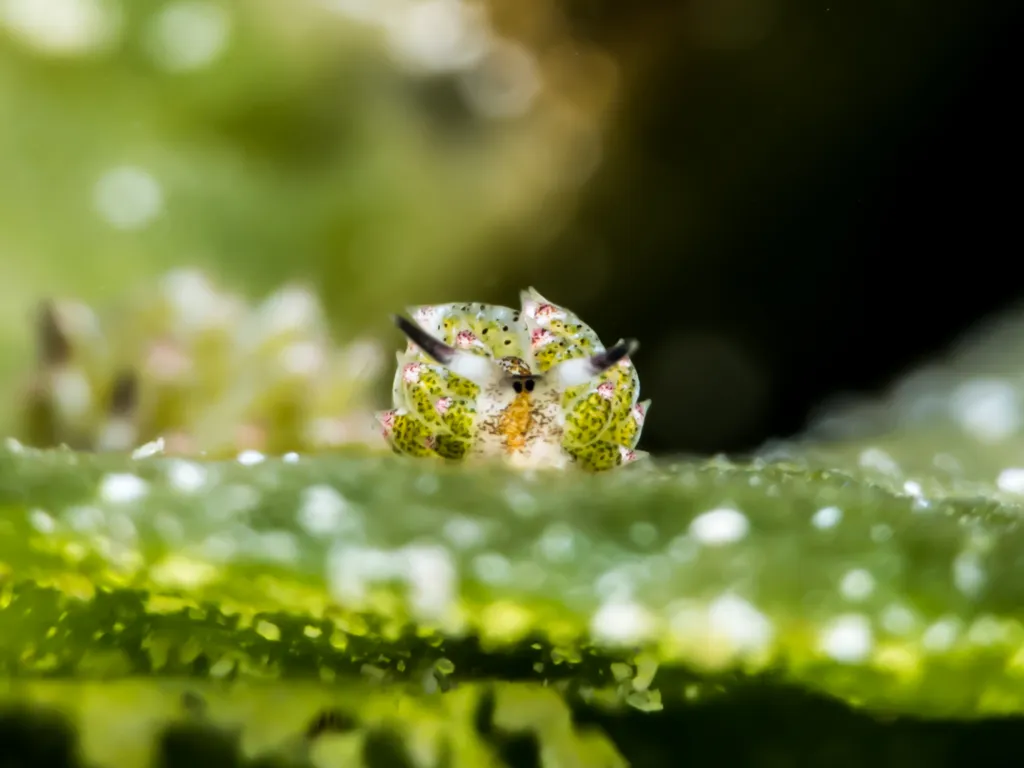
Photo by Rickard Zerpe / CC BY 2.0 via Wikimedia Commons
1. Sacoglossan, Not Nudibranch
Divers casually call almost every colorful slug a nudibranch. C. kuroshimae is a sacoglossan—an algae-sapping lineage with a specialized radular tooth that slits plant cells. The sheep look is evolutionary marketing for Instagram; the biology is herbivore + chloroplast thief.
2. Kleptoplasty: Borrowed Solar Panels
After piercing Avrainvillea cells, the slug retains intact chloroplasts in its own digestive glands (cerata). Those organelles keep fixing carbon for a limited time—functional photosynthesis inside an animal. Even when photosynthesis slows, sequestered plastids act as a nutrient larder, helping the slug ride out lean periods.
3. Host Plant Loyalty
Field records and feeding studies point to selective grazing on Avrainvillea. No algae patch, no Shaun. That is why muck sites with soft sediment and algae gardens outperform wall dives for sightings.
4. Type Locality: Kuroshima, Okinawa
Ichikawa described the species in 1993 from Kuroshima (Yaeyama, Okinawa). Dive trips around Okinawa and Ishigaki still score them on shallow algae beds—fitting, given the epithet kuroshimae.
5. Size That Beats Hard Hats
At 5–10 mm, this is a true macro subject. Guides often place a finger tip nearby for scale. Buoyancy wobble of a few centimeters can bury the shot in silt or push the animal off the leaf.
6. Crypto-Complex Behind the Cute Face
Molecular work on Costasiella shows cryptic lookalikes labeled C. cf. kuroshimae. Social-media "Shaun" albums mix true C. kuroshimae with near-identical forms (and sometimes other leaf-sheep taxa). For divers: enjoy the sighting; treat species tags as provisional unless a taxonomist confirms.
7. Colony Living on One Blade
Colonies of a dozen-plus animals can share a single algal blade. Once the guide points out one individual, slow sideways scanning of the same patch often multiplies the count without changing dive plans.
8. Depth Window Follows Light
Because stolen chloroplasts need photons, sightings cluster in shallow, sunlit sand/rubble—often roughly 9–18 m in published diver accounts, with shallower algae beds common too. Deep blue-water walls are the wrong habitat bet.
9. Coral Triangle Macro Circuit
Reliable recreational encounters stack along the Philippines–Indonesia–Japan macro corridor: Anilao, Lembeh, Dumaguete/Dauin, Raja Ampat muck, Wakatobi shallows, plus Okinawa type-locality waters. Elsewhere in the Coral Triangle they appear wherever Avrainvillea thrives.
10. Handling Kills the Shot—and the Algae
Pinching the leaf, "herding" with a pointer, or blasting silt to "clear the frame" can knock animals off and damage the host garden that supports the colony. Best practice: neutral buoyancy, no contact, one subject at a time, then back off so the next diver gets a turn.
Diving & Observation Notes
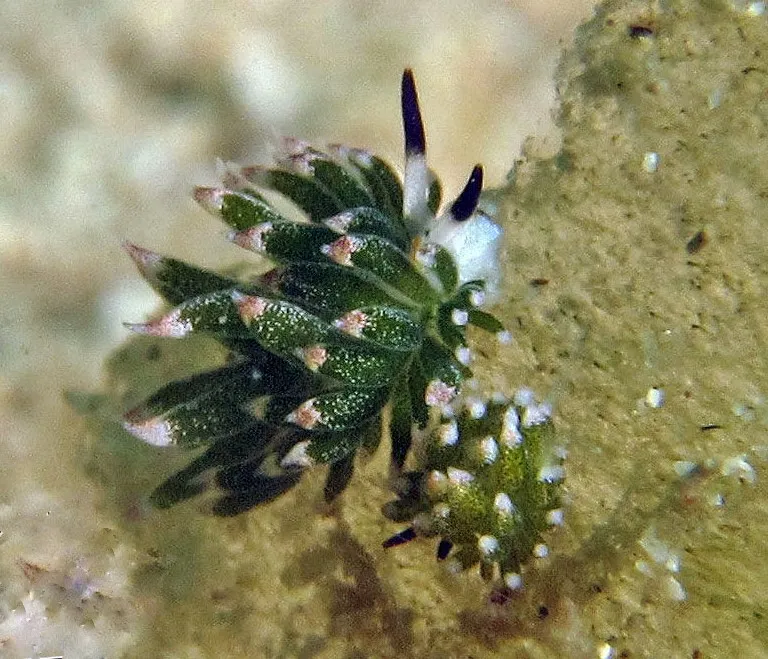
Photo by Chaloklum Diving / CC BY 3.0 via Wikimedia Commons
🧭 Finding the Host, Not the Sheep
Brief the guide for Avrainvillea patches on sand/rubble—black sand muck with green algae gardens (Lembeh classic) or Anilao soft bottoms. Swim slowly in a search grid at 5–15 m; once algae is found, stop finning and glass every blade. Ask for known "sheep patches" rather than random reef tours.
Approach & Buoyancy
Settle upstream if there is any surge. Keep fins and knees off the sand—one kick can snow the entire leaf. Pointer tip for scale only; never flick the animal. If the colony is on a flexible blade, wait for stillness between waves instead of pinning the plant.
Photo Tips
- Lens: 60–105 mm macro; diopter helps at 5–10 mm subjects
- Light: gentle strobe/snoot to avoid bleaching green cerata and blowing the pale face
- Composition: shoot eye-level to the sheep face—that is the money shot; include a hint of host algae for habitat story
- Behavior: prefer natural grazing poses; don't "pose" with tweezers
Ethics & Safety
Non-toxic and harmless, but the algae garden is fragile. No collecting, no crushing sediment onto the patch, no monopolizing a colony during a crowded muck dive. Log the sighting, share the GPS/plot with the next team via the guide, and leave the sheep grazing.
Best Places to Dive with Shaun the Sheep Sea Slug
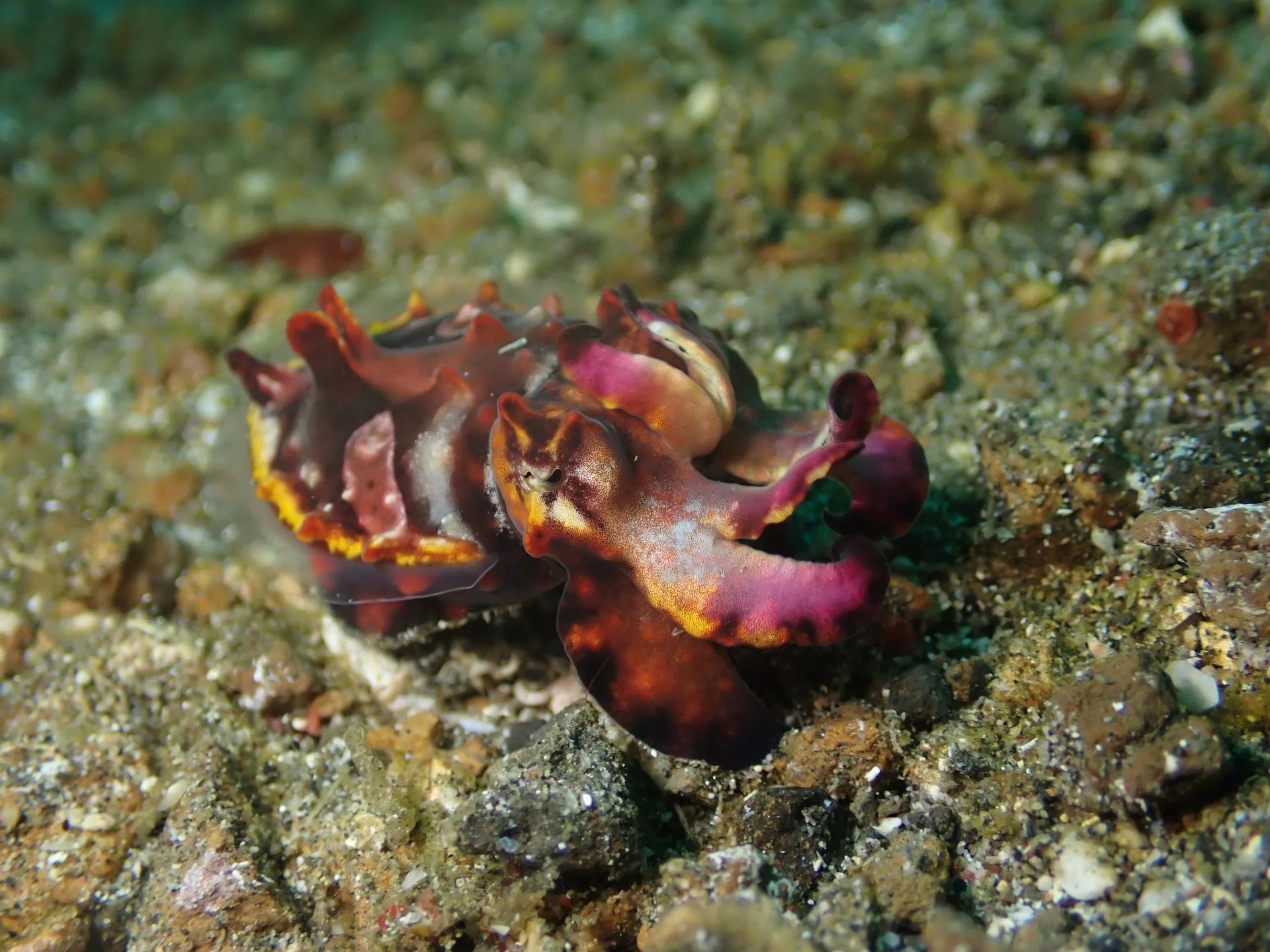
Lembeh
The Lembeh Strait in North Sulawesi has become famous as the muck‑diving capital of the world. At first glance its gently sloping seabed of black volcanic sand, rubble and discarded debris looks bleak. Look closer and it is teeming with weird and wonderful life: hairy and painted frogfish, flamboyant cuttlefish, mimic and blue‑ringed octopuses, ornate ghost pipefish, tiny seahorses, shrimp, crabs and a rainbow of nudibranchs. Most dives are shallow and calm with little current, making it an ideal playground for macro photographers. There are a few colourful reefs for a change of scenery, but Lembeh is all about searching the sand for critter treasures.
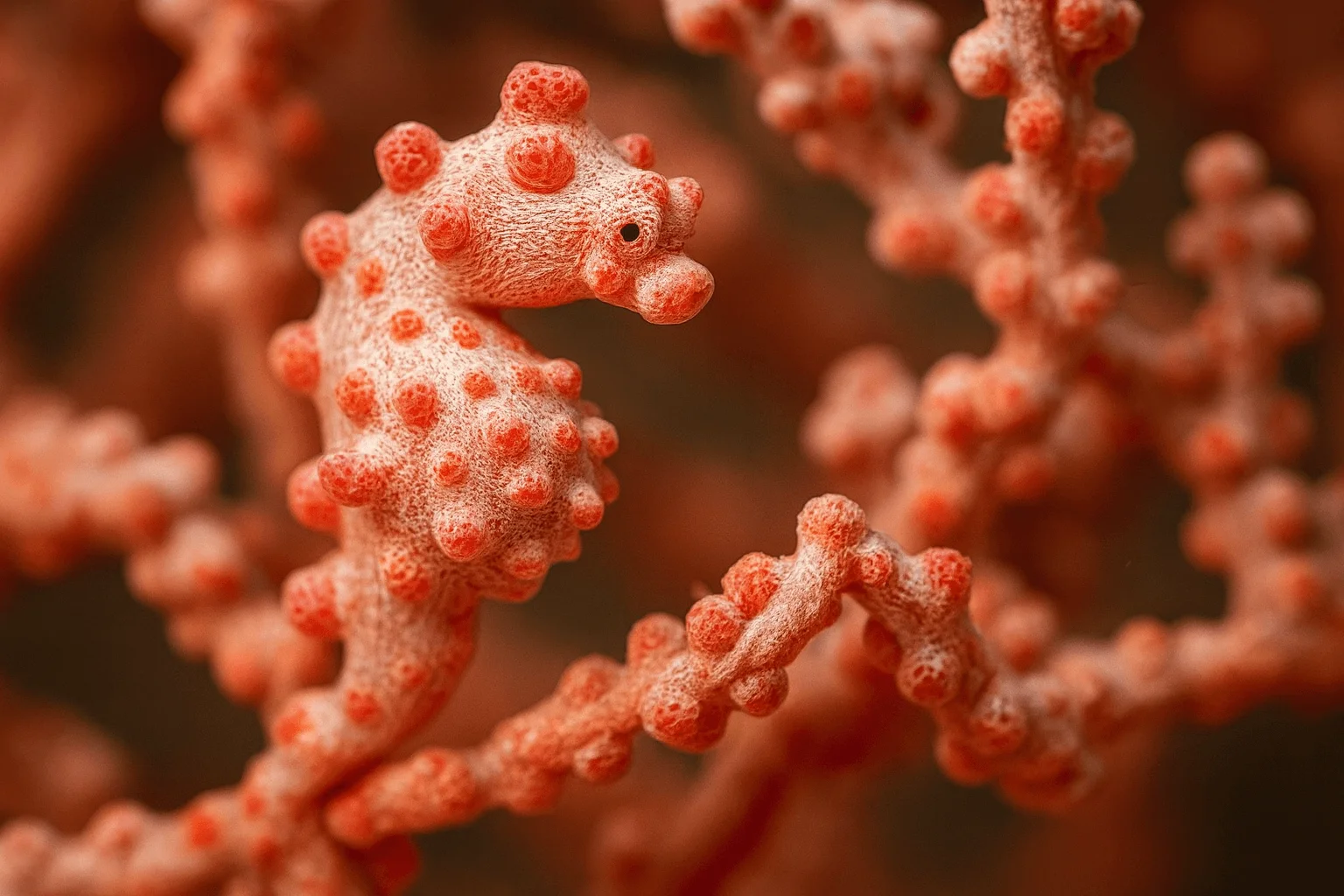
Anilao
Anilao, a small barangay in Batangas province just two hours south of Manila, is often called the macro capital of the Philippines. More than 50 dive sites fringe the coast and nearby islands, offering an intoxicating mix of coral‑covered pinnacles, muck slopes and blackwater encounters. Critter enthusiasts come for the legendary muck dives at Secret Bay and Anilao Pier, where mimic octopuses, blue‑ringed octopuses, wonderpus, seahorses, ghost pipefish, frogfish and dozens of nudibranch species lurk in the silt. Shallow reefs like Twin Rocks and Cathedral are covered in soft corals and teem with reef fish, while deeper sites such as Ligpo Island feature gorgonian‑covered walls and occasional drift. Because Anilao is so close to Manila and open year‑round, it’s the easiest place in the Philippines to squeeze in a quick diving getaway.
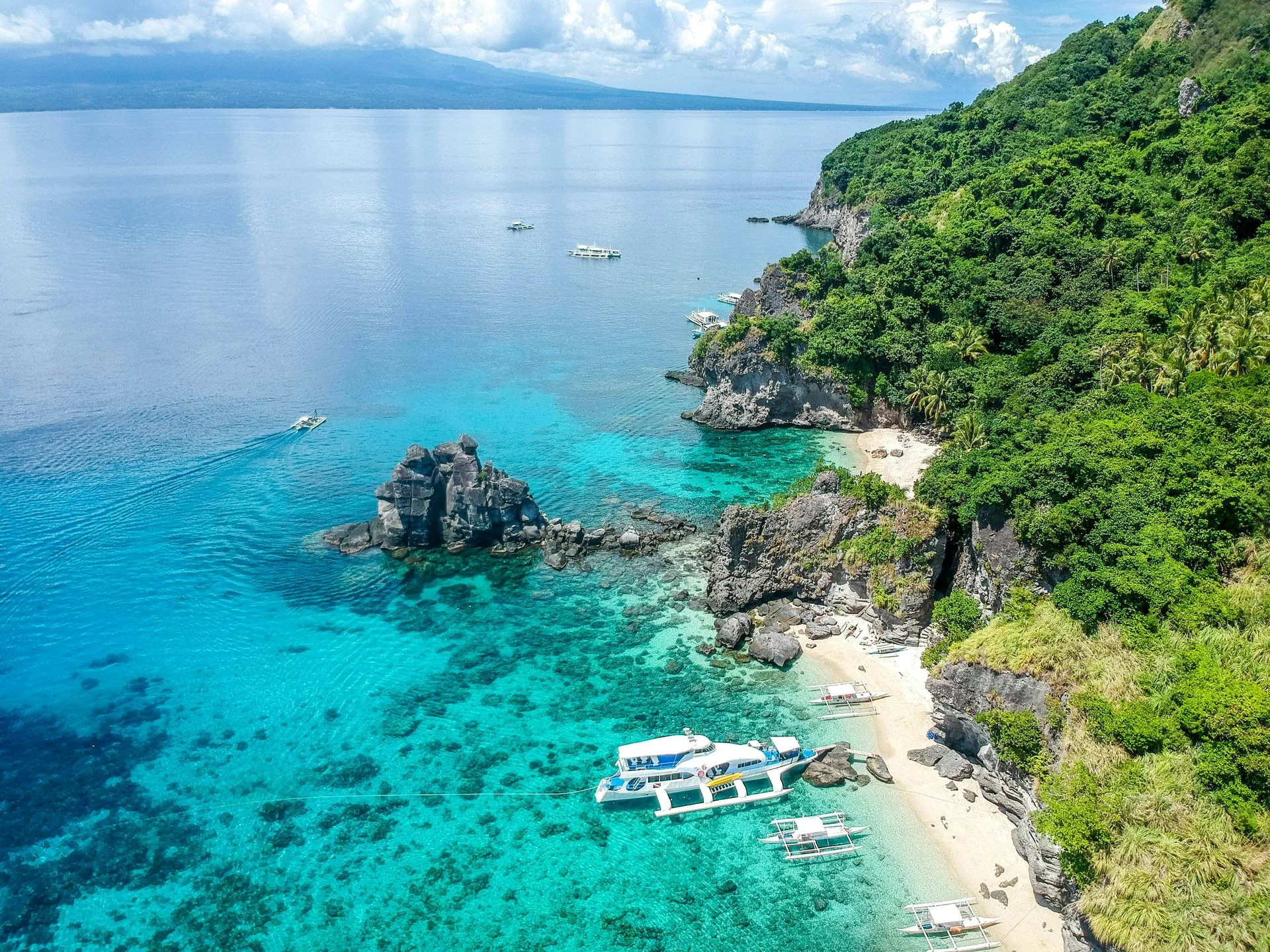
Dumaguete
Dumaguete on the southeast coast of Negros is the jumping‑off point for some of the Philippines’ most diverse diving. Along the nearby town of Dauin, a series of shallow marine sanctuaries and black‑sand slopes hide critters galore: frogfish, flamboyant cuttlefish, mimic octopus, ghost pipefish, seahorses, pipefish and nudibranchs. Artificial reefs made from car tyres and pyramids provide extra habitat. Offshore, Apo Island’s walls and plateaus burst with hard and soft corals, schooling jacks and barracudas, and friendly green turtles. With day trips to Oslob’s whale sharks or Bais’ dolphin‑watching, and excursions to nearby Siquijor, Dumaguete offers a perfect mix of macro muck diving and classic coral reefs.
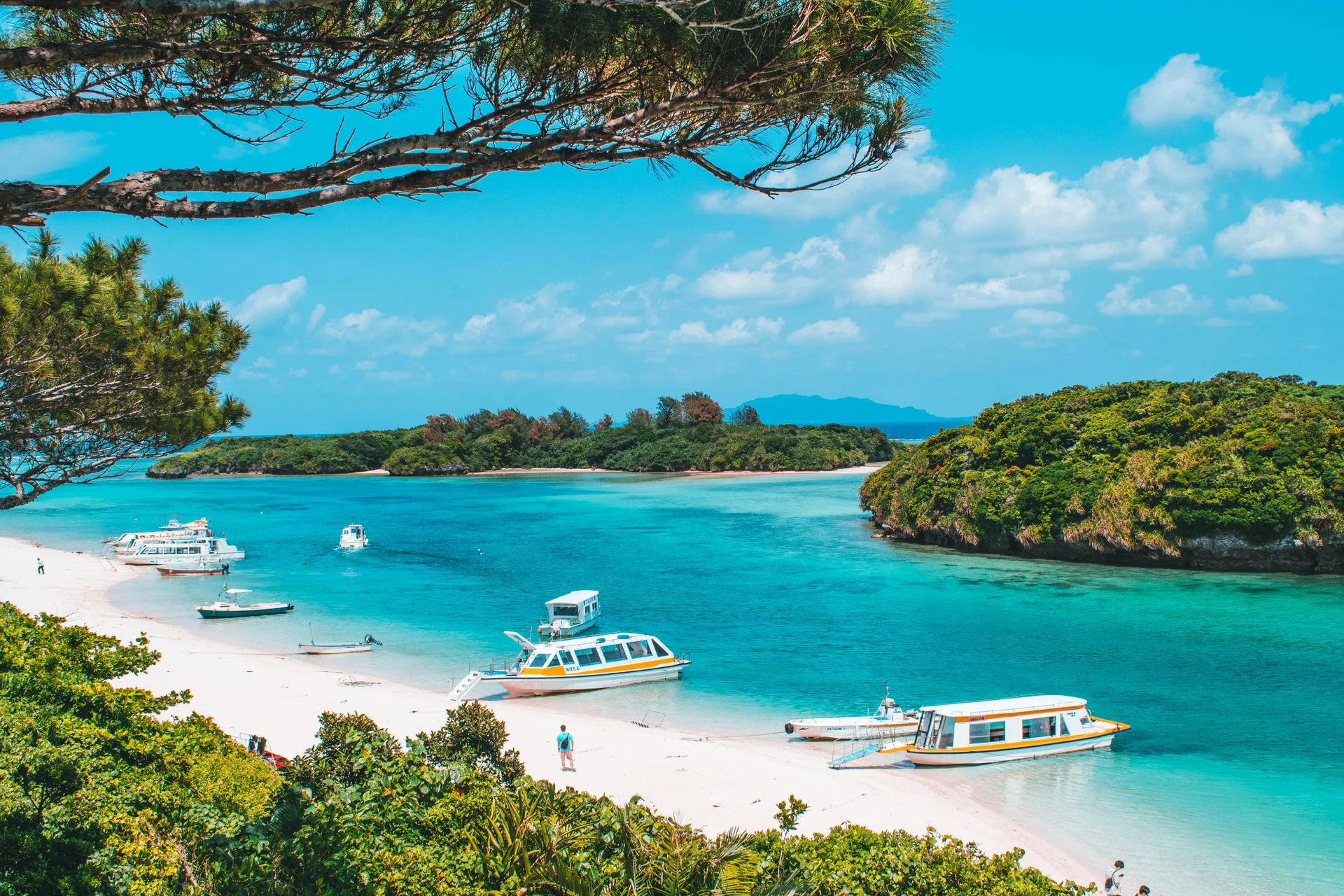
Okinawa
Straddling the subtropical Ryūkyū chain in Japan’s far south, Okinawa Prefecture is a mosaic of islands offering everything from shallow coral gardens to deep wrecks and wild drift dives. The main island provides easy access to the vibrant reefs of the Kerama National Park, where Tokashiki and Zamami Islands boast pristine hard corals, sea fans and more turtles than you can count. Just offshore, Cape Manza’s Dream Hole drops through a chimney into a colourful cavern system teeming with soldierfish, angelfish and feather stars. Further north, history buffs can dive the 100‑metre USS Emmons, a WWII destroyer resting intact at 35–40 m. Closer to shore, Cape Maeda’s Blue Cave offers an easy swim‑through with magical blue light – but expect crowds. Away from the main island, Okinawa’s outer islands extend the experience: Ishigaki’s Manta Scramble (April–Nov) promises manta ray ballets, Yonaguni’s currents bring hammerhead sharks in winter, and Miyako’s caves and tunnels deliver topography diving at its finest. Whether you crave reef fish, big pelagics, swim‑throughs or macro critters, Okinawa’s warm, clear waters offer a Japanese diving adventure for every level of diver.
Wakatobi
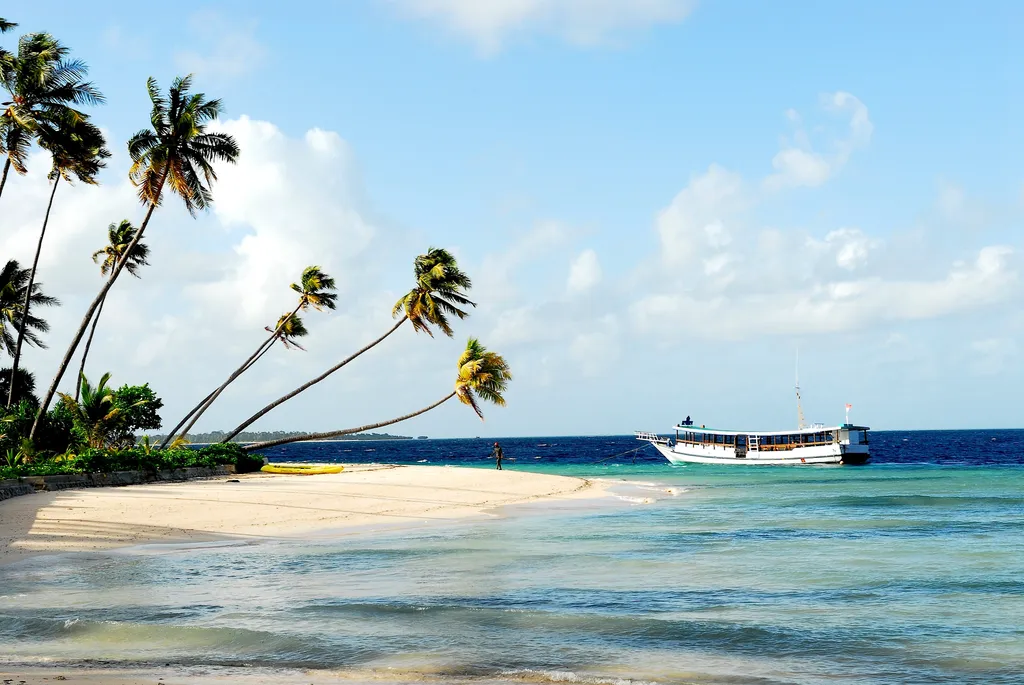
Wakatobi National Park sits on the southeastern rim of Sulawesi, named from its four main islands—Wangi-Wangi, Kaledupa, Tomia, and Binongko. It holds some of the healthiest coral coverage in the Coral Triangle, with walls, seamounts, and fringing reefs that marine biologists still treat as a reference system. Visibility regularly hits 30 m and can stretch past 50 m on calm outer-reef days. Currents are usually mild and predictable, so you get long bottom times on colorful hard-coral gardens instead of fighting blue water. The signature experience is Wakatobi’s House Reef—walk-in shore diving a short swim from the jetty—backed by more than 40 day-boat sites, from beginner pinnacles like Roma to the knife-edge walls of Blade.
Raja Ampat
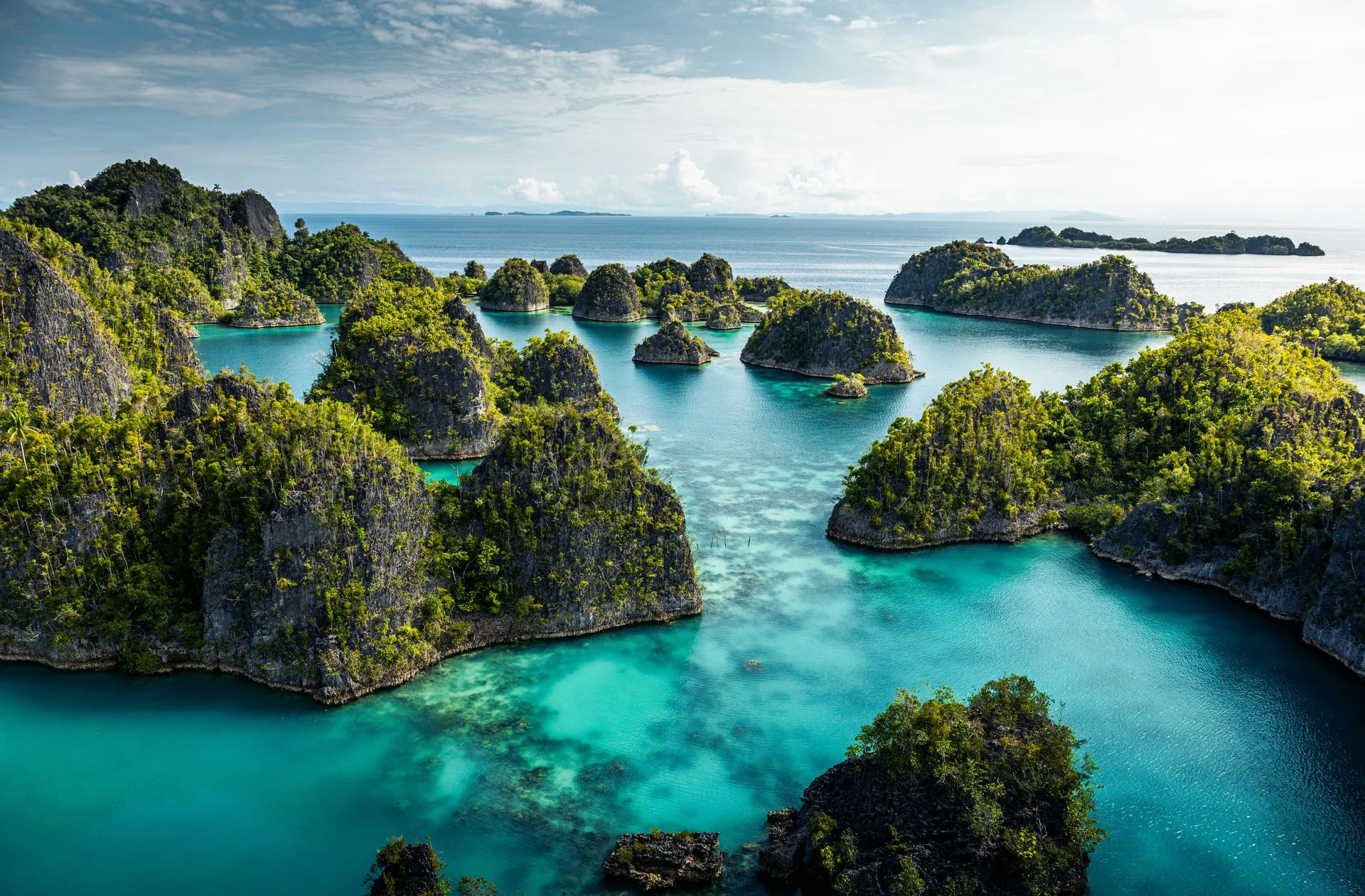
Raja Ampat, the “Four Kings,” is an archipelago of more than 1,500 islands at the edge of Indonesian West Papua. Its reefs sit in the heart of the Coral Triangle, where Pacific currents funnel nutrients into shallow seas and feed the world’s richest marine biodiversity. Diving here means gliding over colourful walls and coral gardens buzzing with more than 550 species of hard and soft corals and an estimated 1,500 fish species. You’ll meet blacktip and whitetip reef sharks on almost every dive, witness giant trevally and dogtooth tuna hunting schools of fusiliers, and encounter wobbegong “carpet” sharks, turtles, manta rays and dolphins. From cape pinnacles swarming with life to calm bays rich in macro critters, Raja Ampat offers endless variety. Above water, karst limestone islands and emerald lagoons provide spectacular scenery between dives.
Tulamben(Bali)
Tulamben sits on Bali’s northeast coast and is best known for the USAT Liberty shipwreck – a 125‑metre cargo ship torpedoed in WWII that now lies just a short swim from shore. Warm water, mild currents and straightforward shore entries make diving here relaxed for all levels. Besides the wreck, divers can explore coral gardens, black‑sand muck sites and dramatic drop‑offs. Macro lovers will find nudibranchs, ghost pipefish, mimic octopus and pygmy seahorses, while big‑fish fans can encounter schooling jackfish, bumphead parrotfish and reef sharks. With a compact coastline packed with variety, Tulamben delivers world‑class wreck and critter diving without long boat rides.
Great Barrier Reef
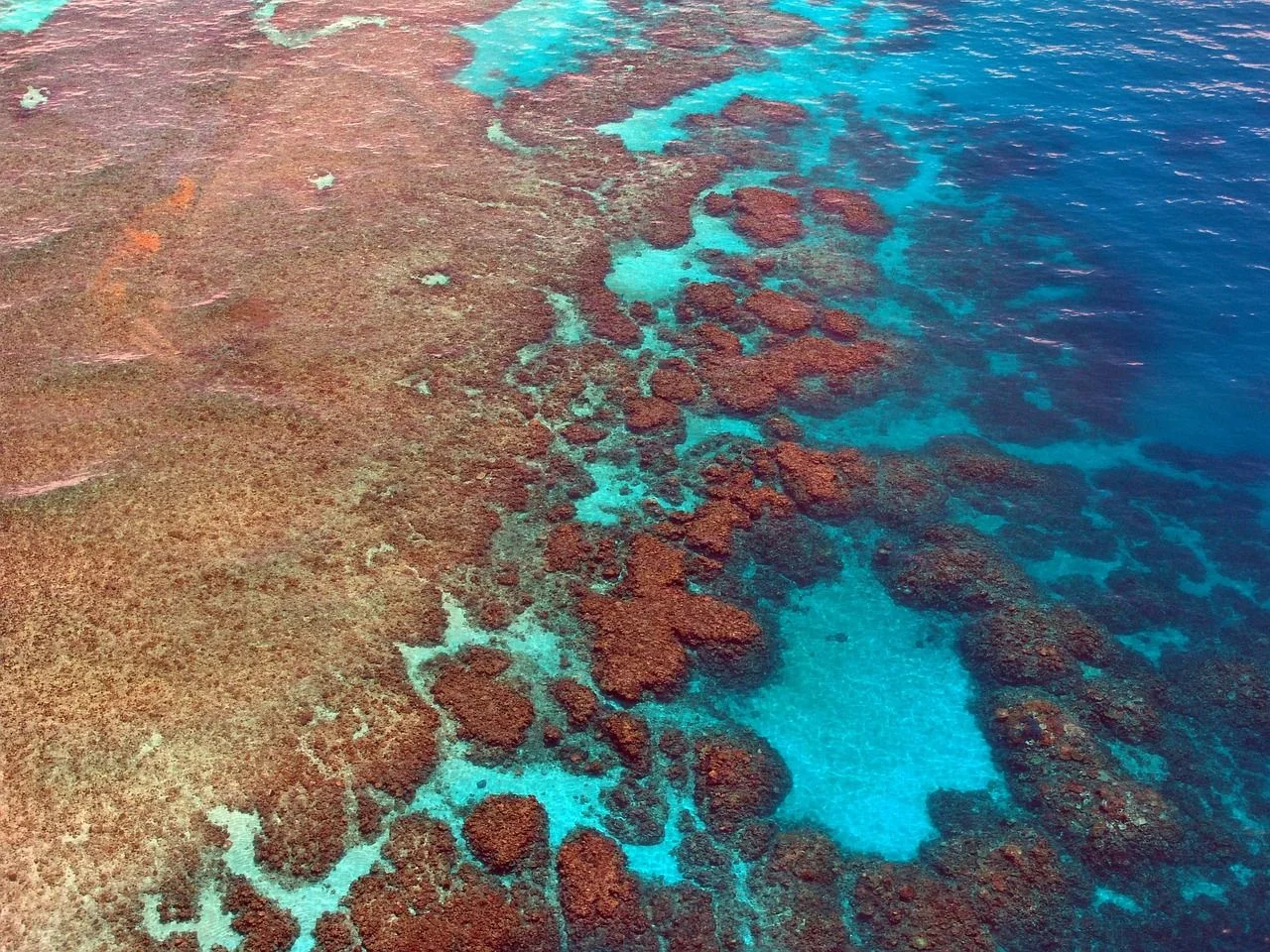
The Great Barrier Reef stretches for more than 2,300 km along Australia’s Queensland coast and is Earth’s largest coral ecosystem. With over 2,900 individual reefs, hundreds of islands, and a staggering diversity of marine life, it’s a bucket‑list destination for divers. Outer reef walls, coral gardens and pinnacles support potato cod, giant trevallies, reef sharks, sea turtles, manta rays and even visiting dwarf minke and humpback whales. Divers can explore historic wrecks like the SS Yongala, drift along the coral‑clad walls of Osprey Reef or mingle with friendly cod at Cod Hole. Whether you’re a beginner on a day trip from Cairns or an experienced diver on a remote liveaboard, the Great Barrier Reef offers unforgettable underwater adventures.