
Eagle Rays
Myliobatidae (family — true eagle rays in Aetobatus, Aetomylaeus, Myliobatis; 20+ species)
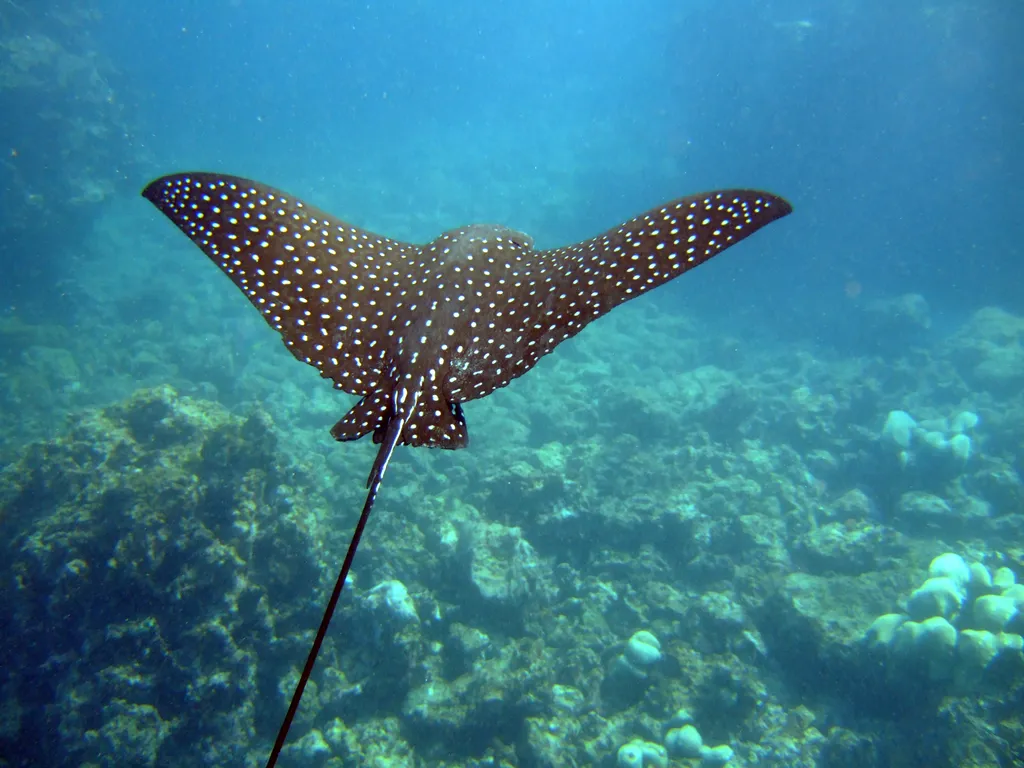
Photo by john norton / CC BY 2.0 via Wikimedia Commons
Eagle rays are the reef's most elegant gliders—cartilaginous fish with dramatically pointed pectoral "wings" that make every pass look like slow-motion flight. The name covers 20+ species across genera like Aetobatus, Aetomylaeus, and Myliobatis, so what you actually see on a dive might be a metre-wide spotted eagle ray cruising a sand channel or a smaller bull ray hugging the bottom. Unlike the giant oceanic manta, most eagle rays stay closer to coastal and reef habitats, though some species venture into blue water. Their whip-like tails often carry a venomous spine—rarely aimed at divers, but reason enough to give them space. For underwater photographers, a lone eagle ray banking over white sand in clear water is one of tropical diving's signature shots; for naturalists, they are a reminder that "ray" is a huge category and field ID pays off.
🔬Classification
📏Physical Features
🌊Habitat Info
⚠️Safety & Conservation
Identification Guide
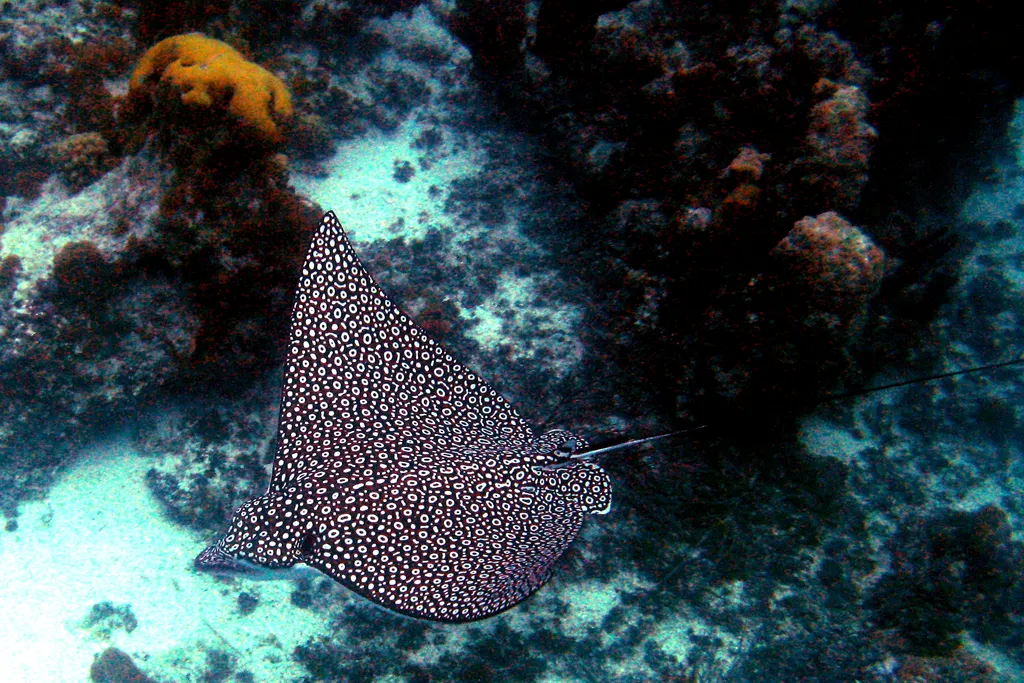
Photo by the manta ray had a family via Wikimedia Commons
Core Field Marks (Family-Level)
- Rhomboid disc: Pectoral fins form a kite- or diamond-shaped "wing" with distinctly pointed lateral corners—not the rounded disc of many stingrays.
- Snout shape: Often blunt to slightly pointed; Aetobatus spotted eagle rays have a rounded, elevated snout.
- Dorsal fin: A single small dorsal fin sits ahead of the tail base on most species.
- Tail: Long, whip-like; may bear one or more serrated venomous spines (species-dependent).
- Swimming style: Slow, undulating wing beats; frequent gliding just above sand or reef.
Telling Genera Apart (Where Possible)
- Aetobatus (spotted eagle rays): Large; dark back with bold white spots and rings; very long tail; often seen in open water over reefs.
- Myliobatis (bull rays): Stockier build; may show pale bands or blotches; common over sand and in shallower bays.
- Aetomylaeus: Often banded or mottled; intermediate size; Indo-Pacific and some Atlantic species.
Don't Confuse With
- Manta / mobula rays: Much larger mouth at front; cephalic fins; no venomous tail spine in the usual sense; different family (Mobulidae).
- Stingrays (Dasyatidae): Rounded disc, tail spine usually closer to base; often buried in sand.
- Cownose rays: Forehead notched like a cow nose; different silhouette in schools.
Size & Depth Caveat
Wingspan ranges from under a metre in smaller Myliobatis to 3 m+ in large Aetobatus—always note which species your site guide names; depth and behaviour vary accordingly.
Top 10 Fun Facts about Eagle Rays
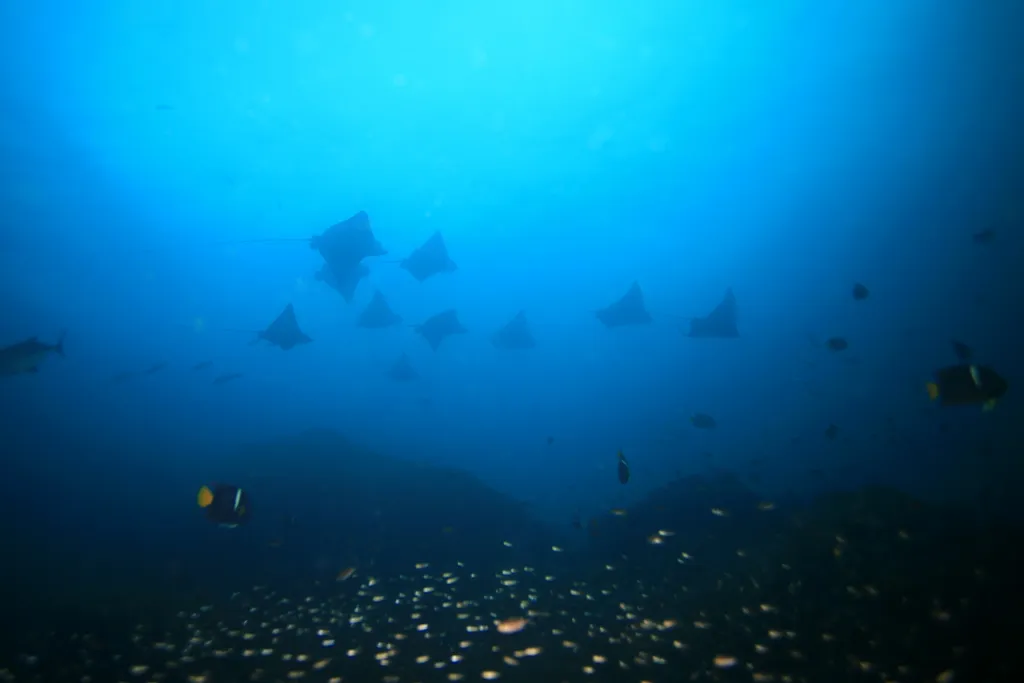
Photo by LASZLO ILYES from Cleveland / CC BY 2.0 via Wikimedia Commons
1. "Eagle Ray" Is a Family, Not One Fish
Divers often use eagle ray as a catch-all label, but scientifically it refers to Myliobatidae—a family of 20+ species in genera including Aetobatus, Aetomylaeus, and Myliobatis. A spotted eagle ray in the Maldives and a bull ray in the Mediterranean are cousins with very different sizes, patterns, and depth preferences. Treating them as one species blurs conservation status and behaviour.
2. Wings Built for Gliding, Not Speed
The rhomboid pectoral disc acts like an underwater kite. Eagle rays beat their "wings" slowly and spend long stretches gliding a metre above sand or reef—minimal effort, maximum grace. This is why they photograph so well: predictable, unhurried flight paths. Smaller species may hug the bottom more; large Aetobatus often cruise mid-water along drop-offs.
3. The Spotted Eagle Ray—Diving's Poster Child
Aetobatus ocellatus and related spotted species are the ones most divers picture: dark dorsum peppered with white rings and spots, a long tail trailing behind like a banner. Wingspans commonly reach 2–3 metres. They probe sand with their duck-bill snout for molluscs and crustaceans. IUCN lists the spotted eagle ray as Endangered—a stark contrast to the casual "common ray" reputation at tourist reefs.
4. Venomous Tail, Peaceful Intent
Like many batoids, eagle rays carry a serrated spine on the tail armed with venom glands. The sting is a defensive reflex when pinned or stepped on—not predatory behaviour. Incidents involving divers are rare but documented when rays are cornered, grabbed, or accidentally landed on in shallow surf. Respect the tail: approach from the side or front, never chase from behind.
5. Crushing Jaws Behind a Soft Face
Eagle rays are durophagous—equipped with flat, pavement-like teeth designed to crush shells. Spotted eagle rays in particular use their flexible snout to dig bivalves from sand, then crush them with powerful jaws. On a dive you won't see the dental work, but sand clouds and head-down feeding passes are a giveaway.
6. From Shallow Lagoons to Seamount Currents
Depth range is species-specific. Many Myliobatis and Aetobatus are comfortable in 1–30 m over sand flats and reef channels. At Cocos and Galápagos, spotted eagle rays ride currents along walls and seamounts; in Cozumel and Belize they cruise Caribbean sand chutes. Don't assume one depth profile fits the whole family—check local species lists.
7. Solitary Cruisers and Occasional Schools
Most encounters are one or two individuals gliding independently. Some sites—channel edges, cleaning stations, seasonal aggregations—produce small groups or loose schools, especially where food is concentrated. They are not as strictly schooling as scalloped hammerheads, but a trio of spotted eagle rays in formation is a top-tier sighting.
8. Reproduction: Live Birth, Few Pups
Eagle rays are viviparous—embryos develop inside the mother and are born live. Litter size is modest (often 1–4 pups depending on species), and gestation can span many months. Slow reproduction makes populations vulnerable to fishing pressure; several species are poorly studied, listed as Data Deficient on the IUCN Red List.
9. Fishing Pressure and Fin Trade
Eagle rays are caught as bycatch in trawls and gillnets and targeted in some artisanal fisheries for meat and cartilage. Large Aetobatus are particularly valued. Even where reef diving is protected, regional declines matter—your encounter in a marine park may depend on migrants from less protected waters. Spotted eagle ray declines are linked to habitat loss and intensive coastal fisheries.
10. Cleaning Stations and Symbiotic Passengers
Eagle rays visit cleaner wrasse and remora stations on reefs, pausing mid-water while small fish pick parasites from their skin and gill cavities. Remoras may hitchhike on the disc for kilometres. Watching a ray hover patiently at a cleaning station—wings gently fanning—is a masterclass in reef cooperation and worth waiting for on a slow drift dive.
Diving & Observation Notes
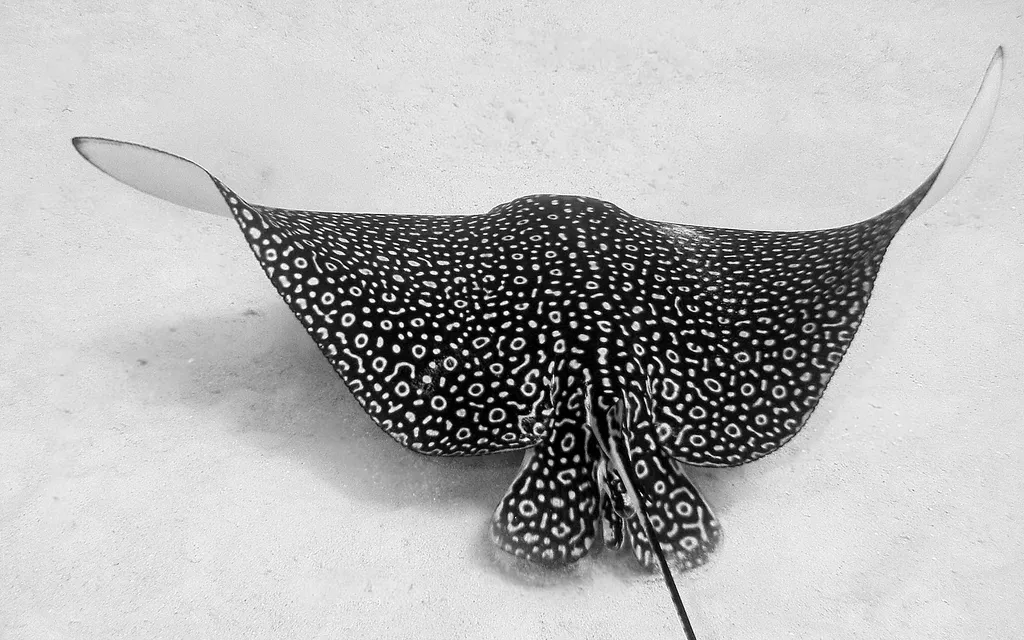
Photo by tanstaafl5813 from Williamstown / CC BY 2.0 via Wikimedia Commons
🧭 Finding Eagle Rays
Scan sand channels, reef flats, and lagoon exits on morning dives when light is angled and rays cast shadows on the bottom. Current-swept points—Cocos, Galápagos, Banda Sea, Mikomoto—often deliver spotted eagle rays mid-water along walls. In Caribbean sites (Belize, Cozumel) check sand chutes between coral fingers. Species varies by region: confirm whether your guide expects Aetobatus, Myliobatis, or Aetomylaeus so you know typical size and depth.
🤿 Approach & Behavior
- Gliders, not sprinters: Eagle rays usually continue on course unless harassed; position yourself ahead of their path and let them come to you.
- Tail zone: Maintain clearance behind the disc—venomous spine can arc upward. Never grab the tail or ride the ray.
- Sand feeding: If a ray is head-down in sand, give wide berth; disturbed feeding rays bolt and may whip the tail.
- Current dives: In strong flow, stay low on the reef and look into the blue; rays often ride the same current line as sharks and jacks.
📸 Photo Tips
- Side profile on sand: Shoot from slightly below with the ray's shadow on white sand for depth and scale.
- Wide angle essential: Large Aetobatus fill the frame at close range—fisheye or 16–35 mm equivalent recommended.
- Spot pattern: For spotted species, expose for the dark dorsum; recover highlights on white rings in post if needed.
- Cleaning shots: Pre-focus on cleaning stations; rays pause longer than most pelagics—patience beats chase.
⚠️ Ethics & Conservation
- Know your species: Spotted eagle ray is Endangered; treat every encounter as valuable, not guaranteed.
- No touching, no blocking: Do not cut off their exit path or herd them for Instagram—stress and tail strikes follow.
- Report responsibly: If your operator logs sightings for science (many Galápagos/Cocos programs do), share date, depth, and photos with identifiable spot patterns where permitted.
- Support protection: Choose operators that respect no-take zones; eagle ray populations link shallow nurseries to offshore reefs—damaging one affects the other.
Best Places to Dive with Eagle Rays
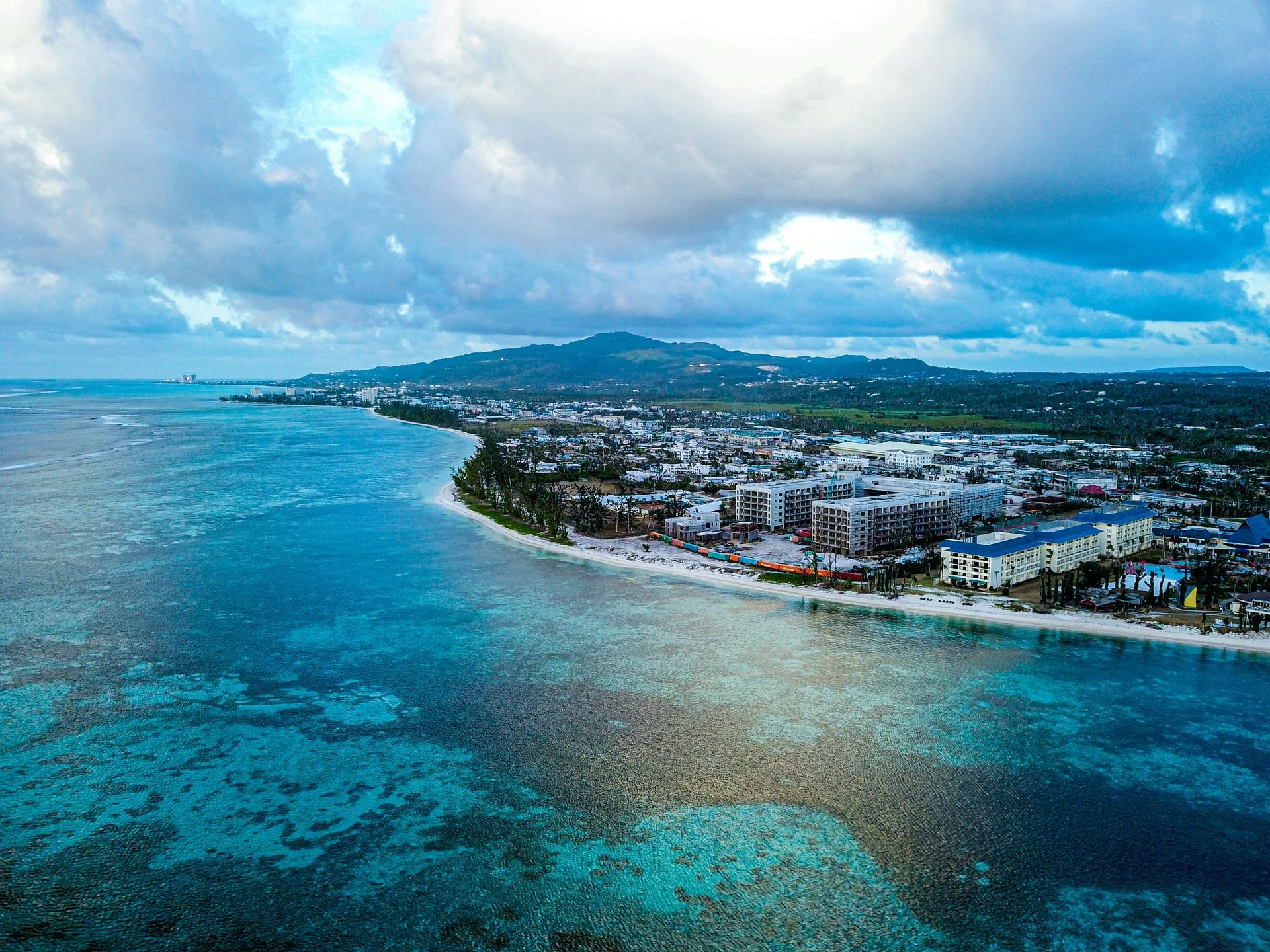
Saipan
Saipan is the largest of the Northern Mariana Islands, a United States commonwealth in the western Pacific. Fringed by white‑sand beaches and the deep blue of the Philippine Sea, its limestone topography has created caves, grottoes and sheer drop‑offs that have become iconic dive sites. Warm, clear water (often 27–29 °C) and visibility exceeding 20–50 m make diving here a pleasure. Highlights include the world‑famous Grotto cavern with shafts of blue light, WWII wrecks of ships and planes, coral gardens teeming with turtles and reef fish, and cleaning stations where schools of spotted eagle rays hover. Most sites are within minutes of shore, making Saipan ideal for easy day diving while still offering adventure for experienced divers in nearby Tinian and Rota.
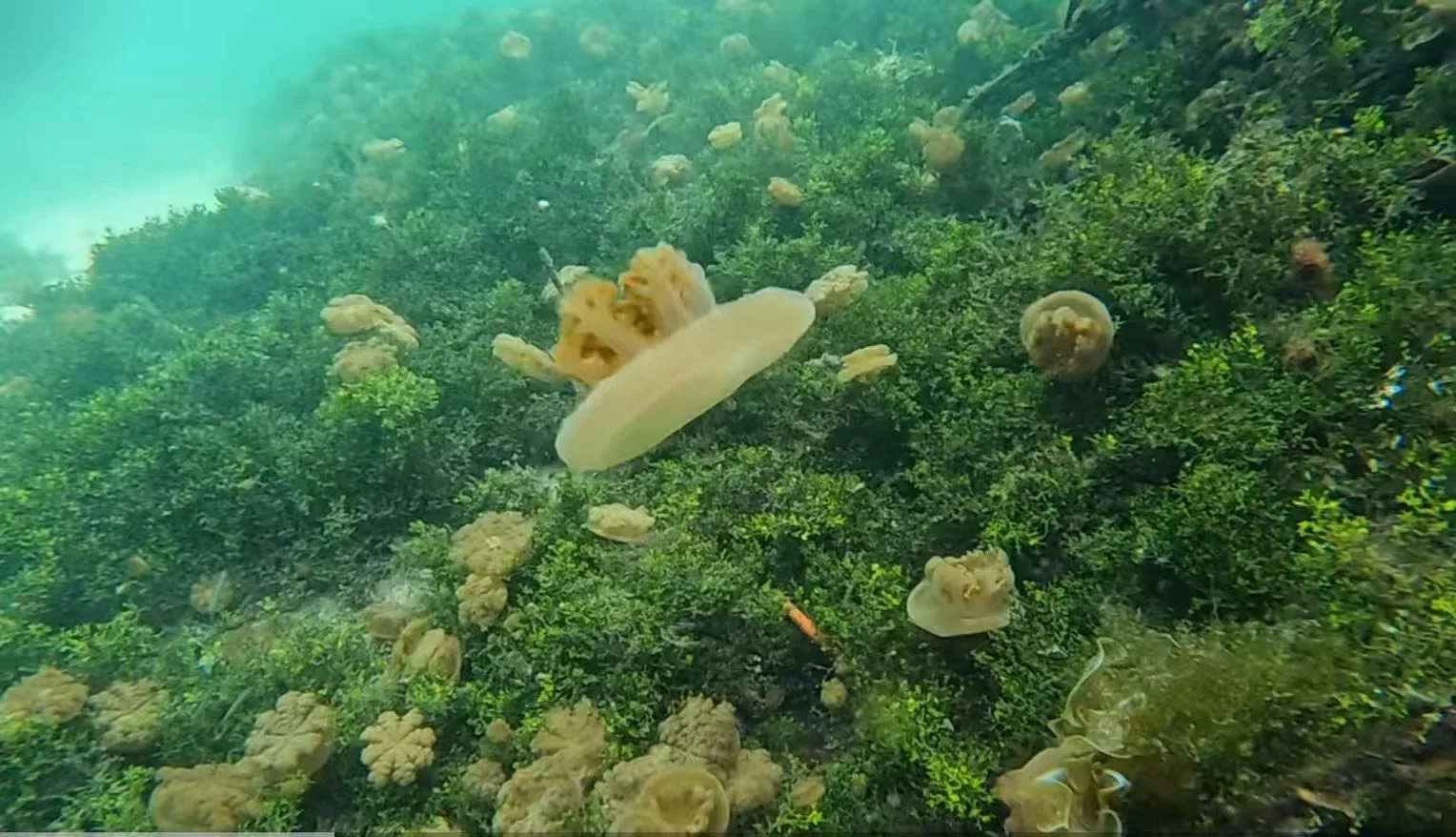
Maratua(Derawan)
Maratua Atoll, part of the remote Derawan Archipelago off East Kalimantan, offers thrilling big‑fish dives and rich reefs fed by nutrient‑charged currents. From swirling barracuda tornadoes and reef sharks at the world‑famous Big Fish Country to turtle cleaning stations and macro‑rich jetties, the island’s more than 20 sites deliver everything from ripping drift dives to gentle coral gardens. Expect encounters with green and hawksbill turtles, schooling snapper and jackfish, manta and eagle rays, nurse and reef sharks and even occasional hammerheads. The underwater topography is just as varied—vertical walls, coral pinnacles, sand channels and lush lagoon reefs mean you can pack your logbook with completely different experiences each day. Because Maratua sits far from major tourist hubs, you’ll often have the reef to yourself.
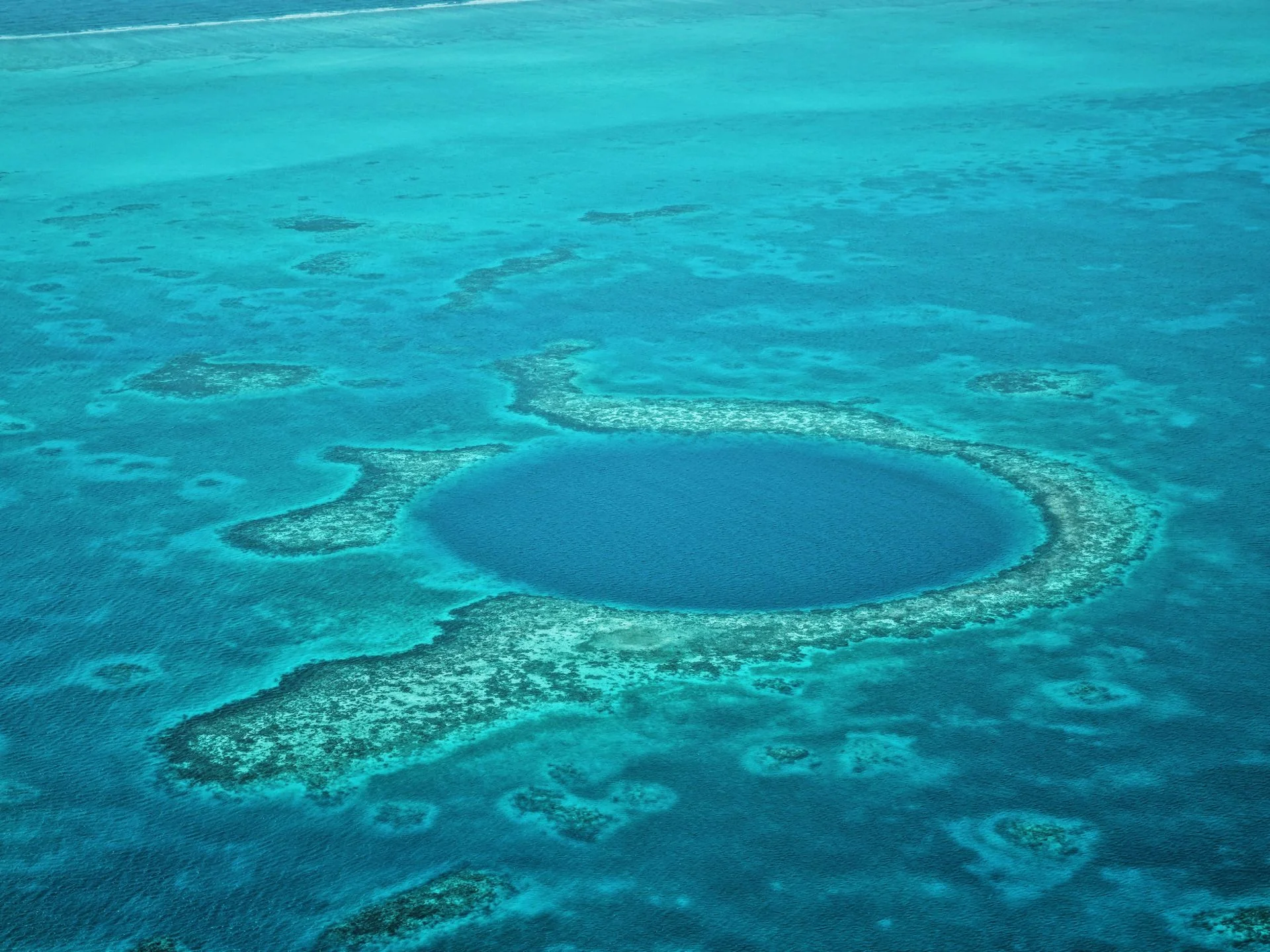
Belize
Straddling the Caribbean and Central America, Belize is home to the world’s second‑largest barrier reef and a string of offshore atolls. Warm, clear water and a relaxed tropical vibe make it a favourite with divers of all levels. The flagship attraction is the Great Blue Hole, a 300‑m‑wide limestone sinkhole plunging to 124 m, but Belize’s real magic lies in its walls and coral gardens. Turneffe Atoll and Lighthouse Reef teem with reef sharks, turtles, eagle rays and massive barrel sponges. Gladden Spit hosts whale sharks from April to June, while Hol Chan Marine Reserve and Shark Ray Alley offer easy snorkelling with nurse sharks and stingrays. Whether you’re a beginner completing your first course or an experienced diver chasing pelagics, Belize delivers with friendly people and laid‑back island life.
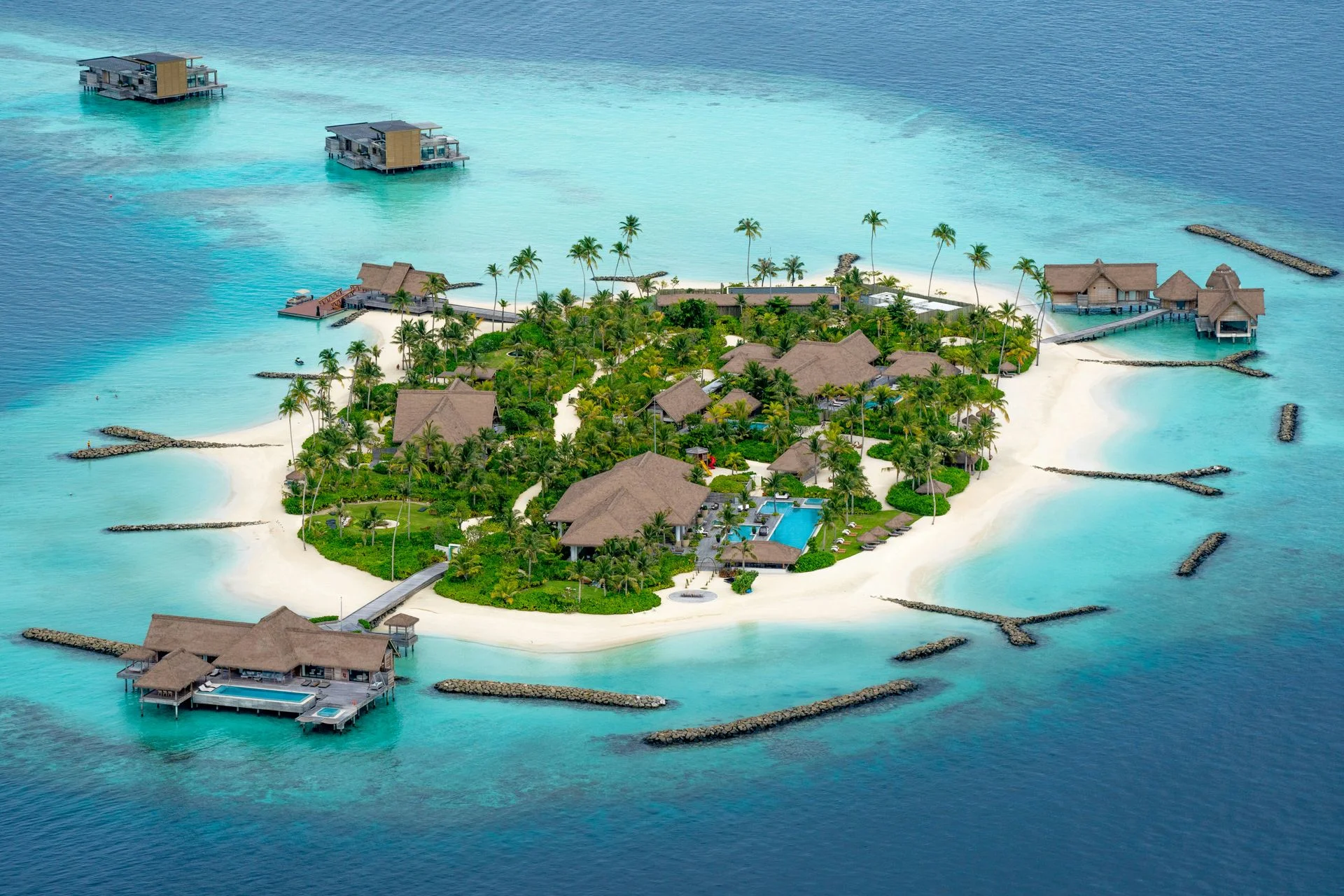
Maldives
Scattered across the Indian Ocean like strings of pearls, the Maldives’ 26 atolls encompass more than a thousand low‑lying islands, reefs and sandbanks. Beneath the turquoise surface are channels (kandus), pinnacles (thilas) and lagoons where powerful ocean currents sweep past colourful coral gardens. This nutrient‑rich flow attracts manta rays, whale sharks, reef sharks, schooling jacks, barracudas and every reef fish imaginable. Liveaboards and resort dive centres explore sites such as Okobe Thila and Kandooma Thila in the central atolls, manta cleaning stations in Baa and Ari, and shark‑filled channels like Fuvahmulah in the deep south. Diving here ranges from tranquil coral slopes to adrenalin‑fuelled drifts through current‑swept passes, making the Maldives a true pelagic playground.
Galapagos
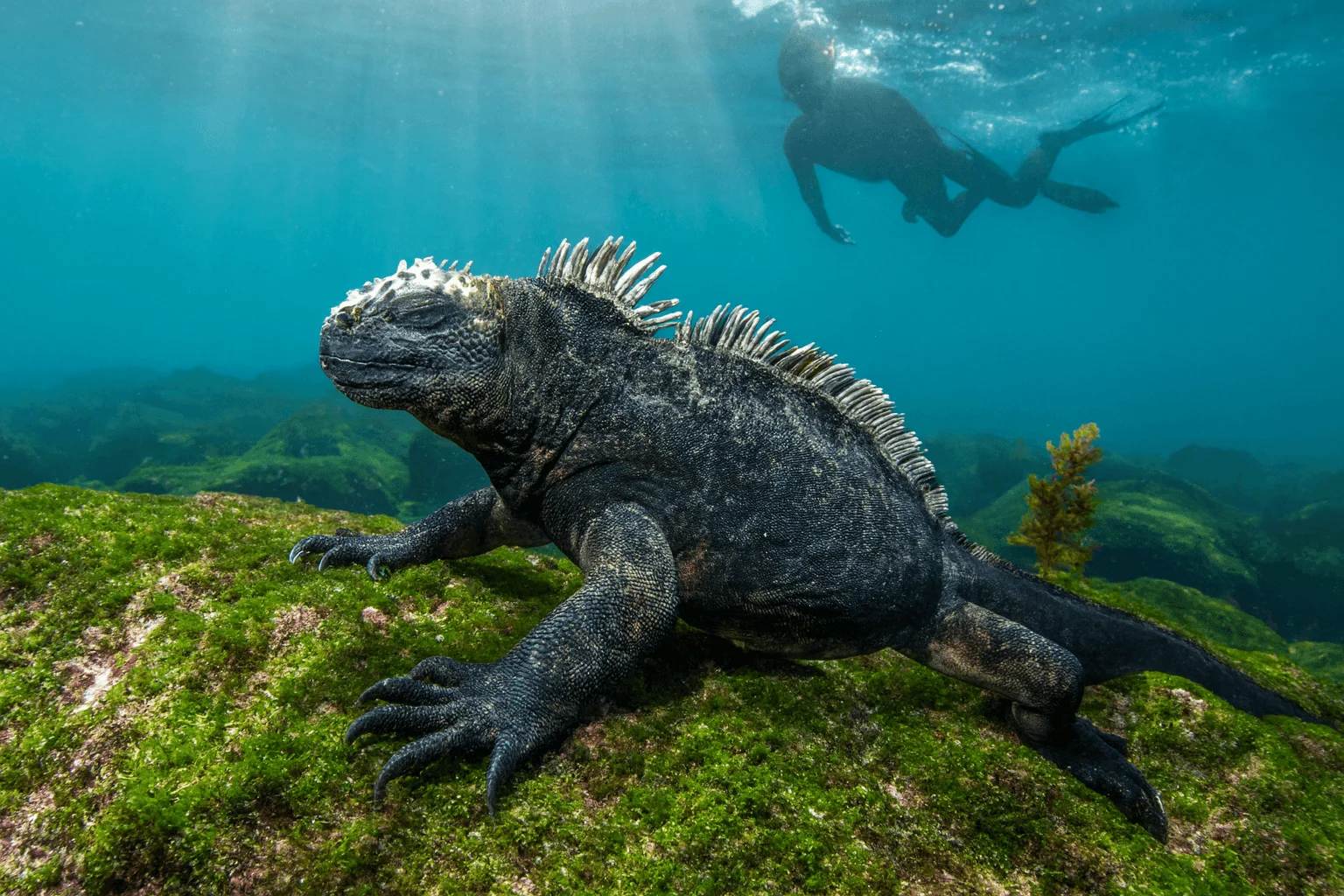
The Galápagos Islands sit 1 000 km off mainland Ecuador and are famous for their remarkable biodiversity both above and below the water. Created by volcanic hot spots and washed by the converging Humboldt, Panama and Cromwell currents, these remote islands offer some of the most exhilarating diving on the planet. Liveaboard trips venture north to Darwin and Wolf islands, where swirling schools of scalloped hammerheads and hundreds of silky and Galápagos sharks patrol the drop‑offs. Other sites host oceanic manta rays, whale sharks, dolphins, marine iguanas, penguins and playful sea lions. Strong currents, cool upwellings and surge mean the dives are challenging but incredibly rewarding. On land you can explore lava fields, giant tortoise sanctuaries and blue‑footed booby colonies.
Cocos Island
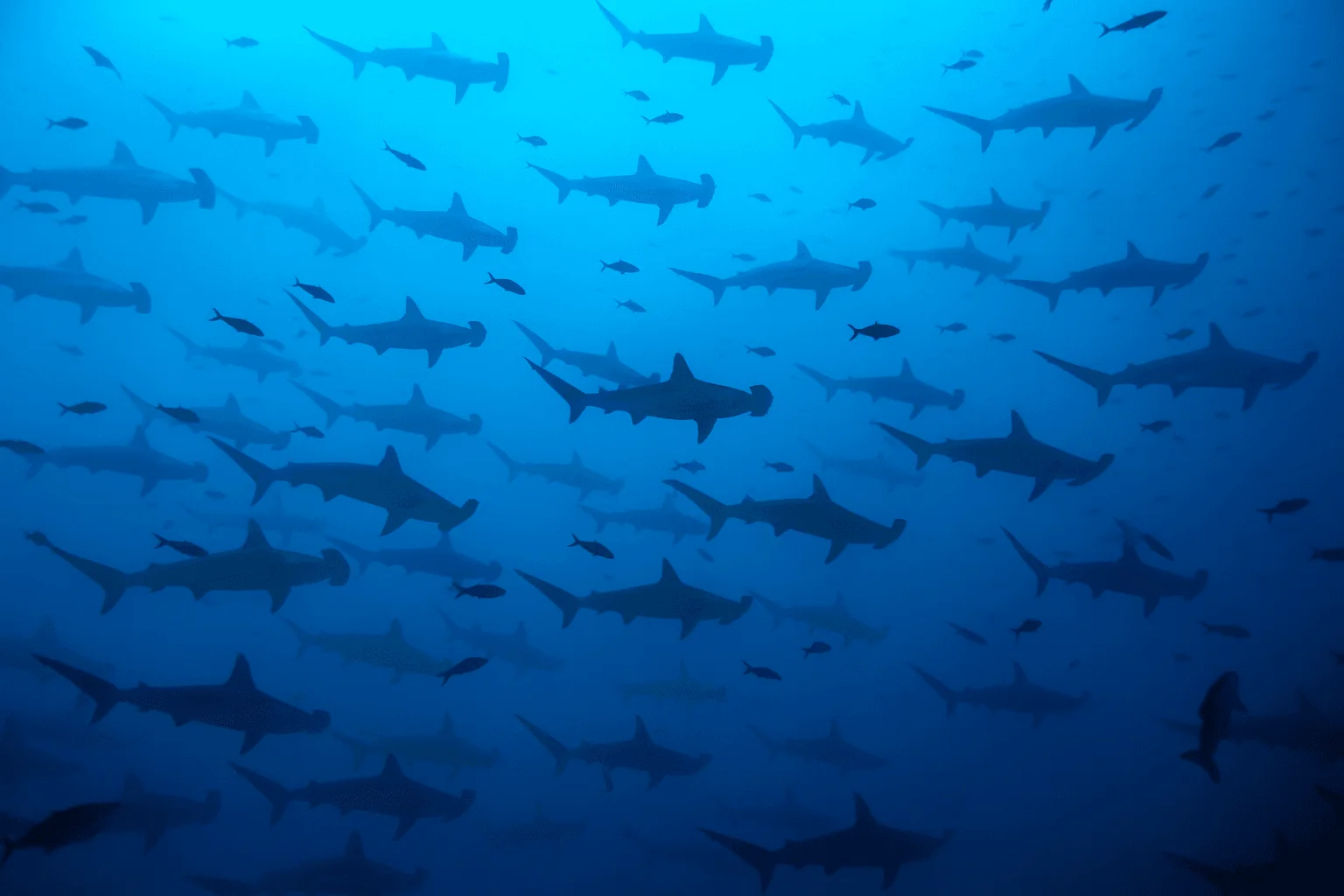
Cocos Island sits 550 km off Costa Rica’s Pacific coast and is only accessible by liveaboard. This uninhabited, jungle‑clad island was described by Jacques Cousteau as “the most beautiful island in the world.” Divers come here for the pelagic action: schooling scalloped hammerheads patrol the reef points and pinnacles, tiger sharks and Galápagos sharks cruise the blue, and manta rays and whale sharks glide past during the wet season. Visibility and sea conditions vary with the seasons, but the island’s underwater topography of walls, cleaning stations and steep pinnacles makes every dive an adventure. Currents can be strong and depths often exceed 30 m, so Cocos is considered an advanced destination. Trips are normally 9–10 days with a 36‑hour crossing each way from the mainland, and most operators include guided island hikes between dives.
Cozumel
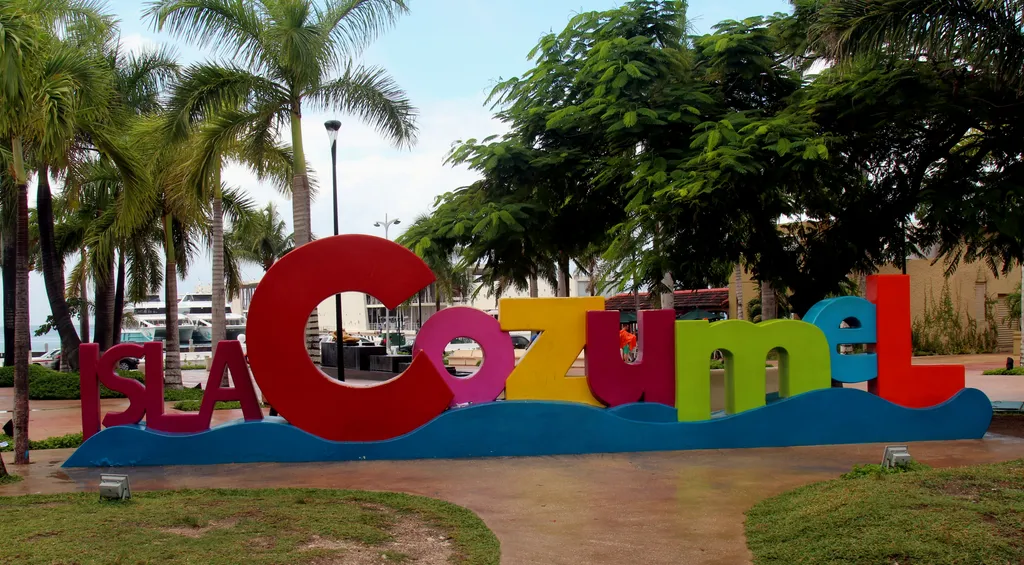
Cozumel sits on the Mesoamerican Barrier Reef—the second-largest reef system on the planet—and earned its place in dive history when Jacques Cousteau filmed its walls in the 1960s. Today the island is a boat-centric Caribbean classic: two-tank mornings from San Miguel, drift along coral cliffs in gin-clear water, surface for ceviche between dives. Almost everything worth diving lies inside Arrecifes de Cozumel National Marine Park, where mooring buoys, no-gloves rules, and park fees keep the reef in remarkably good shape. The signature experience is drift diving. Prevailing currents carry you along Santa Rosa, Colombia, and Palancar while you fin minimally and watch eagle rays, turtles, and schooling jacks slide past the drop-off. Walls plunge from 15 m to blue infinity; swim-throughs at Palancar Caves and the advanced cavern entry at Devil's Throat reward divers who like topography. Macro hunters scan for the splendid toadfish—an endemic bottom-dweller found almost nowhere else. Night dives on Paradise Reef and the C-53 wreck round out a week that feels busy without ever rushing. What Cozumel is not: a whale-shark island (head to Isla Mujeres or Holbox for that) or a liveaboard hub—operations are day boats from town. Watch the Norte wind in winter; it can cancel southern sites like Punta Sur. Bring cash for park fees, tip your crew, carry an SMB, and consider nitrox—you'll want the extra bottom time on these drifts.
Great Barrier Reef
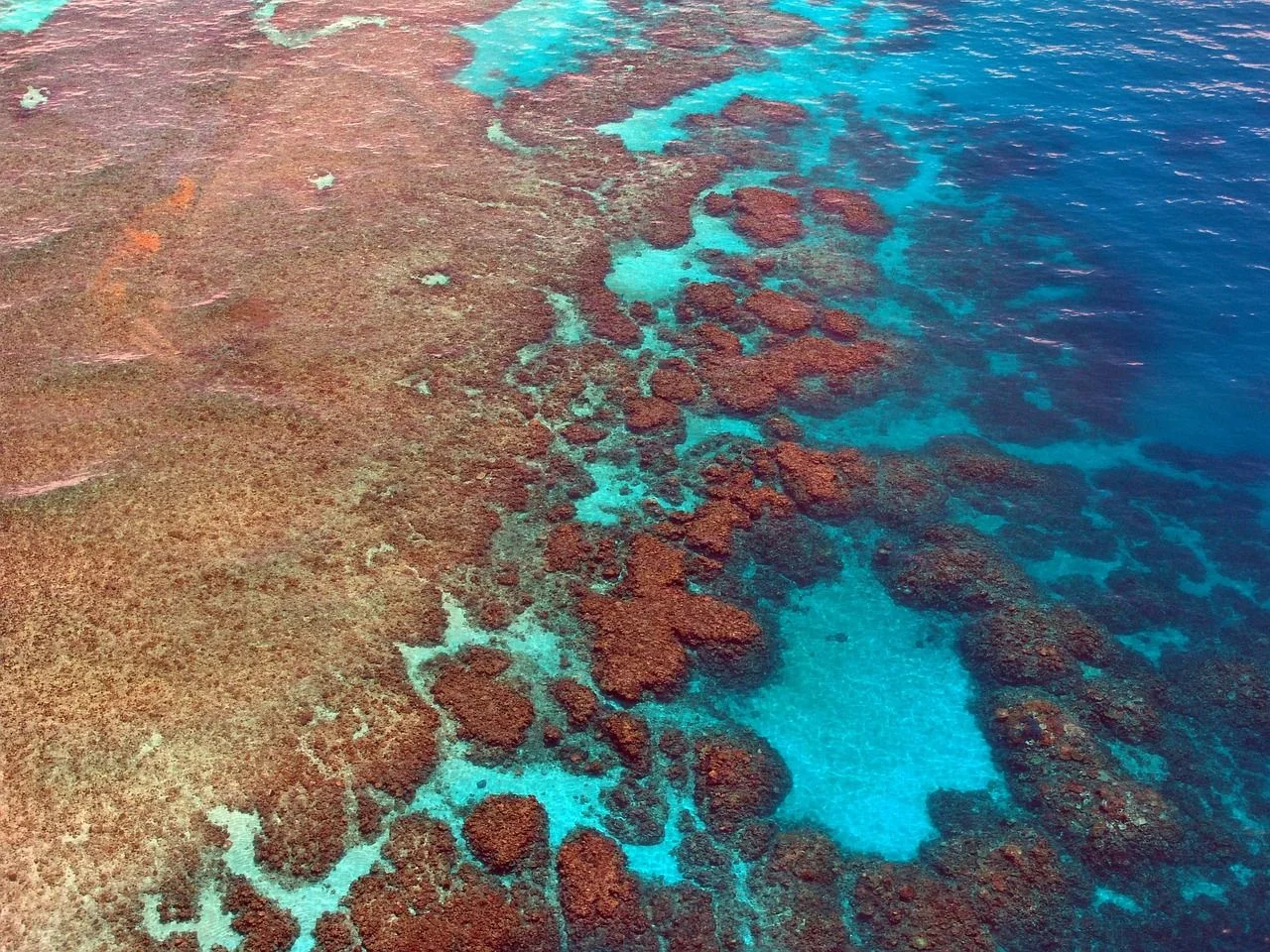
The Great Barrier Reef stretches for more than 2,300 km along Australia’s Queensland coast and is Earth’s largest coral ecosystem. With over 2,900 individual reefs, hundreds of islands, and a staggering diversity of marine life, it’s a bucket‑list destination for divers. Outer reef walls, coral gardens and pinnacles support potato cod, giant trevallies, reef sharks, sea turtles, manta rays and even visiting dwarf minke and humpback whales. Divers can explore historic wrecks like the SS Yongala, drift along the coral‑clad walls of Osprey Reef or mingle with friendly cod at Cod Hole. Whether you’re a beginner on a day trip from Cairns or an experienced diver on a remote liveaboard, the Great Barrier Reef offers unforgettable underwater adventures.
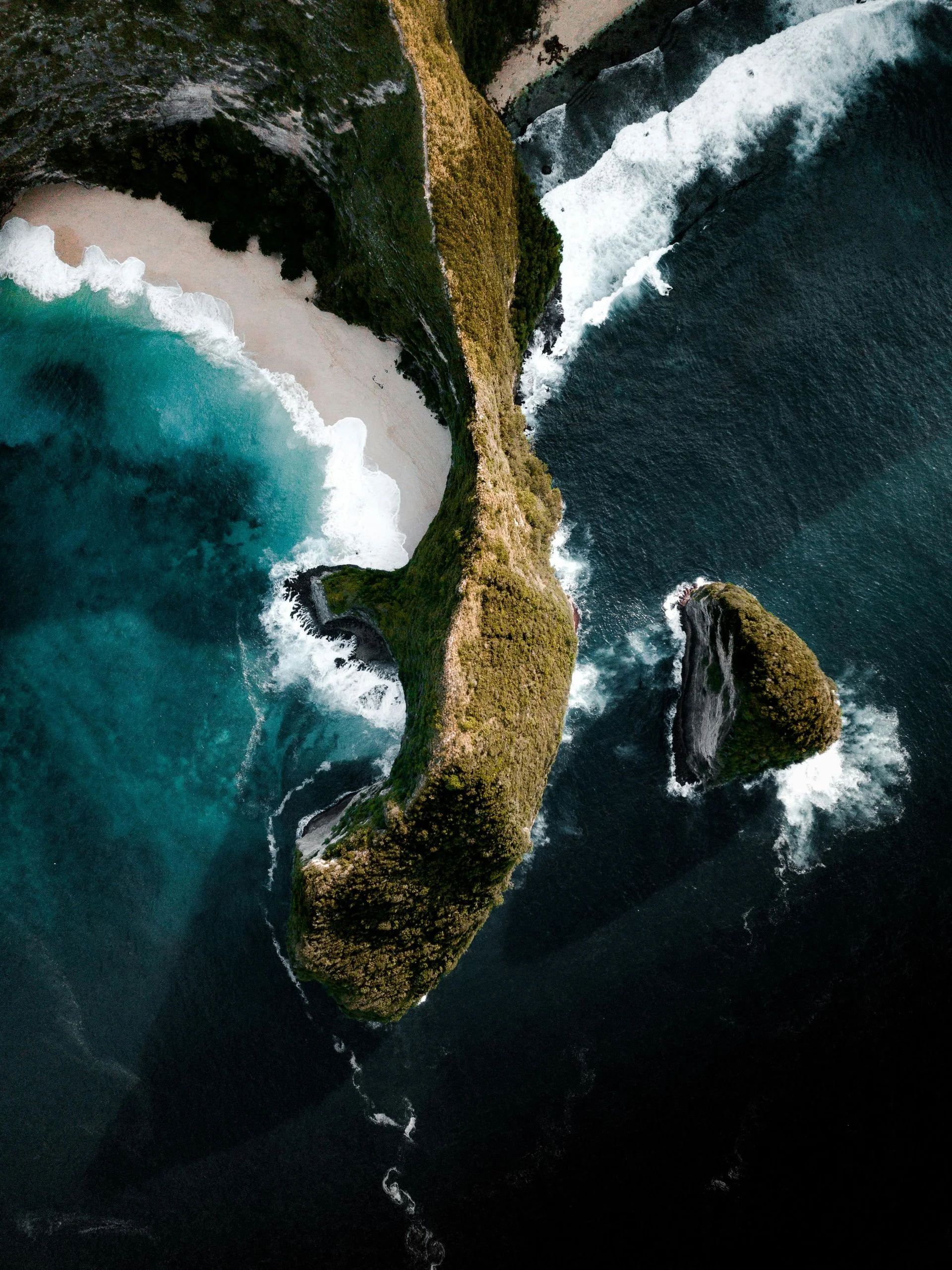
Lembongan
Nusa Lembongan and its neighbouring islands sit on the edge of the Lombok Strait, where strong currents carry nutrient‑rich water between the Pacific and Indian oceans. This constant water flow produces clear visibility and supports vibrant reefs full of reef fish, trevallies and reef sharks. The area is famous for exhilarating drift dives; experienced divers drop into channels and ride the current over coral walls and slopes. Pelagic highlights include year‑round manta rays at nearby Manta Point and Manta Bay, while the rare ocean sunfish (Mola alexandrini) visits from July–October when cold upwellings bring temperatures as low as 16 °C. Beginner divers aren’t forgotten—sheltered sites like Lembongan Bay and Mangrove offer calm conditions, sandy bottoms and colourful coral gardens. With easy access by fast boat from Bali, Lembongan provides a perfect base to explore the more than two dozen sites around the Nusa islands.
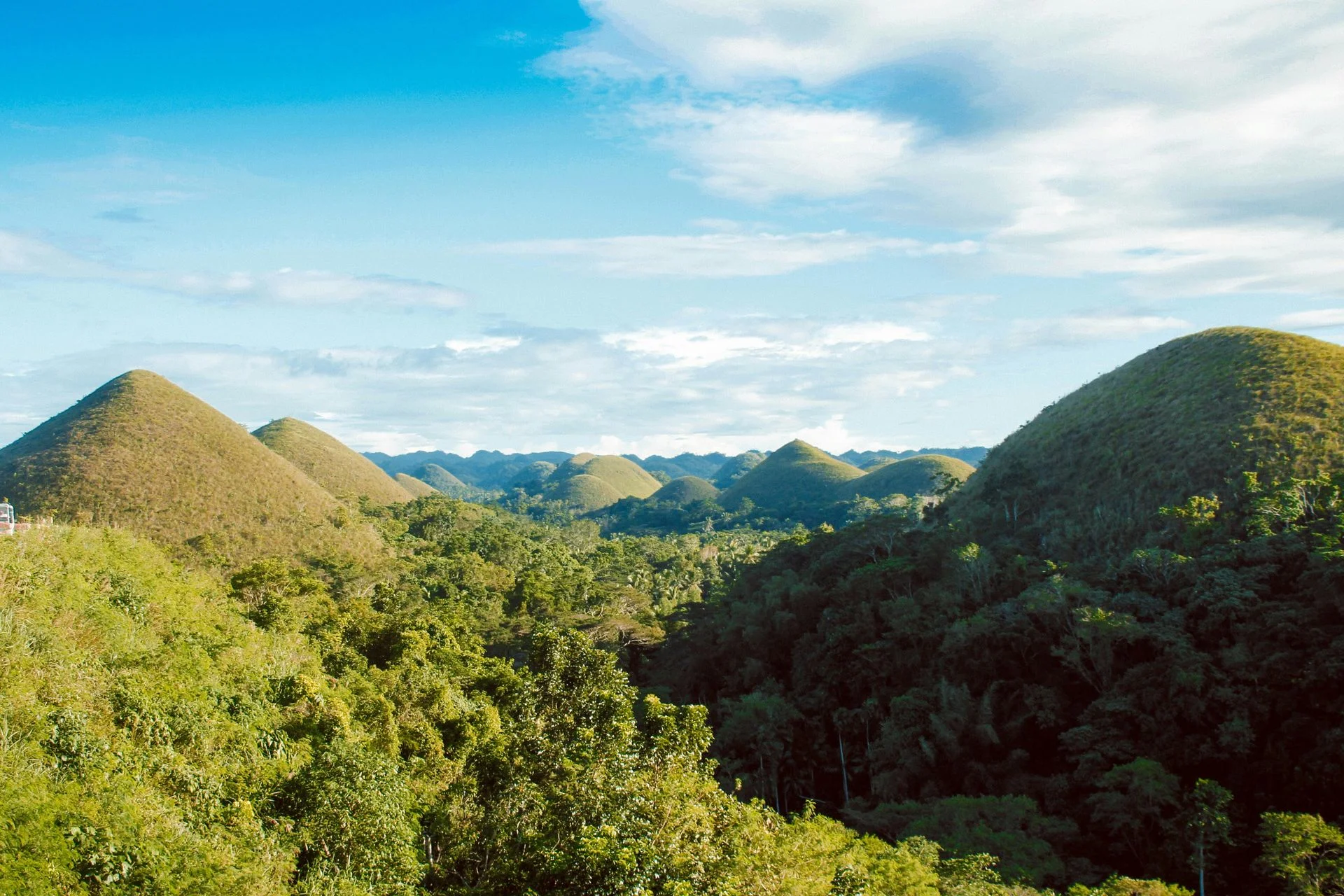
Bohol
Bohol, an island province in the central Visayas of the Philippines, is a diver’s playground with a huge variety of sites. The main hub is Panglao Island, where Alona Beach serves as the launch point for local reef dives and day trips. Nearby Balicasag Island is world‑class: its 5‑ to 18‑m plateau drops into walls where clouds of jackfish and sardines swirl and sleepy green and hawksbill turtles munch on soft corals. To the west, Cabilao’s reefs hide hammerhead sharks and pygmy seahorses, while the remote east coast of Anda offers muck dives, turtle nurseries and even mantas and whale sharks. Other favorites include Napaling’s year‑round sardine balls, Pamilacan’s manta and shark‑filled walls and Cervera (Snake Island) with its resident sea snakes. Whether you love colourful coral gardens, deep walls, big pelagics or tiny critters, Bohol has something for every diver.
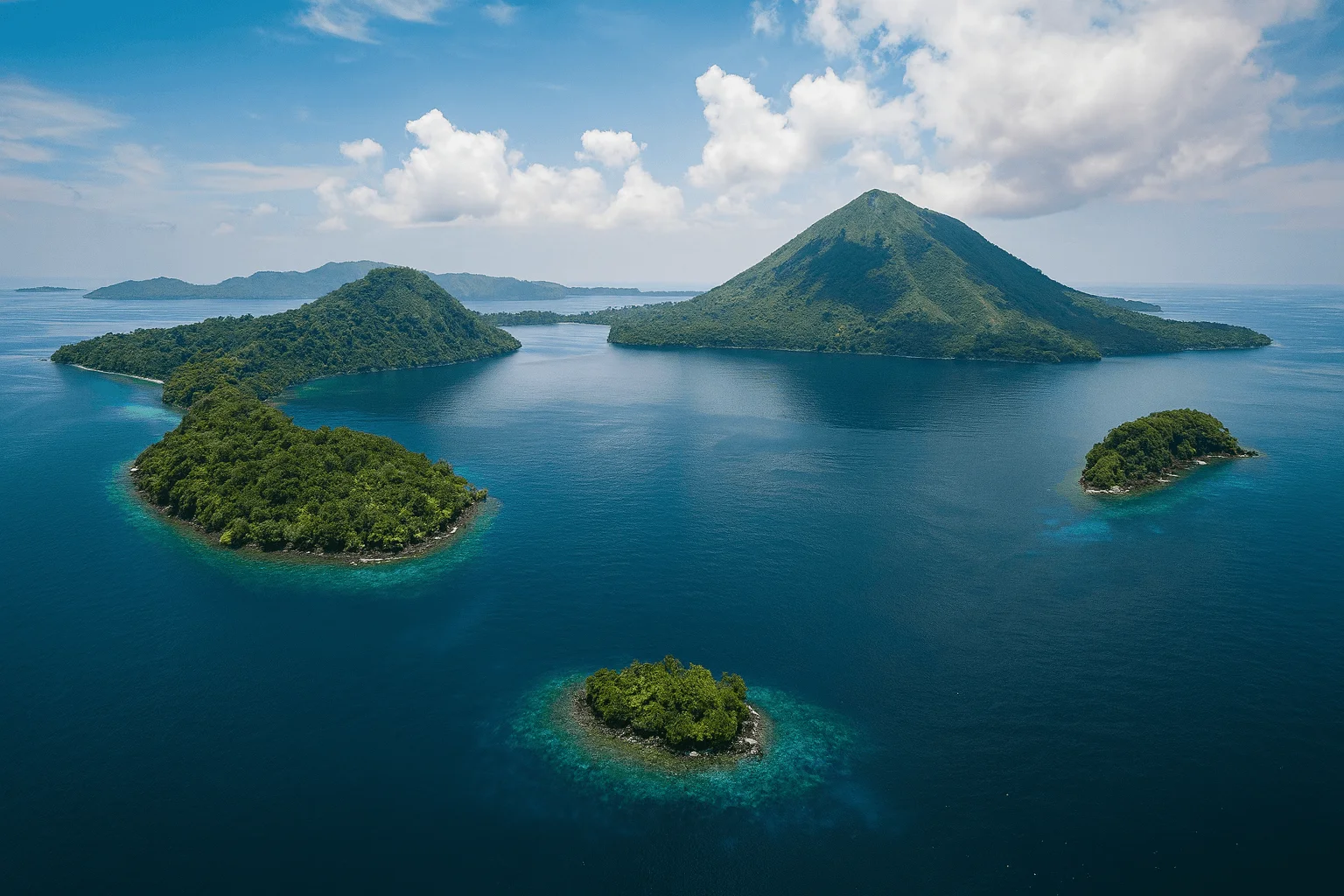
Banda Sea
Hidden between Indonesia’s Maluku Islands lies the Banda Sea – an untouched stretch of ocean famous for its schools of hammerhead sharks and abundant sea snakes. Part of the Coral Triangle, this remote sea spans over half a million square kilometres and plunges to depths beyond 7 km. Cold, nutrient‑rich upwellings feed pristine reefs bursting with life: imagine gliding along steep walls encrusted with giant gorgonians while dogtooth tuna, thresher sharks and squadrons of mobula rays cruise past. Volcanic islands such as Manuk and Gunung Api rise from the blue, their warm vents attracting banded sea kraits by the dozen and drawing divers from all over the world. Because there are no large towns here, the Banda Sea is usually explored on liveaboards – the reward is some of Indonesia’s wildest and most exhilarating diving.
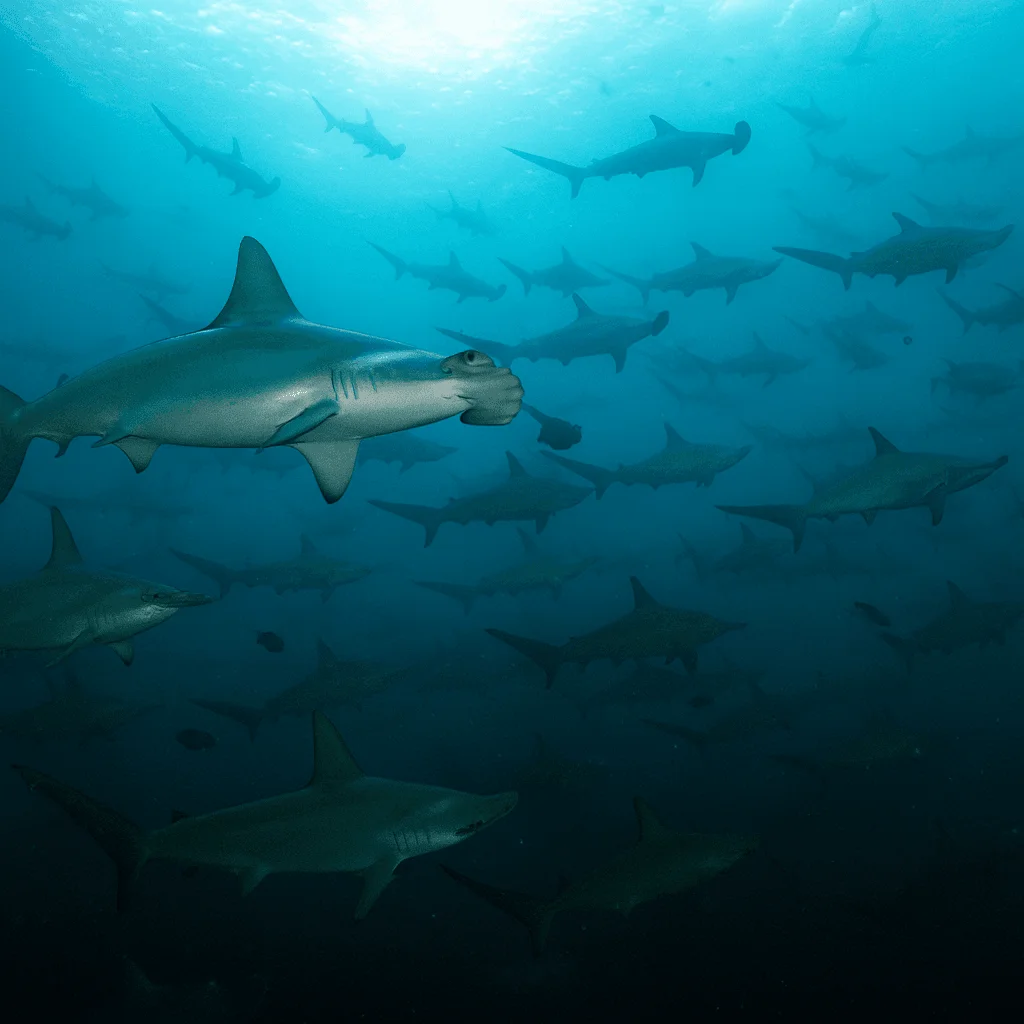
Mikomoto
Mikomoto Island is a small, uninhabited rock off the southern tip of the Izu Peninsula. Lying at the confluence of the Pacific and the Kuroshio Current, it offers Japan’s wildest drift diving. Experienced divers come here to fin alongside schools of scalloped hammerhead sharks that ride the currents above sheer walls. The island’s underwater topography includes plateaus, pinnacles and drop‑offs draped in soft corals and sponges. Add in sightings of sandbar and blacktip sharks, tuna, amberjacks, eagle rays and trevallies and you have one of Asia’s premier big‑animal dives. Because of the strong currents and depths of 25–30 m, Mikomoto is strictly for advanced divers comfortable with negative entries, quick descents and deploying surface marker buoys.