
Giant Clam
Tridacna gigas
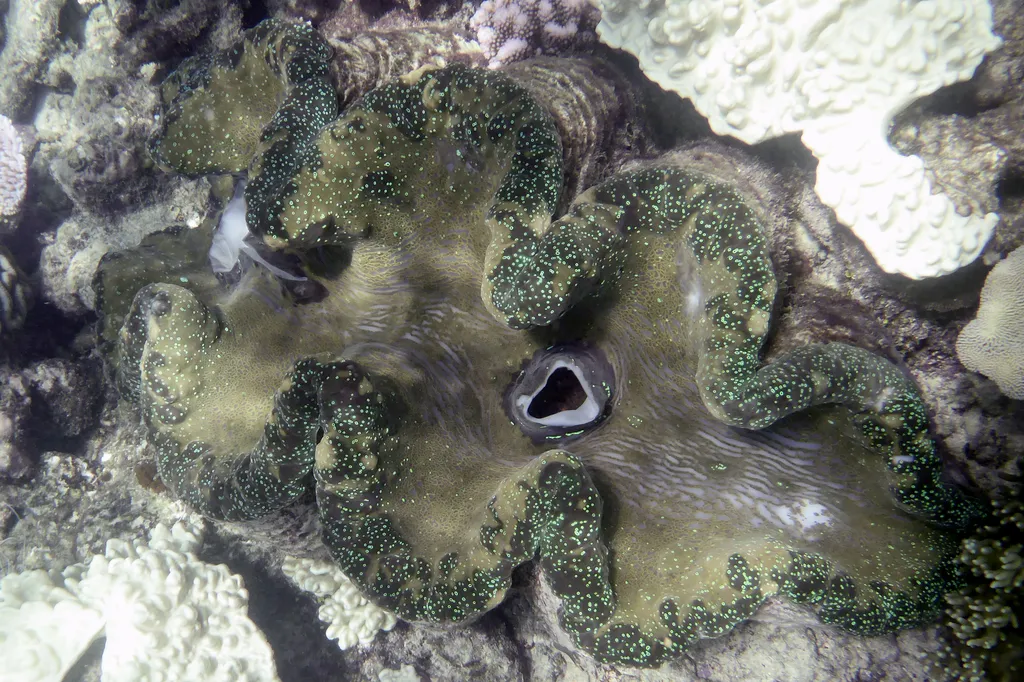
Photo by Gökhan Tolun / CC BY-SA 4.0 via Wikimedia Commons
On a shallow Indo-Pacific reef, few sights stop a dive group faster than a Giant Clam with its shells gaping wide and a mantle glowing like stained glass in the sun. Tridacna gigas is the largest bivalve on Earth—individuals can exceed 1.4 meters in length and weigh more than 200 kilograms—yet they spend their entire adult life anchored in one spot, farming microscopic algae inside their tissues just as corals do. For divers, they are living reef furniture: slow, sessile, and surprisingly colorful. They also carry a myth—old stories claim they can trap and drown swimmers—but in reality they close slowly and pose no predatory threat. What they do face is relentless human pressure: overharvest for meat and shells, habitat loss, and warming seas that can evict their symbiotic partners. Finding a large, healthy giant clam on a dive is increasingly a privilege, not a given.
🔬Classification
📏Physical Features
🌊Habitat Info
⚠️Safety & Conservation
Identification Guide
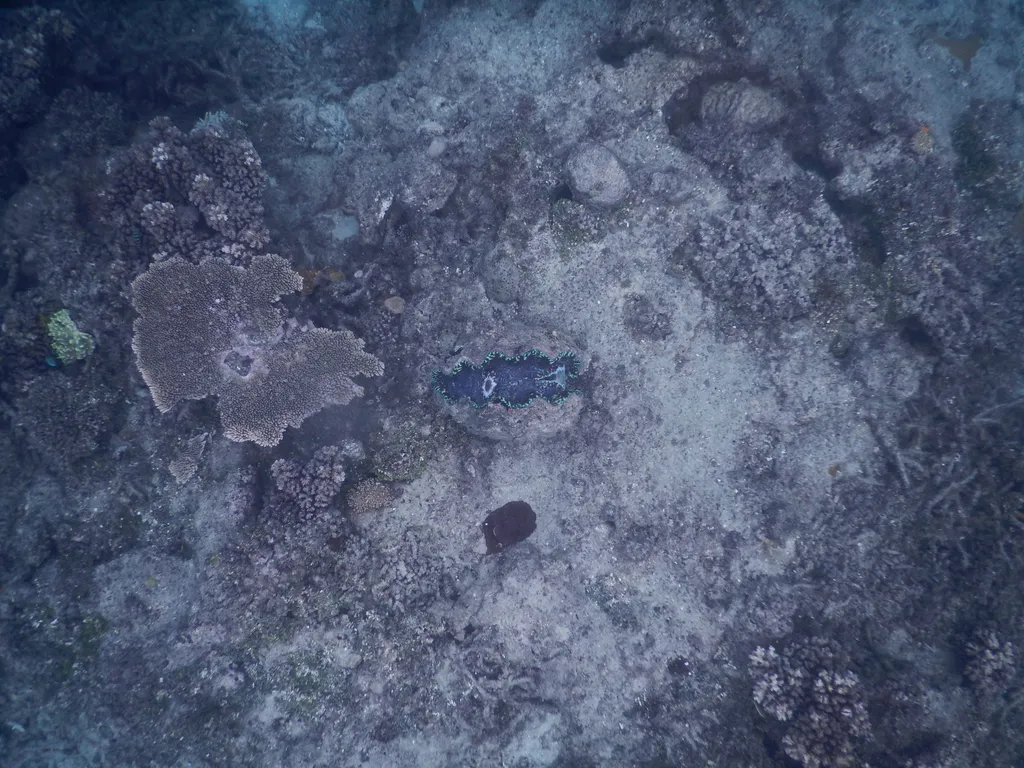
Photo by Rickard Törnblad / CC BY-SA 4.0 via Wikimedia Commons
Shell & Size
- Two massive valves hinged at the top; thick, ridged shell often encrusted with coralline algae
- Largest bivalve: adults dwarf most divers' torsos; smaller Tridacna species (maxima, squamosa, crocea) overlap in range but rarely match gigas in sheer mass
- Shell interior is usually smooth and porcelain-white with a wide byssal notch (scar where the animal once attached)
Mantle & Color
- When relaxed, the mantle edges protrude between the valves, showing vivid blues, greens, purples, and browns
- Look for "windows"—translucent spots in the mantle that channel light to zooxanthellae below
- Disturbed clams snap shut (adductor muscle contraction); the mantle retracts and color disappears
Don't Confuse With
- Tridacna maxima / squamosa / crocea: same genus, often brighter and smaller; gigas is the true heavyweight
- Fluted giant clam (Tridacna squamosa): prominent scaly shell folds; mantle patterns differ
- Corals or sponges: clams have a visible shell gap and bilateral symmetry; no polyp tentacles
Top 10 Fun Facts about Giant Clam
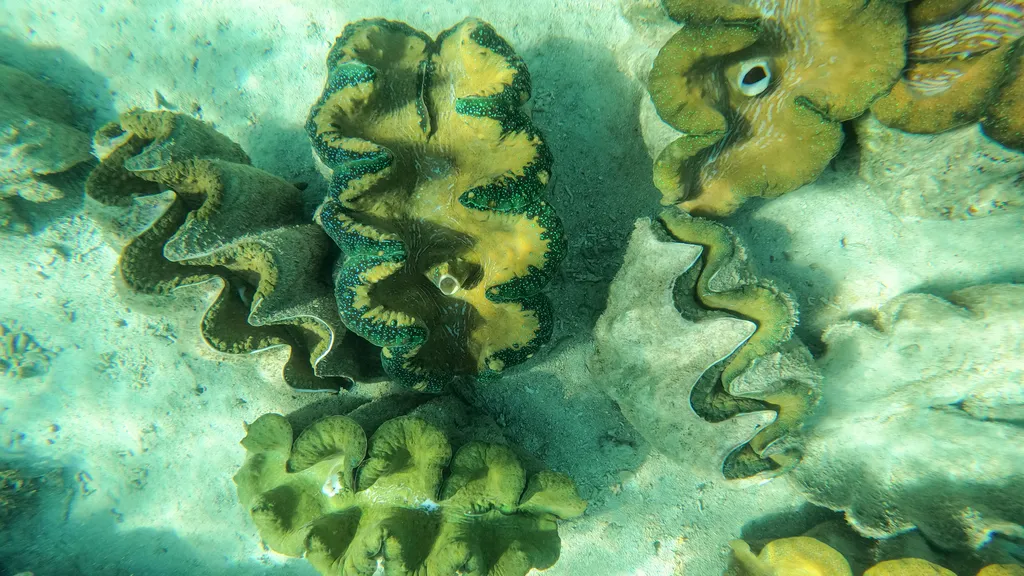
Photo by Luzviminda7641 / CC BY-SA 4.0 via Wikimedia Commons
1. The Reef's Heaviest Farmer
Giant clams don't chase food—they grow it. Billions of zooxanthellae (single-celled dinoflagellate algae) live in the clam's mantle tissue in an obligate partnership. The algae photosynthesize by day; the clam shares nutrients and CO₂ in return. Studies suggest zooxanthellae can supply 65–90% of the clam's carbon needs, letting T. gigas reach enormous size even in nutrient-poor tropical water. Remove the algae or keep the clam in darkness, and it starves.
2. A Meter of Shell, Centuries of Growth
Tridacna gigas can exceed 1.4 m (4.5 ft) in shell length and 200+ kg in weight—the largest living bivalve. Growth is slow but relentless; large individuals may be decades old. Their shells become reef landmarks, offering hard substrate for encrusting organisms and shelter for small fish and invertebrates in the mantle cavity.
3. Windows Into the Farm
The mantle isn't just pretty—it's engineered. Translucent "windows" (sometimes called "eyes") scatter and focus sunlight onto layers packed with zooxanthellae, maximizing photosynthetic yield. It's a biological solar panel draped over a mollusk, and researchers study tridacnid light-harvesting as a model for efficient bioreactors.
4. Filter Feeder Plus Farmer
Giant clams still filter plankton through their gills like typical bivalves, but photosynthesis does the heavy lifting. This dual strategy explains how they thrive on shallow reef flats where suspended food is scarce but sunlight is abundant. Juveniles are planktonic for a while before settling and becoming permanently sessile adults.
5. The "Man-Eater" Myth
Victorian-era travel tales claimed giant clams drowned pearl divers. No verified case exists. The adductor muscle closes the shells, but slowly and reflexively—not with predatory intent. Cuts and bruises from sharp shell edges are real; being "swallowed" is fiction. Divers who approach calmly rarely trigger a full snap-shut.
6. Bleaching Hits Clams Too
When water gets too warm, giant clams can expel their zooxanthellae—a clam bleaching event parallel to coral bleaching. Without symbionts, the animal loses its primary food factory and weakens. Climate change and marine heatwaves are now a major threat alongside direct harvest.
7. Critically Endangered Status
A 2024 IUCN reassessment moved T. gigas to Critically Endangered, with an estimated 84% population decline over the past century. Local extinctions have occurred across much of its Indo-Pacific range. NOAA has also proposed ESA listing in the United States. Decades of unregulated harvest for meat (adductor muscle is prized in Asia) and shells drove the collapse.
8. Reef Ecosystem Engineers
Beyond their size, giant clams shape habitat. Their shells stabilize rubble, provide attachment points, and their metabolism recycles nutrients in shallow, food-poor water. Lose the clams and you lose micro-habitat complexity on reef flats—another reason their decline ripples through the community.
9. Aquaculture vs. Wild Takes
Many Pacific nations now farm tridacnids in village nurseries to supply food and restock reefs. Farmed clams relieve some pressure, but wild giants are still poached where enforcement is weak. As a diver, support operators and destinations that don't sell clam meat souvenirs or encourage handling wild individuals.
10. CITES and Trade Controls
All giant clam species (Tridacna and Hippopus) are listed on CITES Appendix II, restricting international trade. Shell curios, live aquarium specimens, and meat shipments require permits. That legal framework helps—but on-the-water protection and reef health matter just as much for recovery.
Diving & Observation Notes
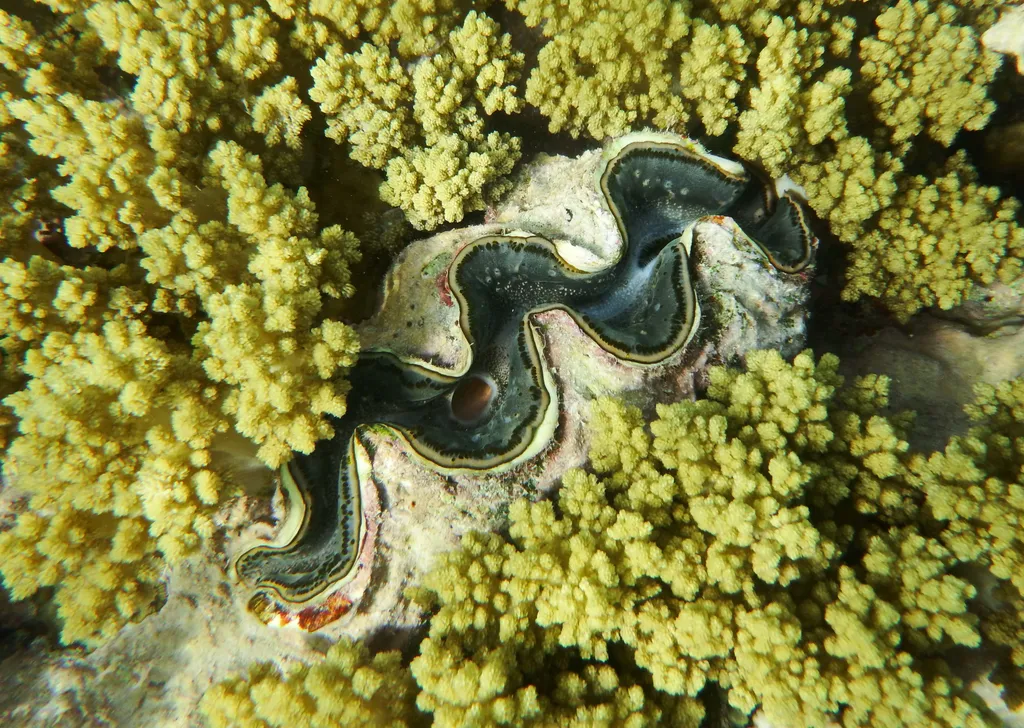
Photo by Kora27 / CC BY-SA 4.0 via Wikimedia Commons
🧭 Where to Look
Scan shallow reef flats, lagoon patches, and sandy rubble between coral heads at 3–15 m. Giant clams need light—deeper than ~20 m they become rare. Guides often know "the big one" on a house reef. Great Barrier Reef, Raja Ampat, Palau, Fiji, and Wakatobi are classic regions, but any healthy Indo-Pacific shallow site can hold them.
🤿 Approach & Buoyancy
Never stand on or kick near a clam. Fin wash stirs sediment onto the mantle and stresses the animal. Hover horizontally, keep fins up, and approach from the side where you won't cast a shadow directly onto the mantle. If the clam starts to close, back off immediately—forced closure wastes energy it needs to survive.
📷 Photo Tips
Natural light is your friend—the mantle colors pop in mid-day sun on shallow dives. A snoot or focus light can blow out the iridescence; try ambient light with a fast shutter. Wide-angle with a diver for scale tells the size story. Macro details of mantle windows and shell texture work on smaller Tridacna species nearby.
🌊 Ethics & Conservation
Do not touch the mantle—oils and sunscreen damage sensitive tissue. Never pry shells open or pose inside them for social media. Report poaching if you see boats removing clams. Choose dive operators that respect no-take zones and support local clam restoration projects where they exist.
Best Places to Dive with Giant Clam
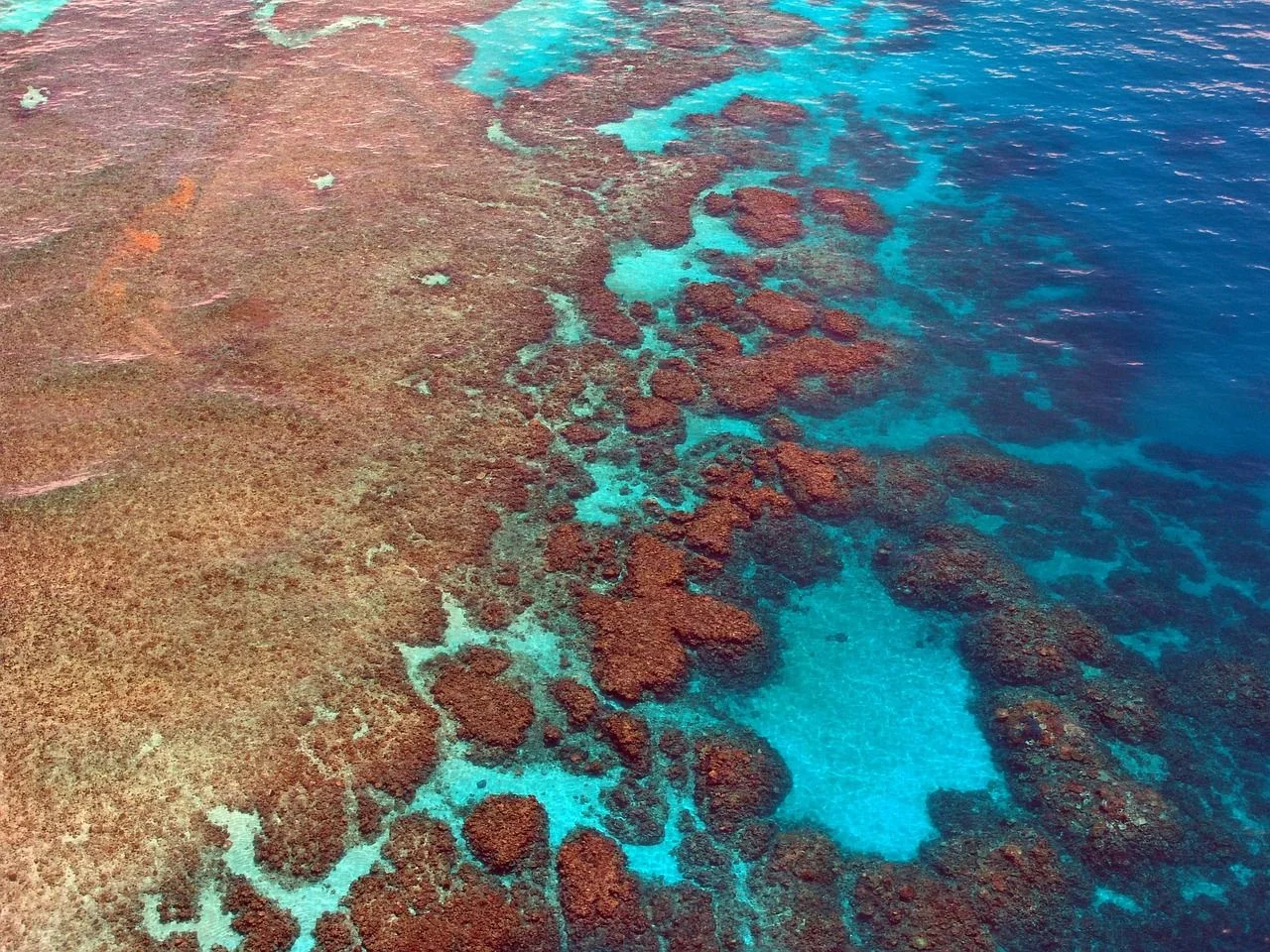
Great Barrier Reef
The Great Barrier Reef stretches for more than 2,300 km along Australia’s Queensland coast and is Earth’s largest coral ecosystem. With over 2,900 individual reefs, hundreds of islands, and a staggering diversity of marine life, it’s a bucket‑list destination for divers. Outer reef walls, coral gardens and pinnacles support potato cod, giant trevallies, reef sharks, sea turtles, manta rays and even visiting dwarf minke and humpback whales. Divers can explore historic wrecks like the SS Yongala, drift along the coral‑clad walls of Osprey Reef or mingle with friendly cod at Cod Hole. Whether you’re a beginner on a day trip from Cairns or an experienced diver on a remote liveaboard, the Great Barrier Reef offers unforgettable underwater adventures.
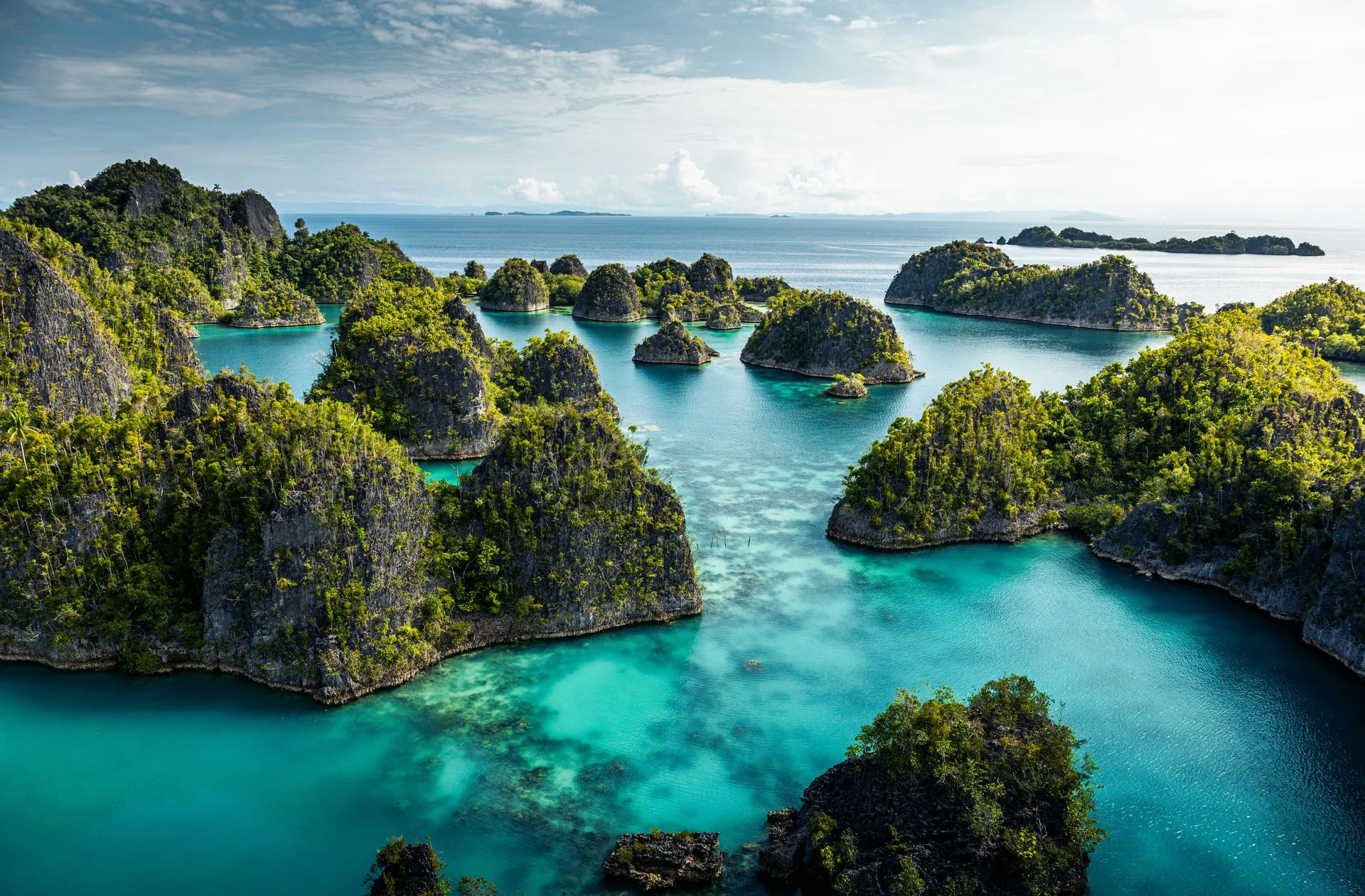
Raja Ampat
Raja Ampat, the “Four Kings,” is an archipelago of more than 1,500 islands at the edge of Indonesian West Papua. Its reefs sit in the heart of the Coral Triangle, where Pacific currents funnel nutrients into shallow seas and feed the world’s richest marine biodiversity. Diving here means gliding over colourful walls and coral gardens buzzing with more than 550 species of hard and soft corals and an estimated 1,500 fish species. You’ll meet blacktip and whitetip reef sharks on almost every dive, witness giant trevally and dogtooth tuna hunting schools of fusiliers, and encounter wobbegong “carpet” sharks, turtles, manta rays and dolphins. From cape pinnacles swarming with life to calm bays rich in macro critters, Raja Ampat offers endless variety. Above water, karst limestone islands and emerald lagoons provide spectacular scenery between dives.
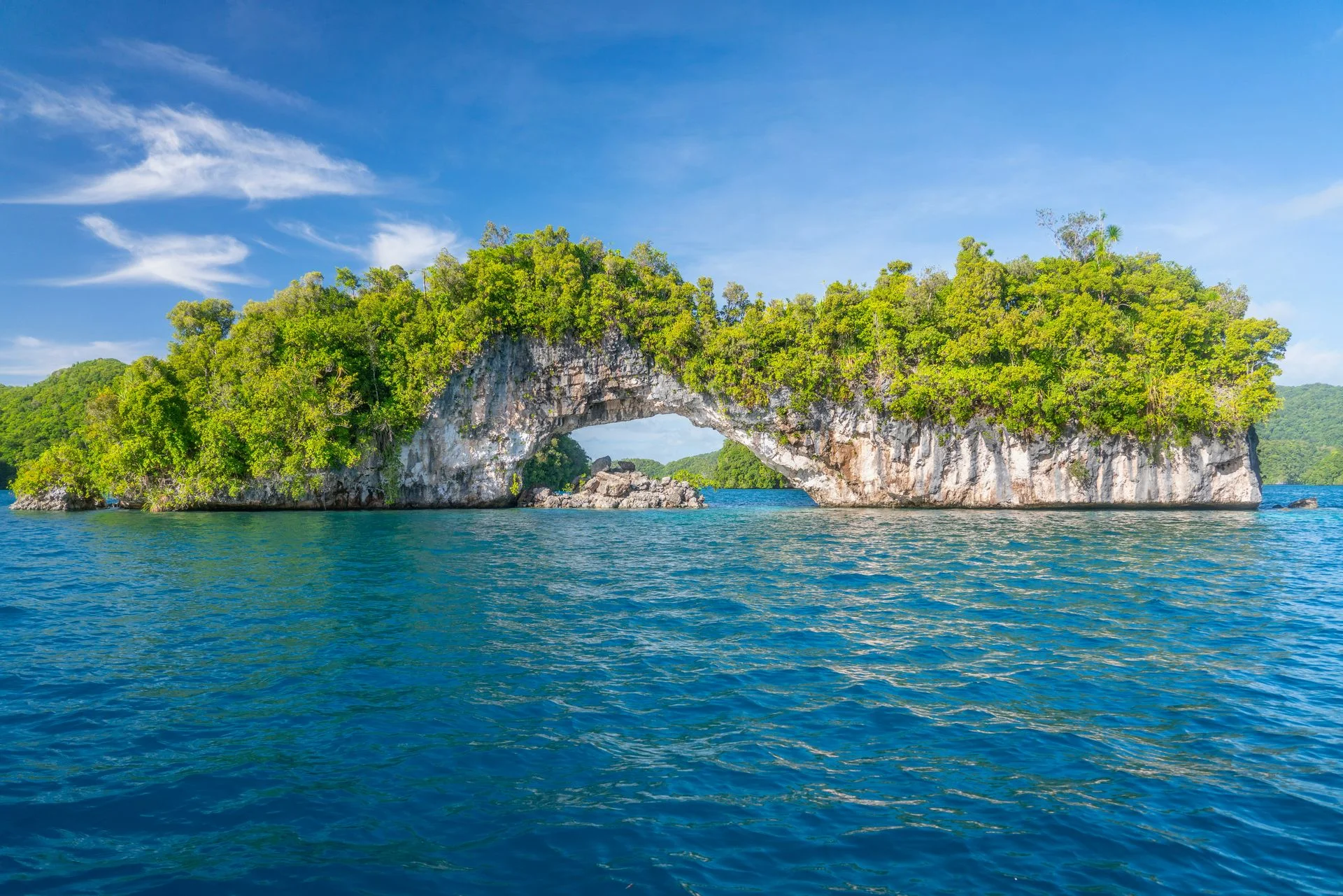
Palau
Rising out of the western Pacific at the meeting point of two great oceans, Palau is an archipelago of more than 500 jungle‑cloaked islands and limestone rock pinnacles. Its barrier reef and scattered outcrops create caverns, walls, tunnels and channels where nutrient‑rich currents sweep in from the Philippine Sea. These flows feed carpets of hard and soft corals and attract vast schools of jacks, barracudas and snappers, as well as an impressive cast of pelagics. Grey reef and whitetip sharks parade along the legendary Blue Corner; manta rays glide back and forth through German Channel’s cleaning stations; and Ulong Channel offers a thrill‑ride drift over giant clams and lettuce corals. Between dives you can snorkel among non‑stinging jellyfish in Jellyfish Lake or explore WWII ship and plane wrecks covered in colourful sponges.
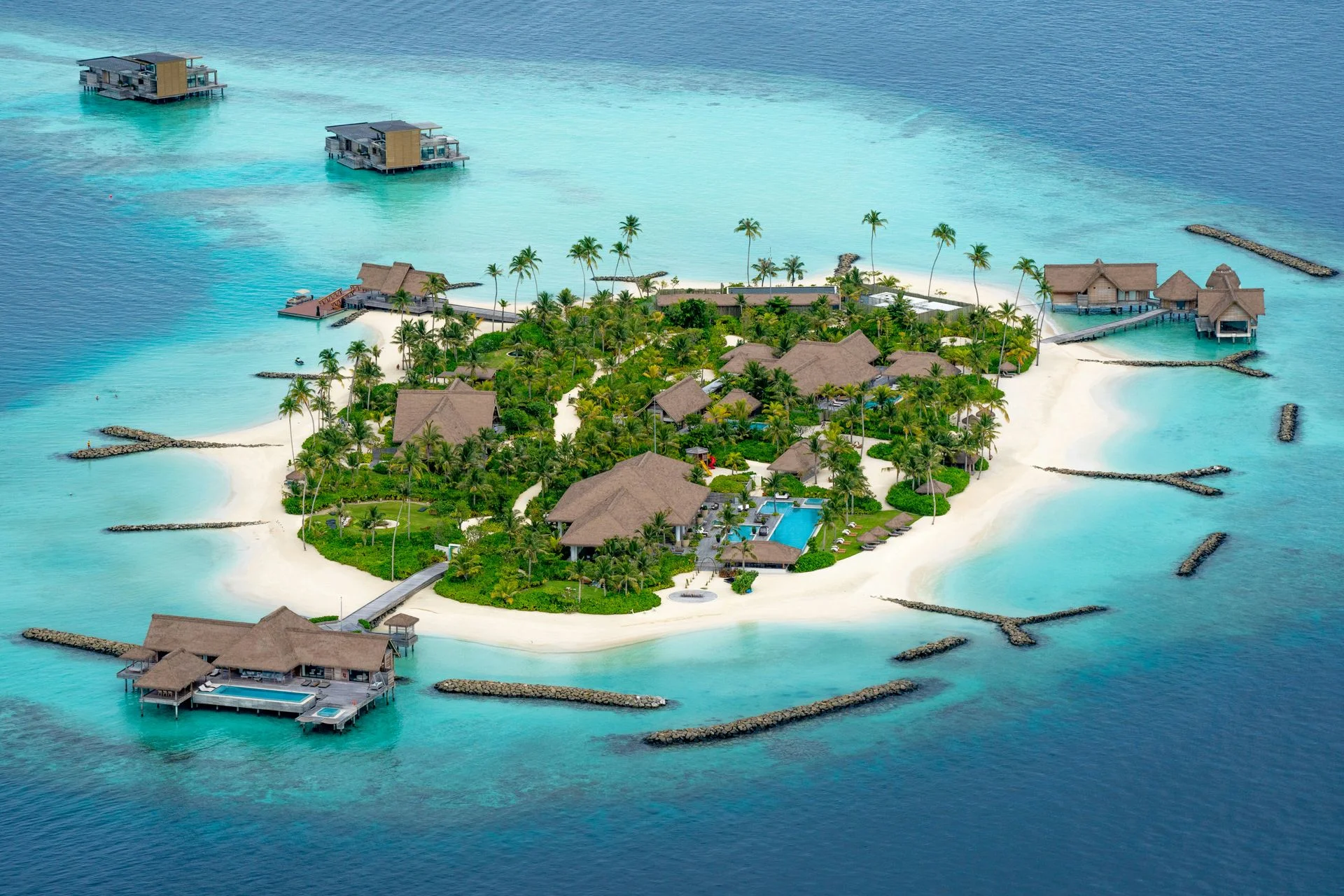
Maldives
Scattered across the Indian Ocean like strings of pearls, the Maldives’ 26 atolls encompass more than a thousand low‑lying islands, reefs and sandbanks. Beneath the turquoise surface are channels (kandus), pinnacles (thilas) and lagoons where powerful ocean currents sweep past colourful coral gardens. This nutrient‑rich flow attracts manta rays, whale sharks, reef sharks, schooling jacks, barracudas and every reef fish imaginable. Liveaboards and resort dive centres explore sites such as Okobe Thila and Kandooma Thila in the central atolls, manta cleaning stations in Baa and Ari, and shark‑filled channels like Fuvahmulah in the deep south. Diving here ranges from tranquil coral slopes to adrenalin‑fuelled drifts through current‑swept passes, making the Maldives a true pelagic playground.
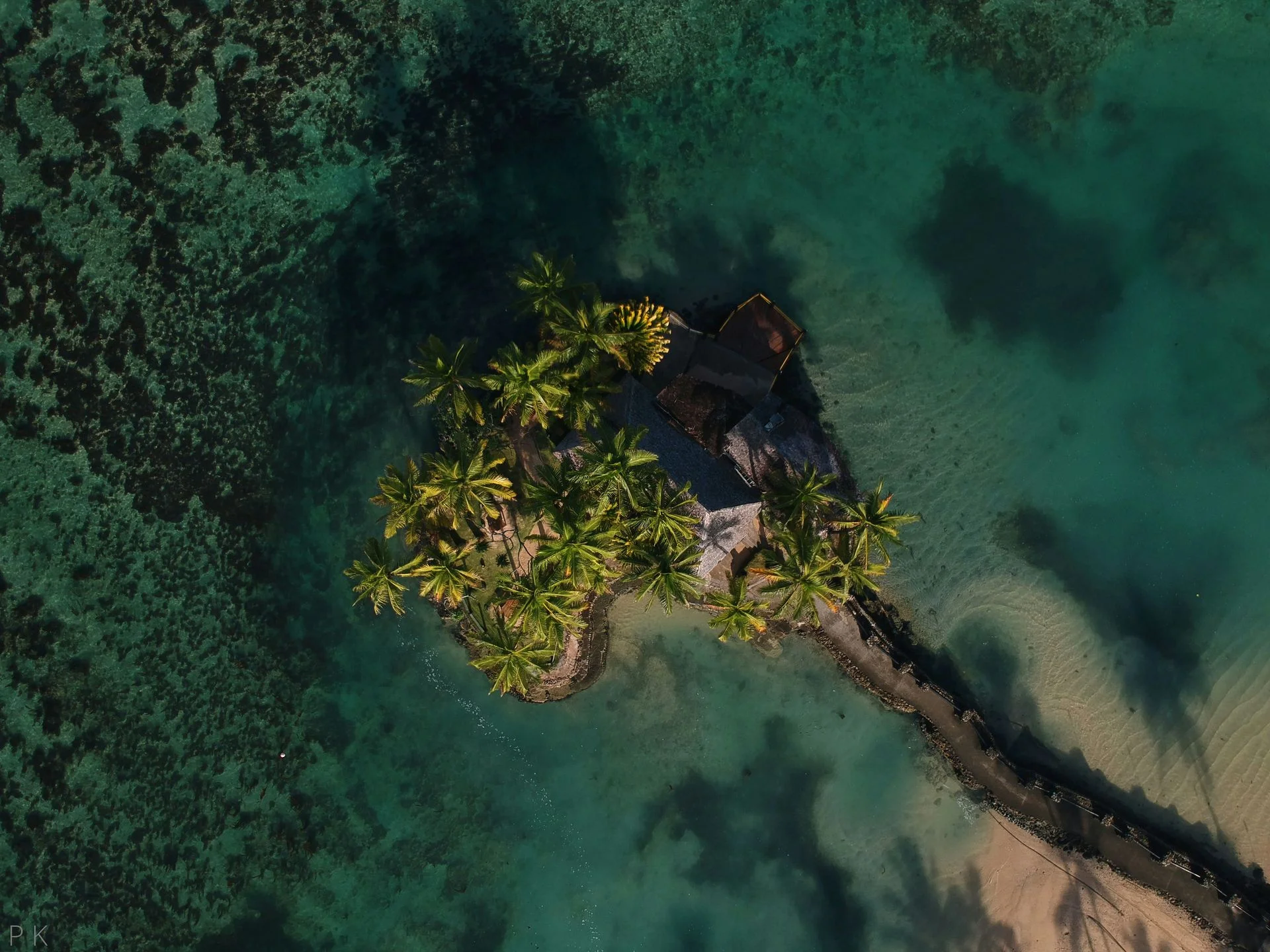
Fiji
Fiji sits like a necklace of more than 300 inhabited islands and 500 smaller islets in the heart of the South Pacific. Jacques Cousteau dubbed it the “soft coral capital of the world” for good reason – nutrient‑rich currents wash over sloping reefs, walls and bommies that erupt in shades of pink, purple, orange and yellow. The country’s dive sites range from kaleidoscopic coral gardens and pinnacles in the Somosomo Strait to shark dives in Beqa Lagoon, and remote passages in Bligh Water and the Koro Sea. Schools of barracuda, trevally and surgeonfish cruise above while manta rays, turtles, bull sharks and occasionally hammerheads glide past. Friendly locals and a relaxed island vibe make Fiji a favourite for both adventurous liveaboard trips and leisurely resort‑based diving.
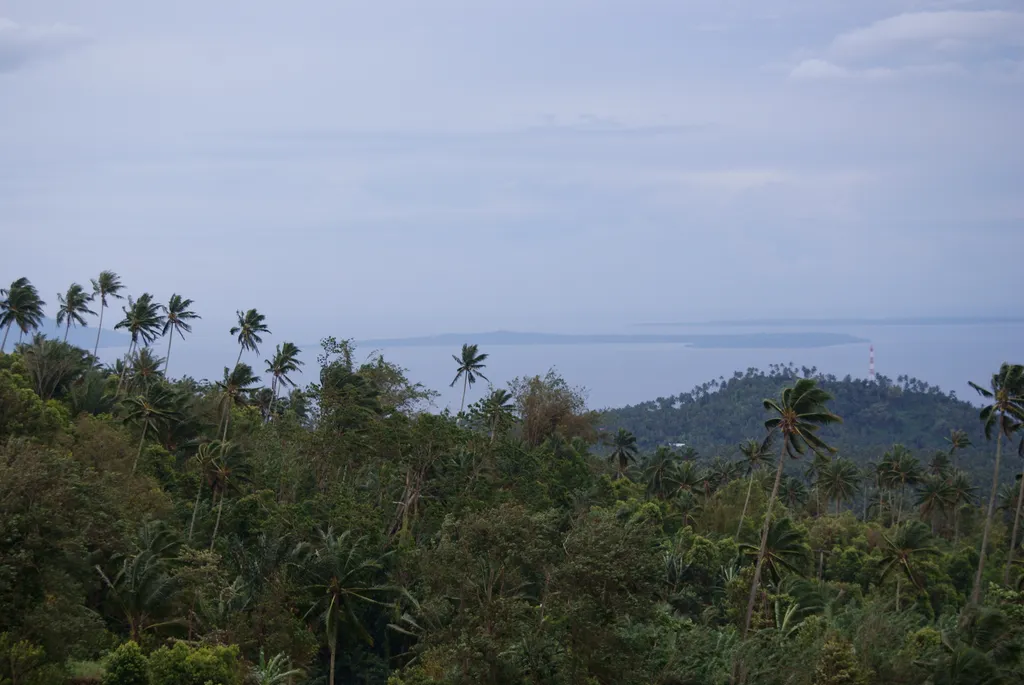
Bunaken
Bunaken National Park is wall-diving country: five volcanic islands—Bunaken, Manado Tua, Siladen, Mantehage, and Nain—ringed by drop-offs that fall from snorkel depth into hundreds of metres of blue. This is not the muck slopes of the Manado mainland; it is vertical reef, drift lines, and current-fed fish schools. The signature move is simple—roll off the boat at Lekuan or Muka Kampung, swim the shallow turtle flats, then hang on the wall while pyramid butterflyfish, fusiliers, and Napoleon wrasse stream past. Reef sharks patrol the corners, eagle rays cruise the blue, and barrel sponges the size of oil drums frame every wide-angle shot. Warm 27–29°C water, park protection since 1991, and island resorts that put you on the first boat at 08:00 make Bunaken the classic North Sulawesi wall trip—fly into MDC, transfer to the strait, and live on the reef for a week.
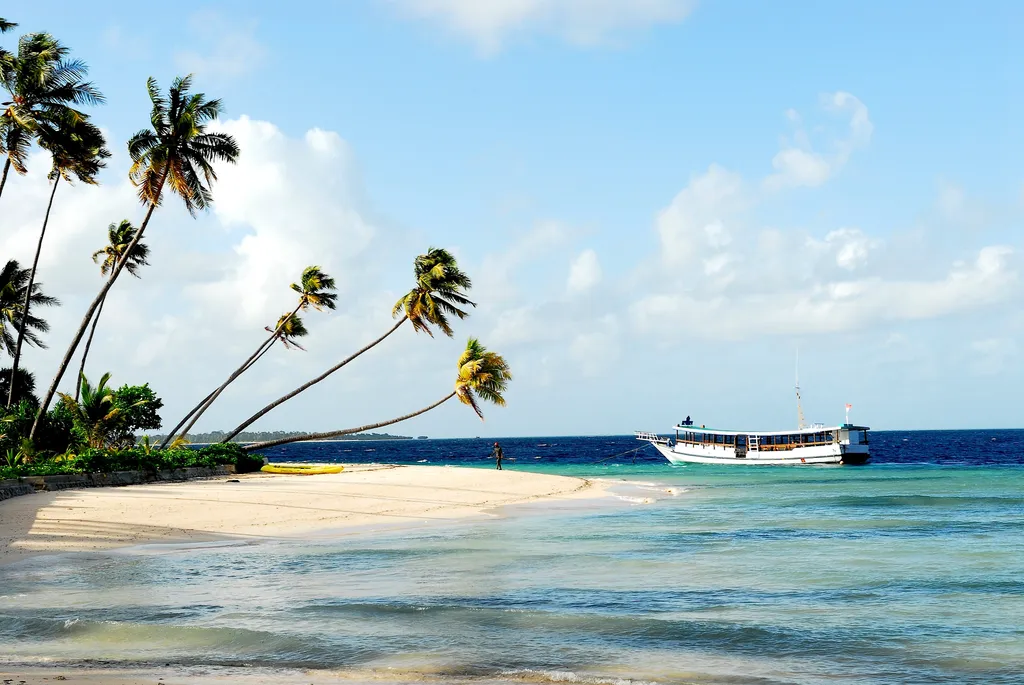
Wakatobi
Wakatobi National Park sits on the southeastern rim of Sulawesi, named from its four main islands—Wangi-Wangi, Kaledupa, Tomia, and Binongko. It holds some of the healthiest coral coverage in the Coral Triangle, with walls, seamounts, and fringing reefs that marine biologists still treat as a reference system. Visibility regularly hits 30 m and can stretch past 50 m on calm outer-reef days. Currents are usually mild and predictable, so you get long bottom times on colorful hard-coral gardens instead of fighting blue water. The signature experience is Wakatobi’s House Reef—walk-in shore diving a short swim from the jetty—backed by more than 40 day-boat sites, from beginner pinnacles like Roma to the knife-edge walls of Blade.
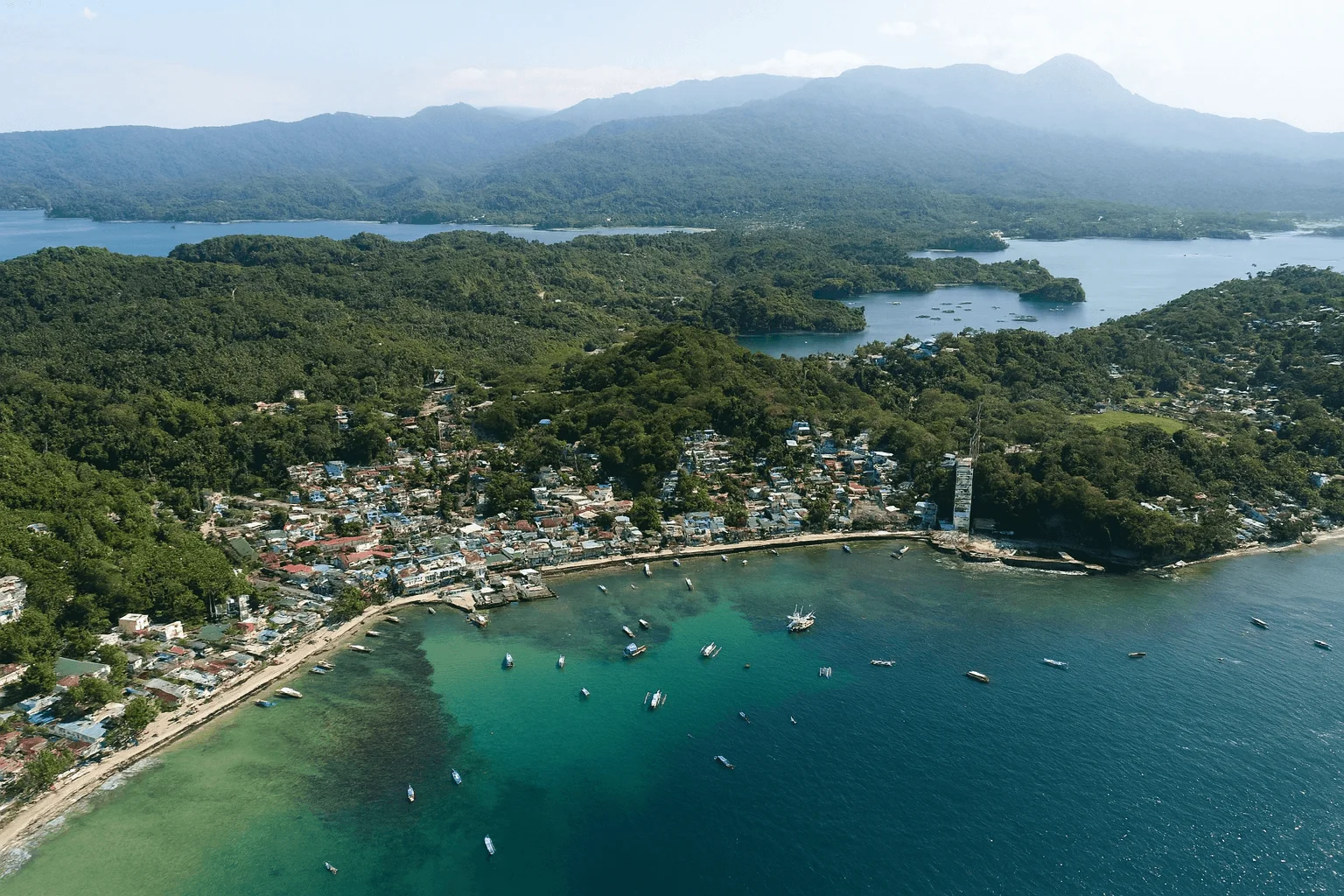
Puerto Galera
Puerto Galera sits on the northeast tip of Mindoro Island in the Philippines and has long been rated among Asia’s best and most diverse diving areas. The town faces the Verde Island Passage – part of the Coral Triangle – so its reefs host an incredible mix of hard and soft corals, seahorses, frogfish and other critters alongside schooling jacks and occasional pelagics. More than forty sites line the bays and headlands around Sabang and Small La Laguna, meaning everything from easy house‑reef dives and shallow muck sites to current‑swept canyons and colourful wrecks is only a short boat ride away. Currents are governed by the lunar cycle; strong spring tides around full and new moon create exciting drift dives, while neap tides offer gentle conditions that are perfect for macro photography. Because the water stays warm all year (27–30 °C) and visibility often reaches 15–30 m, Puerto Galera attracts both beginners and experienced divers seeking a fun, affordable destination with lively nightlife on land.
Tubbataha
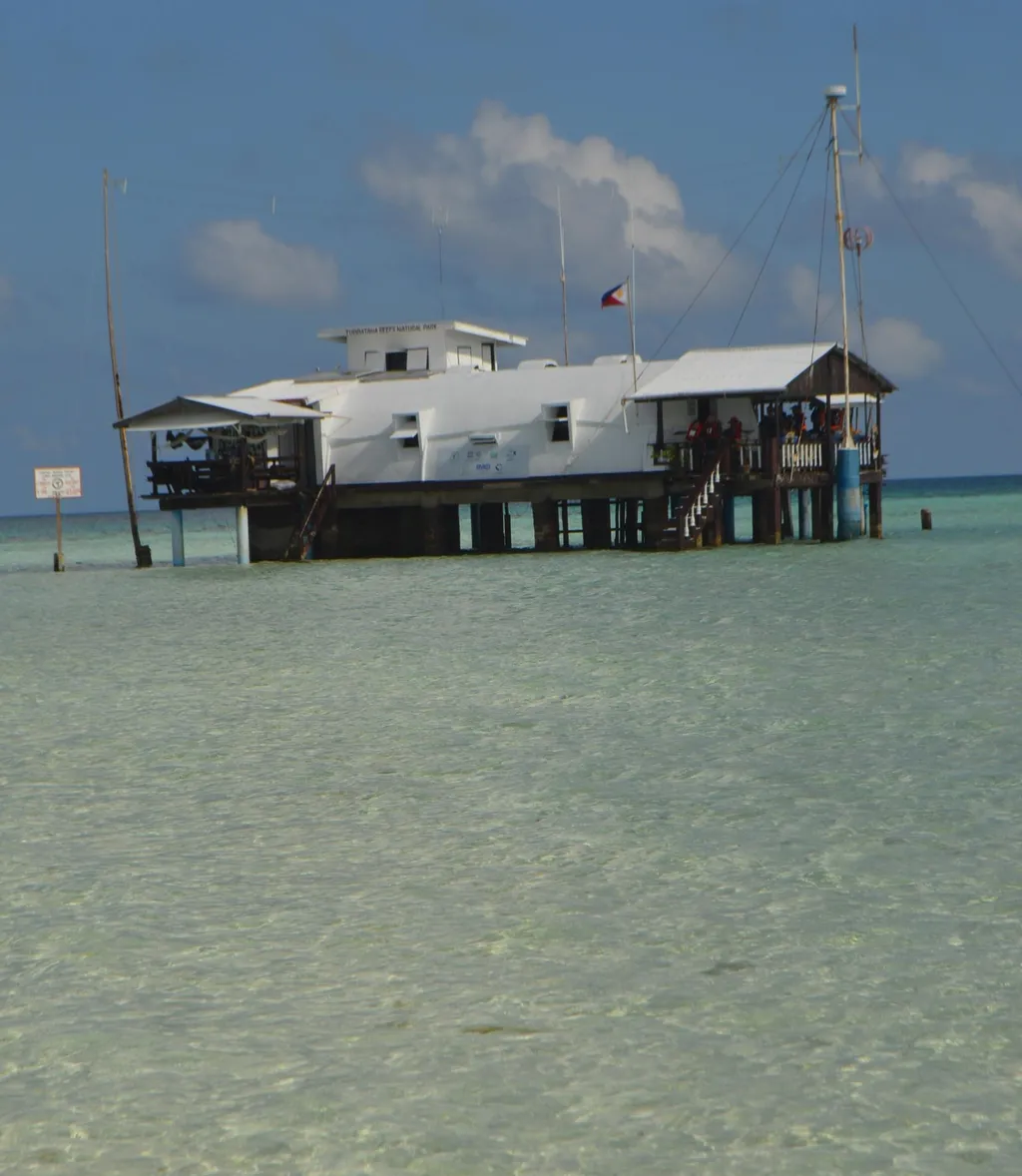
Tubbataha Reefs Natural Park sits alone in the middle of the Sulu Sea—two coral atolls and a nearby bank that you only reach by liveaboard. For roughly ninety days each year (mid-March to mid-June), boats steam overnight from Puerto Princesa, drop anchor in reef lagoons, and spend the week on walls that drop into deep blue. Soft and hard coral cover is dense and healthy; the water column fills with schooling jacks, snappers, and bumphead parrotfish. Reef sharks are routine, hammerheads and whale sharks show when the blue cooperates, and mantas cruise cleaning stations. There is no shore diving, no day-boat option, and no resort on the reef—just park patrol boats, a ranger station, and the liveaboard fleet. If you want remote Philippine wall diving with shark density to match the marketing, this is the short season to book.
Pulau Weh
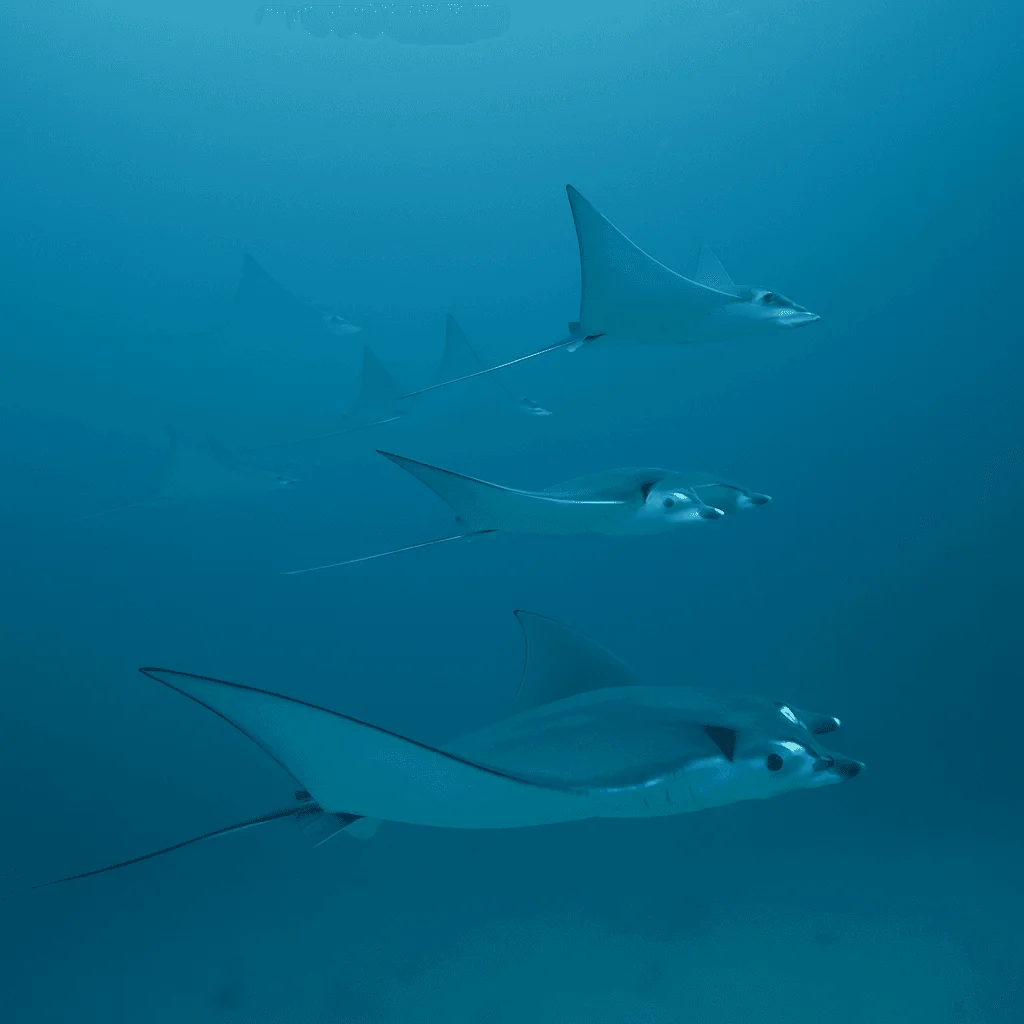
Pulau Weh lies off the northern tip of Sumatra where the Andaman Sea meets the Indian Ocean. This volcanic island may be small, but its surrounding waters are packed with life thanks to nutrient‑rich currents funnelling through the deep channels. Rugged pinnacles, canyons and seamounts provide habitat for bluefin trevallies, giant trevallies, schooling barracudas and jacks, as well as whitetip and occasional blacktip reef sharks. Macro lovers will find octopus, mantis shrimp and a rainbow of nudibranchs. With affordable dive packages, a friendly local vibe and minimal crowds, Pulau Weh offers thrilling drift dives and calm reefs suitable for all levels.