
Giant Frogfish
Antennarius commerson
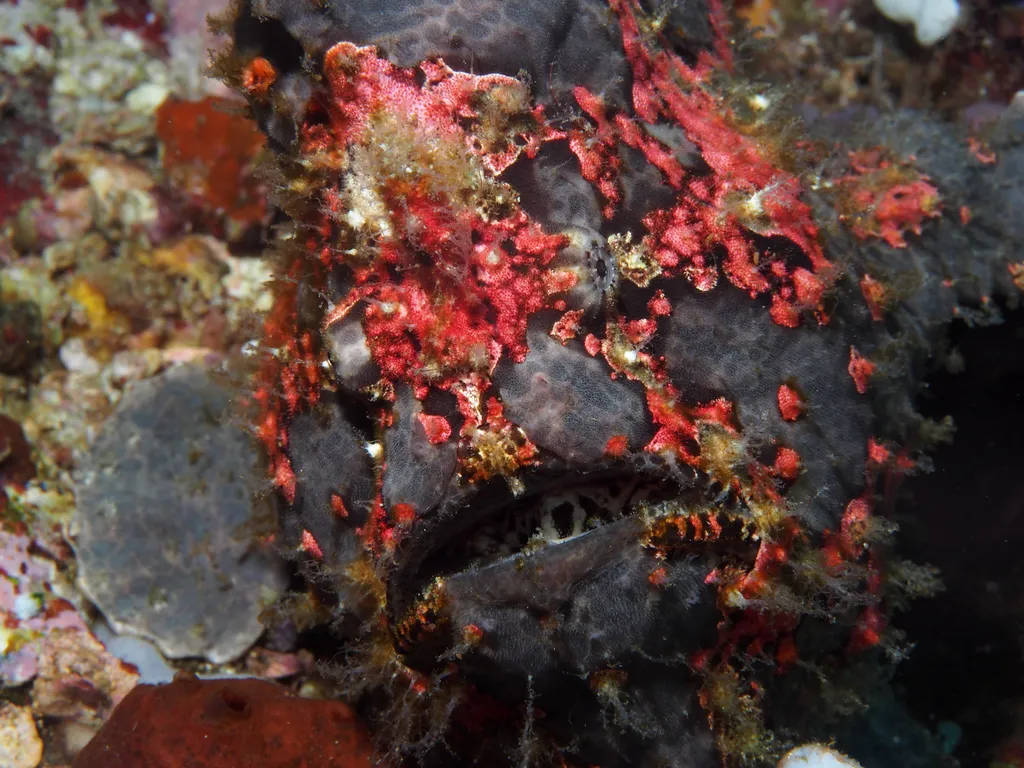
Photo by Rickard Zerpe / CC BY-SA 2.0 via Wikimedia Commons
The Giant Frogfish (Antennarius commerson) is the heavyweight of the Antennariidae family—a globular anglerfish that can grow to the size of a football while still relying on the same sit-and-wait playbook as its smaller cousins. Commerson's frogfish (another common name) is built for camouflage, not speed: low wart-like spinules, a prognathous mouth, and a dorsal lure that can flick worms or small fish imitations at passing prey.
On Indo-Pacific reefs from the Red Sea to Hawaii, and into the eastern Pacific, guides find them perched on sponges, tucked beside jetty pilings, or squatting on rubble at 5–20 m. Unlike the shaggy Antennarius striatus, giant frogfish look smoother and bulkier—more "lumpy sponge with eyes" than "walking carpet." For macro divers, spotting one is a texture puzzle; getting a clean portrait without silt or fin wash is the real challenge.
🔬Classification
📏Physical Features
🌊Habitat Info
⚠️Safety & Conservation
Identification Guide
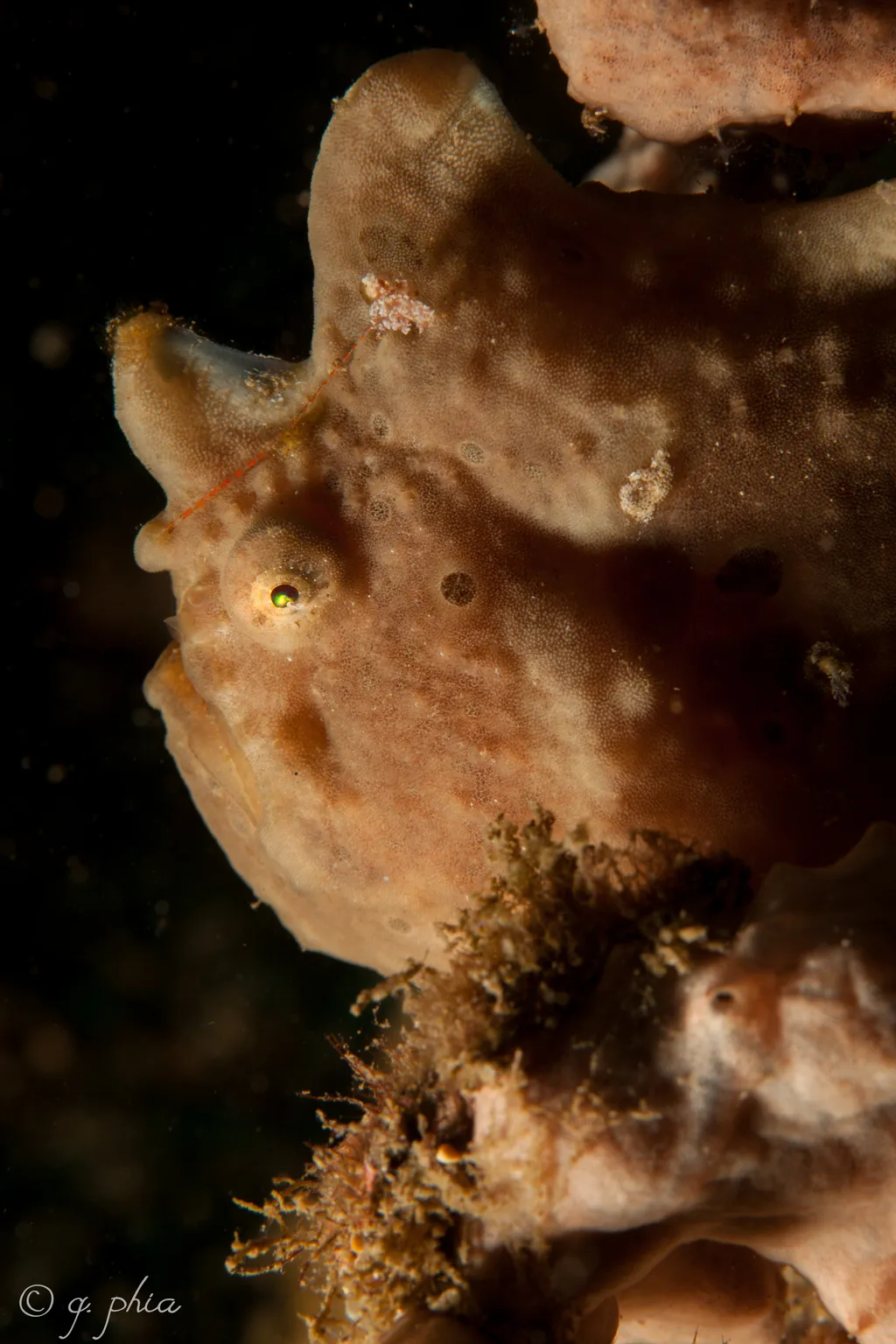
Photo by q phia / CC BY 2.0 via Wikimedia Commons
Search sponge gardens, jetty structures, rope lines, and sheltered reef rubble at typical macro depths—not open water columns.
Key Field Marks
- Largest common frogfish on Indo-Pacific reefs; many adults are two fists or larger
- Globular, compressed body with wart-like dermal spinules (less shaggy than hairy frogfish)
- Prognathous (upturned) mouth capable of swallowing prey nearly its own length
- Dorsal lure (illicium + esca) on snout—esca often a small tuft of flattened appendages
- Highly variable color with circular ocelli or blotches that can mimic sponge pores
- Pectoral fins splayed like feet; fish often walks or jet-propels short distances
Similar Species
- Hairy Frogfish (Antennarius striatus): much shaggier filaments, usually smaller
- Painted Frogfish (Antennarius pictus): smoother skin, bold ocelli on caudal fin (three spots)
- Warty Frogfish (Antennarius maculatus): red/orange fin margins; numerous warts
- Sargassumfish (Histrio histrio): drifts in floating algae; different body profile
Juvenile vs. Adult
Juveniles can be confused with painted or warty frogfish—check fin margins and ocelli patterns. Adults develop heavier bulk and a more pronounced lure; neither stage is a strong swimmer.
Top 10 Fun Facts about Giant Frogfish
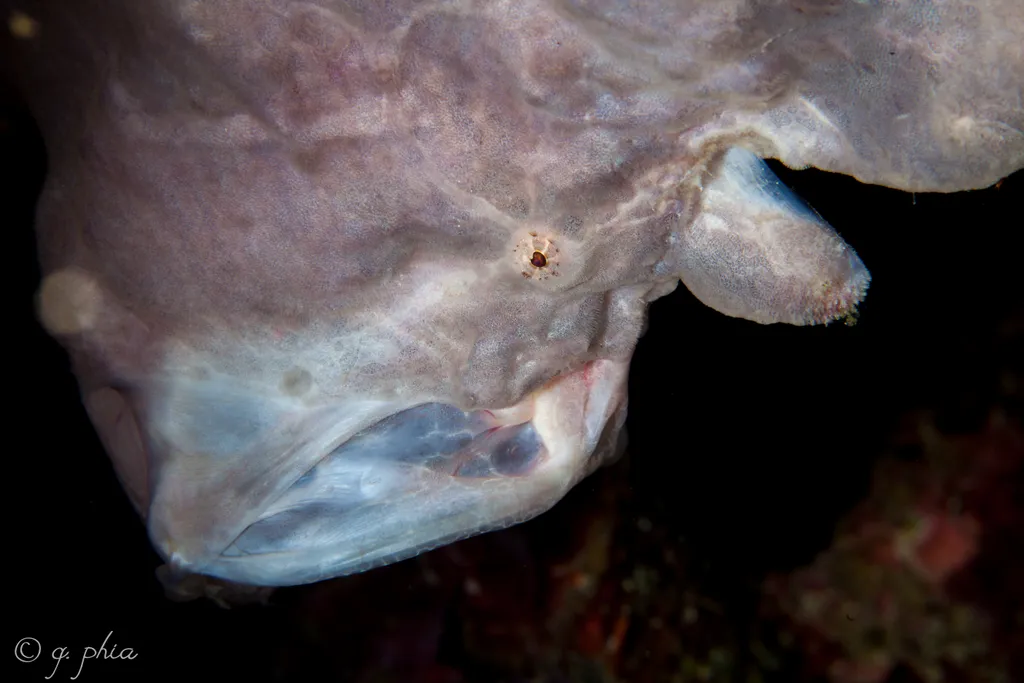
Photo by q phia / CC BY 2.0 via Wikimedia Commons
1. The Largest Frogfish on the Reef
Antennarius commerson is widely cited as the biggest member of Antennariidae, with reliable records to roughly 38–45 cm total length. On a muck slope, a football-sized frogfish still pretending to be a sponge is a surreal sight—and a reminder that "macro" does not always mean tiny.
2. Named for a Naturalist, Not Its Size
The species honors Philibert Commerson, an 18th-century French naturalist who sailed with Bougainville. "Giant" is the diver's nickname; the scientific name is the formal tribute—though the fish arguably earned the common name on merit.
3. Sponge Mimicry Is the Default Mode
Giant frogfish are frequently found among sponges on lagoon and seaward reefs. Their ocelli and blotches can echo sponge pores; color change over a few weeks lets an individual retune to a new perch after relocating.
4. Suction Feeding in Milliseconds
Like all frogfishes, prey capture uses rapid mouth expansion and negative pressure. Strike times in related species are measured in single-digit milliseconds—your reflexes will not catch the moment; burst mode or video will.
5. The Lure Is Modified Dorsal Fin
The illicium (rod) and esca (bait) are not separate animals—they are highly modified dorsal fin elements. Giant frogfish escas are often described as a small tuft of flattened appendages, waved subtly to attract fish and shrimp.
6. Terrible Swimmers, Surprising Walkers
Modified pectoral and pelvic fins act like stubby limbs. Watch a giant frogfish waddle across rubble or jet water from gill openings when it needs a quick reposition—clumsy, but effective.
7. Swallows Prey Nearly Its Own Size
The enormously expandable mouth and elastic stomach allow ambush of fish and shrimp close to one body length. Frogfish do not chase; they wait until dinner enters the strike zone.
8. Indo-Pacific Plus Eastern Pacific Range
Distribution spans the tropical Indo-Pacific (Red Sea, East Africa, Japan, Hawaii, Australia) and extends to the eastern Pacific (e.g., Panama). Warm, sheltered benthic habitat is the unifying theme—not cold or oceanic blue water.
9. Egg Rafts, Not Scatter Spawning
Females produce eggs bound in a gelatinous ribbon or veil (egg raft) that drifts until larvae hatch. Juvenile giant frogfish are cryptic miniatures—easy to misidentify as painted or warty species.
10. Site-Faithful "Residents" on Famous Muck Dives
Lembeh, Anilao, Wakatobi, and Tulamben guides often log the same individual for weeks on a favorite sponge or tyre reef. Returning photographers sometimes reshoot a known "resident" years apart—a testament to slow movement and strong site fidelity.
Diving & Observation Notes
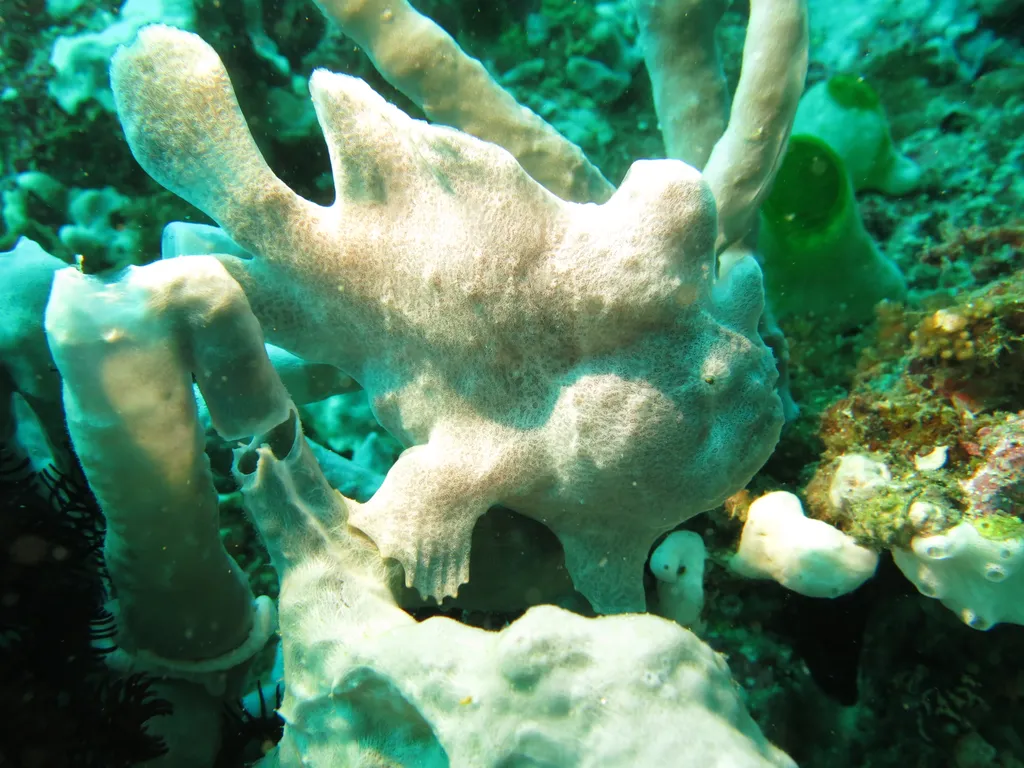
Photo by Manuae / CC BY-SA 4.0 via Wikimedia Commons
🧭 Where Guides Find Them
Start with site notes and sponge maps—giant frogfish are site-faithful. Lembeh critter hunts, Anilao and Batangas slopes, Wakatobi sponge gardens, Tulamben rubble, and Maldivian channel reefs all produce regular sightings at 5–25 m. Scan jetty pilings and mooring lines on arrival dives.
👀 Search Technique
Look for wrong texture on sponges: a lump with eyes, ocelli that do not match the host, or a lure filament projecting from an otherwise "inanimate" blob. Torch angle reveals eye shine. If the esca is active, the fish is hunting; if tucked, it may be digesting.
📷 Photo Approach
- Shoot low and parallel to emphasize bulk and skin texture
- Pre-focus on the eye; expect long static periods punctuated by sudden strikes
- Backscatter control matters on muck and rubble—inward strobes or snoots help
- Capture walking or lure-flicking on video—often more compelling than another head-on portrait
⚠️ Ethics & Buoyancy
Giant frogfish tolerate close approaches but hate silt clouds and fin wash. Never poke the fish or wiggle its lure to "get a face shot." Kneeling in muck destroys the site. If it walks away, let it go—chasing stresses the animal and ruins behavior footage for the next group.
Best Places to Dive with Giant Frogfish
Lembeh
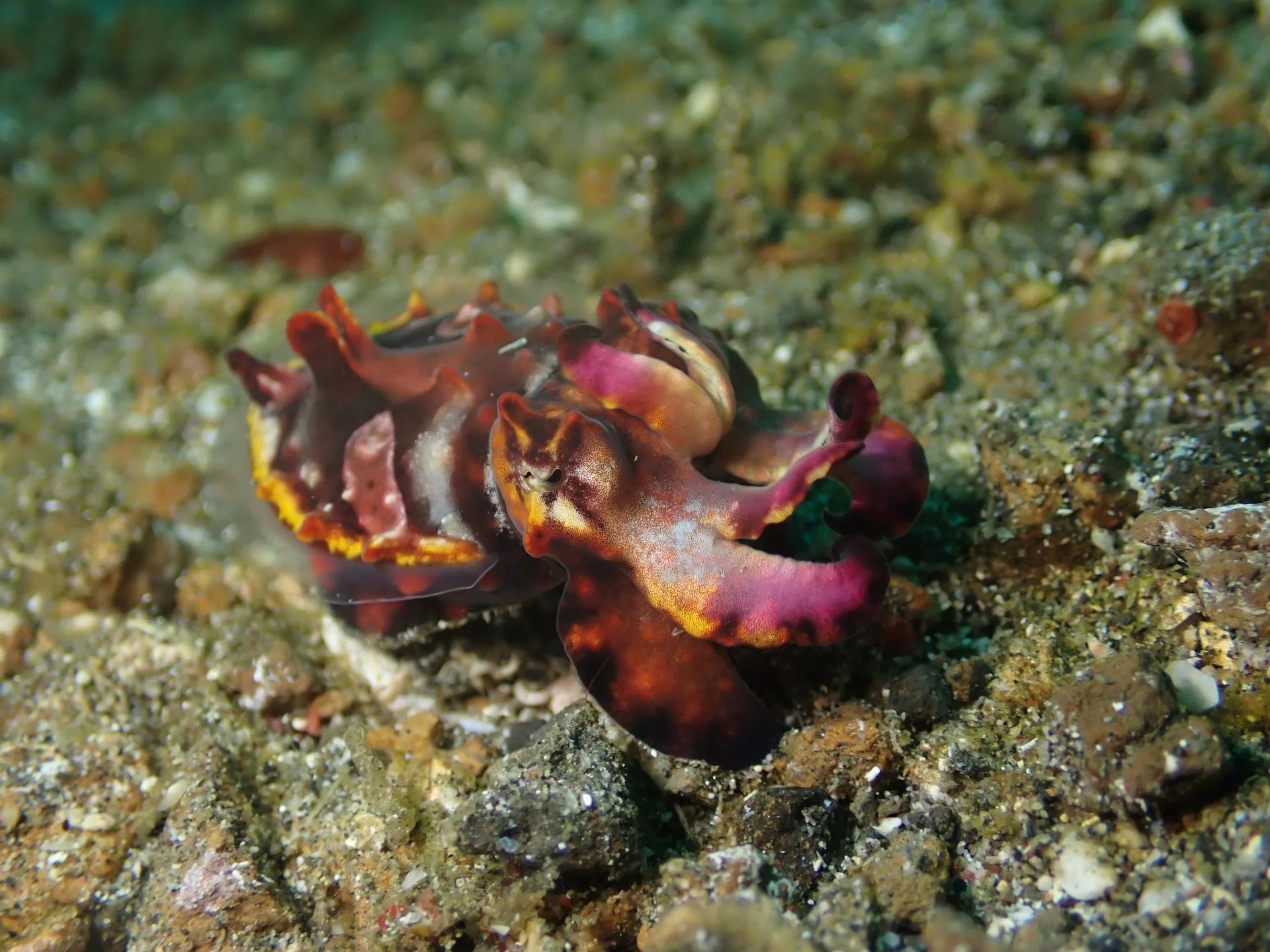
The Lembeh Strait in North Sulawesi has become famous as the muck‑diving capital of the world. At first glance its gently sloping seabed of black volcanic sand, rubble and discarded debris looks bleak. Look closer and it is teeming with weird and wonderful life: hairy and painted frogfish, flamboyant cuttlefish, mimic and blue‑ringed octopuses, ornate ghost pipefish, tiny seahorses, shrimp, crabs and a rainbow of nudibranchs. Most dives are shallow and calm with little current, making it an ideal playground for macro photographers. There are a few colourful reefs for a change of scenery, but Lembeh is all about searching the sand for critter treasures.
Anilao
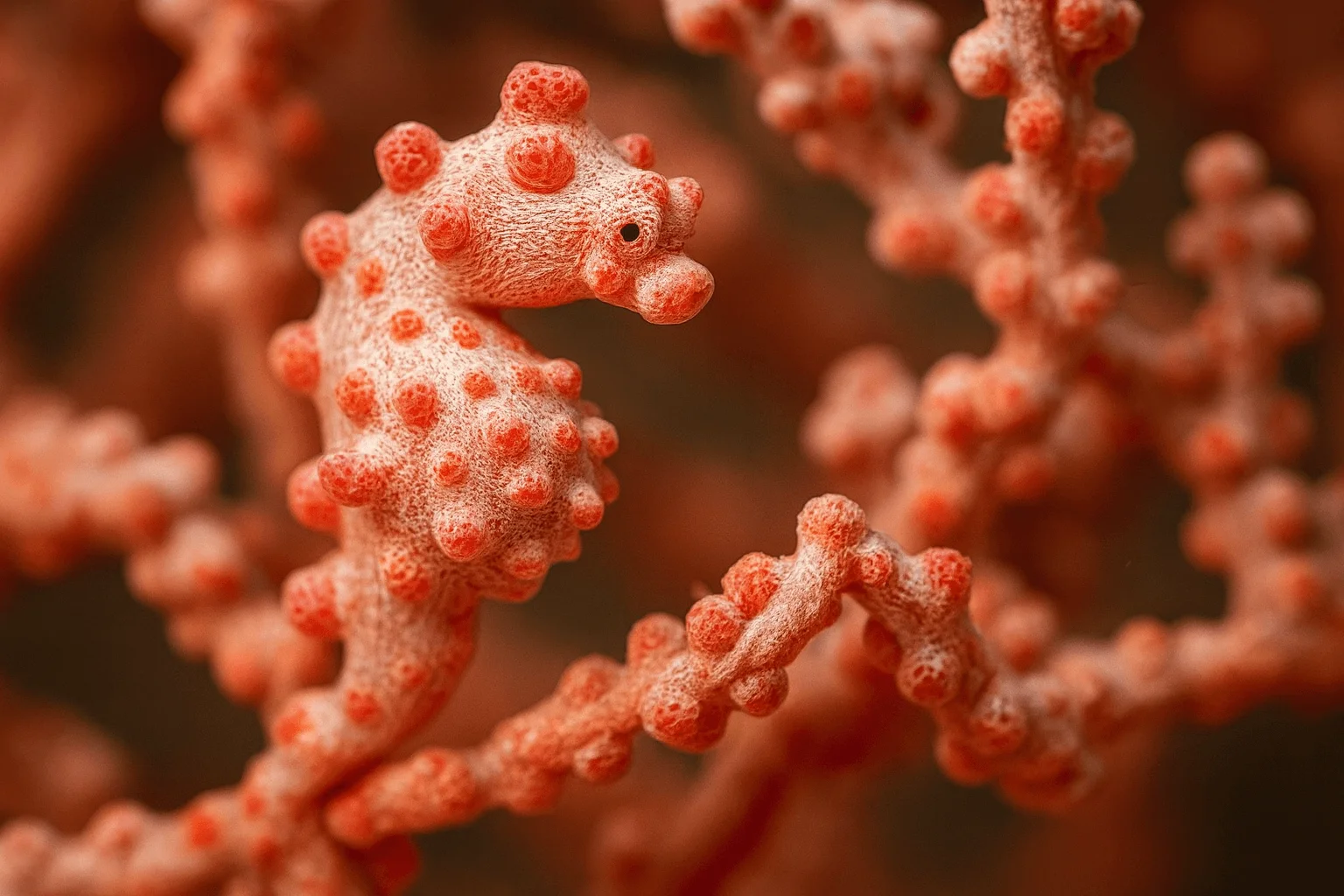
Anilao, a small barangay in Batangas province just two hours south of Manila, is often called the macro capital of the Philippines. More than 50 dive sites fringe the coast and nearby islands, offering an intoxicating mix of coral‑covered pinnacles, muck slopes and blackwater encounters. Critter enthusiasts come for the legendary muck dives at Secret Bay and Anilao Pier, where mimic octopuses, blue‑ringed octopuses, wonderpus, seahorses, ghost pipefish, frogfish and dozens of nudibranch species lurk in the silt. Shallow reefs like Twin Rocks and Cathedral are covered in soft corals and teem with reef fish, while deeper sites such as Ligpo Island feature gorgonian‑covered walls and occasional drift. Because Anilao is so close to Manila and open year‑round, it’s the easiest place in the Philippines to squeeze in a quick diving getaway.
Wakatobi
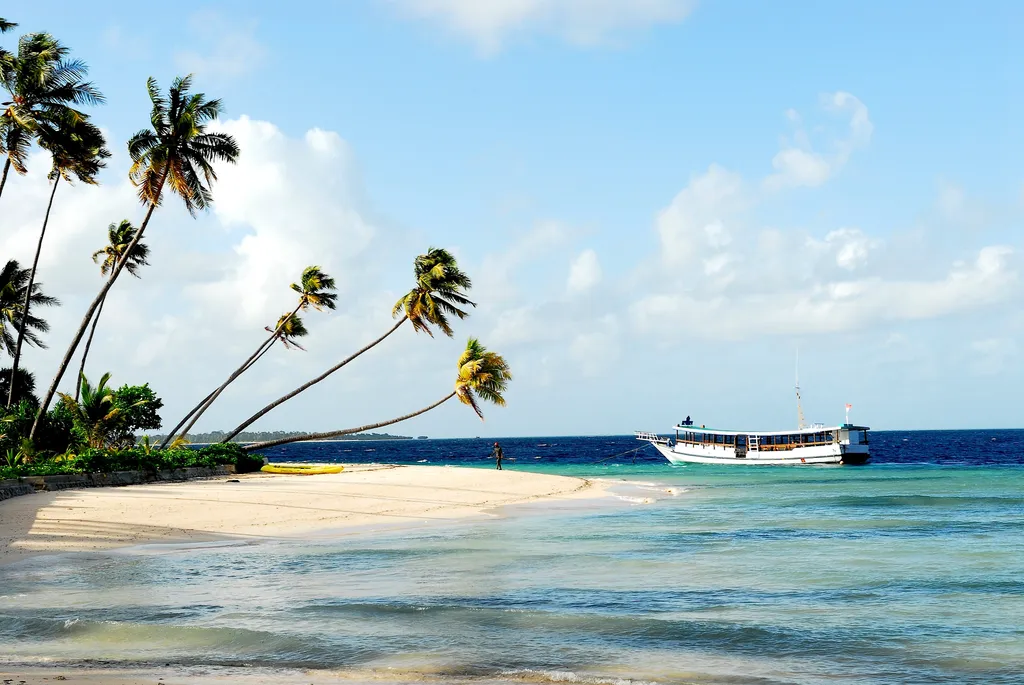
Wakatobi National Park sits on the southeastern rim of Sulawesi, named from its four main islands—Wangi-Wangi, Kaledupa, Tomia, and Binongko. It holds some of the healthiest coral coverage in the Coral Triangle, with walls, seamounts, and fringing reefs that marine biologists still treat as a reference system. Visibility regularly hits 30 m and can stretch past 50 m on calm outer-reef days. Currents are usually mild and predictable, so you get long bottom times on colorful hard-coral gardens instead of fighting blue water. The signature experience is Wakatobi’s House Reef—walk-in shore diving a short swim from the jetty—backed by more than 40 day-boat sites, from beginner pinnacles like Roma to the knife-edge walls of Blade.
Tulamben(Bali)
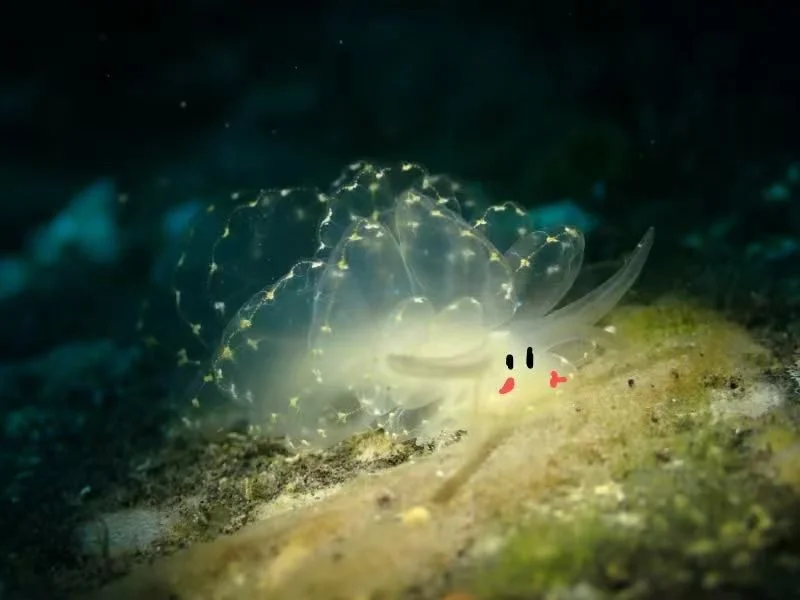
Tulamben sits on Bali’s northeast coast and is best known for the USAT Liberty shipwreck – a 125‑metre cargo ship torpedoed in WWII that now lies just a short swim from shore. Warm water, mild currents and straightforward shore entries make diving here relaxed for all levels. Besides the wreck, divers can explore coral gardens, black‑sand muck sites and dramatic drop‑offs. Macro lovers will find nudibranchs, ghost pipefish, mimic octopus and pygmy seahorses, while big‑fish fans can encounter schooling jackfish, bumphead parrotfish and reef sharks. With a compact coastline packed with variety, Tulamben delivers world‑class wreck and critter diving without long boat rides.
Alor
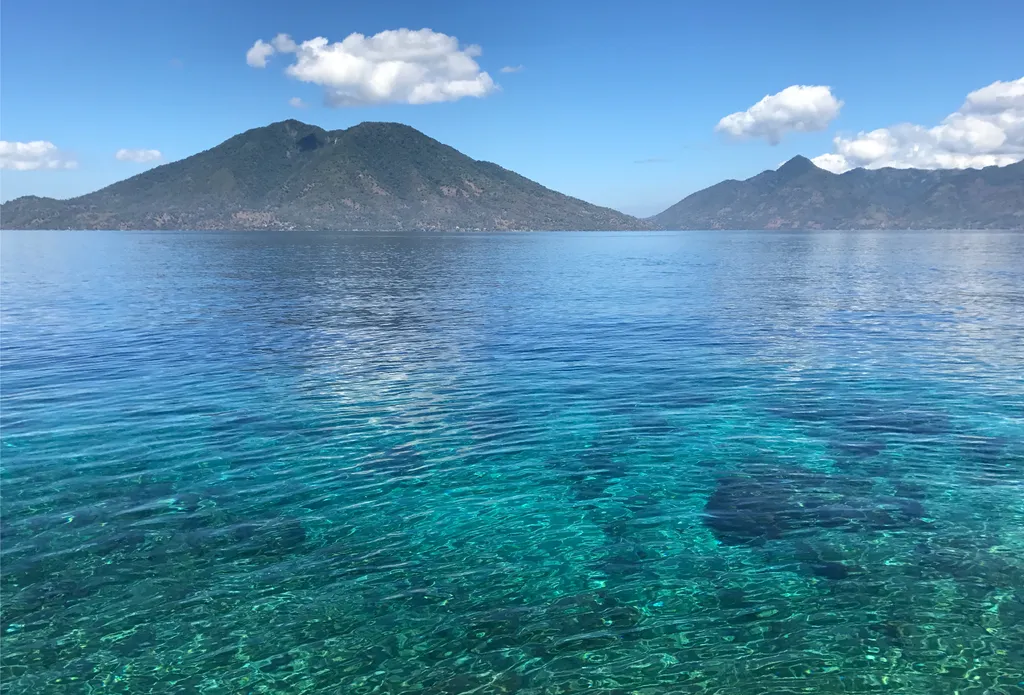
Alor rewards a trip that moves between two very different kinds of diving. In Pantar Strait, walls and coral slopes meet moving water, with schooling fish along exposed edges. Inside Kalabahi Bay, volcanic sand, rubble and silty bottoms turn the dive into a slow search for small animals. The diving area spans the shores of Alor, Pantar and Pura; where you stay affects which of these habitats fits comfortably into a boat day. Water movement explains much of the variation. Cold water enters the strait from the south, and local operators associate upwelling and stronger currents with new and full moons. A warm surface does not tell you what awaits below: a thermocline can change both the temperature and the demands of a dive. Site choice matters more than a single forecast for the archipelago. Build the itinerary around reefs, walls and macro life, with large animals as a possible encounter. There is no dependable shared season for hammerheads, mola or threshers on which to base a booking. A guide who can switch between exposed sites and sheltered searches is more useful than a fixed list of promised sightings.
Moalboal
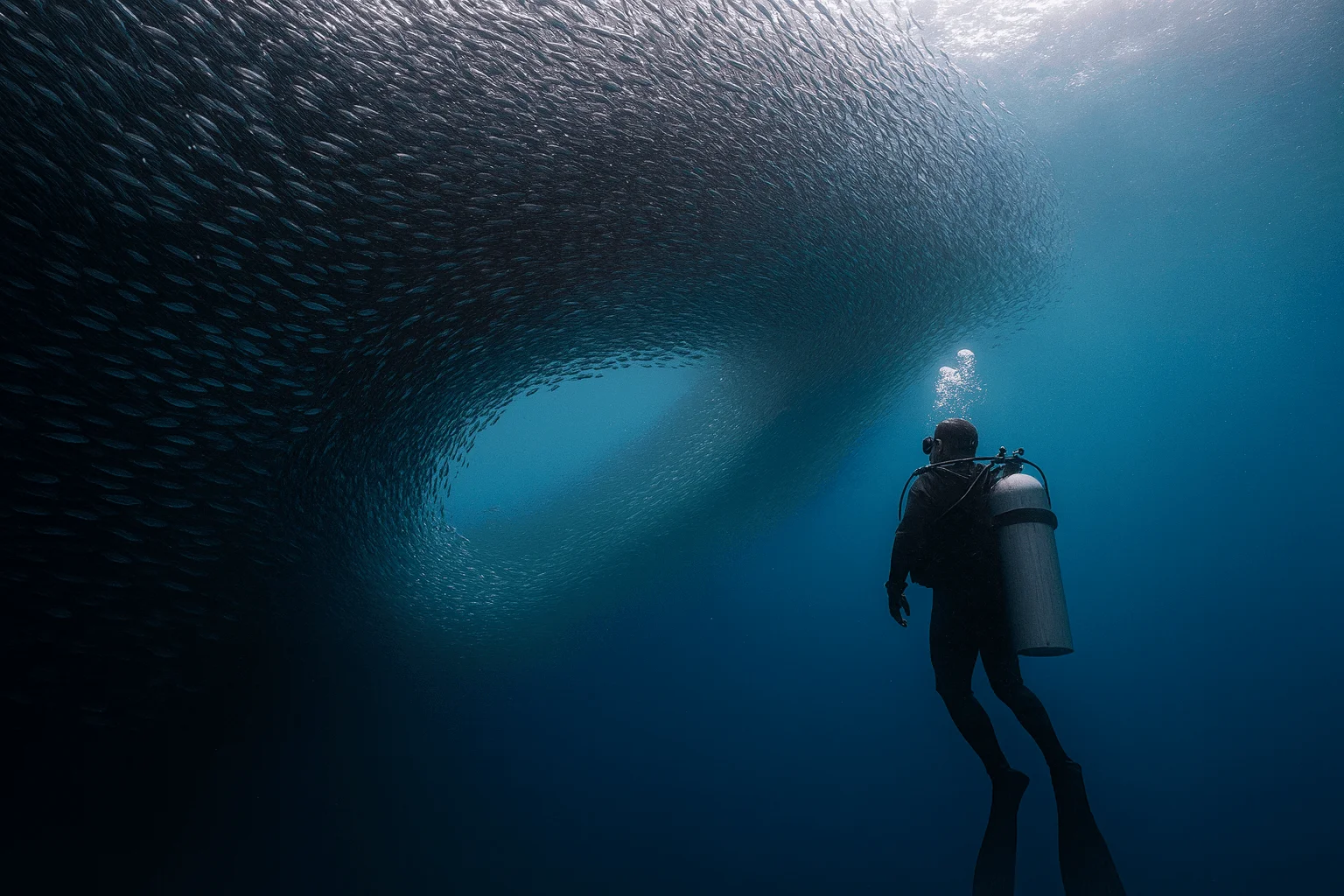
Moalboal is a laid‑back beach town on the west coast of Cebu known for its spectacular sardine run and easy access to Pescador Island. Vast clouds of millions of sardines swirl just off Panagsama Beach all year, creating a shimmering wall of fish that you can dive or snorkel through. Just offshore, the limestone island of Pescador offers steep walls, caverns and canyons covered in hard and soft corals; turtles, sea snakes, frogfish, schooling jacks and the occasional thresher or whitetip reef shark can be seen here. Many other sites along the coast feature shallow coral gardens and sandy slopes teeming with nudibranchs, cuttlefish and reef fish, making Moalboal perfect for both beginners and experienced divers.
Maldives
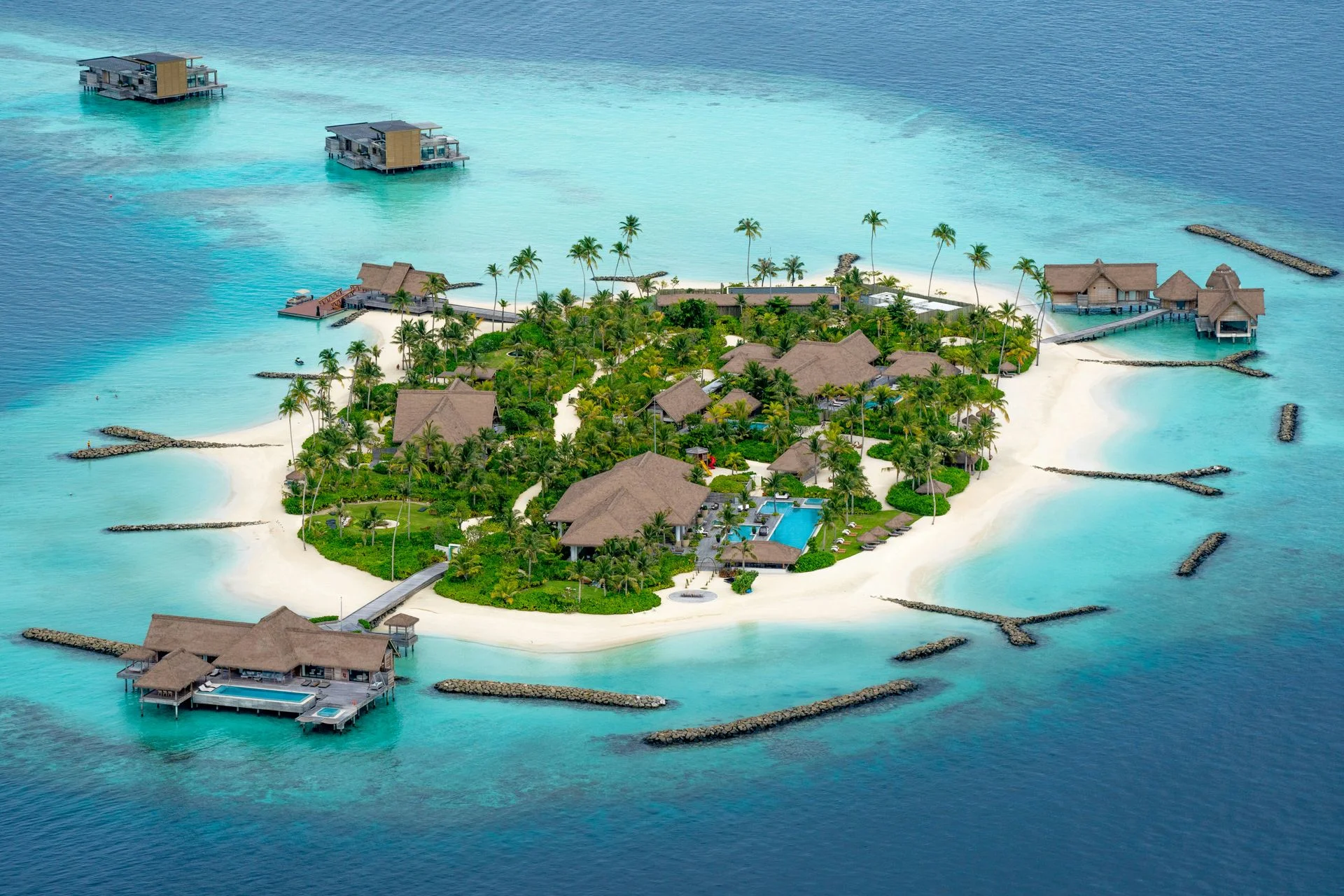
Scattered across the Indian Ocean like strings of pearls, the Maldives’ 26 atolls encompass more than a thousand low‑lying islands, reefs and sandbanks. Beneath the turquoise surface are channels (kandus), pinnacles (thilas) and lagoons where powerful ocean currents sweep past colourful coral gardens. This nutrient‑rich flow attracts manta rays, whale sharks, reef sharks, schooling jacks, barracudas and every reef fish imaginable. Liveaboards and resort dive centres explore sites such as Okobe Thila and Kandooma Thila in the central atolls, manta cleaning stations in Baa and Ari, and shark‑filled channels like Fuvahmulah in the deep south. Diving here ranges from tranquil coral slopes to adrenalin‑fuelled drifts through current‑swept passes, making the Maldives a true pelagic playground.
Komodo
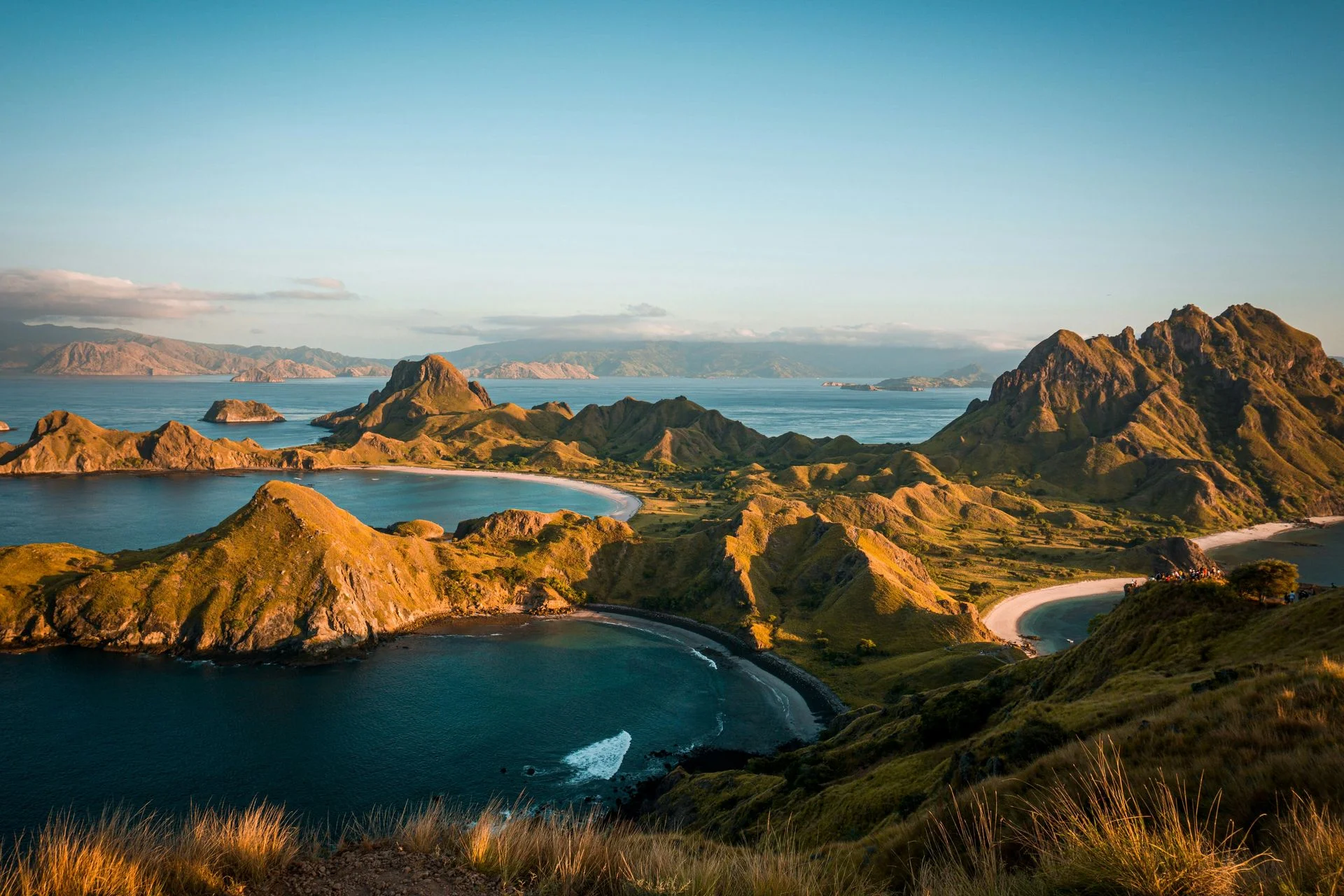
Komodo National Park is a diver’s paradise full of marine diversity: expect healthy coral gardens, reef sharks, giant trevallies, countless schools of fish, and frequent manta ray sightings at sites like Manta Point and Batu Bolong. Drift dives and dramatic reef structures add excitement, while both macro lovers and big-fish fans will find plenty to love. Above water, the wild Komodo dragons roam, giving a touch of prehistoric wonder to the whole trip.
Dumaguete
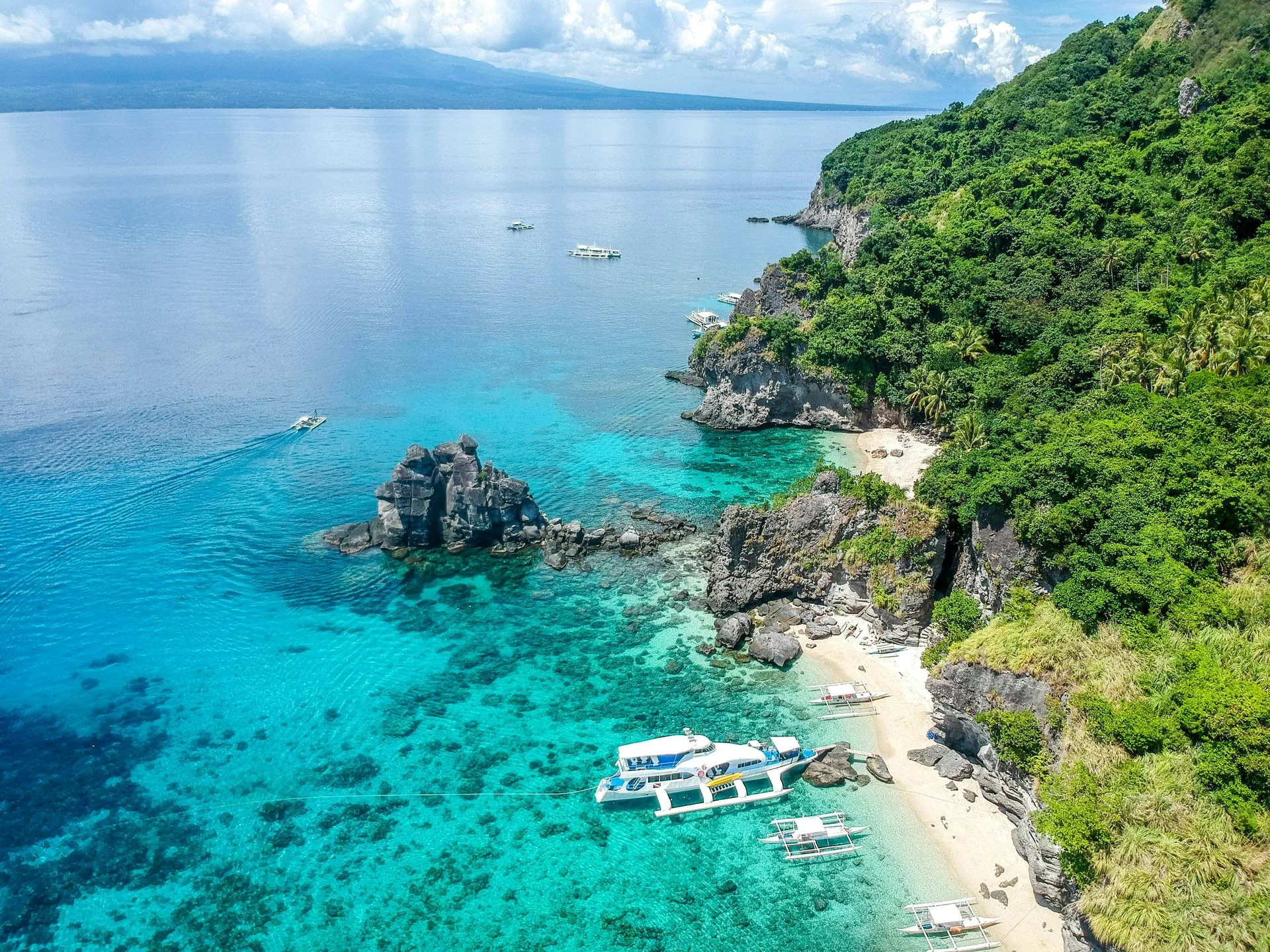
Dumaguete on the southeast coast of Negros is the jumping‑off point for some of the Philippines’ most diverse diving. Along the nearby town of Dauin, a series of shallow marine sanctuaries and black‑sand slopes hide critters galore: frogfish, flamboyant cuttlefish, mimic octopus, ghost pipefish, seahorses, pipefish and nudibranchs. Artificial reefs made from car tyres and pyramids provide extra habitat. Offshore, Apo Island’s walls and plateaus burst with hard and soft corals, schooling jacks and barracudas, and friendly green turtles. With day trips to Oslob’s whale sharks or Bais’ dolphin‑watching, and excursions to nearby Siquijor, Dumaguete offers a perfect mix of macro muck diving and classic coral reefs.