
Jawfish
Opistognathidae (family with ~80–112 species)
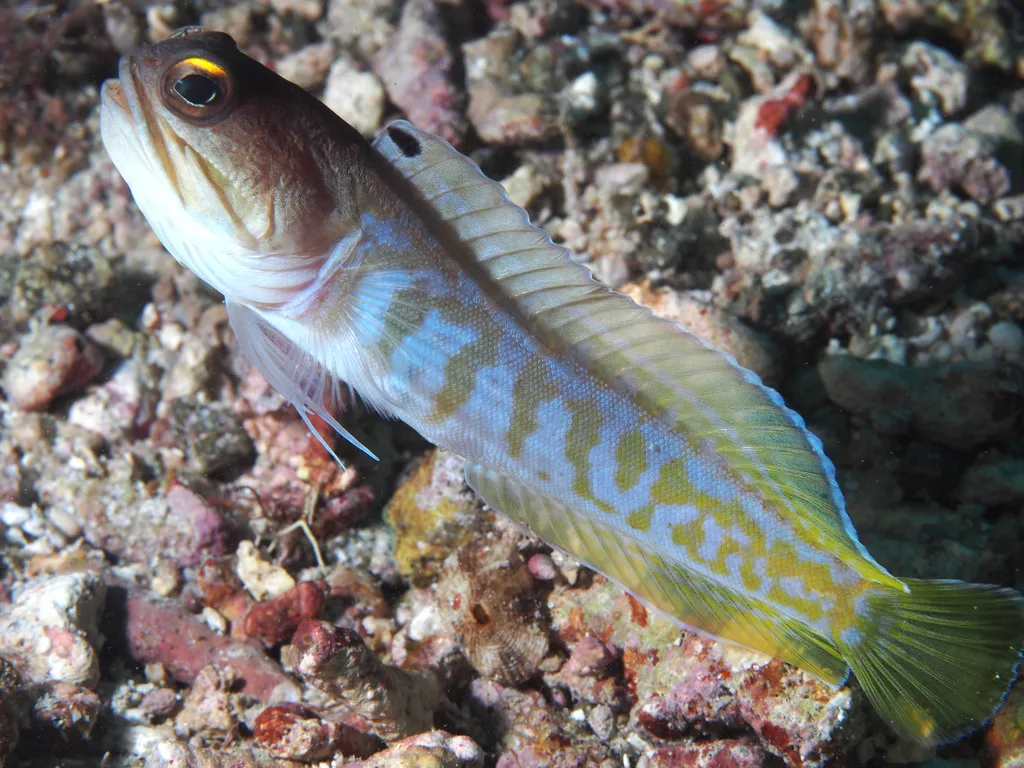
Photo by Rickard Zerpe / CC BY-SA 2.0 via Wikimedia Commons
The Jawfish is the reef's most diligent underground architect—a small, upright fish that spends its life hovering at a self-built burrow entrance like a submarine captain on watch. With a family of 80–112 species across tropical and temperate seas, jawfish have turned the humble sand flat into prime real estate: they excavate tunnels with their mouths, haul pebbles and shell chips to decorate the "porch," and retreat tail-first at the first sign of trouble. For macro divers, they're endlessly rewarding—bright yellow-headed Caribbean icons, cryptic Indo-Pacific mottled species, and the occasional mouth-brooding male incubating a ball of eggs behind enormous jaws. Patient, photogenic, and surprisingly full of personality for a fish that lives in a hole.
🔬Classification
📏Physical Features
🌊Habitat Info
⚠️Safety & Conservation
Identification Guide
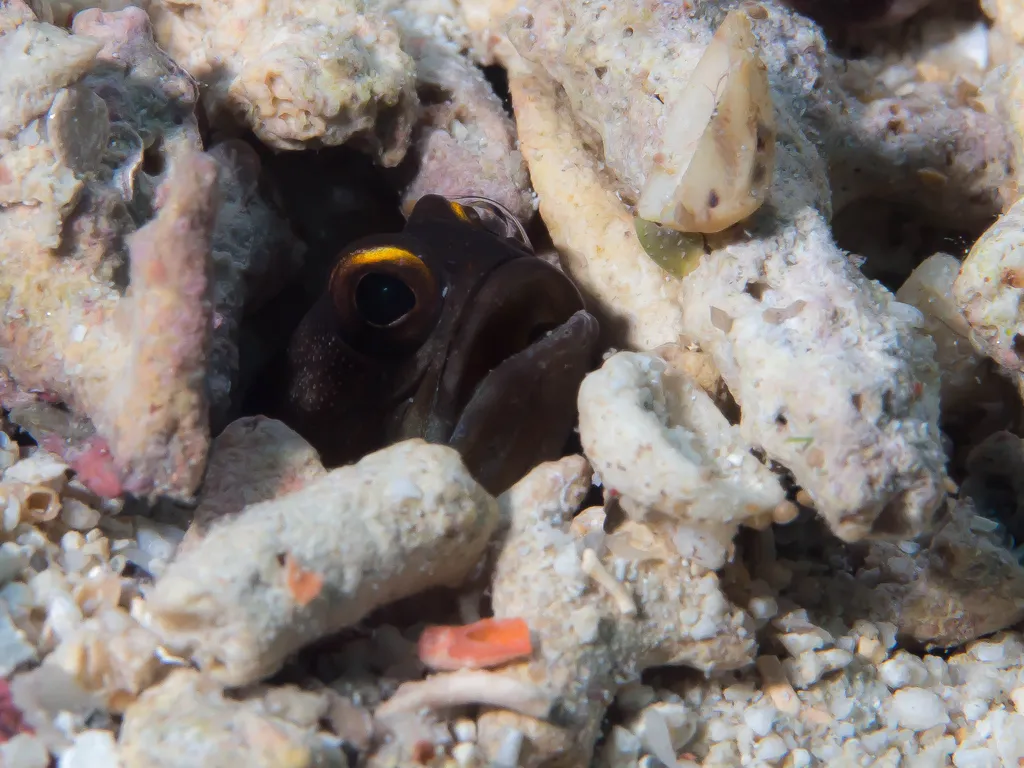
Photo by Rickard Zerpe / CC BY-SA 2.0 via Wikimedia Commons
Scan sandy or rubble bottoms at 3–20 m for a small fish hovering vertically at a burrow mouth—not lying flat like a goby.
- Upright posture: Head-up, tail-down hover just above or at the burrow entrance
- Large mouth: Oversized jaws relative to body; used for digging and egg-brooding
- Burrow "porch": Mounded ring of pebbles, shell fragments, or coral rubble around the hole
- Caribbean yellowhead (Opistognathus aurifrons): Bright yellow head, pale blue-grey body—iconic Florida/Caribbean ID
- Indo-Pacific species: Mottled brown/tan with dark bars, spots, or false eye marks on the dorsal fin
- Retreat behavior: Darts tail-first into the burrow when approached; re-emerges slowly if you stay still
Don't Confuse With
- Shrimp-goby pairs: Goby hovers horizontally near a burrow; blind shrimp often visible bulldozing sand
- Garden eels: Colony of pencil-thin eels swaying from multiple holes in open sand, not a single burrow
- Blennies: Usually perch on rocks or coral; lack the pebble-lined burrow entrance and upright sand-flat hover
Top 10 Fun Facts about Jawfish
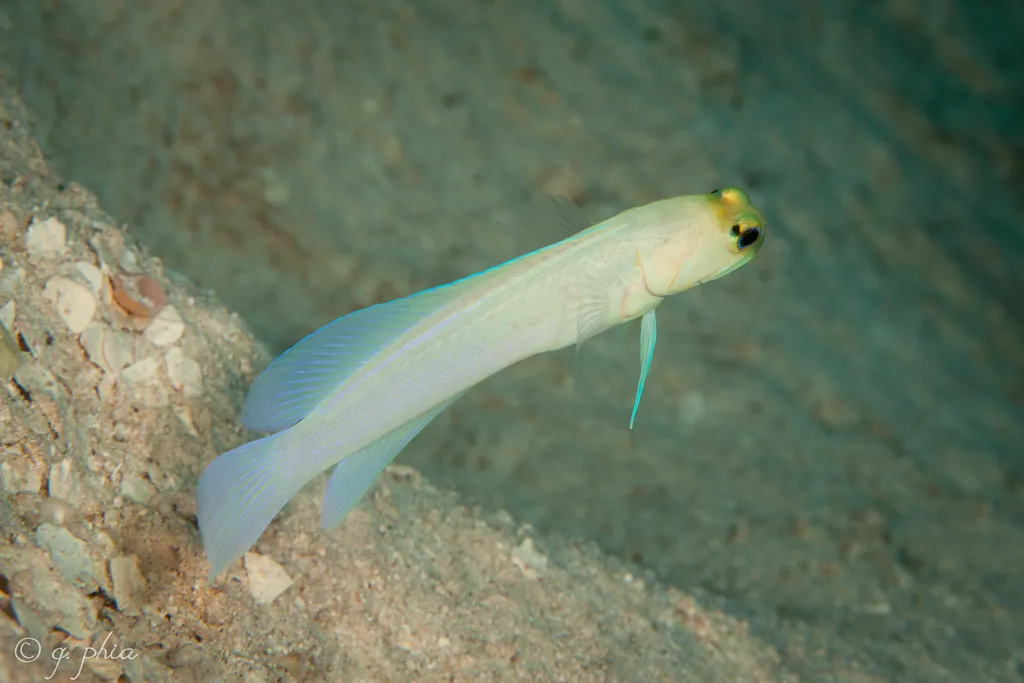
Photo by q phia / CC BY 2.0 via Wikimedia Commons
1. Built for Burrowing: The Mouth That Digs
Jawfish are named for their most conspicuous feature—enormous jaws that function as shovels, wheelbarrows, and incubators. A jawfish excavates its burrow by scooping mouthfuls of sand and spitting them aside, sometimes working for hours to reach the right depth and angle. Once the tunnel is dug, it becomes a construction site: the fish carries pebbles, shell fragments, and bits of coral rubble in its mouth to build a reinforced entrance ring—a "porch" that stabilizes the opening and may deter predators. Divers who watch a jawfish make repeated trips hauling stones look like a tiny fish with a very serious home-improvement project.
2. Tail-First Retreat: Backing Into Safety
When threatened, jawfish don't spin around—they dart tail-first into the burrow in a single fluid motion. This reverse-entry strategy keeps their large eyes and mouth facing outward while retreating, so they can assess danger from inside the tunnel. If you approach too fast, you'll see nothing but a puff of sand and a vanished fish. Sit quietly at a respectful distance, and most species will re-emerge within a minute, rising vertically to resume their sentry hover. This patience test is part of what makes jawfish encounters so satisfying for macro divers.
3. Mouth Brooding: Dad's Turn
Several jawfish species practice buccal incubation—the male holds the female's eggs inside his mouth until they hatch. During brooding, which can last one to two weeks, the male periodically "churns" the egg mass by partially spitting and re-swallowing it to oxygenate the embryos. He eats little or nothing during this period and becomes visibly more cautious at the burrow mouth. For lucky divers, catching a brooding male with a distended jaw full of pearl-like eggs is a bucket-list macro moment—and a reminder that jawfish parenting is entirely paternal.
4. The Caribbean Icon: Yellowhead Jawfish
The yellowhead jawfish (Opistognathus aurifrons) is the species most tropical Atlantic divers picture when they hear "jawfish." Males sport a bright golden-yellow head contrasting with a pale blue-grey body—a color combo that pops against white sand. They're common on Florida Keys and Caribbean rubble flats at 5–15 m, often in loose colonies where each fish guards its own burrow. Because they're diurnal, approachable (with patience), and brilliantly colored, yellowheads are a gateway species that turns casual reef divers into committed sand-flat critter hunters.
5. A Family of Hidden Diversity
Opistognathidae contains an estimated 80–112 species worldwide, but most divers encounter only a handful. Indo-Pacific species tend toward cryptic brown, tan, and barred patterns with false eye spots on the dorsal fin—a classic predator-confusion trick. Some species are barely 3 cm; the giant jawfish (Opistognathus rhomaleus) of the eastern Pacific reaches up to ~50 cm and lives in deeper water, a reminder that "jawfish" describes a broad family, not a single look. Muck slopes in Lembeh, Anilao, and Dumaguete reward patient searchers with species most field guides don't even illustrate.
6. The Vertical Hover: Sentry on Duty
Unlike gobies that rest horizontally on the bottom, jawfish typically hover vertically at the burrow entrance—head up, pectoral fins fluttering, eyes scanning for food and threats. This posture maximizes their field of view across the sand flat while keeping the burrow opening directly beneath them for an instant escape. When a copepod or tiny crustacean drifts past, the jawfish launches upward in a short burst, snatches the prey, and returns to the same hover point—a behavior you can predict and pre-focus on for photography.
7. Shadow-Swimming with the Mimic Octopus
In 2012, researcher Luiz Rocha documented a banded jawfish shadow-swimming alongside a mimic octopus on a Lembeh sand flat. The small jawfish stayed within centimeters of the larger, more conspicuous cephalopod, using it as mobile cover while the mimic performed its toxic-animal impersonations. This "following mimicry" partnership is one of muck diving's stranger two-species cons—proof that jawfish are savvy survivors, not just hole-dwelling homebodies. Keep an eye on any mimic octopus you find; a jawfish may be riding shotgun.
8. Depth Generalists with Deep Secrets
While divers most often see jawfish at 1–50 m on sand and rubble, the family extends far deeper. Some species have been recorded below 200 m, living in soft sediment on continental slopes. Shallow-water species are the ones that made jawfish famous among photographers, but the depth range tells you these fish are ecologically versatile—from muck slopes and reef-fringe rubble to offshore mud. If you're diving deep walls or sandy channels in Palau or Cozumel, don't assume jawfish are only a "10-meter sand flat" animal.
9. Spawning and Site Fidelity
Jawfish are generally site-faithful: once a burrow is established, an individual may occupy and maintain it for months or longer, expanding and redecorating as needed. Courtship involves the male displaying at the burrow mouth—fins erect, colors intensified—while the female deposits eggs for him to take into his mouth. Some species spawn repeatedly through warm months. For divers, returning to the same rubble patch on successive dives often means greeting the same jawfish at the same hole—a rare sense of continuity on a reef where most fish are passing through.
10. Macro Star of the Sand Flat
Jawfish punch far above their weight as dive subjects. They're diurnal (no night dive required), hold position at a predictable burrow, and display expressive behavior—digging, hauling stones, yawning their huge mouths, and brooding eggs. A 100 mm macro lens at f/16–22 captures crisp detail on pebble porches and eye reflections against blue water. Because they share habitat with shrimp-gobies, garden eels, flounders, and muck cryptics, a single sand-flat dive can produce a full portfolio. Jawfish are proof that the most ordinary-looking bottom on the reef hides the most photogenic tenants.
Diving & Observation Notes
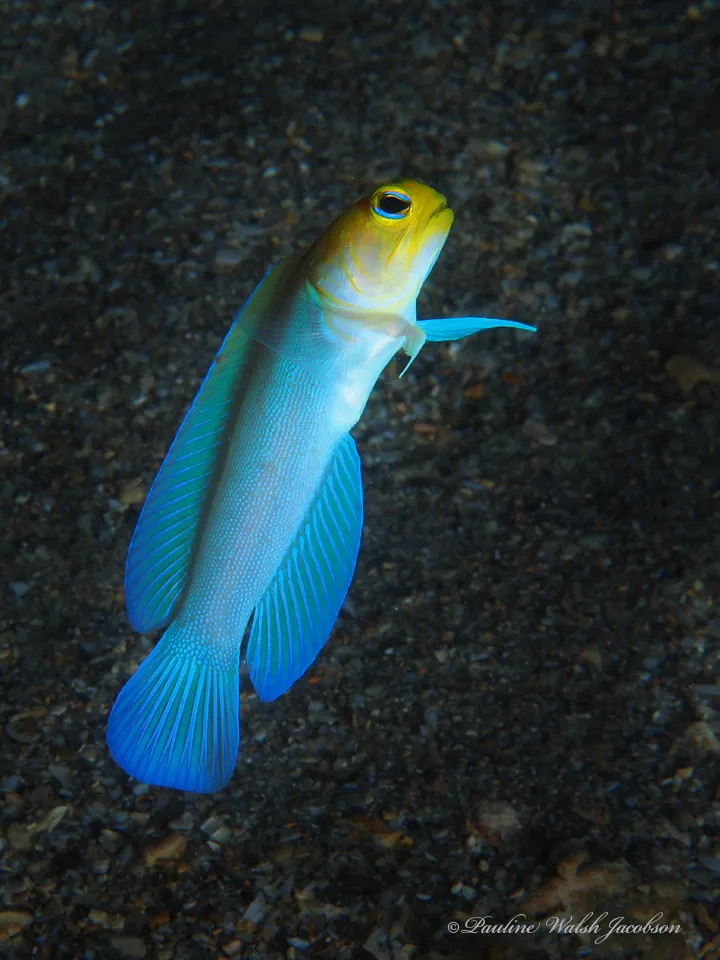
Photo by Pauline Walsh Jacobson / CC BY 4.0 via Wikimedia Commons
🧭 Finding Jawfish
Slow down on sand and rubble flats—jawfish are easy to swim past.
- Burrow entrances: Look for a neat ring of pebbles or shell chips on otherwise featureless sand
- Vertical hover: A small fish standing head-up at a single hole—not a garden-eel colony
- Depth sweet spot: Most shallow species at 3–20 m; check rubble patches near reef edges
- Caribbean: Yellowhead jawfish common on Bonaire, Cozumel, Belize, and Florida Keys rubble at 5–15 m
- Indo-Pacific muck: Lembeh, Anilao, Dumaguete, and Tulamben sand slopes for cryptic barred species
🤿 Approach & Behavior
- Patience wins: Charge the burrow and you'll see sand—nothing else. Stop 2–3 m out, kneel or hover low, wait for re-emergence
- Predict the hover: They return to the same vertical station; pre-focus on the burrow mouth
- Brooding males: Extra skittish—never block the entrance; a stressed mouth-brooder may swallow eggs prematurely
- Digging displays: Morning dives often catch burrow maintenance—pebble hauling is the best action shot
- Shadow-swimmers: Near mimic octopus or other large sand dwellers, check for a small jawfish riding along
📸 Photo Tips
- Get to sand level: Eye-level with the burrow entrance; shoot slightly upward for blue-water background separation
- Lens & aperture: 100 mm macro at f/16–22 for pebble-porch detail and eye sharpness
- Focus on the eyes: Large, alert eyes are the story—let the burrow frame the subject
- Capture the yawn: Jawfish periodically gape their huge mouths—stay ready for the shot
- Side lighting: Emphasizes pebble texture and reduces backscatter on sandy bottoms
⚠️ Ethics
- Never block the burrow: Trapping a jawfish inside stresses it—especially brooding males
- No stirring sediment: Fin wash collapsing a burrow destroys weeks of excavation
- Don't touch or feed: Disturbing mouth-brooders can cause egg loss
- Buoyancy control: Settle on sand only where you won't crush nearby burrows
🌏 Jawfish Hotspots
- Florida Keys & Caribbean: Yellowhead jawfish on rubble—Bonaire, Cozumel, Belize
- Lembeh & Anilao: Cryptic Indo-Pacific species on black sand and muck slopes
- Red Sea (Dahab, Hurghada, Marsa Alam): Rubble fringes and sandy channels
- Palau & Raja Ampat: Reef-edge sand patches with barred species
- Okinawa & Galápagos: Temperate-tropical overlap adds less-common burrow dwellers
Best Places to Dive with Jawfish
Lembeh
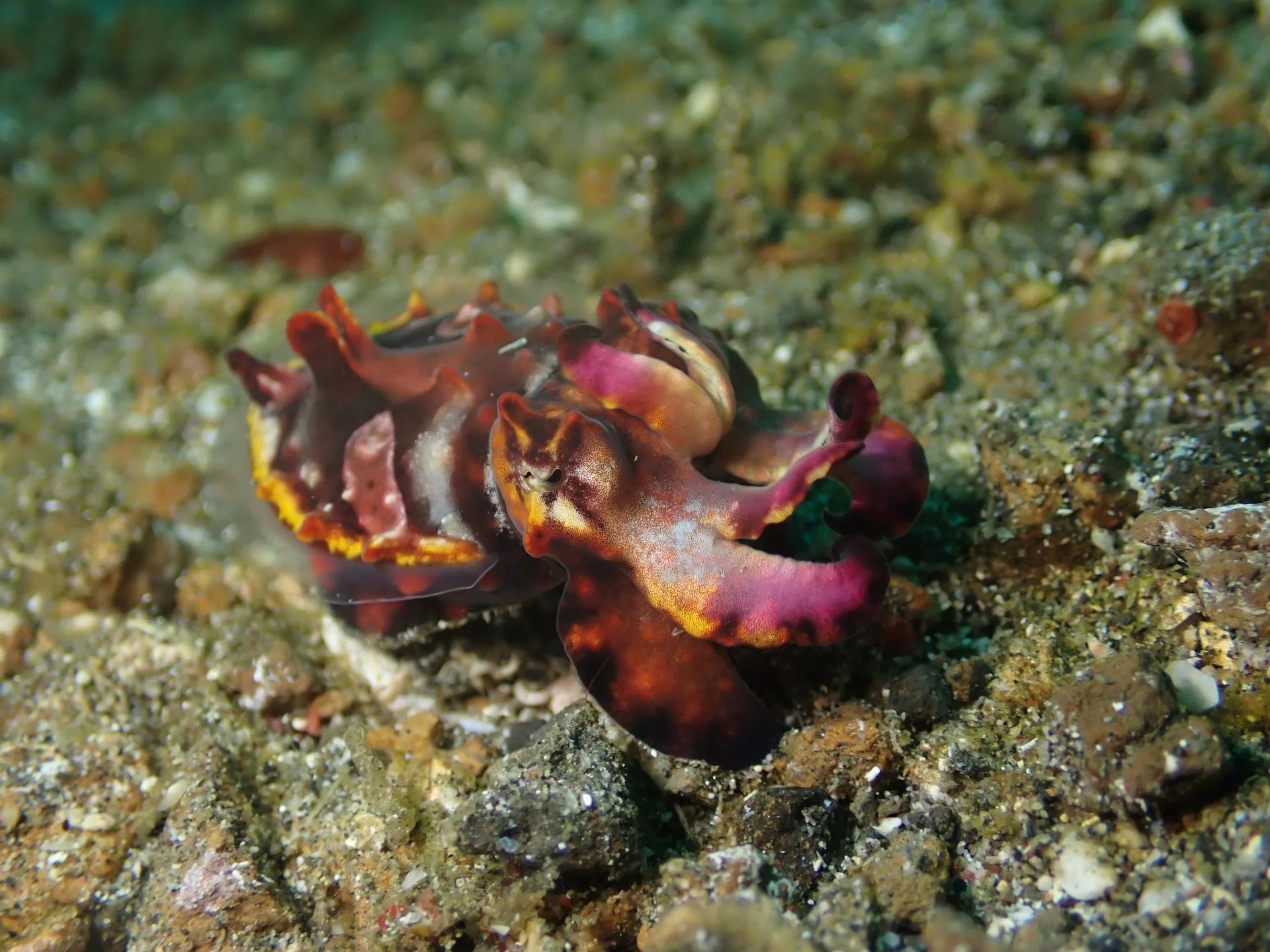
The Lembeh Strait in North Sulawesi has become famous as the muck‑diving capital of the world. At first glance its gently sloping seabed of black volcanic sand, rubble and discarded debris looks bleak. Look closer and it is teeming with weird and wonderful life: hairy and painted frogfish, flamboyant cuttlefish, mimic and blue‑ringed octopuses, ornate ghost pipefish, tiny seahorses, shrimp, crabs and a rainbow of nudibranchs. Most dives are shallow and calm with little current, making it an ideal playground for macro photographers. There are a few colourful reefs for a change of scenery, but Lembeh is all about searching the sand for critter treasures.
Anilao
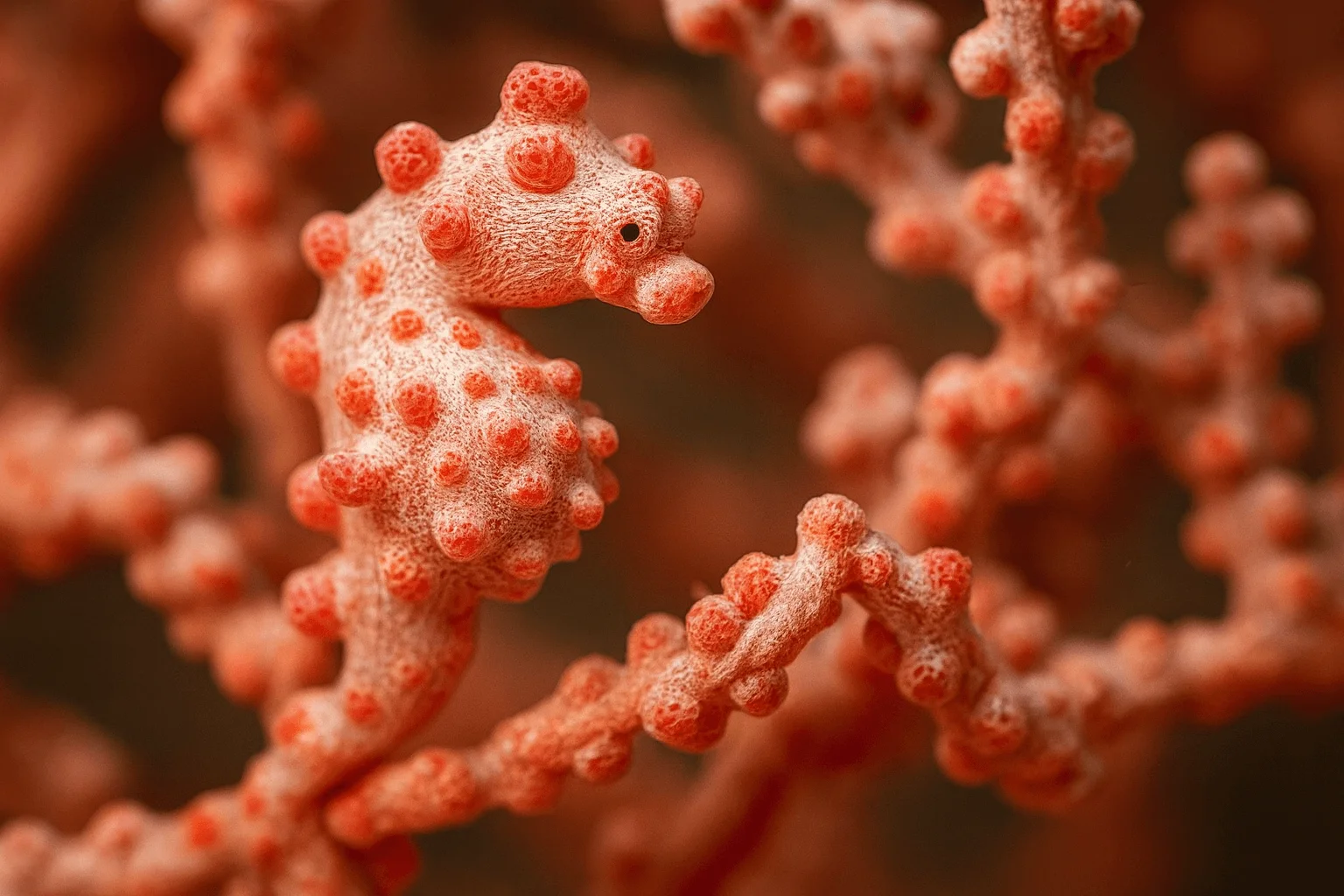
Anilao, a small barangay in Batangas province just two hours south of Manila, is often called the macro capital of the Philippines. More than 50 dive sites fringe the coast and nearby islands, offering an intoxicating mix of coral‑covered pinnacles, muck slopes and blackwater encounters. Critter enthusiasts come for the legendary muck dives at Secret Bay and Anilao Pier, where mimic octopuses, blue‑ringed octopuses, wonderpus, seahorses, ghost pipefish, frogfish and dozens of nudibranch species lurk in the silt. Shallow reefs like Twin Rocks and Cathedral are covered in soft corals and teem with reef fish, while deeper sites such as Ligpo Island feature gorgonian‑covered walls and occasional drift. Because Anilao is so close to Manila and open year‑round, it’s the easiest place in the Philippines to squeeze in a quick diving getaway.
Dumaguete
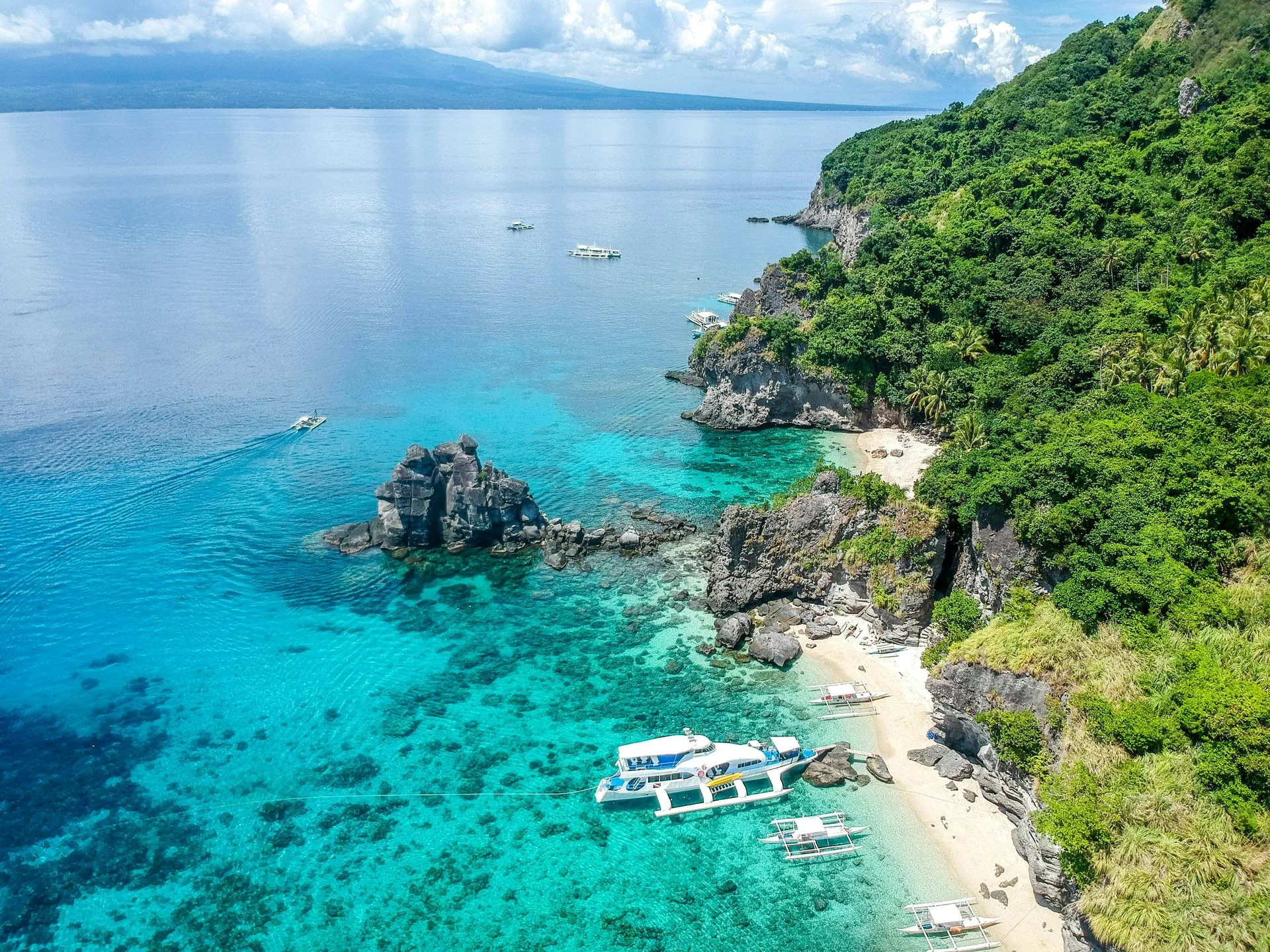
Dumaguete on the southeast coast of Negros is the jumping‑off point for some of the Philippines’ most diverse diving. Along the nearby town of Dauin, a series of shallow marine sanctuaries and black‑sand slopes hide critters galore: frogfish, flamboyant cuttlefish, mimic octopus, ghost pipefish, seahorses, pipefish and nudibranchs. Artificial reefs made from car tyres and pyramids provide extra habitat. Offshore, Apo Island’s walls and plateaus burst with hard and soft corals, schooling jacks and barracudas, and friendly green turtles. With day trips to Oslob’s whale sharks or Bais’ dolphin‑watching, and excursions to nearby Siquijor, Dumaguete offers a perfect mix of macro muck diving and classic coral reefs.
Tulamben(Bali)
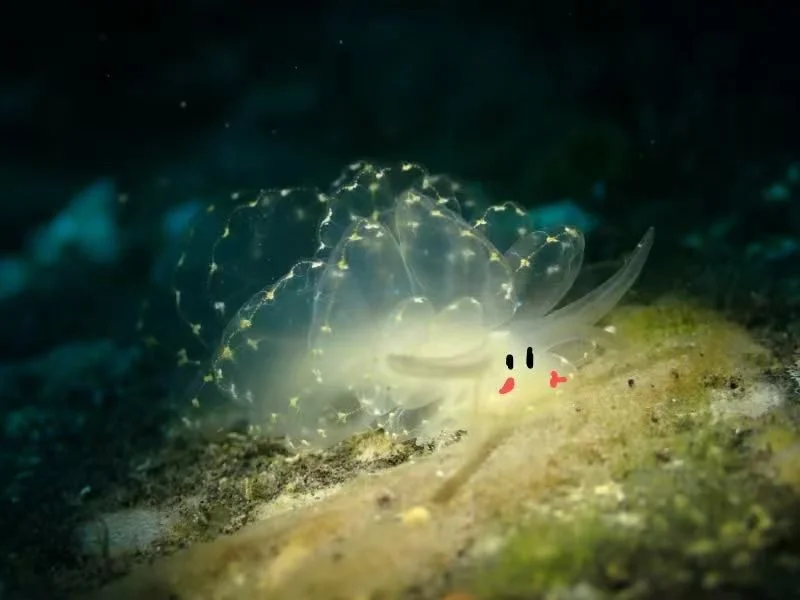
Tulamben sits on Bali’s northeast coast and is best known for the USAT Liberty shipwreck – a 125‑metre cargo ship torpedoed in WWII that now lies just a short swim from shore. Warm water, mild currents and straightforward shore entries make diving here relaxed for all levels. Besides the wreck, divers can explore coral gardens, black‑sand muck sites and dramatic drop‑offs. Macro lovers will find nudibranchs, ghost pipefish, mimic octopus and pygmy seahorses, while big‑fish fans can encounter schooling jackfish, bumphead parrotfish and reef sharks. With a compact coastline packed with variety, Tulamben delivers world‑class wreck and critter diving without long boat rides.
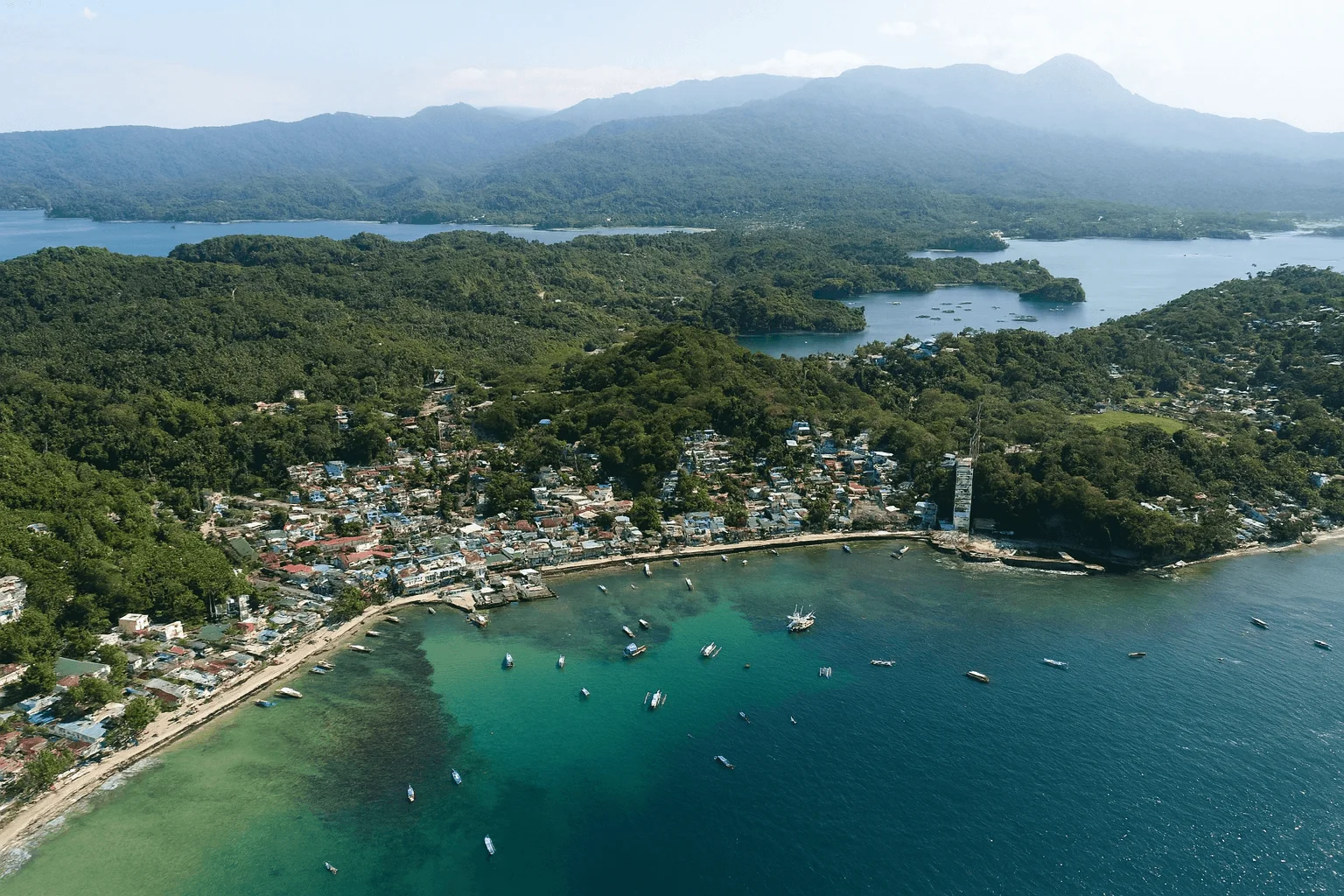
Puerto Galera
Puerto Galera sits on the northeast tip of Mindoro Island in the Philippines and has long been rated among Asia’s best and most diverse diving areas. The town faces the Verde Island Passage – part of the Coral Triangle – so its reefs host an incredible mix of hard and soft corals, seahorses, frogfish and other critters alongside schooling jacks and occasional pelagics. More than forty sites line the bays and headlands around Sabang and Small La Laguna, meaning everything from easy house‑reef dives and shallow muck sites to current‑swept canyons and colourful wrecks is only a short boat ride away. Currents are governed by the lunar cycle; strong spring tides around full and new moon create exciting drift dives, while neap tides offer gentle conditions that are perfect for macro photography. Because the water stays warm all year (27–30 °C) and visibility often reaches 15–30 m, Puerto Galera attracts both beginners and experienced divers seeking a fun, affordable destination with lively nightlife on land.
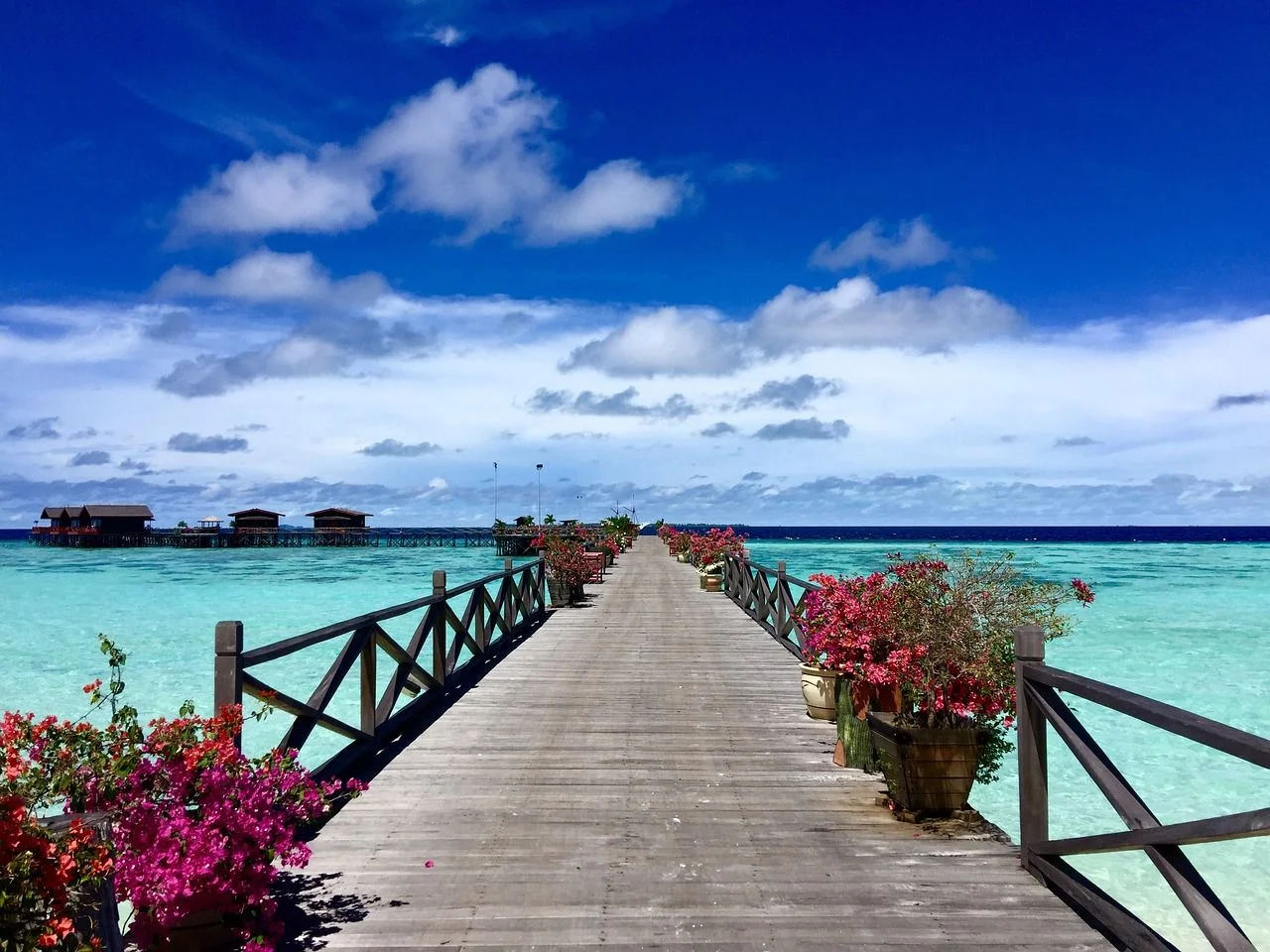
Sipadan & Semporna
Sipadan Island off the coast of Sabah is Malaysia’s crown jewel of diving – a steep limestone pinnacle rising more than 600 metres from the sea floor and teeming with pelagic life. Currents sweep past vertical walls encrusted in hard and soft corals, bringing in barracudas, jacks, reef sharks and bumphead parrotfish in breathtaking numbers. Nearby Mabul and Kapalai offer an entirely different experience on shallow sand‑slope reefs and artificial structures, where flamboyant cuttlefish, frogfish, mandarin fish and other macro critters hide among sponges and tyres. With limited daily permits, a visit to Sipadan is a privilege; most divers base themselves in the frontier town of Semporna or at water‑bungalow resorts on Mabul and Kapalai and make day trips into the park.
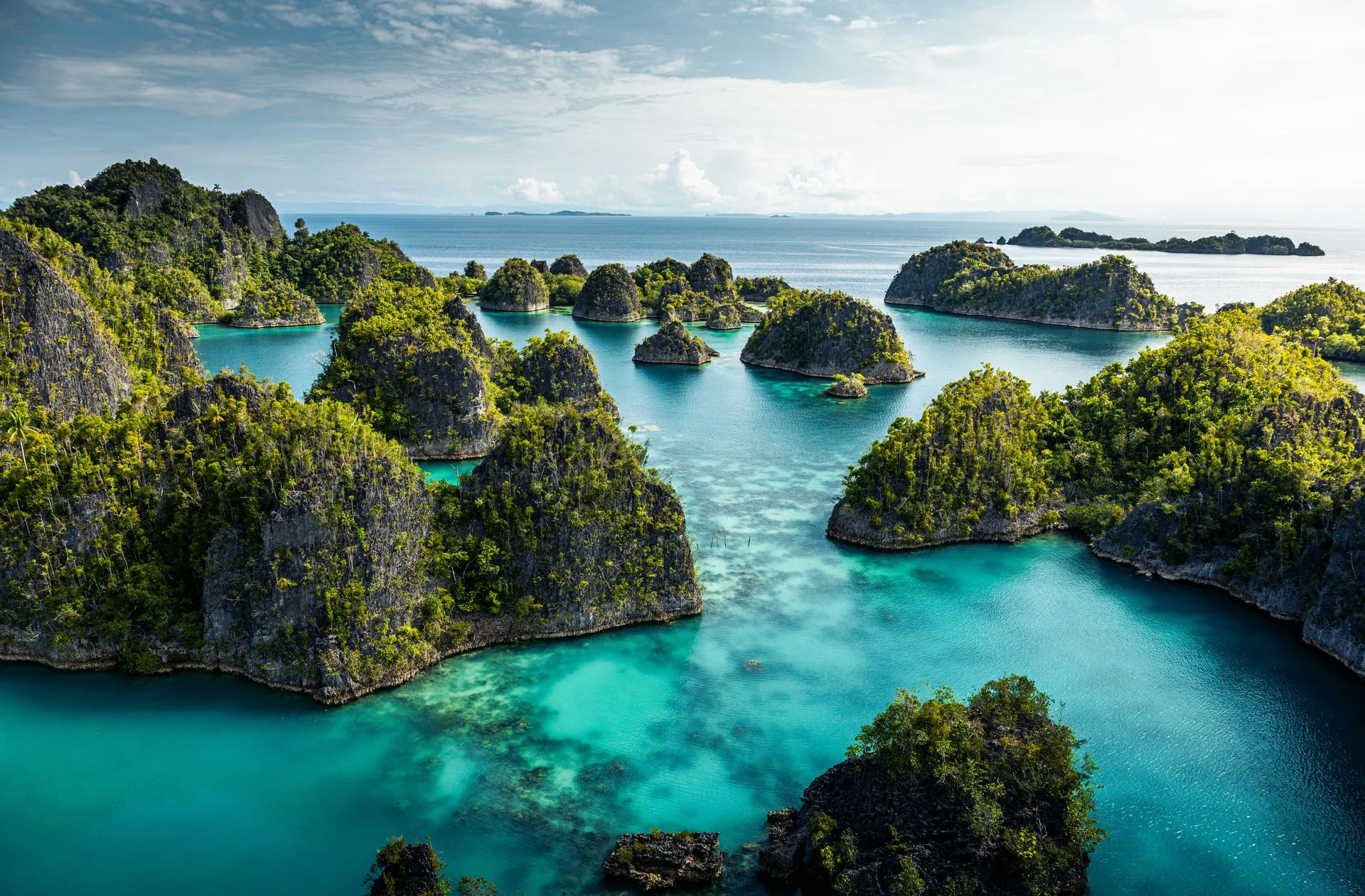
Raja Ampat
Raja Ampat, the “Four Kings,” is an archipelago of more than 1,500 islands at the edge of Indonesian West Papua. Its reefs sit in the heart of the Coral Triangle, where Pacific currents funnel nutrients into shallow seas and feed the world’s richest marine biodiversity. Diving here means gliding over colourful walls and coral gardens buzzing with more than 550 species of hard and soft corals and an estimated 1,500 fish species. You’ll meet blacktip and whitetip reef sharks on almost every dive, witness giant trevally and dogtooth tuna hunting schools of fusiliers, and encounter wobbegong “carpet” sharks, turtles, manta rays and dolphins. From cape pinnacles swarming with life to calm bays rich in macro critters, Raja Ampat offers endless variety. Above water, karst limestone islands and emerald lagoons provide spectacular scenery between dives.
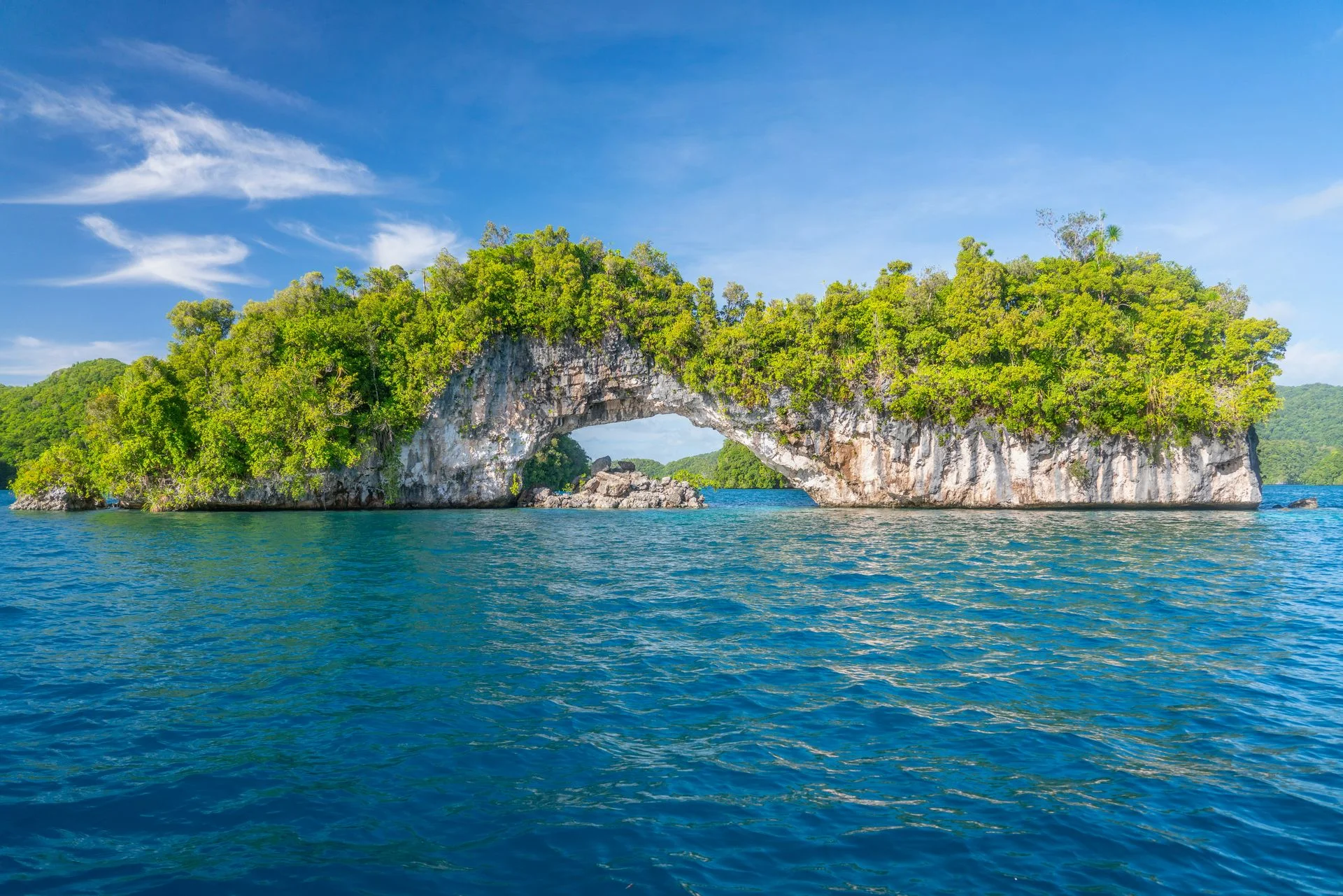
Palau
Rising out of the western Pacific at the meeting point of two great oceans, Palau is an archipelago of more than 500 jungle‑cloaked islands and limestone rock pinnacles. Its barrier reef and scattered outcrops create caverns, walls, tunnels and channels where nutrient‑rich currents sweep in from the Philippine Sea. These flows feed carpets of hard and soft corals and attract vast schools of jacks, barracudas and snappers, as well as an impressive cast of pelagics. Grey reef and whitetip sharks parade along the legendary Blue Corner; manta rays glide back and forth through German Channel’s cleaning stations; and Ulong Channel offers a thrill‑ride drift over giant clams and lettuce corals. Between dives you can snorkel among non‑stinging jellyfish in Jellyfish Lake or explore WWII ship and plane wrecks covered in colourful sponges.
Bonaire
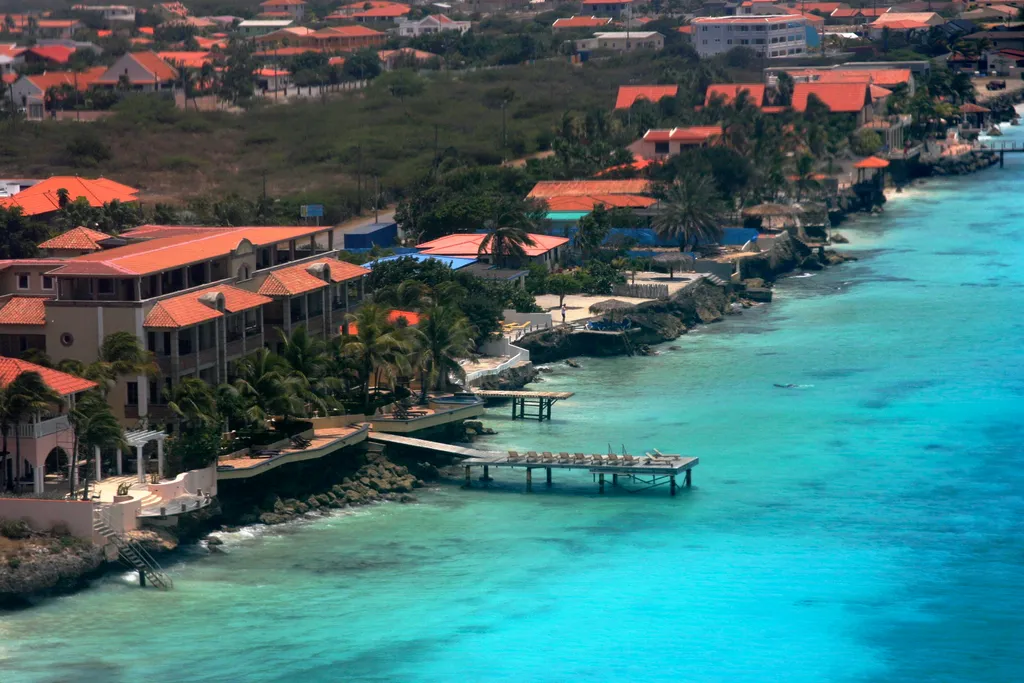
Bonaire is the Caribbean's shore-diving capital: pick up tanks at your shop, load the pickup, follow yellow-painted roadside markers to the entry, and you're on the reef in minutes. The entire leeward coast sits inside the Bonaire National Marine Park (BNMP), where decades of protection have left hard and soft corals in genuinely healthy shape—visibility often 20–40 m and water a comfortable 26–29 °C year-round. Most divers rent a truck, buy an unlimited shore-tank package, complete a mandatory orientation dive, then buddy-dive independently for the rest of the trip. Signature sites span easy west-coast reefs (Bari Reef, Angel City), iconic entries like 1000 Steps and Oil Slick Leap, the Hilma Hooker wreck, and short boat hops to Klein Bonaire. Macro hunters get frogfish and nudibranchs; wide-angle shooters chase schooling fish, turtles, eagle rays, and reef sharks. It's not a liveaboard rhythm—it's early-morning doubles, long surface intervals, and sunset or night dives when pier access allows.
Cozumel
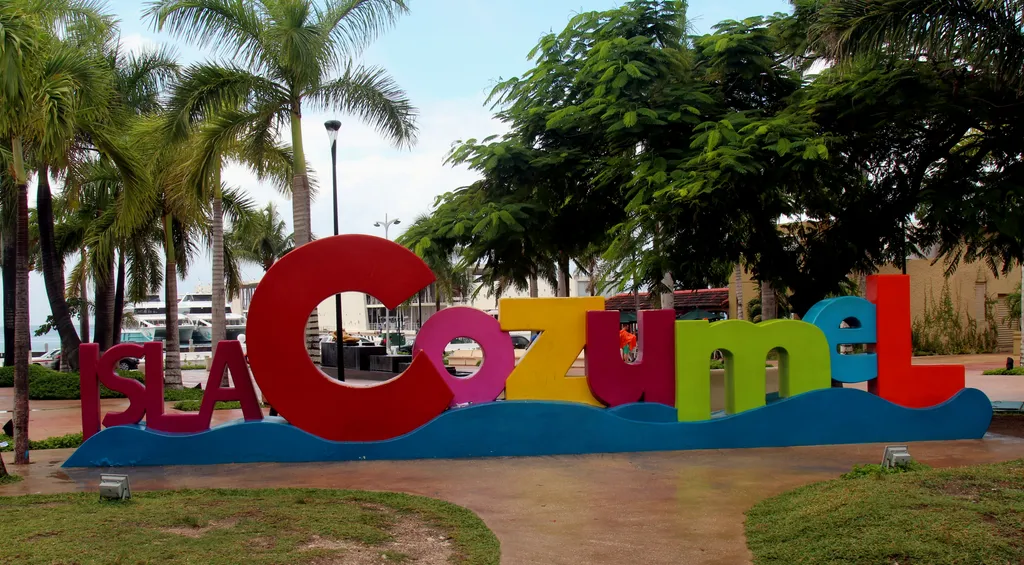
Cozumel sits on the Mesoamerican Barrier Reef—the second-largest reef system on the planet—and earned its place in dive history when Jacques Cousteau filmed its walls in the 1960s. Today the island is a boat-centric Caribbean classic: two-tank mornings from San Miguel, drift along coral cliffs in gin-clear water, surface for ceviche between dives. Almost everything worth diving lies inside Arrecifes de Cozumel National Marine Park, where mooring buoys, no-gloves rules, and park fees keep the reef in remarkably good shape. The signature experience is drift diving. Prevailing currents carry you along Santa Rosa, Colombia, and Palancar while you fin minimally and watch eagle rays, turtles, and schooling jacks slide past the drop-off. Walls plunge from 15 m to blue infinity; swim-throughs at Palancar Caves and the advanced cavern entry at Devil's Throat reward divers who like topography. Macro hunters scan for the splendid toadfish—an endemic bottom-dweller found almost nowhere else. Night dives on Paradise Reef and the C-53 wreck round out a week that feels busy without ever rushing. What Cozumel is not: a whale-shark island (head to Isla Mujeres or Holbox for that) or a liveaboard hub—operations are day boats from town. Watch the Norte wind in winter; it can cancel southern sites like Punta Sur. Bring cash for park fees, tip your crew, carry an SMB, and consider nitrox—you'll want the extra bottom time on these drifts.
Belize
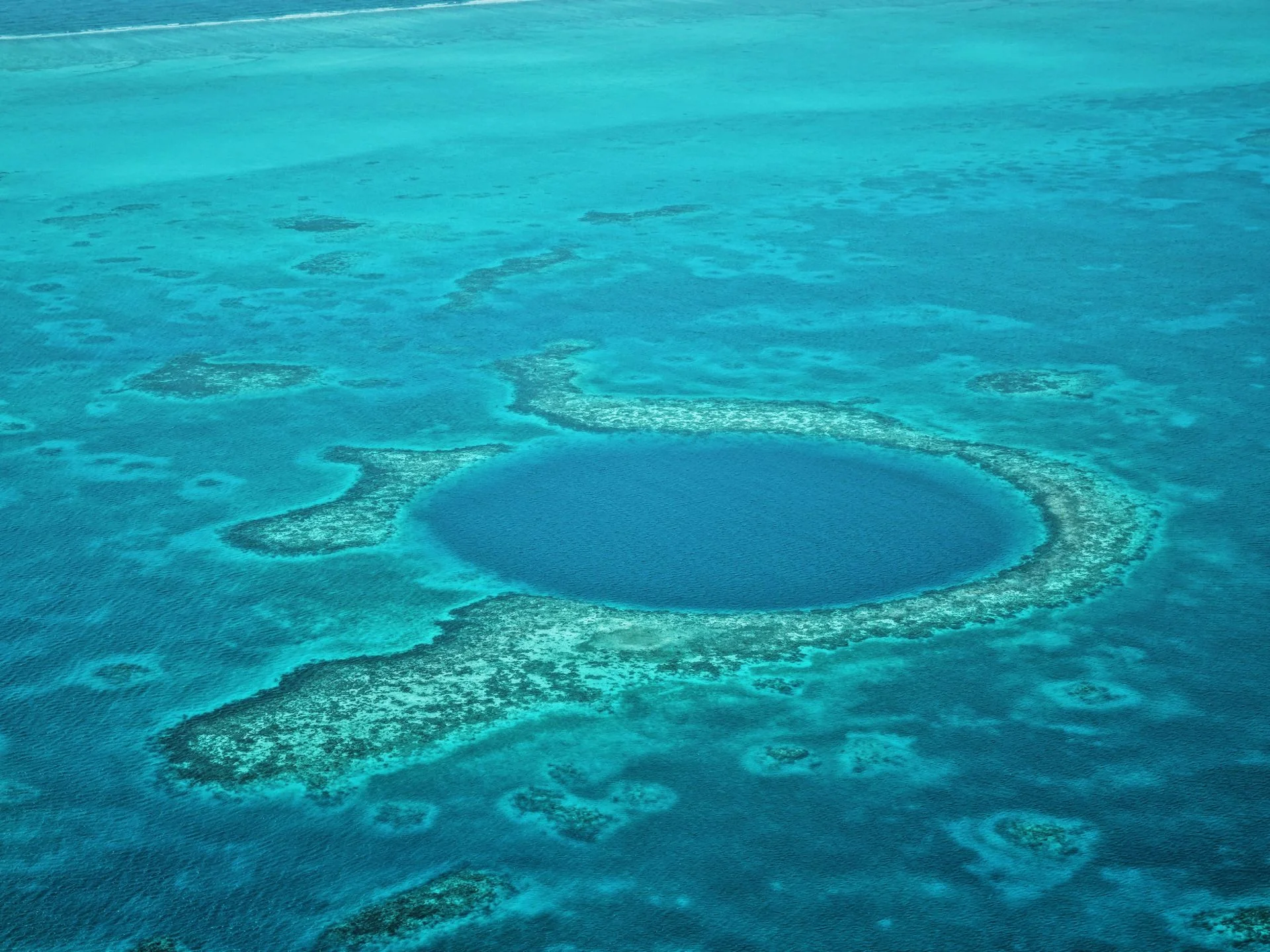
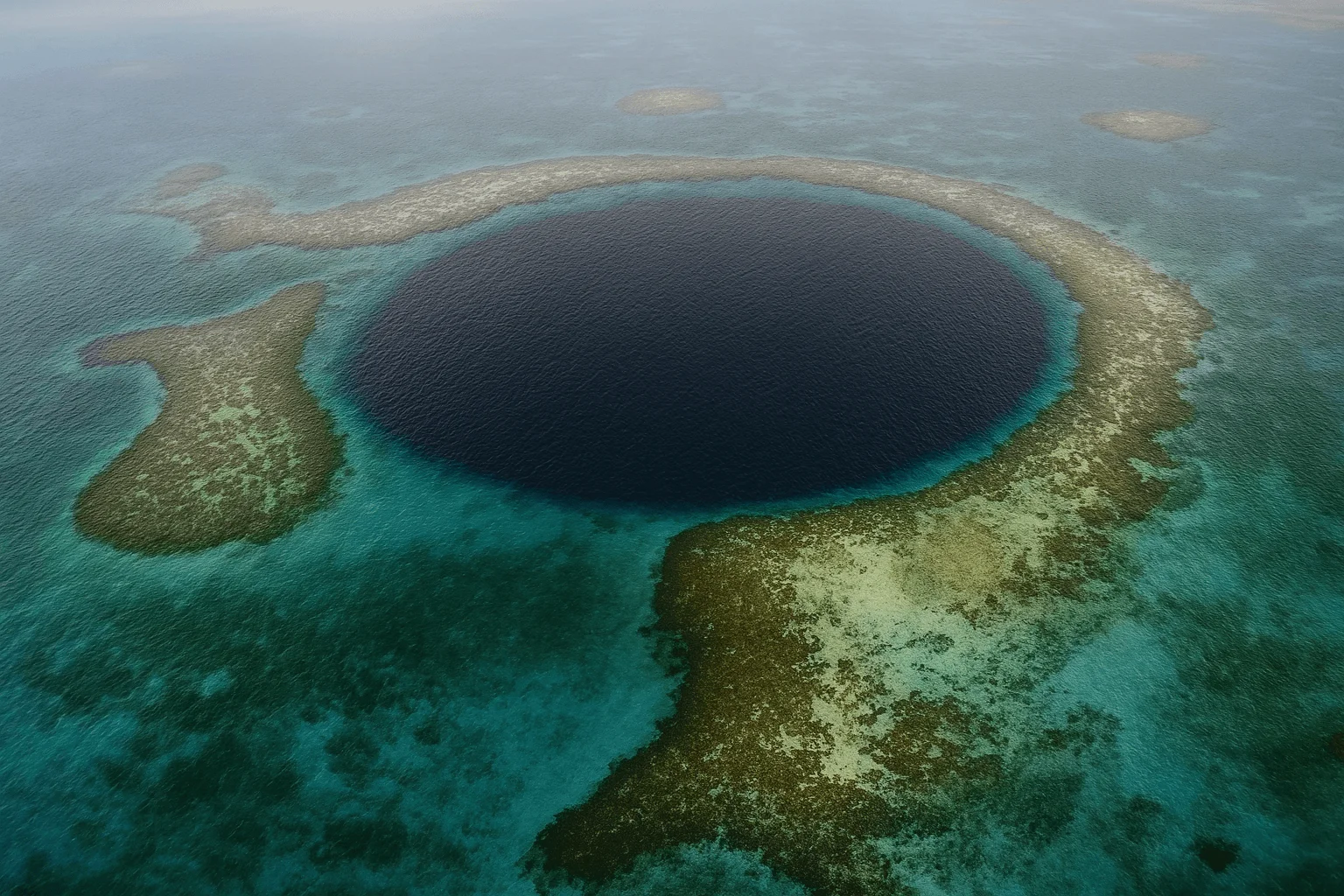
Straddling the Caribbean and Central America, Belize is home to the world’s second‑largest barrier reef and a string of offshore atolls. Warm, clear water and a relaxed tropical vibe make it a favourite with divers of all levels. The flagship attraction is the Great Blue Hole, a 300‑m‑wide limestone sinkhole plunging to 124 m, but Belize’s real magic lies in its walls and coral gardens. Turneffe Atoll and Lighthouse Reef teem with reef sharks, turtles, eagle rays and massive barrel sponges. Gladden Spit hosts whale sharks from April to June, while Hol Chan Marine Reserve and Shark Ray Alley offer easy snorkelling with nurse sharks and stingrays. Whether you’re a beginner completing your first course or an experienced diver chasing pelagics, Belize delivers with friendly people and laid‑back island life.
Dahab
Dahab is a laid‑back Bedouin village on Egypt’s Sinai Peninsula that has become a magnet for divers and free divers alike. The fringing reef starts just a few metres from the beach, dropping into a coral‑covered plateau and steep walls cut by canyons and chimney‑like holes. From beginner‑friendly shore entries at Lighthouse and Coral Garden to the legendary Blue Hole and Canyon, Dahab offers reef gardens full of anthias, butterflyfish and turtles as well as thrilling drift dives and deep blue walls. Year‑round sunshine, clear desert air and a bohemian vibe make it easy to spend weeks exploring the many dive sites along the shoreline and by boat.
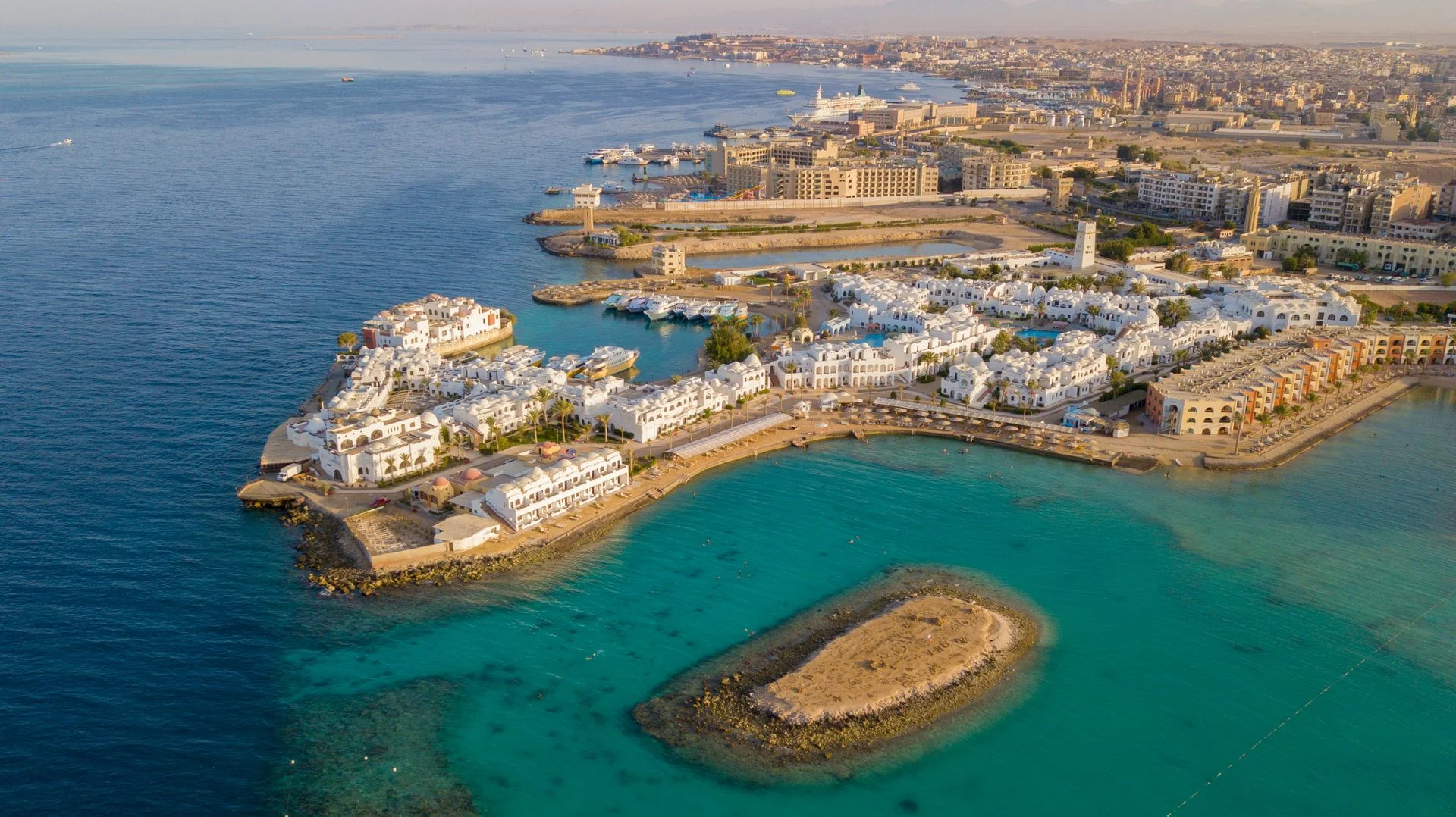
Hurghada (Red Sea)
Hurghada is one of Egypt’s original Red Sea resorts and remains a popular base for day‑boat diving and liveaboard departures. Situated on the mainland’s eastern shore, the city offers easy access to a wide variety of reefs, wrecks and islands within a short boat ride. Warm, clear waters, gentle conditions and lively coral gardens make Hurghada ideal for training and fun diving, while nearby sites such as Abu Nuhas and the Thistlegorm wreck keep more experienced divers enthralled. Topside, the modern resort town boasts a lively promenade, international restaurants and plenty of après‑dive entertainment.
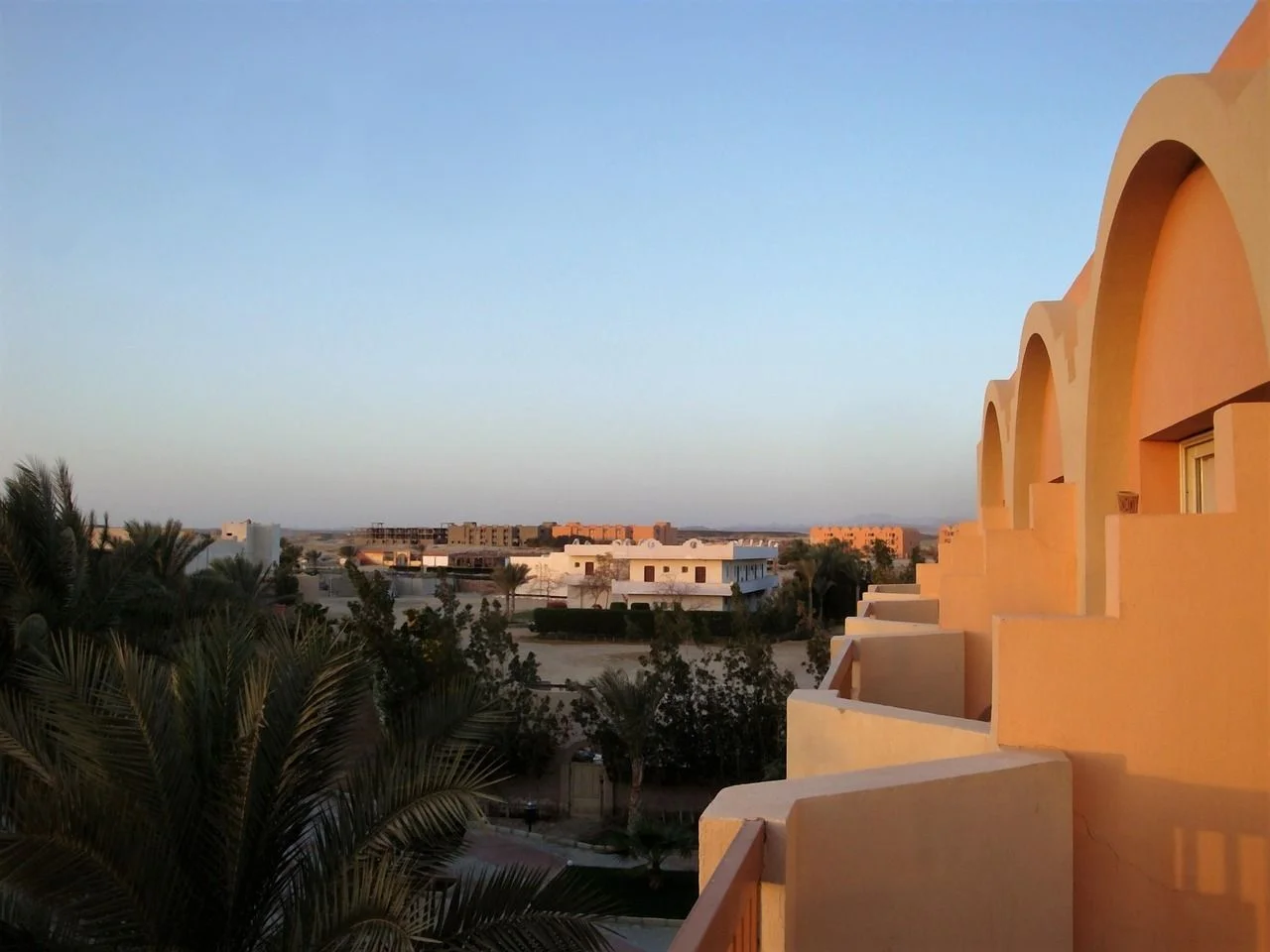
Marsa Alam
Once a sleepy fishing village on Egypt’s southern Red Sea coast, Marsa Alam is now synonymous with pristine reefs, encounters with sharks and dolphins, and long, deep walls far from the crowds. Stretching from El Quseir in the north to Wadi Lahami in the far south, the region encompasses famous offshore pinnacles such as Elphinstone and Daedalus, seagrass meadows where dugongs graze, and shallow bays sheltering green turtles. Compared to Hurghada and Sharm, the reef systems here are relatively untouched and the crowds thin, making Marsa Alam ideal for divers seeking pelagics, dramatic drop‑offs and a taste of the desert wilderness.
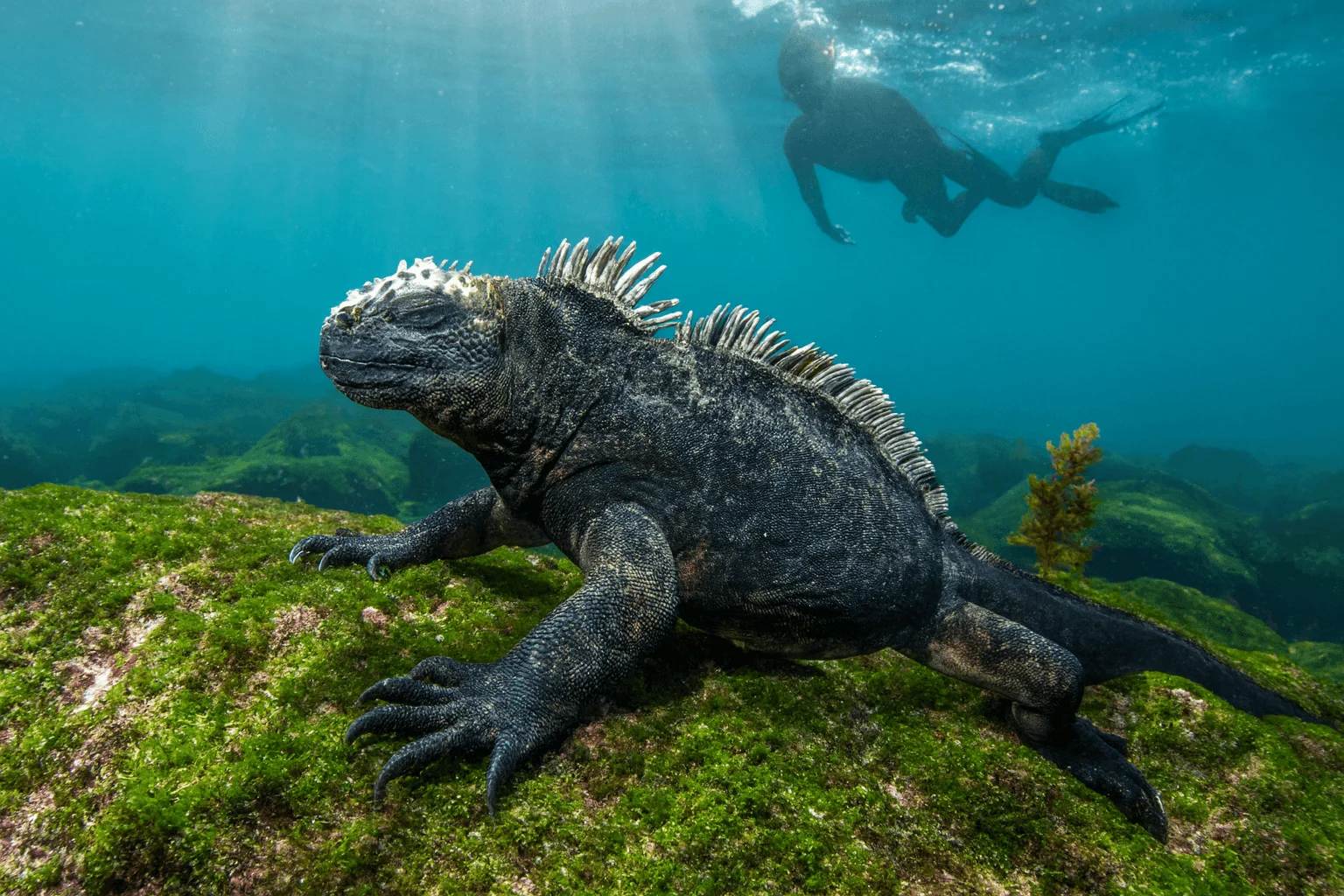
Galapagos
The Galápagos Islands sit 1 000 km off mainland Ecuador and are famous for their remarkable biodiversity both above and below the water. Created by volcanic hot spots and washed by the converging Humboldt, Panama and Cromwell currents, these remote islands offer some of the most exhilarating diving on the planet. Liveaboard trips venture north to Darwin and Wolf islands, where swirling schools of scalloped hammerheads and hundreds of silky and Galápagos sharks patrol the drop‑offs. Other sites host oceanic manta rays, whale sharks, dolphins, marine iguanas, penguins and playful sea lions. Strong currents, cool upwellings and surge mean the dives are challenging but incredibly rewarding. On land you can explore lava fields, giant tortoise sanctuaries and blue‑footed booby colonies.
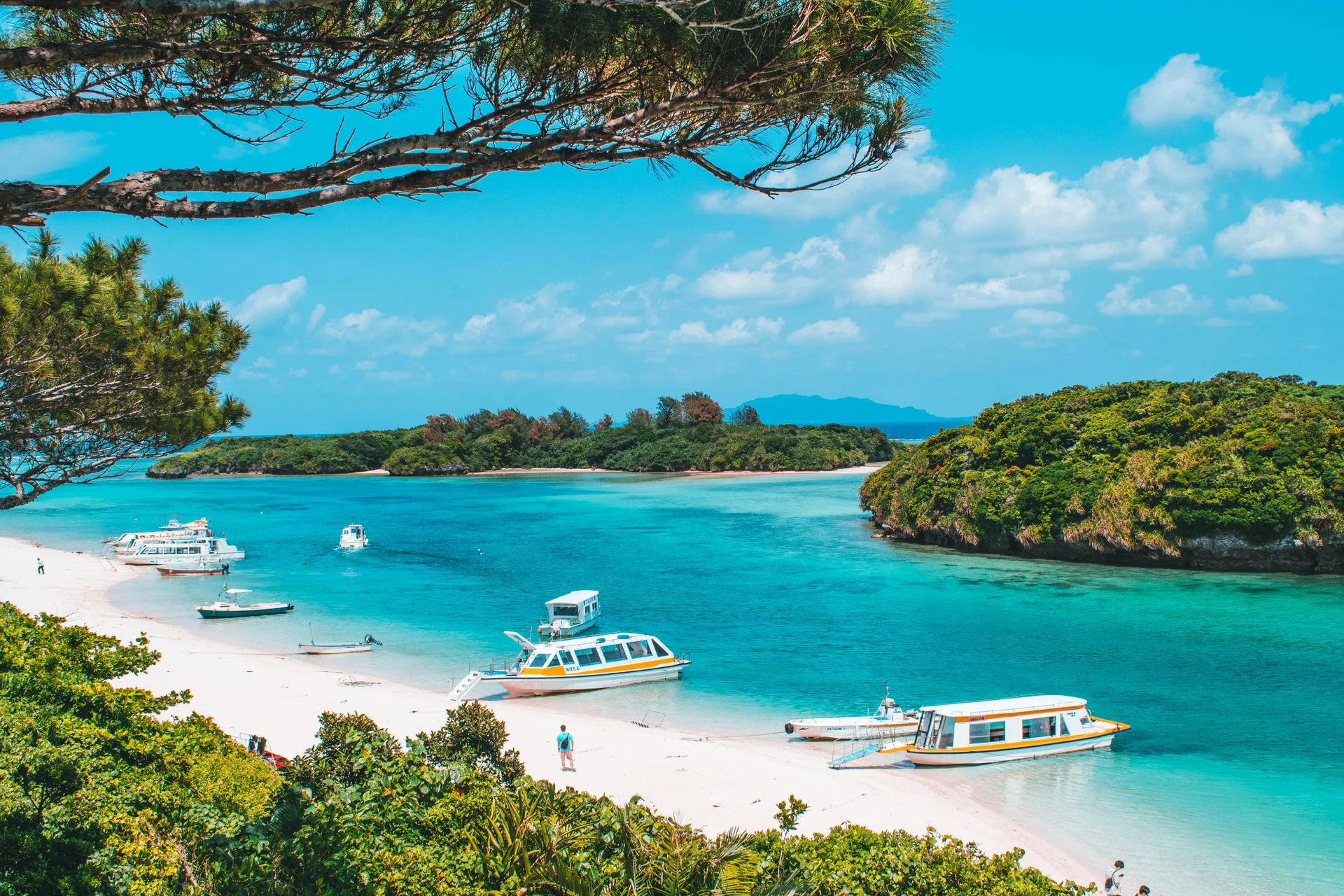
Okinawa
Straddling the subtropical Ryūkyū chain in Japan’s far south, Okinawa Prefecture is a mosaic of islands offering everything from shallow coral gardens to deep wrecks and wild drift dives. The main island provides easy access to the vibrant reefs of the Kerama National Park, where Tokashiki and Zamami Islands boast pristine hard corals, sea fans and more turtles than you can count. Just offshore, Cape Manza’s Dream Hole drops through a chimney into a colourful cavern system teeming with soldierfish, angelfish and feather stars. Further north, history buffs can dive the 100‑metre USS Emmons, a WWII destroyer resting intact at 35–40 m. Closer to shore, Cape Maeda’s Blue Cave offers an easy swim‑through with magical blue light – but expect crowds. Away from the main island, Okinawa’s outer islands extend the experience: Ishigaki’s Manta Scramble (April–Nov) promises manta ray ballets, Yonaguni’s currents bring hammerhead sharks in winter, and Miyako’s caves and tunnels deliver topography diving at its finest. Whether you crave reef fish, big pelagics, swim‑throughs or macro critters, Okinawa’s warm, clear waters offer a Japanese diving adventure for every level of diver.