
Panda Nudibranch
Jorunna funebris
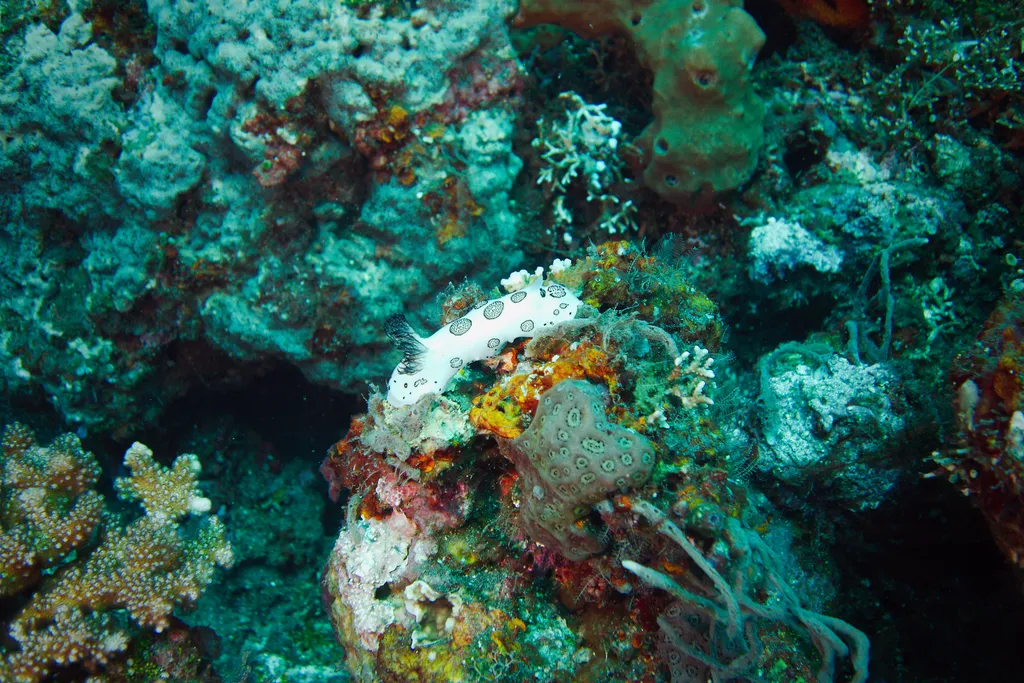
Photo by Paul Kli / CC BY-SA 2.0 via Wikimedia Commons
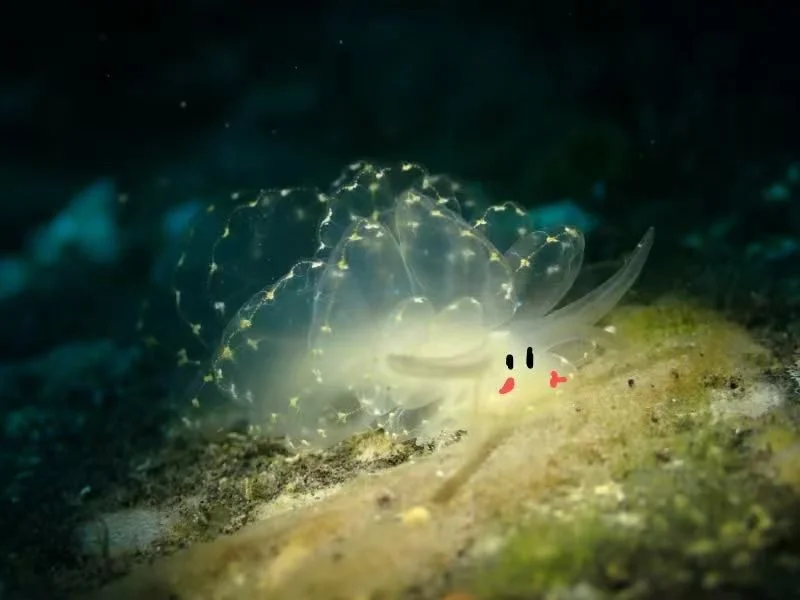
The Panda Nudibranch is one of those critters that turns a routine reef dive into a serious macro mission. At first glance it looks cartoonish: a soft white body dusted with black spots, plus jet-black rhinophores and gills that make the whole animal look hand-inked. In current, those fuzzy dorsal papillae give it a slightly blurred outline, which is a classic field clue when your torch first catches one crossing rubble.
This species is a sponge specialist. If you find the right sponge patch, especially where blue and encrusting forms dominate broken reef substrate, your odds go up dramatically. Divers often think they are randomly scattered; in practice they show up in repeatable micro-zones once you learn which substrate transitions to check.
For photographers, it is ideal "slow moving but never static" behavior: steady crawl, occasional body arching, and expressive gill/rhinophore posture. That means you can work composition patiently, but still need shutter discipline because surge and tiny body movements soften detail fast.
🔬Classification
📏Physical Features
🌊Habitat Info
⚠️Safety & Conservation
Identification Guide
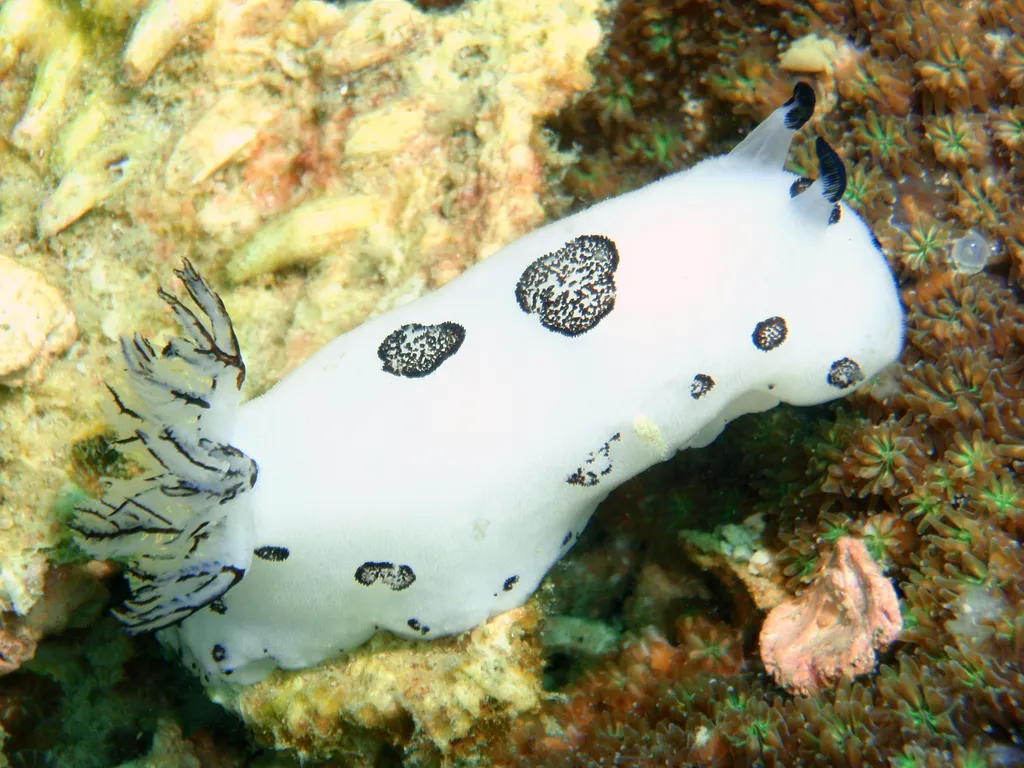
Photo by yeowatzup / CC BY 2.0 via Wikimedia Commons
Field Marks
- White to cream dorsum with dark spots that often form ring-like halos.
- Distinctly dark rhinophores and gills, usually the fastest visual confirmation.
- Body surface appears velvety or fuzzy due to caryophyllidia (small dorsal papillae).
- Broad, oval dorid profile with mantle edge extending beyond the foot.
Separate It from Similar "Black-and-White" Dorids
- Jorunna rubescens and similar species can show different spot density and less striking black gill/rhinophore contrast.
- Some Discodoris species look mottled rather than clean ringed spots.
- Shoot a top-down ID frame including rhinophores + gill crown + mantle pattern before moving for artistic angles.
Behavior Cues
- Usually gliding on or near sponge substrate.
- May pause and lift the front edge slightly while feeding.
- Egg ribbon can appear nearby as a pale spiral, helping confirm active occupation of a patch.
Top 10 Fun Facts about Panda Nudibranch
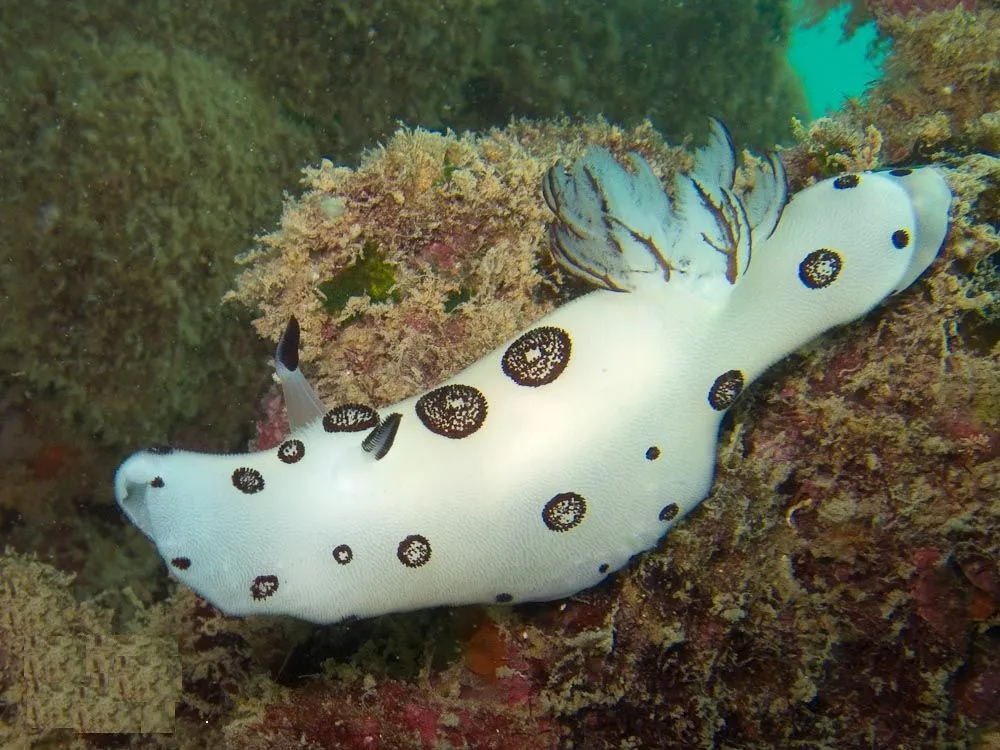
Photo by Chaloklum Diving / CC BY 3.0 via Wikimedia Commons
1. The "Panda" Look Is Functional Contrast
Divers love the cute black-and-white pattern, but that high contrast is also practical for species recognition during mating and spacing behavior in a visually busy reef background.
2. It Is a Sponge Specialist, Not a General Grazer
Jorunna funebris feeds primarily on selected sponges (records include Xestospongia, Haliclona-group, and related taxa). If prey sponge is absent, this nudibranch usually is too.
3. Chemistry Is Borrowed from Diet
The species is known for bioactive alkaloids (including jorumycin-related compounds) associated with sponge-derived chemistry. In simple diver terms: it carries "do not eat me" chemistry rather than speed or armor.
4. Small Body, Big Pharmaceutical Interest
Compounds linked to this species have been studied because they share scaffolds relevant to anticancer research. It is one of the classic examples where macro critter observation intersects marine biochemistry.
5. Fuzzy Texture Comes from Caryophyllidia
That soft, dusted appearance is not camera blur alone. The mantle is covered with tiny papillae, which is why even sharp macro frames can still show a plush-looking surface.
6. Reproductive Signals Are Often Nearby
As a simultaneous hermaphrodite, it can exchange sperm with partners and lay spiral egg ribbons on suitable substrate. Finding eggs can indicate a productive patch worth revisiting over consecutive dives.
7. Distribution Is Indo-Pacific Wide but Patchy Underwater
Reported from the Red Sea/Indian Ocean through Southeast Asia to the Pacific, but in real dive operations sightings are still micro-local and substrate-dependent, not evenly spread.
8. Most Encounters Happen Shallow
Although records extend deeper, many diver encounters are in shallow reef flats and upper slope zones where sponge growth is dense and navigation time allows careful macro searching.
9. Great Subject for "Behavior Macro"
It moves slowly enough for precise framing yet actively enough for storytelling: feeding posture, crawling trajectory, and interactions with substrate all produce more compelling images than static portraits.
10. A Perfect Example of Why Buoyancy Matters
One careless fin kick can bury the exact rubble-sponge mosaic this species depends on. Good trim, low silt disturbance, and patient hovering directly improve both sightings and habitat quality.
Diving & Observation Notes
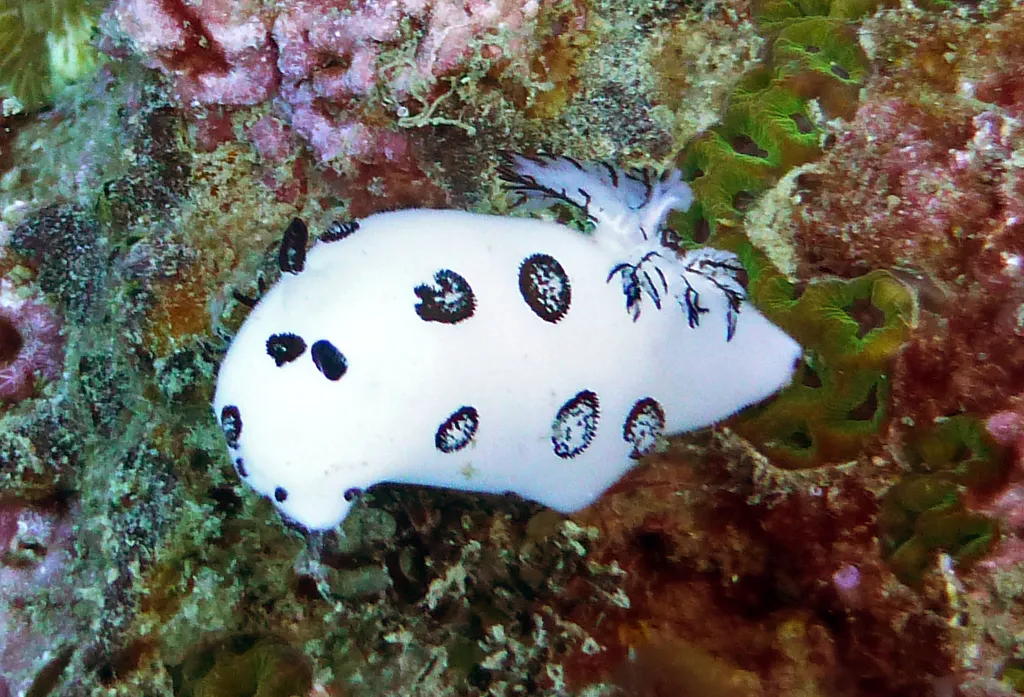
Photo by Amada44 / CC BY-SA 4.0 via Wikimedia Commons
🧭 Where to Search First
Start with low-relief rubble and sponge patches at macro pace, not fish-hunting pace. In many Indo-Pacific sites, the productive strip is the transition between coral fragments and encrusting sponge growth.
🤿 Approach Strategy
Keep your light angle shallow and avoid blasting directly from above. This species does not bolt like fish, but repeated torch shock and silt wash still disrupt feeding behavior and ruin photo opportunities.
📸 Photo Workflow
- Open with an ID frame (top-down, full body, rhinophores + gills visible).
- Then move to portrait detail: rhinophore texture, spot halos, gill crown.
- Use faster shutter than expected in surge; tiny body sway is enough to soften macro detail.
- If available, use snoot or controlled side light to separate white body from bright rubble.
🌙 Night Dive Notes
Night and dusk often improve encounter rates. Maintain strict buddy awareness because macro fixation can tunnel your attention; set periodic "location checks" every minute.
⚖️ Ethics and Site Care
Never flip substrate to "force" sightings. Do not reposition the animal for composition. The best operators keep groups small and rotate shooters so one patch is not crowded for an entire dive.
Best Places to Dive with Panda Nudibranch
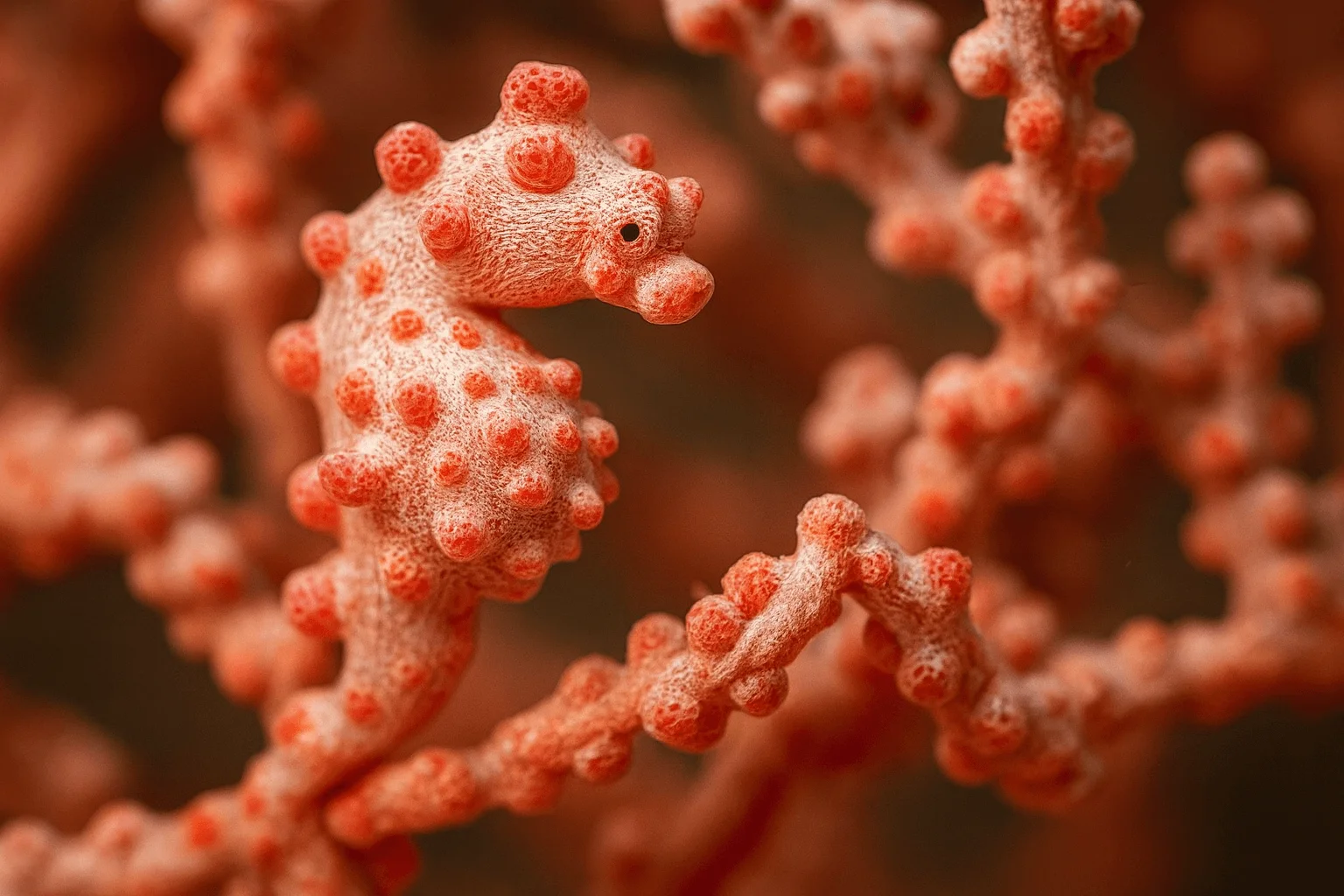
Anilao
Anilao, a small barangay in Batangas province just two hours south of Manila, is often called the macro capital of the Philippines. More than 50 dive sites fringe the coast and nearby islands, offering an intoxicating mix of coral‑covered pinnacles, muck slopes and blackwater encounters. Critter enthusiasts come for the legendary muck dives at Secret Bay and Anilao Pier, where mimic octopuses, blue‑ringed octopuses, wonderpus, seahorses, ghost pipefish, frogfish and dozens of nudibranch species lurk in the silt. Shallow reefs like Twin Rocks and Cathedral are covered in soft corals and teem with reef fish, while deeper sites such as Ligpo Island feature gorgonian‑covered walls and occasional drift. Because Anilao is so close to Manila and open year‑round, it’s the easiest place in the Philippines to squeeze in a quick diving getaway.
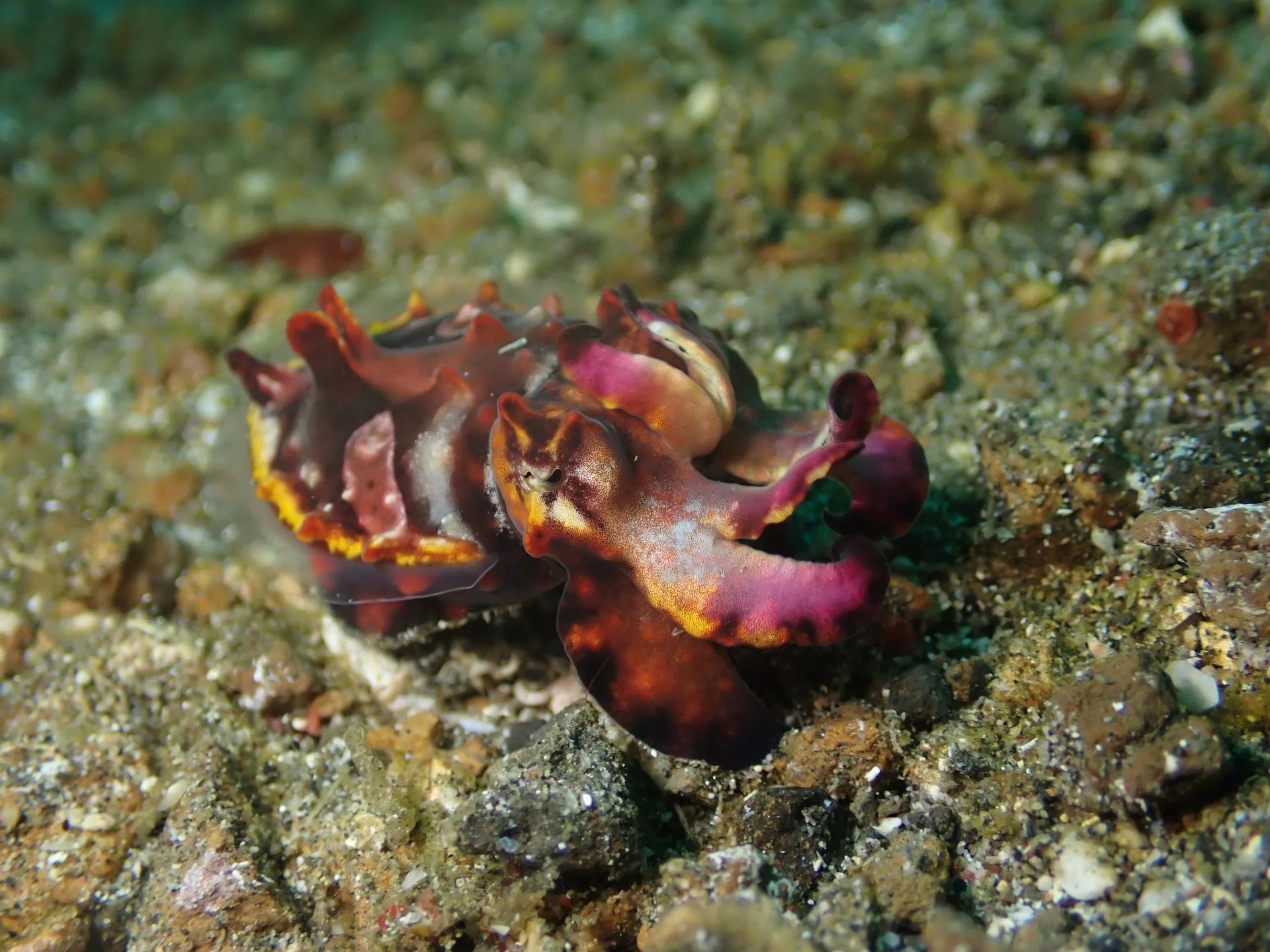
Lembeh
The Lembeh Strait in North Sulawesi has become famous as the muck‑diving capital of the world. At first glance its gently sloping seabed of black volcanic sand, rubble and discarded debris looks bleak. Look closer and it is teeming with weird and wonderful life: hairy and painted frogfish, flamboyant cuttlefish, mimic and blue‑ringed octopuses, ornate ghost pipefish, tiny seahorses, shrimp, crabs and a rainbow of nudibranchs. Most dives are shallow and calm with little current, making it an ideal playground for macro photographers. There are a few colourful reefs for a change of scenery, but Lembeh is all about searching the sand for critter treasures.
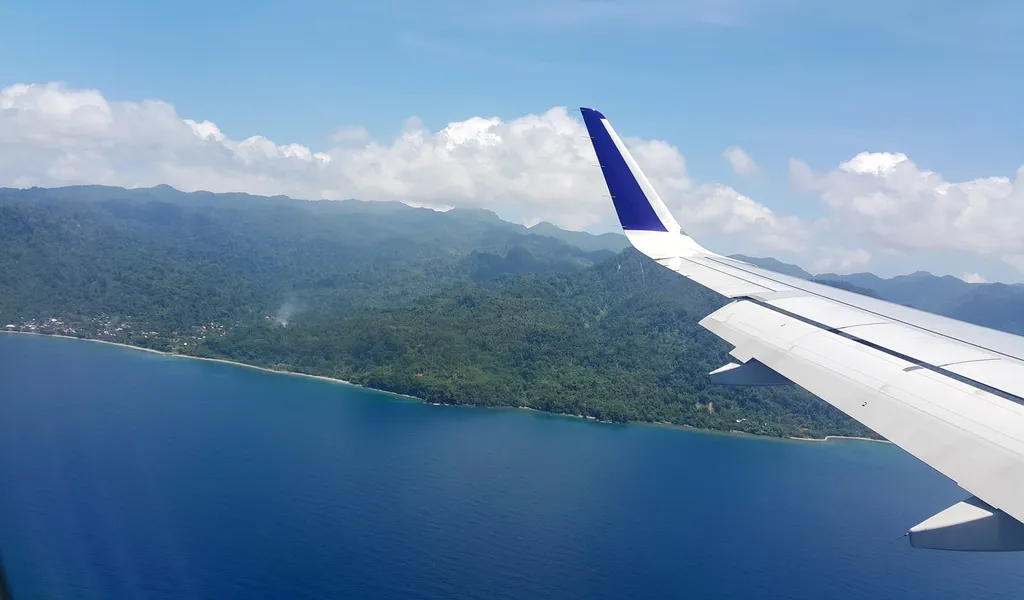
Ambon
Ambon sits in Indonesia’s Maluku (Spice Islands) and is one of the world’s elite muck destinations—often ranked alongside Lembeh for rare critters, without the crowds. The heart of the action is Ambon Bay around Laha village near the airport: black volcanic sand slopes, rubble, pier posts and discarded debris that somehow host psychedelic frogfish (endemic to Ambon waters), rhinopias, flamboyant cuttlefish, mimic and wonderpus octopuses, ghost pipefish and endless nudibranchs. Most bay dives stay 5–35 m with long bottom times that photographers love. When weather allows, the south and east coasts flip the script—healthy hard coral, walls, arches at Pintu Kota, the swim-throughs of Hukurila Cave, and the critter-coated Duke of Sparta wreck. Expect modest lodging in Laha or resort packages further around the bay; July–August monsoon often closes operators.
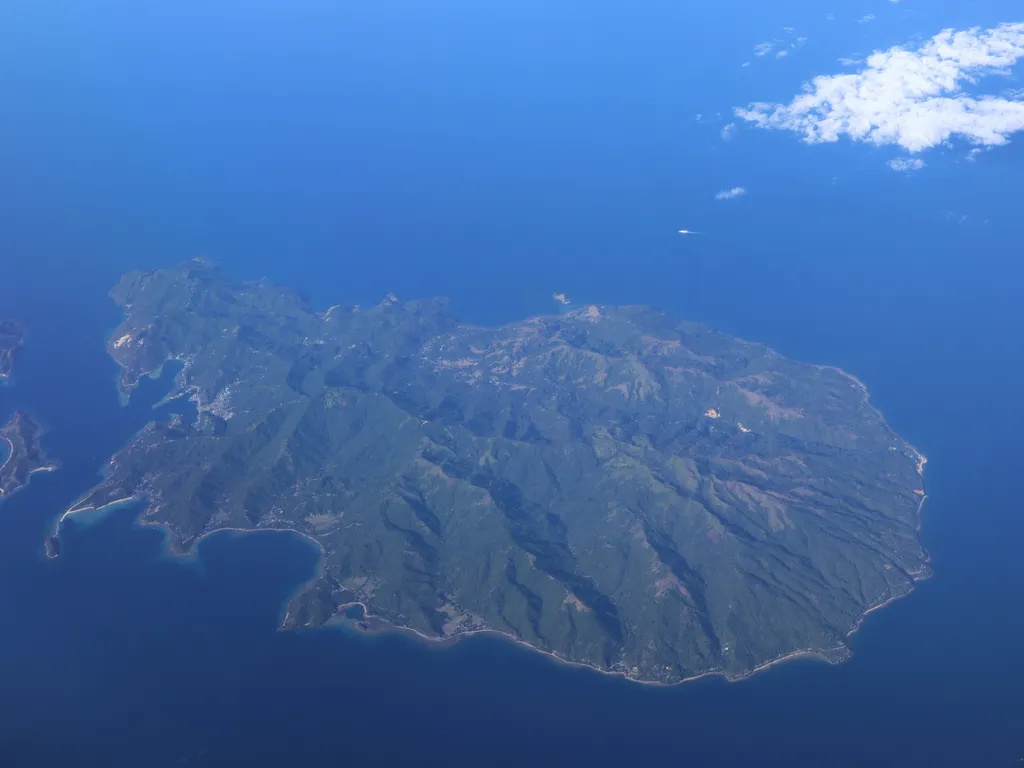
Romblon
Romblon is the Philippines' quiet answer to Lembeh—a province of small islands in the Sibuyan Sea where muck slopes, fan-coral walls and marine sanctuaries stack up without the resort sprawl. Most divers base in Lonos on Romblon Island, a short hop from Tablas, and spend days hopping between black-sand critter hunts and healthier reef drops. Signature finds include wunderpus, flamboyant cuttlefish, blue-ringed octopus, four pygmy seahorse species, Melibe colemani and Cyerce nudibranchs, plus eagle rays, sea snakes and schooling fish on the outer sites. Add a chimney dive at The Blue Hole on Tablas, cavern walls at Agpanabat, and night blackwater drifts over Romblon Pass when you want something stranger than another frogfish portrait.
Tulamben(Bali)
Tulamben sits on Bali’s northeast coast and is best known for the USAT Liberty shipwreck – a 125‑metre cargo ship torpedoed in WWII that now lies just a short swim from shore. Warm water, mild currents and straightforward shore entries make diving here relaxed for all levels. Besides the wreck, divers can explore coral gardens, black‑sand muck sites and dramatic drop‑offs. Macro lovers will find nudibranchs, ghost pipefish, mimic octopus and pygmy seahorses, while big‑fish fans can encounter schooling jackfish, bumphead parrotfish and reef sharks. With a compact coastline packed with variety, Tulamben delivers world‑class wreck and critter diving without long boat rides.
Komodo
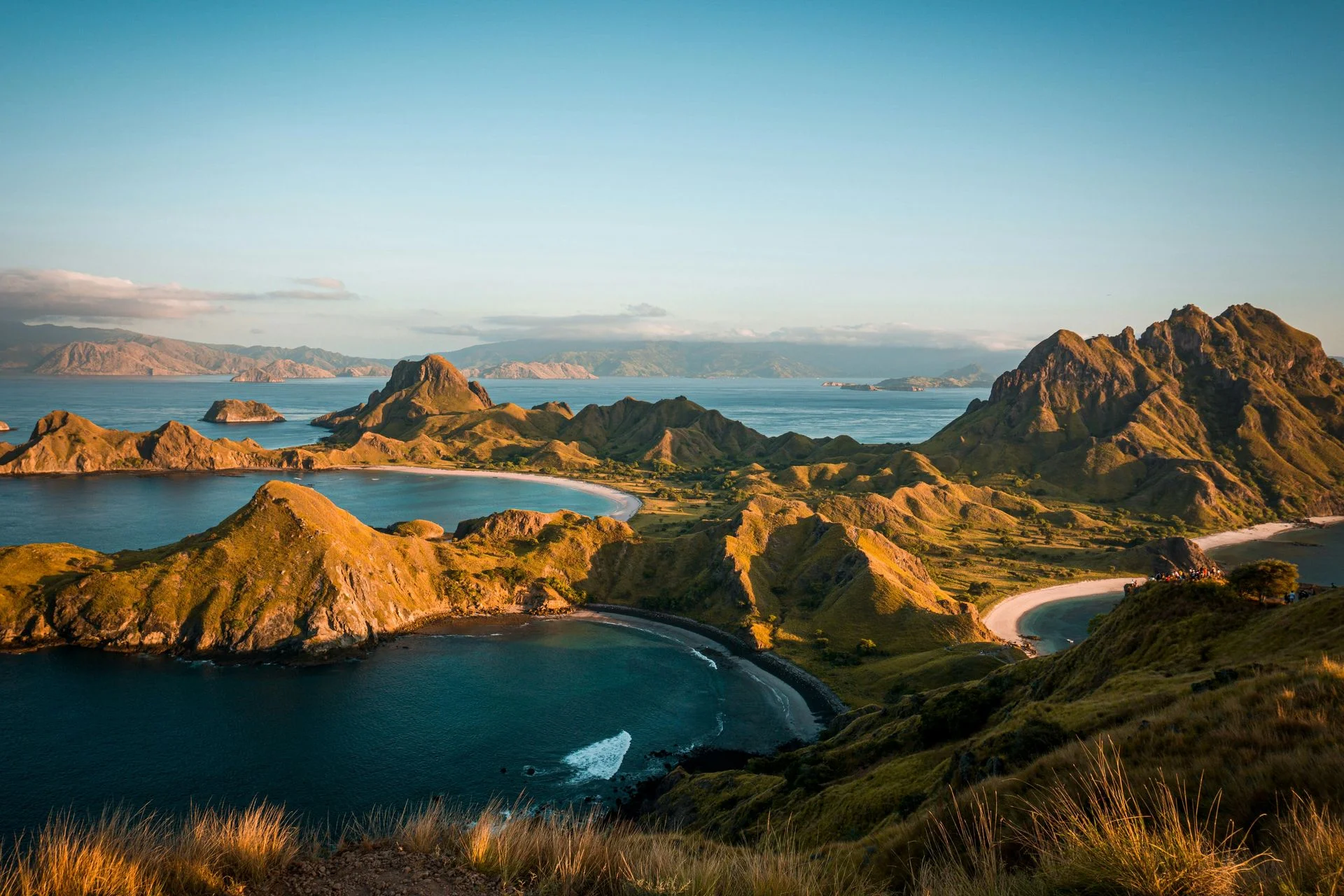
Komodo National Park is a diver’s paradise full of marine diversity: expect healthy coral gardens, reef sharks, giant trevallies, countless schools of fish, and frequent manta ray sightings at sites like Manta Point and Batu Bolong. Drift dives and dramatic reef structures add excitement, while both macro lovers and big-fish fans will find plenty to love. Above water, the wild Komodo dragons roam, giving a touch of prehistoric wonder to the whole trip.