
Lembeh Seadragon
Kyonemichthys rumengani
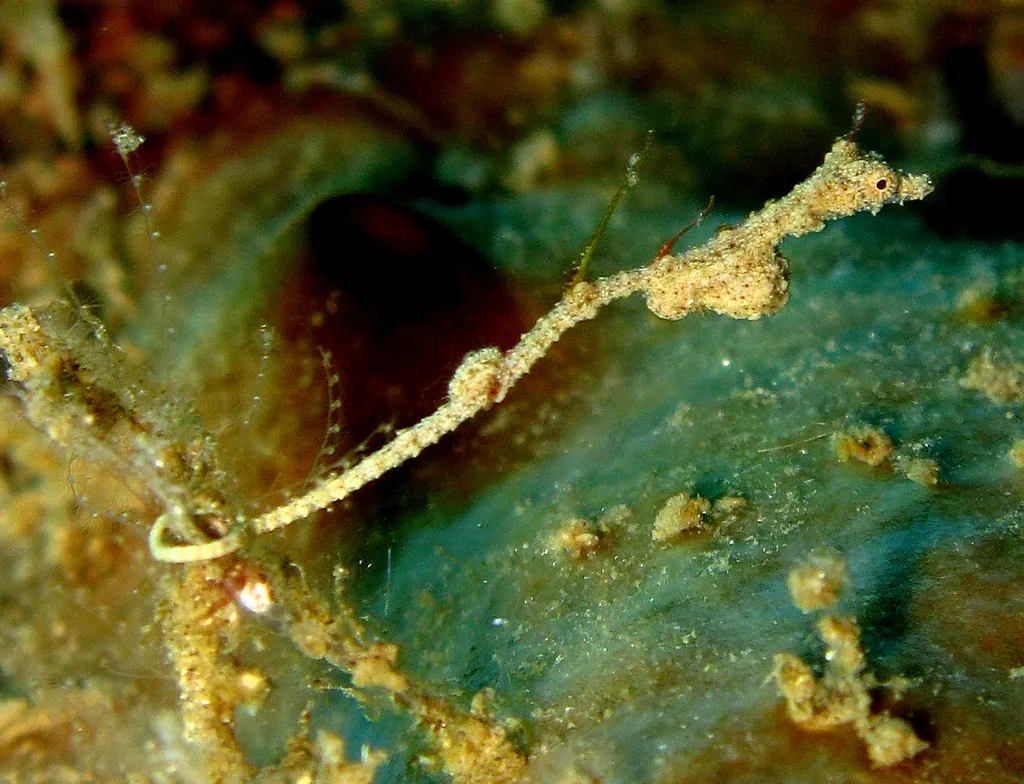
Photo by Stephen Childs / CC BY 2.0 via Wikimedia Commons
The Lembeh Seadragon (Kyonemichthys rumengani) is not a true seadragon like Australia's leafy or weedy species—it is a miniature pipehorse in the syngnathid family, described in 2007 from the Lembeh Strait. Divers nicknamed it for its slow, undulating swim that echoes Australian seadragons, even though it is closer kin to pipefish and seahorses.
At roughly 3–4 cm and barely 1 mm thick, it is one of the most extreme macro targets in muck diving. Guides first noticed it around 2006 on North Sulawesi walls; today it is a signature critter of Lembeh, though records now stretch across the Indo-Pacific from the Philippines to southern Japan. Finding one is less about luck than knowing which bommie has a resident pair—and having the patience to scan a vertical face millimeter by millimeter.
🔬Classification
📏Physical Features
🌊Habitat Info
⚠️Safety & Conservation
Identification Guide
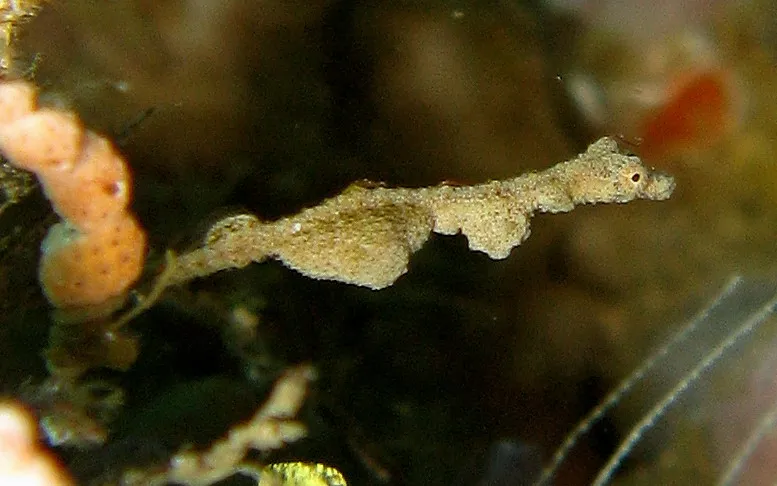
Photo by Steve Childs / CC BY 2.0 via Wikimedia Commons
Search vertical substrate—overhangs, wall faces, coral bommies, and crevices around 15–20 m—not open sand patches.
Key Field Marks
- Extremely thin, thread-like profile—easy to mistake for a stray hydroid filament or bit of algae
- Short head and snout angled slightly to the body axis; swollen trunk with a subtle medial constriction
- Flexible prehensile tail wrapped around holdfasts; no caudal fin
- Dorsal fin set far back on the tail (around the 8th tail ring)
- Pale silvery to tan base color with pink, orange, or red highlights; tiny dermal appendages along the body
- Typically seen in pairs; multiple pairs possible on one bommie
Similar Species
- Pipefish (Corythoichthys, Doryrhamphus spp.): usually more rigid, horizontal posture, and larger snout-to-body ratio
- Pygmy seahorses (Hippocampus bargibanti, denise): true seahorses with upright posture and ringed bodies on gorgonians
- Idiotropiscis and other pipehorses: overlapping size class; expert guides separate them by trunk ring counts and fin placement
Male vs. Female
Males carry eggs in a brood pouch on the trunk; pregnant males look slightly fuller mid-body. Courtship pairs may swim together off the wall near dusk.
Top 10 Fun Facts about Lembeh Seadragon
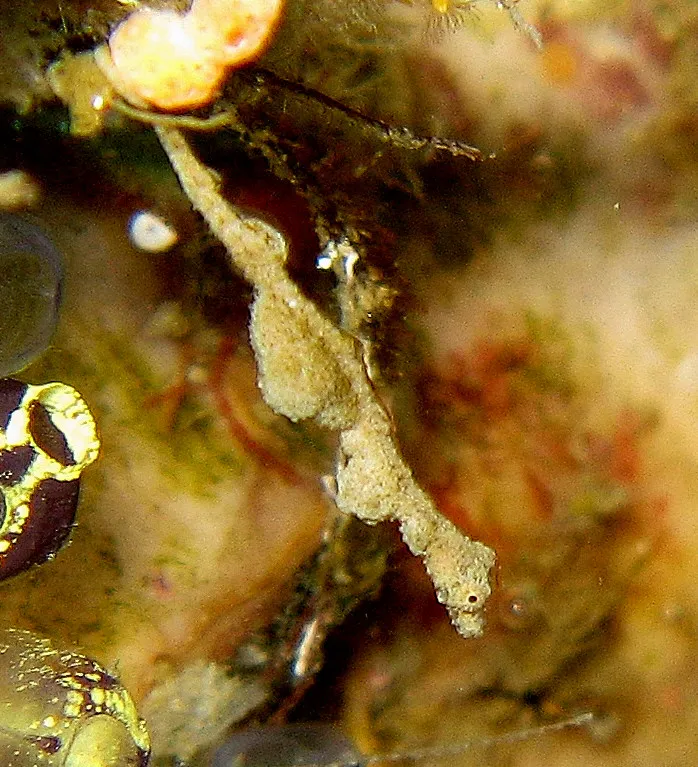
Photo by Steve Childs / CC BY 2.0 via Wikimedia Commons
1. Named for a Local Legend
The species epithet rumengani honors Noldy Rumengan, an Indonesian dive guide from Sulawesi who helped bring this cryptic fish to science. The genus name Kyonemichthys means "swollen thread fish"—a perfect description of its bizarre body plan.
2. Brand-New Genus in 2007
Martin Gomon described Kyonemichthys rumengani in 2007 from a single 26.8 mm female holotype collected at 16.5–18 m in Lembeh Strait. It is still the only species in its genus—one of the rarest taxonomic situations in reef fish.
3. Not an Australian Seadragon
Despite the common name, it belongs to Syngnathidae (pipefishes and seahorses), not the Australian seadragon lineage. Divers coined "Lembeh seadragon" because paired individuals ripple through the water in a similar slow, drifting style.
4. Thinner Than Your Dive Computer Strap
Adults reach only 3–4 cm length but are about 1 mm wide in profile—literally thread-like. On a wall covered in hydroids and algae, your brain will reject that this is a vertebrate until the eye resolves.
5. Tail-Anchored Lifestyle
Pairs usually hang by their prehensile tails from overhangs, bommies, or crevices. Before sunset they may detach and court in open water—a brief window macro shooters chase every trip.
6. Bommie Fidelity
At sites like Nudi Falls and resort house reefs, guides maintain mental maps of resident pairs. Some bommies host up to ten pairs in one small area—a crazy density for such a rare-looking animal.
7. Indo-Pacific Stowaway
First found in Lembeh, but specimens are now recorded from the Philippines, Papua New Guinea, southern Japan, the Red Sea, and beyond—always on shallow mixed reefs with good holdfasts.
8. Syngnathid Oddities
It has 9 trunk rings and 51 tail rings (most pipehorses differ), a posterior dorsal fin originating on the 8th tail ring, and no caudal fin—a combination that forced taxonomists to erect a new genus rather than squeeze it into existing pipehorse groups.
9. Male Pregnancy
Like seahorses and many syngnathids, males brood embryos in a ventral pouch. Spotting a pregnant male is a prized macro moment—slightly distended trunk, still impossibly thin from the side.
10. The Ultimate Macro Lens Test
A 100 mm macro isolates individuals on a wall; a 60 mm captures courting pairs in the water column. Either way you need excellent buoyancy, minimal backscatter, and a guide who will not rush the search—this fish punishes hurried divers.
Diving & Observation Notes
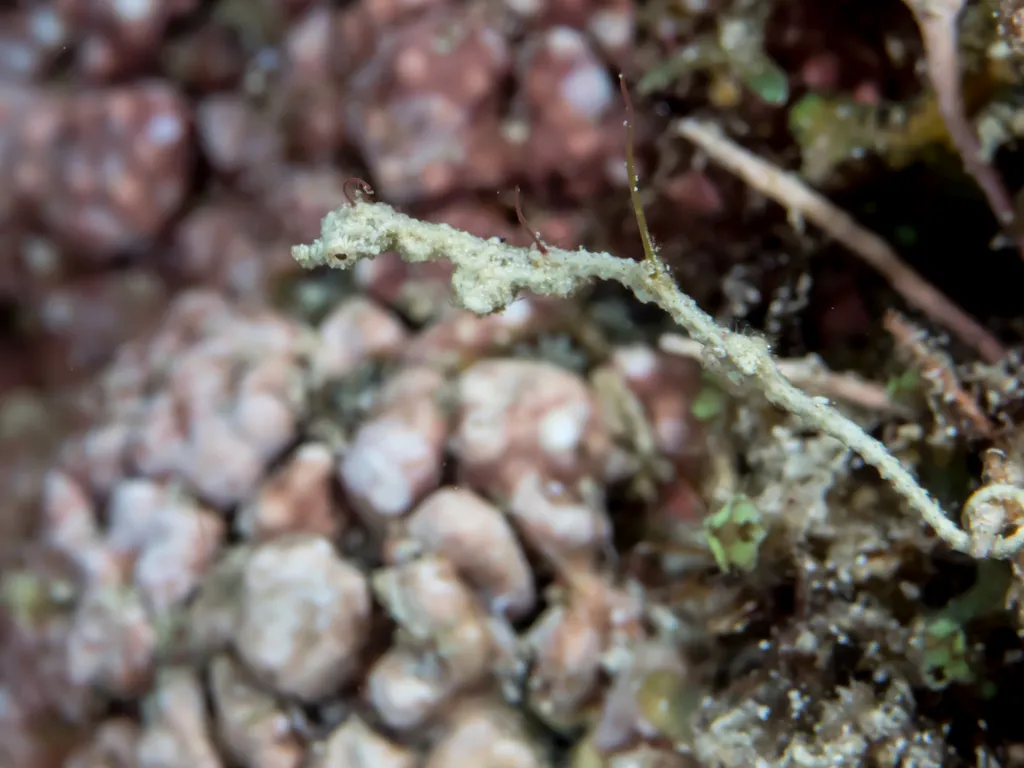
Photo by Rickard Zerpe / CC BY 2.0 via Wikimedia Commons
🧭 Where Guides Find Them
Start in Lembeh Strait at classic wall-and-bommie sites—Nudi Falls, Pulau Abadi, and established house reefs where pairs have been logged for years. Romblon and Anilao are Philippines alternatives; depth is usually 15–20 m. Ask your guide for "seadragon bommies" before the dive, not mid-dive when everyone's burning bottom time.
👀 Search Technique
Swim parallel to the wall at arm's length and scan vertically—the fish hangs tail-down or along crevices. Look for two parallel threads (a pair) or a slight swollen mid-body against hydroids. A narrow-beam torch at a shallow angle reveals eye shine without washing out the animal.
📷 Photo Approach
- 100 mm macro for tail-anchored portraits; 60 mm if you catch the dusk courtship swim
- Shoot side-on to show the paper-thin profile; head-on looks like a hair
- Snoot or inward strobes reduce backscatter on dark walls
- Pre-focus on the eye; depth of field is brutally shallow at this size
⚠️ Ethics & Buoyancy
Never pull the fish off its holdfast for a "better angle"—the tail grip is its survival strategy. Maintain trim so fins do not scissor hydroids or silt onto the wall. One team per bommie per dive is plenty; overcrowding stresses pairs and ruins shots for everyone.
Best Places to Dive with Lembeh Seadragon
Lembeh
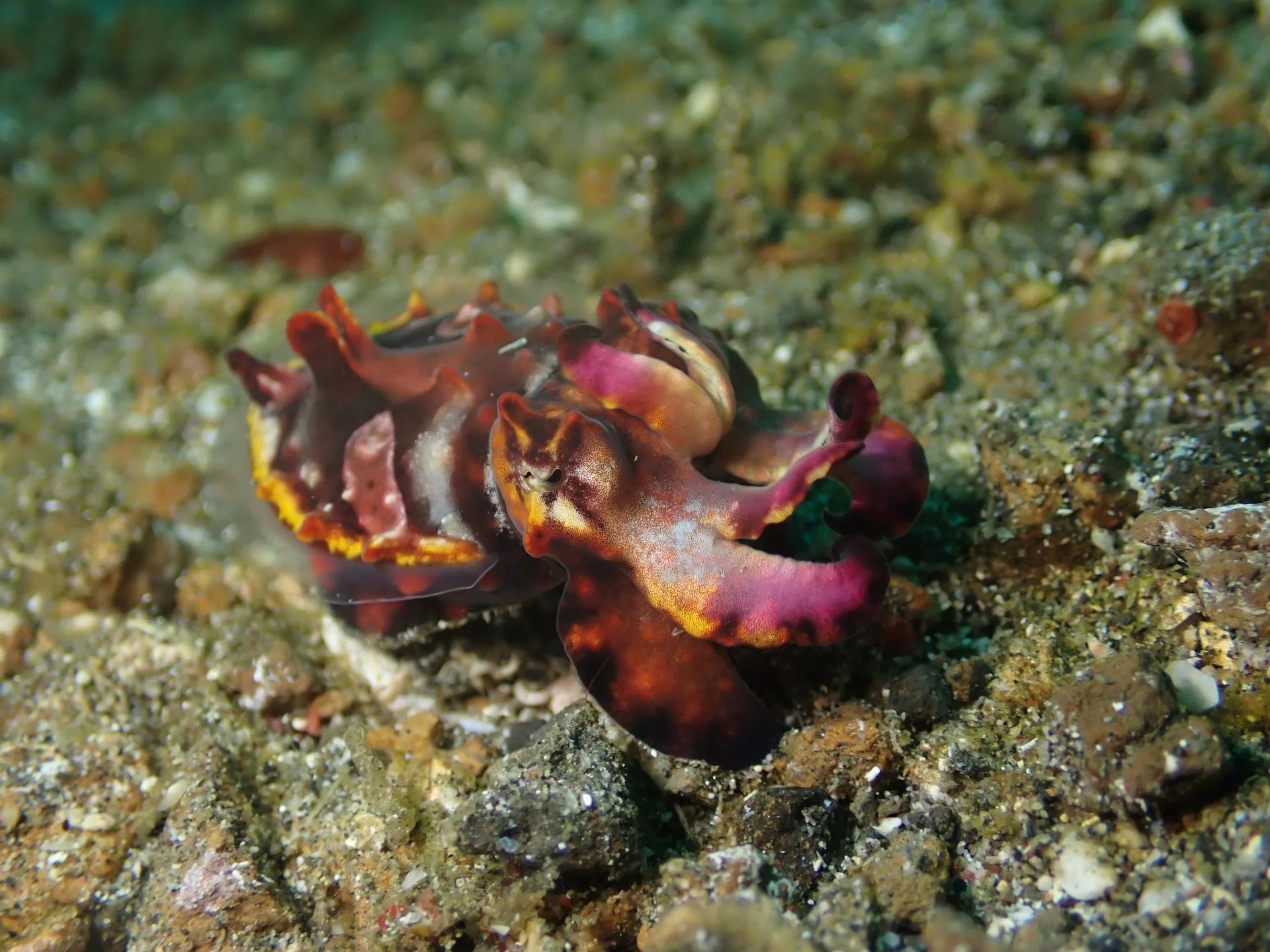
The Lembeh Strait in North Sulawesi has become famous as the muck‑diving capital of the world. At first glance its gently sloping seabed of black volcanic sand, rubble and discarded debris looks bleak. Look closer and it is teeming with weird and wonderful life: hairy and painted frogfish, flamboyant cuttlefish, mimic and blue‑ringed octopuses, ornate ghost pipefish, tiny seahorses, shrimp, crabs and a rainbow of nudibranchs. Most dives are shallow and calm with little current, making it an ideal playground for macro photographers. There are a few colourful reefs for a change of scenery, but Lembeh is all about searching the sand for critter treasures.
Romblon
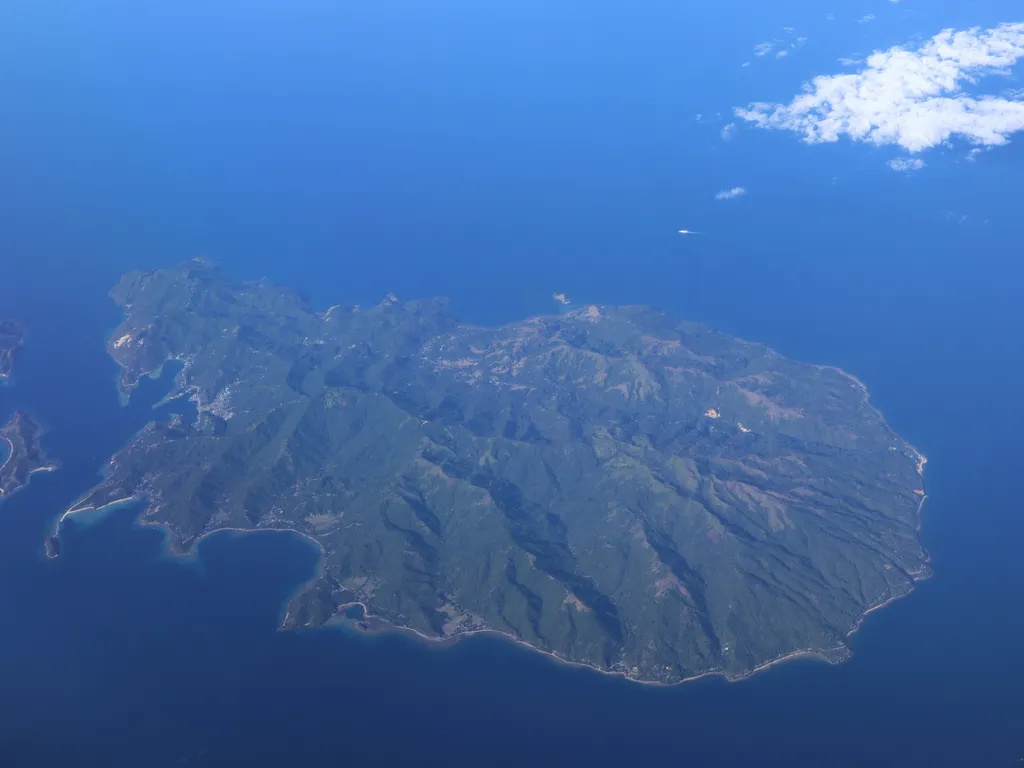
Romblon is the Philippines' quiet answer to Lembeh—a province of small islands in the Sibuyan Sea where muck slopes, fan-coral walls and marine sanctuaries stack up without the resort sprawl. Most divers base in Lonos on Romblon Island, a short hop from Tablas, and spend days hopping between black-sand critter hunts and healthier reef drops. Signature finds include wunderpus, flamboyant cuttlefish, blue-ringed octopus, four pygmy seahorse species, Melibe colemani and Cyerce nudibranchs, plus eagle rays, sea snakes and schooling fish on the outer sites. Add a chimney dive at The Blue Hole on Tablas, cavern walls at Agpanabat, and night blackwater drifts over Romblon Pass when you want something stranger than another frogfish portrait.
Manado
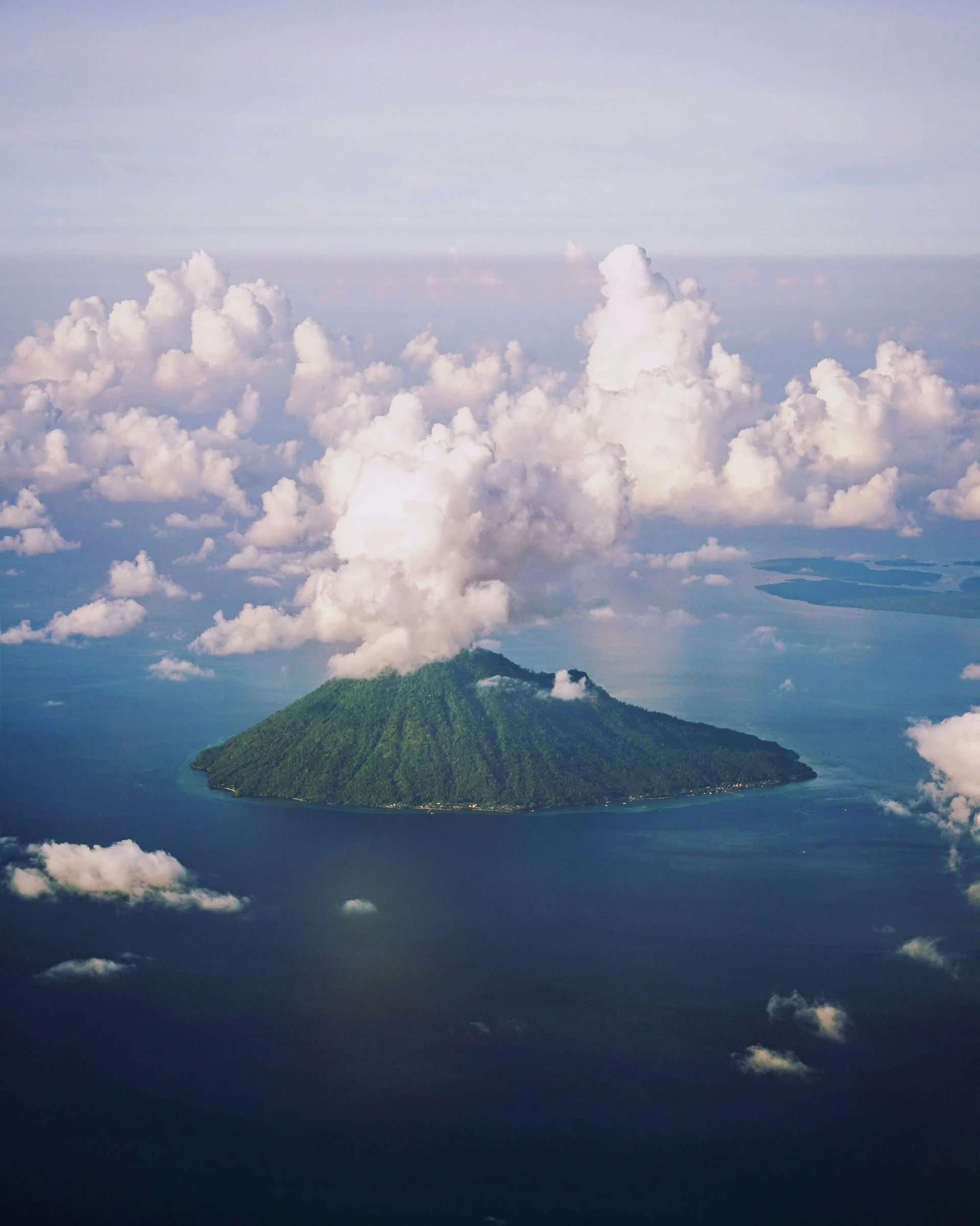
Tucked away in northern Sulawesi, Manado’s coastal waters and Bunaken National Park are a diver’s dream. Sheer coral walls plunge into the deep blue, exploding with sponges, sea fans and tropical fish, while the mainland coast hides muck‑diving gems with seahorses, ghost pipefish and mimic octopus. Dolphins and pilot whales sometimes cruise past, green turtles nap on the reef, and reef sharks and schooling jacks patrol the drop‑offs. Whether you like effortless drift dives along walls or critter hunting in sand and seagrass, Manado balances big‑fish thrills with macro treasures. Warm waters, friendly locals and laid‑back resorts make it perfect for both serious underwater photographers and casual holidaymakers.
Anilao
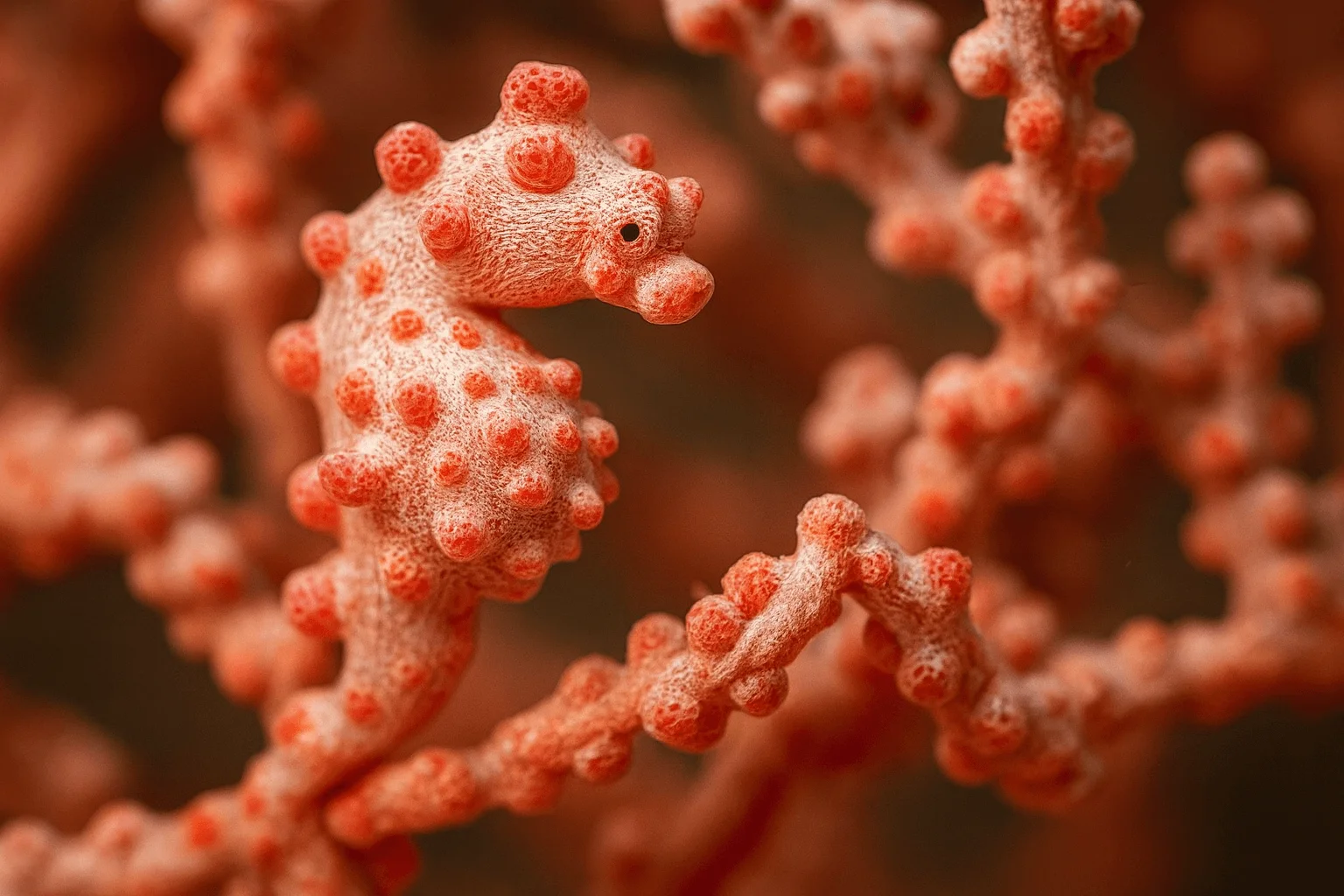
Anilao, a small barangay in Batangas province just two hours south of Manila, is often called the macro capital of the Philippines. More than 50 dive sites fringe the coast and nearby islands, offering an intoxicating mix of coral‑covered pinnacles, muck slopes and blackwater encounters. Critter enthusiasts come for the legendary muck dives at Secret Bay and Anilao Pier, where mimic octopuses, blue‑ringed octopuses, wonderpus, seahorses, ghost pipefish, frogfish and dozens of nudibranch species lurk in the silt. Shallow reefs like Twin Rocks and Cathedral are covered in soft corals and teem with reef fish, while deeper sites such as Ligpo Island feature gorgonian‑covered walls and occasional drift. Because Anilao is so close to Manila and open year‑round, it’s the easiest place in the Philippines to squeeze in a quick diving getaway.