
Long-arm Octopus
Abdopus sp.
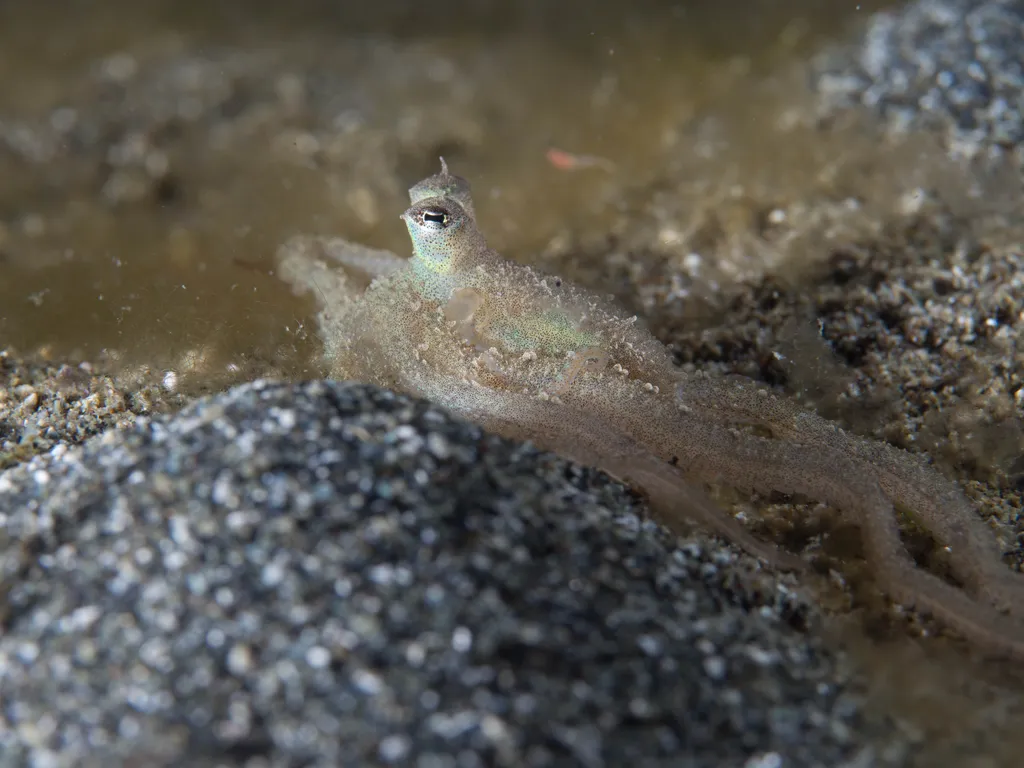
Photo by Rickard Zerpe / CC BY-SA 2.0 via Wikimedia Commons
In Indo-Pacific muck diving, Long-arm Octopus is the catch-all name guides use for small Abdopus octopuses that are not yet pinned to a species—or that do not match the famous algae-octopus disguise. The body is modest (mantle roughly thumb-to-orange sized), but the arms are disproportionately long and thin, giving the animal a stretched, almost spider-like silhouette on sand and rubble. Encounters cluster on soft-bottom slopes and sheltered bays from Lembeh to Anilao, often at modest depths where every diver level can participate.
What makes Abdopus interesting is not raw size but engineering: these octopuses can autotomize arms at the base, sacrificing a writhing limb as a predator decoy while the mantle bolts for cover. Lost arms regenerate over weeks to months. Combined with strong camouflage and den fidelity, long-arm octopuses reward patient macro divers who treat "empty" sand as a searchable habitat rather than transit zone.
🔬Classification
📏Physical Features
🌊Habitat Info
⚠️Safety & Conservation
Identification Guide
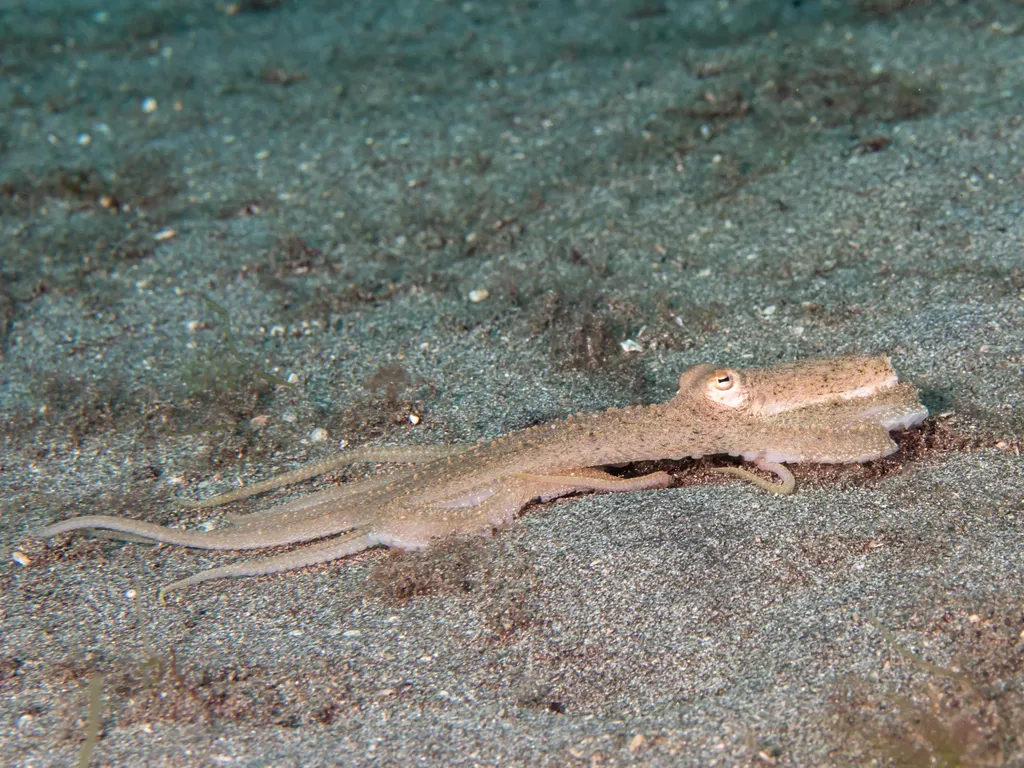
Photo by Rickard Zerpe / CC BY 2.0 via Wikimedia Commons
Start on open sand, rubble, or seagrass patches at 5–20 m—not reef walls. Look for a small mantle with very long, slender arms relative to body size.
Reliable Field Marks
- Mantle typically under ~6 cm; arms may reach ~25–30 cm
- Mottled brown, gray, ochre, or reddish base coloration with variable white arm markings
- Often associated with crevices, rubble piles, bottles, cans, or shell shelters
- Movement is deliberate crawling or short jets rather than dramatic mimicry displays
Separate from Algae Octopus (Abdopus aculeatus)
- Algae octopus: iconic resting pose mimicking an algae-crusted gastropod shell; heavy intertidal/seagrass flat specialist
- Long-arm octopus (Abdopus sp.): dive-log label for undescribed or less distinctive Abdopus; pattern less tied to "fake shell" performance
Separate from Mimic / Wunderpus
- Mimic / wunderpus: bold fixed or dynamic display patterns on black-sand muck; different genus and behavior vocabulary
Top 10 Fun Facts about Long-arm Octopus
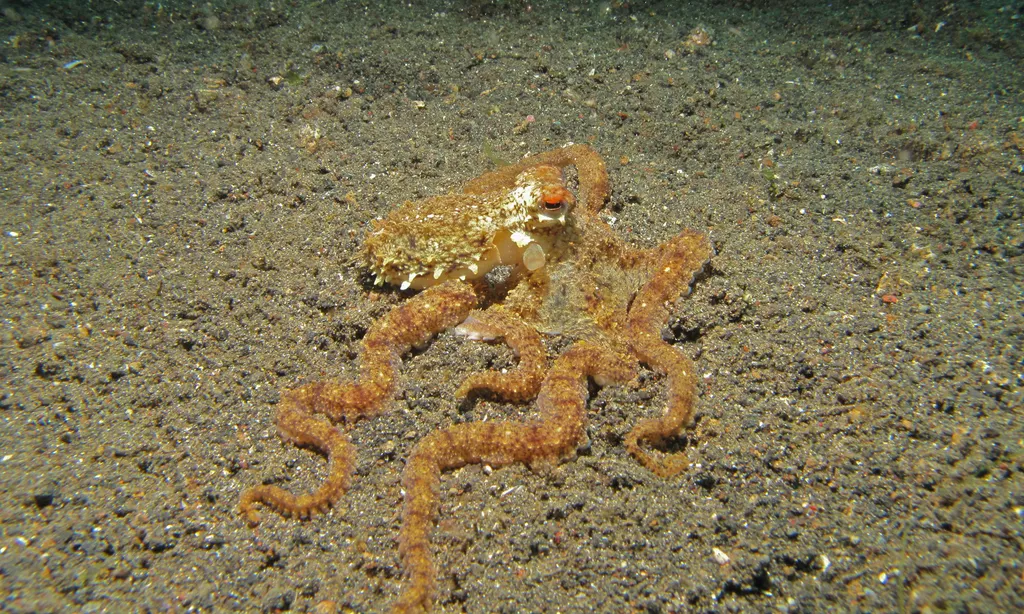
Photo by Bernard DUPONT from FRANCE / CC BY-SA 2.0 via Wikimedia Commons
1. "Long-arm Octopus" Is Often a Genus Label, Not a Species
Dive guides frequently use the name for undescribed Abdopus spp. across Indonesia and the Philippines. Taxonomists recognize multiple described species in the genus, with more still awaiting formal description.
2. Arms Can Be Sacrificed on Purpose
Abdopus octopuses are famous for autotomy: severing an arm near the base so the detached limb writhes and distracts predators. The animal escapes while the arm regenerates over roughly 2–3 months.
3. Small Body, Extreme Reach
The mantle may be only a few centimeters, yet arms can stretch to 25–30 cm. That arm-to-body ratio is a hunting advantage for probing holes and spanning rubble without exposing the mantle.
4. Indo-Pacific Endemic Group
Abdopus radiation is centered in the tropical Indo-West Pacific. This is not a Caribbean or Atlantic long-arm octopus (those belong to different genera such as Macrotritopus or Pinnoctopus).
5. Shelter Generalists
Beyond natural crevices, divers regularly find them in bottles, cans, and empty shells—a reminder that "trash" on muck sites can function as habitat until removed unsafely.
6. Pebble-Lined Dens Are a Clue
Several Abdopus species line den entrances with pebbles and shell fragments, sometimes dozens around a female's burrow. A neat rock ring on sand is worth a second look.
7. Daylight Encounters Are Common
Unlike many headline octopus species pitched for night muck, several Abdopus are active by day on shallow slopes—good news for photographers who dislike midnight black-water logistics.
8. Algae Octopus Is the Famous Cousin
Abdopus aculeatus (algae octopus) shares the genus and arm autotomy trick but owns a distinct algae-shell resting camouflage and intertidal lifestyle. Confusing the two inflates species misidentification in citizen-science logs.
9. Bipedal Walking Appears in the Genus
Research on A. aculeatus documented two-arm walking for escape while maintaining camouflage. Other Abdopus may show similar locomotion—another reason to watch behavior, not only still portraits.
10. Science Is Still Catching Up
Norman and colleagues erected the subgenus/genus framework partly because long-arm morphology and autotomy had been scattered across unrelated taxa. Every well-documented Abdopus sp. sighting helps tease apart a still-unfolding species complex.
Diving & Observation Notes
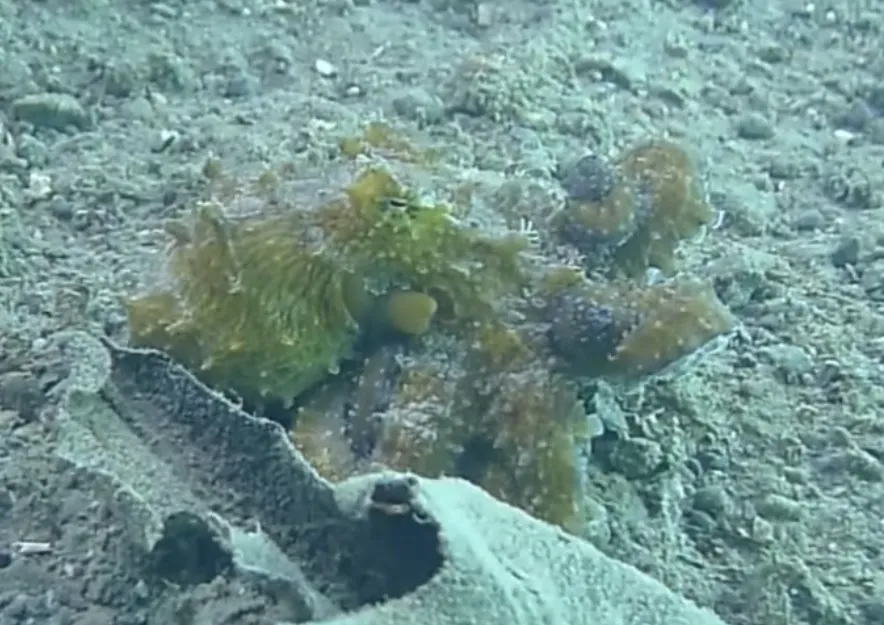
Photo by IchHier--15er (Diskussion) / CC BY-SA 4.0 via Wikimedia Commons
🧭 Where to Search
Focus on sandy bays, lagoon rubble, and mixed muck slopes at 5–20 m. Sites like Jahir and Air Prang in Lembeh, or City Extra off Manado, are classic starting points. Scan low-profile debris and seagrass edges before checking walls.
🔍 Spotting Technique
Move slowly with fins high to avoid sand storms. Watch for arm tips protruding from crevices or a small mantle shifting between rubble pieces. A pebble ring around a hole is a strong hint.
🤿 Approach
Abdopus sp. will retreat if you hover directly over the den mouth. Stop 1–2 m out, stabilize buoyancy, and wait. Short retreats are normal; repeated withdrawal means back off.
📸 Photo Notes
60–100 mm macro works well. Capture full arm-length context, den entrance with pebbles, and any autotomy or foraging sequence. Video helps document crawling and jetting behavior guides use for ID.
⚠️ Ethics
Do not poke, dig out, or rearrange bottles/shells. Never stress an animal into repeated arm drops for footage—autotomy is a real cost. Hands off, always.
Best Places to Dive with Long-arm Octopus
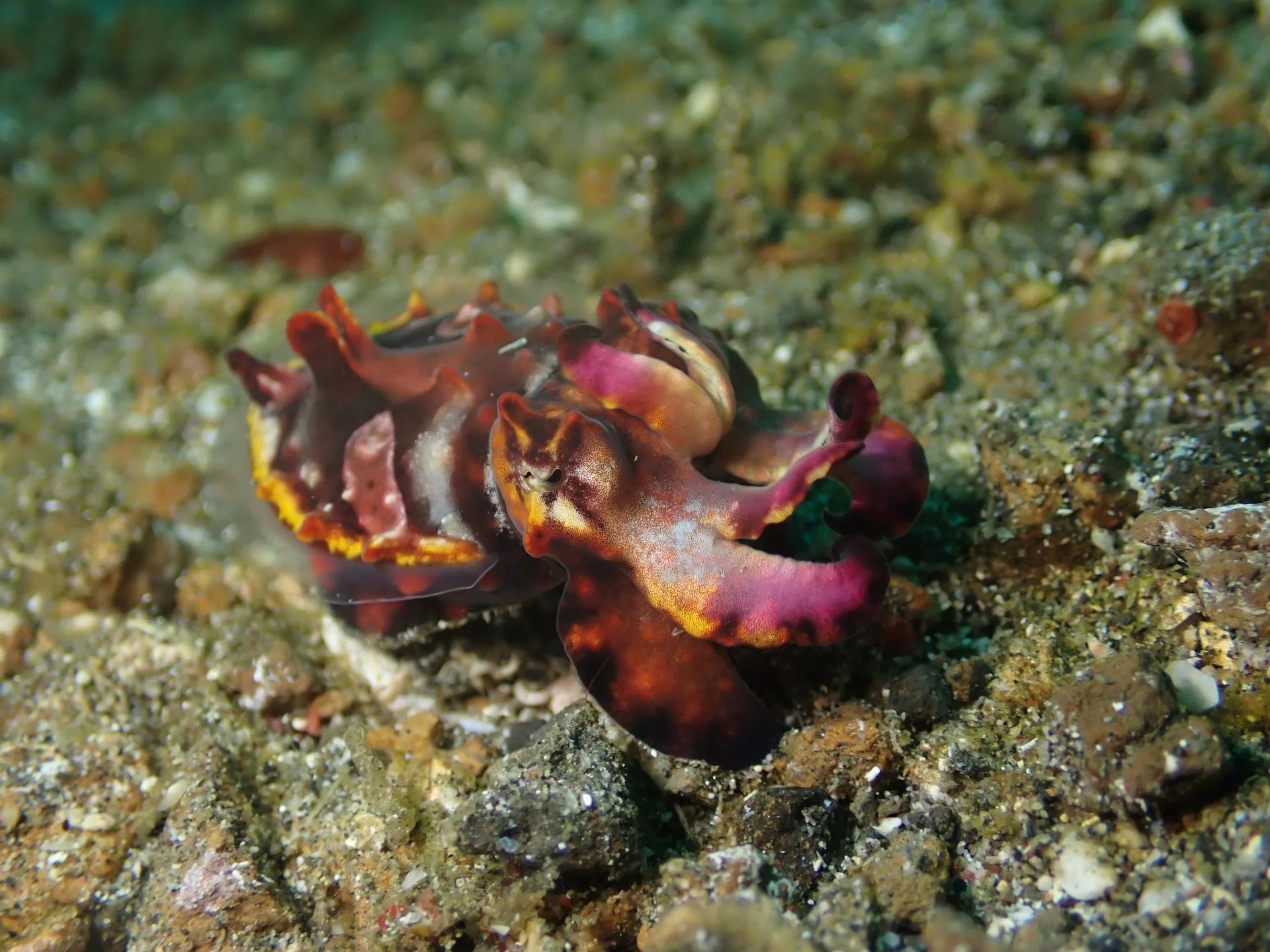
Lembeh
The Lembeh Strait in North Sulawesi has become famous as the muck‑diving capital of the world. At first glance its gently sloping seabed of black volcanic sand, rubble and discarded debris looks bleak. Look closer and it is teeming with weird and wonderful life: hairy and painted frogfish, flamboyant cuttlefish, mimic and blue‑ringed octopuses, ornate ghost pipefish, tiny seahorses, shrimp, crabs and a rainbow of nudibranchs. Most dives are shallow and calm with little current, making it an ideal playground for macro photographers. There are a few colourful reefs for a change of scenery, but Lembeh is all about searching the sand for critter treasures.
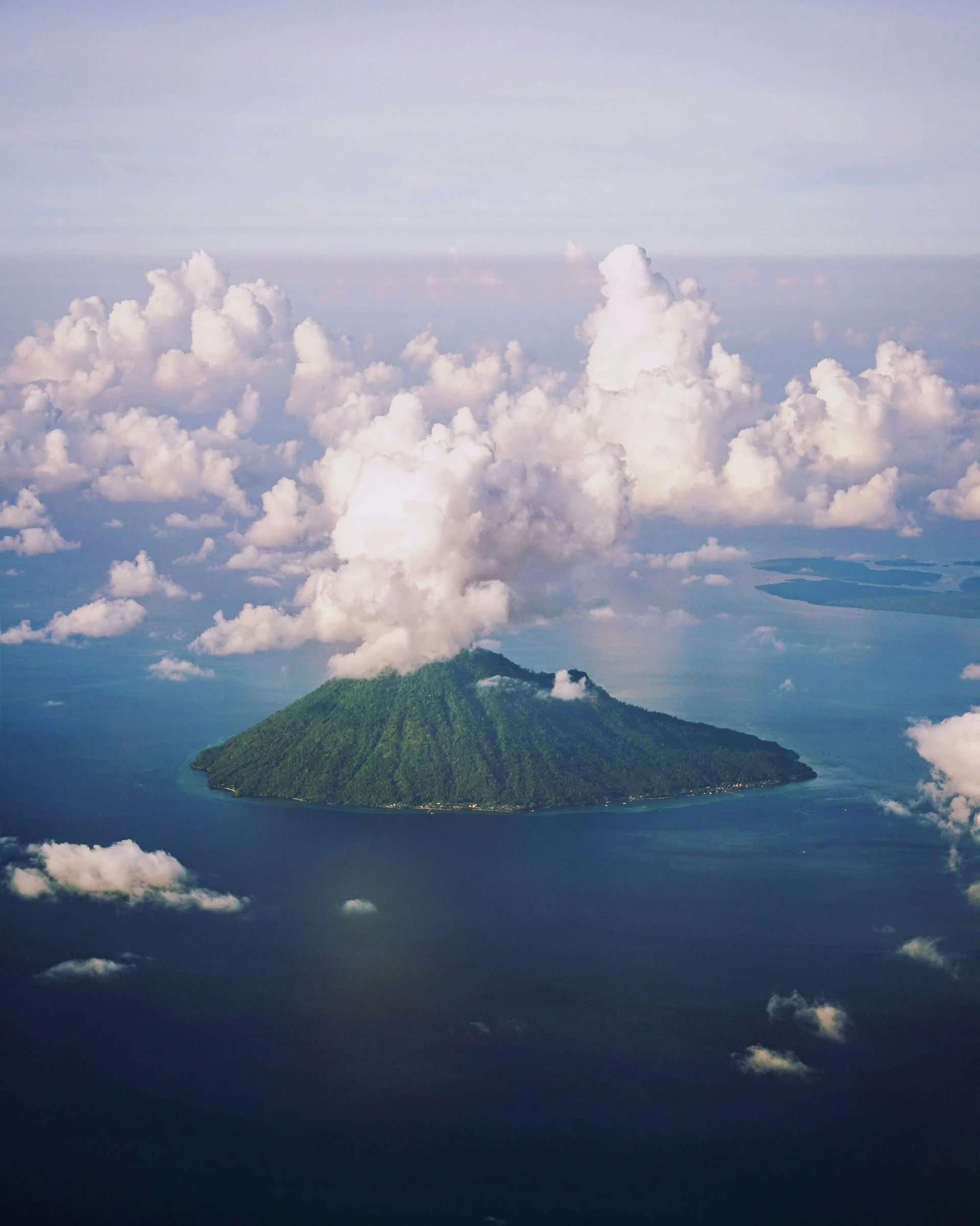
Manado
Tucked away in northern Sulawesi, Manado’s coastal waters and Bunaken National Park are a diver’s dream. Sheer coral walls plunge into the deep blue, exploding with sponges, sea fans and tropical fish, while the mainland coast hides muck‑diving gems with seahorses, ghost pipefish and mimic octopus. Dolphins and pilot whales sometimes cruise past, green turtles nap on the reef, and reef sharks and schooling jacks patrol the drop‑offs. Whether you like effortless drift dives along walls or critter hunting in sand and seagrass, Manado balances big‑fish thrills with macro treasures. Warm waters, friendly locals and laid‑back resorts make it perfect for both serious underwater photographers and casual holidaymakers.
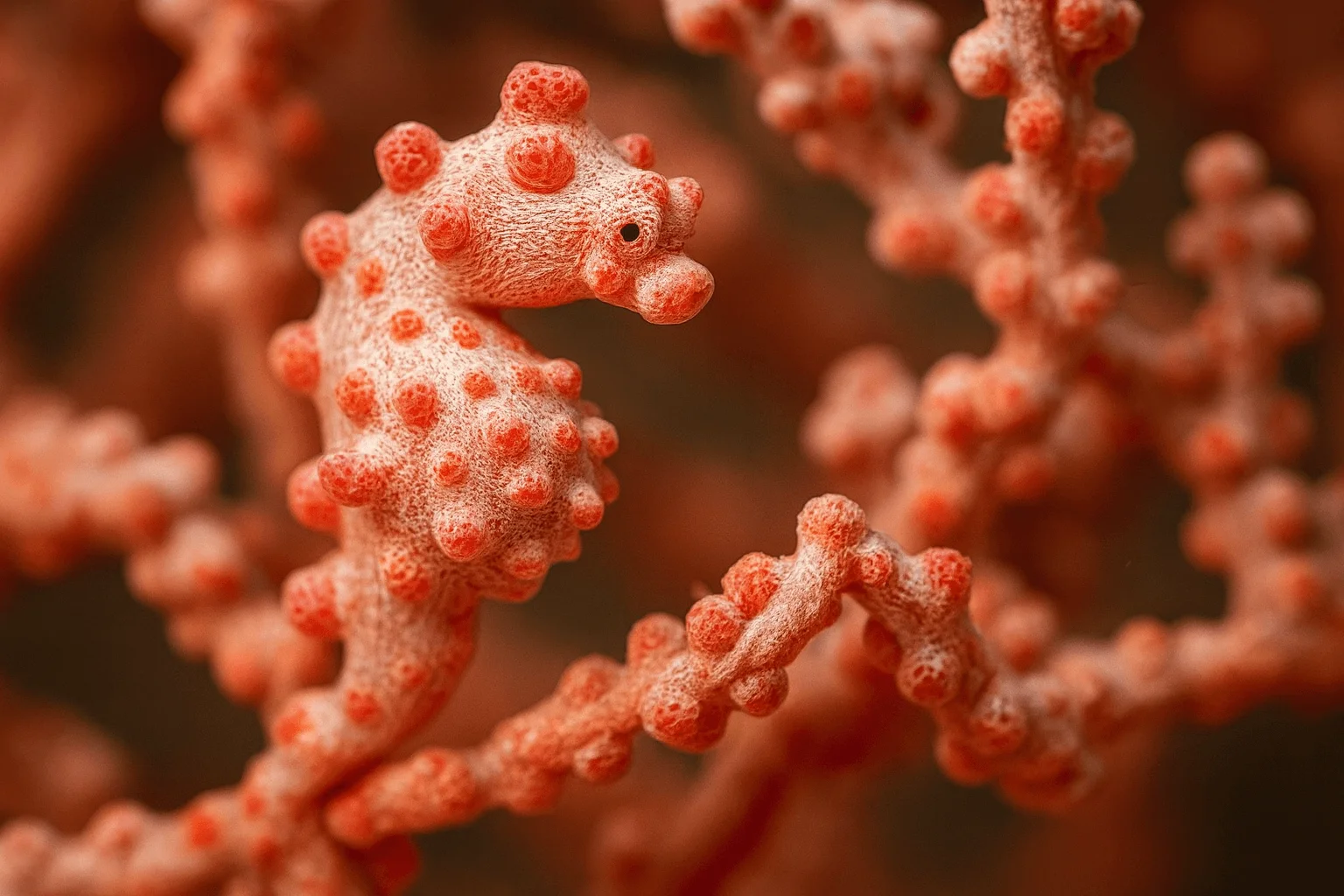
Anilao
Anilao, a small barangay in Batangas province just two hours south of Manila, is often called the macro capital of the Philippines. More than 50 dive sites fringe the coast and nearby islands, offering an intoxicating mix of coral‑covered pinnacles, muck slopes and blackwater encounters. Critter enthusiasts come for the legendary muck dives at Secret Bay and Anilao Pier, where mimic octopuses, blue‑ringed octopuses, wonderpus, seahorses, ghost pipefish, frogfish and dozens of nudibranch species lurk in the silt. Shallow reefs like Twin Rocks and Cathedral are covered in soft corals and teem with reef fish, while deeper sites such as Ligpo Island feature gorgonian‑covered walls and occasional drift. Because Anilao is so close to Manila and open year‑round, it’s the easiest place in the Philippines to squeeze in a quick diving getaway.
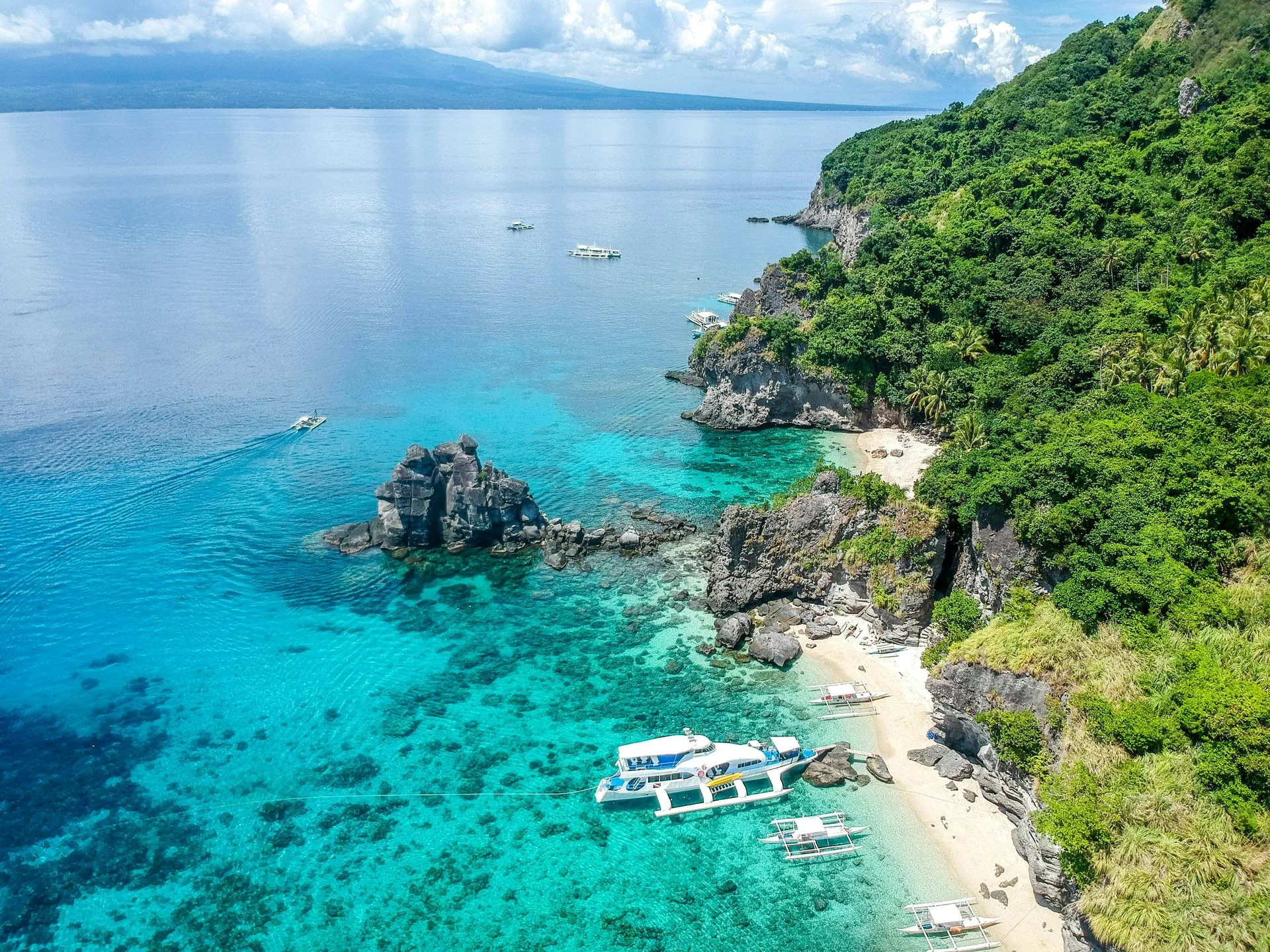
Dumaguete
Dumaguete on the southeast coast of Negros is the jumping‑off point for some of the Philippines’ most diverse diving. Along the nearby town of Dauin, a series of shallow marine sanctuaries and black‑sand slopes hide critters galore: frogfish, flamboyant cuttlefish, mimic octopus, ghost pipefish, seahorses, pipefish and nudibranchs. Artificial reefs made from car tyres and pyramids provide extra habitat. Offshore, Apo Island’s walls and plateaus burst with hard and soft corals, schooling jacks and barracudas, and friendly green turtles. With day trips to Oslob’s whale sharks or Bais’ dolphin‑watching, and excursions to nearby Siquijor, Dumaguete offers a perfect mix of macro muck diving and classic coral reefs.
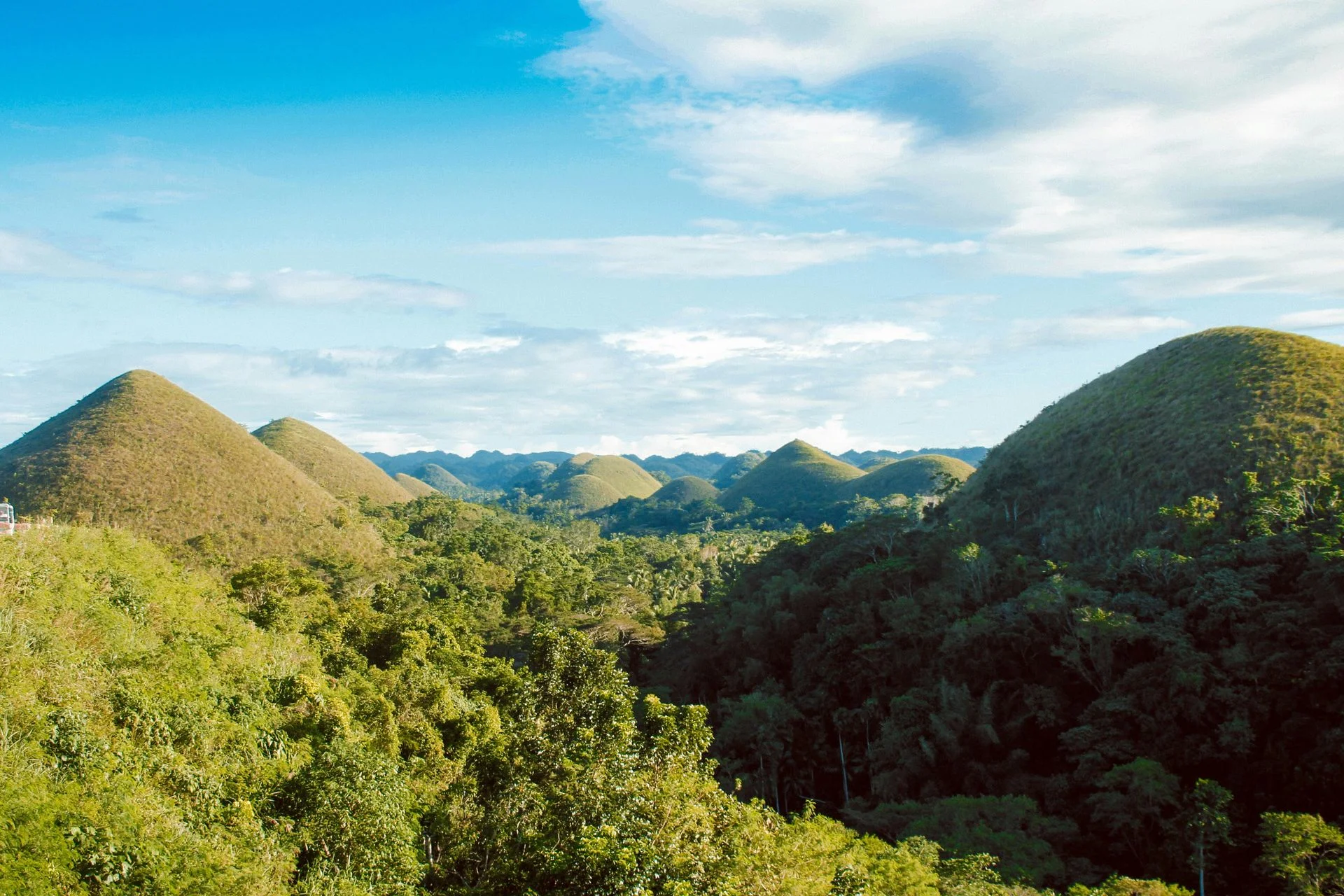
Bohol
Bohol, an island province in the central Visayas of the Philippines, is a diver’s playground with a huge variety of sites. The main hub is Panglao Island, where Alona Beach serves as the launch point for local reef dives and day trips. Nearby Balicasag Island is world‑class: its 5‑ to 18‑m plateau drops into walls where clouds of jackfish and sardines swirl and sleepy green and hawksbill turtles munch on soft corals. To the west, Cabilao’s reefs hide hammerhead sharks and pygmy seahorses, while the remote east coast of Anda offers muck dives, turtle nurseries and even mantas and whale sharks. Other favorites include Napaling’s year‑round sardine balls, Pamilacan’s manta and shark‑filled walls and Cervera (Snake Island) with its resident sea snakes. Whether you love colourful coral gardens, deep walls, big pelagics or tiny critters, Bohol has something for every diver.
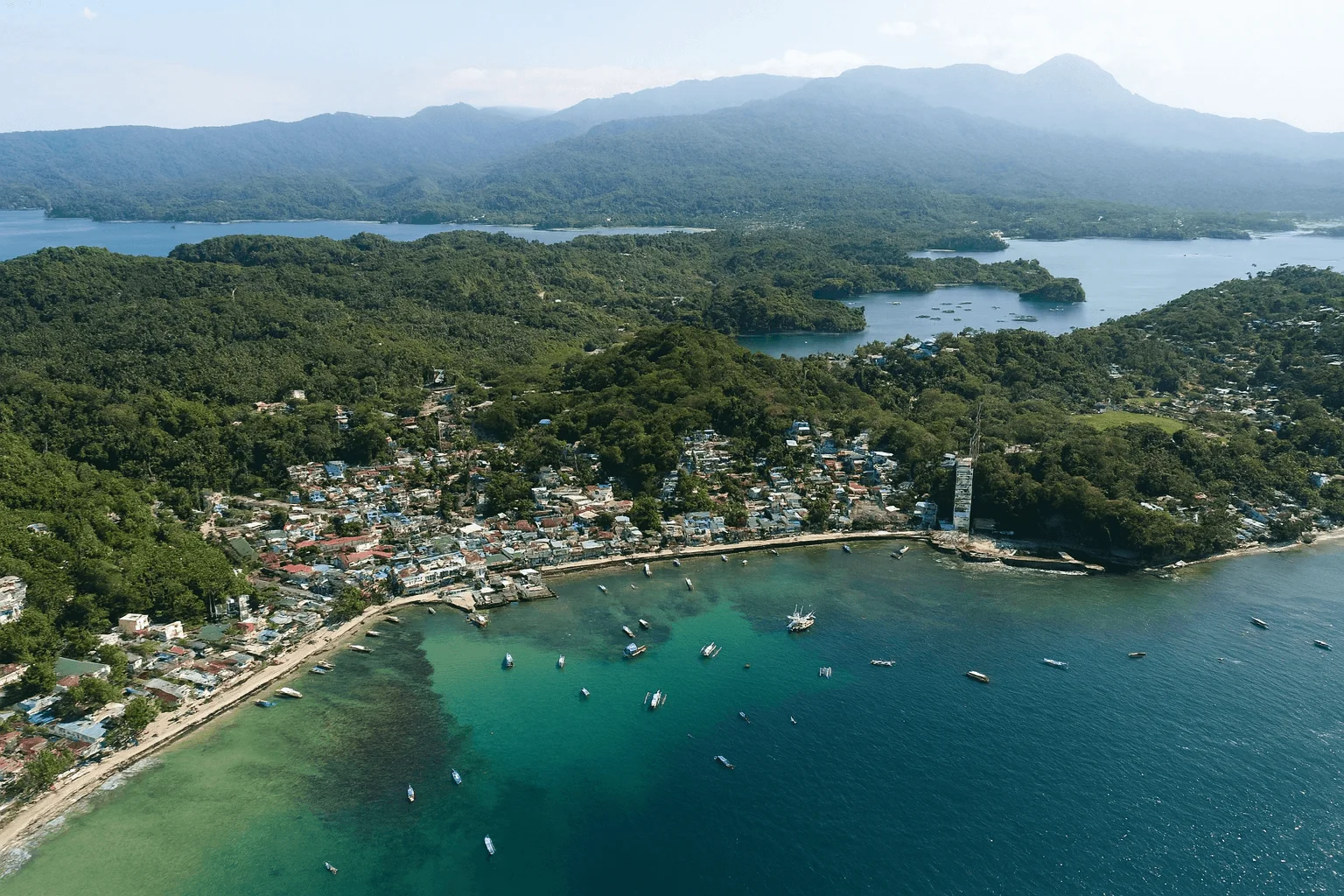
Puerto Galera
Puerto Galera sits on the northeast tip of Mindoro Island in the Philippines and has long been rated among Asia’s best and most diverse diving areas. The town faces the Verde Island Passage – part of the Coral Triangle – so its reefs host an incredible mix of hard and soft corals, seahorses, frogfish and other critters alongside schooling jacks and occasional pelagics. More than forty sites line the bays and headlands around Sabang and Small La Laguna, meaning everything from easy house‑reef dives and shallow muck sites to current‑swept canyons and colourful wrecks is only a short boat ride away. Currents are governed by the lunar cycle; strong spring tides around full and new moon create exciting drift dives, while neap tides offer gentle conditions that are perfect for macro photography. Because the water stays warm all year (27–30 °C) and visibility often reaches 15–30 m, Puerto Galera attracts both beginners and experienced divers seeking a fun, affordable destination with lively nightlife on land.
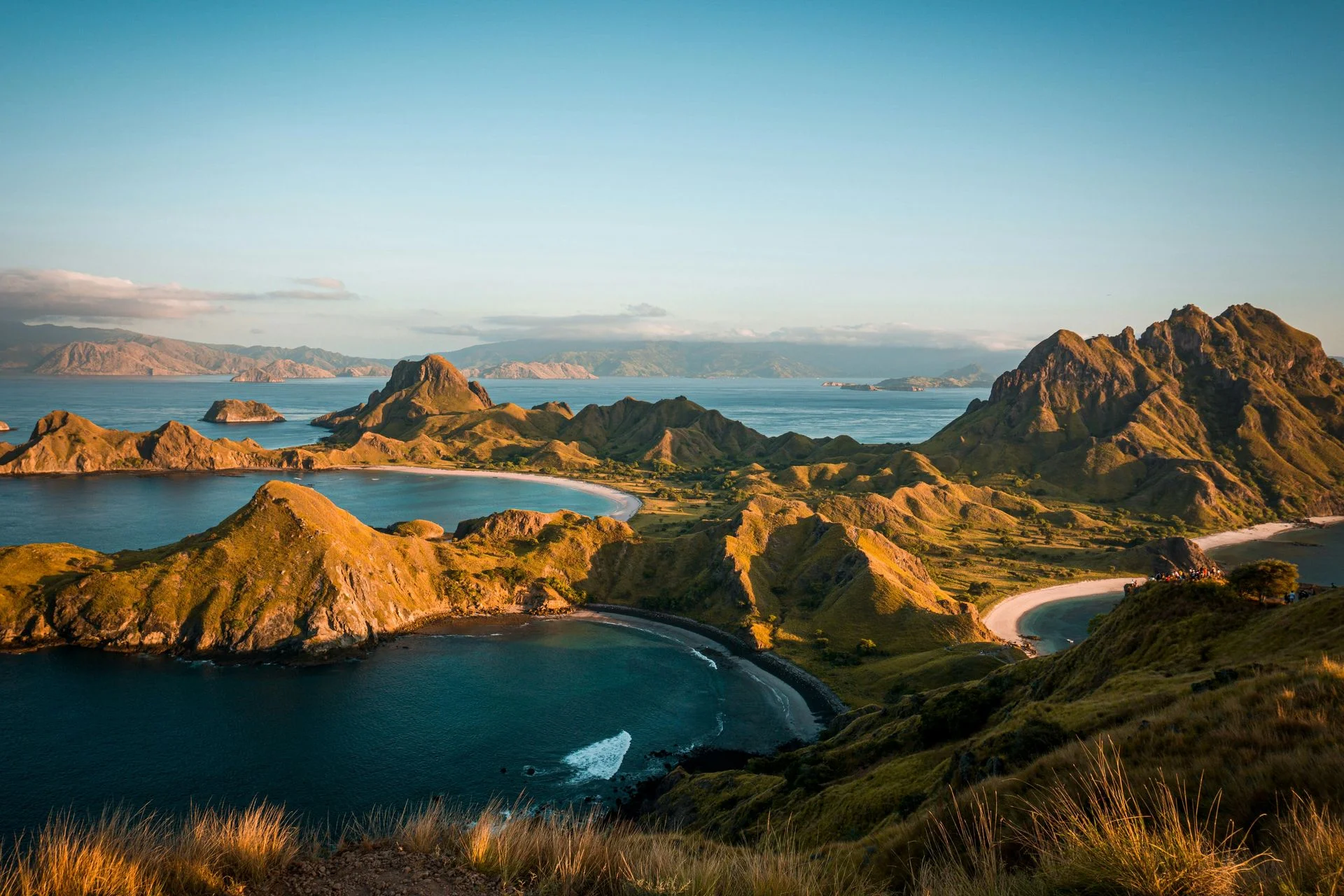
Komodo
Komodo National Park is a diver’s paradise full of marine diversity: expect healthy coral gardens, reef sharks, giant trevallies, countless schools of fish, and frequent manta ray sightings at sites like Manta Point and Batu Bolong. Drift dives and dramatic reef structures add excitement, while both macro lovers and big-fish fans will find plenty to love. Above water, the wild Komodo dragons roam, giving a touch of prehistoric wonder to the whole trip.
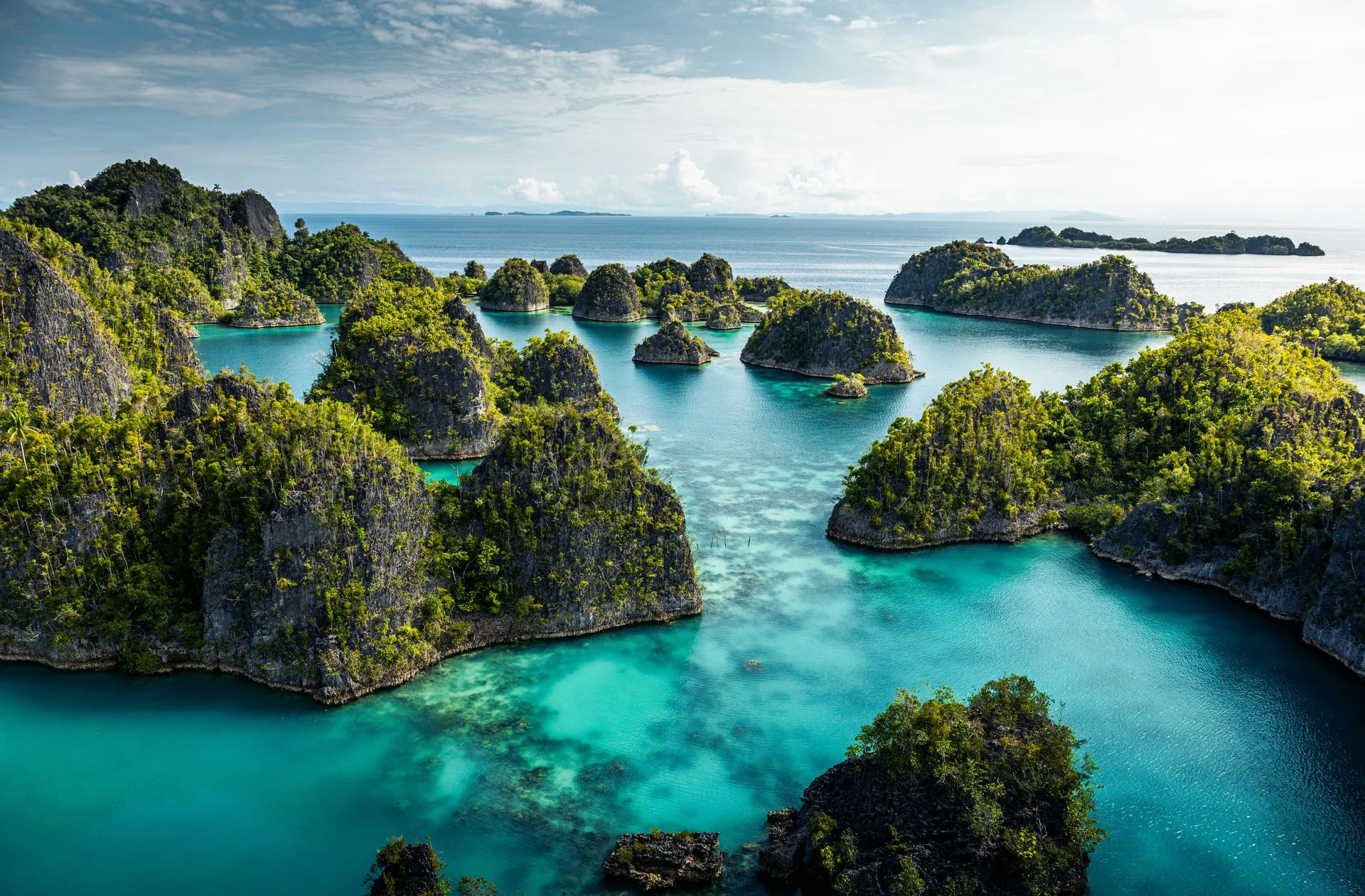
Raja Ampat
Raja Ampat, the “Four Kings,” is an archipelago of more than 1,500 islands at the edge of Indonesian West Papua. Its reefs sit in the heart of the Coral Triangle, where Pacific currents funnel nutrients into shallow seas and feed the world’s richest marine biodiversity. Diving here means gliding over colourful walls and coral gardens buzzing with more than 550 species of hard and soft corals and an estimated 1,500 fish species. You’ll meet blacktip and whitetip reef sharks on almost every dive, witness giant trevally and dogtooth tuna hunting schools of fusiliers, and encounter wobbegong “carpet” sharks, turtles, manta rays and dolphins. From cape pinnacles swarming with life to calm bays rich in macro critters, Raja Ampat offers endless variety. Above water, karst limestone islands and emerald lagoons provide spectacular scenery between dives.